university Experts
Connect for media, speaking, professional opportunities & more.

Expert Insight: UConn's Jennifer Dineen weighs in with her perspective on gun violence in America
Earlier this week, UConn's Jennifer Dineen co-authored an opinion piece in Vital City where she shared a very candid expert perspective on gun violence and how too often it is only portrayed or explained from the point of view and experience of a male observer. She shares how topics like intimate partner violence, a lack of data on gun ownership by women, and the risks that pregnant women face are at best overlooked and too often simply ignored. Jennifer Dineen is a survey methodologist who focuses on stakeholder attitudes as mechanism for intervention uptake and policy change. She is an associate professor in-residence on fellowship in the Institute for Collaboration on Health, Intervention, and Policy (InCHIP) at the University of Connecticut and associate director of UConn’s Center for Advancing Research, Methods, and Scholarship (ARMS) in Gun Violence Prevention. View her profile Men are more likely victims and perpetrators of firearm injury, and men are most likely firearm owners. And so we often consider gun violence a mostly male problem. Mostly, but not only — and the way guns shape women’s lives often falls away from the conversation altogether. This issue of Vital City attempts to serve as a corrective. We ask readers to consider the unique impact and ways that women interact with or are harmed by firearms and to then consider solutions. Though American women’s firearm injury and death rates are lower than American men’s, they are much higher than women’s in other countries. And women are increasingly owners of guns, at rates that would’ve been highly surprising a generation ago. When we start to see guns through women’s eyes, the policy conversation changes. It changes the strategy considerations for preventing violence and for educating gun owners. The articles in this issue try to explain what we know about women and firearms and the knowledge gaps that still hinder our understanding. Our goal is to spark future research and data collection and to highlight what policymakers can do now as well as ultimately, finding well-tailored interventions that reduce adverse outcomes (like fear, injury and death) and promote positive outcomes (like safer firearm ownership, health and well-being). Women’s relationship with firearms is distinct from men’s Let’s begin with how women are harmed by weapons. If the classic picture of a male homicide or injury victim is a young man, shot by a stranger, what’s a female gun homicide or injury victim? Far too often, it’s someone targeted by her intimate partner. And, far too often, it’s someone pregnant. In a surprising number of cases, victims are older women. Which is not to say that women don’t get involved in street violence, both on the receiving and the giving end; they do. How women are harmed by guns Women most commonly are injured or killed by guns used by an intimate partner in the context of domestic violence. The presence of a firearm in an abusive household increases the risk of intimate partner homicide fivefold. While homicide is the worst outcome, firearms may also be used in an abusive relationship to exert coercive control; thus their presence changes the threat calculus even when never fired. Further, when women are harmed, it’s often in their own homes, which, as Erdal Tekin and Michael Ulrich detail in their articles, has implications for the interpretation of legal doctrine — a doctrine built on threats outside of the home. Homicide — primarily by firearm — leads to more maternal death (defined as the death of those who are pregnant or have recently given birth) in the U.S. than hemorrhage, hypertension and infection. Stated differently, expectant and new mothers are in greater danger from bullets than biology. Lynn Addington points out that, while there is an age gradient, women over the age of 50 are still at risk of intimate partner homicide (which may also involve the shooter dying by suicide). Finally, women may suffer from firearms due to their caregiver roles. Nelba Márquez-Greene and Zirui Song document that when children and other family members are shot, it is disproportionately women — mothers, sisters, daughters — who absorb the psychological and economic fallout. The full piece is attached above and is a must-read article for anyone interested in this important topic. And, if you're a journalist looking to know more about violence prevention, gun violence, and how it impacts women in America, then we can help. Jennifer Dineen is available to speak with media about this topic, simply click on her profile now to arrange an interview today.


What Does an AI Data Center Really Cost the Environment?
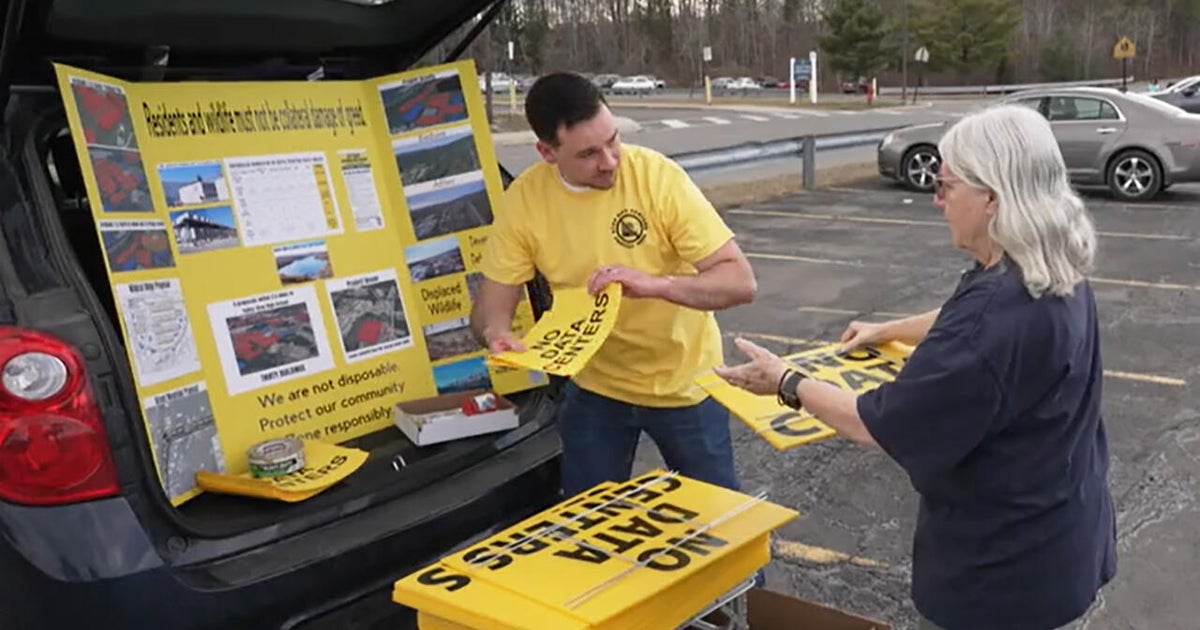
Artificial intelligence may live in the cloud, but the infrastructure powering it has a very real footprint on the ground. As the race to build the massive data centers needed to support AI accelerates, their demands on electricity, water and local infrastructure are drawing increasing attention. Reuters reports that proposed AI data centers in Silicon Valley are facing resistance from residents and environmental groups concerned about water consumption, energy use, air pollution and the broader impact on their communities. Those concerns are becoming increasingly relevant as communities across the country weigh the economic opportunities associated with AI infrastructure against its environmental costs. Dr. Hilary Hungerford is a human geographer whose research explores the relationships between people and their environments, with a particular focus on the role of water in shaping those connections. She is an expert in the areas of human geography, sustainability, climate change, urban geography, and the geography of Utah. View her profile Dr. Hilary Hungerford, a professor of geography at Utah Valley University, studies the intersection between people and their environments, with particular expertise in water, sustainability and urban geography. Her research has examined water use by the technology industry in Utah and the relationship between water, infrastructure and technology industries in urban environments. Her expertise raises important questions as the AI data center boom continues: How much pressure can these facilities place on local water and energy supplies? What does rapid data center development mean for communities already facing water constraints? And how should cities balance economic development with sustainability and the long-term availability of natural resources? As communities confront the physical infrastructure required to power the AI revolution, Hungerford can provide important context on the environmental impacts that can accompany technological growth. If you’re interested in speaking with Hilary Hungerford about data centers, water use, sustainability and the environmental impact of the AI boom, click on her profile below.

Think You Can Spot an AI Deepfake? New Research Says Think Again
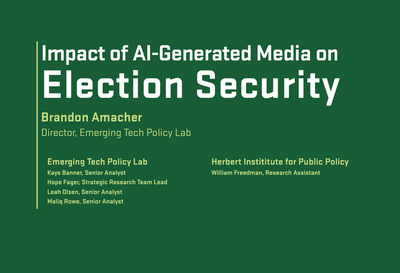
With the 2026 midterm elections approaching, artificial intelligence is becoming an increasingly visible part of the political information landscape. AI-generated campaign advertising is already appearing in U.S. races, while concerns about deepfakes, misinformation and election security are receiving growing attention. But what happens when voters simply can't tell what is real? New research led by Brandon Amacher, Director of Utah Valley University's Emerging Tech Policy Lab, offers a striking look at that question. The study involved 632 participants from a politically representative sample of the U.S. population and compared reactions to authentic political videos with AI-generated versions. Brandon Amacher is Director of the Emerging Tech Policy Lab at Utah Valley University, where he leads research and technical intelligence initiatives focused on protecting U.S. national security and assessing the strategic impact of artificial intelligence, cybersecurity, and other advanced technologies. View his profile Researchers found no statistically significant difference in the ability of authentic and deepfake videos to change participants' previously held opinions. Perhaps more concerning, participants struggled to identify the synthetic content even after being told they may have encountered a deepfake. The findings raise timely questions as voters encounter more AI-generated material online: Can voters still trust what they see? Are traditional approaches to media literacy enough? And what can election officials, technology companies and policymakers do as synthetic media becomes increasingly convincing? Amacher can provide insight into the research, the rapidly changing deepfake landscape and what AI-generated media could mean for election security and public trust. If you're interested in speaking with Brandon Amacher, click on his profile below.

Kratom Is Easy to Find - But How Much Do Young People Know About the Risks?
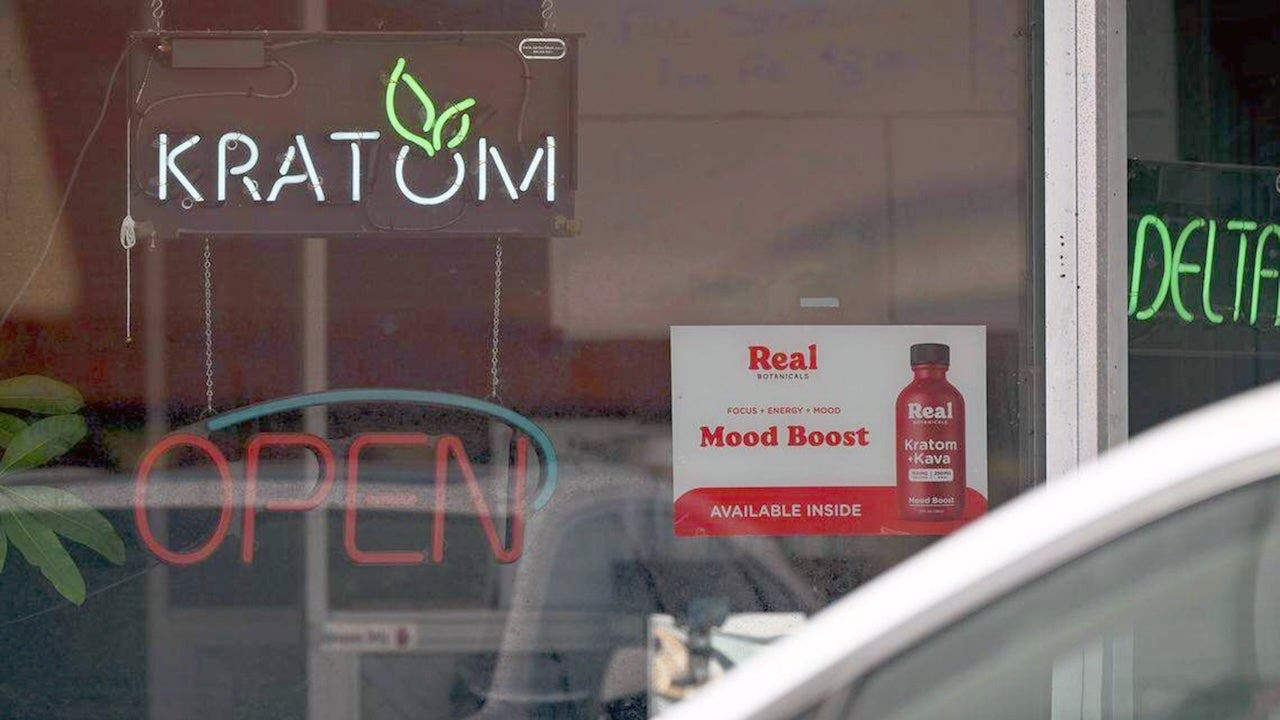
Kratom products have become increasingly visible in convenience stores, smoke shops and online, but growing concerns about dependence and increasingly potent derivatives are putting the substance under greater scrutiny. Addiction treatment providers across the United States are reporting an increase in patients seeking help for dependence on kratom and 7-hydroxymitragynine, commonly known as 7-OH. Some newer products contain highly concentrated levels of 7-OH, a compound that acts on opioid receptors and can produce stronger opioid-like effects. The issue is particularly relevant for adolescents and young adults. Kratom and related products can be sold as powders, pills, gummies and liquid shots, potentially making it difficult for consumers and families to understand exactly what they are purchasing and the risks involved. Genevieve Weber, PhD, LMHC, LPC, associate professor of counseling and mental health at Hofstra University, can discuss the risks associated with kratom and other emerging substances, particularly among adolescents and young adults. View her profile Drawing on her clinical practice and community-based work educating families and retailers, Weber can address why young people may be vulnerable to emerging substances, how perceptions of availability and legality can influence perceptions of risk, and what parents, educators and communities should know as new products continue to appear. With regulators, health professionals and treatment providers paying increasing attention to kratom and concentrated 7-OH products, Weber can also offer perspective on the importance of education and prevention as the substance landscape continues to evolve. To arrange an interview today, simply click on her profile below.



Gas Prices, Inflation and the Economy: What’s Behind the Numbers?
From the price at the pump to the cost of groceries, borrowing and everyday purchases, the economy is once again front and centee in the news and in household budgets. The latest Consumer Price Index shows U.S. inflation running at 3.4% year over year, while gasoline prices have risen sharply. The impact extends well beyond what drivers pay to fill their tanks. Energy costs can ripple through transportation, supply chains, businesses and ultimately the prices consumers see elsewhere. It also raises bigger questions: What is driving the latest inflationary pressure? How significant are rising fuel prices to the broader economy? Why can economic indicators appear relatively strong while consumers remain concerned about their finances? And what should people be watching in the months ahead? Cary Wasden, Ph.D. has served as a Professional in Residence in the Finance and Economics Department at Utah Valley University since 2015, where he brings extensive international business and financial industry experience into the classroom. He is s an expert in investment banking and management of financial institutions. View his profile Cary Wasden, a finance and economics expert at Utah Valley University, can provide context and perspective on the economic forces behind the headlines and help audiences better understand what the latest numbers mean for consumers, businesses and the broader economy. If you’re interested in speaking with Cary Wasden about inflation, gasoline prices, consumer spending or the economy, click on his profile below to arrange an interview today.


White House Media Ban Is Over - But Questions About Press Access Remain
The immediate confrontation may be over, but the questions it raised are not. CNN, MS NOW and Politico have regained access to the White House after President Donald Trump’s administration temporarily barred the news organizations from covering the president. A federal judge ordered their access restored, finding that the outlets had not been provided constitutionally adequate due process when their credentials were revoked. While the ban has been lifted, the episode has renewed a broader debate about press access, government accountability and the relationship between a presidential administration and the journalists assigned to cover it. It also raises questions about what happens the next time an administration strongly objects to a news organization’s coverage. How much discretion should the White House have over access? What protections exist for journalists covering the presidency? And could disputes like this affect how news organizations approach their coverage? Mark Lukasiewicz, dean of The Lawrence Herbert School of Communication at Hofstra University, brings nearly four decades of journalism and network news experience to the discussion, including 17 years at NBC News, where he served as senior vice president of specials and supervised coverage of major breaking news events, presidential elections and debates. View his profile With extensive experience in television news, journalism and political coverage, Lukasiewicz can provide perspective on the practical consequences of restricting media access, the relationship between the White House and the press corps, and what the escalating dispute could mean for news organizations covering the administration. To arrange an interview today, simply click on his profile below.


Texas Senate Rematch Puts Tarrant County Back in the Political Spotlight
Less than a year after Democrats flipped a Texas Senate seat in Tarrant County, the two candidates are preparing for a November rematch — this time under very different electoral circumstances. Democratic State Sen. Taylor Rehmet defeated Republican Leigh Wambsganss by 14 percentage points in a January special-election runoff for Senate District 9, a district Donald Trump carried by 17 points in the 2024 presidential election. Now Rehmet and Wambsganss will face each other again on Nov. 3, with the winner securing a full four-year term. In a recent Fort Worth Report article examining the race, Adam Schiffer, professor of political science at Texas Christian University, explains why the dynamics of a regular midterm election could be significantly different from those surrounding January's special election. Special elections typically attract lower turnout, and January's runoff featured only Rehmet and Wambsganss. This fall, Tarrant County voters will see more than 70 races on the ballot, creating a much different political environment. “Democrats are extremely energized and motivated to vote right now, and Republicans are a bit dispirited,” Schiffer told the Fort Worth Report. “So that’s the kind of thing that then can work to Rehmet’s advantage.” Professor Schiffer studies American politics, with an emphasis on the news media, elections, and public opinion. His recent work has covered the hot topics of media bias and presidential primary elections. View his profile Schiffer also points to competing forces that could influence the contest. A larger electorate and greater partisan attention could change the makeup of the voters who participate, while Democratic enthusiasm could continue to benefit Rehmet. The race provides a timely opportunity to examine broader questions about voter turnout, partisan loyalty, candidate positioning and whether the political conditions that produce a special-election upset can carry over into a midterm election. Schiffer can provide expert perspective on the Senate District 9 rematch, Tarrant County's changing political landscape, voter behavior and the role that turnout and partisan enthusiasm can play in closely watched elections. To arrange an interview today, simply click on his profile below.


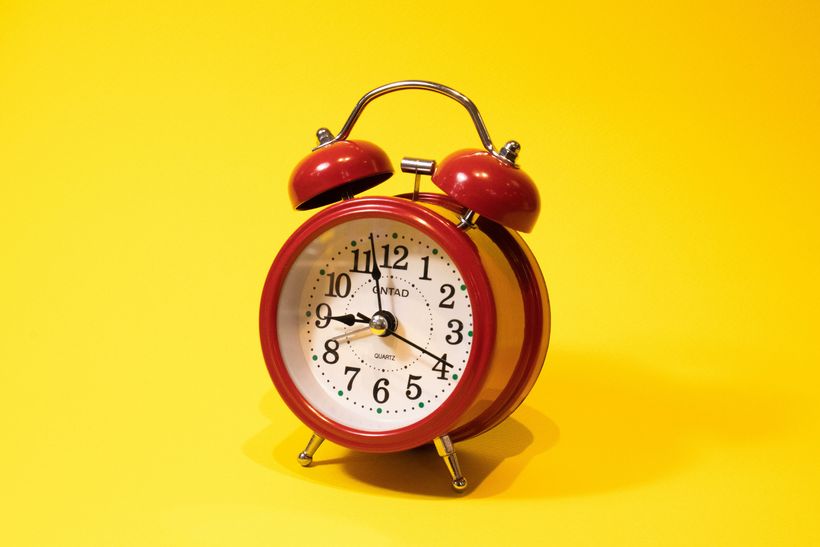
Twice a year, Americans are made to gain or lose one hour of sleep to accommodate an age-old custom of dubious origins. But that may soon change. On July 14, 2026, Democrats and Republicans in the U.S. House of Representatives joined together to approve the Sunshine Protection Act, a bill that would effectively eliminate seasonal clock adjustments and institute permanent daylight saving time. Currently, this legislation is stalled in the Senate, but pressure is steadily mounting for the act’s passage before clocks once again “fall back” at the beginning of November. Amid the push, many researchers who specialize in sleep science and medicine hope Congressional lawmakers continue biding their time—and time in general—and weigh a different approach to the nation’s wakeup call conundrum. “Both the general public and the medical and scientific communities seem to largely support eliminating the practice of changing the clocks twice a year,” says Elizabeth Pantesco, PhD, assistant professor of Psychological and Brain Sciences and head of the Sleep and Heart Health Lab at Villanova University. “However, while political and public opinion often seem to slightly favor permanent daylight saving time, the sleep medicine and circadian science communities generally support permanent standard time.” As Dr. Pantesco explains, this support largely stems from experts’ understanding of circadian health. Permanent standard time would produce earlier morning light and earlier evening darkness, which is generally considered more favorable for optimizing the body’s 24-hour internal rhythms, than permanent daylight saving time. “Under permanent daylight saving time, reduced morning light and increased evening light exposure could shift the circadian clock later, while work, school and other social schedules remain fixed,” says Dr. Pantesco. “This can result in more difficulty falling asleep at night while still needing to get up at the same time in the morning, increasing the likelihood of circadian misalignment, poorer-quality sleep and shorter sleep.” Based on research and historical evidence, the consequences of this restlessness could extend far beyond bleary eyes and midday yawns. While permanent daylight saving time has never been analyzed in controlled trials, the existing literature on sleep restriction and circadian misalignment indicates that the policy change could have significant health and safety ramifications over an extended period. “Circadian misalignment and insufficient sleep have been associated with increased risks for cardiovascular and metabolic disease, as well as depression and other psychiatric outcomes. Long-term circadian disruption, particularly in research on shift work, has also been linked with certain cancers. More immediate consequences can include daytime sleepiness, impaired attention, reduced productivity and an increased risk of errors and motor vehicle crashes.” Dr. Pantesco also notes the possibility of some drawbacks with permanent standard time, which would shift an hour of daylight from evening to morning during the months currently on daylight saving time. Among the resultant pitfalls are that it could limit “opportunities for outdoor and social activities after work, affect businesses that benefit from evening activity and potentially increase risks for certain types of crime and for evening pedestrian or cyclist accidents.” Still, while the communal and societal effects of a permanent standard time have yet to be fully understood, the health benefits are strongly supported by circadian biology. As the American Academy of Sleep Medicine (AASM) contends, its institution could eliminate the chronic sleep disruption caused by seasonal clock changes while creating a “natural synchrony [optimal] for health, mood, performance and safety.” Among U.S. lawmakers, there is a contingent that wholeheartedly agrees, working to enshrine permanent standard time through a Sunshine Protection Act alternative—the Sunshine for Our Kids Act. Whether they will be able to convince their Congressional cohorts of the benefits of permanently “springing forward” over permanently “falling back” remains to be seen, however. As with most things, only time will tell.


How should journalists cover politics when democracy is at stake
Political coverage often centers on the president, but according to the University of Delaware’s Dannagal Young, journalists can sometimes provide more meaningful coverage by focusing more on democracy and less on the commander in chief’s every movement. Young calls this approach “democracy-centered reporting.” Instead of treating every presidential announcement or provocative statement as the central event, democracy-centered reporting asks how political actions affect democratic institutions, constitutional principles and Americans’ ability to exercise their rights as citizens, Young says. Young, professor of communication and director of UD’s Center for Political Communication, says “access journalism” has an important role, but an overreliance on access can also make political leaders the organizing principle of coverage. In moments when executive power is expanding, she argues, journalists should consider whether their coverage is inadvertently amplifying the power they are trying to scrutinize. Young can discuss: • How journalists can cover presidents without making the president the center of every story • The benefits and risks of access journalism • How coverage of political conflict affects public understanding of democracy To arrange an interview with Young, visit her profile and click on the "contact" button. Interested reporters can also send an email to MediaRelations@udel.edu.



Public health risks after a major flood
Floodwaters may recede quickly, but the health consequences of a major disaster can last for months or even years, says University of Delaware epidemiologist Jennifer Horney. Horney, an expert in disaster recovery and public health, can discuss the longer-term health challenges communities face after major flooding events, including the Aug. 26 flash floods in Nepal that resulted in 1,450 deaths, with 6,000 people still missing. Horney can talk about: • How damage to health infrastructure can make it more difficult for people to access medical care after a disaster, and what communities can do to prepare for and reduce longer-term health consequences following flooding and other disasters. • How contaminated water and food can increase the risk of infectious disease, and how standing water left behind by floods can create breeding grounds for mosquitoes that transmit diseases such as dengue, malaria, encephalitis and chikungunya. • The impact disasters have on physical and mental health well after the immediate emergency has passed. To arrange an interview, visit Horney's profile and click on the contact button. Interested reporters can also send an email to MediaRelations@udel.edu.