university Experts
Connect for media, speaking, professional opportunities & more.
Could a Supreme Court Power Play Backfire on Republicans?
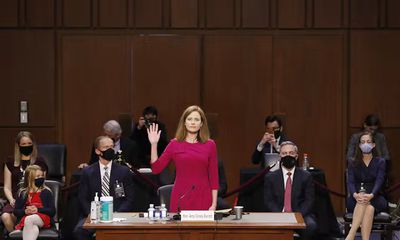
With November's midterm elections approaching, Republicans may face a consequential decision: whether to confirm another conservative Supreme Court justice before potentially losing control of the Senate. In a new piece published October 14 in The Conversation, Paul M. Collins Jr., professor of legal studies and political science at the University of Massachusetts Amherst, examines how such a move could reshape the Supreme Court and intensify political divisions over the judiciary. Collins explains that if Democrats win control of the Senate, a retirement by conservative Justices Clarence Thomas or Samuel Alito before the new Congress takes office in January could give President Donald Trump an opportunity to appoint a fourth Supreme Court justice. While Republicans could potentially secure another conservative appointment, Collins argues the political consequences could extend well beyond the immediate confirmation battle. As Collins writes in The Conversation: If Alito or Thomas announced their retirement after the midterms, Republicans would have enough time to confirm a successor. The Senate has four and a half work weeks scheduled between Election Day and Jan. 3. Justice Amy Coney Barrett was confirmed less than a month after her nomination, making the timeline tight but doable. His analysis draws parallels to the contentious Supreme Court confirmation battles of 2016 and 2020, when Republicans blocked Merrick Garland's nomination before subsequently confirming Amy Coney Barrett shortly before a presidential election. Collins suggests another controversial confirmation could further undermine public confidence in the Supreme Court and strengthen calls for judicial reform, including expanding the number of justices. The stakes are significant. With lifetime appointments shaping constitutional interpretation for decades, the outcome could influence not only the Court's ideological direction but also the future of judicial independence and the relationship between Congress and the judiciary. Paul M. Collins, Jr. is a professor of legal studies and political science at the University of Massachusetts Amherst. His research focuses on understanding bias and inequality in the legal system, the selection and work of judges and social movement litigation. View his profile An established authority on Supreme Court nominations, Collins has researched judicial appointments, political influences on the courts and the confirmation process. He is co-author of Supreme Court Confirmation Hearings and Constitutional Change and Supreme Bias: Gender and Race in U.S. Supreme Court Confirmation Hearings. As the midterm elections approach, Collins can provide journalists with expert analysis of Supreme Court vacancies, Senate confirmation procedures, judicial politics and the potential long-term consequences of another contentious appointment. If you're interested in speaking with Paul M. Collins Jr. about Supreme Court nominations, judicial independence, Senate confirmation battles and the future of the U.S. judiciary, simply click on his profile to arrange an interview today.


Georgia Governor's Race Draws National Attention as Obama Endorses Keisha Lance Bottoms
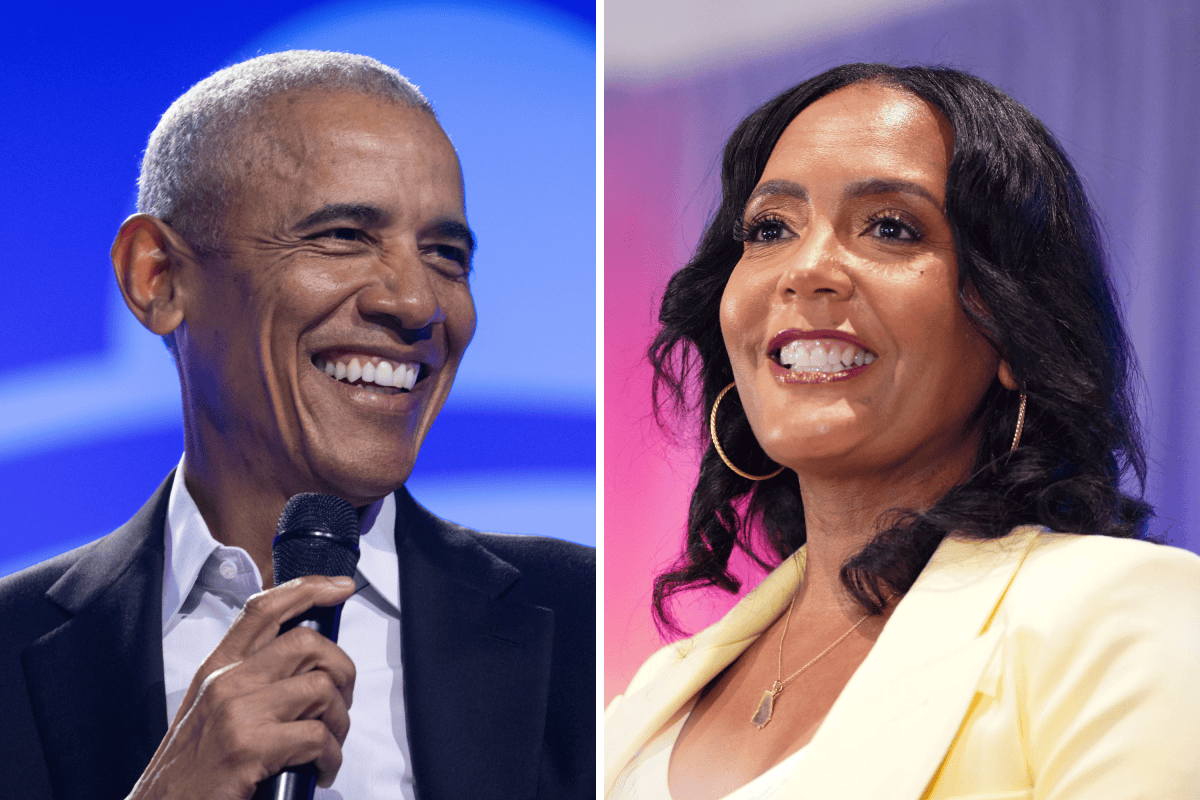
Former President Barack Obama's endorsement of Keisha Lance Bottoms in Georgia's gubernatorial race has brought renewed national attention to one of the state's closely watched political contests. In recent coverage by Newsweek, the endorsement was examined alongside polling showing a competitive race between Democrat Keisha Lance Bottoms and Republican Rick Jackson. Among the experts providing perspective was William Hatcher, PhD, chair and professor of social sciences at Augusta University, who discussed the differences between polling results and election forecasting models. Hatcher's analysis highlights the importance of understanding what polls can reveal about voter preferences, how forecasting models interpret available information and why election outcomes remain uncertain. Augusta's experts are regulars – when it comes to national media. Hatcher's inclusion in Newsweek reinforces the role university experts can play in helping national media audiences understand the political forces shaping important elections. William Hatcher, chair and professor of social sciences at Augusta University, told Newsweek the race is a “statistical tie” based on limited polling, but noted there have not been many high quality surveys so far. “The few polls that have been conducted show a statistical tie, as noted, but often do have Jackson with a small lead. On the other hand, the predictive models are showing that Bottoms may have a slight edge,” he said. Oct. 8 – Newsweek With Georgia voters preparing for the Nov. 3 election, Hatcher can help journalists explore polling, voter turnout, political endorsements and the broader implications of the state's gubernatorial contest. If you're interested in speaking with Dr. William Hatcher about Georgia politics, the governor's race, election polling and public policy, simply click on his profile to arrange an interview today.



When Seeing Is No Longer Believing: AI Deepfakes Are Changing Political Advertising
As artificial intelligence becomes increasingly sophisticated, distinguishing authentic political messages from fabricated content is becoming a growing challenge for voters, journalists and election officials. AI-generated videos, images and audio can now convincingly portray political candidates saying or doing things that never happened. With the November midterm elections approaching, the technology is raising important questions about misinformation, political persuasion and public trust. The issue was recently highlighted in an Oct. 13 WRDW News report, Real or Fake? Deepfakes Flood Georgia Political Ads, featuring Augusta University's Lance Hunter, PhD. The report examined the growing presence of AI-generated political advertising, including a fabricated video involving Georgia Senator Jon Ossoff, and the challenges associated with identifying and regulating this material. A New Challenge for Political Communication Hunter explained how artificial intelligence is fundamentally changing the way political content can be created and distributed. "Artificial intelligence can really increase the persuasiveness, the amount of content it can create." Unlike traditional political advertising, AI-generated content can create seemingly authentic footage of events that never occurred. "What makes this different is the ability to actually show someone doing something that they did not do." The technology raises important questions about how voters evaluate political information, whether existing regulations provide adequate protections and how campaigns may use artificial intelligence in future elections. Lance Hunter, PhD, is a political science professor at Augusta University whose expertise in political behaviour, elections and political communication makes him a valuable resource for journalists covering the growing influence of artificial intelligence on American politics. View his profile An Emerging Story With National Implications While the WRDW report focused on Georgia, the implications extend well beyond one state or election. As AI-generated political content becomes more accessible and convincing, journalists are increasingly examining several important questions: How can voters distinguish authentic political content from AI-generated misinformation? What influence could deepfakes have on public opinion and voter confidence? Should political campaigns be required to disclose their use of artificial intelligence? How can election officials and policymakers respond as the technology evolves? These are emerging issues at the intersection of political science, technology, public policy and democratic participation. As news organizations continue examining AI-generated campaign advertising, election misinformation and the future of political communication, Hunter can provide expert analysis of the challenges facing voters and the broader implications for democracy. If you're interested in speaking with Dr. Lance Hunter about AI deepfakes, political advertising, election misinformation, voter behaviour and the impact of emerging technologies on democracy, simply click on his profile to arrange an interview today.


People Likely to Turn to Influencers for Fitness and Nutrition Information
Martine Hackett, associate professor and chair of population health, spoke with Newsday about health and wellness advice disseminated by social media influencers. People looking to make a lifestyle change are likely to look at posts by influencers. Dr. Martine Hackett, chair of the population health department at Hofstra University, said posts from these influencers can be helpful to people looking for detailed wellness information that they might not be able to get at a routine office visit with their doctor. “You can go for your annual health checkup, but if you are younger and don’t have a chronic disease, you might be told to exercise, but they don’t have the time to tell you how,” she said. “And you may not be able to go to a nutritionist or a trainer.”


$787 a Month for a New Car? The Growing Cost of Getting Behind the Wheel
Buying a new car is becoming an increasingly expensive proposition for American consumers, with monthly loan payments now averaging a staggering $787. According to a recent DC News Now report, the average new-car loan is approaching $45,000, raising concerns about affordability, household debt and the long-term financial commitments consumers are making just to get behind the wheel. And the monthly loan payment is only part of the equation. Insurance premiums, maintenance, fuel and other ownership expenses can push the actual cost of driving considerably higher. For consumers already managing rising household expenses, the decision to purchase a vehicle has become increasingly complicated. Beyond the Sticker Price: What Consumers Need to Know Dr. Kashef Majid, Associate Professor of Marketing at the University of Mary Washington, has studied how consumers value hybrid and electric vehicles, including the financial and environmental motivations behind purchasing decisions. He was also named one of the 50 Best Undergraduate Business Professors of 2024 by Poets & Quants. View his profile Majid has also shared his expertise with WalletHub, offering first-pen perspective on car insurance costs, pricing fairness and the importance of making informed decisions when shopping for coverage. His insights are particularly relevant as Americans face record-high car payments, with insurance premiums adding another significant expense to the overall cost of vehicle ownership. As consumers grapple with rising costs, Majid can help explain what's driving vehicle affordability challenges, how purchasing decisions are changing and what motorists should consider before taking on substantial financial commitments. If you're interested in speaking with Dr. Kashef Majid about rising car payments, vehicle affordability, insurance costs and consumer behavior, simply click on his profile below to arrange an interview today.



Measles Makes a Dangerous Comeback as Pennsylvania Outbreak Tops 1,000 Cases
Measles was declared eliminated in the United States in 2000. More than 25 years later, the highly contagious disease is making a troubling comeback, with Pennsylvania now confronting an outbreak that has surpassed 1,000 confirmed cases. According to an October 7 update from the Pennsylvania Department of Health, the state has recorded 1,078 confirmed cases across 41 counties, including 207 hospitalizations and five measles-associated deaths. The figures underscore the serious public health consequences of a disease that can largely be prevented through vaccination. The outbreak is also raising important questions about declining vaccination rates, community immunity and whether other states could experience similar outbreaks. Measles spreads through the air when an infected person breathes, coughs or sneezes. The virus can remain infectious in the air for up to two hours after an infected person leaves an area. Early symptoms include fever, coughing, a runny nose and red, watery eyes, followed by a distinctive rash that typically begins on the face and spreads downward. While many people recover, measles can cause serious complications, including pneumonia, brain swelling and, in rare cases, death. Two doses of the measles, mumps and rubella (MMR) vaccine are approximately 97% effective at preventing the disease. Understanding the Outbreak and What Comes Next Dr. Lynn O. Lewis, a Professor of Biological Sciences at the University of Mary Washington, brings extensive expertise in microbiology, virology and infectious diseases. Lewis also directs the university's Irene Piscopo Rodgers School of Science and helped provide scientific guidance during the COVID-19 pandemic. View her profile With measles cases continuing to mount, Lewis can provide valuable perspective on how the virus spreads, why vaccination remains critical and what public health officials can do to contain outbreaks. She is available to help journalists explore several important questions: Why is a disease once eliminated in the United States returning? What makes measles so contagious? How do vaccination gaps contribute to outbreaks? And what lessons from the COVID-19 pandemic can help communities respond more effectively? As Pennsylvania continues its response, the outbreak is a reminder that infectious diseases once considered under control can re-emerge when the conditions that prevented their spread begin to change. If you're interested in speaking with Dr. Lynn Lewis about the Pennsylvania measles outbreak, infectious disease transmission, vaccination and public health preparedness, simply click on her profile below to arrange an interview today.
Why Polls Are a Snapshot, Not a Forecast
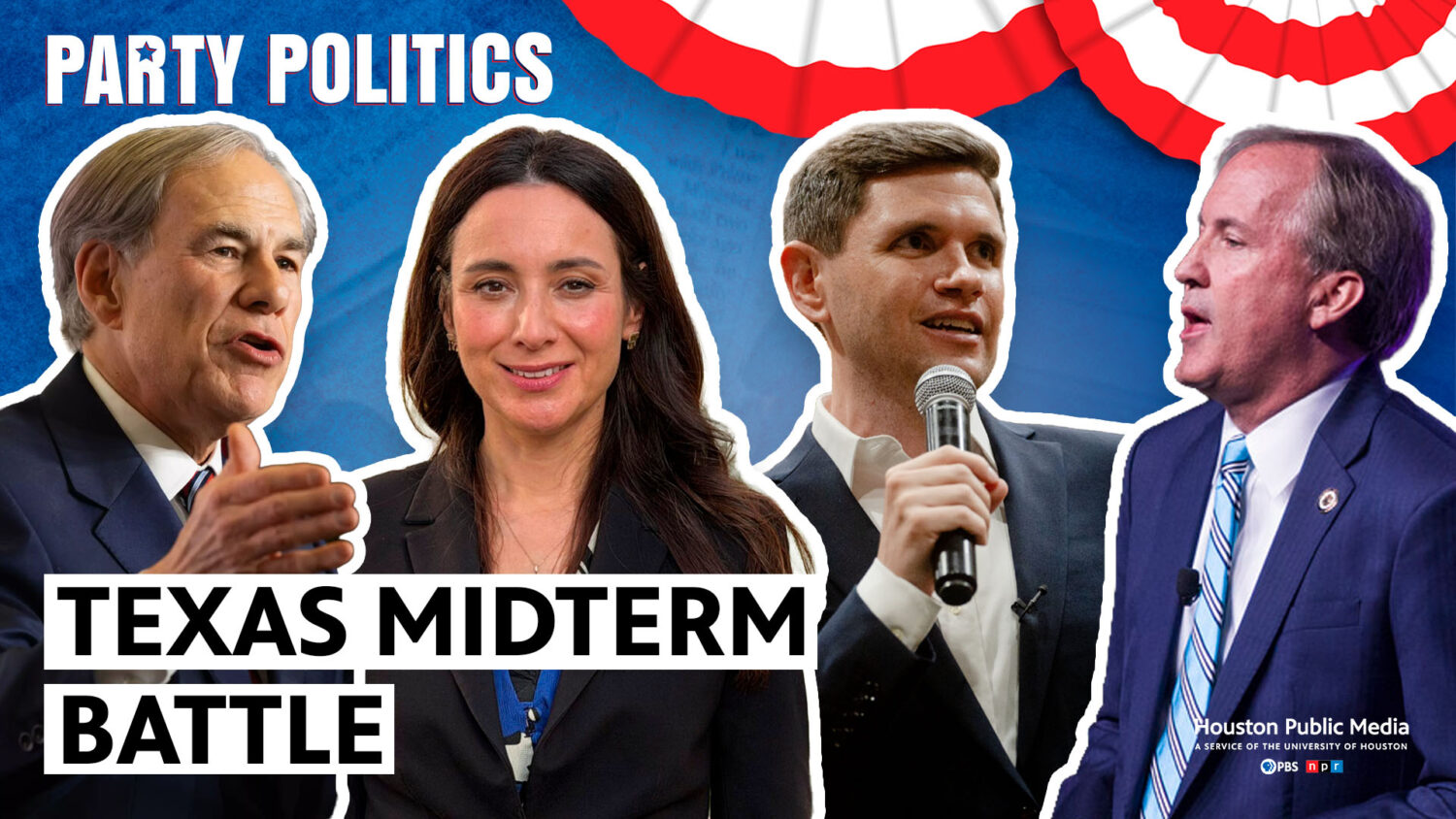
The poll numbers will keep coming between now and Election Day. Keith Gaddie wants you to ask a different question: not who's ahead, but why. Gaddie is the Hoffman Chair of the American Ideal and a professor at Texas Christian University. He says the biggest mistake people make is treating polls like a horse race. A poll is a photo, not a prediction "A poll is just a snapshot of a sample of reality at a particular point in time, and they age out really quickly." The numbers show what one group of people thinks right now. The real work, Gaddie says, is figuring out why they think that way and how it shapes the choices they make. And those opinions are often shallow. Gaddie says that "most of the time, when polling, people haven't thought about a question until you ask them, so their opinions are immediate. It is a knee-jerk reaction to the question." Noise vs. a real trend Poll movement comes from two places. One is the sample itself. Gaddie explains that "any oscillation within 4 or 5 points, if it's happening all the time, that's just from the sample. That's just noise." A real shift looks different: numbers that keep moving in the same direction over time. Don't expect many minds to change. "There are very few true undecideds. Most people are out there actually seeking information to verify prejudice that they have or preference that they have." What does move an election is a true crisis. The 2008 financial meltdown helped lock in Barack Obama's first win, and Gaddie says crises like that tend to work against the party in power. October surprises, on the other hand, are rare. Gaddie says, "They can't be engineered or manufactured." Today's fragmented media makes it harder still. He says, "You can't create a singular story that moves in one direction." Why turnout is the real story Hardcore partisans always vote. The voters in the middle turn out when something gives them a reason, and you can't predict which party they'll back. This year, Gaddie sees a signal in Texas, where more people voted in the Democratic primary than the Republican one. He says, "Primary turnout was at a record level." And in his view, high turnout usually means one thing: "When you get high turnout, you're usually voting for change." The reason, he says, is that "anger and disappointment and desire are much more powerful motives." Presidential years pull more voters because the race is national and the choices feel simple. Midterms are harder because, as Gaddie puts it, "life gets in the way." He adds: "Once you get registered, you have to work really hard to not be able to vote, even in Texas." What to watch instead of the numbers Look at how each candidate presents themselves for the job they're running for. Then compare the reality each candidate describes with the one you see. Gaddie's reminder: "only you know what that is, and we don't all see the same reality." The election isn't over when the votes are counted Gaddie also has a warning about what comes after Election Day. He says, "This election will not be over until the last lawsuit." He believes there are "procedural concerns that everyone ought to have." He points to a line from political scientist V.O. Key that he thinks captures what's at stake: "If a democratic regime is to work successfully, it must be generally agreed that contestants for power will not shoot each other and that ballots will be counted as cast." The takeaway A poll number is where the story starts, not where it ends. Turnout, timing, trust in the process and the candidates themselves will tell you far more about how this midterm plays out. Covering the midterms? Click on Keith's icon below to connect with him. He can speak to: Polling and public opinion Midterm turnout Texas and Southern politics Voting rights and redistricting Democracy and trust in elections



Experts on Hurricane Preparedness, Public Health and Community Recovery
When hurricanes threaten communities already facing social and economic challenges, the need for effective disaster preparedness and response becomes even more critical. University of Delaware disaster research experts can discuss the challenges communities face before, during and after hurricanes, including Hurricane Isaias and its potential impacts across Alabama, Mississippi, the Florida Panhandle and other parts of the northern Gulf Coast. The following experts from UD's Disaster Research Center are available to discuss the public health consequences of hurricanes, disaster preparedness and community recovery. Sarah DeYoung, associate professor of sociology and criminal justice, can discuss the needs of refugee and immigrant communities before, during and after disasters, including challenges accessing information, assistance and essential resources. She worked for several years with refugee and immigrant communities in southern Alabama through a grant-funded project. Jennifer Horney, professor of epidemiology, can discuss the public health consequences of hurricanes and other disasters, including evacuation decisions, the risks posed by inland flooding and the challenges communities face during recovery. She was part of the public health response to Hurricane Harvey and can discuss how communities still recovering from major storms may face additional challenges when another hurricane threatens the region. Jennifer Trivedi, associate professor of anthropology, studies how disasters affect marginalized communities. She can discuss how disasters compound existing challenges for people struggling to meet basic needs, particularly when flooding disrupts housing, transportation, food access and other essential services. Tricia Wachtendorf, co-director of the Disaster Research Center, can discuss the social impacts of hurricanes and inland flooding, including evacuation, preparedness, community response and recovery. She can also discuss how storms that are not the most powerful can nonetheless cause significant damage and disruption. To reach these experts directly, visit their ExpertFile profile and click on the "contact" button. Interested journalists can also contact MediaRelations@udel.edu.



The House passed the Sunshine Protection Act on July 14, 2026, reviving the national debate over whether the U.S. should adopt permanent daylight saving time, return to permanent standard time, or keep the twice-yearly clock change altogether. The bill now heads to the Senate. At the University of Mary Washington, Dr. Hilary Stebbins, Associate Professor of Psychological Science, studies the chronobiology and sleep patterns of college students, research that can help inform exactly this debate: how does shifting the clock affect cognitive performance and behavior, no matter which system we land on? Dr. Hilary Stebbins is an Associate Professor in the Department of Psychological Science at the University of Mary Washington. She is an expert on sleep deprivation, circadian rhythms, and dopamine function, and how each affects cognitive performance and behavior. View her profile Stebbins doesn't take a side in the policy debate. Her focus is chronobiology, how sleep patterns and circadian rhythms affect college students' cognitive performance and behavior. But that science speaks directly to the choice lawmakers are weighing: any shift, whether it's permanent daylight saving time, permanent standard time, or sticking with the current system, creates a temporary mismatch between our internal clock and the outside world, and it takes the body time to catch up. "One of my past teams found that as people report higher levels of sleepiness, they show higher dopamine function and also have more difficulty controlling impulsive actions." — Dr. Hilary Stebbins, Associate Professor of Psychological Science, University of Mary Washington Stebbins leads a year-long undergraduate research team (PSYC 491/492) each year, and in 2018 a team of her students won the Virginia Association for Psychological Science's award for best undergraduate paper for their research on sleep deprivation. Interested in discussing chronobiology, sleep patterns, or the science behind the debate over permanent daylight saving time, permanent standard time, or dopamine and behavior? Click on the icon below and connect with Dr. Hilary Stebbins, Associate Professor of Psychological Science at the University of Mary Washington, for expert insight into sleep research and its real-world stakes.
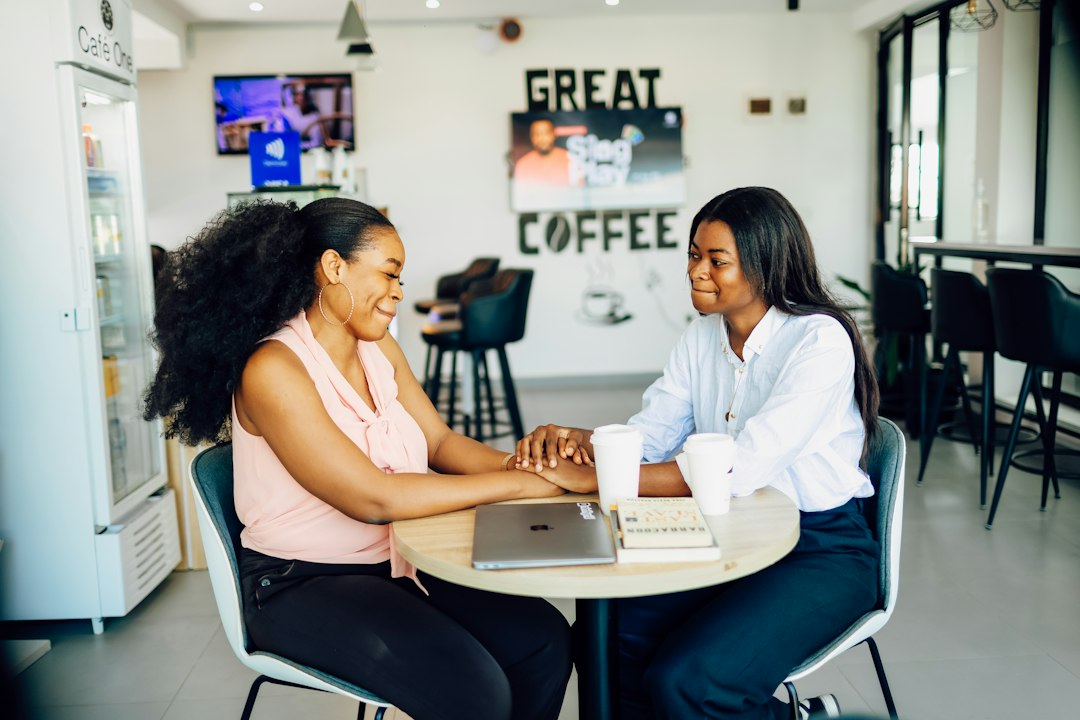
Women Mean Business: Why Supporting Female Entrepreneurs Strengthens Communities.
Every October, National Women's Small Business Month invites us to recognize the women who are building, hiring, mentoring and strengthening their communities through their businesses. As a proud Augusta University alumna and now a senior lecturer at the James M. Hull College of Business, where I teach entrepreneurship, human resource management and leadership ethics, I have the privilege of watching students begin to imagine businesses of their own. Through the Women's Leadership Academy, which I facilitate, I also see how much potential is unlocked when young women are given mentors, self-awareness tools and real opportunities to lead. Also, as an entrepreneur and leader, I have learned that when women build businesses, they rarely build only a company. They build connection. Stacy Roberts, DBA, is a Lecturer of Management at the Hull College of Business. She teaches courses related to salesmanship and sales marketing, principles of management, organizational behavior and human resources. View her profile Women business owners often create opportunities close to home. They hire neighbors, mentor younger professionals, sponsor youth programs and invest in the places where they feel connected. They truly leave a mark, and that impact does not come easily. Many women entrepreneurs are navigating limited access to capital, smaller professional networks and the challenge of wearing every hat in the business while also carrying responsibilities at home. Yet those same pressures often produce leaders who are resourceful, adaptable and deeply committed to the people they serve. They truly deserved to be valued and supported. So how can our community get involved this month and beyond? Buy with intention. Choose women-owned businesses for gifts, services, catering and professional needs. Every purchase matters. Share and refer. Sponsor women by telling others about them. Leave a review, recommend a business to a colleague or share a post. Visibility is one of the most valuable things a small business can receive. Open the door. Organizations can include women owned businesses in vendor lists and procurement opportunities. Access is a game changer. Mentor and be mentored. Experienced leaders can offer guidance and emerging entrepreneurs can seek it out. No one builds alone. Invest in the next generation. Students and others interested in entrepreneurship should explore coursework, leadership programs, and local small business resources. The ideas forming in classrooms and networks today will become the businesses that anchor our communities tomorrow. To any woman considering starting a business, remember this. Get clear on your values before you get busy. Build a circle of people who will tell you the truth. Please know your numbers and remember that rest is not a reward for finishing the work. It is part of what allows you to keep doing it.