Animal Experts
Connect for media, speaking, professional opportunities & more.

Peri-Retirement, Divorce Dust, and the Investment Hiding in Your Backyard
My friend from the gym has a recurring nightmare, not the usual one about showing up to spin class without pants. In hers, she is sixty-eight, broke, standing on her parents' porch with a suitcase, ringing the doorbell of the house she grew up in, hoping they still remember her. In the dream, her parents are somehow both alive and completely unbothered, as though this is a perfectly ordinary Tuesday. She wakes up in a sweat every time. She has told me about this dream more than once, usually mid-hill climb, which is not when I do my best financial counselling. For her, it is not a silly dream, it is the shape of her deepest fear, failure. Not being able to afford her own retirement feels like proof that she did something fundamentally wrong. Father Time does not send polite reminders. He taps his watch, and her subconscious taps back. A few months ago when she started making progress on the construction of the laneway house in her backyard, I expected her to feel lighter. Instead, she cornered me by the water fountain, looking as if she had personally lost a boxing match. "I should be in my accumulation years," she said, "and instead I am pouring every spare dollar into a construction site." She said the word construction the way other people say audit. Here is what I told her: she had this exactly backwards. This is peri-retirement, a phase I coined to describe the stretch that can hit anywhere between forty-five and sixty. It is the point when most of the accumulating happens, and savings should be well underway. The kids are at school. Retirement is coming whether you are ready or not, and peri-retirement is the stage when that fact finally gets your attention. It deserves its own post, coming soon. For today, back to my friend and her Home Equity Line of Credit (HELOC). Spending feels like money disappearing. Investing is money that goes somewhere. When you spend money, it is gone in a way you can feel immediately: dinner is bought, eaten, and now there is only a receipt. When you invest money, the dollars leave your hand but do not vanish. They convert into something: a stock certificate, a retirement account, or, in my friend's case, a fully legal, income-producing rental unit thirty feet behind her kitchen. The trouble is that every invoice looks the same, whether you are buying a vacation or a foundation. Her brain filed the whole project under "money disappearing," no matter how many times I explained that a rental suite generates a cheque every month for the rest of her life. What made this harder to accept was her HELOC. She had spent years throwing every spare dollar at her mortgage so she could stand at her front door and say "paid" out loud to nobody in particular. Now she watched a home equity line of credit climb back up to pay for two-by-fours and a very opinionated contractor, as if undoing decades of discipline in one renovation season. But debt taken on to build an income-producing asset is a different animal from debt taken on to buy a car that loses value the moment you drive it off the lot. The couch is delivered, comfortable, and will never write you a cheque. An investment costs money up front and, if structured well, pays you back for years. A laneway suite is not a couch. It is a very slow, very stubborn vending machine that eventually hands you rent instead of snacks. Numbers make this less abstract. A laneway or garden suite in a city like Toronto typically costs three hundred and fifty thousand to six hundred thousand dollars plus to build. The rent can range from two thousand to four thousand dollars a month. After property tax, insurance, and maintenance take their cut, most homeowners break even in ten to fifteen-ish years, still slow compared with a twenty-five-year mortgage, but faster than it sounds. After that, it is simply income, for as long as you own the property. What exactly is an ADU? An Accessory Dwelling Unit, or ADU, is a separate, fully equipped living space on the same lot as your main house, giving its occupant their own front door, kitchen, and, mercifully, their own bathroom. The basement apartment is the classic workhorse of the category and the more accessible option: no backyard or laneway access needed, and usually a smaller cheque, making it the realistic starting point for most homeowners before they ever consider the trendier laneway or garden suite. The rules vary by city. Vancouver has allowed laneway houses, once called coach houses, for years, with a permitting framework it has published. Toronto came later, introducing Laneway Suites in 2018 and Garden Suites in 2022, with its own permit process outlined here. My friend started her project after hearing some version of "build it and they will come," hoping to eventually have her mother move in or to have a space ready for her own child. A laneway suite can also become a studio for a retirement passion project, or even the retirement plan itself, with the homeowner moving into the smaller suite and renting out the main house, a modern spin on downsizing, as one Toronto homeowner described in a piece worth reading. Using rental income to fund retirement is not new. Landlords have long understood this math. What is new is that many homeowners in their fifties are realizing their house is their largest asset and possibly the centrepiece of their retirement plan. Now for the part nobody puts in the glossy brochure. Building an ADU is stressful in a way that is hard to explain to someone who has not lived through a renovation. Contractors have a nickname for the fine grey powder that coats every surface in a house under construction. They call it divorce dust. I did not make that up, and I did not need to ask why. My gym friend has had the full tour: Committee of Adjustment (COA) hearings, legal agreements between neighbours causing permit delays, a contractor who went MIA with her down payment, the other contractor who went MIA for 3 weeks and a neighbour, silent about the fence for eleven years, who suddenly developed passionate opinions about sightlines the moment scaffolding went up. Building one is still worth doing. It just means staying vigilant after the ribbon cutting, too. A rental unit does not run itself: there is vacancy to plan for, tenant relationships to manage, insurance to update, since a standard homeowner policy will not cover a rental suite, and rental income to declare at tax time. It is genuinely not for everyone. But with the resilience to weather the dust and the landlord duties that follow, the payoff is a long-term, appreciating asset that can steadily fund a big piece of your retirement. Governments have finally noticed. Different levels of government are working to make these suites easier to build, with mixed follow-through. In 2024, the federal government announced an expansion of the Canada Secondary Suite Loan Program, offering up to eighty thousand dollars at two percent interest over fifteen years, though it never launch. Some municipalities like County of Simcoe, have launched their own Secondary Suites Program. Other programs currently in place, Homeowners can refinance an insured mortgage to cover a secondary suite, up to ninety percent of the post-renovation value. A Multigenerational Home Renovation Tax Credit for a suite built for an elderly or disabled family member. Recently there was a quiet launch of a GST and HST rebate eligibility for laneway and garden suites built between April 1, 2026, and March 31, 2027. It is estimated that Toronto alone has around twelve hundred active permits for these suites, with roughly five hundred completed (Source). If curiosity is winning out over fear, skip the contractor for now. Call your city's planning department to find out what your lot allows, then speak with a mortgage broker or accountant about how a HELOC or refinance fits your finances. Ten minutes on the phone beats an afternoon scrolling through laneway house photos. Back to the nightmare. My gym friend is going to be fine. Better than fine, actually. She already sees the win for her family: the parent who gets to stay close or the tenant who covers a meaningful chunk of her expenses. What she needed was permission to stop grading her HELOC statement like a report card and to start seeing it as the price of admission to a retirement plan that pays her back for decades. I keep thinking about that dream, the suitcase, the porch, and her bewildered parents opening the door. Here is the twist she has not clocked yet. In the upcoming year, when the suite is finished, occupied by her mom or rented, and quietly depositing a cheque into her account every month, she will have built the one thing that makes that nightmare impossible. She will not be the one showing up on a porch with a suitcase. She will be the one handing someone else the keys and locking her own front door behind her without a second thought. Don't Retire...ReWire! Sue My Book is Available for Pre-Order I hope you will consider pre-ordering a copy of Your Retirement Reset for yourself, a friend, or someone you love. It arrives September 29, 2026, published by ECW Press, and is already available through Indigo or Amazon. If you like supporting Canadian booksellers, check with your local independent bookstore too. Most can order it in without any trouble. Important: This article is general information and commentary only and does not constitute financial, mortgage, tax, legal, or investment advice. Before making decisions about your retirement or home equity, consult qualified, licensed professionals who can assess your personal circumstances.



Specialized brain imaging tracks hormone-driven changes
A new study out of the University of Delaware shows that fluctuations in estrogen influence the brain, helping reshape connections between neurons. Researchers showed that a specialized imaging technique called magnetic resonance elastography (MRE) can detect estrogen-dependent mechanical changes in the hippocampus, a brain region involved in memory and learning, across the reproductive cycle. The findings, published in Brain Communications, lay the groundwork for future studies exploring how hormonal changes, including long-term transitions like menopause, affect brain health in women. “Across the reproductive cycle, the brain adapts, relying more heavily on different regions at different times. This was step one: can we track these changes with MRE in rats, and then eventually in humans?” said first author Katrina Milbocker, a postdoctoral researcher in Curtis Johnson’s laboratory and a UD alumna with a doctorate in behavioral neuroscience. “Imaging is often viewed as a tool for detecting disease, but it can also help us understand brain health dynamically,” said Johnson, an associate professor of biomedical engineering. “Our ultimate goal is to understand how brain mechanics change across life stages and what those changes can tell us about health and aging.” Toward clinical translation While the study links hormone fluctuations to changes in hippocampal mechanics, the question of whether those changes influence brain function remains. A key next step is connecting MRE measurements with cognition, including memory and learning. Johnson’s team is also extending the work into rat models of menopause, a life stage in which the body produces much lower levels of estrogen. “We suspect there may be a mechanical ‘stuck state’ when estrogen is first depleted, contributing to disrupted cognitive function like brain fog, and we are trying to test this next,” he said. At the same time, the team is working to translate the findings to humans through parallel rodent and human studies. “One unique advantage at UD is that the human and animal imaging facilities are in the same building, which makes collaboration easier,” Milbocker said. Ultimately, they hope to make MRE fast enough to be incorporated into routine MRI exams, ideally adding less than a minute to a standard scan. “Transitions such as menopause span years, and we want to understand how brain health changes across them and how to support individuals during those periods,” Johnson said. To speak with Milbocker or Johnson, email mediarelations@udel.edu.


How Wildfires Impact Vulnerable Communities, Pets and Public Health Systems
Wildfires burning across the world, now in parts of France and Spain, are forcing hundreds of thousands of people to evacuate. University of Delaware experts are available to discuss wildfire evacuations, vulnerable communities, animal rescue and the health effects of wildfire smoke exposure. Those experts, from UD’s Disaster Research Center, include: Sarah DeYoung Professor of sociology and criminal justice: • How people are forced to make split-second decisions involving horses, livestock and companion animals during fast-moving wildfires. • Why some owners must turn animals loose when evacuation time is limited. • Lessons from past disasters and animal rescue research. Jennifer Trivedi Assistant professor of anthropology: • The unique challenges faced by vulnerable populations during wildfires. • Complications surrounding evacuation decision-making and evacuation needs. • Long-term recovery following catastrophic disasters. Jennifer Horney Chair of UD’s Department of Epidemiology: • Health risks associated with wildfire smoke exposure, including respiratory infections. • How wildfire smoke and airborne pollutants affect population health. • The strain major wildfires can place on public health and health care systems. To arrange an interview with these experts, visit their profile page and click on the "contact" button. Interested journalists can also send an email to MediaRelations@udel.edu.



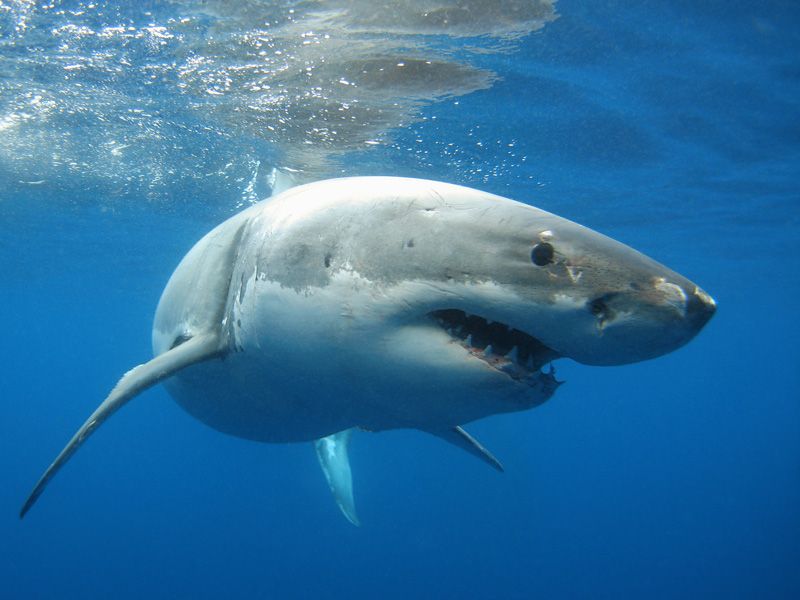
Sharks as Ocean Sensors: How New Tagging Technology Is Advancing Marine Science
University of Delaware researchers are helping to expand how scientists observe the ocean by developing and deploying animal-borne electronic tags that turn sharks into mobile ocean sensors. The research is led by UD marine scientist Aaron Carlisle, who studies shark ecology, movement patterns and conservation. He can discuss how tagging technology is helping researchers better understand sharks and the ocean environment. The data collected by the tags allow researchers to gather ocean temperature and salinity measurements from parts of the Atlantic that are difficult and expensive to monitor consistently. These observations could help scientists better understand the Mid-Atlantic’s seasonal “cold pool,” a layer of colder bottom water that can influence how quickly hurricanes intensify. This summer, Carlisle and his team are conducting offshore tagging expeditions in the Mid-Atlantic aboard UD's R/V Daiber, where they are testing redesigned tags. Carlisle also studies human impacts on shark populations, including recent research examining the international trade of sand tiger sharks and the biological, ethical and economic concerns surrounding the harvest of a protected species for aquarium display. Carlisle’s expertise includes: • Shark ecology, movement patterns and conservation. • How satellite-linked tags allow researchers to collect and transmit ocean data. • How animal-borne sensors can help researchers gather observations from difficult-to-monitor parts of the Atlantic. • How ocean temperature and salinity data can improve understanding of hurricane development and ocean processes. • How shark-based observations can complement existing ocean observing networks. To arrange an interview with Carlisle, visit his profile and click the contact button. Interested reporters can also send an email to MediaRelations@udel.edu.

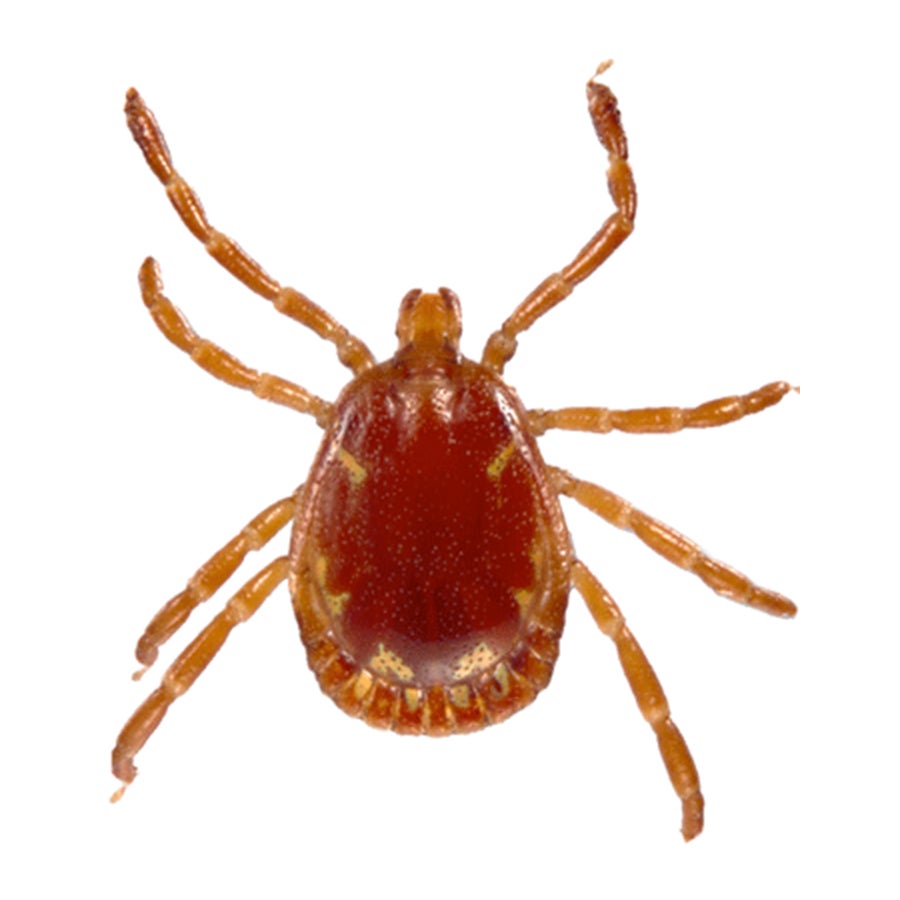
National Tick Collection Provides Front-Line Defense Against Emerging Health Threats
A recently published article in Grice Connect highlighted the national importance of the U.S. National Tick Collection, housed at Georgia Southern University's Statesboro Campus. Home to more than one million specimens representing nearly every known tick species, the collection serves as a critical resource for researchers, public health agencies, and disease surveillance efforts studying the spread of tick-borne illnesses. The collection, owned by the Smithsonian Institution and curated at Georgia Southern University, is one of the largest and most comprehensive tick collections in the world. Researchers use it to identify emerging threats, track changes in tick populations, and better understand the diseases these parasites can carry. As concerns about Lyme disease and other tick-borne illnesses continue to grow, the collection provides scientists with an invaluable resource for monitoring species distribution, studying disease vectors, and supporting public health preparedness. It also plays an important role in training future researchers in a field where specialized expertise is increasingly needed. Lorenza Beati, Ph.D., is curator of the U.S. National Tick Collection and associate professor at Georgia Southern University. Her research focuses on tick taxonomy, genetics, evolutionary relationships, and the role ticks play in transmitting diseases that affect both humans and animals. View her profile The article underscores the collection's growing importance as researchers work to better understand the complex relationships between ticks, pathogens, wildlife, and human health. As environmental conditions change and tick populations expand into new regions, resources like the U.S. National Tick Collection are helping scientists stay ahead of emerging public health challenges. The collection has been entrusted to Georgia Southern since 1990 and includes more than 1 million specimens and more than 125,000 accessioned lots. Beati said the collection is probably the largest curated tick collection in the world. While she said there may be a larger collection elsewhere, she said Georgia Southern’s collection remains especially important because it is active, used for research, and supported by curatorial work. “By having two curators here, we really keep the collection very active,” Beati said. “We publish a lot, we do a lot of research on our samples. We have visitors coming from all over the world to work with us.” June 13 - Grice Connect Covering? We can help! Lorenza Beati is available to speak with media about tick-borne diseases, tick identification, vector ecology, disease surveillance and the critical role scientific collections play in protecting public health. Her expertise can help audiences better understand the growing impact of ticks on human and animal health, as well as the research efforts underway to address these challenges.



Faculty from the University of Delaware’s renowned Disaster Research Center are available to comment on the back-to-back earthquakes in Venezuela. These experts can discuss critical infrastructure failures, public health threats, emergency logistics and community-led response efforts in the region. Available experts include: From what I’ve seen, it looks like the earthquake occurred on the boundary of the Caribbean and South American plate. A strike-slip fault similar to the San Andreas. There have been a lot of nonductile reinforced concrete frame building collapses. There may be an effect of soil given that a lot of the damage has been near the coast. Jennifer Horney (Professor of Epidemiology) Focus: Public health impacts, post-disaster waterborne/vector-borne disease outbreaks and the breakdown of healthcare delivery due to damaged roads and disrupted communication networks. Tricia Wachtendorf (Co-director, Disaster Research Center) Focus: Disaster response logistics, community improvisation, neighbors as first responders and how to donate effectively to maximize impact. Sarah DeYoung (Associate Professor, Sociology and Criminal Justice) Focus: Maternal and infant health/feeding in emergencies, pet and companion animal evacuations and community-level crisis decision-making. To contact these experts directly and arrange an interview, visit their ExpertFile page and click on the contact button. Interested reporters can also email MediaRelations@udel.edu.


LSU Vet Med urges animal owners to be vigilant for New World screwworm
The LSU School of Veterinary Medicine is encouraging pet owners, livestock producers, horse owners, and veterinarians to remain vigilant following the recent detection of New World screwworm (NWS) confirmed cases in Texas and New Mexico. What is NWS? New World screwworm is a parasitic fly whose larvae, commonly known as maggots, feed on the living tissue of warm-blooded animals. Unlike most maggots that feed on dead tissue, screwworm larvae burrow into healthy flesh, causing painful wounds, severe infections, and, if left untreated, death. The pest can affect livestock, horses, wildlife, dogs, cats, and, in rare cases, people. Currently, there are no confirmed cases of New World screwworm in Louisiana, but awareness and early detection are critical. Animal owners should routinely inspect their animals for wounds and seek veterinary care immediately if they notice anything unusual. Government Response The U.S. Department of Agriculture and Texas animal health officials are actively responding to the detection through quarantines, surveillance, movement controls, and the release of sterile male screwworm flies to help stop the pest's spread. According to the Louisiana Department of Agriculture and Forestry, additional animal movement requirements are being implemented to reduce the risk of the pest entering Louisiana. These measures include enhanced health certificate requirements for certain animals entering the state from Texas, specifically lowering the validity of health certificates for animals entering Louisiana from 30 to seven days. Learn more at ldaf.la.gov. What to Look For Screwworm larvae most commonly enter through open wounds, surgical incisions, tick bites, the navels of newborn animals, or natural body openings such as the nose, ears, eyes, and genital regions. Animal owners should watch for: Wounds that fail to heal Bloody or foul-smelling discharge from wounds Visible maggots or egg masses in wounds or body openings Excessive licking, chewing, or irritation around a wound Signs of discomfort, depression, or reduced appetite There are currently no vaccines available to prevent New World screwworm. Rapid detection and response remain the most effective tools for preventing its spread. Diagnosis LSU Diagnostics (Louisiana Animal Disease Diagnostic Laboratory) is working with the Louisiana State Animal Health Officials (SAHO) for identification of all suspected cases. All confirmatory testing and reporting are being performed by the National Veterinary Services Laboratories, which will communicate results to the SAHO. What to Do if You Suspect NWS Animal owners who suspect New World screwworm should contact their veterinarian and the State Animal Health Official (SAHO) immediately at vetreports@ldaf.state.la.us or 225-925-3980. In Louisiana, the SAHO is Louisiana State Veterinarian Dr. Daniel Myrick (LSU 2001) with the Louisiana Department of Agriculture and Forestry. The public should be aware that New World screwworm does not affect the safety of the U.S. food supply. Federal inspection programs are designed to identify affected animals and prevent contaminated products from entering commerce. For more information about New World screwworm, visit Screwworm.gov or the LSU AgCenter webpage on NWS. About LSU Vet Med: Bettering lives through education, public service, and discovery The LSU School of Veterinary Medicine is one of only 33 veterinary schools in the U.S. and the only one in Louisiana. LSU Vet Med is dedicated to improving and protecting the lives of animals and people through superior education, transformational research, and compassionate care. We teach. We heal. We discover. We protect.


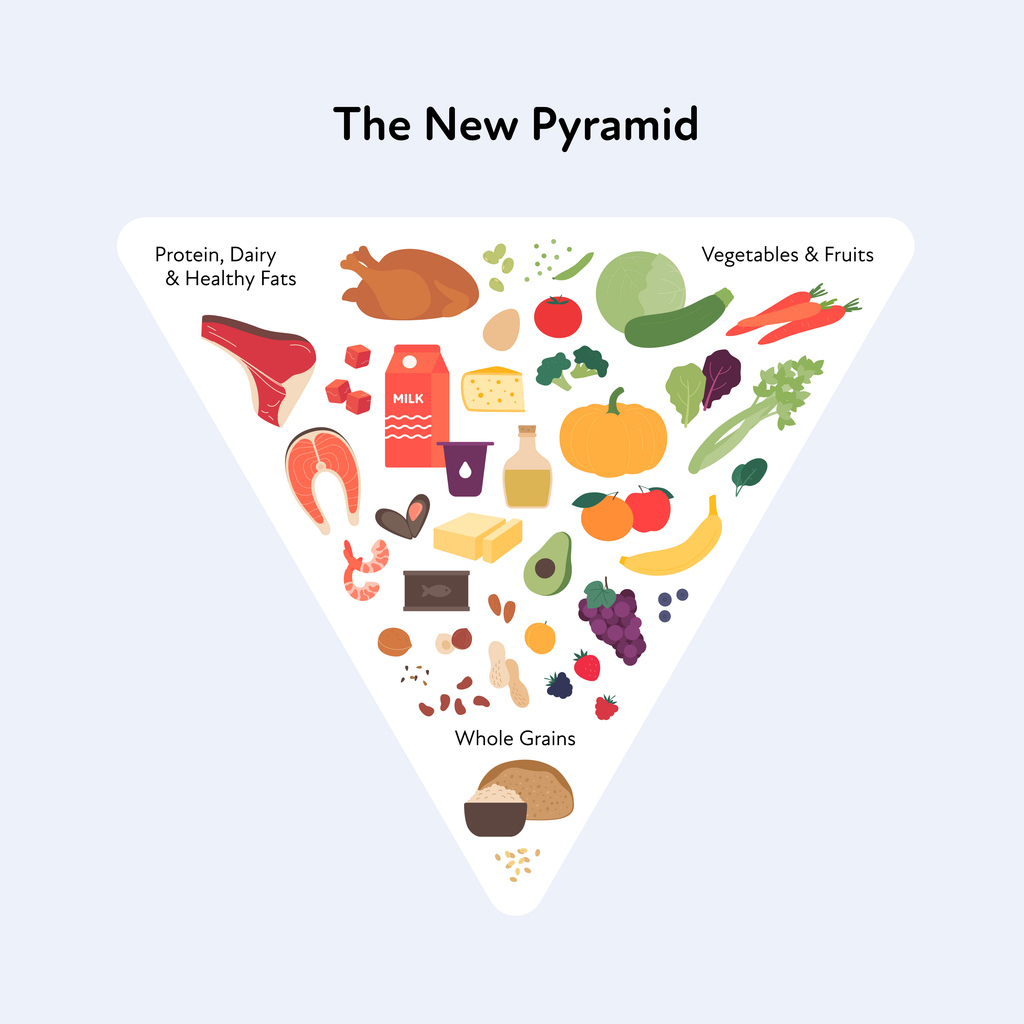
TCU Nutritional Sciences Expert Discusses New US Dietary Guidelines
As updated federal recommendations roll out, Samantha Davis highlights gaps between science and messaging. When the 2025-2030 Dietary Guidelines for Americans were released, the message seemed straightforward: Eat more whole foods and reduce processed ingredients and sugar intake. But for Samantha Davis, professor of professional practice in nutritional sciences in TCU’s Louise Dilworth Davis College of Science & Engineering, a closer look reveals a more complicated picture. “These guidelines influence far more than individual choices,” she said. “They shape what’s served in schools, child care programs and federal nutrition programs nationwide. That’s why it’s so important to ensure the recommendations and the messaging are aligned with the science.” A Growing Public Health Challenge The conversation comes amid rising concerns about chronic disease in the United States. More than 70% of American adults are overweight or obese, and nearly one in three adolescents has prediabetes. At the same time, almost 90% of health care spending is tied to chronic disease. “These are not small trends,” she said. “Nutrition guidance plays a significant role in how we respond.” When the Math Doesn’t Match the Message While the guidelines recommend limiting saturated fat to 10% of daily calories, following the suggested servings, particularly for animal proteins and full-fat dairy, the numbers do not add up. “When you actually break it down, those recommendations can push intake closer to 20%,” Davis said. “The math is not mathing.” That gap raises concerns for heart health, as higher saturated fat intake is associated with elevated LDL cholesterol and increased cardiovascular risk. Rethinking Protein in the American Diet The updated guidelines increase protein recommendations, in some cases significantly. However, protein deficiency is not a widespread issue in the United States. “The idea that more protein automatically leads to more muscle is a misconception,” she said. “Exercise builds muscle. Protein supports maintenance and repair.” Davis also notes that protein is found across a variety of foods, including grains and vegetables, reinforcing the importance of balance ahead of overemphasis. Not All Fats Function the Same The guidelines encourage incorporating “healthy fats,” but distinctions between fat types may not always be clear. “There’s important nuance here. Some fats support heart health, while others are linked to increased risk. That difference matters,” she said. “If we’re trying to address obesity at a population level, we need to consider where calories are coming from.” For most people, nutrition guidance is distilled into quick takeaways and simplified messaging. “People remember what they see and hear in an instant,” she said. “If those messages aren’t clear or consistent, it can lead to confusion.” Her advice remains grounded in fundamentals: Focus on whole, minimally processed foods and look beyond trends for long-term health. Davis’ expert perspective was also featured in Fort Worth Weekly, contributing to the broader conversation about how national nutrition guidance shapes everyday life.

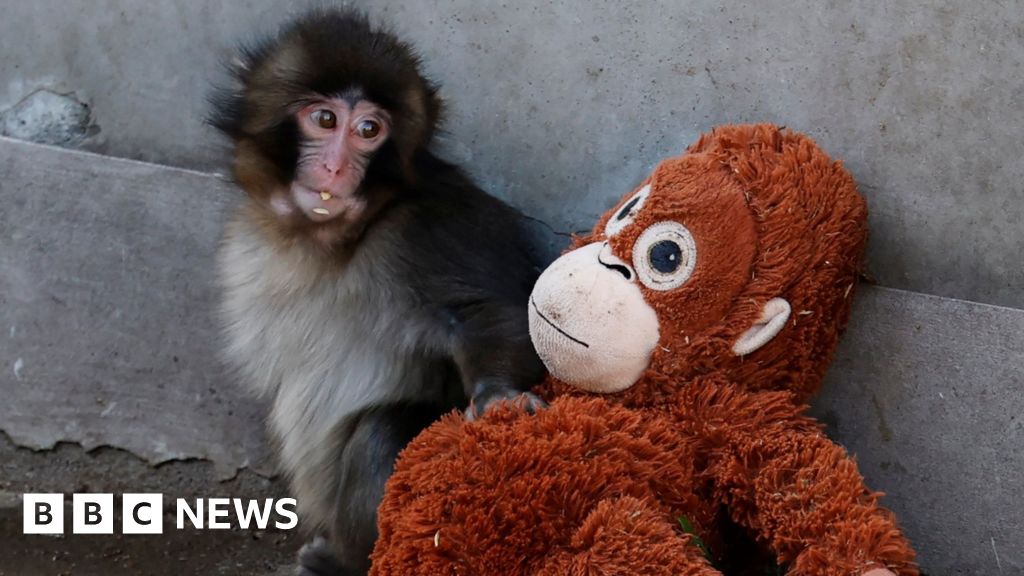
Expert Q and A: Understanding "Punch," The Baby Monkey That Captured The World's Heart
A tiny Japanese macaque named Punch has unexpectedly become one of the internet’s most talked-about animals. Born at a zoo in Japan and rejected by his mother shortly after birth, the young monkey was hand-raised by staff and given a stuffed toy for comfort—an image that quickly ricocheted across social media worldwide. Videos showing Punch tentatively approaching other macaques, sometimes being pushed away or corrected as he tried to socialize, struck an emotional chord. What began as a local zoo update rapidly turned into international headlines, with audiences from North America to Europe weighing in on what they saw as loneliness, resilience and the universal need for belonging. But experts say the story is more nuanced than a viral clip suggests. The interactions that many viewers interpreted as bullying are, in fact, typical components of macaque social development, part of how young primates learn boundaries, hierarchy and group norms. While Punch’s early maternal separation makes his integration more delicate, gradual acceptance into the troop is a positive sign. As internet users continue to share and comment, the moment has sparked broader conversations about animal emotion, anthropomorphism and the realities of wildlife behavior in managed care settings. Florida Tech's Catherine Talbot offered insight into the complexities of animal behavior. Catherine F. Talbot is an assistant professor in the School of Psychology at Florida Tech and co-director of the Animal Cognitive Research Center at Brevard Zoo. Her overarching research goal has been to study the ultimate (evolutionary) and proximate (behavioral, biological, and developmental) mechanisms underlying sociality. Q: Is it normal for mother macaques to abandon their babies, or is this an unusual occurrence? What circumstances can cause this to happen? It’s not necessarily normal, but also not that uncommon in primates, unfortunately. It’s more common in first time mothers that are inexperienced and sometimes lower ranking mothers. A number of factors can increase the likelihood of abandonment including stress on the mother and unfavorable conditions such as limited resources. Q: How does abandonment affect development in young macaques? Early maternal contact is critical for normal behavioral and emotional development. Infants rely on their mothers for nutrition, warmth, protection and learning how to navigate social dynamics. When infants do not have their mothers during critical developmental periods like infancy, in the short term, they tend to have elevated stress responses and difficulty with emotional regulation. In the long-term, it depends on whether the infant is able to form other types of attachment. In the worst-case scenario, they may have increased aggression, abnormal and/or self-injurious behavior, digestive issues and may lack social skills. But primates are resilient, and with social support and gradual integration into a troop, Punch can form new attachments, learn socially appropriate behavior and ultimately live a fairly normal monkey life. Q: Is it obvious to the rest of the troop when a young macaque has no mother? How does this affect integration? Japanese macaques have really complex social worlds, so they are really in tune with the relationships they have with one another and recognize the relationships between other individuals. That can certainly make it more difficult for Punch to be accepted back into the troop – he needs to find some friends and possibly even a surrogate parent. With social support, he should be able to recover from the absence of a mother. It’s really great to see that the care staff stepped in to support Punch as he begins to recovery from the stress of this experience. It’s even more important that Punch is around other monkeys of the same species so that he can continue to learn from them and respond appropriately to social communication cues. I’m thrilled to see that Punch is now making friends. Q: Punch is obviously attached to his stuffed orangutan. We can understand how this happens from our own human experience, but can you explain, on a biological level, how he bonded with this stuffed animal? Primates, including humans, are neurobiologically wired to form strong social bonds with a caregiver very early in life. In many primate species, infants are born highly dependent on their mother. Punch’s attachment to the stuffed orangutan reflects this need for attachment. That physical touch – warmth, softness, graspable limbs, a stable physical presence – can partially activate those same calming biological pathways, including the release of oxytocin which regulates stress and promotes feelings of safety. Without activation in those pathways, Punch would likely experience stronger feelings of separation or loneliness and ultimately social withdrawal. These biological pathways are crucial to proper social and emotional development of any primate species. Any way we can help mitigate those effects for Punch is crucial for successful integration back into his troop. Q: How does sociality among Japanese macaques compare to that of similar species? Japanese macaques live in large multi-male, multi-female social groups that can range from roughly 50 to 150 individuals. Like many macaques species, they form stable, female-bonded societies. Females remain in their natal group (or the group they were born into) for life, inherit their mother’s rank, and form strong kin- based alliances whereas males emigrate to a new group at adolescence. Their societies are organized around matrilines or extended female family lines in which rank is very important. They have strong dominance hierarchies and generally high levels of aggression, but levels of aggression and tolerance can vary a good amount from group to group. Entire matrilines can outrank others, which dictates access to food, grooming partners, and coalitions. Within a single troop, you often see multiple matrilines with long-standing dominance competitions. I sometimes compare it to a Romeo and Juliet-style Montague and Capulet dynamic, where beneath the surface of daily grooming and foraging is a complex political landscape structured by kinship and status. Q: What behaviors can Punch expect from the rest of the monkeys as he continues to integrate with the troop? What behaviors can the troop expect to see from him? As Punch continues to integrate into his troop, I would expect to see some social testing by other members of the group to see how Punch responds- they may use mild aggression like open mouth threats or direct stares (which arethreatening is macaques), brief chases, and displacement from resources like food/resting spots. These will help clarify Punch’s rank and help form and maintain a stable hierarchy. Therefore, I hope to see Punch make at least a few strong social bonds (friends), to help defend him against more intense aggression. As long as he makes a few friends, he should begin to receive more affiliative behavior. Integration is usually gradual as these bonds form and strengthen and these skills develop. I would expect to see more play and grooming with conspecifics and less reliance on his stuffed orangutan as real social bonds start to form. Grooming is especially important for forming and maintaining social bonds and there are already videos showing Punch receiving some grooming from older monkeys, which bodes well for him. He also needs to respond in socially appropriate ways, like grooming others and showing submission to higher ranking individuals. Essentially, he needs to understand and follow the rules of Japanese macaque society. Q: What message do you have as people continue to root for Punch? It's uplifting to see how much support Punch has gained across the world. And while Punch is clearly adorable and so vulnerable that you just want to love him and give him (or other monkeys like him) a home, it’s important to remember that more than anything else, he needs to live with other monkeys so that he can live a life that is true to his species and nature. Unfortunately, many people still have monkeys as pets. The illegal wildlife trade is a multi-billion-dollar industry, ranking as the fourth largest illegal trade after drugs, arms, and human trafficking. Within the United States, it is estimated that there are more than 15,000 nonhuman primates living in unsuitable conditions. Primates are intelligent, sentient beings that need complex communities and relationships to thrive. There currently is no federal legislation that protects primates from private ownership, but the Captive Primate Safety Act (H.R.3199/ S.1594) has been proposed to prohibit the private possession of nonhuman primates and the sale or transportation of nonhuman primates for the wild pet trade. If you're interested in connecting with Catherine and learning more about animal behavior, let us help. Contact Adam Lowenstein, Assistant Vice President for External Affairs at Florida Institute of Technology, at adam@fit.edu to arrange an interview today.

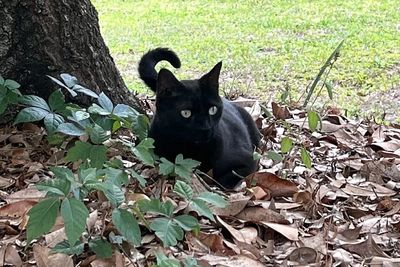
Scientist’s cat, again, helps discover new virus
Pepper, the pet cat who made headlines last year for his role in the discovery of the first jeilongvirus found in the U.S., is at it again. This time, his hunting prowess contributed to the identification of a new strain of orthoreovirus. John Lednicky, Ph.D., Pepper’s owner and a University of Florida College of Public Health and Health Professions virologist, took Pepper’s catch — a dead Everglades short-tailed shrew — into the lab for testing as part of his ongoing work to understand transmission of the mule deerpox virus. Testing revealed the shrew had a previously unidentified strain of orthoreovirus. Viruses in this genus are known to infect humans, white-tailed deer, bats and other mammals. While orthoreoviruses’ effects on humans are not yet well understood, there have been rare reports of the virus being associated with cases of encephalitis, meningitis and gastroenteritis in children. “The bottom line is we need to pay attention to orthoreoviruses, and know how to rapidly detect them,” said Lednicky, a research professor in the PHHP Department of Environmental and Global Health and a member of UF’s Emerging Pathogens Institute. The UF team published the complete genomic coding sequences for the virus they named “Gainesville shrew mammalian orthoreovirus type 3 strain UF-1” in the journal Microbiology Resource Announcements. “There are many different mammalian orthoreoviruses and not enough is known about this recently identified virus to be concerned,” said the paper’s lead author Emily DeRuyter, a UF Ph.D. candidate in One Health. “Mammalian orthoreoviruses were originally considered to be ‘orphan’ viruses, present in mammals including humans, but not associated with diseases. More recently, they have been implicated in respiratory, central nervous system and gastrointestinal diseases.” The Lednicky lab’s jeilongvirus and orthoreovirus discoveries come on the heels of the team publishing their discovery of two other novel viruses found in farmed white-tailed deer. Given the propensity of viruses to constantly evolve, paired with the team’s sophisticated lab techniques, finding new viruses isn’t entirely surprising, Lednicky said. “I’m not the first one to say this, but essentially, if you look, you’ll find, and that’s why we keep finding all these new viruses,” Lednicky said. Like influenza virus, two different types of orthoreovirus can infect a host cell, causing the viruses’ genes to mix and match, in essence, creating a brand new virus, Lednicky said. In 2019, Lednicky and colleagues isolated the first orthoreovirus found in a deer. That strain’s genes were nearly identical to an orthoreovirus found in farmed mink in China and a deathly ill lion in Japan. How in the world, the scientific community wondered, could the same hybrid virus appear in a farmed deer in Florida and two species of carnivores across the globe? Some experts speculated that components of the animals’ feed could have come from the same manufacturer. With so many unanswered questions about orthoreoviruses and their modes of transmission, prevalence in human and animal hosts and just how sick they could make us, more research is needed, DeRuyter and Lednicky said. Next steps would include serology and immunology studies to understand the threat Gainesville shrew mammalian orthoreovirus type 3 strain UF-1 may hold for humans, wildlife and pets. For readers concerned about Pepper’s health, rest assured. He has shown no signs of illness from his outdoor adventures and will likely continue to contribute to scientific discovery through specimen collection. “This was an opportunistic study,” Lednicky said. “If you come across a dead animal, why not test it instead of just burying it? There is a lot of information that can be gained.”