
behavior Experts
Connect for media, speaking, professional opportunities & more.
Filters
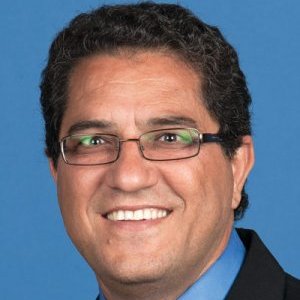
Mohammad Mahinfalah, Ph.D.
Professor, Program Director MS EngineeringMilwaukee School of Engineering
Mohammad Mahinfalah is an expert in impact testing and vibrations.

Elizabeth Croft
Associate Dean, Education and Professional Development, Faculty of Applied Science; Professor, Department of Mechanical Engineering; Director, Collaborative Advanced Robotics and Intelligent Systems LaboratoryUniversity of British Columbia
Professor Croft's research investigates how robotic systems can operate efficiently and effectively in partnership with people

Scott Rader
Associate ProfessorWestern Carolina University
Charles “Scott” Rader has entrepreneurial work experience in the areas of information technology product development and management.

Mark Caleb Smith, Ph.D.
Professor of Political ScienceCedarville University
Dr. Smith is an expert in American politics, campaigns & elections, and constitutional law.

Frances Fleming-Milici, PhD
Director of Marketing Initiatives, Rudd Center for Food Policy and HealthUniversity of Connecticut
Dr. Fleming-Milici's work focuses on analyzing the impact of marketing practices on exposure and consumption of unhealthy food and beverages

Aarti Singh
ProfessorCarnegie Mellon University
Aarti Singh's research focuses on design of AI agents that complement human decision making.
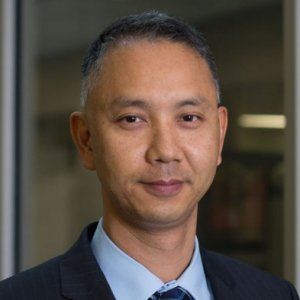
Yuichi Motai, Ph.D.
Associate Professor, Department of Electrical and Computer EngineeringVCU College of Engineering
Associate Professor of the Department of Electrical and Computer Engineering of Virginia Commonwealth University.

Stan Phelps
Chief Measurement Officer9INCH marketing
Makes Brands Remark-able

Gene Hoyt, M.S.
Expert in mobile applications and information systemsFlorida Gulf Coast University
Gene Hoyt has managed organizational technology domestically and internationally.

Christopher Brett Jaeger, Ph.D., J.D.
Associate Professor of LawBaylor University
Research examines ways in which legal rules, standards, and processes reflect intuitive beliefs (and misbeliefs) about the human mind.