
Global Experts
Connect for media, speaking, professional opportunities & more.
Companies Are More Committed to Sustainability Than Ever. So What's Holding Them Back?
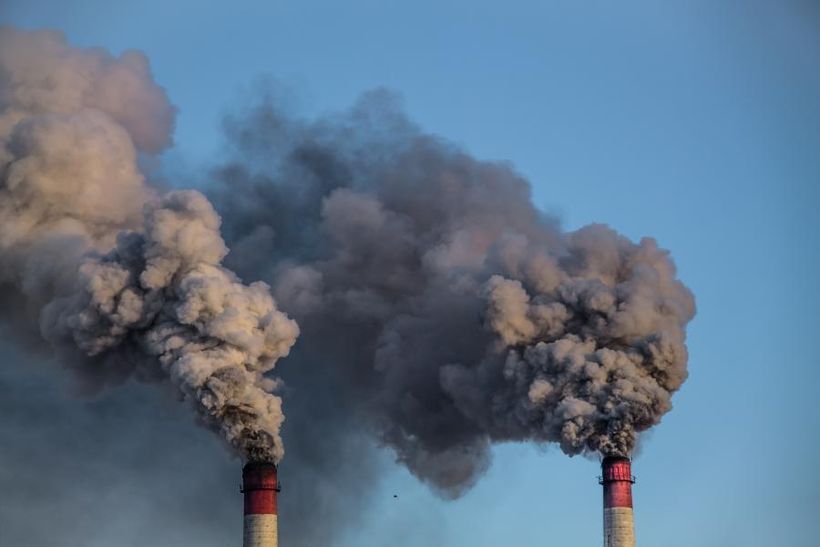
Corporate commitments to sustainability have reached record levels, but a new report from the Massachusetts Institute of Technology (MIT) suggests that turning those promises into meaningful action remains a significant challenge. The 2026 State of Supply Chain Sustainability Report, based on a survey of 1,810 supply chain professionals across 91 countries, found that 83 percent consider sustainability important or very important to long-term business success, the highest level recorded in the report's seven-year history. Yet the research reveals a troubling disconnect between corporate ambition and the structures needed to achieve measurable results. Dr. Sreedevi Rajagopalan, Director of the MIT Sustainable Supply Chain Lab and lead author of the report, says the challenge is no longer simply convincing companies that sustainability matters. "Commitment is strong, measurement is expanding, and AI is accelerating," says Dr. Sreedevi Rajagopalan, director of the MIT Sustainable Supply Chain Lab and lead author of the report. "What comes next is harder: converting commitment into accountability, operational integration into strategic decision making, and incremental decarbonization into genuine transition." Rajagopalan cautions that the next challenge involves turning those commitments into accountability, integrating sustainability into strategic decisions and achieving more substantial reductions in emissions. Dr. Sreedevi Rajagopalan is a Research Scientist at the MIT Center for Transportation & Logistics and Director of the MIT Sustainable Supply Chain Lab. Her research focuses on sustainable logistics, circular supply chains, Scope 3 emissions and helping organizations translate sustainability commitments into practical strategies. View her profile The report identifies several important findings: Corporate accountability is lagging: Only 51 percent of companies with publicly stated sustainability goals have formal cross-functional sustainability teams, while just 33 percent have board-level oversight. Tariffs are disrupting progress: Sixty-eight percent of respondents say tariff uncertainty has forced them to delay, reduce or abandon sustainability strategies. AI offers promise, but also challenges: While 87 percent of organizations adopting AI for sustainability report positive impacts, improvements in operational efficiency do not necessarily translate into lower overall emissions. Transportation remains a challenge: Forty-three percent of freight fleets still operate mostly or entirely on conventional diesel, while only eight percent have fully transitioned to low-emission energy. Collaboration is increasing: Participation in joint supplier engagement and decarbonization programs has climbed from 31 to 58 percent in just one year. Perhaps one of the report's most important findings concerns how sustainability is managed inside organizations. Companies with formal cross-functional teams report integrating sustainability into decisions far more frequently than those assigning responsibility to a single department. The findings raise important questions for business leaders. Are sustainability commitments being supported by meaningful governance? Can AI deliver measurable environmental improvements? And how can companies maintain progress when tariffs, geopolitical uncertainty and changing policies disrupt long-term plans? For Rajagopalan, the research points to a critical distinction: making sustainability a corporate priority is not the same as making it part of how a business operates. If you're interested in speaking with Dr. Rajagopalan about corporate sustainability, supply chain emissions, artificial intelligence, environmental accountability and the challenges facing global businesses, simply click on her profile to arrange an interview today.

When Hackers Attack the Supply Chain, the Consequences Go Far Beyond Stolen Data
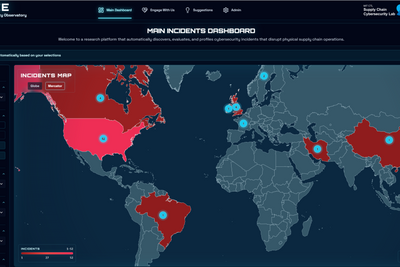
When cybercriminals target a business, the consequences can extend far beyond stolen data and compromised computer systems. Factories can shut down, shipments can be delayed, and disruptions can spread across entire supply networks, affecting businesses and consumers around the world. Recognizing these growing threats, the MIT Center for Transportation & Logistics has launched a new Supply Chain Cybersecurity Lab dedicated to helping organizations prevent, manage and recover from cyberattacks that threaten global operations. The initiative is co-founded by MIT researchers Dr. Miguel Rodríguez García and Dr. Camilo Mora, who are combining expertise in cybersecurity and supply chain management to address vulnerabilities that traditional IT security approaches may overlook. When a Cyberattack Becomes a Supply Chain Crisis The stakes are significant. A 2025 cyberattack against Jaguar Land Rover forced the manufacturer to suspend production at its UK facilities for five to six weeks, with an estimated economic impact exceeding $2 billion. Dr. Camilo Mora is a researcher at the MIT Center for Transportation & Logistics and Co-founder of the MIT Supply Chain Cybersecurity Lab. His research explores how ransomware, cyberattacks and digital vulnerabilities affect supply chain operations and resilience. View his profile And the risks are growing as manufacturers, warehouses and transportation networks become increasingly dependent on interconnected technologies, artificial intelligence, robotics and third-party software providers. For Dr. Camilo Mora, the importance of this research became clear after learning about a ransomware attack that disrupted a company's operations nationwide and required approximately three months to restore its systems. "That moment made me realize the enormous impact that a cyber-attack can have beyond the classic IT department, affecting the flow of goods, information, and money all at once, plus reputational damage across the entire network." The researchers are particularly concerned about smaller suppliers that lack the resources to defend themselves against sophisticated attacks, yet play critical roles in global supply networks. New Research to Identify and Prevent Disruptions The MIT lab is developing three research tools to help organizations understand and address these threats: TRACE: Tracks cyber incidents and their real-world consequences, including operational shutdowns, financial losses and disruptions to supply networks. RADAR: Identifies emerging cybersecurity risks associated with technologies such as autonomous systems, quantum computing and robotics. SCOUT: Helps smaller suppliers identify vulnerabilities and develop practical cybersecurity improvement strategies. The research also emphasizes that technology alone cannot protect supply chains. Employee awareness, leadership preparedness and coordination between IT and operational teams are essential to preventing disruptions and recovering when attacks occur. Protecting Global Supply Chains Before the Next Attack As global supply chains become increasingly interconnected, the work raises urgent questions for business leaders. How vulnerable are their suppliers? Could a cyberattack shut down their operations? And are organizations prepared to keep goods moving when critical technology fails? Dr. Miguel Rodríguez García is a Research Scientist at the MIT Center for Transportation & Logistics and Co-founder and Director of the Supply Chain Cybersecurity Lab. His research examines the cybersecurity risks associated with emerging technologies, automation, robotics and interconnected global supply chains. View his profile For Dr. Miguel Rodríguez García, addressing these challenges requires bringing together two disciplines that have traditionally operated independently. "We created this lab because supply chain and cybersecurity professionals have not been talking to each other. We're here to help companies continue operating even when technology fails, and we want to learn from companies that have suffered these attacks so we can bring those lessons back to the industry and make cybersecurity better for everybody." The lab's mission is straightforward: keeping supply chains moving even when technology fails. By combining research, industry collaboration and practical cybersecurity tools, MIT researchers hope to help organizations anticipate threats, strengthen resilience and recover more quickly when attacks occur. If you're interested in speaking with these MIT researchers about supply chain cybersecurity, ransomware, emerging technology risks, operational disruptions and protecting global commerce, simply click on the profiles of Dr. Miguel Rodríguez García or Dr. Camilo Mora to arrange an interview today.


Expert Insight: Tariff Turmoil Is Changing How Businesses Price Their Products
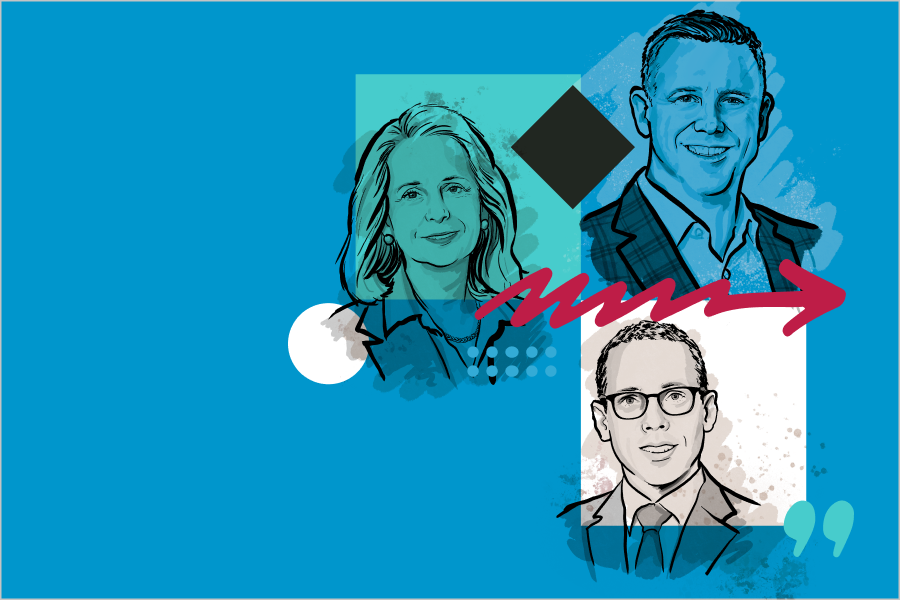
Tariffs are no longer simply a trade policy issue. They are becoming a significant challenge for businesses trying to manage costs, protect profits and remain competitive in an increasingly unpredictable global marketplace. A recent Reuters Plus feature, Why Tariff Volatility Makes Pricing a Forever Process, produced for global consultancy Simon-Kucher, examines how rapidly changing tariffs are forcing companies to continuously reassess their pricing strategies and supply chains. Among the experts featured is Anna Nagurney, Eugene M. Isenberg Chair in Integrative Studies at the Isenberg School of Management at the University of Massachusetts Amherst. View her profile Nagurney, an internationally recognized expert in supply chain networks and disruption management, points to the extraordinary pace of trade policy changes. She estimates that U.S. tariff regulations changed approximately 50 times during 2025, creating uncertainty for manufacturers, wholesalers, retailers and consumers. "The speed and uncertainty created a great deal of challenges for manufacturers, wholesalers, retailers and, of course, consumers." Why Even Domestic Businesses Are Vulnerable One of the article's central messages is that businesses do not have to import products directly to feel the impact of tariffs. Higher costs can spread throughout interconnected supply chains, affecting suppliers, transportation networks and ultimately consumers. Nagurney emphasizes the importance of viewing supply chains as networks rather than simple, linear systems. By identifying critical suppliers, examining vulnerabilities and preparing for potential disruptions, businesses can make better decisions before costs escalate. She also cautions that smaller companies may struggle to absorb tariff-related increases without jeopardizing their financial stability. As businesses face continued uncertainty, Nagurney can provide valuable perspective on how tariffs influence supply chains, consumer prices, business competitiveness and the broader economy. An experienced commentator on global supply chain disruptions, Nagurney has provided analysis to major news organizations, including The New York Times, Associated Press, NPR, The Washington Post, The Boston Globe and The Wall Street Journal. If you're interested in speaking with Anna Nagurney about tariffs, supply chain disruptions, pricing pressures, international trade and economic uncertainty, simply click on her profile to arrange an interview today.



Does International Law Still Matter? UMass Amherst Expert Weighs In on Doha Debates
As wars, geopolitical tensions and questions about international accountability challenge the global order, an important debate is emerging: Does international law still matter when powerful countries can choose to ignore it? That question was at the center of a recent episode of Doha Debates, which brought together international experts to examine the effectiveness, legitimacy and future of international law. Among the featured panelists was Charli Carpenter, Professor of Political Science at the University of Massachusetts Amherst, who offered a perspective on why international law remains important, even when its rules are violated. The discussion also featured Balakrishnan Rajagopal of the Massachusetts Institute of Technology, Victor Gao of the Center for China and Globalization and political philosopher Curtis Yarvin. Carpenter challenged the notion that violations of international law necessarily demonstrate its failure. She pointed to the international agreements that make everyday global cooperation possible, from aviation safety to diplomacy, and argued that international legal frameworks have helped establish expectations for how countries conduct themselves. Charli Carpenter is a scholar of international relations whose research examines international law, human security, global norms and the role of advocacy networks in shaping international policy. View her profile She also emphasized that violations can sometimes strengthen international norms by prompting other countries and institutions to reaffirm their importance. "And I think it is a common myth that if an actor breaks a rule that necessarily weakens the rule. Sometimes that can be an impetus for others to defend and reaffirm the rule. And it's often the case that rule breakers don't undermine rules, they undermine themselves and their social standing in a community." The debate explored the role of the United Nations, the Geneva Conventions, the International Criminal Court and the challenges of holding powerful countries accountable. Carpenter also discussed research into international treaties and public attitudes toward nuclear weapons, explaining how international agreements can influence expectations and behavior even when major powers are not parties to them. As global conflicts continue to test international institutions, the discussion offers a timely examination of whether the international legal system needs reform, stronger enforcement or renewed political commitment. Watch the full Doha Debates discussion on YouTube to hear Carpenter and her fellow panelists explore the future of international law and the consequences of weakening global institutions. If you're interested in speaking with Charli Carpenter about international law, global governance, international security, human rights and the future of international institutions, simply click on her profile to arrange an interview today.

When Diesel Prices Surge, What Happens to the Supply Chain?
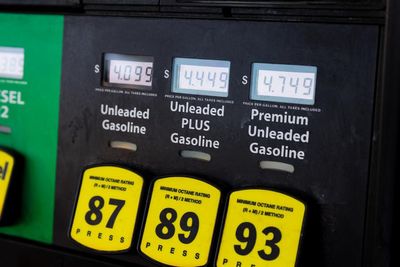
Diesel rarely gets the same public attention as gasoline, but its price can reverberate across almost every part of the economy. Global diesel prices have climbed to record levels amid significant supply disruptions, putting additional pressure on trucking, agriculture, manufacturing and the movement of goods. The impact is raising an important question for businesses: When does a fuel-price spike become a genuine supply-chain problem? Dr. Chris Caplice, founder and director of the MIT FreightLab at the MIT Center for Transportation and Logistics, says the freight industry has spent decades developing mechanisms to manage fuel volatility. But that doesn't mean every carrier experiences the impact equally. “Smaller carriers not only have older equipment and are not getting fully reimbursed, they also have cash flow challenges.” Caplice notes that fuel surcharge programs help shippers and carriers share the risk of changing diesel prices. However, carriers must pay for fuel immediately while surcharge payments can arrive 30 days or more later — creating particular pressure for smaller operators. Dr. Chris Caplice serves as the Executive Director of the Massachusetts Institute of Technology’s Center for Transportation & Logistics (CTL) where he is responsible for the planning and management of the research, education, and corporate outreach programs for the center. View his profile The consequences can extend well beyond the trucking company. According to Caplice, every 20-cent-per-gallon increase in diesel costs a shipper approximately three to four cents per mile. Rather than immediately redesigning supply chains, companies are more likely to look for operational efficiencies, including increasing truck utilization or shifting freight to intermodal transportation where practical. So, what should businesses be watching? Small-carrier vulnerability: Sustained fuel costs could create significant cash-flow pressure and contribute to some smaller trucking companies exiting the market. More efficient freight: Companies may increasingly focus on fuller loads, better utilization and other measures that reduce unnecessary miles. Intermodal opportunities: Higher trucking costs could make shifting appropriate freight between truck and rail more attractive. Electric trucks: Persistently expensive diesel could strengthen the economic case for electric Class 8 trucks in some applications. The six-month question: Caplice suggests duration matters. If elevated diesel prices persist for six months, businesses may have greater reason to view the situation as something more significant than temporary volatility. The broader freight network has considerable capacity to adapt, Caplice says. But the longer high diesel prices persist, the more important efficiency, carrier stability and transportation strategy become for companies trying to manage costs and maintain resilient supply chains. Dr. Chris Caplice is founder and co-director of the MIT FreightLab and Executive Director of the MIT Center for Transportation & Logistics. His research focuses on freight transportation, procurement, planning, performance and infrastructure. If you’re interested in speaking with Dr. Caplice about rising diesel prices, freight transportation and what sustained fuel costs could mean for supply chains, simply click on his profile below to arrange an interview today.


Supreme Court’s New Term Puts Government Power and Constitutional Rights in Focus
The U.S. Supreme Court began its new term October 5 with major cases involving climate change, gun rights, immigration and religious freedom. Although the disputes address different issues, they share an underlying question: What limits govern the exercise of government power? The answers could affect how communities seek compensation, how states regulate firearms and how religious institutions participate in publicly funded programs. The climate change case centers on Boulder, Colorado’s efforts to hold Suncor Energy and ExxonMobil accountable for alleged local damage associated with greenhouse gas emissions. The companies argue that federal law prevents those claims from proceeding. Beyond the financial stakes, the dispute raises questions about whether state courts can provide remedies for local harm linked to a global problem. The outcome could influence the path available to other communities pursuing similar claims. Gun rights cases will examine restrictions on semiautomatic rifles such as AR-15s. States defend the bans as public safety measures, while challengers argue that they prohibit commonly owned firearms protected by the Second Amendment. The cases could clarify how far states may go in regulating these weapons. Immigration disputes concern detention without bond hearings and deportations to countries where migrants have no ties. These cases place the administration’s enforcement authority alongside questions about migrants’ opportunities to challenge government actions. Their practical consequences could reach people facing prolonged detention or removal to unfamiliar countries. Religious freedom will receive particular attention in a case involving Catholic preschools seeking access to Colorado’s universal preschool funding. The schools argue that their exclusion amounts to religious discrimination, while Colorado maintains that participating schools must meet nondiscrimination requirements. The dispute asks how protections for religious exercise apply when faith-based institutions seek public benefits while retaining policies grounded in their beliefs. For communities, policymakers and religious organizations, the significance of this term extends beyond individual victories or losses. These decisions could establish boundaries that guide future laws and government actions, shaping how Americans exercise their rights and seek accountability through the courts.

Pneumonic Plague: An Ancient Killer That Has Never Completely Disappeared
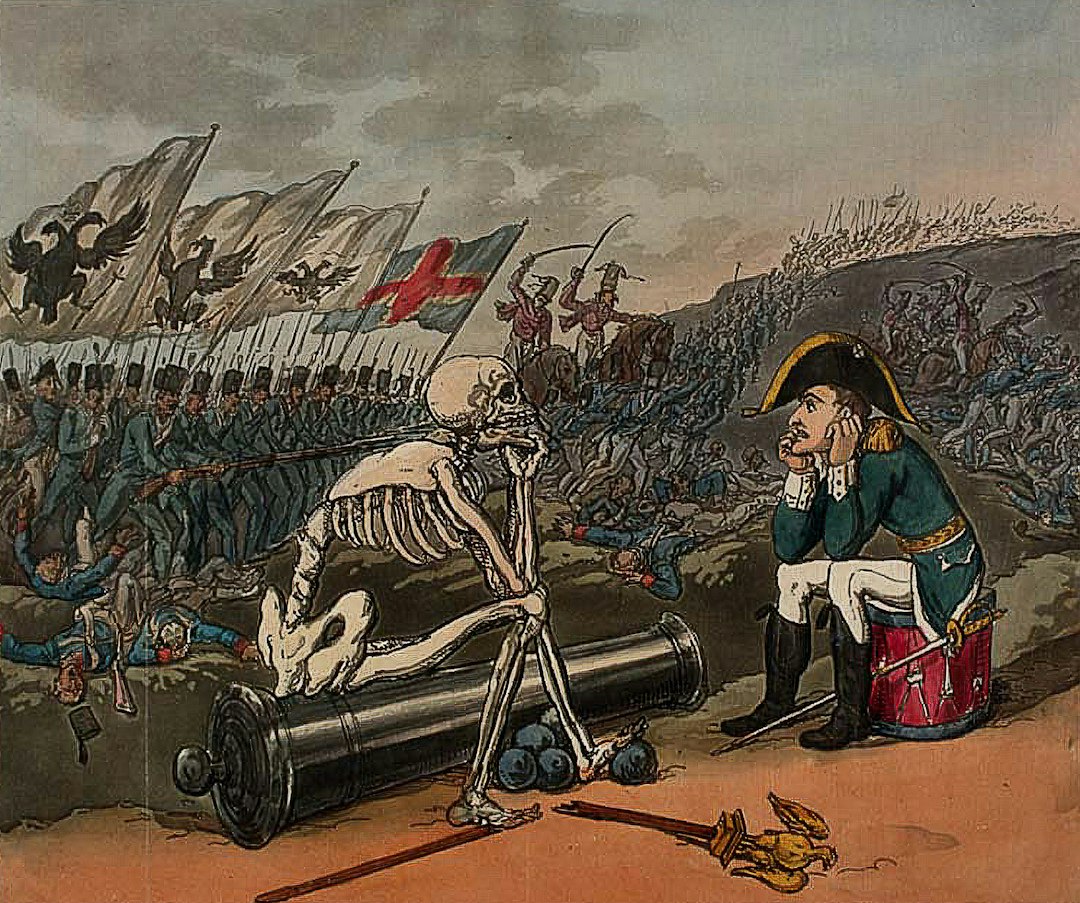
Few diseases carry the historical weight of plague. Caused by the bacterium Yersinia pestis, plague has been responsible for some of the deadliest disease outbreaks in recorded history. The most infamous was the Black Death of the 14th century, which swept through Europe, the Middle East and North Africa and killed tens of millions of people. The World Health Organization estimates that more than 50 million people died in Europe alone. But plague is not simply a disease of the past. The bacterium continues to circulate naturally among wild rodents and their fleas in parts of the world, and human cases still occur. The World Health Organization reports that most cases recorded between 2019 and 2025 occurred in the Democratic Republic of the Congo and Madagascar. What Is Pneumonic Plague? There are three primary forms of plague: bubonic, septicemic and pneumonic. Bubonic plague - historically the best-known form - usually develops following the bite of an infected flea and is characterized by painful, swollen lymph nodes known as “buboes.” Pneumonic plague occurs when Yersinia pestis infects the lungs. It can develop when untreated bubonic or septicemic plague spreads to the lungs, or when someone inhales infectious respiratory particles from a person or animal with pneumonic plague. That distinction is important: pneumonic plague is the only form of plague that can spread directly from person to person through respiratory particles. What Are the Symptoms? Pneumonic plague can progress remarkably quickly. According to the CDC, symptoms include fever, headache and weakness followed by rapidly developing pneumonia. Patients can experience shortness of breath, chest pain and coughing, sometimes producing bloody or watery mucus. Symptoms following inhalation can begin as soon as one day after exposure. Without treatment, pneumonic plague is extremely dangerous. The World Health Organization describes untreated pneumonic plague as invariably fatal, making rapid recognition and medical intervention critical. From Medieval Killer to Treatable Disease What separates plague today from the disease that devastated populations centuries ago is modern medicine. Plague is a bacterial infection and can be successfully treated with antibiotics. The CDC recommends beginning treatment as soon as plague is suspected rather than waiting for laboratory confirmation. Depending on the severity of the illness, treatment can involve intravenous or oral antibiotics, with gentamicin and fluoroquinolones among the first-line treatments used in the United States. Early detection matters enormously. Modern antibiotics, infection-control practices, surveillance and public-health responses mean that a disease once capable of devastating entire communities can now be identified, contained and treated. Yet its persistence also offers an important reminder: diseases that profoundly shaped human history do not necessarily disappear. Plague remains present in animal populations, continues to cause human infections and provides researchers with a remarkable window into the relationship between infectious disease, human behaviour, public health and even human evolution. Experts in infectious diseases, epidemiology, public health, microbiology, global health, medicine and the history of disease can help provide perspective on pneumonic plague, how it spreads, the risks it poses and what centuries of experience with plague can teach us about preventing and responding to outbreaks today. Connect with our experts today: View all of your experts here at www.expertfile.com


Professor Julian Ku Discusses U.N.’s Role in Global A.I. Debate
Hofstra Law Professor Julian Ku was quoted in a recent New York Times article examining the United Nations’ efforts to influence global discussions about artificial intelligence as the United States and China continue to lead the technology’s development. Professor Ku explained that the United Nations has historically struggled to shape how global powers use technologies unavailable to most other nations, including nuclear weapons and advanced cybertools. He said the organization may have greater success helping countries share in the benefits of A.I. than influencing the actions of the United States and China directly. “The U.N. can’t really shape the actions of those who have the power directly,” Ku said, but it can represent countries without that power.

From Automation to Autonomy: AI’s Next Role in the Supply Chain.
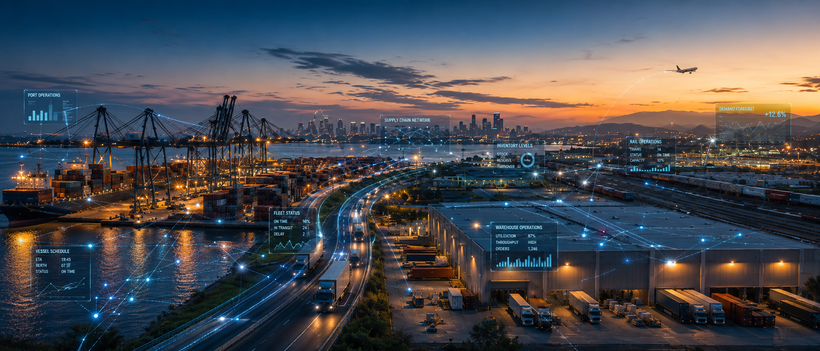
Artificial intelligence is creating new possibilities across global supply chains, but the bigger story may be how far companies are prepared to rethink the way their supply chains actually operate. A recent Financial Times article, “How AI is reshaping supply chains” looks at how AI is changing supply chain planning, logistics and decision making as organizations search for better ways to manage growing complexity and disruption. Among the experts featured is Dr. Maria Jesús Sáenz of the MIT Center for Transportation & Logistics (MIT CTL). At MIT CTL, Dr. Sáenz leads work focused on digital supply chain transformation and serves as Executive Director of the MIT Supply Chain Management master's program. Her research examines how AI and digital technologies are changing collaboration, decision making and performance across supply chains. MIT CTL has long been at the forefront of supply chain research and education, working at the intersection of industry, technology and some of the most pressing challenges facing global supply networks. Today, that increasingly includes understanding where AI can have a meaningful impact and what organizations need to do to put it to work effectively. MIT CTL describes Dr. Sáenz’s insights as part of its ongoing leadership in research spanning AI, digital transformation and supply chain innovation. For Dr. Sáenz, the potential of AI goes well beyond making existing processes faster. It points toward supply chains that can become increasingly autonomous, learn from changing conditions and adapt the way they operate. "It is more automated, more autonomous, more self-learning, self-correcting, more resilient." But technology alone will not create that transformation. Dr. Sáenz emphasizes the importance of redesigning processes, investing in digital capabilities and establishing a clear strategic vision before organizations deploy new technologies. That raises some important questions for supply chain leaders: How autonomous should supply chains become? Where should people remain firmly involved in decision making? Are organizations redesigning their operations around the capabilities of AI, or simply adding new technology to existing processes? These questions are becoming more important as companies explore the next generation of intelligent supply chains. Dr. Sáenz’s research at MIT CTL provides a valuable perspective on what separates incremental automation from deeper supply chain transformation. Her broader research includes intelligent and autonomous supply chains, AI in supply chains and the ways humans and AI can work together more effectively. Story Ideas Are autonomous supply chains actually within reach?: What AI can manage today and where human judgment remains essential. What comes after automation?: How self-learning and increasingly autonomous systems could change supply chain planning and execution. AI without the groundwork: Why companies may struggle to realize the benefits of AI without the right data, processes, digital capabilities and strategy. Human and AI decision making: How organizations can determine which supply chain decisions should be automated, supported by AI or left to people. Can AI make supply chains more resilient?: How intelligent systems could help organizations identify changing conditions and respond more quickly to disruption. Beyond the AI pilot: What separates organizations experimenting with AI from those using it to fundamentally rethink supply chain operations. Read the Financial Times article: How AI is reshaping supply chains Connect with Dr. Maria Jesús Sáenz to learn more about her research at the MIT Center for Transportation & Logistics on AI, digital transformation, human and AI collaboration, and intelligent supply chains.

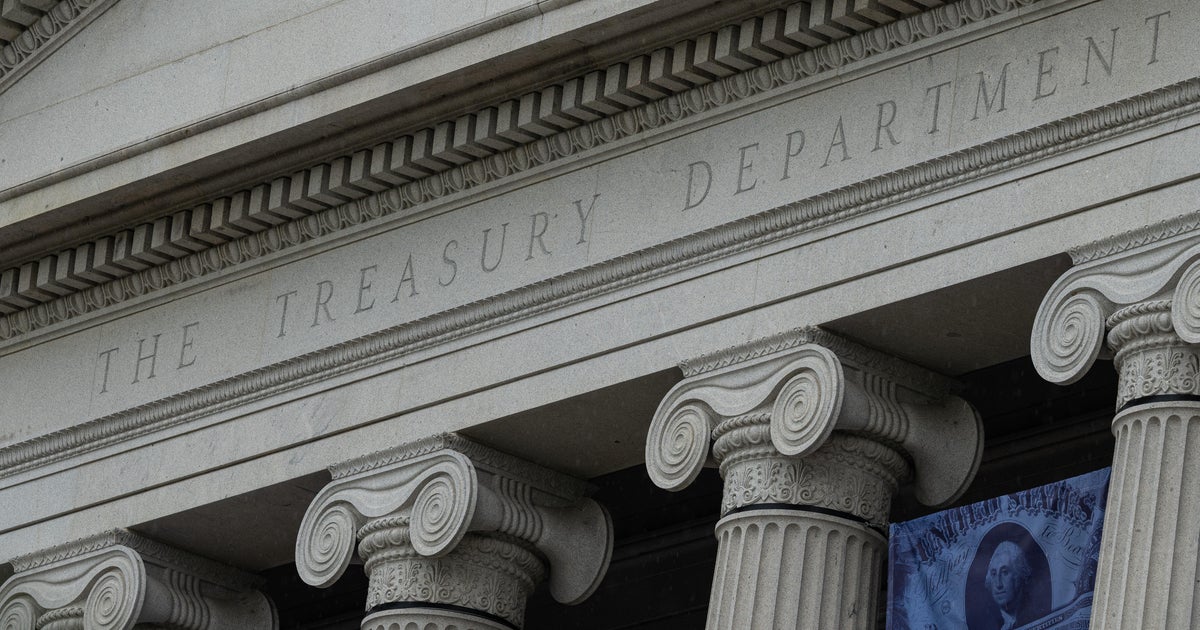
From the Pump to the Bond Market: Why Rising Oil Prices Matter for Borrowing Costs
From the Pump to the Bond Market: Why Rising Oil Prices Matter for Borrowing Costs Rising oil prices are often felt first at the gas pump, but their effects can quickly extend to the broader economy. As higher costs for gasoline, diesel and jet fuel work their way through transportation, manufacturing and food production, investors are increasingly concerned that inflation could remain elevated longer than expected. That concern is helping push Treasury yields higher. When investors expect inflation to erode the future value of fixed-income returns, they typically demand higher yields on government bonds. The result can be a ripple effect across the economy: mortgage rates, auto loans, credit-card rates and business borrowing costs may all remain high or move higher. This is an important second stage of the oil-price story. The first concern is the direct impact on consumers and businesses as energy costs rise. The next concern is whether those higher costs become embedded in the economy, causing inflation expectations to increase and making it more difficult for the Federal Reserve to ease interest rates. For policymakers, the dilemma is clear. Raising or maintaining higher interest rates can help slow inflation, but it also makes borrowing more expensive for families, businesses and the federal government. If high energy prices persist, the Federal Reserve may face added pressure to prioritize inflation control even as consumers and employers feel the effects of tighter financial conditions. The issue is also global. Oil markets respond quickly to geopolitical instability and supply disruptions, while Treasury yields influence borrowing and investment decisions far beyond the United States. Together, high energy prices and rising yields can become a powerful test of economic resilience—affecting household budgets today and financial decisions for months to come.

