
Experts Matter. Find Yours.
Search experts on 50,000+ topics. Or browse by topic category.
- Recent Searches


Featured
Global experts with a broad range of areas of expertise.








Clare Beckton
- Title
- Executive Director
- Role
- Carleton University Centre for Women in Politics and Public Leadership
- Expertise


Tyrha Lindsey-Warren, Ph.D.
- Title
- Clinical Associate Professor of Marketing
- Role
- Baylor University
- Expertise


Connecting credible expert sources & academic research
ExpertFile is a trusted resource for journalists, industry, funding agencies and government policymakers looking for fresh perspectives and innovative academic research.


Spotlights
Read expert insights on a wide variety of topics and current events.

Federal Reserve Decision Puts Borrowing Costs and Inflation in Focus
The Federal Reserve’s October 27–28 meeting comes as Americans continue to face persistent inflation and costly borrowing. Policymakers are widely expected to leave the benchmark interest rate unchanged when they announce their decision Wednesday, October 28. However, an anticipated pause does not settle the question of whether further increases will be needed. Investors and businesses will closely watch the Fed’s explanation for clues about its next steps. The decision reflects a difficult balance. Higher interest rates can help restrain inflation by discouraging borrowing and spending, but they can also slow business expansion, reduce hiring and make major purchases harder to afford. Keeping rates elevated gives those effects more time to work through the economy. Raising them further could add pressure if households and employers are already becoming more cautious. For consumers, the implications reach beyond financial markets. Credit card balances, auto financing and business loans can remain expensive when borrowing costs stay high. Mortgage rates also respond to broader market expectations about inflation and future policy. This week’s announcement will therefore matter both for the immediate rate decision and for what it suggests about the path toward more affordable credit.



Need Election Day Experts? We've Got 'Em!
As voters head to the polls, University of Rochester political scientists James Druckman and Gerald Gamm are available to help journalists make sense of the results — and what they could mean for American democracy, Congress, political parties, and the polarized electorate. James Druckman: Understanding partisanship and the American electorate Druckman is a leading scholar of political partisanship and its effects on American democracy. He can help reporters interpret voter behavior, identify emerging trends, and understand what election results reveal about the deepening divide between Democrats and Republicans. His 2024 book, Partisan Hostility and American Democracy: Explaining Political Divisions and When They Matter (University of Chicago Press), has been called a “stand out” among the scholarship examining political division. New York Times columnist Thomas Edsall has highlighted Druckman among the political scientists “working on getting us to hate one another less.” Druckman is available for interviews before, during, and after Election Day to discuss voting trends, partisan dynamics, and the implications for American democracy. Connect with him by clicking on his profile. Gerald Gamm: What election results mean for Congress and governing A political scientist and historian, Gamm studies American politics, political development, legislatures, political parties, and state and local government. His expertise is particularly relevant to questions about the balance of power in Congress and statehouses, how political parties respond to shifting electoral fortunes, and what election outcomes mean for governing. Gamm is a co-author of Steering the Senate (Cambridge University Press, 2025), a study of institutional leadership and capacity on Capitol Hill that has been described as “essential reading” for anyone concerned about the future of congressional leadership. He is available for interviews before, during, and after Election Day to provide context on emerging political trends, election outcomes, and their implications for Congress and the broader political landscape. Connect with Gamm by clicking on his profile.



Got Expertise to Share?
ExpertFile works with leading organizations with trusted experts. We help make their expertise more discoverable, structured, and actionable for AI-driven discovery, strategic outreach, and real-world opportunities.

Reported Iranian Threats Prompt U.S. Embassy Precautions
Reported threats against American personnel are prompting new precautions at U.S. diplomatic posts in the Middle East. The State Department is reducing staffing at embassies in Jordan, Lebanon, Qatar and the United Arab Emirates following intelligence warnings about increased Iranian efforts to target Americans. The embassies remain open under restricted operations, and the staffing changes differ from the ordered departure of nonessential personnel and families from Saudi Arabia. The precautions underscore the challenges of maintaining a diplomatic presence during a regional conflict. Embassies support communication with foreign governments, assist American citizens and provide information that helps guide U.S. policy. Reducing staff can limit personnel’s exposure to danger, but it also requires officials to reassess which activities can safely continue. Reported threats involving Iran-backed Houthi militants add another layer of complexity to those security decisions. The developments also raise questions about how Washington can protect its personnel while preserving channels for negotiation. U.S. officials have denied that the staffing reductions are connected to potential new American and Israeli strikes against Iran. The precautions nevertheless illustrate how intelligence warnings can affect diplomatic operations before an attack occurs—and how regional tensions can place Americans serving abroad at risk.


ExpertSpotlight: From Ancient Spirits to Modern Scares: The Fascinating History of Halloween!
Every October, neighborhoods transform into haunted landscapes, pumpkins glow on front porches, and children dress as everything from witches to superheroes. But behind the costumes, candy and spooky decorations lies a celebration with roots stretching back more than 2,000 years. Halloween's origins are commonly traced to Samhain, an ancient Celtic festival marking the transition from the harvest season into winter. It was a time associated with the supernatural, when the boundary between the living and the dead was believed to grow especially thin. Over the centuries, Celtic traditions intersected with Christian observances, including All Saints' Day and All Souls' Day. The evening before All Saints' Day became known as All Hallows' Eve — eventually shortened to Halloween. And those glowing jack-o'-lanterns? They weren't always pumpkins! In Ireland and Scotland, people traditionally carved turnips and other root vegetables. Pumpkins became the preferred choice as Halloween customs evolved in North America. Trick-or-treating, elaborate costumes and haunted attractions developed through a combination of older traditions and more recent community celebrations, transforming Halloween into the cultural phenomenon we know today. But Halloween is more than an excuse to eat too much chocolate. Its evolution offers a fascinating window into how societies understand death, preserve folklore, confront fear and pass traditions from one generation to the next. For journalists looking to explore the history, folklore, psychology or cultural significance of Halloween, university experts in history, anthropology, religious studies and popular culture can offer fascinating perspectives on why we love being scared — and how an ancient seasonal observance became a modern celebration. This Halloween, there's a lot more to uncover than what's hiding behind that haunted-house door! Looking for help to bring the history and mystery of Halloween to life? Connect with an ExpertFile expert today for interviews, commentary and a deeper look at the traditions behind the tricks and treats. Visit all of our experts www.expertfile.com


Inflation Puts Household Budgets—and Candidates—Under Pressure
Inflation is keeping affordability at the center of American life as voters prepare for the November 3 midterm elections. Consumer prices rose 3.7% over the year ending in September, with gasoline and other everyday expenses adding pressure to household budgets. For families already adjusting their spending, persistent price increases can mean difficult decisions about groceries, transportation and discretionary purchases. Those pressures also create political challenges. President Donald Trump and Republican candidates are defending their economic record, while Democrats argue that the administration’s policies have made everyday life more expensive. Tariffs and energy disruptions associated with the Iran conflict have become central points of debate. Although growth and employment remain important measures of economic performance, voters often judge the economy through the expenses they encounter most frequently. The debate highlights a distinction that can become lost in campaign messaging: slowing inflation means prices are rising more slowly, rather than returning to earlier levels. Families may continue feeling financial strain even when economic indicators improve. As candidates offer competing solutions, the larger question is which policies can improve purchasing power while supporting employment and economic stability. The election will test how strongly Americans connect those daily financial pressures to the leaders seeking their votes.


Is Government Corruption Becoming a Defining Issue in the Midterm Elections?
With the U.S. midterm elections just days away, concerns about government corruption are emerging as an important issue for voters, raising questions about how Americans define corruption, whom they hold responsible and how those perceptions could influence their decisions at the ballot box. In an Oct. 26 interview featured on NPR's All Things Considered, Ray La Raja, professor of political science at the University of Massachusetts Amherst and co-director of the UMass Amherst Poll, discussed growing public concern about corruption and the competing political narratives surrounding the Trump administration's efforts to combat fraud. The segment, The Trump Administration Is Taking on Fraud Ahead of the Midterm Elections, reported by NPR's Emily Feng, examined President Donald Trump and Vice President JD Vance's efforts to make government fraud and abuse a central policy focus ahead of the elections. La Raja, who surveyed Americans about corruption in September, found widespread concern about the issue, consistent with other national polling showing that nearly nine in ten Americans are worried about government corruption. "I believe this is pretty much off the charts," La Raja told NPR, emphasizing the extent of public concern. He also highlighted the connection between corruption and the economic issues that traditionally motivate voters."But it's especially powerful when people are already upset about the issue that usually motivates voters, and that's the economy." View his profile His research reveals important differences in how Democrats and Republicans perceive the problem. While Democrats overwhelmingly identify the presidency as a source of corruption, Republicans tend to view corruption as a more systemic problem involving government bureaucracy and fraudulent claims against federal programs. His research offers valuable insight into how political messaging, public trust, economic anxiety and partisan perceptions intersect during a consequential election. An expert in American politics, elections, polling, political parties, campaign finance and political reform, La Raja brings extensive research experience to questions about voter attitudes, democratic accountability and the forces influencing political participation. With the midterm elections approaching on Tuesday, Nov. 3, Ray La Raja is available to speak with journalists seeking expert analysis of government corruption, voter concerns, political messaging, public opinion and the issues shaping the 2026 elections. To arrange an interview with La Raja, click on his ExpertFile profile below.


Could Artificial Intelligence Improve a Country's Credit Rating? New Research Says Yes
Artificial intelligence is already transforming industries, reshaping labour markets and changing how governments deliver services. Now, new research suggests AI development may also influence something far less obvious: a country's ability to secure favourable credit ratings and access lower-cost capital. A study co-authored by Lance Y. Hunter, PhD, a professor at Augusta University, and Glen Biglaiser, PhD, Regents Professor at the University of North Texas, finds a significant positive relationship between national AI development and sovereign bond ratings. Published in the International Area Studies Review, the research examines sovereign bond ratings across 101 countries between 2020 and 2023, using ratings from Moody's and Standard & Poor's alongside measures of national AI readiness. Lance Hunter, PhD, is a political science professor at Augusta University whose expertise in political behavior, elections and political communication makes him a valuable resource for journalists covering the growing influence of artificial intelligence on American politics. View his profile AI and Economic Confidence The researchers found that countries with more advanced AI capabilities generally received higher sovereign bond ratings, even after accounting for a range of economic, political and social factors. Their analysis suggests AI development may strengthen national economies by increasing productivity, improving government efficiency and supporting economic growth. These improvements can contribute to stronger public finances and greater confidence in a government's ability to repay its debts. The findings have potentially significant implications for governments seeking to attract investment, finance infrastructure and reduce borrowing costs. Government Efficiency Matters One of the study's most notable findings concerns the relationship between AI development and government effectiveness. Using statistical mediation analysis, the researchers found that government effectiveness accounted for 32.2% of the relationship between AI development and Standard & Poor's ratings and 26.1% of the relationship with Moody's ratings. The research also identified national income and gross savings as contributing factors, reinforcing the connection between technological development, economic performance and sovereign creditworthiness. The findings suggest that national AI strategies may have financial implications extending beyond innovation and industrial competitiveness. Opportunities and Risks The researchers also caution that AI's economic benefits are not guaranteed. While greater adoption can increase productivity and improve public services, poorly managed implementation could contribute to job displacement, inequality and economic instability. Their findings underscore the importance of responsible AI development, particularly policies that support workers while encouraging technological innovation. The study, Artificial Intelligence Development and Sovereign Bond Ratings, offers a new perspective on how emerging technologies may influence international finance and government borrowing. As governments worldwide increase investments in artificial intelligence, Hunter's research raises important questions about whether technological readiness could become an increasingly influential consideration in assessments of national economic strength. Lance Y. Hunter, PhD, is available to provide expert insight into the relationship between artificial intelligence, government effectiveness, sovereign debt, international political economy and the economic implications of emerging technologies. To connect with Dr. Hunter for an interview or learn more about his research, visit his profile below.


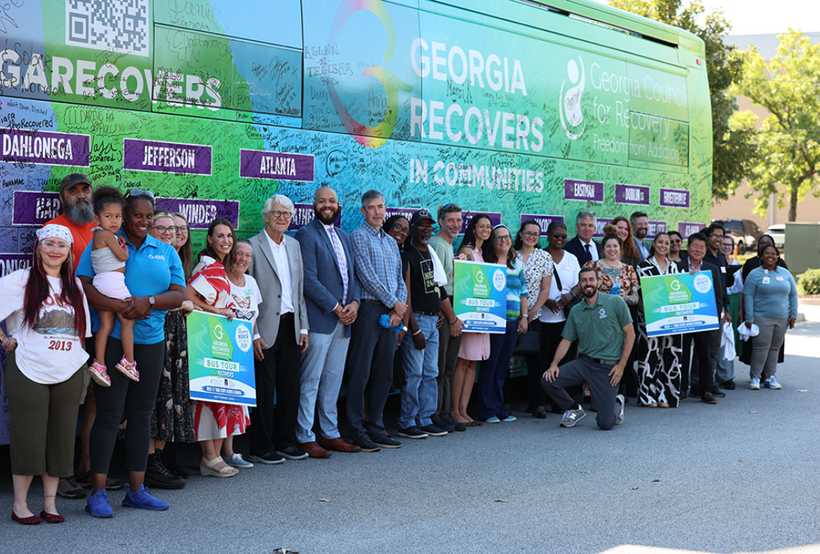
$2.5 Million Grant Targets Georgia's Overdose Crisis
As communities across Georgia continue to confront substance use disorders and the challenges of addiction recovery, researchers at Augusta University are expanding efforts to improve overdose prevention and access to treatment. The university's School of Public Health has received a three-year, $2.5 million grant from the Substance Abuse and Mental Health Services Administration to strengthen overdose prevention initiatives across several high-risk regions of Georgia. The project will involve partnerships with treatment and recovery organizations in Augusta and surrounding counties, northwest Georgia, south central Georgia and southeast Georgia. Aaron Johnson, PhD, Associate Dean for Research and Community Engagement and Director of the Institute for Public and Preventive Health, is helping lead the initiative. View his profile “Part of the project will be here in Augusta and surrounding counties with Serenity Behavioral Health as a partner, and we also identified three more high-risk areas in Georgia, which include six counties in northwest Georgia, six counties in south central Georgia and four counties in southeast Georgia. We will work with treatment and recovery organizations in those areas to address overdoses,” said Aaron Johnson, PhD, associate dean for research and community engagement and director of the Institute for Public and Preventive Health at SPH. The funding announcement coincides with Augusta University's recent hosting of the Augusta Recovers event, which brought together researchers, healthcare professionals, recovery advocates and community organizations to examine the barriers preventing individuals from accessing addiction treatment and recovery support. Among the concerns raised were shortages of recovery services in rural communities, difficulties recruiting healthcare providers and the importance of directing opioid settlement resources to underserved areas. Johnson emphasized that expanding treatment and recovery services beyond major urban centres will be essential to addressing the crisis. The initiative, recently featured in Jagwire, Augusta University's official news publication, highlights Dr. Johnson's work and the importance of collaboration among universities, healthcare providers, government agencies and community organizations in developing effective approaches to overdose prevention. As communities across the country look for effective ways to address the opioid crisis, J. Aaron Johnson, PhD, is available to provide expert insight into overdose prevention, substance use treatment, rural healthcare challenges and evidence-based recovery strategies. To connect with Dr. Johnson for an interview or learn more about his research, visit his profile below.

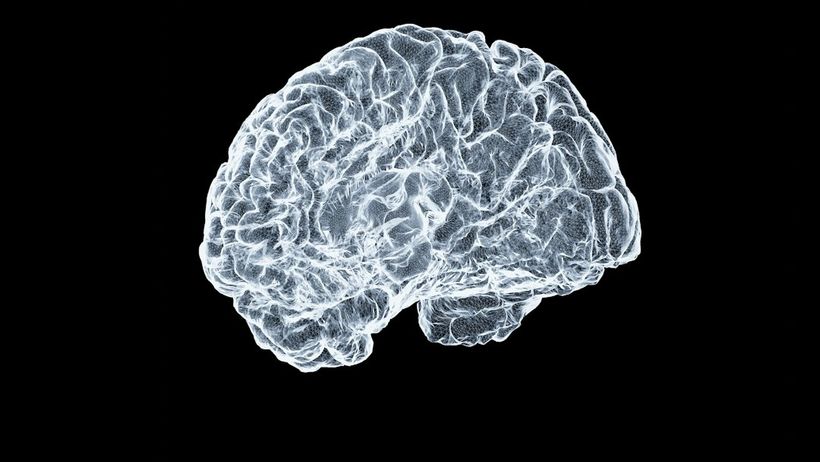
Alzheimer’s Disease and Related Dementias: Recognizing Early Signs and Preserving Independence
Alzheimer’s disease, the most common cause of dementia, is a progressive brain disorder associated with the buildup of abnormal amyloid and tau proteins that damage nerve cells. Alzheimer’s disease and related dementias (AD/ADRD) can affect memory, judgment, mobility, balance, and everyday independence, often beginning years before symptoms become noticeable. “One of the most important things to understand about AD/ADRD is that it affects more than memory,” explains Deborah Jehu, PhD. “It can change how someone plans, makes decisions, moves through their environment, and completes tasks they have performed independently for years.” Recognizing the Early Signs Early symptoms may include repeatedly asking the same questions, forgetting recently learned information, misplacing items, struggling to find words, or having difficulty managing finances and appointments. Someone may also become confused in familiar places, struggle to follow a recipe, or find it increasingly difficult to organize multistep activities. AD/ADRD progression is variable, and cognitive and functional abilities may fluctuate from day to day. Individuals may require intermittent reminders or assistance with tasks such as meal preparation and medication management. Persistent changes in daily functioning warrant clinical evaluation but do not necessarily indicate AD/ADRD. Diagnosis and Treatment Diagnosing AD/ADRD typically involves reviewing medical history, assessing memory and thinking, evaluating daily functioning and conducting physical and neurological examinations. Clinicians may order laboratory tests to identify other causes of cognitive changes, such as thyroid problems or vitamin deficiencies. Brain imaging and, when appropriate, blood-based biomarkers, cerebrospinal fluid testing, or amyloid PET scans can help clarify the diagnosis. There is currently no cure for AD/ADRD, but treatments can help manage symptoms or slow disease progression in some people. Medications such as donepezil and memantine may help manage cognitive symptoms, while certain anti-amyloid therapies may slow decline in eligible patients with early Alzheimer’s disease. Treatment decisions require individualized assessment of potential benefits, risks, and monitoring needs. Preserving Mobility and Independence Dr. Jehu emphasizes that comprehensive AD/ADRD care must address physical function alongside cognitive health. People with AD/ADRD can be up to twice as likely to fall as cognitively healthy older adults. As the condition progresses, changes in balance, gait, coordination, and judgment can increase fall risk, potentially leading to injuries, reduced mobility, and loss of independence. These challenges make routine mobility assessments and early rehabilitation particularly important. Physical and occupational therapists can recommend individualized strength and balance exercises, adapt activities, and identify environmental hazards. Caregivers can also support independence through consistent routines, familiar surroundings, simple instructions, medication reminders, and visual cues. “Supporting independence means recognizing what a person can still do and providing just enough assistance to help them succeed safely,” says Jehu. “The goal is not simply to prevent accidents, but to preserve dignity, autonomy, and opportunities for meaningful engagement.” Technology may also help through timely reminders, medication prompts and task-by- task guidance. However, these tools should complement, not replace, human connection, professional care and appropriate supervision. Looking Ahead Early recognition, personalized treatment, physical activity, and coordinated support can help people living with AD/ADRD maintain function and quality of life. Dr. Jehu underscores the need for research that evaluates practical, dementia-specific interventions to preserve mobility, prevent falls and reduce caregiver burden. Ultimately, successful AD/ADRD care should be measured not only by changes in memory, but also by a person’s ability to remain safe, active, connected, and as independent as possible throughout the course of the disease. If you're interested in speaking with Dr. Jehu about Alzheimer's Disease or Dementia and the research taking place at Augusta University – contact AU's External Communications Team mediarelations@augusta.edu to arrange an interview today.