
Experts Matter. Find Yours.
Connect for media, speaking, professional opportunities & more.

MEDIA RELEASE: Road safety in the cannabis era
At CAA South Central Ontario, what we're focused on, day in and day out, is how to keep our roads and road users safe. One of our objectives is dispelling common myths about cannabis. This includes the claim that driving under the influence of cannabis is safer than driving after consuming alcohol or the belief that cannabis can sharpen one's ability behind the wheel. The potential for a collision increases in direct proportion to THC levels (the main intoxicant in cannabis) in our body. This means that cannabis significantly impacts the driver's cognitive and motor functions, which in turn affects decision-making and judgment. We must remember that driving is a privilege, not a right. The legal response to impairment is strict and swift. But we must also keep in mind that, much like our education around seatbelts and alcohol, it will take time to change habits. It's important to be smart with our choices and to tap into the lessons we've already learned. This includes appointing a designated driver if you're planning on using cannabis, finding an alternative to get to your destination and ensuring we have conversations around the dangers of cannabis with new drivers in our families. Communities across Ontario are working hard to keep our roads safe. Today we face tremendous opportunity to ensure we continue on that path, but our goal is only possible if we make public education key to our efforts. We hope you join us.




Americans Are Happier in States That Spend More on Libraries, Parks and Highways
Such ‘public goods’ also are less likely to spark political conflict, Baylor researcher says Americans are happier in states where governments spend more on public goods, such as libraries, parks, highways, natural resources and police protection, a Baylor University study has found. “Public goods are things you can’t exclude people from using — and one person using them doesn’t stop another from doing so,” said researcher Patrick Flavin, Ph.D., associate professor of political science in Baylor’s College of Arts & Sciences. “They’re typically not profitable to produce in the private market, so if the government doesn’t provide them, they will either be under-provided or not at all.” Public goods spending makes communities “more livable, with more amenities,” Flavin said. “If roads are completed and kept up, so that people aren’t stuck in traffic, they have more time to do things they enjoy doing. Large parks are social spaces — and one clear finding of happiness studies is that people who are more socially connected tend to be happier.” Another benefit of spending money on public goods is that such amenities generally boost home values — and “while higher property taxes generally accompany higher home values, it seems that the good outweighs the unfortunate part about having to pay higher taxes,” Flavin said. In his study, published in the journal Social Science Research, Flavin analyzed data on respondents’ self-reported levels of happiness for 1976-2006 from the General Social Survey, a representative sample of Americans that monitors social characteristics and attitudes of Americans and is a project of the independent research organization NORC at the University of Chicago. Flavin also analyzed detailed government spending data for states from the U.S. Census Bureau for 1976-2006. Revenues to fund state public goods are raised from a combination of state taxes and transfers from the federal government to states, averaging 22.5 percent of total state revenues for that 30-year period. “We can look at the city where people live, their neighborhoods, and see how public goods spending predicts happiness after taking other important factors, such as marital status, health, education and income, into account,” Flavin said. He also found that public goods spending has broad benefits across income, education, gender and race/ethnicity lines. “Compared to a lot of the other government spending, public goods tend to be less controversial between liberals and conservatives, Democrats and Republicans, compared to poverty assistance or unemployment benefits, where there is definite disagreement between political parties,” Flavin said. “I think there is less political conflict over public goods spending simply because if they government doesn’t provide them, they won’t be provided at all.” Flavin cautioned that there is not necessarily a cause-and-effect relationship between public goods and happiness. “It could be that happier citizens self-select by moving to states that spend comparatively more on public goods,” he said. “It also is possible that happier citizens support higher spending on public goods and elect state officials to deliver on that policy.” Because some spending for public goods comes from local government, Flavin hopes to do a study linking citizens to their local city instead of only to the state. And because living a happy and satisfying life is a nearly universal human goal, he predicts that better understanding of how policies concretely impact quality of life will receive increasing attention from researchers in the years to come. ABOUT BAYLOR UNIVERSITY Baylor University is a private Christian University and a nationally ranked research institution. The University provides a vibrant campus community for more than 17,000 students by blending interdisciplinary research with an international reputation for educational excellence and a faculty commitment to teaching and scholarship. Chartered in 1845 by the Republic of Texas through the efforts of Baptist pioneers, Baylor is the oldest continually operating University in Texas. Located in Waco, Baylor welcomes students from all 50 states and more than 80 countries to study a broad range of degrees among its 12 nationally recognized academic divisions. ABOUT BAYLOR COLLEGE OF ARTS & SCIENCES The College of Arts & Sciences is Baylor University’s oldest and largest academic division, consisting of 25 academic departments and seven academic centers and institutes. The more than 5,000 courses taught in the College span topics from art and theatre to religion, philosophy, sociology and the natural sciences. Faculty conduct research around the world, and research on the undergraduate and graduate level is prevalent throughout all disciplines.



MEDIA RELEASE: CAA launches cannabis education campaign, geared towards a younger demographic
This holiday season will be the first time Ontarians will consume cannabis legally. Many of those experimenting will be young adults, who according to our research, are more likely to mix alcohol and cannabis together. In response to the new laws and research, CAA has launched a cannabis education campaign called #DontDriveHigh. The campaign is geared towards novice drivers to remind them that even though cannabis is legal, it’s not harmless, especially in situations where reaction time, motor skills and judgment are critical. Driving high is driving impaired. “Just because you think you may be able to drive while high, doesn’t mean you should,” said Teresa Di Felice, assistant vice president, government relations, CAA SCO. “It’s important to remember that if you are going to consume alcohol or cannabis, find an alternative to driving so you can arrive where you’re going safely.” CAA’s research shows that there is a gap in awareness of the effects of using cannabis, specifically, in young men. Men aged 25 to 34 are the most likely to drive under the influence of cannabis. Many are novice drivers who live in busy, urban areas. “Our research shows that many Ontario drivers believe that there is a strong need for public education around cannabis legislation,” said Teresa Di Felice. “Our campaign aims to educate young drivers with fun yet thought-provoking videos.” CAA SCO worked with The Turn Lab, to create a series of videos demonstrating the impact cannabis has on concentration, coordination, reaction time, and decision making. CAA believes that education is one of the most critical elements to help Ontarians understand the issues surrounding cannabis legislations and safety. If you are writing about cannabis and road safety – we can help. Teresa Di Felice is the Assistant Vice President of Government & Community Relations at CAA South Central Ontario (CAA SCO), Canada's largest CAA Club. She has been with CAA since 2005. She is responsible for the overall direction and execution of the organization’s advocacy strategies and programs, representing and raising awareness on relevant issues to CAA’s over 2 million Members and with policymakers in Ontario.

Many Americans already have enough “stuff,” and the gift-giving season sometimes adds to that collection of things we really don’t need. Instead of always receiving, how can we resolve to be more generous in the New Year? “Whatever our station, however much money or resources we have, we all have something to share and something to give,” says Andy Hogue, Ph.D., senior lecturer in Baylor’s Honors College who teaches a course on philanthropy and the public good. “I like the idea of thinking in terms of a New Year’s resolution, sort of resolving to be more generous and helping people to think in those ways.” Hogue offers four ways individuals and families can develop a spirit of generosity in the New Year. 1) Generosity starts with gratitude. “That is the very first step, just being grateful for what we have, but also realizing that to those given much, much is expected, and to begin thinking about not possessing things but stewarding things,” Hogue said. “Think of the many things we have that might benefit others, whether that is our time, our talents or our finances. There are so many things that we have at our disposal to be able to enrich communities and to help other people. Being able to think in those ways leads us down the path toward generosity and toward sharing.” 2) Generosity is more than just a transaction. “Think of philanthropy, generosity and giving as more than writing a check. Think of it as something that can be transformative and realize that there is no such thing as an unhappy generous person. It’s difficult to be unhappy when we are giving of ourselves.” 3) Generosity is a muscle you have to exercise. “If we can’t give of ourselves when we have limited means, what makes us expect that we would do it when we have more means?” Hogue said. “We all, in some way, are privileged and blessed and have resources that can be put to use for the benefit of someone else.” 4) Generosity can be creative. There are inspired ways to give birthday or Christmas gifts in honor of a family member or friend that bring about a beautiful thing Hogue likes to call the “philanthropy of collaboration.” “Imagine the many things that come together in this one simple act: you, the giver, are enriched by the series of events you set into motion while the person you honor with the gift appreciates your generosity and imagination. The beneficiary of the gift then takes your offering to enrich the lives of others,” Hogue said. It is, however, important to take cues from the person you honor and give a gift in support of the causes they hold dear. “You can go the traditional route – make a donation and give the person a piece of paper (acknowledging the gift) – or there are amazing web-based resources that can help people make very impactful gifts even with limited amounts,” Hogue said. “You give five dollars and with the magic of the Internet, the gift can go towards fighting disease in Africa, providing books for teacher’s classroom or buying someone in a poor country a goat or a cow or a pig that can be a source of generating income.” Baylor is among 19 universities that participate in the Fort Worth-based Philanthropy Lab, a hands-on philanthropy education program that sparks and expands students’ interest and participation in philanthropy. Since fall 2014, Hogue has taught a full-credit class of Baylor students, who have taken on a very tangible task: stewarding and giving away thousands of dollars – a total now more than $600,000 – in partnership with nonprofit organizations. Through this transformational undergraduate experience, Baylor students in the “Philanthropy and Public Good” class provide real funds for real needs in local, state and global communities while cultivating a philanthropic spirit and developing as innovative leaders poised for a lifetime of generosity.

Better Sleep - Not 'All-Nighters' - Helps Students on Final Exams
Students given extra points if they met “The 8-hour Challenge” — averaging eight hours of sleep for five nights during final exams week — did better than those who snubbed (or flubbed) the incentive, according to Baylor University research. “Better sleep helped rather than harmed final exam performance, which is contrary to most college students’ perceptions that they have to sacrifice either studying or sleeping. And you don’t have to be an ‘A’ student or have detailed education on sleep for this to work,” said Michael Scullin, Ph.D., , director of Baylor’s Sleep Neuroscience and Cognition Laboratory and assistant professor of psychology and neuroscience in Baylor’s College of Arts & Sciences. While students who successfully met the sleep challenge received extra points for the “mini-incentive,” the additional credit was not included in the analysis of how well they performed on the finals, emphasized Elise King, assistant professor of interior design in Baylor’s Robbins College of Health and Human Sciences. “They didn’t just perform well because they received extra points,” she said. “Students know that sacrificing sleep to complete school work is not a healthy choice, but they assume they don't have a choice, often remarking that there aren't enough hours in the day for coursework, extracurriculars, jobs, etc. “This removes that excuse.” Research participants included undergraduate interior design students and students in upper-level psychology and neuroscience classes. While the psychology classes emphasized education about sleep, the interior design students did not receive any formal training in sleep. Those who opted to take the challenge wore wristband sleep-monitoring devices for five days to ensure accurate study results. “The students didn’t need the extra credit to perform better, and they weren’t really better students from the get-go,” Scullin said. “If you statistically correct for whether a student was an A, B, C, or D student before their final exam, sleeping 8 hours was associated with a four-point grade boost — even prior to applying extra credit.” The collaborative interior design study — “The 8-Hour Challenge: Incentivizing Sleep During End-of-Term Assessments” — was published in the Journal of Interior Design. Scullin’s study of psychology students — “The 8-Hour Sleep Challenge During Final Exams Week” — was published in Teaching of Psychology. Poor sleep is common during finals as students cut back on sleep, deal with more stress, use more caffeine and are exposed to more bright light, all of which may disrupt sleep. Fewer than 10 percent of undergraduates maintain the recommended average of 8 hours a night or even the recommended minimum of 7 hours, previous research shows. But with incentives, “we can potentially completely reverse the proportion of students meeting minimum sleep recommendations — 7 hours a night — from fewer than 15 percent up to 90 percent,” Scullin said. “Half of students can even meet optimal sleep recommendations of 8 to 9 hours.” Here are the findings of the two studies: PSYCHOLOGY STUDENTS In the study of psychology students, 34 students in two undergraduate courses could earn extra credit if they averaged 8 hours of sleep during final exams week or at least improved upon their sleep from earlier in the semester. The 24 who opted to take the challenge averaged 8.5 hours of sleep, with 17 meeting the goal. On the final exam, students who slept more than 8 hours nightly performed better than those who opted out or slept less than 7.9 hours. The incentive was 8 points — the equivalent of 1 percent on a student’s overall class grade. “It’s worth noting that one student who had a D-plus grade before the final but slept more than 8 hours a week during finals week, remarked that it was the ‘first time my brain worked while taking an exam,’” Scullin said. INTERIOR DESIGN STUDENTS In the interior design study challenge, students earned credit if they averaged 8 or more hours a night but received no grade change if they averaged 7 to 7.9 hours a night. Of the 27 students enrolled in the program, 22 attempted the challenge. Compared with a group of 22 students who did not try for the extra points, very few (9 percent) averaged 8 hours or even 7 hours (14 percent). The 8‐hour challenge increased the percentage of 8‐ and 7‐hour sleepers to 59 percent and 86 percent respectively. Students who took part in the challenge slept an average of 98 minutes more per night compared to students who were not offered the incentive but were monitored. “Critically, the additional sleep did not come at a cost to project performance,” King said. “Students who showed more consistent sleep performed better than those who had less consistent sleep. And students who achieved the challenge performed as well as or better than those who did not take the challenge." In a study of sleep and creativity done in 2017, King and Scullin found that interior design students with highly variable sleep habits — cycling between “all-nighters” and “catch-up” nights — had decreased cognition in attention and creativity, especially with major projects. Design students customarily complete finals projects rather than final exams. “Whether or not they ‘pull an all-nighter,’ when students cut their sleep, the effects are obvious,” King said. “They have trouble paying attention during class, and they aren't as productive during studio time.” She noted that there is a cultural acceptability — at least in design professions — related to sleep deprivation, in part because of the notion of the "tortured artist" who finds inspiration in the wee hours. “Some fields might find it unprofessional, but for many years, in design, sacrificing sleep was viewed as a rite of passage. That's something we're trying to change,” King said. “Even during stressful deadline weeks, students can maintain healthy sleep habits.” “To be successful at the challenge, students need to manage their time better during the day. Getting more sleep at night then allows them to be more efficient the next day,” Scullin said. “By training students in their first year of college, if not earlier, that they can sleep well during finals week without sacrificing performance, we may help to resolve the ‘global sleep epidemic’ that plagues students in America and abroad.” *Co-researcher on the interior design sleep study was Christine Mobley, Ph.D., lecturer at the University of Kentucky.



Baylor Journalism Professor, Public Relations Ethics Expert, Selected as Arthur W. Page Fellow
Marlene Neill, Ph.D., assistant professor of journalism, public relations and new media in Baylor University’s College of Arts & Sciences, has been designated as a research fellow at the Arthur W. Page Center for Integrity in Public Communication, a research center at the Penn State University College of Communications. The Page Center has asked Neill to focus on developing a response to a new report from the Commission on Public Relations Education that recommends public relations education programs offer a stand-alone ethics course, as well as integrate ethics throughout curriculum. The study found that public relations professionals ranked ethics third behind writing and communication as a necessary competency to work in public relations. In addition, public relations professionals in the study indicated that new professionals are not meeting their expectations in this area. “This is a great project because it combines my interests, the first being ethics, which is an area that I enjoy studying, and the second is a focus on public relations education,” Neill said. “I will be teaching the media ethics class in the spring for the first time, and one of the things I like about doing these studies is that it helps me gather insights from industry and then bring those insights back to the classroom.” Since receiving her invitation in June, Neill has begun preparations for research this fall with different groups across the nation, including the Public Relations Society of America. She will use the Delphi research method, where she will gather feedback from a variety of experts including senior- and middle-management executives as well as young professionals, and will then follow up with in-depth interviews, which last anywhere from 30 minutes to an hour. In addition, she will be serving on a subcommittee of the Commission on Public Relations Education, which is charged with making recommendations for public relations ethics curriculum. “On a typical study, I’ll spend about nine months going through the process of collecting the data, analyzing it, writing the papers, presenting to conferences and submitting to journals,” Neill said. “The second year will be spent preparing reports and writing recommendations based on those findings. While it sounds like a long time, when you think about it from that perspective, there’s a lot involved in doing an in-depth study like this.” In-depth interviews work well for this type of study, Neill said, because they provide specific examples of dilemmas and how people choose to handle them. “With qualitative research, you really get an understanding of the decision-making that people go through when faced with an issue and the step-by-step process they take to reach those decisions,” Neill said. “You get that inside scoop into the motivations and reasons for their actions.” Neill had previously received four grants from the Page Center, which resulted in a book, “Public Relations Ethics: Senior PR Pros Tell Us How to Speak Up and Keep Your Job,” published in 2018, as well as four journal articles, four academic conference papers and two top paper awards. In one of her most recent studies, Neill found that millennials often do not expect to face ethical dilemmas and do not feel prepared to address them. “There is a need to improve and enhance our ethics training at our colleges and universities, and by tapping in to what is actually happening in the industry, it makes it more relevant and helps better prepare students for some of the issues they will be facing today,” Neill said. As part of her subcommittee, Neill will gather sample syllabi and other teaching resources from universities across the nation and then share them with different public relations educators to help them prepare to cover ethics in ethics courses, as well as other public relations courses.


Election 2018: Wake Forest University experts
From state constitutional amendments to immigration, Wake Forest faculty experts can comment on a variety of 2018 midterm election-related topics. ___________________________________________________________________________________________ John Dinan, professor of political science and international affairs North Carolina Politics State Constitutional Amendments Congressional Redistricting Author of the book, “State Constitutional Politics: Governing by Amendment in the American States,” Dinan is available to comment on amendments appearing on the 2018 ballot in North Carolina and in 28 other states. From voter ID to judicial vacancies, he can place particular amendments in nationwide and historical perspective. Based on his research, he can also address the arguments and issues that routinely surface in campaigns supporting and opposing various amendments. Dinan closely follows North Carolina political races and teaches courses on campaigns and elections, state politics and Congress and policymaking. ___________________________________________________________________________________________ Allan Louden, professor of communication Political Campaigns and Advertising Political Debates Social Media and Politics From presidential debates to political advertising, Louden has provided expert commentary and analysis for a wide range of national and regional media outlets. He follows political advertising and candidates’ debates in presidential, Senate, gubernatorial and high-profile House races. Under Louden’s leadership, Wake Forest University’s debate team won the national debate tournament. He can comment on political advertising strategies and how social media, including viral videos, impacts races. ___________________________________________________________________________________________ John Llewellyn, associate professor of communication Political Speeches Political Scandals Public Apologies Llewellyn focuses on political speeches and rhetoric. He is a scholar of rhetoric whose work includes analyzing persuasive language from the nation’s most prominent politicians, coaches and civil rights leaders. A former speechwriter and public information officer, Llewellyn also specializes in crisis communication, having studied the intersection of politics and public relations for nearly 30 years. He can also comment on political scandals and public apologies. ___________________________________________________________________________________________ Betina Wilkinson, associate professor of political science and international affairs Latina/o/x Voters Wilkinson can offer insights and commentary on Latino voters for the midterm elections. She is an expert on Latino political behavior in the U.S., studies Latinos in U.S. politics, national and local immigration policy, and racial attitudes among Latinos and other ethnic groups. She can discuss the demographics and election-related priorities of Latinos. Wilkinson authored a chapter “North Carolina Latinos: And Emerging Influential Electorate in the South” in the book “The Pivotal Role of the Latino Electorate in the 2012 Election.” She is also the author of “Partners or Rivals? Power and Latino, Black and White Relations in the 21st Century.” ___________________________________________________________________________________________ Katy Harriger, professor of politics and international affairs Young Voters Federal Special Prosecutor/Robert Mueller U.S. Supreme Court A leading national expert on the federal special prosecutor, Harriger can address the influence the Mueller investigation may have on the 2018 elections. She is the author of The Special Prosecutor in American Politics and is regularly interviewed by national media outlets on the use of federal special prosecutors in American government. Harriger also studies political participation and voting among young people (including college students) and is the co-author of “Speaking of Politics: Preparing College Students for Democratic Citizenship through Deliberative Dialogue.” She can provide expert commentary on the latest Supreme Court developments and how they will likely impact midterm elections. She co-authored the book “American Constitutional Law” published in 2017. ___________________________________________________________________________________________ Michael Pisapia, assistant professor of politics and international affairs Gender and Politics Teacher Protests Political Parties and Education Reform Women Running for Congress Gender Equality and Constitutional Law Kavanaugh Hearings Pisapia studies American political development with a focus on women, gender and politics and can comment on tensions between liberal and conservative social groups and the unprecedented number of women who are engaged in political movements, and who are seeking elective office this year. He can also address partisan polarization around education policy, religious freedom and, sex and gender equality in constitutional law, including the significance of the Kavanaugh hearings in the context of the #metoo Movement. Pisapia is working on a book titled, “Educating a Nation: Women’s Empowerment and the Shape of American Federalism. He won the 2013 Carrie Chapman Catt Prize for scholarship on women and politics. He teaches courses on American politics and political thought. ___________________________________________________________________________________________ Hana Brown, associate professor of sociology and Gale Faculty Fellow Immigration Brown studies the effects of immigration and racial divisions on policy outcomes and the micro-level effects of state actions on the lives of racial minorities and immigrants. Her research also focuses on the political origins and political consequences of social inequalities. She teaches courses on political sociology, social inequality, and race and ethnicity in politics. ___________________________________________________________________________________________


“When in doubt, choose a different costume,” Baylor expert says Megyn Kelly, host of NBC’s “Megyn Kelly Today,” is facing national criticism for her suggestion during a roundtable discussion this week that it was OK for white people to dress in blackface for Halloween. After two days of backlash, media accounts reveal that the future of her career is in question. But the questions she raised regarding blackface and cultural appropriation should be addressed, especially as Halloween approaches, said Mia Moody-Ramirez, Ph.D., professor of journalism, public relations and new media in Baylor University’s College of Arts & Sciences. She is a nationally known expert on mass media representations of minorities, women and other underrepresented groups and coauthored the new book "From Blackface to Black Twitter: Reflections on Black Humor, Race, Politics, & Gender." Moody-Ramirez said people need to understand the historical significance of blackface to grasp its negative reception today. “When you know better, you do better,” she said. At its base form, she said, blackface is the use of makeup by a nonblack person to appear black. She added that many people do not understand why the seemingly simple act of a white person darkening his skin like a black person at Halloween – even if it’s an act to honor a favorite entertainer or sports figure – can be offensive. “Dressing in blackface during Halloween is inappropriate because the blackface tradition is founded upon the enactment of demeaning stereotypes of black people,” Moody-Ramirez explained. “Blackface has been frowned upon since the blackface minstrel shows of 18th and 19th centuries when various aspects of African/African American culture were appropriated and used for profit. Dressing up in blackface invokes representations of unflattering images of blacks as lazy, unintelligent and criminal in nature.” Yet the issue is bigger than blackface. Any cultural appropriation – defined as the adoption of elements of a minority culture by members of the dominant culture – can be deemed inappropriate and offensive. “Cultural appropriation is distinct from equal cultural exchange because of the presence of power inequities that are a consequence of oppression,” Moody-Ramirez said. “Cultural appropriation is important to consider during Halloween because this is the time of year when we are most likely to dress up in a costume that is representative of another culture.” Common cultural appropriation missteps include darkening one’s face, wearing ethnic garb and/or dressing up to provoke laughter rather than show respect for a group/person, she said. “When considering a costume, think of whether it would show honor or disrespect for a group/person,” Moody-Ramirez advised. “If you don’t know the meaning of the ethnic attire you are considering for Halloween, you shouldn’t wear it. For instance, tribal markings, headdresses and turbans would not be appropriate costume attire because they are tied to a specific ceremony or religious meaning.” Showing respect for other cultures should include honoring their traditions. “Some cultures have laws that ban or restrict individuals from wearing religious attire in public places. Other cultures save certain attire for special ceremonies and honors,” Moody-Ramirez said. Moody-Ramirez offered the following tips to consider when choosing a Halloween costume this year. Avoid dressing in a costume that will reflect another ethnicity or culture. Choose something that is fun and tasteful – animals, movie characters (without darkening your skin), ghosts, ghouls, etc. If you dress like someone of a different ethnicity/culture, don’t darken your face or emphasize features like eyes, teeth or noses. Think about whether the costume will be perceived as tasteful or tasteless. Use the grandmother test. If you post it on social media, would your grandmother be proud or disappointed? “When in doubt,” she said, “choose a different costume.” ABOUT MIA MOODY-RAMIREZ, Ph.D. Mia Moody-Ramirez, Ph.D., is the director of graduate studies, director of American studies and professor of journalism, public relations and new media in the Baylor University College of Arts & Sciences. Her research emphasizes mass media representations of women, minorities and other underrepresented groups. She recently coauthored the book "From Blackface to Black Twitter: Reflections on Black Humor, Race, Politics, & Gender." Other books include: “The Obamas and Mass Media: Race, Gender, Religion, and Politics (Palgrave Macmillan) with Dr. Jannette Dates, and “Black and Mainstream Press’ Framing of Racial Profiling: A Historical Perspective” (University Press of America). Ramirez is head of the Minorities and Communication division of the Association for Education in Journalism and Mass Communication (AEJMC), which is committed to advancing research, teaching and professional freedom and responsibility scholarship and initiatives that explore the relationship between racial and ethnic minorities and mass communication. In August, she was presented with AEJMC’s Lionel Barrow Jr. Award for Distinguished Achievement in Diversity Research and Education and also was recognized as one of nine Institute for Diverse Leadership in Journalism and Communication Fellows. ABOUT BAYLOR UNIVERSITY Baylor University is a private Christian University and a nationally ranked research institution. The University provides a vibrant campus community for more than 17,000 students by blending interdisciplinary research with an international reputation for educational excellence and a faculty commitment to teaching and scholarship. Chartered in 1845 by the Republic of Texas through the efforts of Baptist pioneers, Baylor is the oldest continually operating University in Texas. Located in Waco, Baylor welcomes students from all 50 states and more than 80 countries to study a broad range of degrees among its 12 nationally recognized academic divisions. ABOUT BAYLOR’S COLLEGE OF ARTS & SCIENCES The College of Arts & Sciences is Baylor University’s oldest and largest academic division, consisting of 25 academic departments and seven academic centers and institutes. The more than 5,000 coursestaught in the College span topics from art and theatre to religion, philosophy, sociology and the natural sciences. Faculty conduct research around the world, and research on the undergraduate and graduate level is prevalent throughout all disciplines. Visit www.baylor.edu/artsandsciences.


Civics Education Expert Comments on Sandra Day O'Connor's Legacy, Inspiration
O’Connor’s creation of iCivics ‘was the catalyst for much of my work in civics education,’ says Brooke Blevins This week, the nation heard from former U.S. Supreme Court Justice Sandra Day O’Connor, the first woman to serve on the nation’s highest court, that she is officially stepping away from public life due to health reasons. In her letter to the nation, O’Connor shared about her commitment to civics education and, specifically, the creation of iCivics – free online interactive games and curriculum designed to teach the core principles of civics to middle and high school students. Brooke Blevins, Ph.D., serves as associate professor of social studies education and associate chair of the department of curriculum and instruction in Baylor’s School of Education. She and Karon LeCompte, Ph.D., associate professor of curriculum and instruction, conducted the first independent research study of iCivics effectiveness. Blevins and LeCompte also launched iEngage Summer Civics Institute. The researchers were honored by O’Connor for their research and commitment to iCivics and civics education. Dr. Blevins wrote the following when she learned of Justice O’Connor’s announcement: We are saddened to learn about the news that Justice Sandra Day O’Connor is stepping away from public life due to her health. Justice O’Connor is undoubtedly one of the most profound figures in our country—a boundary-breaking woman who fought tirelessly to encourage collaboration, democratic discourse, and working toward the common good. Her legacy is one that has had a deep impact on my own life, my academic pursuits and the Baylor community as a whole. Justice O’Connor’s efforts to start iCivics, an online civics education platform that provides interactive games and curriculum designed to help students learn about the core principles of democracy in an engaging and relevant manner, was the catalyst for much of (the Baylor School of Education’s and) my own work in civics education. In 2012, my colleague, Dr. Karon LeCompte, and I had the privilege of conducting the first independent research study examining the effectiveness of iCivics on students’ civic knowledge, skills and dispositions. Working with more than 300 students in Waco ISD and Midway ISD, we implemented a six-week unit using iCivics games and curriculum. In April of that year, we had the honor of presenting our encouraging findings to Justice O’Connor in a community symposium in which she also honored Waco area students, teachers and district administrators. It was from the inspiring work of Justice O’Connor and iCivics that our work in civics education at Baylor University has continued, including the creation of the Baylor University iEngage Summer Civics Institute—a program designed to take the principles learned in iCivics and put them into action in the community. As Justice O’Connor has said time and time again, “It’s not enough to understand; you’ve got to do something.” Justice O’Connor’s efforts to reinvigorate civics education, re-engage young people in civic life and ensure the future of our democracy are enduring and inspiring for all of us. These efforts to reform and reinvigorate civics education are ongoing and in need of our support and resources. As she noted in her final letter, “It is my great hope that our nation will commit to educating our youth about civics, and to helping young people understand their crucial role as informed, active citizens in our nation.” This is why the Baylor University School of Education is committed to pioneering innovative approaches and research in civics education. We are grateful for the work of Justice Sandra Day O’Connor and her light that shines bright throughout our world.
Baylor Gerontology Expert: Signs that Your Loved One is Suffering Elder Abuse
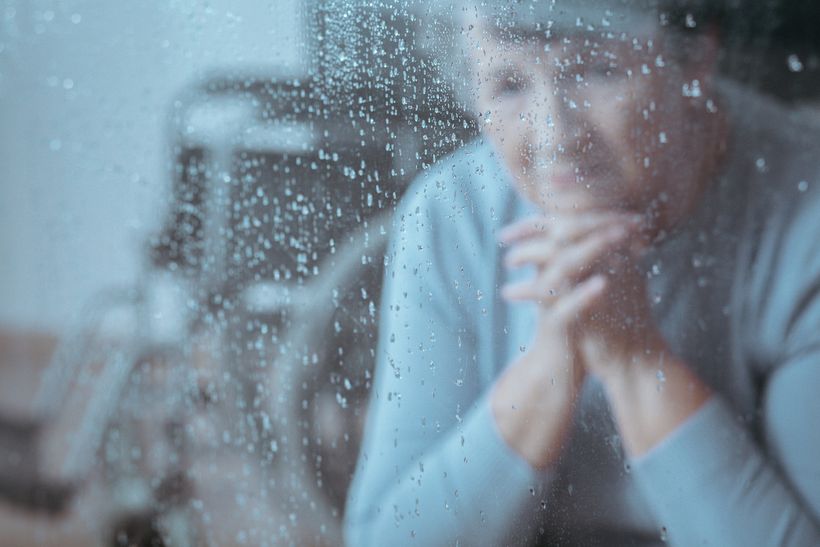
Each year, an estimated 5 million older adults are abused, neglected or exploited, according to the Administration for Community Living. Gerontology expert James Ellor, Ph.D., M.Div., professor in Baylor University’s Diana R. Garland School of Social Work, shares what elder abuse looks like and how people can respond if they see the signs. Reports of abuse are most often submitted by family members, hospital staff and law enforcement. But churches and other organizations should also be diligent, Ellor said, adding that clergy are considered mandatory reporters in many states. “No one group of caring persons can solve this problem alone; it takes a community of caring lay and professional leaders to even try to start to make a difference,” Ellor said. “If signs are noticeable, the next steps will depend on the type of abuse. In most cases, counseling support is critical, but often the need for medical help or legal help is also very important.” Elder abuse – intentional or negligent acts by a caregiver or trusted individual – comes in many forms: neglect or isolation, physical abuse, sexual abuse, exploitation or financial abuse, emotional and psychological abuse, verbal abuse and threats. Physical Abuse Like any other form of physical abuse, physical abuse incudes odd bruising, broken bones or contusions that are not easily explained, Ellor said. One sign that quickly raises suspicion is when broken bones or bruises happen repeatedly. Drug overdoses or the withholding of drugs are also challenging. Emotional abuse Ellor said this could include yelling at the senior, humiliating him or her, blaming and/or scapegoating. Sexual abuse “This is contact without consent,” Ellor said. “We see this often between spouses, particularly when one spouse has dementia.” Neglect “Possibly one of the most common categories, it simply means not taking the time to respond to a wide variety of needs when one is the designated caregiver,” Ellor said. Financial exploitation “Laws governing guardianship and power of attorney try to address this, but family members who take money from seniors as cash or property are the most common culprits,” Ellor explained. Fraud This can involve financial exploitation or even heath care fraud, but it generally involves either over-charging, selling unnecessary benefits of something, or it may include trying to sell something that would benefit one’s children, Ellor said. Self-Neglect “Some seniors simply choose to not help themselves, often in the name of leaving money or property to family members,” Ellor said. “Evidence of this could be that they don’t purchase needed medications or other resources.” Report suspected mistreatment to local adult protective services, long-term care ombudsman or law enforcement agencies that can investigate the situation. ALSO READ: "Gerontology Expert: Six Questions You Should Ask Before Choosing a Nursing Home" SEE: Baylor University's Directory of Faculty Experts ABOUT JAMES ELLOR, PH.D. James Ellor, Ph.D., M.Div., is a professor in Baylor University’s Diana R. Garland School of Social Work. Ellor works with older adults around issues of mental and spiritual health. He has served on the executive committee of the Midwestern Geriatric Education Center and provided education, counseling and planning for individuals and groups who work with seniors. His research includes work in entrostomal therapy, hunger, the church as service provider, spiritual assessment and intervention techniques with cognitively impaired older adults. ABOUT BAYLOR UNIVERSITY Baylor University is a private Christian University and a nationally ranked research institution. The University provides a vibrant campus community for more than 17,000 students by blending interdisciplinary research with an international reputation for educational excellence and a faculty commitment to teaching and scholarship. Chartered in 1845 by the Republic of Texas through the efforts of Baptist pioneers, Baylor is the oldest continually operating University in Texas. Located in Waco, Baylor welcomes students from all 50 states and more than 80 countries to study a broad range of degrees among its 12 nationally recognized academic divisions. ABOUT DIANA R. GARLAND SCHOOL OF SOCIAL WORK Baylor University’s Diana R. Garland School of Social Work is home to one of the leading graduate social work programs in the nation with a research agenda focused on the integration of faith and practice. Upholding its mission of preparing social workers in a Christian context for worldwide service and leadership, the School offers a baccalaureate degree (B.S.W.), a Master of Social Work (M.S.W.) degree and three joint-degree options, M.S.W./M.B.A., M.S.W./M.Div. and M.S.W./M.T.S., through a partnership with Baylor’s Hankamer School of Business and George W. Truett Theological Seminary, and a Ph.D. program. Visit www.baylor.edu/social_work to learn more.