
Experts Matter. Find Yours.
Connect for media, speaking, professional opportunities & more.

UF researchers aim to improve nutrition for cancer patients
A new study and first-of-its-kind food pharmacy at UF aim to help patients with cancer access and eat nutritious foods, giving them the best possible shot at a healthy future. As many as a third of cancer patients face food challenges, particularly in rural areas. Good nutrition can improve outcomes during and after treatment. With a grant from the Florida Department of Health, a team of researchers at the University of Florida Health Cancer Center and Sylvester Comprehensive Cancer Center will first assess the community’s nutritional needs. Then they’ll test the usefulness of a food-focused digital tool designed to connect patients to helpful resources. An on-site food pharmacy will help patients not only get the food they need to thrive but also provide tools for lasting change. “We’re taking a community-based approach to holistic cancer care,” said Dejana Braithwaite, Ph.D., associate director for population sciences at the UF Health Cancer Center. “Patients consistently express that nutrition is an important issue for them during cancer treatment. We want to address nutritional needs from treatment through survivorship with a sustainable intervention. ASCENT brings science and community together to make that a reality in Florida.” Braithwaite, a professor and division chief in the UF Department of Surgery, is leading the multi-institution study with Tracy Crane, Ph.D., R.D.N., director of lifestyle medicine, prevention and digital health and co-lead of the Cancer Control Program at Sylvester, part of the University of Miami Health System. Researchers from the UF colleges of Journalism, Medicine, and Public Health and Health Professions and UF/IFAS Extension are participating. The Florida Partnership for Adding Social Context to Address Cancer Survivorship Outcomes study, which the researchers have nicknamed ASCENT, will focus on those affected by the most prevalent cancers in Florida, including breast, lung, colorectal, prostate and blood cancers. “Cancer survivors who follow a healthy dietary pattern have a lower risk of recurrence and death,” said Cora Best, Ph.D., R.D.N., an assistant professor of nutritional sciences in the UF College of Agricultural and Life Sciences and study team member. “Some cancer therapies have long-term or late side effects that increase the risk for chronic conditions, like osteoporosis, which can be alleviated with good nutrition. That means a healthy diet during and after oncologic treatment can enhance lifespan and quality of life.” Researchers will start by conducting interviews with patients, providers and community-based organizations. They want to understand how to best use resources to meet the nutritional needs of those with cancer, such as food security and diet quality. “Community outreach and engagement with various groups is a cornerstone of the study,” said Francis Dalisay, Ph.D., an associate professor in the UF College of Journalism and Communications who helped develop the interview guides. The team will use the information to build a diet intervention with online surveys and patient navigator support, which they will test in a randomized clinical study at UF Health and Sylvester. Patient navigators will connect patients with resources like community programs or specialist referrals. The food pharmacy, located at the UF Clinical and Translational Sciences Metabolic Kitchen, will help cancer patients get healthy, whole nutrient-dense foods like high-protein items, fruits, vegetables and pantry staples. It will also provide workshops, personalized recipes and meal plans. Although the United States is a wealthy nation, food insecurity remains common, including in Florida, Best said. “The ASCENT study pairs evidence-based dietary guidance for cancer survivors with innovative strategies to overcome barriers like food insecurity,” she said. Ultimately, the study aims to empower patients so they can address lifestyle factors in their control, boosting their well-being. “I am hopeful this study will provide patients with appropriate resources to improve their overall nutrition, especially those who are malnourished,” said Paul Crispen, M.D., the Cancer Center’s associate director for clinical research and a study adviser.


Retirement Maxxing: How Small Decisions Help You Build a Better Future
The basic idea is to pick a corner of your life and optimize it ruthlessly. Sleep maxxing. Health maxxing. Productivity maxxing. In its more extreme corners, people are attempting to optimize their actual physical features. Go ahead and Google "looksmaxxing" if you are curious and have a strong constitution. One influencer named Clavicular — a 20-year-old from Hoboken who claims to have taken a literal hammer to his face to coax a chiselled jawline — has become the reigning king of this particular rabbit hole. Medical experts would prefer you not try that at home. The Globe and Mail published a comprehensive explainer on the whole phenomenon. The Republican National Committee put out a press release praising Donald Trump for "jobsmaxxing" the economy. The Department of Defence posted a soldier with the caption "lethality maxxing." It has become, as one writer put it, the suffix that just will not quit. Retirement Maxxing: because chin waxing, I mean maxxing, was already taken. And yet, buried beneath all the absurdity, the underlying impulse is not entirely ridiculous. Humans want to optimize things. We always have. The real question is whether we are optimizing the right things. Then, as these things sometimes happen, three articles landed in my inbox in the same week and refused to leave my mind. Maxxing. The psychology of future selves. A golfer named Max Greyserman, who sits just one-tenth of a stroke from the top of his sport. I am not a woman who ignores signs. The connection was obvious once I saw it: retirement might be the most important time to apply this kind of thinking. Not the obsessive version involving ice baths and fourteen supplements before breakfast. The practical version. Thoughtful maxxing that quietly stacks the odds in your favour over decades. Retirement isn't just one decision; it's hundreds made over the years, each guiding your future self toward either financial dignity or a Shaggy tribute tour you never signed up for. The “Shaggy Problem”: How Your Retirement Decisions Today Determine Your Financial Security Tomorrow You remember Shaggy. The reggae artist. Enormous hit. "It Wasn't Me." When it comes to retirement, it absolutely was you. Every decision you make today is writing a letter to your future self. Some of those letters are generous and thoughtful. Others arrive decades later, like a bill you forgot to pay, from a creditor with excellent memory and zero sympathy. The seventy-five-year-old version of you hopes the fifty-five-year-old paid attention. The eighty-five-year-old version would very much like functioning knees, a dignified income, and the ability to say "I planned for this" rather than "I did not think it would go this fast." It went that fast. That's why the most useful habit you can develop right now is what I call the future-self test. Before making a major financial or lifestyle decision, pause and ask: how will this look from the other end? Will I still think this tattoo is a good idea when I’m ninety? Will I regret staying in a house that is too large and too expensive for another decade? Will my future self thank me for delaying CPP, or curse me for taking it early because waiting felt uncomfortable? Or as the Beatles asked rather memorably: “when I'm sixty-four, will you still need me, will you still feed me?” The song is charming. The financial planning version is considerably less so if you have not thought it through. The future-self test is not complicated. It is just the habit of writing better letters. What Sports Analytics Can Teach Us About Smarter Retirement Decisions Speaking of decisions that come back to haunt you, let's discuss probabilities. A recent New York Times article about golfer Max Greyserman stopped me mid-scroll (Lindgren, 2026). Not because of the golf — though the golf is fascinating — but because of what it revealed about the gap between what the data says and what people actually do when the stakes are high. Greyserman's scoring average is less than one-tenth of a stroke per round away from the elite level. One-tenth of a stroke. Not a full swing, a putting mistake, or a collapse on the eighteenth. The difference between obscurity and greatness in pro golf is about the time it takes to find your reading glasses. Which, as we've established, were on your head the entire time. Hockey analytics have demonstrated that teams trailing late in a game should often pull the goalie much earlier than the traditional last-ninety-seconds rule. Research indicates that pulling the goalie around the eight-minute mark can significantly boost the chances of scoring, as the extra attacker alters the odds. However, most coaches still wait until the final minute or two. Why? Because if you pull the goalie at eight minutes and lose badly, it can look like you lost your mind. The math checks out, but the optics are terrifying. Soccer offers a similarly uncomfortable example. A widely cited study analysing thousands of penalty kicks found that about one-third of kicks are aimed straight down the middle of the net, yet goalkeepers stay in the centre only around six percent of the time (Chiappori, Levitt, & Groseclose, 2002). Shooting directly down the middle often provides good odds because the keeper has already committed to diving one way or the other. But if the goalkeeper stays put and makes the save, the kicker seems to have tried to outsmart the odds and failed. The math checks out. The optics, however, are still terrifying. Retirement is filled with these moments. And most people make their decisions based on the optics. Common Retirement Decisions Canadians Get Wrong — And What the Data Actually Says: Working a couple of extra years often delivers significantly better retirement outcomes, yet people retire early because they feel emotionally ready. Delaying CPP can greatly increase guaranteed lifetime income, yet many choose to claim early because waiting seems risky. Downsizing can free up cash and lessen financial stress, yet people stay in large homes because selling feels like giving up. Using home equity wisely can boost retirement income, yet many retirees dismiss this option because of a stigma rooted in outdated beliefs rather than current data. In each case, the emotionally comfortable choice is not the one with the best long-term odds. Fear of loss, fear of regret, fear of looking foolish — those emotions sprint ahead of rational thinking every single time. That is why the future-self test matters. Math is universal, but money is deeply personal, and the goal is to let one inform the other before it is too late. The Psychology of Retirement Saving: Why We Treat Our Future Self Like a Stranger The second New York Times article examined the psychology of how we connect with our future selves (The New York Times, 2026). The findings are humbling. Psychologists have discovered that people often see their future self almost like a stranger, which explains why saving for retirement can seem somewhat punishing. It feels less like helping yourself and more like sending a cheque to someone who shares your cheekbones but whose problems seem distant and abstract. Research led by Hal Hershfield found that when people feel more connected to their future selves, they save more and make consistently better long-term financial decisions (Hershfield, 2011). Retirement planning is not just about spreadsheets and withdrawal rates. It is about being genuinely generous towards the person you are becoming. It is a love letter, written in small decisions, over a very long time. So, write a good one. Your future self is counting on you. How to Optimize Your Retirement: A Practical Framework for Canadians If retirement maxxing were a lifestyle trend — and I am formally proposing that it should be — it wouldn’t involve bone-smashing or extreme jawline enhancement. It would look more like this. Health Maxxing: Why Strength and Mobility Are Financial Assets Move your body. Lift weights now and then. Walk up hills. Muscle strength is one of the most underrated assets for retirement that nobody discusses at dinner parties. Research from the National Institute on Aging confirms that strength training improves mobility, balance, and healthy longevity (National Institute on Aging, 2023). These are the very factors that influence whether your later years feel like a gift or a burden. People hesitate over the cost of a gym membership while ignoring the significant long-term benefit of staying upright, independent, and capable. Skipping exercise to save a few dollars is like stepping over a hundred-dollar bill to find a quarter. As Aunt Equity likes to say: be careful not to get out over your skis. (Yes, that was an exercise metaphor. You’re welcome.) Income Maxxing: How to Build Reliable Cash Flow That Lasts Build reliable income streams so you can sleep at night without one eye on the market. Pensions, annuities, dividends, home equity, and carefully structured withdrawals — these all play a role in a well-crafted retirement income plan. The goal isn’t to maximize a single number – it’s to reduce the worry behind all of them. If your retirement plan currently makes you watch financial news at midnight while eating crackers over the sink, something has gone wrong and we should talk. Purpose Maxxing:Why It Matters for Your Health and Longevity Retirement is not a forty-year holiday. Humans need purpose, connection, and something worth getting out of bed for — especially on days when nobody expects you anywhere and the morning is entirely, terrifyingly yours. NIH research consistently shows that social engagement and a sense of purpose are linked to better health and longer life (National Institute on Aging, 2023). Purpose is what makes a retirement that feels like freedom different from one that feels like a long Sunday afternoon with nowhere to go. Somewhere along the way, society decided that aging meant quietly fading into the background. Retirement is when you finally have permission to dye your hair a vibrant colour, volunteer somewhere meaningful, start a project that genuinely excites you, or do all three at once and totally surprise your grandchildren. Purpose is not optional. It is the foundation. Decision Maxxing: How to Overcome Emotional Bias Use data when the stakes are high. Emotions are useful for choosing dessert but much less reliable for planning a thirty-year income. Don't swat away analytics like a fly at a family picnic just because they suggest something uncomfortable. Run projections. Stress-test your plan. Understand probabilities. Pull the goalie early if the math indicates so, even if it looks odd at the moment. Because appearing odd now and being wrong later are not the same thing. Not even close. The Ending That Brings It All Together: Small Decisions That Compound Over Time Here’s what three articles about “maxxing” our future selves, and golf, taught me about retirement. Clavicular is out there taking a hammer to his face in pursuit of optimization. Max Greyserman is grinding for one-tenth of a stroke. Hal Hershfield is reminding us that we treat our future selves like strangers when we should treat them like people we love. And somewhere between all three of them is the retirement insight that really matters: the best decisions compound quietly. Tiny improvements in health, income strategy, purpose, and decision-making build up into dramatically different outcomes over decades. Not because of one dramatic move, but because of many small, sensible ones made with the future in mind. Your future self isn't a stranger waiting to judge you. They are the person you are intentionally becoming, shaped by every decision you make today. Perform the future-self test before making risky decisions like pulling the goalie, shooting down the middle, or getting a tattoo that might lead to an awkward chat with your colonoscopy technician (this is for you, JK). Consider whether your fifty-five-year-old self is being kind to your seventy-five-year-old self. Look at what the data says, not just what feels right. Retirement maxxing isn't about perfection. It's about making small, sensible decisions consistently and thoughtfully over time. Think of it as compound interest for your future self. Einstein allegedly called compounding the most powerful force in the universe. He was talking about money, but he might as well have been talking about the small, steady choices that create a retirement worth living. Your future self will be deeply grateful—having functional knees, a dignified income, and a tattoo they still absolutely love. And when you turn sixty-four, and someone asks how you got there so gracefully, you won't need to channel your inner Shaggy. You just smile and say: It was me! Sue Don’t Retire…ReWire! P.S. Aunt Equity approves. Ready to start retirement maxxing? Here are two things you can do today. Run the future-self test on one financial decision you have been avoiding. Just one. Write down what your seventy-five-year-old self would think of the choice you are leaning toward. You might be surprised what comes up. Move your body and find your people. Join a pickleball club, a walking group, a trivia night, or a bridge league. Laugh often. Sweat occasionally. Your future self needs both, and your colonoscopy technician will be thrilled. Want more insights like this? Subscribe to my free newsletter here, where I share practical strategies, real-world stories, and straight talk about navigating retirement with confidence—not confusion. Plus, all subscribers get exclusive early access to advance chapters from my upcoming book. For Canadians 55+: Get actionable advice on making your home equity work for you, understanding your options, and living retirement on your terms. For Mortgage Brokers and Financial Professionals: Learn how to become the trusted advisor your 55+ clients desperately need (and will refer to everyone they know). This isn't just another revenue stream—it's your opportunity to build lasting relationships in Canada's fastest-growing demographic.


Reading for pleasure in free fall: New study finds 40% drop over two decades
A sweeping new study from the University of Florida and University College London has found that daily reading for pleasure in the United States has declined by more than 40% over the last 20 years — raising urgent questions about the cultural, educational and health consequences of a nation reading less. Published today in the journal iScience, the study analyzed data from over 236,000 Americans who participated in the American Time Use Survey between 2003 and 2023. The findings suggest a fundamental cultural shift: fewer people are carving out time in their day to read for enjoyment. “This is not just a small dip — it’s a sustained, steady decline of about 3% per year,” said Jill Sonke, Ph.D., director of research initiatives at the UF Center for Arts in Medicine and co-director of the EpiArts Lab, a National Endowment for the Arts research lab at UF in partnership with University College London. “It’s significant, and it’s deeply concerning.” Who’s reading and who isn’t The decline wasn’t evenly spread across the population. Researchers found steeper drops among Black Americans than white Americans, people with lower income or educational attainment, and those in rural (versus metropolitan) areas — highlighting deepening disparities in reading access and habits. “While people with higher education levels and women are still more likely to read, even among these groups, we’re seeing shifts,” said Jessica Bone, Ph.D., senior research fellow in statistics and epidemiology at University College London. “And among those who do read, the time spent reading has increased slightly, which may suggest a polarization, where some people are reading more while many have stopped reading altogether.” The researchers also noted some more promising findings, including that reading with children did not change over the last 20 years. However, reading with children was a lot less common than reading for pleasure, which is concerning given that this activity is tied to early literacy development, academic success and family bonding, Bone said. Why it matters Reading for pleasure has long been recognized not just as a tool for education, but as a means of supporting mental health, empathy, creativity and lifelong learning. The EpiArts Lab, which uses large data sets to examine links between the arts and health, has previously identified clear associations between creative engagement and well-being. “Reading has historically been a low-barrier, high-impact way to engage creatively and improve quality of life,” Sonke said. “When we lose one of the simplest tools in our public health toolkit, it’s a serious loss.” The American Time Use Survey offers a unique window into these trends. “We’re working with incredibly detailed data about how people spend their days,” Bone said. “And because it’s a representative sample of U.S. residents in private households, we can look not just at the national trend, but at how it plays out across different communities.” Why are Americans reading less? While causes were not part of the study, the researchers point to multiple potential factors, including the rise of digital media, growing economic pressures, shrinking leisure time and uneven access to books and libraries. “Our digital culture is certainly part of the story,” Sonke said. “But there are also structural issues — limited access to reading materials, economic insecurity and a national decline in leisure time. If you’re working multiple jobs or dealing with transportation barriers in a rural area, a trip to the library may just not be feasible.” What can be done? The study’s authors say that interventions could help slow or reverse the trend, but they need to be strategic. “Reading with children is one of the most promising avenues,” said Daisy Fancourt, Ph.D., a professor of psychology and epidemiology at University College London and co-director of the EpiArts Lab. “It supports not only language and literacy, but empathy, social bonding, emotional development and school readiness.” Bone added that creating more community-centered reading opportunities could also help: “Ideally, we’d make local libraries more accessible and attractive, encourage book groups, and make reading a more social and supported activity — not just something done in isolation.” The study underscores the importance of valuing and protecting access to the arts — not only as a matter of culture, but as a matter of public health. “Reading has always been one of the more accessible ways to support well-being,” Fancourt said. “To see this kind of decline is concerning because the research is clear: reading is a vital health-enhancing behavior for every group within society, with benefits across the life-course.”

MedPage Today: Ozzy Osbourne shined a light on Parkinson’s stigma
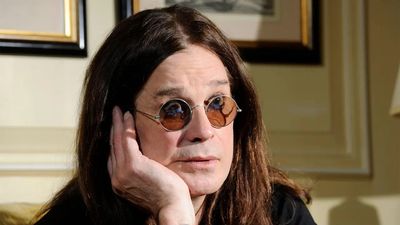
Ozzy Osbourne was best known for two things: his shape-shifting resilience as a pioneer of heavy metal music and, most recently, his remarkable authenticity during his public journey with Parkinson's disease. Osbourne, who passed away on July 22, possessed a unique ability to connect directly with people who were suffering. He was an honest and transparent voice for what it was like to live with a neurodegenerative disease. He was willing to go where others would not, and he took on the stigma of a Parkinson's diagnosis. Stigma remains one of the most underrecognized yet pervasive challenges in Parkinson's disease. Far too often, individuals are made to feel ashamed of their visible symptoms like tremors, facial masking, or soft speech. This reality can lead to social withdrawal, depression, and even delayed medical care. Research has shown that perceived stigma is not only linked to reduced quality of life, but it also correlates with worse outcomes. That's why, when someone like Osbourne rises up and speaks out, it matters. It sends a powerful message that Parkinson's does not define a person, and that no one should suffer in silence. Many people with Parkinson's disease choose to conceal their diagnosis from those closest to them. A recent study published in Scientific Reports found that nearly 23% of participants kept their condition hidden, even from family members. Broader surveys have suggested that more than half of individuals with Parkinson's disease may conceal symptoms, mask tremors, or avoid public situations due to stigma and fear of judgment. People who hide their diagnosis frequently report lower social support, reduced engagement in physical activity, and significantly worse emotional well-being. These findings underscore how pervasive and harmful disclosure avoidance can be.
What the World Needs Now: How Art, Culture, and Nature Can Help Heal Communities in Difficult Times
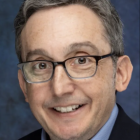
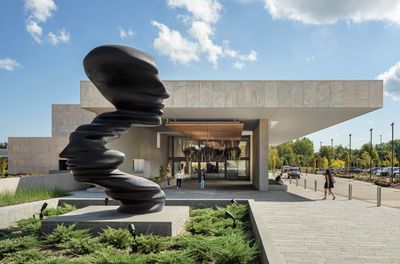
In an era marked by political division, cultural fatigue, and rapid technological change, communities are increasingly searching for places that offer connection, restoration, and shared experience. Charles Burke, President & CEO of Frederik Meijer Gardens & Sculpture Park, brings a leadership perspective shaped by decades across the arts, civic engagement, and nonprofit strategy — focused on how cultural institutions can serve as stabilizing forces in uncertain times. Through the lens of Meijer Gardens, Burke examines how art, culture, and nature can work together to restore, unite, and inspire communities, offering spaces where people can slow down, reconnect, and engage with one another beyond polarization or distraction. Charles Burke is President & CEO of Frederik Meijer Gardens & Sculpture Park. Under his direction, the organization has been recognized as Best Sculpture Park in the United States by USA Today’s 10Best Readers’ Choice Awards in 2023, 2024, and 2025, and consecutively named one of the Best Places to Work in West Michigan, solidifying its reputation as a cultural landmark of international acclaim. View his profile Why This Matters Now In an era marked by political division, cultural fatigue, and rapid technological change, communities are increasingly searching for places that offer connection, restoration, and shared experience. Charles Burke, President & CEO of Frederik Meijer Gardens & Sculpture Park, brings a leadership perspective shaped by decades across the arts, civic engagement, and nonprofit strategy — focused on how cultural institutions can serve as stabilizing forces in uncertain times. Through the lens of Meijer Gardens, Burke examines how art, culture, and nature can work together to restore, unite, and inspire communities, offering spaces where people can slow down, reconnect, and engage with one another beyond polarization or distraction. An Expert Perspective on Healing Through Experience From Burke’s leadership vantage point, institutions like Meijer Gardens demonstrate how intentional design and programming can support community well-being. Examples include: Environments that encourage mental restoration, such as forested landscapes and immersive outdoor spaces Experiences that invite reflection and emotional engagement, rather than passive consumption Programming that brings together diverse audiences around shared encounters with beauty and creativity These experiences do not attempt to solve complex societal challenges directly. Instead, they create conditions for connection, empathy, and resilience, key foundations that healthy communities depend on. Civic Spaces as “Experiential Engines” A central concept in Burke’s work is the idea of cultural institutions as experiential engines — places designed not just to display art or plants, but to generate meaning, joy, and shared memory. When thoughtfully integrated, sculpture, horticulture, architecture, and programming can transform public spaces into environments that foster belonging and inclusion. This approach positions cultural institutions as active participants in civic life, contributing to community health and cohesion rather than operating at the margins of public discourse. Technology, Humanity, and the Future of Cultural Spaces As technology continues to shape how people interact with the world, Burke’s perspective emphasizes balance. Emerging tools — including artificial intelligence — can enhance accessibility, storytelling, and personalization when used intentionally. The challenge, and opportunity, lies in ensuring that technology deepens human connection rather than distracting from it. And while AI is ideal for aggregating information and should be integrated into , it isn't inherently creative. Burke believes that cultural institutions can uniquely unlock the power of human potential in creativity. And cultural institutions that integrate innovation thoughtfully can remain relevant while staying grounded in human experience. Meijer Gardens as a Living Model Over three decades, Meijer Gardens has evolved into a nationally recognized destination where beauty, experience, and mission align. Its integration of art, nature, education, and seasonal programming offers a real-world example of how cultural institutions can grow while remaining inclusive, restorative, and community-centered. Why Journalists and Conference Organizers Should Connect Charles Burke brings informed perspective on: The role of art and nature in public healing and mental wellness Cultural responsibility during periods of division and uncertainty Designing inclusive, joyful, and interactive civic spaces Balancing technology and humanity in cultural institutions How Meijer Gardens functions as a model for innovative integration and creativity Audience fit: museum and cultural leadership forums, civic innovation conferences, mental health and wellness discussions, placemaking initiatives, higher education leadership forums, philanthropic leadership events, sustainability and design summits.



Beyond the field: New research highlights how NIL is reshaping college athlete identity
In an era of name, image and likeness, or NIL, many college athletes are thinking differently about who they are — seeing themselves not just as competitors or students, but also as influencers with distinct voices and causes, according to a new study from the University of Florida. Molly Harry, Ph.D., an assistant professor in the Department of Sport Management at the UF College of Health and Human Performance, surveyed 200 athletes from 21 Power Four universities to better understand how NIL, which refers to the rights of college athletes to earn money through endorsements, sponsorships, social media promotions and other commercial opportunities, has impacted the way athletes perceive their roles and identities. “Historically, we’ve viewed them (college athletes) through the lens of athletics or academics, but they’re daughters, brothers, role models, and increasingly, they’re now cultivating public personas and marketing skills.” —Molly Harry, Ph.D., an assistant professor in the Department of Sport Management The findings, published Friday in the Sociology of Sport Journal, reveal a growing recognition among athletes that they are more than the two-dimensional “student-athlete” model that is traditionally used in research and policy. “With the shift in NIL policies, athletes are starting to develop roles and identities related to that of the influencer,” Harry said. “Historically, we’ve viewed them through the lens of athletics or academics, but they’re daughters, brothers, role models, and increasingly, they’re now cultivating public personas and marketing skills.” Through survey responses across seven major sports — football, baseball, men’s and women’s basketball, gymnastics, volleyball and softball — Harry and UF doctoral student Hannah Kloetzer examined athletes' engagement with NIL opportunities, as well as the personal sacrifices they made to pursue them. They found that many athletes now view NIL as a platform to promote causes they care about, build connections with their communities and explore career pathways after college. One softball player described the value of NIL in a way that highlights the broader impact: “It’s been great to feel seen and have your hard work in a sport help in other parts of life. It’s really nice to use NIL on a resume as marketing experience.” Athletes surveyed said they found deals not just with big-name brands, but more often with local businesses like restaurants, boutiques and community partners. This entrepreneurial approach often required initiative and personal outreach, something many athletes had to learn on their own. “Some athletes told us they felt lost when trying to navigate NIL,” Harry said. “Others shared how they reached out to local businesses or organized their own camps.” One particularly striking finding, Harry said, was that some athletes were making athletic sacrifices — like spending less time training — to pursue NIL work, a shift that underscores the importance of these opportunities. Harry stressed that while no one reported skipping practices, athletes did acknowledge shifting their priorities to make room for NIL-related endeavors. “If you’re willing to give up something in your athletic routine, that speaks volumes about how central NIL — and influencer identities — could become for some athletes,” she said. Another key insight: football players of color from low socioeconomic backgrounds were most likely to self-identify as influencers. This emerging pattern stands in contrast to perceived broader trends in the social media world. “That was one of the most fascinating takeaways,” Harry said. “We have this unique subset of influencers — college football athletes — that are starting to enter this space.” Harry’s research builds on a growing conversation in the academic community about the evolving identity of college athletes. A few conceptual pieces have previously proposed the idea of a “student-athlete-influencer,” but Harry’s team is one of the first to gather empirical data to back it up. This new perspective has broad implications for how universities and organizations like the NCAA support college athletes, both during their playing years and as they prepare for life after sport. “As fans, we often see athletes as commodities on the field,” Harry said. “But they’re humans first, and they’re starting to recognize their own value and tap into their potential beyond the playing field.” In addition to academic and athletic support, Harry believes universities should invest in more targeted resources tailored to influencer pressures, like mentorship opportunities and training that goes beyond basic social media etiquette. “Athletes who take on influencer roles may deal with unique stressors, whether it’s comparing engagement numbers or coping with public scrutiny,” she said. “It would be valuable to provide opportunities where athlete-influencers can support each other, share strategies and protect their mental health.” A football player who participated in the study summed up the broader potential of NIL: “I’m very appreciative of NIL opportunities and the ability to continue to grow my camp and greater brand outside of my football program.” Looking ahead, Harry plans to explore this evolving identity through more qualitative research, with a focus on what it truly means to be an “influencer” in the context of college athletics. “Athletes are more than football players. They are more than swimmers,” she said. “They are people who we walk with on our college campuses, and they are people who bring value to our society in a host of ways.”


Why Nick Cave’s First Public Outdoor Sculpture Found Its Home at Meijer Gardens
The permanent installation of Amalgam (Origin), Nick Cave’s first public outdoor sculpture in the world, marks a major moment for contemporary art in the Midwest and a defining milestone for Frederik Meijer Gardens & Sculpture Park. As the curator who guided the project from concept to completion, Suzanne Ramljak offers essential insight into why this work matters now, how it fits within Cave’s evolving career, and what it signals about the growing role of public art in shaping cultural identity. The sculpture’s installation in October coincides with a pivotal period in Nick Cave’s career. On Feb. 13, he debuted “Nick Cave: Mammoth,” a monumental new body of work on view at the Smithsonian American Art Museum through Jan. 3, 2027. Not only is it Cave's first solo exhibition in Washington, D.C., but it is the museum’s largest ever single-artist commission. And this spring, the Obama Presidential Center in Chicago opens with a major, immersive installation by Cave, placing his work at the center of a national cultural moment. Against this timely backdrop, Meijer Gardens’ installation stands as a quiet but powerful first: the artist’s inaugural permanent outdoor public sculpture. Understanding the Significance of Nick Cave's Work The sculpture reflects the evolution of Nick Cave’s artistic practice, rooted in his groundbreaking Soundsuits series, a body of work first developed in response in the wake of Rodney King’s 1991 assault by police and designed to challenge viewers’ perceptions of identity, race, and community. Over decades, Cave’s work has moved from wearable performance art into public sculpture, allowing his socially engaged visual language to occupy shared civic space. The permanent presence of Amalgam (Origin) at Meijer Gardens highlights the institution’s commitment to showcasing art that resonates with broader cultural dialogues about resilience, protection, and collective identity. “Nick Cave’s art is deeply rooted - in his family, in community, in craft, and in nature. His work is also grounded in concerns of social justice. The power of Amalgam (Origin) stems from this fertile mix; a blend of the personal and communal, exceptional and traditional.” Suzanne Ramljak, Vice President of Collections & Curatorial Affairs, Frederik Meijer Gardens & Sculpture Park Suzanne Ramljak is Vice President of Collections & Curatorial Affairs at Frederik Meijer Gardens & Sculpture Park where she oversees the acquisition, siting and curation of engaging sculptural exhibitions. View her profile The timing also highlights Cave’s deep Midwest ties. He lives and works in Chicago and earned his master's degree at Cranbrook Academy of Art in Bloomfield Hills, Michigan. The Meijer Gardens installation connects those regional roots to a global artistic trajectory, reinforcing the Midwest’s influence on contemporary art at the highest level. Media Attention, Coverage and Cultural Momentum Since the installation was announced and unveiled, the sculpture has drawn significant regional, national and arts-focused media attention, underscoring its cultural weight and public resonance. Coverage has highlighted the work’s monumental scale, its distinction as Nick Cave’s first permanent outdoor public sculpture, and Meijer Gardens’ role as a national destination capable of supporting ambitious and timely contemporary art. Media narratives consistently framed the installation as both a major moment for Grand Rapids’ cultural landscape and a signal of Meijer Gardens’ growing influence within the national arts conversation. The range of coverage points to interest from music, arts, lifestyle, and cultural outlets, suggesting the installation’s appeal to a variety of audiences. That level of attention reflects not only the significance of the work itself, but also the curatorial vision guiding its placement and permanence, a process led by Suzanne Ramljak. Expert Insight: As Curator of Collections and Senior Curator of Sculpture, Ramljak brings expert perspective on: Why Meijer Gardens was the right home for Cave’s first outdoor public sculpture How this work fits within Cave’s broader artistic practice, particularly his engagement with performance, movement, and public space What permanence means in contemporary art, especially for works often associated with temporality and performance How landscape, scale, and audience interaction shape the experience of outdoor sculpture Her expertise situates the installation within both Cave’s career arc and Meijer Gardens’ long-standing commitment to presenting ambitious contemporary sculpture in dialogue with nature.

What "Super Agers" Are Teaching Us About Growing Older
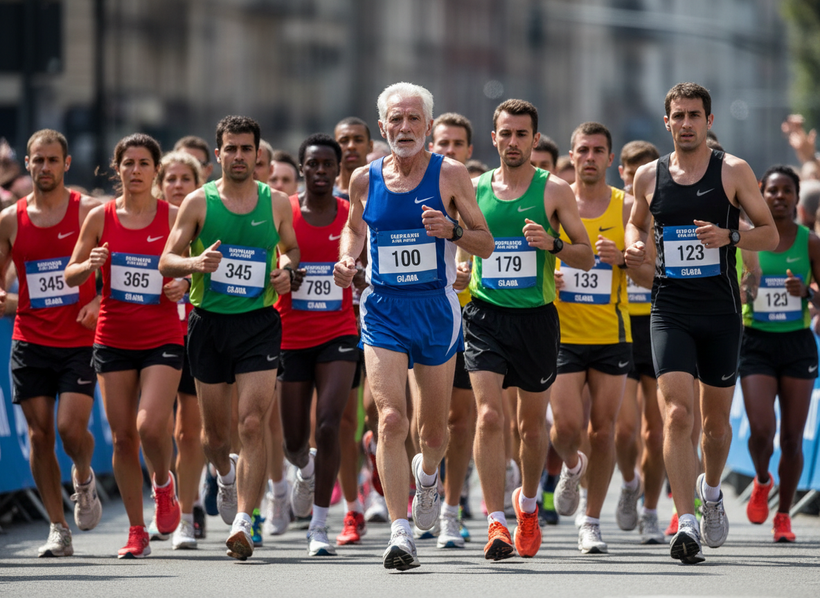
When I think about aging well, I don't see a number on a birthday cake. I see capacity. The ability to think clearly. To move with confidence. To stay curious. To laugh easily. To remember where I put my keys. (Okay, that last one is still aspirational.) That's why I teach 4 fitness classes a week and pay close attention to how I fuel my body. Not because I'm chasing youth, but because I've learned, both personally and professionally, that the way we move, eat, sleep, and cope influences how we feel... and how we show up for the people we care about. I don't want to live forever. I just want to live well while I'm here. Like many Boomers, I've been interested in the growing research on longevity. And let's be honest: Boomers have never been good at accepting "no" for an answer. Why would we start now, just because it's mortality asking? We're the generation that refused to compromise. Retirement? Optional. Slowing down? Negotiable. Death? We'd like to speak to the manager. This leads us to a fascinating group of scientists known as "Super Agers." Who Are Super Agers, Really? In research terms, Super Agers are adults over 80 whose cognitive abilities, especially memory, perform at levels expected of people in their 50s or 60s (Rogalski et al., 2013). But here's what I love most: they aren't superhuman. They're not top athletes. They're not biohackers living on kale foam and cold plunges at dawn. (Though if that's your thing, carry on.). They're everyday people who never disconnected from life. A striking Canadian example is Morry Kernerman, a Toronto violinist who kept on learning, hiking, and performing well into the ripe age of 101. His story embodies the spirit of Super Aging: it's not about dodging age, it's about refusing to stop living. In a CBC interview, Maury Kernerman doesn't sound like someone "trying to live longer." He talks like someone who's still interested in living, fascinated by the world, hungry for learning, and unwilling to stand still just because he might do something imperfectly. He also admits something that matters to a lot of readers: he wasn't always an exercise person. He started taking it seriously later in life and describes it as a "rear guard action" that hasn't stopped aging, but has helped him keep his capacity. One of the most poignant lessons: when we're afraid of doing the wrong thing, afraid of failing or being embarrassed, we stop. And standing still is what really costs us. Haven't you heard? Sitting is the new Smoking!! What the Science Is Showing Us Canadian and U.S. researchers, at Western University and Northwestern University, are discovering something significant. Not a pill. Not a quick fix. A system. Angela Roberts (Western University) explained that the Canadian arm of the research isn't relying only on lab snapshots. Participants are sent home with wearable devices so researchers can monitor real-world activity patterns continuously (24 hours a day) over multi-week periods (CBC News, 2024 - https://www.cbc.ca/news/health/superager-centenarians-brain-second-opinion-9.7049411). That design matters because it turns "healthy aging" from a vague concept into measurable behaviours: how much movement you get, how intense it is, how consistent it is, and how it fits into the rhythm of normal life. Super Agers typically stay active, remain mentally sharp, maintain close relationships, handle stress effectively, sleep well, and keep a generally positive attitude (Rogalski et al., 2013 - https://doi.org/10.1162/jocn_a_00300; Sun et al., 2016 - https://doi.org/10.1523/JNEUROSCI.1492-16.2016) Their brains display thicker cortical areas linked to attention and memory, experience slower atrophy rates, have fewer Alzheimer's markers, and show stronger neuronal connections (Gefen et al., 2015 - https://doi.org/10.1523/JNEUROSCI.2998-14.2015; Harrison et al., 2012 - https://doi.org/10.1017/S1355617712000847) A Data Point Worth Remembering When It Comes to Longevity From the wearables, the research study observed that many 80-year-olds in the study, both "super agers" and the control group, were averaging about 25 to 30 minutes of exercise a day (roughly aligned with Canadian movement guidelines). The difference wasn't that super agers moved a little more. The study showed that they got about 30% more of the kind of movement that raises heart rate, what researchers call moderate-to-vigorous physical activity In plain language: it's not just steps. It's getting your engine up into that slightly breathy zone on purpose, most days. There's no single longevity switch. It's a belt-and-suspenders approach: multiple protective habits working together over decades. Let's Talk About Weight (Without Losing Our Minds) People often ask: Should Super Agers be skinny? Or a little plump? The research answer is surprisingly dull (and comforting): Neither. Super Agers come in all sizes. There is no evidence that they share a specific body weight or BMI. What matters much more than the scale is stability, strength, and body composition (Stenholm et al., 2008). Obesity Shows Up Consistently in the Research Midlife obesity is associated with an increased risk of dementia later in life. Several large studies indicate that obesity (BMI ≥30) during midlife raises dementia risk by 33 to 91% compared to individuals of normal weight (Kivipelto et al., 2005; Qizilbash et al., 2015) However, in older age, unintentional weight loss often signals frailty or illness. Weight loss in later life is linked to faster cognitive decline and higher risk of death (Diehr et al., 2008) Being underweight increases the risk of death. Studies consistently indicate that underweight older adults (BMI <20) have 2 to 3 times the all-cause mortality risk compared to those with a normal weight, with one study reporting a 34% higher risk of dementia (Diehr et al., 2008). A slightly higher BMI in later life may actually be protective, especially if muscle mass is maintained. The "obesity paradox" demonstrates that overweight and mild obesity in older adults (ages 65+) are often linked to a lower risk of mortality, particularly from non-cardiovascular diseases (Natale et al., 2023). So, the prescription is clear: avoid extremes. Not so skinny you could use a Cheerio as a hula hoop, and not so plump that tying your shoes feels like a full-contact sport. Here's What Truly Matters: Muscle Mass Strength defends the brain, maintains balance, boosts metabolism, and offers resilience during illness or stress (Peterson & Gordon, 2011) "Skinny-fat", low muscle, higher fat, is actually worse for aging than carrying a bit more weight with muscle beneath (Prado et al., 2012). Super Aging isn't about shrinking yourself. It's about supporting the structure you live in. Sleep: The Quiet Superpower If movement is the main act, sleep is the stage crew ensuring the entire show runs smoothly. Sleep isn't just one thing. It's a cycle (Walker, 2017). The Stages of Sleep (a quick, non-boring tour) Light sleep: The warm-up. Easy to wake from. Necessary, but not enough by itself. Deep sleep: The body's main repair mode. This is where physical repair occurs: muscle recovery, immune support, hormone regulation (Scullin & Bliwise, 2015) (Walker, 2017). REM sleep: The brain's spa. Memory consolidation, emotional regulation, creativity, and learning all occur here (Scullin & Bliwise, 2015) (Walker, 2017). Missing deep sleep leaves your body feeling exhausted. Missing REM causes your brain to become fragile and foggy (Mander et al., 2017). Super Agers tend to guard their sleep, though not perfectly, deliberately (Mander et al., 2016). Consistent bedtimes, morning sunlight, daily activity, and relaxing evenings appear repeatedly. For some people, slow-release melatonin or magnesium can help improve sleep maintenance (Ferracioli-Oda et al., 2013). However, the greatest benefits often come from simple routines: consistency, darkness, cooler rooms, and avoiding phone use at 10 p.m. Sleep isn't a luxury. It's essential brain maintenance (Mander et al., 2017). Stress: The Real Villain Chronic stress is like kryptonite for cognitive health (McEwen & Sapolsky, 1995). The main source of stress is not accepting what is. We argue with reality, and we lose every time. We revisit conversations. We resist change. We attempt to control others. Super Agers appear more accepting, not resignation, but realism (Sun et al., 2016) Here are some practical strategies to consider: Let them. (Thank you, Mel Robbins.) People will be people. You don't need to manage them. Save your energy for what truly matters. And remember: what people think of you... is none of your business. Calm isn't passive. Calm is protective. Gratitude also plays a role. Many Super Agers exhibit a distinct emotional tone: more grateful, less gripeful (Hill & Allemand, 2011) Life wasn't simpler; they simply didn't let bitterness steer the way. Relationships and Quality of Life: The Real Gold Standard Super Agers don't have more friends; they have deeper ones. Strong relationships are linked to better emotional regulation and preserved brain regions. (Cacioppo & Cacioppo, 2014) (Holt-Lunstad et al., 2010) And this isn't about extending life. It's about quality of life: cognitive, physical, and emotional well-being. Because no one wants a farewell-to-life party where nobody shows up because you've been miserable, bitter, or exhausting to be around (thank you, BR). Strong body. Clear mind. Warm relationships. A sense of humour that endures gravity. That's the win. 3 Practical Takeaways to Steal this Week If you want the super-ager approach without turning your life into a science experiment, here are three low-drama moves: Add intensity, not just activity. Keep your regular walk, but pick one segment to walk faster, take a hill, or add short brisk bursts. Your heart rate is the clue. Keep a learning thread running. Music, audiobooks, a class, a museum habit, a book club, anything that keeps your mind taxed in a good way and makes you feel curious again. Make "don't stand still" a rule. If you're avoiding something because you might look silly (a dance class, a new hobby, a new friend group), that's exactly the place to lean in, gently, but on purpose. Super Agers aren't chasing youth. (No one needs to see me in low-rise jeans again.) They're cultivating engagement. (Do you want to dance?) They move. They learn. They sleep well. They stay positive. They accept what is. They remain connected. They rely on the belt and suspenders. And most importantly, they don't wait for permission to live life to the fullest at any age. Yes, biology will win eventually. None of us gets out of this alive. But the real victory isn't in defeating what we can't control. It's in mastering what we can, for as long as we can, and living fully right up until biology takes its final bow. Don't Retire...ReWire! Sue Want more of this? Subscribe for weekly doses of retirement reality—no golf-cart clichés, no sunset stock photos, just straight talk about staying Hip, Fit & Financially Free.
Jesse Jackson: The Activist Who Turned Protest into Political Power
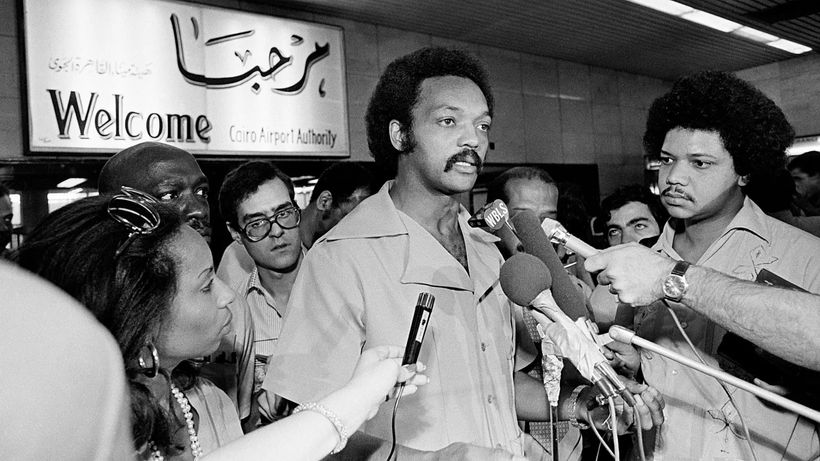
Few figures bridge the worlds of street-level activism and presidential politics like Jesse Jackson. For more than six decades, he has stood at the center of America’s ongoing struggle for racial justice, economic fairness, and political inclusion. His legacy isn’t just historical, it continues to shape today’s debates about voting rights, coalition politics, economic equity, and the power of grassroots organizing. From Civil Rights Foot Soldier to National Leader Jesse Jackson rose to national prominence as a close associate of Martin Luther King Jr., working with the Southern Christian Leadership Conference during the height of the Civil Rights Movement. He was present in Memphis in 1968 during King’s assassination, a moment that profoundly shaped his path forward. After King’s death, Jackson focused on translating civil rights gains into economic opportunity, founding Operation PUSH (People United to Save Humanity), later merging it into the Rainbow PUSH Coalition. His central message: political rights mean little without economic power. The 1984 & 1988 Presidential Campaigns In 1984 and again in 1988, Jackson ran for the Democratic presidential nomination — becoming one of the first Black Americans to mount a serious, nationwide campaign for the presidency. His 1988 campaign was especially historic: He won 11 primaries and caucuses. He finished second in the Democratic race. He built what he called a “Rainbow Coalition” — uniting Black voters, Latinos, labor groups, farmers, progressives, and working-class Americans. Jackson expanded voter registration efforts and brought millions of new voters into the political process, laying groundwork for future candidates, including Barack Obama. Coalition Politics Before It Was a Buzzword Long before diversity became corporate language, Jackson was preaching multiracial, multi-class political alliances. His philosophy emphasized: Economic justice alongside civil rights Voting access and political representation Corporate accountability International human rights engagement He also engaged in diplomatic efforts abroad, including negotiating the release of American hostages in conflict zones — demonstrating how civil rights leaders could operate on the global stage. Controversies and Complexity Jackson’s career was not without controversy. Critics pointed to past inflammatory remarks and political missteps. Yet even his detractors acknowledge his role in permanently expanding the boundaries of American politics. He forced national conversations about race, poverty, and representation — and shifted the Democratic Party’s platform toward broader inclusion. A Legacy That Endures Today’s conversations about: Structural inequality Voter suppression Grassroots political mobilization Multiracial coalition building … all carry echoes of Jackson’s work. Whether viewed as a trailblazer, a bridge between eras, or a polarizing figure, Jesse Jackson helped redefine what political participation looks like in America. Connected with an expert Find more experts here: www.expertfile.com


A future in pharmacy, made possible by support and mentorship
A freshman chemistry major from Hinesville, Georgia, Geovanii Pacheco already has his sights set on a career in pharmacy. His ambition is rooted not just in a love for science, but in personal experience. Growing up, his family spent countless hours navigating prescriptions and insurance coverage for his older brother, Devin, who has autism. During those moments, one pharmacist consistently stood out. This was someone who advocated for his family, helped them through paperwork and made sure Devin got the medication he needed. “It really resonated with me,” Pacheco said. “As a pharmacist, I’d like to embody what she did for us, for others as well.” That goal brought Pacheco to Georgia Southern University where he is now supported by the National Science Foundation’s S-STEM Scholarship Program Award. This is a nearly $2 million grant designed to support Pell-eligible students pursuing degrees in biochemistry, biology, chemistry, geosciences, mathematics, physics or sustainability science. For Pacheco, the program has been nothing short of life-changing. “I can say that I’m not going to college with any financial stress,” he said. “I have no money coming out-of-pocket.” Administered through Georgia Southern’s College of Science and Mathematics, the federally funded program provides last-dollar scholarships that cover remaining costs after Pell Grants and other aid are applied. In addition to financial support, the program pairs students with dedicated faculty mentors and offers structured programming aimed at retention, professional development and long-term success. Sara Gremillion, Ph.D., professor of biology and principal investigator on the grant, said the goal is to ensure that students don’t just enroll in college, but that they also thrive once they arrive. “They may not have a strong expectation about what to expect in college,” said Gremillion. “This program not only removes financial barriers, but it also surrounds students with the support they need to navigate college and plan for their future.” Pacheco has felt that impact from day one. Thanks to the program, he moved into his residence hall a week early to attend a one-week Basebamp program to jump start his college experience. There, he met fellow scholarship recipients and connected with his faculty mentor before classes even began. His mentor, Shainaz Landge, Ph.D., associate professor of chemistry, has helped connect Pacheco with opportunities from joining the Student Affiliates of the American Chemical Society to learning about upcoming pre-pharmacy organizations and undergraduate research. “Students such as Geovanii serve as prime examples of the fulfillment derived from mentorship and teaching,” said Landge. “Their growth and engagement highlight the critical role that effective mentorship plays in fostering both academic development.” That blend of mentorship and financial support is exactly what the grant was designed to provide. Over five years, the program will serve dozens of students in eligible majors such as chemistry, biology, biomedical science, biochemistry, physics, mathematics, sustainability science and geoscience. Each student receives individualized scholarship support, up to $15,000 per year, based on need, along with a faculty mentor who stays with them throughout their undergraduate journey. For Pacheco and his family, the scholarship brought immediate relief. He vividly remembers opening the acceptance email with his mother and scrolling down to see the financial aid details. “She was tickled, let me tell you,” he said. “It lifted so much stress off her shoulders. It was life-changing.” Applications to be part of the next cohort of COSM S-STEM Scholars are open until Feb. 1, 2026. Eligibility requirements, necessary documentation and other information can be found at this webpage. Looking to know more about Georgia Southern University or the National Science Foundation’s S-STEM Scholarship Program Award? Simply contact Georgia Southern's Director of Communications Jennifer Wise at jwise@georgiasouthern.edu to arrange an interview today.
