
Experts Matter. Find Yours.
Connect for media, speaking, professional opportunities & more.
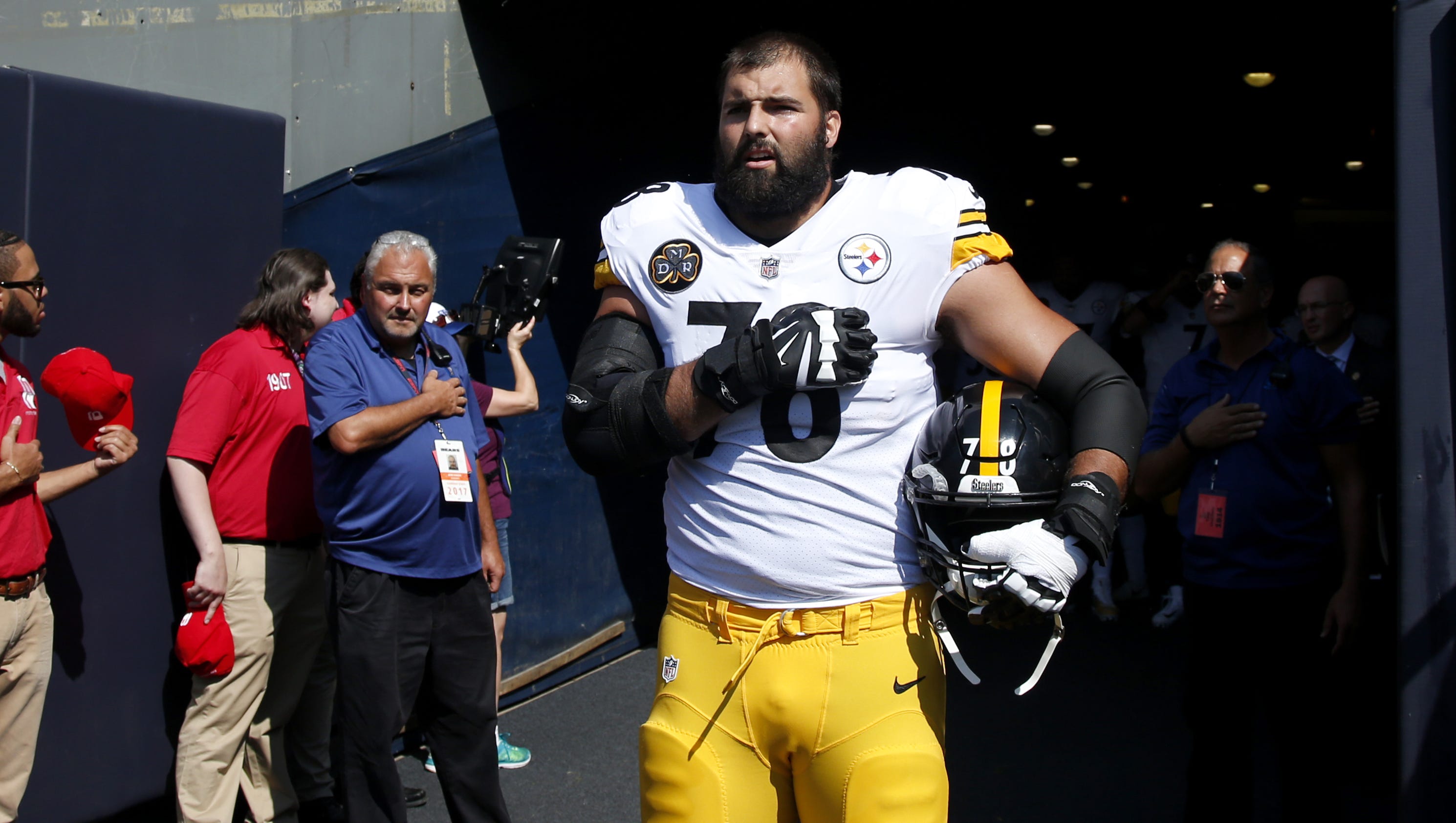
Impact of Protests on NFL Brand? Baylor Sports Sales Expert is Watching How 'Generations' Respond
Kirk Wakefield, Ph.D., is the Edwin W. Streetman Professor of Retail Marketing and director of Baylor University’s Sports Sponsorship & Sales program. He is an oft-quoted expert on marketing and branding of professional sports teams and serves as publisher and editor of The Baylor S3 Report (www.baylors3.com), the industry-leading publication featuring best practices in sports sales and marketing. In response to this season's protests during many of the NFL games, Wakefield said he is closely watching the “generations” of fans, particularly the season ticket holders. He explained that the average NFL season ticket holders are male, in their 40s and have a household income of more than $100,000. “I think the question is if the NFL can truly use this as a unifying rather than divisive tool. The dilemma is that the season ticket holder base is older and more prone to see it as divisive and offensive. But the younger set, tomorrow’s fan base, is likely to side with the players. So, brand equity could erode among current season ticket holders and, at the same time, gain interest and support from millennials – who have not been watching or attending as much.” Wakefield’s research in retailing covering more than two decades focuses primarily upon sports psychology, team sports marketing, entertainment marketing, and fan and consumer response to pricing and promotional tools. He has conducted fan research in almost every venue in sports including the NBA, NFL, MLB, MLS, NHL, and NASCAR. Source:


Movies like “Marshall” that are built around actors of color (Chadwick Boseman plays the iconic attorney) and have appeal to consumers of color historically see a significant surge in ticket sales in weeks five through eight – if producers are willing to keep them in theaters that long and allow for word-of-mouth advertising to build, said Tyrha Lindsey-Warren, Ph.D., clinical assistant professor of marketing in Baylor’s Hankamer School of Business. She studies consumer behavior, multicultural media, movies and entertainment. “I believe that Hollywood often pulls movies starring women and actors of color out of the theaters way too soon and before word-of-mouth has time to fully spread,” Lindsey-Warren said. “In my opinion, and according to our studies, Hollywood is leaving a great deal of money on the table.” Movies built around actors of color typically make money – in many cases as much or more than five times the budget, she said. For example, the 2017 comedy “Girls Trip,” which was built around four African-American female leads, was made for $19 million and has grossed more than $100 million at the box office. A challenge, Lindsey-Warren said, is that Hollywood expects to make its money back in the opening weekend. That strategy often doesn’t translate well to consumers of color. She cited a Nielsen study that showed African-Americans make an average 6.3 trips every year to see movies, and they tend to strongly support movies where there are characters like themselves and to whom they can relate. But they don’t rush to theaters for premier weekends. “Historically, African-American consumers have not been such early adopters of seeing movies on opening weekend and have typically waited to hear from trusted sources, by way of word-of-mouth, if the movie is worth seeing,” she said. “I call this behavior giving word-of-mouth time to spread. These are insights that Hollywood has not fully embraced regarding consumers of color and for movies built around actors of color.” Source:

Impact of Protests on NFL Brand? Baylor Sports Sales Expert is Watching How 'Generations' Respond
Kirk Wakefield, Ph.D., is the Edwin W. Streetman Professor of Retail Marketing and director of Baylor University’s Sports Sponsorship & Sales program. He is an oft-quoted expert on marketing and branding of professional sports teams and serves as publisher and editor of The Baylor S3 Report (www.baylors3.com), the industry-leading publication featuring best practices in sports sales and marketing. In response to this weekend’s protests during many of the NFL games, Wakefield said he is closely watching the “generations” of fans, particularly the season ticket holders. He explained that the average NFL season ticket holders are male, in their 40s and have a household income of more than $100,000. “I think the question is if the NFL can truly use this as a unifying rather than divisive tool. The dilemma is that the season ticket holder base is older and more prone to see it as divisive and offensive. But the younger set, tomorrow’s fan base, is likely to side with the players. So, brand equity could erode among current season ticket holders and, at the same time, gain interest and support from millennials – who have not been watching or attending as much.” Wakefield’s research in retailing covering more than two decades focuses primarily upon sports psychology, team sports marketing, entertainment marketing, and fan and consumer response to pricing and promotional tools. He has conducted fan research in almost every venue in sports including the NBA, NFL, MLB, MLS, NHL, and NASCAR. Source:

Prior to seeing the fifth Pirates of the Caribbean movie, audiences are introduced to a flurry of previews for upcoming films -- big-budget sequels centered on blockbusting standards: warring apes, animated cars, web-slinging and hammer-bearing superheroes, and space-based lightsaber battles between forces of good and evil. Chris Hansen, M.F.A., independent filmmaker and chair of the film and digital media department in Baylor University’s College of Arts & Sciences, is available to talk about the market for big-budget sequels and the challenges for original screenplays. Is there any hope for the original story? “One of the biggest considerations in determining which movies get made, from the studio’s perspective, is marketing,” Hansen said. “That process is made much easier if the intellectual property already exists in the minds of the general public. People know who Batman is. People know who The Avengers are. Half or more of the marketing work is done. When the intellectual property is original, the studio’s marketing arm has to spend a lot more time and money acquainting viewers with the concept and generating interest.” “It’s hard to say what people are really interested in seeing. They say one thing, but they often vote differently with their box office dollars. This sometimes comes down to an economic decision for audience members. They have less disposable income than they used to, so they see fewer movies in the theater. And if they’re going to have to choose between several movies to see in an actual theater, they’ll often choose the one that has more spectacle, because there’s a feeling that it’s more ‘worth it’ to see something like that on the big screen, and that smaller movies won’t suffer from being seen on the TV in your living room.” Source: