Experts Matter. Find Yours.
Connect for media, speaking, professional opportunities & more.

Georgia Southern professor re-elected to board of world’s largest scientific society
Professor of chemistry and chair of the Department of Biochemistry, Chemistry and Physics Will Lynch, Ph.D., has been re-elected to the American Chemical Society’s (ACS) board of directors. This marks his second three-year term on the board. With ACS serving as the largest science organization in the world, Lynch says the society’s work impacts lives every day. “We support the scientific enterprise by advocating for everything from research funding to laboratory safety,” said Lynch. “That work strengthens scientific integrity that ACS champions and ultimately shows up in the things that people rely on daily. Bottled water, medicines, cellphones and computer screens all come from chemistry. Many people do not realize how deeply science shapes their world.” With a budget of nearly $900 million and a global community of over 200,000, planning is essential to the success of ACS. Lynch is proud to have chaired the committee that created the society’s next five-year strategic plan. He hopes that his work will continue to put the society’s vast resources to use helping advocate for scientists around the world. “My focus now is implementing ACS’ strategic plan, which envisions a world built on science and setting up the indicators to measure our success,” said Lynch. “We want to make sure we support chemists whether they are in academia, industry, government labs or retired.” Serving in a leadership role for a world-renowned scientific organization is part of Lynch’s calling to help others. He began his service with ACS over 40 years ago when he volunteered at a regional meeting while pursuing his bachelor’s degree. He started making connections immediately and grew his professional network from the local to the national level. Forming friendships in the scientific community and witnessing the ways their work changed lives inspired Lynch to continue to grow his own knowledge so he could do more for others. “Getting to do research as an undergraduate pulled me in, and I knew that chemistry was where I could make a difference. I realized I had a path to help society through science and I never looked back.” Looking to know more about Georgia Southern University or connect with Will Lynch? Simply contact Georgia Southern's Director of Communications Jennifer Wise at jwise@georgiasouthern.edu to arrange an interview today.


Covering Venezuela? We Can Help.
The situation in Venezuela is fluid, and new details about the operation, its planning and execution, the future of the country and how the world is reacting is all happening in real time. Journalists covering Latin America, global politics, migration, energy, or human rights are encouraged to connect with experts who can provide context on Venezuela’s evolving political landscape, economic indicators, humanitarian conditions, and regional implications. Expert insight is critical for moving beyond headlines and understanding what the next phase of Venezuela’s crisis could mean—for its people and for the region. Looking for an expert to help? Connect with our experts: www.expertfile.com

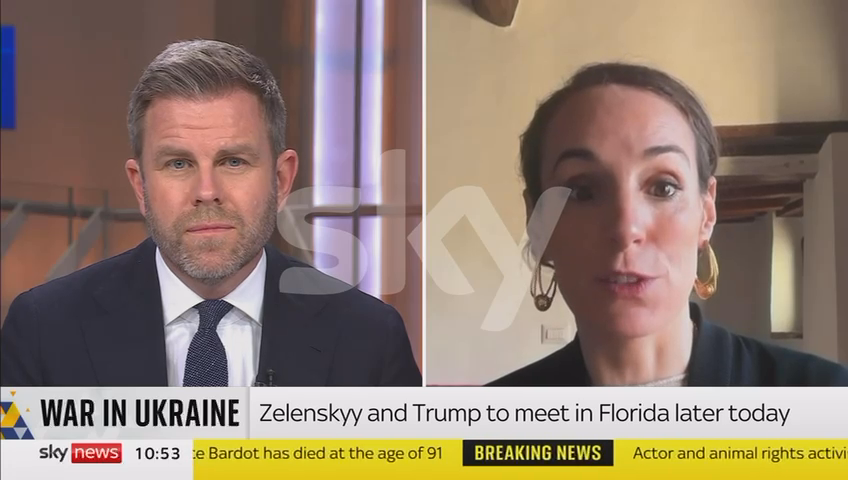
In a recent interview, Livia Paggi of J.S. Held discussed the implications of reported discussions between President Donald Trump and President Volodymyr Zelensky about a potential peace plan aimed at ending the war in Ukraine. The conversation focused on what these talks signal politically, what pressure points may be shaping each leader’s approach, and why the timing and framing of any “peace plan” matters as much as the details themselves. Paggi emphasized that peace-plan conversations at this level often have multiple audiences at once: domestic political constituencies, international allies, and adversaries assessing resolve and leverage. She explored how diplomatic positioning can influence the credibility of negotiations and how public messaging, even before formal agreements exist, can shift perceptions on the battlefield, at the negotiating table, and across NATO-aligned capitals. The interview also examined the risks embedded in any peace-plan narrative. Paggi highlighted that negotiation efforts can introduce uncertainty for markets, governments, and populations when expectations outpace realities. She discussed how the mechanics of ending a war extend beyond a headline announcement, including enforcement, guarantees, verification, and the long-term stability of whatever framework is proposed. When we look at what Trump is likely to do, he's going to try to go back and forth, favor different political actors and see what he can do to unlock the situation. A copy of the full interview is below: For journalists following the Ukraine war, shifting diplomatic strategies, or the real-world consequences of peace negotiations, Livia Paggi offers a clear, practical lens on what these discussions could mean next. Her perspective helps reporters move beyond political theatre and toward the key questions: what’s being signaled, who gains leverage, what conditions would make an agreement durable, and what risks emerge if the process breaks down. Looking to connect with Livia Paggi? Livia is a sought-after speaker and regularly provides commentary on global political trends for the media, including for the BBC, Bloomberg TV, CNN, and the Financial Times. Livia is the recipient of numerous awards for her work. Most recently, she was named by Management Today as one of Britain’s top women in business under 35 and Bloomberg TV named her as one of the top female foreign policy commentators. Click on her profile icon to arrange an interview or get deeper insights into geopolitical risk, government relations, and business impacts.



From Ancient Rituals to Fireworks: Why New Year’s Eve Still Matters
New Year’s Eve marks humanity’s shared fascination with time, renewal, and fresh beginnings - a moment to close one chapter and open the next. The tradition dates back more than 4,000 years to ancient Mesopotamia, where the Babylonians celebrated Akitu, a multi-day festival tied to the spring harvest and the rebirth of nature. Rather than a single night of revelry, Akitu was a ritual reset: debts were settled, promises were renewed, and cosmic order was symbolically restored. The date we recognize today, January 1 - comes from ancient Rome. In 46 BCE, Julius Caesar reformed the calendar and dedicated the year’s first day to Janus, the two-faced god of doorways and transitions, who looked both backward and forward. This symbolism still defines New Year’s Eve: reflection on the past paired with hope for what’s ahead. Over centuries, as Christianity spread across Europe, the celebration evolved, blending solemn religious observances with local customs of feasting, bells, and bonfires. In modern times, New Year’s Eve has become a global cultural event, shaped by public countdowns, fireworks, music, and collective rituals. From the iconic ball drop in Times Square to family gatherings and quiet toasts at home, the night offers a shared pause, an almost universal agreement to stop, take stock, and imagine change. Traditions vary frm lucky foods, noise-making to ward off evil spirits, or first-footing to invite good fortune, but the intent is the same. At its core, celebrating New Year’s Eve is about agency and optimism. Resolutions, whether kept or not, are expressions of belief that tomorrow can be different. Across cultures and centuries, the night endures because it gives people permission to hope—to acknowledge what was, release what no longer serves, and step forward together into something new. Looking to go deeper on why New Year’s Eve resonates so powerfully around the world? Our experts can speak to the historical, cultural, and psychological reasons humans mark time this way, and why the midnight reset still matters today. Find your expert here: www.expertfile.com
UF professor to expand proven disease-prediction dashboard to monitor Gulf threats
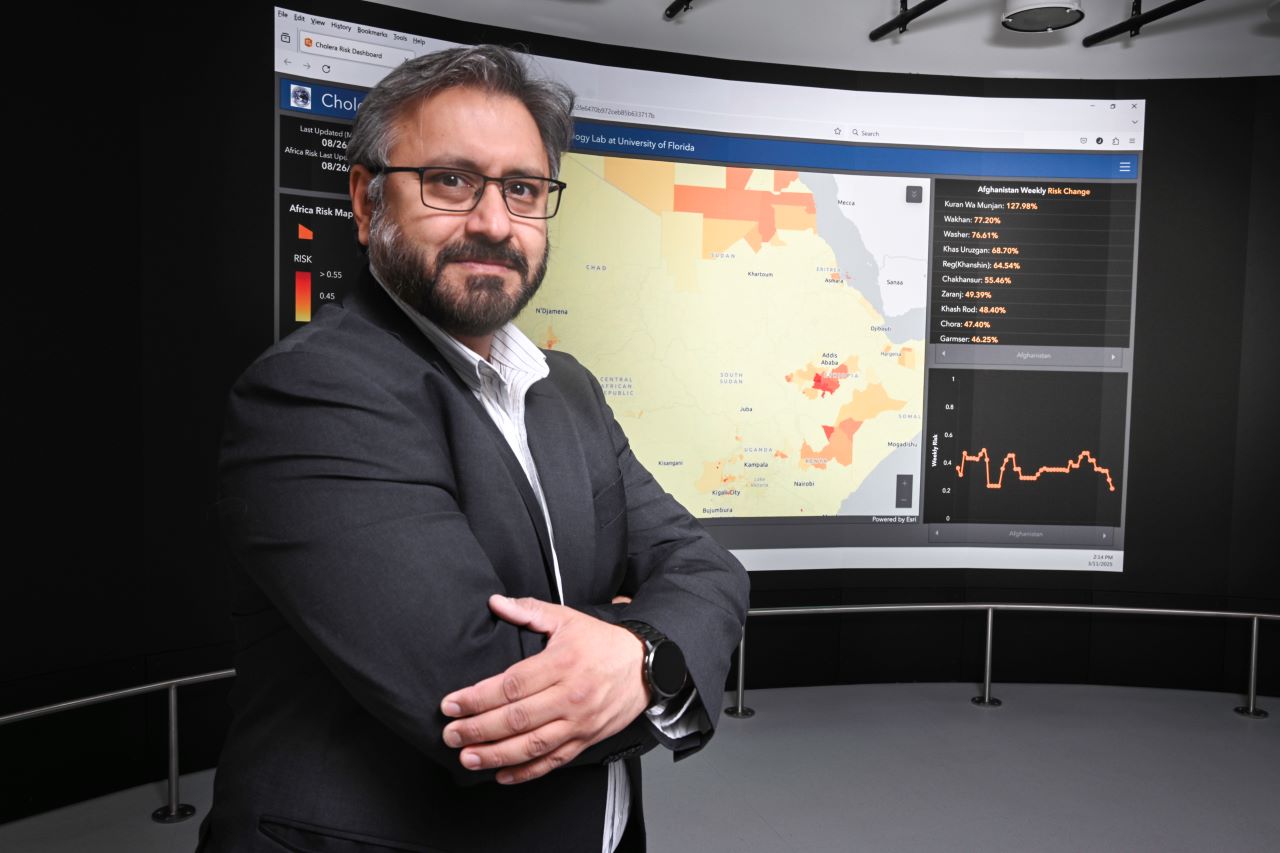
After deploying life-saving cholera-prediction systems in Africa and Asia, a University of Florida researcher is turning his attention to the pathogen-plagued waters off Florida’s Gulf Coast. In the fight to end cholera deaths by 2030 – a goal set by the World Health Organization – UF researcher and professor Antar Jutla, Ph.D., has deployed his Cholera Risk Dashboard in about 20 countries, most recently in Kenya. Using NASA and NOAA satellite images and artificial intelligence algorithms, the dashboard is an interactive web interface that pinpoints areas ripe for thriving cholera bacteria. It can predict cholera risk four weeks out, allowing early and proactive humanitarian efforts, medical preparation and health warnings. Cholera is a bacterial disease spread through contaminated food and water; it causes severe intestinal issues and can be fatal if untreated. The US Centers for Disease Control reports between 21,000 and 143,000 cholera deaths each year globally. Make no mistake, the Cholera Risk Dashboard saves lives, existing users contend. His team now wants to set up a similar pathogen-monitoring and disease-prediction system for pathogenic bacteria in the warm, pathogen-fertile waters of the Gulf of America. “Its timeliness, its predictiveness and its ease of access to the right data is a game changer in responding to outbreaks and preventing potentially catastrophic occurrences.” - Linet Kwamboka Nyang’au, a senior program manager for Global Partnership for Sustainable Development Data Closer to home Jutla is seeking funding to develop a pathogen-prediction model to identify dangerous bacteria in the Gulf to warn people – particularly rescue workers – to use protective gear or avoid contaminated areas. He envisions post-hurricane systems for the Gulf that will help the U.S. Navy/Coast Guard and other rescue workers make informed health decisions before entering the water. And he wants UF to be at the forefront of this technology. “If we have enough resources, I think within a year we should have a prototype ready for the Gulf,” said Jutla, an associate professor with UF’s Engineering School Sustainable Infrastructure and Environment. “We want to build that expertise here at UF for the entire Gulf of America.” Jutla and his co-investigators have applied for a five-year, $4 million NOAA RESTORE grant to study pathogens known as vibrios off Florida’s West Coast and develop the Vibrio Warning System. These vibrios in the Gulf can cause diarrhea, stomach cramps, nausea, vomiting, fever and chills. One alarming example is Vibrio vulnificus, commonly known as flesh-eating bacteria, a bacterium that often leads to amputations or death. The Centers for Disease Control and Prevention (CDC) has reported increases in vibrio infections in the Gulf region, particularly from 2000 to 2018. The warm and ecologically sensitive Gulf waters provide a thriving habitat for harmful pathogens. “The grant builds directly on the success of our cholera-prediction system," Jutla noted. "By integrating AI technologies into public health decision-making, we would not only lead the nation but also become self-reliant in understanding the movement of environmentally sensitive pathogens, positioning ourselves as global leaders.” Learning from preparing early Jutla’s dashboards are critical tools for global health and humanitarian officials, said Linet Kwamboka Nyang’au, a senior program manager for Global Partnership for Sustainable Development Data. “Its timeliness, its predictiveness and its ease of access to the right data is a game changer in responding to outbreaks and preventing potentially catastrophic occurrences,” Kwamboka Nyang’au said. Over the last few years, Jutla and several health/government leaders have been working to deploy the cholera-predictive dashboard. “Our partnership with UF, the government of Kenya and others on the cholera dashboard is a life-saving mission for high-risk, extremely vulnerable populations in Africa. By predicting potential cholera outbreaks and coordinating multi-stakeholder interventions, we are enabling swift action and empowering local governments and communities to prevent crises before they unfold,” said Davis Adieno, senior director of programs for the Global Partnership for Sustainable Development Data. The early warnings for waterborne pathogens also allows the United Nations time to issue early assistance to residents in the outbreak’s path, said Juan Chaves-Gonzalez, a program advisor with the United Nations’ Office for the Coordination of Humanitarian Affairs. “There are several things we do with the money ahead of time. We provide hygiene kits. We repair and protect water sources. We start chlorination, we set up hand-washing stations, train and deploy rapid-response teams. At the community level, we try to inject funding to procure rapid-diagnostic tests,” he said. “We identify those very, very specific barriers and put money in organizations’ hands in advance to remove those barriers.” Eyes on the Gulf In the United States, hurricanes stir up vibrios in the Gulf, posing a high risk of infection for humans in the water. There has been a nearly 200% increase in these cases over the last 20 years in the U.S., according to the CDC. “After Hurricane Ian, we saw a very heavy presence of these vibrios in Sarasota Bay and the Charlotte Bay region. Not only that, but they were showing signs of antibiotic-resistance. Last year, we had one of the largest number of cases of vibriosis in the history of Florida,” Jutla said. Samples from 2024 hurricanes Helene and Milton are being analyzed with AI and complex bioinformatics algorithms. “If there is a risky operation by rescue personnel, not using personal protective equipment, then we would want them to know there is a significant concentration of these bacteria in the water,” Jutla said. “As an example, Navy divers operating in contaminated waters are at risk of infections from vibrios and other enteric pathogens, which can cause severe gastrointestinal and wound infections.” Safety and economics “Exposure to vibrios and other enteric pathogens,” Jutla added, “can disrupt economic activities, particularly in coastal regions that are dependent on tourism and fishing. And vibrios may be considered potential bioterrorism agents due to their ability to cause widespread illness and panic.” In developing the Vibrio Warning System, Jutla noted, he and his team want to significantly enhance public health safety and preparedness along the Gulf Coast. By leveraging advanced AI technologies, satellite datasets and predictive modeling, they plan to mitigate the risks posed by environmentally sensitive pathogenic bacteria, ensuring timely interventions and safeguarding human health and economic activities. “Hospital systems and healthcare providers in the Gulf region will have a tool for anticipatory decision making on where and when to anticipate illness from these environmentally sensitive vibrios, and issue a potential warning to the general public,” he said. “With the potential to become a leader in environmental pathogen prediction, UF stands at the forefront of this critical research, poised to make a lasting impact on local, regional, national and global health and safety.”


AI as IP™: A Framework for Boards, Executives, and Investors
Under current corporate accounting practices, artificial intelligence (AI) companies’ most valuable resources – large language models, training datasets, and algorithms – remain “off the books” or uncapitalized. As the importance of AI continues to grow in the global knowledge-based economy, financial statements are becoming less representative of a company’s true worth, creating a recognition gap. In this article, James E. Malackowski, Eric Carnick, and David Ngo present several conceptual frameworks to bridge this gap. They explain how the triangulation of three valuation approaches can reveal both the tangible investment base and the intangible, strategic upside of AI assets. In turn, these approaches provide board-level visibility into where AI capital resides and how it contributes to enterprise value. James E. Malackowski is the Chief Intellectual Property Officer (CIPO) of J.S. Held and Co-founder of Ocean Tomo, a part of J.S. Held. Mr. Malackowski has served as an expert on over one hundred occasions on intellectual property economics, including valuation, royalty, lost profits, price erosion, licensing terms, venture financing, copyright fair use, and injunction equities. He has substantial experience as a Board Director for leading technology corporations, research organizations, and companies with critical brand management issues. This article is the second installment in our three-part series, Artificial Intelligence as Intellectual Property or “AI as IP™”, which explores how artificial intelligence assets should be treated as a form of intellectual property and enterprise capital. The first article, “A Strategic Framework for the Legal Profession”, explored the legal foundations for recognizing and protecting AI assets. The upcoming third article, “Guide for SMEs to Classify, Protect, and Monetize AI Assets”, will provide practical steps for small and mid-sized enterprises to turn AI into measurable economic value. To explore the topic further, simply connect with James through his icon below.


AU scientists advance understanding of Nobel-winning immunology research
The 2025 Nobel Prize in Physiology or Medicine recognized the discovery of regulatory T cells, which are immune cells that maintain tolerance and prevent autoimmunity. At Augusta University, scientists have built upon that foundational work, uncovering how these cells function, fail and evolve across diseases like cancer and atherosclerosis. Regulatory T cells, or Tregs, are essential for controlling immune responses and preventing the body from attacking its own tissues. Early discoveries by Shimon Sakaguchi, MD, PhD, who identified the CD25 marker and later the transcription factor FoxP3, revealed how Tregs suppress immune activation. Sakaguchi, a distinguished professor at Osaka University in Japan, shared the Nobel Prize with Mary E. Brunkow, PhD, Princeton University, and Fred Ramsdell, PhD, University of California, Los Angeles. Sakaguchi once shared lab space with Nicholas Gascoigne, PhD, now a professor at AU’s Immunology Center of Georgia, where he studies T-cell signaling and differentiation — a connection that ties the global history of Treg research to the university’s ongoing expertise. Gascoigne’s research continues to illuminate how Tregs differentiate and signal, critical steps in ensuring immune tolerance to self. “Drs. Sakaguchi, Brunkow and Ramsdell have made enormous contributions to our understanding of how immunological tolerance works, so this prize is very well deserved,” Gascoigne said. “I was happy I could help Drs. Shimon and Noriko Sakaguchi when they needed lab space back in the early ‘90s. They were wonderful to work with.” At Augusta University, David Munn, MD, co-director of the Pediatric Immunotherapy Program of the Medical College of Georgia at Augusta University, made seminal discoveries showing that Tregs are not always stable. Munn’s team demonstrated that these cells could lose their suppressive identity and become “exTregs,” adopting pro-inflammatory characteristics under certain conditions. Munn also uncovered an entirely distinct tolerance mechanism through indoleamine 2,3-dioxygenase, a pathway independent of FoxP3 that regulates immune balance through tryptophan metabolism. “In particular, the work of Shimon Sakaguchi and Fred Ramsdell was profoundly influential on our early work, as we were just starting out to explore how the immune system is regulated in pediatric cancers,” Munn said. “The work of these Nobel laureates helped transform the scientific understanding of how the immune system responds — or fails to respond — in the setting of tumors.” Catherine “Lynn” Hedrick, PhD, co-director of the Immunology Center of Georgia, further expanded this understanding by showing that Tregs can convert into follicular helper T cells, offering new insight into how immune regulation can shift toward antibody production in chronic inflammatory diseases such as atherosclerosis. “Understanding how regulatory T cells can shift identities helps explain why the immune system sometimes loses balance in chronic disease,” Hedrick said. “By tracing how Tregs convert into other helper cells, we’re uncovering new therapeutic targets to restore immune harmony in conditions like atherosclerosis.” Building on these advances, Klaus Ley, MD, co-director of IMMCG, and his team have investigated how exTregs contribute to cardiovascular inflammation, identifying them in human tissues and clarifying their role in atherosclerosis. His lab also recently discovered human exTregs, providing the first direct evidence of these cells in people. Two postdoctoral fellows in Ley’s lab, Qingkang Lyu, PhD, and Smriti Parashar, PhD, continue this work, exploring how regulatory and ex-regulatory T cells influence chronic disease progression. Additionally, Dimitrios Moskofidis, MD, PhD, a professor based in the Georgia Cancer Center, contributed key early insights into immune tolerance and memory, defining how effector T cells persist or are deleted following infection. “Together, these discoveries place Augusta University and the Immunology Center of Georgia at the forefront of modern immunology, connecting molecular mechanisms of tolerance to real-world diseases and therapies,” Ley said. To connect with any of the experts or researchers in this article - simply contact AU's External Communications Team mediarelations@augusta.edu to arrange an interview today.


Boxing Day Explained: From Acts of Charity to a Global Cultural Tradition
Boxing Day may be best known today for shopping deals, leftover turkey sandwiches, and the collective decision to stay in pyjamas as long as possible. But its origins are far richer — rooted in charity, social responsibility, and long-standing cultural tradition. Observed on December 26, Boxing Day has evolved over centuries from a day of giving into a uniquely modern mix of generosity, sport, family, and commerce. Where Boxing Day Began The origins of Boxing Day trace back to medieval Britain. Traditionally, it was the day when: Churches opened alms boxes to distribute donations to the poor Employers gave servants and tradespeople “Christmas boxes” containing money, food, or gifts Workers who served households on Christmas Day were finally given time off to celebrate with their own families At its core, Boxing Day recognized service, labour, and the idea that generosity should extend beyond Christmas Day itself. A Day for Workers, Not Just Celebrations Historically, Boxing Day acknowledged the contributions of workers — from domestic staff to tradespeople — reinforcing values of gratitude, fairness, and shared prosperity. Long before modern labour standards, it created a structured moment for appreciation and rest. How Boxing Day Is Celebrated Around the World Today While its charitable roots remain, Boxing Day traditions vary by region: United Kingdom A public holiday Known for major football matches, horse racing, and community events A blend of tradition, sport, and post-Christmas relaxation Canada A statutory holiday in several provinces Widely associated with retail sales, winter recreation, and family gatherings Increasingly viewed as a day to unwind, travel, or spend time outdoors Australia & New Zealand Celebrated during summer Defined by outdoor events, including cricket and sailing A festive, recreational extension of Christmas rather than a recovery day United States Not an official holiday, but culturally familiar December 26 is widely marked by after-Christmas sales, professional sports viewing, and end-of-year charitable giving Many American traditions - holiday bonuses, tipping service workers, and year-end donations - closely mirror Boxing Day’s original emphasis on gratitude and generosity Beyond the Commonwealth In several European countries, December 26 is observed as St. Stephen’s Day, carrying its own religious and cultural significance From Charity to Commerce: A Modern Shift Over time, Boxing Day became synonymous with retail — driven by post-holiday inventory cycles and consumer demand. While some argue this shift has overshadowed its charitable origins, others see it as an evolution rather than a replacement. Notably, many volunteer initiatives and charitable campaigns continue to peak on or around December 26, reconnecting the day with its philanthropic foundation. Story Angles for Journalists How Boxing Day evolved differently across cultures Why Boxing Day is a holiday in some countries but not others The economic impact of December 26 retail activity Boxing Day and labour history How sport became a defining Boxing Day tradition Why generosity peaks at year’s end Why Boxing Day Still Matters Boxing Day sits between celebration and renewal — a moment to acknowledge service, extend generosity, and reset before the new year. Its global staying power lies in its adaptability, reflecting the values and rhythms of the societies that observe it Find your expert here: www.expertfile.com

J.S. Held Releases the Lending Climate in America Survey Results
Global consulting firm J.S. Held reveals the “Lending Climate in America” survey results from Phoenix Management, a part of J.S. Held. The fourth quarter survey results highlight the persisting lender views on policy decisions and their national/global impacts. The “Lending Climate in America” survey is administered quarterly to lenders from various commercial banks, finance companies, and factors across the country. We collect, tabulate, and analyze the results to create a complete evaluation of national attitudes and trends. Phoenix’s Q4 2025 “Lending Climate in America” survey asked lenders which factors could have the strongest potential to impact the economy in the upcoming six months. Forty-six percent of lenders think political uncertainty will have the strongest impact on the economy, while 41% of lenders believe geopolitical risk (war) has the strongest potential to impact the economy. Lenders continue to believe that the possibility of a U.S. recession and upcoming FOMC interest rate decisions will impact the economy. Lenders revealed what actions their customers may take in the next six months. Almost two-thirds of the surveyed lenders believe their customers will raise additional capital, while 30%+ of the surveyed lenders believe their customers will introduce new products and make acquisitions. Forty-three percent of respondents identified the retail trade industry as the most likely to experience volatility in the next six months, followed by the healthcare (social assistance) industry at 38% of respondents. Additionally, Phoenix’s “Lending Climate in America” survey asked lenders if their respective institutions plan to tighten, maintain, or relax their loan structures for various sized loans. For larger loan structures (greater than $25M), the plan to maintain loan structures remained relatively constant from Q3 to Q4, increasing by 9%. As loan sizes decrease, lenders plan to maintain their loan structures. Loans in the range of $15-25M and $5-15M saw very similar structure changes from Q3 to Q4. Loans under $5M had no change in structure. Lender optimism in the U.S. economy decreased for the near term, moving from 2.58 in Q3 2025 to 2.38. In this current quarter, there is heavy expectation of a B level performance (49%), with a majority of the remainder (41%) sitting at a C level. Lender expectations for the U.S. economy’s performance in the longer term also decreased from 2.71 to 2.46. Of the lenders surveyed, 54% believe the U.S. economy will perform at a B level during the next twelve months, virtually no change from the prior quarter. Performance expectations at the D level increased by 5%, matching the increase at a C level. To see the full results of Phoenix’s “Lending Climate in America” Survey, please visit: “Lenders are signaling heightened caution as political uncertainty and geopolitical risks dominate near-term economic concerns,” says Michael Jacoby, Senior Managing Director and Strategic Advisory Practice Lead at J.S. Held. “Confidence in the U.S. economy continues to erode, with short-term grades slipping from a weighted average of 2.58 in Q3 to 2.38 in Q4, and long-term expectations following the same downward trend. While most lenders plan to maintain current loan structures, a notable 21% anticipate tightening terms, even as 77% expect further Fed rate cuts in the coming months. Industry volatility is projected to rise sharply in healthcare, consumer products, and finance, underscoring a challenging environment for borrowers and investors alike.” To learn more about how our experts can add value to your stories in development, simply connect with Michael through his icon below.

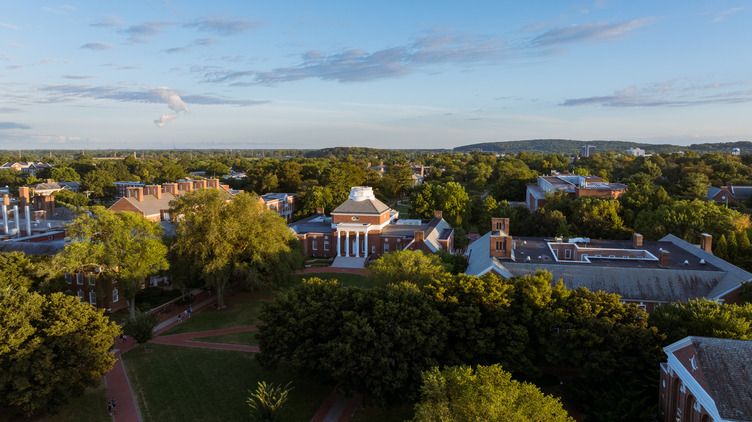
A year in the spotlight: University of Delaware’s most notable media mentions of 2025
In 2025, the University of Delaware had many exceptional media mentions. Here are some of the most notable. Science coverage dominated Where will the next big hurricane hit? Ask the sharks. (The Washington Post) – Aaron Carlisle, a marine ecologist, was featured for his revolutionary work using sharks to predict major weather events. Scientists could soon lose a key tool for studying Antarctica's melting ice sheets as climate risks grow (NBC News) – Carlos Moffat, an associate professor and oceanographer, spoke about the national budget and how it's impacting climate research. These Katrina Survivors Feel Overlooked. Now, They’re Using TikTok to Tell Their Stories (Rolling Stone) – Jennifer Trivedi, a disaster researcher, spoke about why Hurricane Katrina was such a major story. Malala Yousafzai, Migration and Sustainability (Forbes) – Saleem Ali, a professor of energy and environment, contributed regularly to Forbes on environmental topics. Scientists went hunting for freshwater deep beneath the Atlantic Ocean. What they found could have global implications (CNN) – Holly Michael, a professor of Earth sciences and civil and environmental engineering, spoke about the history of freshwater. Engineering Professor Answers Electric Car Questions (WIRED) – Willett Kempton, a professor of engineering, joined WIRED to answer the internet's most interesting questions about electric cars. Plastic shopping bag policies are actually working, a new study suggests (CNN) – Kimberly Oremus, associate professor of marine science and policy, was featured in several major outlets on the effectiveness of plastic bag bans. Insects are dying: here are 25 easy and effective ways you can help protect them (The Guardian) – Douglas Tallamy, an entomologist, was featured in dozens of outlets for his expertise. Political news coverage was front and center U.S. Chamber of Commerce sues Trump administration over $100,000 H-1B visa fees (NPR) – Daniel Kinderman, a political science professor, was interviewed for his expertise on a lawsuit involving changes in work visas. The government shutdown is over, but expect more fights and higher insurance prices to come (Delaware Public Media) – David Redlawsk, a political psychologist, discussed the recent government shutdown and what an end to it signals. Wrestling Over Charlie Kirk’s Legacy and the Divide in America (The New York Times) – Dannagal Young, a communications professor, commented on how media reacted to the death of Charlie Kirk. Consequences for colleges whose students carry mountains of debt? Republicans say yes (NPR) – Dominique Baker, associate professor of education, was quoted in multiple national outlets for her education expertise. General expertise came in clutch Why the U.S. struggles with passenger service despite having the most rail lines (NPR) – Allan Zarembski, a professor of railroad engineering, was featured in dozens of national publications for his expertise. From folklore to your front porch: The history of the jack-o'-lantern (NPR) – Cindy Ott, an associate professor of history, detailed the history of this autumn staple in multiple outlets. Nexstar Media Group buying Tegna in deal worth $6.2 billion (AP) – Danilo Yanich, professor of public policy, noted the ways the media giant duplicates work across networks. Warren Buffett hired Todd Combs to take over Berkshire's portfolio one day. Here's what close watchers say about his surprise exit. (Business Insider) – Lawrence Cunningham, director of UD's Weinberg Center, was featured throughout the year for his business and economic expertise. Enlighten Me: How to make your holidays truly happy (Delaware Public Media) – Amit Kumar, a professor of marketing, discussed strategies for finding happiness during the holidays throughout the winter season. Students and their stories shined throughout the year Networking: Is it what you know or who you know? (The Chronicle of Higher Education) – UD's career-development office, which assists students on their job journeys, was featured. U of Delaware Creates Yearlong Co-Ops for Business Students (Inside Higher Ed) – A new partnership with the state of Delaware connects business students to local employers, with the goal of reducing brain drain in the region was featured. Wilmington’s 'STEM Queen' earns national Obama–Chesky honor (The News Journal/Delaware Online) – Jacqueline Means, a management information systems major, was featured for earning a national recognition. Vita Nova Restaurant Gives Culinary Students Hands-on Training (Delaware Today) – The student-staffed restaurant, Vita Nova, was featured. Delaware professor transforms writing class by teaching students to use AI as the technology reshapes the workforce (WHYY) – Matt Kinservik, a professor of English, was featured for teaching students to use AI responsibly, exploring its capabilities and fact-checking tools. Pop culture experts weighed in 'Stranger Things' expert at UD chats about Netflix show's appeal (The News Journal/Delaware Online) – Siobhan Carroll, an associate English professor, sat down with a reporter to discuss the latest season and how the horror genre is often a mirror of our real world. “Horrendous And Insulting”: Backlash Erupts Over “Misrepresentation” In 2026 Wuthering Heights (Bored Panda) – Thomas Leitch, an English professor, said that “literal adaptations of classic novels are exceedingly rare, maybe impossible.” Major changes at UD highlighted University of Delaware appoints interim president to the permanent post (The Philadelphia Inquirer) – News of UD's new president, Laura A. Carlson, was covered throughout the region. Retiree learning center gets boost with $1M gift for downstate OLLI classes (Spotlight Delaware) – a large donation to the southern Delaware chapter of the Osher Lifelong Learning Institute, was featured. To speak with any of these experts in 2026 on these stories or others, please reach out to MediaRelations@udel.edu. Happy holidays and cheers for a bright and healthy new year!