
Experts Matter. Find Yours.
Connect for media, speaking, professional opportunities & more.

#Expert Podcasts: How CARF Accreditation supports development and adds value
Thinking about accreditation for your rehabilitation facility? The newest Be Advised podcast is for you. Mary Free Bed’s Advisory Group podcast, Be Advised, is diving into the benefits of CARF Accreditation for health and human service organizations. The Commission on Accreditation of Rehabilitation Facilities (CARF) has been accrediting organizations since 1966. The guest for this episode is Terrence Carolan, managing director of the Medical Rehabilitation and Aging Services for CARF International. Carolan has more than 20 years of experience in the field of medical rehabilitation as an administrator, provider, and educator. He holds two master’s degrees, one in physical therapy and one in business administration. Before joining CARF as the managing director, Terrence was a CARF surveyor for more than 10 years. In his managing director role, Terrence oversees CARF’s medical rehabilitation area which includes standards for: Comprehensive Integrated Inpatient Rehabilitation Program Outpatient Medical Rehabilitation Program Residential Rehabilitation Program Home and Community Services Concussion Rehabilitation Program Interdisciplinary Pain Rehabilitation Program Occupational Rehabilitation Program Occupational Rehabilitation Program–Comprehensive Services Vocational Services Independent Evaluation Services Case Management CARF also accredits specialty programs in the areas of: Pediatrics Amputation Brain injury Cancer Spinal Cord Injury Stroke Be Advised is hosted by Joyal Pavey, vice president of the Mary Free Bed Advisory Group. On this episode of Be Advised, Joyal and Terrence discuss: What makes CARF unique? The national and international span of CARF Common questions about the accreditation process Advice for first time accreditation What’s next for CARF in the coming five years You can check out the podcast here: Looking to know more about accreditation or connect with Terrence? View his profile below to arrange an interview today.



Acute Care Nursing Goes Virtual
At ChristianaCare, our patients are our number one priority. That perspective keeps us thinking about new ways to deliver care, including those that allow our caregivers to put their knowledge, skills and focus to the best use. Video: ChristianaCare Virtual Acute Care Nursing Virtual acute care nursing is one way we are making sure our caregivers are working at the highest levels to care for our patients in our hospitals. What is virtual nursing? This program allows experienced nurses to practice virtually in another location. Nurses working virtually help nurses at the bedside by documenting health information, such as medication histories; providing patient education; monitoring patient lab work; completing patient admission documentation; and helping with discharge planning and care coordination. Podcast: Virtual Nursing in the Hospital with Michelle Collins and Melanie Ries By working virtually, these nurses help remove some of the documentation burden for our clinical staff while also improving our patient outcomes. For example, a virtual acute care nurse can take the time to explain to a patient what their at-home care plan will look like, when to take their medications or even understand more about their condition. That allows our bedside nurses to keep their focus on the immediate needs of their patients. How does virtual nursing work? If a patient has a question about their medicine or wants to know more about their impending discharge, they can use a computer tablet that’s placed next to their bed to contact their virtual nurse, who will answer the call. Patients want to feel that someone is available to talk with them, and that’s exactly what our virtual nurse program provides. While our bedside nurses work on a unit caring for multiple patients, our virtual nurses care for one patient at a time without distraction. How is ChristianaCare using virtual nursing? We are currently using a virtual nursing care delivery model in more than 500 of our acute care beds – that’s about 41% of all the beds we have in Wilmington and Christiana hospitals. Nearly 19,000 patients have received this kind of innovative care at ChristianaCare. Our patients and nurses have been involved in over 53,000 calls, spending between seven and nine minutes each time they talk. Why does this matter? It’s no secret that nurses have been overburdened with high patient volumes and labor shortages that have affected the entire health care industry. Given this, it’s imperative to think of new models to support our caregivers, ease their workload and make sure we are providing expert care. Improvements in patient care – along with our patient experience scores – show us the value of the program. Virtual nursing allows us to do that. There also are other advantages to virtual nursing. It can be an option for skilled nurses who aren’t able to handle the physical demands of the job since the interaction with patients is through a tablet. Virtual nursing also offers an opportunity to help early-career nurses learn from experienced caregivers. A virtual nurse can provide mentoring to the bedside nurse by acting as an extra set of eyes and ears to help assess a patient or talk through a challenge. This approach can also help retain more of our early-career nurses, which is good news for all of us. We see virtual nursing as another tool to help our caregivers serve with love and excellence. And let’s be honest — we all want good care to be as easy as pushing a button. Thanks to virtual nursing, it is.



ChristianaCare’s Center for Rehabilitation at Wilmington Hospital has been named to Newsweek’s 2023 list of America’s Best Physical Rehabilitation Centers. The award is presented by Newsweek and Statista Inc., the world’s leading statistics portal and industry ranking provider. The award recognized 280 leading inpatient rehabilitation facilities in 25 states and four regions. The Center for Rehabilitation at Wilmington Hospital ranked in the top 5 for the South region. Patient care at the Center for Rehabilitation at Wilmington Hospital. “We are incredibly honored to receive this recognition for the state-of-the-art and patient-centered care our inpatient rehabilitation team provides to our patients,” said Jennifer Thomas, vice president of Rehabilitation Services at ChristianaCare. “We work together with our patients to reach outstanding outcomes and meet their goals for recovery from conditions such as brain injury, spinal cord injury, strokes, trauma and joint replacement. We are so proud of the incredible work of our team and our patients as we face those challenges together and get them back to living their fullest lives.” To determine the best rehab centers, Newsweek examined three data sources: National online survey of experts with knowledge of physical rehabilitation centers (physicians, physiotherapists, doctors, clinic managers and other health care professionals). Quality metrics data published by the U.S. Centers for Medicare & Medicaid Services (CMS) Accreditation data on physical rehabilitation centers provided by the Commission on Accreditation of Rehabilitation Facilities (CARF). For over 30 years, ChristianaCare’s 40-bed rehabilitation facility has provided the highest quality rehabilitation services in the state and among the best in the region. This innovative facility includes state-of-the-art equipment, the latest therapeutic technology and techniques and real-life skill simulation environments. The Center for Rehabilitation has received CARF accreditation since 1993, ensuring it meets rigorous service, safety and quality standards. CARF-accredited specialty program area designations were first achieved and are ongoing for stroke (2007), limb loss (2010) and brain injury (2011).

American College of Surgeons Recognizes ChristianaCare for ‘Meritorious’ Surgical Outcomes
ChristianaCare has been honored as one of only 78 institutions out of 615 by the American College of Surgeons (ACS) Clinical Congress for achieving “meritorious” outcomes in surgical patient care. This is the 10th time that ChristianaCare has been recognized through the organization’s National Surgical Quality Improvement Program – also known as ACS NSQIP – which is the only nationally validated quality improvement program that measures and enhances the care of surgical patients. “Patients can be confident that when they come to ChristianaCare for surgery, they are receiving care from a team that has a long track record of national recognition for outstanding quality and safety. Receiving this recognition for the 10th time is a direct result of our commitment to excellence and providing world-class surgical care to our community,” said Matthew Rubino, MD, MBA, FACS, interim chair of ChristianaCare’s Department of Surgery. “These awards reflect the commitment to excellence by all our surgeons and caregivers within Perioperative Services. We look forward to progressing on our journey of continuous improvement, anchored by our values of love and excellence.” The award recognizes ChristianaCare’s coordinated delivery of perioperative care within the general, colorectal, neurologic, orthopaedic and oral and maxillofacial and otorhinolaryngology (ear, nose and throat) surgery specialties. It includes Christiana Hospital and Wilmington Hospital, as well as the Christiana Surgicenter in Newark, Delaware, representing a combined total of nearly 38,000 surgical procedures a year. That volume represents the 46th highest volume of surgeries among health systems nationwide. The ACS NSQIP measures actual surgical results 30 days after the operation and makes risk adjustments to compensate for differences among patient populations and acuity levels. Participating hospitals are required to track the outcomes of inpatient and outpatient surgical procedures and then analyze their results, which direct patient safety initiatives within the hospital and impact the quality of surgical care. ChristianaCare was honored with ACS NSQIP recognition for its performance in eight clinical areas: Mortality. Cardiac arrest and heart attack. Pneumonia. Unplanned intubation. Ventilator use for longer than 48 hours. Renal failure. Surgical site infections. Urinary tract infection.


ChristianaCare Earns National Recognition for Support of Life-Saving Organ and Tissue Donation
ChristianaCare has earned the highest level of national recognition from the U.S. Health Resources and Services Administration (HRSA) for its outstanding support of organ and tissue donation. HRSA grants the Platinum Award, its top honor, to health systems that promote donation in their workplace and community through a national campaign known as DoNation. This campaign focuses on raising awareness of the critical need for organ and tissue donors. “This recognition belongs to all the ChristianaCare caregivers, especially the critical care nurses and physicians who help with compassion and generosity in supporting the gift of life to those in need of a transplant,” said Jason Rolls, M.D., FACS, chief and surgical director of the Kidney Transplant Program at ChristianaCare. “This recognition also is a testament to the generosity of our communities, who have said ‘yes’ to organ donation.” Delaware’s Only Kidney Transplant Program Based at Christiana Hospital, ChristianaCare’s Kidney Transplant Program is the only adult transplant center in Delaware and the only one between Philadelphia and Baltimore. Since opening in 2006, the program has performed more than 400 transplants. The program also helps more than 1,000 patients each year by providing services for kidney transplant, living donation evaluation and waitlist management, as well as post-donation and post-transplant care. The program is approved by Medicare and the Organ Procurement and Transplantation Network. “The sooner we can provide kidney transplants to patients on dialysis, the better the chances to improve both the extent and the quality of their lives,” Rolls said. “Along with our clinical teams at ChristianaCare, we also are grateful to HRSA and the Gift of Life Donor Program in Philadelphia for their commitment to healing lives through the support of organ transplantation.” ChristianaCare works closely with Gift of Life Donor Program, the region’s nonprofit organ procurement organization, to support donation. ChristianaCare’s engagement and advocacy includes monthly donation council meetings, tabling events and educational sessions for its health care team. In addition, ChristianaCare holds an annual flag-raising ceremony each April as part of National Donate Life Month. “ChristianaCare and our hospital partners are vital to our life-saving mission,” said Rick Hasz, president and CEO of Gift of Life Donor Program. “In fact, ChristianaCare is one of the leading hospitals for donation in our region; its Newark and Wilmington campuses have combined to provide compassionate care and support for 50 donor heroes and their families, resulting in 120 life-saving organs for transplant for waiting patients during the first eleven months of 2023. We thank the ChristianaCare team for its outstanding commitment to saving lives through donation and caring for the health of our community.” In the United States, more than 90% of adults support organ donation, but only 60% have signed up to become donors. With a new person added to the national transplant waiting list every 10 minutes, more organ and tissue donors are needed to help save lives. Visit www.organdonor.gov to learn more about organ and tissue donation, and sign up as a donor at www.donors1.org/register.


Below is a statement from Eric Kmiec, Ph.D., founder and executive director, ChristinaCare Gene Editing Institute, regarding the expected approval by the Food and Drug Administration of exa-cel (Casgevy), the CRISPR-driven treatment for sickle cell disease and betta thalassemia. If you wish to interview Dr. Kmiec, please contact Mak Sisson, Makenzie.sisson@christinacare.org,302-623-5306 or Anna Chen, achen@burness.com, 215-262-7670. “As scientists, the fact that we have arrived at a potential curative treatment for sickle cell disease in a relatively brief period is a testament to the power of resolute researchers in this field who have never stopped. And the FDA’s expected approval comes with many firsts. For the first time we have what appears to be a safe and curative treatment for one of the most painful diseases that cuts life short. And it is remarkable that finally we are focusing on the Black population first, who are most affected by this disease. This priority is long, long overdue. The challenge, however, is the very people we want to help may not be able to get access to or afford the million-dollar treatment and the length of time it will take to be treated — weeks and weeks in the hospital. The numbers of people who can be treated are limited. We must work with the health care industry and pharmaceutical companies who will market produce and deliver the treatments to make sure that all people can get access. What can they do to make treatments more affordable and more available? What can they do to support continued research to assess the long-term effects this treatment may have? And how can we make this easier to deliver? As important as it is to have developed this new treatment, right now we must do our best to communicate well to the public what new findings like this mean. Take the time to explain it all. It cannot be oversold. We must make the communication about this first CRISPR-driven treatment as important as the science itself.” Eric B. Kmiec, Ph.D., is the founder and executive director of the Gene Editing Institute at ChristianaCare. He is also co-founder and chief scientific officer of CorriXR Therapeutics. Widely recognized for his pioneering work in the fields of molecular medicine and gene editing, Dr. Kmiec has developed CRISPR based genetic therapies for Sickle Cell Disease and Non-Small Cell Lung Cancer. He is Editor-in-Chief of the journal, Gene and Genome Editing.


(WILMINGTON, Del. – December 1, 2023) ChristianaCare is investing $1 million in local nonprofit organizations to improve health for communities in Delaware, Pennsylvania and Maryland. Announced during a special event Thursday at Ezion Fair Baptist Church in Wilmington’s Southbridge neighborhood, the funding was given to 19 nonprofits through ChristianaCare’s Community Investment Fund. The fund supports partnerships to build the collective capacity of communities to address social, behavioral and environmental factors that impact health. “In order to improve health equity and accelerate progress in addressing the social drivers of health, we need partners,” said Bettina Tweardy Riveros, chief public affairs officer and chief health equity officer at ChristianaCare. “While ChristianaCare provides excellent health care, we also understand that we are not the experts on every social driver of health. And that’s why we are committed to strengthening these organizations and enhancing their ability to make a positive impact. Together, we are creating health in the neighborhoods and communities we serve.” As an anchor institution in the community, ChristianaCare invests in community health improvement programs as a core component of its community benefit activities. To date, ChristianaCare has provided more than $4 million to 52 community organizations through its Community Investment Fund, which was established in 2019. This year’s awardees received funding to support community health improvement initiatives in high-need communities to address a diverse array of health-related needs, including safe housing, access to nutritious food – and even climate change, which the White House recently highlighted as a social driver of health. One of the organizations that received a grant is Delaware Humanities, which provides educational and cultural opportunities to help Delawareans gain a deeper understanding of human identity. The Wilmington, Del.-headquartered nonprofit will use its grant to develop environmental justice toolkits designed to inspire, facilitate and guide conversations about the importance of environmental issues in Delaware. “Major focus areas at our organization include health and environment, which impact human behavior and our collective sense of well-being,” said Michele Anstine, executive director of Delaware Humanities. “ChristianaCare’s grant will help us empower our communities so they can more truly understand the deep connection between health and their environment and its profound impact on the human experience.” Good Neighbors Home Repair, headquartered in Kennett Square, Pennsylvania, received a grant to expand its free home repair services to houses for low-income households, making their homes safer, healthier and more livable. “Many of the houses that we repair belong to people who are coming home after a hospital discharge,” said Brad Dunn, advancement director for Good Neighbors Home Repair. “They often are returning to homes with broken handrails and misshapen steps but are unable to pay for repairs because they live on fixed incomes. We are deeply appreciative that ChristianaCare is supporting our efforts to provide services that keep our clients safe, healthy and at home.” Recipients were selected based on the quality of their proposals and implementation plans, and on the alignment of their proposals with the key priorities of ChristianaCare’s Community Health Needs Assessment and Community Health Implementation Plan. The funded initiatives will be implemented throughout the upcoming year. The 19 latest Community Investment Fund recipients are: AIDS Delaware. Bayside Community Network, Inc. Children & Families First. Cornerstone West CDC. Deep Roots, Inc. Delaware 211. Delaware Center for Justice. Delaware Coalition Against Domestic Violence. Delaware Humanities. Delaware Interfaith Power & Light. Good Neighbors Home Repair. Green Beret Project. Healthy Food for Healthy Kids. Project New Start. Saint Patrick'’s Center. Sussex County Habitat for Humanity. The Resurrection Center. YMCA of Delaware. YWCA Delaware.


Peer Support Program Helps Patients With Substance Use Disorders
Recognizing that stigma may keep people from accessing treatment and recovery resources, ChristianaCare Union Hospital is partnering with the Cecil County Health Department and Voices of Hope to make peer recovery specialists available at the bedside for patients who have experienced a drug overdose or live with substance use disorder. Ten peer recovery specialists are available at Union Hospital seven days a week from 8:30 a.m. to 1 a.m. to talk with patients about behavioral health care navigation, access to treatment and referrals to harm-reduction and recovery-support resources. Patients can be connected with a certified peer recovery specialist if they are brought to the Emergency Department because of a drug overdose, or if they screen positive for substance use while they are a patient in the hospital. ChristianaCare Union Hospital is partnering with the Cecil County Health Department and the Maryland nonprofit Voices of Hope to make peer recovery specialists, pictured in blue t-shirts, available at the bedside for patients who have experienced a drug overdose or live with substance use disorder. Patients are not required to speak with a peer recovery specialist, but the specialists’ unique combination of lived experience and training to help people experiencing behavioral health issues offers an opportunity for people with substance use disorder to get help without fear of judgment or stigma. “Substance use disorder continues to be a serious health problem that affects people of all ages and walks of life,” said Lanre Akinkunmi, M.D., interim chief medical officer and medical director for population health at ChristianaCare Cecil County Campus. “The good news is that it is treatable, and when people are in the hospital or the emergency department, they are often most receptive to discussions about treatment. Through this expanded use of peer recovery specialists at Union Hospital, we are making a positive impact on the health of our patients and our community.” A voice of experience Peer recovery specialists who work on the weekdays are employed by the Cecil County Health Department, supported by a grant from the National Association of County and City Health Officials. Voices of Hope, a nonprofit focused on recovery support for people in Harford and Cecil counties in Maryland, employs the peer specialists working evenings and weekends. “This program is a great example of using resources wisely and effectively. We already know the tremendous work being done by Voices of Hope and Cecil County Health Department to help our neighbors who have been impacted by substance use disorder,” said Lisa Fields, manager of Community Engagement at the Cecil County Campus. “By partnering on this important program, we are building trust with our patients and helping them to get on the road to recovery.” Since the expanded program launched in September, there have been about 40 referrals for patients to speak with peer support specialists, and more than half of them have agreed to some kind of treatment, Fields said. Unique connection “Helping people get through what I went through really warms my heart,” said Hannah Dean, a peer recovery specialist with the Cecil County Health Department who works at Union Hospital. “I love what I do.” Cecil County’s death rate from drug overdoses is nearly twice as high as the rest of Maryland and more than three times the U.S. rate. The drug overdose death rate in Cecil County more than doubled between 2016 and 2020, according to the 2022 Cecil County Community Health Needs Assessment. Because peer support specialists have lived experience with substance use disorder and recovery, along with specialized training to support people struggling with mental health or substance use issues, they can connect with patients on a personal level and offer empathetic guidance, said Lauren Levy, health officer for the Cecil County Health Department. “Allowing peer recovery specialists to engage bedside with patients who may be struggling with substance use disorders will not only enhance access to behavioral health treatment but will also help reduce stigma surrounding substance use disorders and foster a more compassionate and supportive community,” Levy said. “We are honored to be a part of this innovative private-public collaboration and to work alongside ChristianaCare Union Hospital and Voices of Hope, Inc. This project helps to break down barriers to treatment and provide immediate support to those in need.” A history of support ChristianaCare has long been a pioneer in the use of peer recovery specialists, going back to the launch of Project Engage at ChristianaCare’s Wilmington Hospital in 2008. Union Hospital first partnered with the Cecil County Health Department 10 years ago to provide a peer recovery specialist in the Emergency Department. That program, the first of its kind in Maryland, was recognized with a best practice award from the Maryland Association of Counties in 2014. However, it operated only on weekdays during daytime business hours, and its ability to connect with hospital patients slowed during the COVID-19 pandemic. This reinvigorated peer recovery program is strengthened by the high level of collaboration among these Cecil County organizations, said Erin Wright, chief operations officer for Voices of Hope. “As community-based organizations, we are in a position to make a difference, and our perspective in the care for people with substance use disorder is really valuable,” said Wright, who has been in recovery for eight years. “As someone who has been through it, we are able to have that empathy. Even if the person does not want to go to treatment, you sit with them and maybe plant a seed.” Catharine Murray hopes her role as a certified peer recovery specialist can help someone struggling with addiction see recovery as a viable option for themselves. “This wasn’t available to me when I was trying to get better. I want to make it more accessible to others,” she said.
Georgia Southern’s public health center receives $4 million to assist rural hospitals nationwide
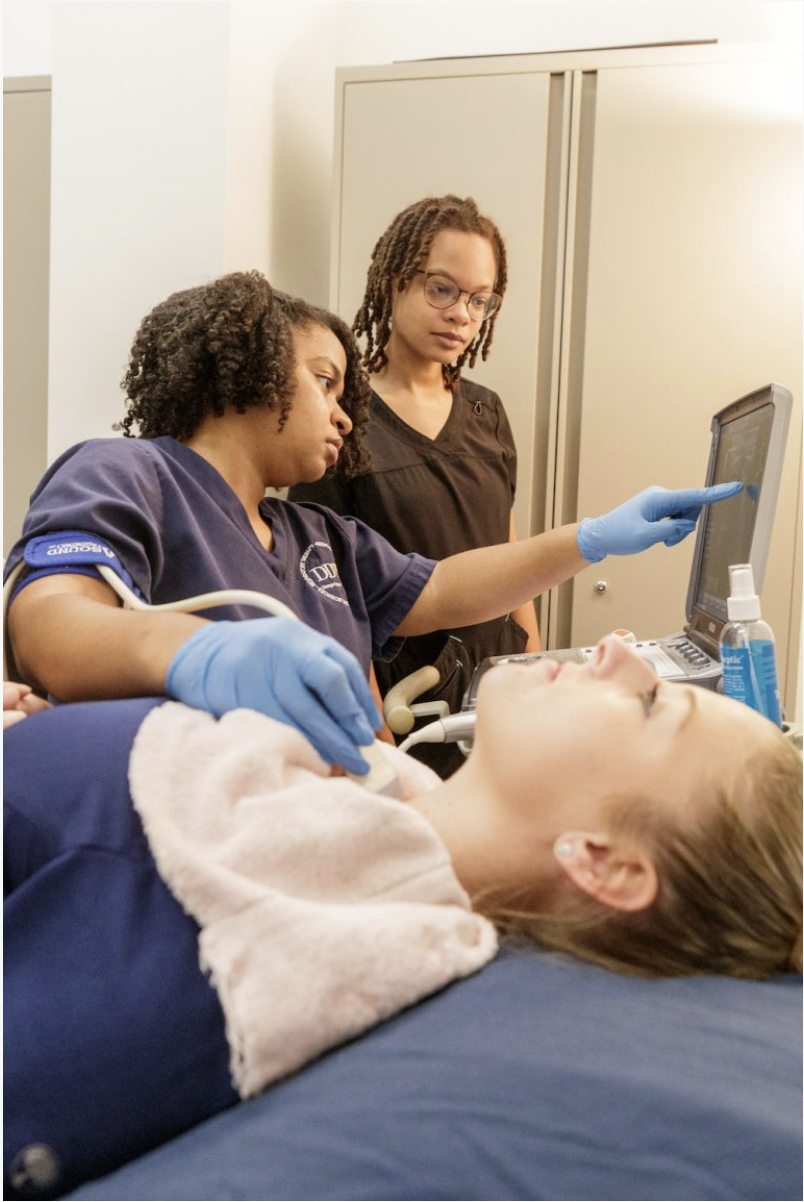
Georgia Southern University’s Center for Public Health Practice and Research at the Jiann-Ping Hsu College of Public Health (JPHCOPH) received a $4 million grant from the Health Resources and Services Administration (HRSA) to provide targeted technical assistance to rural hospitals nationwide. The funding will support the team’s implementation of the Targeted Technical Assistance for Rural Hospitals Program over a five-year period (2023-2028). “Many rural hospitals are struggling financially across the U.S.,” said JPHCOPH Dean Stuart Tedders, Ph.D. “Long-term, the primary program goal of this grant is to ensure that all rural hospitals are financially viable and positioned to serve their communities with the essential health care services that we all need and expect. A viable health care system is essential for assuring that all communities and their residents thrive. I am very proud of the Center for Public Health Practice and Research at the JPHCOPH and the commitment they have made to improving the quality of life of rural and underserved populations across the country.” Bettye Apenteng, Ph.D., and Charles Owens, both professors of health policy and management, serve as the co-principal investigators for the grant. “We are proud to be selected to work cooperatively with rural hospitals across the U.S. to strengthen their viability so they can continue to provide essential health care locally so the residents, the local hospital and the community may thrive,” said Owens. As part of this cooperative agreement, the team will work in partnership with HRSA and rural health stakeholders to provide in-depth and tailored technical assistance to rural hospitals at risk of financial distress nationwide. Technical assistance delivered as part of this program will help rural hospital communities implement a prioritized strategy for maintaining essential services locally through capacity building in evidence-based decision-making, operational and financial improvement, strategic management, community partnership, project implementation and evaluation. “We are excited to extend the work we have done in Georgia with rural hospitals, for close to a decade, to the rest of the nation,” said Apenteng. “We look forward to building strong collaborative relationships with rural hospital communities nationwide.” The grant activities will be executed by a multidisciplinary team that includes additional JPHCOPH faculty Angie Peden; Andrew Hansen, DrPH; Linda Kimsey, Ph.D.; William Mase, DrPH; Tilicia Mayo-Gamble, Ph.D., and Samuel Opoku, Ph.D.; and Parker College of Business’ Kwabena Boakye, Ph.D.; and the College of Arts and Humanities’ Jason Murdock. Interested in learning more or looking to talk with Bettye Apenteng, Ph.D., and Charles Owens about this grant? Simply click on an expert's icon or contact Georgia Southern's Director of Communications Jennifer Wise at jwise@georgiasouthern.edu to arrange an interview today.


Wilmington Hospital Emergency Department Earns Lantern Award for World-Class Excellence
ChristianaCare’s Wilmington Hospital Emergency Department is one of 53 emergency departments around the world to receive the Emergency Nurses Association (ENA) Lantern Award for 2023, recognizing the excellence of its caregivers in incorporating evidence-based practice and innovation. The ENA Lantern Award celebrates emergency departments that demonstrate exceptional leadership, practice, education, advocacy and research performance. It honors the late Florence Nightingale, who is credited as the founder of modern nursing and is referred to as the “Lady With the Lamp” for her round-the-clock care given to wounded soldiers during the Crimean War. “Every day, our caregivers bring to life the ChristianaCare values of love and excellence through the ways they care for our neighbors who come to the Wilmington Hospital Emergency Department,” said Danielle Weber, MSN, MSM, RN-BC, NEA-BC, chief nurse executive and chief nursing officer of Wilmington Hospital. “By putting the patient first and rethinking outdated models of care, we have created a better experience for patients at a time when they are often most in need. This recognition signifies the transformative effect of our commitment to being exceptional today and even better tomorrow.” Rooted in history, focused on the future Wilmington Hospital has served the community for nearly 125 years, meeting diverse medical needs and providing a safety net for people in underrepresented communities. The Wilmington Hospital Emergency Department is the second-busiest ED in the state, with 58,744 visits in fiscal year 2023. Combined, ChristianaCare’s emergency departments are ranked 12th in the United States and 7th on the East Coast in number of patient visits, according to the American Hospital Association. A highly engaged staff supports the high volume of work in the department, where nurses serve in collaborative decision-making, shared governance and nurse autonomy, “practicing in an environment of empowerment,” said ED nurse Christina Hoddinott, MSN, RN, FNP-BC, CEN, CPE, who helped work on the Lantern application for Wilmington ED. “The staff who perform the work participate in decision-making that directly affects their practice,” Hoddinott said. “When our patients walk through our emergency department doors in their unexpected and stressful moments of need, we do everything we can to see that they receive the highest level of care.” Doreen Nord, MSN, RN, CEN, NPD-BC, nurse manager for Wilmington Hospital ED, said the Lantern award reflects the greatness seen every day among its nursing caregivers. “Their commitment and compassion shine, and there is never a doubt about who is most important — our patients,” Nord said. “We are honored by this recognition, the highest available in emergency nursing.” A collaborative effort Wilmington Hospital ED and the other Lantern recipients were recognized in the Hall of Honor at Emergency Nursing 2023, ENA’s annual conference, Sept. 21-23, in San Diego, California. See the list of other award recipients here. “Each and every emergency department on this list has worked extremely hard implementing innovations to better their emergency department for staff and patients alike,” said ENA President Terry Foster, MSN, RN, CEN, CPEN, CCRN, TCRN, FAEN. “Hearing the excitement these EDs had when notified that they were a recipient was so heart-warming and reminded me of the commitment that ED nurses have to continuous improvement.” In Wilmington, the spirit of collaboration and support among caregivers creates an environment that ensures patients receive the highest level of care. Hoddinott likens her fellow caregivers to puzzle pieces — each one is dynamic and unique. “When the pieces come together, we have one big complete puzzle. We are a team that supports each other during stressful moments, happy occasions and all the in between,” she said. “Our team does not take for granted the ‘specialness’ we have here, and our patients can truly feel that when they come through our doors.”
