
Experts Matter. Find Yours.
Connect for media, speaking, professional opportunities & more.

Water, resources and infrastructure
Across America we're seeing flooding, drought, epic storms and reservoirs running dry. Water, how it is controlled and regulated is an emerging topic. And for the next four years, with the unknown impacts of climate change - water will be on a lot of people's minds. And as the Republican National Convention 2024 begins, journalists from across the nation and the world will converge on Milwaukee, not only to cover the political spectacle but also to dig deeper on the key issues that may decide the election. To help visiting journalists navigate and understand the depth of Milwaukee's heritage and modern vibrancy, our MSOE experts are available to offer insights. Professor William Gonwa has worked in the fields of wastewater collection, storm water management, and flood protection since 1984. His research focuses on the water resources area of civil engineering including collection systems and stormwater management. He received his doctorate from Marquette University, his masters from the University of Kentucky, and his bachelors from the University of Wisconsin-Madison, all in civil and environmental engineering. . . . Dr. William Gonwa Professor, Civil Engineering Expertise: Water Resources, Sewers, Storm Water, Civil Engineering education View Profile One may hear of news reports of large events and notice that they appear to occur more frequently than they might expect (i.e. a 100-year storm is reported in the news in the Detroit region more often than once every 100 years). A casual observer not well versed in what these rainfall statistics mean might be tempted to blame this on climate change, but the dynamic described here is not the result of just climate change. It is the result of the large size of the city of Detroit and the fact that rainfall frequencies are published for a point rainfall, not regions. This regional rainfall effect will occur in any metropolitan area with a large geographic extent. Why properly characterizing large storms is critical for stormwater professionals Stormwater Solutions June 07, 2024 . . . For further information and to arrange interviews with our experts, please contact: JoEllen Burdue Senior Director of Communications and Media Relations Phone: (414) 839-0906 Email: burdue@msoe.edu . . . About Milwaukee School of Engineering (MSOE) Milwaukee School of Engineering is the university of choice for those seeking an inclusive community of experiential learners driven to solve the complex challenges of today and tomorrow. The independent, non-profit university has about 2,800 students and was founded in 1903. MSOE offers bachelor's and master's degrees in engineering, business and nursing. Faculty are student-focused experts who bring real-world experience into the classroom. This approach to learning makes students ready now as well as prepared for the future. Longstanding partnerships with business and industry leaders enable students to learn alongside professional mentors, and challenge them to go beyond what's possible. MSOE graduates are leaders of character, responsible professionals, passionate learners and value creators.


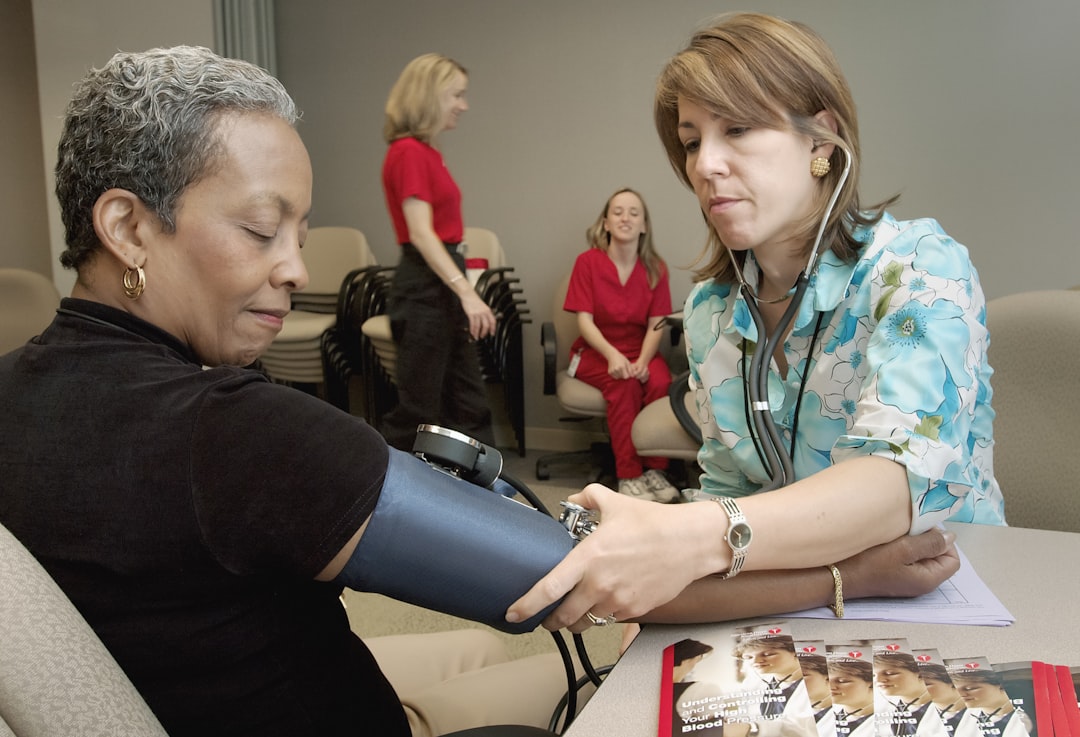
The pandemic and who reacted better has been debate fodder for the campaigns of Donald Trump and Joe Biden already this election. The pandemic, preparing for the next one is just one of several key public health issues that America is dealing with. Opioids, obesity and nutrition are just a few others. And as the Republican National Convention 2024 begins, journalists from across the nation and the world will converge on Milwaukee, not only to cover the political spectacle but also to dig deeper on the key issues that may decide the election. To help visiting journalists navigate and understand the depth of Milwaukee's heritage and modern vibrancy, our MSOE experts are available to offer insights. Robin Gates is a nurse executive with a wide range of experience in community home, health and hospice, organ and tissue donation, managing primary care clinics, and clinical trials involving medical devices and pharmaceuticals. She has also worked as a nurse educator for health care organizations and higher education. . . . Robin Gates Assistant Professor, Nursing Expertise: Population health expert: understanding and addressing the diverse factors that influence health outcomes across different populations. View Profile “Leadership experience in various health care environments provides my ability to empower the next generations of nurses to understand the medical system for nursing practice wholistically,” said Gates. “Nurses are change agents. We are a pivotal part of a multidisciplinary team. I emphasize to nursing students their role in the community, corporations, hospitals, clinics, telehealth, home care and hospice, insurance, government and so on.” MSOE Online February 25, 2022 . . . For further information and to arrange interviews with our experts, please contact: JoEllen Burdue Senior Director of Communications and Media Relations Phone: (414) 839-0906 Email: burdue@msoe.edu . . . About Milwaukee School of Engineering (MSOE) Milwaukee School of Engineering is the university of choice for those seeking an inclusive community of experiential learners driven to solve the complex challenges of today and tomorrow. The independent, non-profit university has about 2,800 students and was founded in 1903. MSOE offers bachelor's and master's degrees in engineering, business and nursing. Faculty are student-focused experts who bring real-world experience into the classroom. This approach to learning makes students ready now as well as prepared for the future. Longstanding partnerships with business and industry leaders enable students to learn alongside professional mentors, and challenge them to go beyond what's possible. MSOE graduates are leaders of character, responsible professionals, passionate learners and value creators.


Exploring Milwaukee and Wisconsin's Cultural and Urban Landscape
As the Republican National Convention 2024 approaches, journalists from across the nation and the world will converge on Milwaukee, not only to cover the political spectacle but also to uncover the rich cultural, architectural, and urban tapestry that makes this city truly unique. Milwaukee, often referred to as the "Cream City" for its distinctive cream-coloured bricks, with many historical and contemporary narratives is waiting to be explored. To help visiting journalists navigate and understand the depth of Milwaukee's heritage and modern vibrancy, our MSOE experts are available to offer insights. Discover the rich tapestry of Milwaukee and Wisconsin through the lens of two distinguished experts. Dr. Michael Carriere and Kurt Zimmerman bring unparalleled expertise in the fields of culture, architecture, and urban planning, offering deep insights into the region's unique historical and contemporary narratives. Dr. Michael Carriere Professor, Honors Program Director Expertise: Sustainability, American History, General Social Science, Honors Program, History, General Humanities, Student Affairs, Urban Studies View Profile Dr. Michael Carriere, a Professor and Honors Program Director, is an urban historian specializing in American history, urban studies, and sustainability. With a focus on the growth and challenges of Milwaukee's neighborhoods, Dr. Carriere provides valuable perspectives on urban agriculture, creative placemaking, and the Milwaukee music scene. His extensive knowledge of Milwaukee and Wisconsin history and politics makes him a key resource for understanding the region's evolving urban landscape. “To me, it’s a no-brainer,” says Carriere, now a professor of history at Milwaukee School of Engineering and author of The City Creative: The Rise of Urban Placemaking in Contemporary America. “Cities like Louisville, like Buffalo, like Boston have really leveraged the Olmsted spaces in their cities. … The reason I’m really excited about [the bicentennial] is that this could be the chance to have useful, and in some cases uncomfortable, conversations on how public spaces should look and operate in a 21st-century city like Milwaukee.” The Lasting Legacy of Frederick Law Olmsted and His 3 Signature Milwaukee Parks Milwaukee Magazine April 1, 2022 Kurt Zimmerman Assistant Professor Expertise: Deep Energy, Retrofit Integrated Project, Delivery Architecture, Design, Building Envelope, Building Science, Sustainability, LEED AP View Profile Kurt Zimmerman, an Assistant Professor, offers expertise in Milwaukee's architectural history, urban planning, and sustainable design. His insights into the city's architectural evolution and design principles contribute to a deeper appreciation of Milwaukee's unique urban fabric and sustainable development efforts. “If you’re trying to build buildings that are meant to last, look back in history and see what is still standing. Those are your models. It’s all about build it once, build it right, build it to last. I’m very conscious of the environmental aspects of our projects, whether the clients ask for it or not.” The Daily Reporter October 2, 2014 For further information and to arrange interviews with our experts, please contact: JoEllen Burdue Senior Director of Communications and Media Relations Phone: (414) 839-0906 Email: burdue@msoe.edu About Milwaukee School of Engineering (MSOE) Milwaukee School of Engineering is the university of choice for those seeking an inclusive community of experiential learners driven to solve the complex challenges of today and tomorrow. The independent, non-profit university has about 2,800 students and was founded in 1903. MSOE offers bachelor's and master's degrees in engineering, business and nursing. Faculty are student-focused experts who bring real-world experience into the classroom. This approach to learning makes students ready now as well as prepared for the future. Longstanding partnerships with business and industry leaders enable students to learn alongside professional mentors, and challenge them to go beyond what's possible. MSOE graduates are leaders of character, responsible professionals, passionate learners and value creators.


Key topics at RNC 2024: Artificial Intelligence, Machine Learning and Cybersecurity
As the Republican National Convention 2024 begins, journalists from across the nation and the world will converge on Milwaukee, not only to cover the political spectacle but also to cover how the next potential administration will tackled issues that weren't likely on the radar or at least front and center last election: Artificial Intelligence, Machine Learning and Cybersecurity With technology and the threats that come with it moving at near exponential speeds - the next four years will see challenges that no president or administration has seen before. Plans and polices will be required that impact not just America - but one a global scale. To help visiting journalists navigate and understand these issues and how and where the Republican policies are taking on these topics our MSOE experts are available to offer insights. Dr. Jeremy Kedziora, Dr. Derek Riley and Dr. Walter Schilling are leading voices nationally on these important subjects and are ready to assist with any stories during the convention. . . . Dr. Jeremy Kedziora Associate Professor, PieperPower Endowed Chair in Artificial Intelligence Expertise: AI, machine learning, ChatGPT, ethics of AI, global technology revolution, using these tools to solve business problems or advance business objectives, political science. View Profile “Artificial intelligence and machine learning are part of everyday life at home and work. Businesses and industries—from manufacturing to health care and everything in between—are using them to solve problems, improve efficiencies and invent new products,” said Dr. John Walz, MSOE president. “We are excited to welcome Dr. Jeremy Kedziora as MSOE’s first PieperPower Endowed Chair in Artificial Intelligence. With MSOE as an educational leader in this space, it is imperative that our students are prepared to develop and advance AI and machine learning technologies while at the same time implementing them in a responsible and ethical manner.” MSOE names Dr. Jeremy Kedziora as Endowed Chair in Artificial Intelligence MSOE online March 22, 2023 . . . Dr. Derek Riley Professor, B.S. in Computer Science Program Director Expertise: AI, machine learning, facial recognition, deep learning, high performance computing, mobile computing, artificial intelligence View Profile “At this point, it's fairly hard to avoid being impacted by AI," said Derek Riley, the computer science program director at Milwaukee School of Engineering. “Generative AI can really make major changes to what we perceive in the media, what we hear, what we read.” Fake explicit pictures of Taylor Swift cause concern over lack of AI regulation CBS News January 26, 2024 . . . Dr. Walter Schilling Professor Expertise: Cybersecurity and the latest technological advancements in automobiles and home automation systems; how individuals can protect their business operations and personal networks. View Profile Milwaukee School of Engineering cybersecurity professor Walter Schilling said it's a great opportunity for his students. "Just to see what the real world is like that they're going to be entering into," said Schilling. Schilling said cybersecurity is something all local organizations, from small business to government, need to pay attention to. "It's something that Milwaukee has to be concerned about as well because of the large companies that we have headquartered here, as well as the companies we're trying to attract in the future," said Schilling. Could the future of cybersecurity be in Milwaukee?: SysLogic holds 3rd annual summit at MSOE CBS News April 26, 2022 . . . For further information and to arrange interviews with our experts, please contact: Media Relations Contact To schedule an interview or for more information, please contact: JoEllen Burdue Senior Director of Communications and Media Relations Phone: (414) 839-0906 Email: burdue@msoe.edu . . . About Milwaukee School of Engineering (MSOE) Milwaukee School of Engineering is the university of choice for those seeking an inclusive community of experiential learners driven to solve the complex challenges of today and tomorrow. The independent, non-profit university has about 2,800 students and was founded in 1903. MSOE offers bachelor's and master's degrees in engineering, business and nursing. Faculty are student-focused experts who bring real-world experience into the classroom. This approach to learning makes students ready now as well as prepared for the future. Longstanding partnerships with business and industry leaders enable students to learn alongside professional mentors, and challenge them to go beyond what's possible. MSOE graduates are leaders of character, responsible professionals, passionate learners and value creators.


Milwaukee-Based Experts Available During 2024 Republican National Convention
Journalists attending the Republican National Convention (RNC) are invited to engage with leading Milwaukee School of Engineering (MSOE) experts in a range of fields, including artificial intelligence (AI), machine learning, cybersecurity, urban studies, biotechnology, population health, water resources, and higher education. MSOE media relations are available to identify key experts and assist in setting up interviews (See contact details below). As the RNC brings national attention to Milwaukee, discussions are expected to cover pivotal topics such as national security, technological innovation, urban development, and higher education. MSOE's experts are well-positioned to provide research and insights, as well as local context for your coverage. Artificial Intelligence, Machine Learning, Cybersecurity Dr. Jeremy Kedziora Associate Professor, PieperPower Endowed Chair in Artificial Intelligence Expertise: AI, machine learning, ChatGPT, ethics of AI, global technology revolution, using these tools to solve business problems or advance business objectives, political science. View Profile Dr. Derek Riley Professor, B.S. in Computer Science Program Director Expertise: AI, machine learning, facial recognition, deep learning, high performance computing, mobile computing, artificial intelligence View Profile Dr. Walter Schilling Professor Expertise: Cybersecurity and the latest technological advancements in automobiles and home automation systems; how individuals can protect their business operations and personal networks. View Profile Milwaukee and Wisconsin: Culture, Architecture & Urban Planning, Design Dr. Michael Carriere Professor, Honors Program Director Expertise: an urban historian, with expertise in American history, urban studies and sustainability; growth of Milwaukee's neighborhoods, the challenges many of them are facing, and some of the solutions that are being implemented. Dr. Carriere is an expert in Milwaukee and Wisconsin history and politics, urban agriculture, creative placemaking, and the Milwaukee music scene. View Profile Kurt Zimmerman Assistant Professor Expertise: Architectural history of Milwaukee, architecture, urban planning and sustainable design. View Profile Biotechnology Dr. Wujie Zhang Professor, Chemical and Biomolecular Engineering Expertise: Biomaterials; Regenerative Medicine and Tissue Engineering; Micro/Nano-technology; Drug Delivery; Stem Cell Research; Cancer Treatment; Cryobiology; Food Science and Engineering (Fluent in Chinese and English) View Profile Dr. Jung Lee Professor, Chemical and Biomolecular Engineering Expertise: Bioinformatics, drug design and molecular modeling. View Profile Population Health Robin Gates Assistant Professor, Nursing Expertise: Population health expert: understanding and addressing the diverse factors that influence health outcomes across different populations. View Profile Water Resources Dr. William Gonwa Professor, Civil Engineering Expertise: Water Resources, Sewers, Storm Water, Civil Engineering education View Profile Higher Education Dr. Eric Baumgartner Executive Vice President of Academics Expertise: Thought leadership on higher education, relevancy and value of higher ed, role of A.I. in future degrees and workforce development. View Profile Dr. Candela Marini Assistant Professor Expertise: Latin American Studies and Visual Culture View Profile Dr. John Walz President Expertise: Thought leadership on higher education, relevancy and value of higher ed View Profile Media Relations Contact To schedule an interview or for more information, please contact: JoEllen Burdue Senior Director of Communications and Media Relations Phone: (414) 839-0906 Email: burdue@msoe.edu About Milwaukee School of Engineering (MSOE) Milwaukee School of Engineering is the university of choice for those seeking an inclusive community of experiential learners driven to solve the complex challenges of today and tomorrow. The independent, non-profit university has about 2,800 students and was founded in 1903. MSOE offers bachelor's and master's degrees in engineering, business and nursing. Faculty are student-focused experts who bring real-world experience into the classroom. This approach to learning makes students ready now as well as prepared for the future. Longstanding partnerships with business and industry leaders enable students to learn alongside professional mentors, and challenge them to go beyond what's possible. MSOE graduates are leaders of character, responsible professionals, passionate learners and value creators.

The EPA Cracks Down on "Forever Chemicals" in Drinking Water
For many years, toxic per- and polyfluoroalkyl substances (PFAS) have contaminated drinking water supplies across the United States. But in April, the Environmental Protection Agency (EPA) announced major steps to rein in these stubborn "forever chemicals." In a groundbreaking move, the EPA set strict new limits on six types of PFAS that are currently present in drinking water. Permitted levels of these chemicals are now close to zero, as water suppliers will be required to reduce them to the lowest level that can possibly be measured. These are the first-ever nationwide drinking water regulations for PFAS issued by the federal government. "The EPA is asking water companies to try to get PFAS levels to zero because there's no safe level. It's very difficult to test below four parts per trillion with the equipment and the testing mechanisms we have right now, so the levels will be reduced as much as they possibly can," said Laura Anderko, PhD, co-director of the Mid-Atlantic Center for Children's Health and the Environment at Villanova University's M. Louise Fitzpatrick College of Nursing. So, what's driving this urgency to minimize exposure to PFAS? Our children's health is one big reason. As Dr. Anderko explains, "Children are more susceptible and vulnerable to the health impacts of PFAS because their bodies are still growing. Some of the health issues resulting from PFAS exposure are high cholesterol and a decrease in infant growth and fetal growth—so much so that there's a tendency towards low birth weight." Adults aren't spared either. PFAS has been linked to health issues including kidney cancer, liver problems and reduced antibody response from vaccines. For pregnant women, PFAS can increase the risk of high blood pressure. "These chemicals do impact pretty much every organ system of the body," Dr. Anderko said. With many different PFAS compounds used in products from fast food packaging to Band-Aids to carpeting, avoiding exposure to them can be difficult. Dr. Anderko's advice to reduce exposure is to educate yourself on what products contain PFAS and purchase alternative options when possible. She also cautions against relying solely on bottled water, which isn't necessarily safer than tap water. "We have this idea that bottled water is safe because it's packaged, but a lot of times that water is not tested, and we know for a fact that bottled water is filled with microplastics," she said. "You're better off not relying on bottled water unless you absolutely have to." Per Dr. Anderko, in the United States, chemicals can be inserted into some products without stringent testing for human health effects beforehand, so the EPA's new PFAS limits represent a major step toward putting human health first. While there is still a long road ahead to completely eliminate PFAS from our daily lives, these new regulations signal a welcome shift toward protecting public health in our country.


On this day in 1981, the Centers for Disease Control and Prevention (CDC) reported the first cases of what would later be known as Acquired Immunodeficiency Syndrome (AIDS). This event marks a crucial moment in medical history, heralding the beginning of an epidemic that would profoundly impact millions of lives globally. This topic remains newsworthy due to its lasting implications on public health, medical research, and social stigma. Understanding the evolution of the AIDS crisis provides insights into ongoing challenges in healthcare, policy, and community support. Key story angles that may engage a broad audience include: Historical Overview of the AIDS Epidemic: Tracing the timeline of the AIDS crisis from its early days to the present, highlighting key medical and social milestones. Advancements in HIV/AIDS Treatment and Research: Exploring the breakthroughs in antiretroviral therapies, the search for a cure, and the latest research developments. Public Health Policies and Responses: Analyzing the effectiveness of public health initiatives and policies in managing and preventing HIV/AIDS, including current strategies and future directions. Social and Cultural Impact: Investigating how the AIDS epidemic has influenced societal attitudes, policies towards marginalized communities, and the ongoing fight against stigma and discrimination. Global Perspective: Examining the global impact of HIV/AIDS, comparing responses and outcomes in different regions, and the role of international organizations in combating the epidemic. Personal Stories and Advocacy: Sharing personal narratives of those affected by HIV/AIDS, the role of advocacy groups, and the importance of community support in addressing the epidemic's challenges. These angles provide journalists with a range of perspectives to explore, ensuring comprehensive coverage of the historical, medical, and societal dimensions of the AIDS epidemic. Connect with an Expert about the History of AIDS in America: Dr. Adey Nyamathi Founding Dean and Distinguished Professor of Nursing · UC Irvine Petra Molnar Associate Director · Refugee Law Lab, Osgoode Hall Law School Andrea Benoit Assistant Professor (Adjunct) · Western University David J. Hardy Professor of Psychology | Psychological Science · Loyola Marymount University Valerie Earnshaw Associate Professor, Human Development and Family Sciences · University of Delaware To search our full list of experts visit www.expertfile.com Photo credit: Ehimetalor Akhere Unuabona


Nurse Leaders Danielle Weber and Michelle Collins Named Fellows in Nursing Innovation
Two ChristianaCare nurse leaders have been named fellows in the 2024-25 cohort of the prestigious Johnson & Johnson Nurse Innovation Fellowship Program. The fellows are Danielle Weber, MSN, MSM, RN-BC, NEA-BC, chief nurse executive, and Michelle Collins, DNP, APRN, CNS, ACNS-BC, NPD-BC, NEA-BC, LSSBB, vice president of Nursing Professional Excellence. These nurse innovators will work collaboratively to address a real-world challenge in ways that can be implemented at ChristianaCare. Weber, who also is chief nursing officer of Wilmington Hospital, leads ChristianaCare’s nursing staff in setting strategic imperatives, advises leadership on best practices in nursing, establishes nursing policies and procedures, oversees nursing education and research and creates a collaborative environment to ensure evidence-based care practices in both the acute care and home health settings. Collins leads ChristianaCare’s systemwide efforts to support nursing practice innovation, governance infrastructure and problem-solving, including a successful initiative in virtual acute care nursing. She also led ChristianaCare to achieve its third Magnet designation, the preeminent designation for excellence from the American Nurses Credentialing Center. With a strong commitment to innovation in nursing, ChristianaCare is at the forefront of virtual acute care nursing. This entails experienced nurses practicing virtually in another location supporting hospital-based nurses by documenting health information, providing patient education, monitoring patient lab work, completing patient admission documentation and helping with discharge planning and care coordination. The fellowship, administered by Penn Nursing and the Wharton School at the University of Pennsylvania, is a one-year, team-based program for chief nursing officers, nurse executives and other senior nurse leaders that aims “to advance health care by powering up nurse-led innovation and leadership within health systems.”




Rethinking Caregiving Support for the Sandwich Generation
The "sandwich generation" refers to adults who are simultaneously caring for their children as well as older parents or relatives. This places unique strains on caregivers, who must balance their family responsibilities with work and their own self-care. As Guy Weissinger, PhD, MPhil, RN, the Diane Foley Parrett Endowed Assistant Professor at Villanova University's M. Louise Fitzpatrick College of Nursing, notes, many feel like they are being "shortchanged" on both sides—unable to fully support their children or their aging relatives. The result is stress, guilt and difficult decisions about how to allocate limited time and resources. "Hard decisions are also a psychological tax," Dr. Weissinger says. "You have to use the resource of time and brain energy to weigh the options, so it compounds on itself every time they intersect. And that's complicated and hard." These challenges have only increased due to larger societal shifts, according to Melissa O'Connor, PhD, MBA, RN, FGSA, FAAN, the M. Louise Fitzpatrick Endowed Professor in Community and Home Health Nursing in the College of Nursing. "For the first time in the history of the world, older adults will outnumber children in the United States by 2035," said Dr. O'Connor. This rise in numbers of older adults foreshadows a looming caregiving crisis, as more seniors will require care without enough nurses and family caregivers to meet the need. The sandwich generation can also feel overwhelmed due to lack of training in managing complex care needs. As Dr. O'Connor states, there is "no caregiver school"—instead it's "baptism by fire." Learning wound care, managing feeding tubes, giving medications and handling dementia behaviors on the fly can take an emotional toll. Caregiver stress and burnout have also been linked to declines in physical and mental health, and financial strain, as well as increased elder abuse (though unintentional), she says. Dr. O'Connor believes that home health services can serve as a critical resource for supporting overwhelmed sandwich generation caregivers. Home health nurses, aides, therapists and social workers can provide skilled care, educate family members, assess safety and coordinate services. "Home health can make or break someone's success at staying home,” Dr. O'Connor says. "It can also make or break the stress levels of patients and caregivers. If caregivers have support, they can do a really good job." However, misconceptions about home health care persist. Many do not understand what home health services entail or worry about strangers entering their home. Although refusing home health may seem like the safer option to some, the consequences of caregivers trying to provide care without assistance can be dire. Isolated and overwhelmed caregivers who don't have support oftentimes end up seeing their older adult parents experience health declines that necessitate nursing home placement, which takes a financial toll on families as well. From Dr. Weissinger's perspective, the caregiving crisis is a "family and a systems issue." "This is a systematic problem, so we need policy changes at the state, national and organizational levels to address it. We can't solve society-level problems through individual responses," he says. Supporting caregivers and easing this crisis will require policy changes at the highest levels along with a societal shift in how we view and assist caregivers. Though individual families feel the squeeze, truly addressing the caregiving crisis demands broad, systemic solutions. With an aging population, the need for action in the form of policy change is more urgent than ever.

Cancer Diagnosis and Prevention Breakthroughs | Media Advisory
With two cancer diagnoses in the Royal family - cancer is regrettably a trending topic but also a vitally important one for everyone. In the ongoing battle against cancer, recent advancements in diagnosis and prevention offer promising avenues for both medical practitioners and the general public. With cancer being one of the leading causes of death globally, developments in this field not only hold significant importance for healthcare but also for individuals and families impacted by the disease. Here's why this matters and potential story angles: Why it Matters: Health Impact: Improved diagnostic tools and preventive measures can lead to earlier detection and more effective treatment options, potentially saving lives. Economic Implications: The economic burden of cancer treatment on individuals, families, and healthcare systems underscores the importance of preventative measures and early detection. Public Health: Addressing cancer at the diagnostic and prevention stages contributes to broader public health initiatives, reducing the overall incidence and mortality rates. Story Angles: Breakthrough Technologies: Explore innovative diagnostic technologies such as liquid biopsies or AI-driven imaging systems transforming cancer detection. Lifestyle and Prevention: Investigate lifestyle factors, from diet and exercise to environmental exposures, and their role in cancer prevention. Genetic Research: Cover advancements in genetic testing and personalized medicine, offering insights into individual risk factors and tailored prevention strategies. Access to Care: Examine disparities in access to cancer screening and prevention measures, particularly among underserved communities. Survivor Stories: Highlight stories of individuals who have benefited from early detection or preventive interventions, offering hope and inspiration. Policy and Advocacy: Discuss the role of policy initiatives and advocacy efforts in promoting cancer prevention strategies and ensuring equitable access to screening and diagnostic services. Connect with an Expert about Cancer Diagnosis and Prevention Breakthroughs For journalists seeking research or insights for their coverage about Cancer Diagnosis and Prevention Breakthroughs here is a select list of experts from our database. To search our full list of experts, visit www.expertfile.com Anna McDaniel Dean of the College of Nursing – University of Florida Jorge Cortes Director, Georgia Cancer Center – Augusta University Nicholas J. Petrelli Bank of America endowed medical director of the Helen F. Graham Cancer Center and Research Institute – ChristianaCare Katherine Reeves Professor of Epidemiology and Associate Dean of Graduate and Professional Studies, School of Public Health and Health Sciences – University of Massachusetts Amherst Nicole Onetto Deputy Director and Chief Scientific Officer – Ontario Institute for Cancer Research Photo Credit: National Cancer Institute