
Experts Matter. Find Yours.
Connect for media, speaking, professional opportunities & more.

When people hear the term “assisted living,” they might think “nursing home” or “old folks’ home.” But what people don’t know is that interior designers are working hard to ensure that these facilities provide a sense of comfort and a sense of home to their residents. “Designing for assisted living environments requires careful consideration of the needs of the residents living there. But really, in that way, it is no different from designing for any population,” said Elise King, assistant professor of interior design in Baylor University’s Robbins College of Health and Human Sciences. Baby boomers would rather live at home or in a residential setting, according to SeniorLiving.org. This will require more locations to have independent and assisted living available. With the baby boomer generation transitioning into retirement, many will require additional care but don’t want to be in nursing homes like their parents. “You should always begin by understanding the users of the space and assessing their needs and requirements,” King said. “And what you’ll find is that across the lifespan, while there are different needs which must be met by various functional requirements, our innate desires are not that different.” 1. Bring outdoors inside by incorporating nature into facility design. One way designers enhance facilities is by incorporating nature into their design and bringing the outdoors inside. At Baylor, Debra Harris, Ph.D., associate professor of interior design — who has researched the impact of health care facility design on patients, families and health care workers — teaches a sustainability course that addresses some aspects of nature in design. “We reinforce all aspects of indoor environmental quality through research activities and through the entire design process,” Harris said. “For years, architects have discussed the concept of organic architecture and more recently, the term ‘biophilic design’ has been used,” King said. “And in the past 30 or so years, we’ve seen a growing body of research that supports what we’ve assumed for a long time, essentially that humans desire a connection with nature and that nature can have a positive impact on health and well-being.” She said one way this can be accomplished is by having ample windows, particularly those that look onto greenspaces or treetops. It also is important to consider that some residents will be using walkers, canes or wheelchairs. Window height should be considered so that all residents can benefit. Another way to incorporate nature into the design is by using natural materials when possible or using materials that have textures or patterns reminiscent of nature. Harris agrees that incorporating nature into a facility’s design is important and beneficial to the residents living there. “Direct access to nature, like gardening or nature walks, and indirect access to nature, through a window, provide real tangible benefits,” Harris said. 2. Access to natural light, as well as artificial light that mimics daylight, provides benefits to seniors that are associated with well-being. Harris said having access to natural light provides benefits associated with well-being, such as reinforcing our natural clock, known as circadian rhythms, which helps with the quality of sleep and may contribute to management of chronic conditions. Designing to provide access to nature through gardening and walking also can increase physical activity and social interactions, she said. Artificial lighting is also an important factor in interior design, especially for seniors. Harris said there are lighting systems that can mimic daylight, changing over the course of the day to support our circadian rhythms, which can lead to an elevated sense of well-being. This may contribute to other aspects, such as social interactions, physical activity, and satisfaction, she said. 3. Designing for all five senses is critical for making a facility feel more like home. King said it’s important to design for all the senses, not just the visual aspect of the facility. She said sound, smell and touch are other critical aspects that need to be taken into consideration to make a facility feel more like a home. “Designers have to use research to understand how we can best address the specific needs of a mature population through design,” King said. “By creating environments that value and support these innate needs — self-actualization, esteem, love and belonging, safety needs and physiological needs — we’re reinforcing a sense of place and hopefully, a sense of home.” ABOUT BAYLOR UNIVERSITY Baylor University is a private Christian University and a nationally ranked research institution. It provides a vibrant campus community for more than 17,000 students by blending interdisciplinary research with an international reputation for educational excellence and a faculty commitment to teaching and scholarship. Chartered in 1845 by the Republic of Texas through the efforts of Baptist pioneers, Baylor is the oldest continually operating University in Texas. Located in Waco, Baylor welcomes students from all 50 states and more than 90 countries to study a broad range of degrees among 12 nationally recognized academic divisions. ABOUT ROBBINS COLLEGE OF HEALTH AND HUMAN SCIENCES AT BAYLOR UNIVERSITY The Robbins College of Health and Human Sciences at Baylor University was established in 2014, a result of identified priorities for strengthening the health sciences through Baylor’s strategic vision, Pro Futuris, and the University’s Illuminate strategic plan. The anchor academic units that form Robbins College – Communication Sciences and Disorders; Family and Consumer Sciences; Health, Human Performance and Recreation; Public Health; and Division of Health Professions – share a common purpose: improving health and the quality of life. The College’s curricula promotes a team-based approach to transformational education and research that has established interdisciplinary research collaborations to advance solutions for improving quality of life for individuals, families and communities. For more information, visit www.baylor.edu/chhs.


Nutrition Science Is Increasing Our Life Spans
Consumers are inundated daily with the latest nutrition findings popping up in their newsfeed or in advertisements touting the benefits of the latest food trend. Yet, in a recent magazine cover story, "Why Everything You Know About Nutrition is Wrong," the takeaway is that the science behind dietary guidelines is not an exact one. It can lead to confusion for the general public regarding topics such as the use of vitamins, eating wholegrain foods, low-saturated fat and low-carb foods, for example. "Nutrition science, and the interpretation of it, is not without its flaws," says Rebecca Shenkman, MPH, RDN, LDN, director of the MacDonald Center for Obesity Prevention and Education at Villanova University's M. Louise Fitzpatrick College of Nursing. "While we would like to believe that eating healthy is a straightforward concept, it is far from it." Many variables affect nutrition science—both the fundamental research and then consequently how it is communicated to the public—which is different from other forms of science, says Shenkman. The U.S. Department of Health and Human Services (HHS) reports that about half of all American adults have one or more preventable, diet-related chronic diseases, including cardiovascular disease, type 2 diabetes and obesity. The HHS' 2015-2020 Dietary Guidelines are recommendations to combine healthy foods from all four food groups while paying attention to calorie limits. Nutrition science is relatively new, and while vitamin and mineral deficiencies were discovered starting in the mid-1800s, it was not until the 1970s that research began linking diet and specific elements of the diet (i.e., cholesterol) to health risks and chronic disease. "The nutrition field is a young and evolving science," Shenkman says. "And without the field's advancements, we would not see longer life spans or fewer public health concerns related to nutrient deficiencies." Eating a healthful diet can mean something different for each person, and it is important to find the right food balance that works best for one's body, lifestyle and emotional well-being. While there is evidence to support that a diet rich in fruits, vegetables, whole grains, healthy fats and limited red meat can promote health and prevent diet-related chronic diseases (e.g., type 2 diabetes, hypertension and obesity), many variables go into food choices, and it is necessary for healthcare providers, governmental agencies and the public health community to help make the healthy choice the easy choice. Shenkman offers these simple tips: Focus on the quality of food, not on the amount of food. And try to slow down and eat with purpose. Eat food such as fresh vegetables, fruits and whole grains. These non-processed foods are found on the perimeter of most supermarkets. Try not to skimp on sleep. Proper sleep, in combination with other healthy lifestyle habits, helps promote a healthy metabolism.


Caring for Patients Who Are Prescribed Medical Marijuana
With more than $10 billion in legal sales of marijuana in the United States in 2018, there’s a need to educate healthcare practitioners about how to safely treat and manage patients who are prescribed medical marijuana. According to the Centers for Disease Control, cannabis-based products such as man-made cannabinoid-based medications may help prevent and ease nausea caused by chemotherapy. And for adults with multiple sclerosis-related muscle spasms, short-term use of some man-made and cannabinoid-based medications may improve their symptoms. "Providing care for patients who use medical marijuana is a responsibility all healthcare providers share, and it is therefore imperative to encourage communication between all providers and the patient," says Evelyn Lengetti, PhD, RN, NPD-BC, Assistant Dean of the Continuing Education Program at Villanova’s M. Louise Fitzpatrick College of Nursing. To the best of her knowledge, Dr. Lengetti was the first in the Philadelphia area to host a day-long conference open to nurses, doctors, nutritionists, social workers, lawyers and pharmacists to educate them so they would have a working knowledge of what to expect when patients in their care started using medical marijuana. "Healthcare providers need to have some knowledge of medical marijuana when treating this population of patients," Dr. Lengetti says. "They need to know that cannabis is not FDA approved for any condition and that it is for investigational use only." Dr. Lengetti notes that it's beneficial for healthcare providers to know the different types of cannabis, possible side effects, nutritional challenges, and legal issues that may arise while providing care to patients who have been certified to use cannabis products.

From Asthma and Tick Bites to Dengue Fever, Nurses Tackle Health Impacts of Climate Change
According to statistics compiled by the National Aeronautics and Space Administration (NASA), carbon dioxide levels are at their highest in more than 650,000 years. In addition, 18 of the 19 warmest years ever have occurred since 2001, according to NASA. The World Health Organization reports that between 2030 and 2050 climate change is expected to cause 250,000 additional deaths per year from malnutrition, malaria, diarrhea and heat stress. “Many people don’t realize how much climate change can affect their health,” says Ruth McDermott-Levy, PhD, MPH, MSN, RN, director of the Center for Global and Public Health at Villanova’s M. Louise Fitzpatrick College of Nursing. “We see increases in ground level ozone from the changes in our climate here in the United States and in Europe. And we see the impact of climate change on our patients every day.” Earlier this year, Dr. McDermott-Levy spent several months in Finland collecting nurses’ observations on the impact of climate change. “In Finland extreme cold causes deaths, but increasing heat waves have become a health risk, too. This is especially a risk for the chronically ill and the elderly. And nurses will need to consider heat-related issues when they discharge elderly patients from the hospital to their homes.” In addition to health issues related to climate change, the increasing extreme weather events that bring on flooding and wildfires also disrupt the health care delivery supply chain, making much needed medications, medical supplies, and access to health care providers a greater challenge in delivering care.


Call to Action for Looming Caregiving Crisis in the U.S.
Experts in the field of unpaid and paid caregiving for chronically ill or disabled adults are warning of a looming caregiving crisis in the United States—and say that innovation and entrepreneurship are desperately needed to avert that crisis. “We are calling for federal and state legislation for greater innovation and technology to avert unnecessary hospital admissions and visits to the emergency room, payment for family care givers, education and training for family caregivers and greater awareness and support among employers for workers who are also family caregivers—estimated to be between 15 percent and 20 percent of any employee population,” says Melissa O'Connor, PhD, MBA, RN, an associate professor at the M. Louise Fitzpatrick College of Nursing at Villanova. Dr. O'Connor specializes in geriatric nursing and home health care. An American Association of Retired Persons study showed that, in 2010, the caregiver support ratio was seven potential family caregivers for every person in the high-risk 80-plus cohort. In contrast, by 2030, the ratio is projected to be four to one. And by 2050, a sharp decline to fewer than three to one. Based on her years of research, Dr. O'Connor says more reimbursement for telehealth and other technologies that are proving to be very effective are needed. As a nurse educator, she also called for more training of clinical staff in caring for older adults. At a recent meeting of the Philadelphia Chapter of Aging 2.0, Dr. O'Connor and fellow panelists shared key points: Men and millennials are overtaking women as family caregivers; employers are often unaware of the economic consequences employee caregivers face and usually underestimate the percentage of employees with caregiving responsibilities; nearly 35 percent of employee caregivers have chosen or been forced by circumstances to leave the workforce because of caregiving responsibilities; and healthcare benefit costs for employees with caregiving responsibilities are eight percent higher than the rest of the employee population.
Baylor Gerontology Expert: Signs that Your Loved One is Suffering Elder Abuse
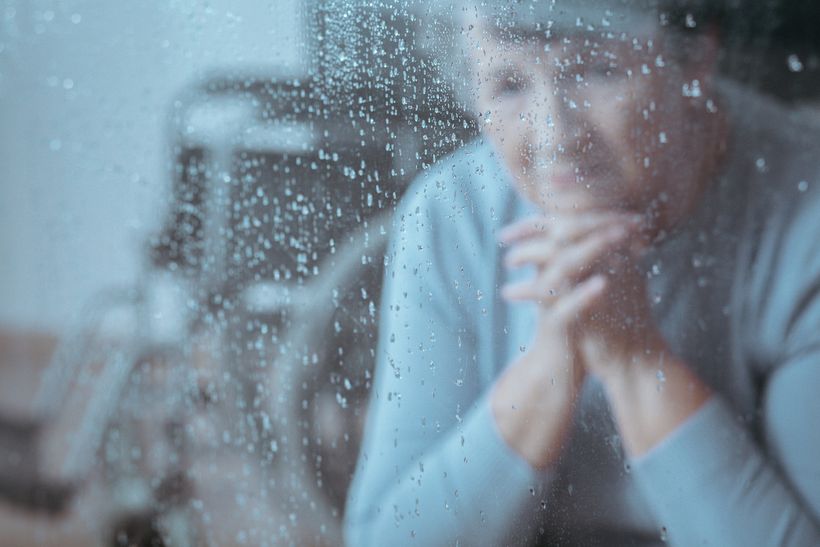
Each year, an estimated 5 million older adults are abused, neglected or exploited, according to the Administration for Community Living. Gerontology expert James Ellor, Ph.D., M.Div., professor in Baylor University’s Diana R. Garland School of Social Work, shares what elder abuse looks like and how people can respond if they see the signs. Reports of abuse are most often submitted by family members, hospital staff and law enforcement. But churches and other organizations should also be diligent, Ellor said, adding that clergy are considered mandatory reporters in many states. “No one group of caring persons can solve this problem alone; it takes a community of caring lay and professional leaders to even try to start to make a difference,” Ellor said. “If signs are noticeable, the next steps will depend on the type of abuse. In most cases, counseling support is critical, but often the need for medical help or legal help is also very important.” Elder abuse – intentional or negligent acts by a caregiver or trusted individual – comes in many forms: neglect or isolation, physical abuse, sexual abuse, exploitation or financial abuse, emotional and psychological abuse, verbal abuse and threats. Physical Abuse Like any other form of physical abuse, physical abuse incudes odd bruising, broken bones or contusions that are not easily explained, Ellor said. One sign that quickly raises suspicion is when broken bones or bruises happen repeatedly. Drug overdoses or the withholding of drugs are also challenging. Emotional abuse Ellor said this could include yelling at the senior, humiliating him or her, blaming and/or scapegoating. Sexual abuse “This is contact without consent,” Ellor said. “We see this often between spouses, particularly when one spouse has dementia.” Neglect “Possibly one of the most common categories, it simply means not taking the time to respond to a wide variety of needs when one is the designated caregiver,” Ellor said. Financial exploitation “Laws governing guardianship and power of attorney try to address this, but family members who take money from seniors as cash or property are the most common culprits,” Ellor explained. Fraud This can involve financial exploitation or even heath care fraud, but it generally involves either over-charging, selling unnecessary benefits of something, or it may include trying to sell something that would benefit one’s children, Ellor said. Self-Neglect “Some seniors simply choose to not help themselves, often in the name of leaving money or property to family members,” Ellor said. “Evidence of this could be that they don’t purchase needed medications or other resources.” Report suspected mistreatment to local adult protective services, long-term care ombudsman or law enforcement agencies that can investigate the situation. ALSO READ: "Gerontology Expert: Six Questions You Should Ask Before Choosing a Nursing Home" SEE: Baylor University's Directory of Faculty Experts ABOUT JAMES ELLOR, PH.D. James Ellor, Ph.D., M.Div., is a professor in Baylor University’s Diana R. Garland School of Social Work. Ellor works with older adults around issues of mental and spiritual health. He has served on the executive committee of the Midwestern Geriatric Education Center and provided education, counseling and planning for individuals and groups who work with seniors. His research includes work in entrostomal therapy, hunger, the church as service provider, spiritual assessment and intervention techniques with cognitively impaired older adults. ABOUT BAYLOR UNIVERSITY Baylor University is a private Christian University and a nationally ranked research institution. The University provides a vibrant campus community for more than 17,000 students by blending interdisciplinary research with an international reputation for educational excellence and a faculty commitment to teaching and scholarship. Chartered in 1845 by the Republic of Texas through the efforts of Baptist pioneers, Baylor is the oldest continually operating University in Texas. Located in Waco, Baylor welcomes students from all 50 states and more than 80 countries to study a broad range of degrees among its 12 nationally recognized academic divisions. ABOUT DIANA R. GARLAND SCHOOL OF SOCIAL WORK Baylor University’s Diana R. Garland School of Social Work is home to one of the leading graduate social work programs in the nation with a research agenda focused on the integration of faith and practice. Upholding its mission of preparing social workers in a Christian context for worldwide service and leadership, the School offers a baccalaureate degree (B.S.W.), a Master of Social Work (M.S.W.) degree and three joint-degree options, M.S.W./M.B.A., M.S.W./M.Div. and M.S.W./M.T.S., through a partnership with Baylor’s Hankamer School of Business and George W. Truett Theological Seminary, and a Ph.D. program. Visit www.baylor.edu/social_work to learn more.
Baylor Researchers Awarded Grant to Develop Diabetes Mobile Health App for Use in India
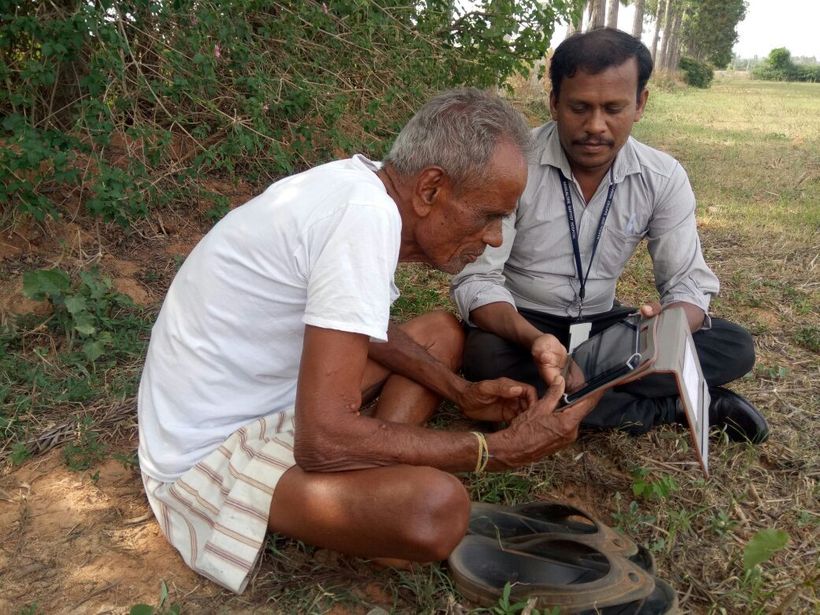
An interdisciplinary team of Baylor University researchers – from nursing and business information systems to art and video game design – and physicians from Bangalore Baptist Hospital in Bengaluru, India, were awarded a 21st Century Knowledge Initiative Grant from the U.S. India Education Foundation (USIEF) to develop a diabetes mobile health app to boost awareness and educate those in India who are most at risk for diabetes. The team is led by Shelby Garner, Ph.D., R.N., assistant professor in Baylor’s Louise Herrington School of Nursing, who has worked in India over the past six years to develop technological health resources. She cited statistics from the World Health Organization that show life expectancy in India is among the lowest in the South East Asian Region and is largely attributed to growing rates of non-communicable diseases, such as diabetes. Contextualized health education is one key to help raise awareness in the country, she said. “There is a need for culturally appropriate health education materials in India,” Garner said. “Our early research showed that technology, such as smartphones and internet accessibility, are widely available in India among health providers, but most technological educational resources were developed in the West and do not effectively translate to the Indian context.” Physicians from Bangalore Baptist Hospital will provide cultural context and help identify important medical content to be included in the app. “Our diabetes app will feature an interactive 3D animated video with gaming features to help educate patients at risk for diabetes,” Garner said. “Answers to questions addressed in the app include: What is diabetes? What happens if I have diabetes? How do I prevent and treat diabetes? What do I do now?” The app also serves as a data collection tool to help researchers determine if the video is improving participants’ knowledge on diabetes. Community health workers employed by Bangalore Baptist Hospital will use the app as they visit with people in rural villages and urban slums during door-to-door health education visits, Garner said. The research team will compare the app’s effectiveness with standard health educational resources previously used. Garner said the USIEF grant was awarded, in large part, due to the success of an earlier project that led to the development of a hypertension app. “Earlier this year, we tested the hypertension app among 346 people in one of the largest slums in Bengaluru, India, and in several rural villages surrounding Bengaluru,” she said. “The app was significantly effective in improving knowledge among participants. We used these results to justify the need to design more resources and applied for funding from the U.S. India Education Foundation.” From previous experience developing and employing the hypertension app, Garner said she knew this new project would require input from a variety of perspectives. “I’ve realized some of the ‘big picture’ challenges in health education, and it will take a team of experts to make this happen,” she said. Team members are: • Shelby Garner, Ph.D., R.N., assistant professor in Baylor’s Louise Herrington School of Nursing • Dr. Carol Elizabeth George, community health physician, Bangalore Baptist Hospital • Dr. Gift Norman, community health physician, Bangalore Baptist Hospital • Dr. Kingsly Victor, internal medicine physician, Bangalore Baptist Hospital • Hope Koch, Ph.D., associate professor of business information systems, Baylor’s Hankamer School of Business • Phil Young, Ph.D., assistant clinical professor of business information systems, Baylor’s Hankamer School of Business • Julia Hitchcock, M.F.A., associate professor of art, Baylor’s College of Arts & Sciences • Matthew Fendt, Ph.D., lecturer in computer science, Baylor’s School of Engineering and Computer Science The grant also will fund exchange teams of researchers and faculty from India to come to the U.S. and for Baylor team members to go to India to collaborate on the research for the next two years. The first team from India is due in late October. “We are really excited about the work we will do together with our Indian partners over the next two years,” Garner said. ABOUT BAYLOR UNIVERSITY Baylor University is a private Christian University and a nationally ranked research institution. The University provides a vibrant campus community for more than 17,000 students by blending interdisciplinary research with an international reputation for educational excellence and a faculty commitment to teaching and scholarship. Chartered in 1845 by the Republic of Texas through the efforts of Baptist pioneers, Baylor is the oldest continually operating University in Texas. Located in Waco, Baylor welcomes students from all 50 states and more than 80 countries to study a broad range of degrees among its 12 nationally recognized academic divisions. ABOUT LOUISE HERRINGTON SCHOOL OF NURSING The Baylor University Louise Herrington School of Nursing (LHSON) located in Dallas was established in 1909 as a diploma program within Baylor Hospital in Dallas, which is now Baylor University Medical Center, and in 1950 became one of the six degree-granting schools of Baylor University. The first Baccalaureate degrees were granted in 1950 establishing the school among the earliest baccalaureate nursing programs in the United States. In 1999, the School was renamed the Baylor University Louise Herrington School of Nursing after Louise Herrington Ornelas, a 1992 Baylor Alumna Honoris Causa, who made an endowment gift to the school. Accredited by the Commission on Collegiate Nursing, LHSON offers Bachelor of Science in Nursing (B.S.N.) degrees through a traditional program and FastBacc (one-year accelerated program). LHSON also offers an online Master of Science in Nursing (M.S.N.) Leadership and Innovation program, as well as Doctor of Nursing Practice (D.N.P.) programs to include Family Nurse Practitioner (F.N.P.), Nurse-Midwife (C.N.M.) and Neonatal Nurse Practitioner (N.N.P.). LHSON was featured in U.S. News & World Reportfor the 2018Best Graduate Schools ranking the D.N.P.program in the top 50 U.S.nursing schools at No. 46. The Baylor M.S.N.program is ranked at No. 56and the Nurse Midwifery Program ranked No. 10. Baylor’s M.S.N. in Nursing Leadership andInnovation Online Program ranked No. 39 in the 2018U.S. News Best Online Graduate Programs. For more information, www.baylor.edu/nursing.

America needs a million more nurses – Cedar Crest College is working to fill the void
The United States is facing a critical nursing shortage. According to the American Nurses Association, the U.S. will need to produce more than one million new registered nurses by 2022 to fulfill its health care needs. Cedar Crest College believes its upcoming Nursing Orientation Bootcamp is a critical step on the path to creating nursing leaders, which is the goal of the School of Nursing. This Thursday, Cedar Crest College’s School of Nursing will welcome dozens of students to campus for Nursing Orientation Bootcamp. The purpose of the bootcamp is to prepare students and get them excited about starting the undergraduate nursing program at Cedar Crest College. Nursing faculty and staff will host a number of activities, from exam prep to a scavenger hunt. Approximately 60 students entering their junior year are expected to attend and will be wearing their nursing uniforms for the first time. “If we can start these students off on the right foot, they will have a better chance of succeeding in the program,” said Dr. Wendy Robb, Dean of the Cedar Crest College School of Nursing. “We are confident that in two years, these students will be prepared to enter the workforce to help combat the nursing shortage.” Nursing Orientation Bootcamp Hamilton Boulevard Building Cedar Crest College 100 College Drive, Allentown, Pa. 18104 Thursday, August 16 8:30 a.m.-2 p.m. *The best opportunity for photos and video will be during the scavenger hunt and handwashing demonstration from 12:30-1:45 p.m. Media Contact: Katie Kennedy, 610-740-3790 or katie.kennedy@cedarcrest.edu Source:


Cedar Crest Adds Advanced Degrees as Need for Nurses Grows
Cedar Crest College is celebrating National Nurses Week as it launches new advanced nursing degree programs. The new Master of Science in Nursing (MSN) programs will launch this August, with the Doctor in Nursing Practice (DNP) to follow. The decision to establish the DNP and add new MSN programs was based on both internal and external demand in the field. Internally, nearly 68 percent of the college’s nursing students indicated that they planned to pursue an advanced degree after earning their BSN. Externally, chief officers from major health care networks in the region encouraged Cedar Crest to pursue this program due to the high demand for nurse practitioners. In 2010, the Institute of Medicine issued a report calling on the country to double the number of nurses with doctorate degrees by 2020. Cedar Crest College’s nursing department prides itself in preparing students to make a difference for their patients, community and world. In 2017, the College’s Registered Nursing Program was ranked number two in the nation by the Community for Accredited Online Schools. Our experts can talk about the industry demand for nurses with advanced degrees and the career outlook for nurses. Source: