
Experts Matter. Find Yours.
Connect for media, speaking, professional opportunities & more.
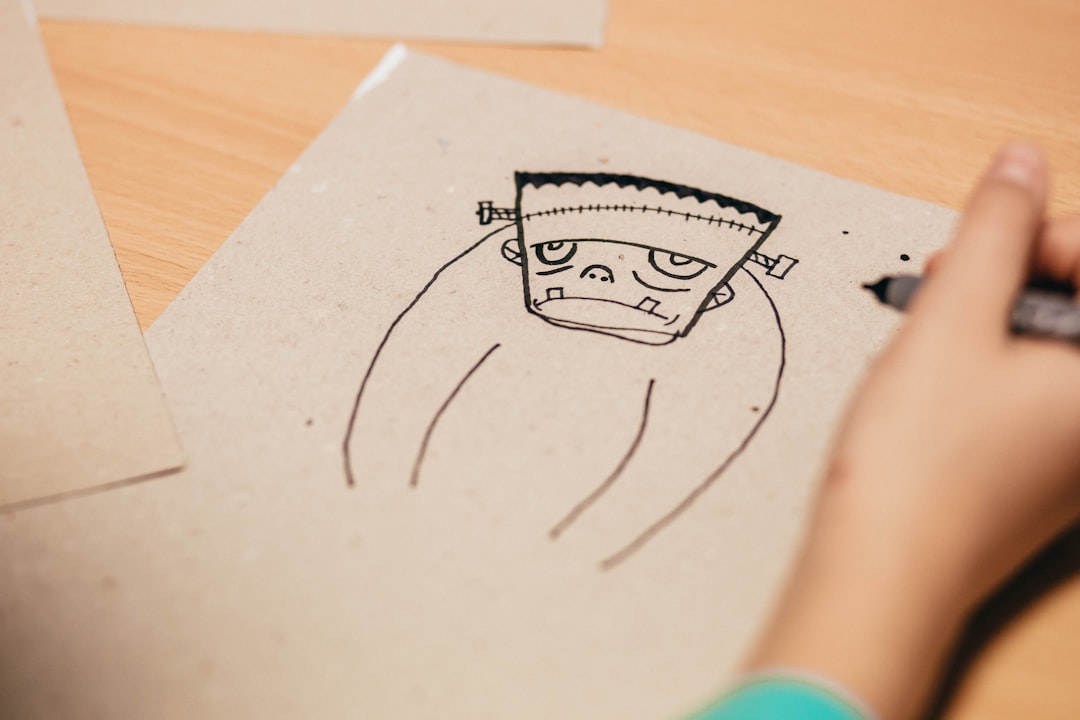
Have you ever wondered why we just can't get enough of the creatures hiding beneath our beds and lurking in the shadows? Whether it's watching a spine-tingling horror movie or telling ghost stories around the campfire, Americans have a long-standing love affair with all things spooky and scary. But what's driving this fascination? Persephone Braham is a Professor of Spanish & Latin American Studies at the University of Delaware and has those answers. She can talk about monsters in a variety of ways including the following: Monsters are therapeutic. They act out our fears – and our fantasies. We love to hate monsters. They channel our anxieties and expose our desires. Monsters sneak into our dreams, stalk us in the dark and make us scream. Why do we love them? Have you hugged a monster today? Why do we need monsters? They keep us from crossing the line. Who believes in monsters? Anyone who considers themselves human. What are monsters, and why do we need them? From ghosts to vampires, every culture has its favorite monsters. Halloween scream: Why we like to play vampires. Who decides what a monster is? You do! Why do zombies want your brains? Monsters and eerie tales serve as representations of our internal anxieties and societal fears. They act as metaphors for the complex emotions and situations we encounter. Braham can give this context and more. She can be contacted by emailing mediarelations@udel.edu.

New path to combating global malnutrition found in soil
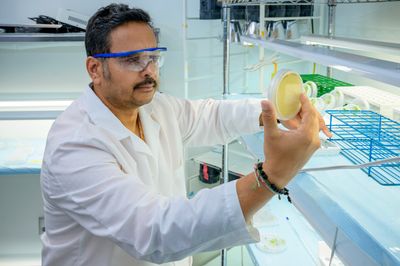
A new University of Delaware study has found that a naturally occurring soil microbe can boost protein-building amino acids in wheat. The finding by UD's Harsh Bais and others could pave the way for nutrient-rich staple crops — helping combat global malnutrition as fluctuations in weather reduce crop quality. In the study, published in the journal Frontiers in Microbiology, Bais and a team of researchers from UD, Stroud Water Research Center and the Rodale Institute investigated how a bacteria naturally found in the soil that is beneficial to human health can enhance the levels of the amino acid and antioxidant ergothioneine in spring wheat. The researchers grew the spring wheat — one of the most widely consumed cereal crops — in a laboratory. After letting the seeds germinate and grow for seven days, they added a strain of bacteria called Streptomyces coelicolor M145 to the spring wheat roots. After combining the bacteria and the plant, they separated the plant’s leaves and roots. Then, they extracted the amino acid ergothioneine from the samples, working to determine how much protein was in the plant’s roots and shoots. They found that 10 days after S. coelicolor had been added to the spring wheat roots, the bacteria was able to inhabit spring wheat’s roots and shoots, producing ergothioneine, bypassing the plant’s innate defense mechanisms, and fortifying the spring wheat. Wheat roots were inoculated with the benign bacteria Streptomyces coelicolor. The image shows the presence of bacteria on the root hairs on day 5. “It’s unusual," Bais said. “Unless there is a mutual advantage for either the plant or the microbe.” The findings suggest that an alternative plant breeding approach could be utilized to associate plants with benign microbes to increase protein content in staple crops. All of our cereal crops are very low in protein. Think rice and breakfast cereals, common foods people eat, derived from these crops. “This approach of harnessing a natural association of microbes with plants may facilitate fortifying our staple crops, enhancing global nutritional security,” Bais said. Bais said he believes using microbes to transport nutrients depends on the microbes’ relationship with plants’ roots. He continues to work to catalyze the colonization of plant roots by beneficial microbes. "Establishing a partnership with the appropriate types of microbes or microbial consortia for plants represents a method of engineering the rhizosphere — the region of the soil near plant roots — to foster a more favorable environment for either microbial associations that stimulate plant growth traits or enhance nutrient availability, which is the path forward,” Bais said. Bais, a professor of plant biology who was named a UD Innovation Ambassador earlier this year, said plants’ “below-ground” traits, such as how nutrient-dense they are, have long been overlooked. “As far as food security, we will have significant challenges by 2050 when the world’s population doubles,” Bais said. “We incentivize our farmers for crop yield; we don’t incentivize them for growing nutrient-dense crops. Growing nutrient-dense plants will enable the population to be fed better and avoid any potential nutrient deficiencies.” The study was funded by the U.S. Department of Agriculture and the Foundation for Food and Agriculture Research. Scientists have become more interested in soil bacteria as a means to solve issues with malnutrition and nutrient deficiencies. Alex Pipinos, the lead author and a UD Class of 2025 graduate with a master’s in microbiology, said environmental conditions are one factor diminishing protein content in plants. “Essentially, crops are becoming less nutrient-dense,” Pipinos said. “The more nutrients in crops, the more healthy humans can be.” Pipinos points to a strong link between soil microbes, plant health and human health. Ergothioneine, she said, has already been shown to lower the risk of cardiovascular disease. It’s also been shown to combat cognitive decline, with a strong link to healthy cognitive aging. “By enhancing ergothioneine in plants, we can improve human health,” Pipinos said. To reach Bais directly and arrange an interview, visit his profile and click on the contact button. Reporters can also contact UD's Media Relations Department.


With the opening of a new cardiology practice at its Wilmington campus, ChristianaCare is bringing life-saving treatment for peripheral artery disease (PAD) closer to home for people who live in and around the city of Wilmington. Peripheral artery disease happens when plaque builds up in the arteries and limits blood flow to the legs. This can cause pain, cramping and difficulty walking. If left untreated, it can lead to serious problems like limb loss, heart attack or stroke. “We’re on a mission to improve the heart and vascular health of our community, and one of the key ways we do that is to identify where people need access to care and ensure that it’s convenient, high-quality and accessible. ChristianaCare’s expansion of cardiology services to the Wilmington campus has made it easier for patients in Wilmington and the surrounding community to receive excellent heart and vascular care,” said Kirk Garratt, M.D., MSc, medical director of the Center for Heart and Vascular Health. “Importantly, it’s part of a multi-disciplinary effort to bring a focus on PAD that includes vascular surgery and interventional radiology. We’re expanding those services in the Wilmington community, too.” In Delaware, an estimated 45,000 to 50,000 people are living with PAD. The condition is more common among older adults and those with diabetes, high blood pressure or a history of smoking, all of which are widespread in the state. Because symptoms can be subtle, many people may not know they have it. That’s why awareness and early diagnosis are so important. Anyone who experiences leg pain, numbness or slow-healing sores should talk with their doctor. A simple test can measure blood flow, and with the right treatment or lifestyle changes, people can ease symptoms and lower their risk of serious complications. The new practice, located in the Gateway Building at Wilmington Hospital, 501 West 14th Street, 4th Floor, offers convenient access to diagnosis and treatment in the heart of the city. The practice is open on Wednesdays from 8 a.m. to 12 p.m., and hours will be adjusted based on patient demand. Meet the Cardiologist: Dr. Vikashsingh Rambhujun Board-certified interventional cardiologist Vikashsingh Rambhujun, MBBS, has cared for ChristianaCare patients for more than a decade and now sees patients at the Wilmington practice. Rambhujun earned his medical degree from SSR Medical College in Mauritius. He completed his residency in internal medicine at the NYU Grossman Long Island School in New York and did his fellowship in cardiovascular medicine and interventional cardiology at ChristianaCare. Rambhujun also spent a year doing interventional cardiology and endovascular medicine and interventions at Yale University Hospital in New Haven, Connecticut. His research has been published widely in medical journals. Rambhujun aims to help patients manage PAD before it becomes advanced. When appropriate, he can perform minimally invasive catheter-based procedures to open blockages in the arteries. “We have new patients with blockages that haven’t progressed to the point that they need a procedure, which is where we want to catch them,” Rambhujun said. “We can manage their cholesterol, blood pressure and other risk factors to prevent disease from progressing.” When Rambhujun began practicing in Wilmington, he made it a priority to speak at local community meetings, raising awareness about the warning signs of heart and vascular disease. His message is simple but urgent: don’t wait; seek treatment early. “We’re trying to help people keep their toes and feet,” he said. “When we treat blockages from peripheral artery disease, the difference can be dramatic,” he said. “Patients who once struggled to walk even a short distance because of pain can leave the hospital able to move freely again. Helping someone reclaim their basic freedoms to walk, stay active and enjoy life is incredibly rewarding.”



From field to festival: How pumpkins grew into an autumn symbol
Type “Halloween” into your phone’s emoji search bar, and you’ll get three icons: a skull, a ghost, and a jack-o'-lantern. The skull and ghost make sense — but how did the pumpkin carve out such a starring role in our fall celebrations? Cindy Ott, associate professor of history and material culture at the University of Delaware, has the answer. She literally wrote the book on pumpkins, exploring how this humble orange gourd grew from a survival crop to a powerful symbol of American identity and nostalgia. Today, pumpkins dominate the fall season — from pumpkin pies and soups to the ever-popular pumpkin spice latte. Ott’s research uncovers how the pumpkin’s transformation from practical produce to cultural icon reflects broader shifts in American history, values, and traditions. To schedule an interview with Professor Ott, contact MediaRelations@udel.edu.

Delaware study reveals higher rates of anxiety, substance use among LGBT+ youth
A new study has found that LGBT+ youth in Delaware are experiencing disproportionately high rates of anxiety, depression and substance use compared to their cisgender heterosexual peers. University of Delaware’s Eric Layland, assistant professor in the College of Education and Human Development, and his coauthors reported that nearly one in four Delaware teens identifies as LGBT+, a dramatic increase from earlier state surveys that put the figure closer to 5%. More than one in 20 identified as transgender or nonbinary, reflecting national trends of increased visibility among Generation Z. The study revealed stark mental health differences. About half of cisgender heterosexual youth reported recent anxiety, compared to 75 to 80% of LGBT+ youth. These rates exceed both their heterosexual peers in Delaware and national averages for LGBT+ youth. Substance use patterns also raised concerns. By 8th grade, LGBT+ students reported higher rates of drinking, smoking, vaping and prescription drug misuse. Researchers noted that their substance use looked more like that of 11th grade heterosexual students than their peers in the same grade, pointing to early onset of risky behaviors. These disparities, established in middle school, largely persisted into high school. While substance use increased among all students over time, LGBT+ youth consistently reported higher rates. Based on state population data, the findings suggest there may be 18,000 to 20,000 LGBT+ youth in Delaware, including up to 5,000 transgender and nonbinary youth. The authors say this underscores the importance of ensuring that schools, healthcare providers and community programs have the resources to meet the needs of this population. This is one of the first Delaware-specific studies on youth health disparities by sexual orientation and gender identity using data collected after the height of the COVID-19 pandemic. The results, researchers say, highlight an urgent need for early intervention and affirming support systems for LGBT+ youth across the state. Layland, who specializes in LGBTQ+ development and affirmative interventions, can speak more about specific interventions. He is available by clicking his profile.

Taking discoveries to the real world for the benefit of human health
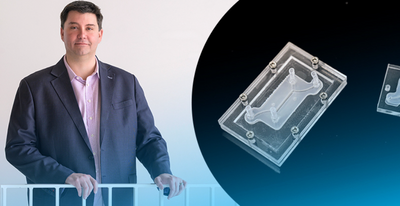
It takes about a decade and a lot of money to bring a new drug to market—between $1 billion to $2 billion, in fact. University of Delaware inventor Jason Gleghorn wants to change that. At UD, Gleghorn is developing leading-edge microfluidic tissue models. The devices are about the size of two postage stamps, and they offer a faster, less-expensive way to study disease and to develop pharmaceutical targets. These aren’t tools he wants to keep just for himself. No, Gleghorn wants to put the patented technology he’s developing in the hands of other experts, to advance clinical solutions in women’s health, maternal-fetal health and pre-term birth. His work also has the potential to improve understanding of drug transport in the female reproductive tract, placenta, lung and lymph nodes. Gleghorn, an associate professor of biomedical engineering, was named to the first cohort of Innovation Ambassadors at UD, as part of the University’s effort to foster and support an innovation culture on campus. Below, he shares some of what he’s learned about translating research to society. Q: What is the problem that you are trying to address? Gleghorn: A lot of disease has to do with disorganization in the body’s normal tissue structure. My lab makes microfluidic tissue models, called organ-on-a-chip models, that have super-tiny channels about the thickness of a human hair, where we can introduce very small amounts of liquid, including cells, to represent an organ in the human body. This can help us study and understand the mechanism of how things work in the body (the biology) or help us do things like drug screening to test therapeutic compounds for treating disease. And while these little microfluidic devices can do promising things, the infrastructure required to make the system work often restricts their use to high-end labs. We want to democratize the techniques and technology so that nonexperts can use it. To achieve this, we changed the way we make these devices, so that they are compatible with standard manufacturing, which means we can scale them and create them much easier. Gleghorn: One of the problems with drug screening, in general, is that animal model studies don’t always represent human biology. So, when we’re using animal models to test new drugs — which have been the best tool we have available — the results are not always apples to apples. Fundamentally, our microfluidic devices can model what happens in humans … we can plug in the relevant human components to understand how the mechanism is working and then ask questions about what drives those processes and identify targets for therapies to prevent the dysfunction. Q: What is innovative about this device? Gleghorn: The innovation part is this modularity — no one makes these devices this way. The science happens on the tiny tissue model insert, which is sandwiched between two pieces of clear acrylic. This allows us to watch what’s happening on the tissue model insert in real time. Meanwhile, the outer shell’s clamshell design provides flexibility: if we’re studying lung tissue and we want to study the female reproductive tract, all we do is unscrew the outer shell and insert the proper tissue model that mimics the female reproductive tract and we’re off. We’ve done a lot of the engineering to make it very simple to operate and use, and adaptable to common lab tools that everyone has, to eliminate the need for financial investment in things like specialized clean rooms, incubators and pumps, etc., so the technology can be useful in regular labs or easily deployable to far-flung locations or countries. With a laser cutter and $500 worth of equipment, you could conceivably mass manufacture these things for maternal medicine in Africa, for example. Democratizing the technology so it is compatible and useful for even an inexperienced user aligns with the mission of my lab, which focuses on scaling the science and the innovation faster, instead of only a few specialized labs being a bottleneck to uncovering new mechanisms of disease and the development of therapies. We patented this modularity, the way to build these tiny microfluidic devices and the simplicity of how it's used as a tool set, through UD’s Office of Economic Innovation and Partnerships (OEIP). Q: How have you translated this work so far? Gleghorn: To date, we've taken this microfluidic system to nine different research labs across seven countries and four continents — including the United States, the United Kingdom, Australia, France, Belgium and South Africa. These labs are using our technology to study problems in women’s health and collecting data with it. We’re developing boot camps where researchers can come for two or three days to the University of Delaware, where we teach them how to use this device and they take some back with them. From a basic science perspective, there is high enthusiasm for the power of what it can tell you and its ease of use. As engineers, we think it's pretty cool that many other people are using our innovations for new discoveries. Q: What support and guidance have you received from the UD innovation ecosystem? Gleghorn: To do any of this work, you need partners that have various expertise and backgrounds. UD’s Office of Economic Innovation and Partnerships has built a strong team of professionals with expertise in different areas, such as how do you license or take something to patent, how do you make connections with the business community? OEIP is home to Delaware’s Small Business Development Center, which can help you think about business visibility in terms of startups. Horn Entrepreneurship has built out impressive programs for teaching students and faculty to think entrepreneurially and build mentor networks, while programs like the Institute for Engineering Driven Health and the NSF Accelerating Research Translation at UD provide gap funding to be able to do product development and to take the work from basic prototype to something that is more marketable. More broadly in Delaware is the Small Business Administration, the Delaware Innovation Space and regional grant programs and small accelerators to help Delaware innovators. Q: How have students in your lab benefited from engaging in innovation? Gleghorn: Undergraduate students in my lab have made hundreds of these devices at scale. We basically built a little manufacturing facility, so we have ways to sterilize them, track batches, etc. We call it “the foundry.” In other work, graduate students are engineering different components or working on specific system designs for various studies. The students see collaborators use these devices to discover new science and new discoveries. That's very rewarding as an engineer. Additionally, my lab focuses on building solutions that are useful in the clinic and commercially viable. As a result, we've had two grad students spin out companies related to the work we've been doing in the lab. Q: How has research translation positively impacted your work? Gleghorn: I started down this road maybe five years ago, seriously trying to think about how to translate our research findings. Being an entrepreneur, translating technology — it's a very different way to think about your work. And so that framework has really permeated most of the research that I do now and changed the way I think about problems. It has opened new opportunities for collaboration and for alternate sources of funding with companies. This has value in terms of taking the research that you're doing fundamentally and creating a measurable impact in the community, but it also diversifies your funding streams to work on important problems. And different viewpoints help you look at the work you do in new ways, challenging you to define the value proposition, the impact of your work.

ChristianaCare Breaks Ground on New Middletown Health Center
ChristianaCare today broke ground on its new Health Center at Middletown, marking a major milestone in bringing expanded, affordable and exceptional care to families in southern New Castle County and northern Kent County. The center is expected to open in spring 2027. The $92.3 million project reflects a deep investment in the health and vitality of the region and is part of ChristianaCare’s larger plan, announced in July, to invest more than $865 million in Delaware over the next three years. The 87,000-square-foot Health Center will rise at 621 Middletown Odessa Road, next to ChristianaCare’s existing freestanding emergency department. Designed as a modern, multidisciplinary hub, the facility will expand access to comprehensive services and create more than 70 new full-time jobs, boosting both community health and the local economy. “Today we take an exciting step forward for Delaware, as part of ChristianaCare’s $865 million investment to expand access and strengthen health across our state,” said Janice E. Nevin, M.D., MPH, President and CEO of ChristianaCare. “This new health center is a promise to Delawareans: that they will have access to exceptional care close to home, delivered with love and excellence. More than a building, it represents our vision for healthier communities, our deep commitment to those we serve, and a future where every neighbor can thrive.” A Holistic, Patient-Centered Experience The ChristianaCare Health Center at Middletown will bring together a wide range of services in one convenient location, including: Primary and specialty care. Women’s health, behavioral health, oncology, cardiovascular care, pediatrics, neurology, imaging, diagnostics and lab testing. Hybrid exam rooms with interactive digital tools that allow family members to join virtually. Calming waiting areas with sensory-sensitive design features, plus friendly floor ambassadors to help patients navigate the building. Healing environments that include walking trails and abundant natural light. “We are designing care around people, not around appointments or buildings,” said Pauline Corso, president of Ambulatory Network Continuity and Growth at ChristianaCare. “From easy parking to advanced care coordination, every detail of this new center is aimed at making health care more welcoming, more connected and more human.” A Community Partnership ChristianaCare has been part of the Middletown community since 2009, when it first acquired the land that is now home to the freestanding emergency department. Last year, that facility provided care for more than 32,000 patient visits. “This groundbreaking is a proud moment for our town,” said Ken Branner, mayor of Middletown. “ChristianaCare has been a trusted partner for many years, and this new facility shows a lasting commitment to our residents. It will bring top-quality care closer to home and create good jobs right here in our community.”

Aging in context: Why culture matters in discussions on menopause
How do we age? Why do we age? And why are experiences of menopause and midlife so different across cultures? These are the driving questions behind the work of Melissa Melby, a medical anthropologist and professor at the University of Delaware. For more than 25 years, Melby has been exploring how biology and culture intersect to shape the way people experience aging and menopause. Her new book, Reframing Aging: Insights from Biology and Culture of Midlife Japanese, introduces a biocultural framework that goes beyond the “what” of aging to ask both how (the immediate mechanisms) and why (the deeper evolutionary reasons) we age and experience menopause the way we do. By weaving together insights from evolutionary biology, anthropology, medicine and lived experience, Melby challenges what many consider to be the “normal” path of midlife. Her research highlights how cultural expectations, medical practices, social structures and lifestyle habits can profoundly influence not just how symptoms are treated – but how they are perceived in the first place. What may be pathologized in one society could be understood as a natural stage of life in another. As conversations around women’s health, longevity and healthy aging gain overdue attention, Melby’s cross-disciplinary expertise offers journalists a fresh lens for exploring some of the most universal – and misunderstood – aspects of human life. For stories that bridge science, culture and health, Melby provides a rare perspective: one that reframes aging and menopause not as fixed biological destinies, but as experiences shaped by the complex interplay of our bodies, histories, and communities. Reporters interested in speaking to Melby can email mediarelations@udel.edu.

ChristianaCare’s Virtual Primary Care practice at the Center for Virtual Health has earned full accreditation from the National Committee for Quality Assurance (NCQA), placing it among the first health systems in the nation to achieve this distinction. ChristianaCare was one of only 18 organizations invited to participate in NCQA’s inaugural pilot program in 2023 to develop the Virtual Care Accreditation. The recognition affirms ChristianaCare’s leadership role in shaping the future of health care and its commitment to delivering accessible, equitable and patient-centered care through innovative digital platforms. “This accreditation is a powerful validation of our vision to reimagine health care,” said Sarah Schenck, M.D., FACP, executive director of ChristianaCare’s Center for Virtual Health. “We’ve built a model that meets people where they are—at home, at work or on the go—with care that is personal, proactive and powered by love and excellence.” What Accreditation Means for Patients NCQA accreditation underscores that ChristianaCare’s Center for Virtual Health meets rigorous standards for: Clinical quality and safety: clear care protocols, escalation pathways and outcome monitoring. Access and equity: technology, language and disability-inclusive design that extends care to more people. Data privacy and security: strong safeguards to protect personal health information. ChristianaCare’s participation in NCQA’s pilot helped shape the benchmarks now used nationwide. The center delivers comprehensive virtual primary care through a multidisciplinary team that includes physicians, nurses, nurse practitioners, behavioral health specialists, pharmacists and patient digital ambassadors. Virtual Care by the Numbers In 2024, ChristianaCare’s Center for Virtual Health provided more than 7,500 patient visits, reflecting both rapid growth and strong demand for its virtual-first model. Services are offered at no copay to ChristianaCare caregivers and their dependents, while availability continues to expand across Delaware and the region “At ChristianaCare, we believe virtual care isn’t just a convenience, it’s a catalyst for better health outcomes,” said Brad Sandella, D.O., MBA, medical director, Ambulatory Care for the Center for Virtual Health. “This accreditation affirms our commitment to innovation and excellence. We’re proud to be among the pioneers defining what high-quality virtual care looks like in America.” Beginning in 2026, ChristianaCare will expand its Virtual Primary Care practice, giving a broader consumer audience convenient access to primary care. At that time, the service will be covered by most insurance carriers and continue to feature dedicated providers in areas such as behavioral health and neurology. ChristianaCare will also continue working with NCQA and other partners to advance best practices nationwide.

First in Delaware to Offer Breakthrough Tricuspid Valve Disease Treatments
For the first time in Delaware, patients with tricuspid valve disease have access to two new FDA-approved, minimally invasive procedures that can repair or replace a failing heart valve without the need for open-heart surgery. The tricuspid valve helps keep blood moving in the right direction through the heart. When it doesn’t close properly — a condition known as tricuspid valve regurgitation — blood leaks backward, forcing the heart to work harder. Over time, patients can experience fatigue, shortness of breath and swelling in the legs and ankles. ChristianaCare’s Center for Heart & Vascular Health is among the first in the nation and the first in the state to offer these advanced procedures, which can restore valve function and improve quality of life. “ChristianaCare continues to innovate in the area of non-surgical valve procedures,” said Kirk Garratt, M.D., MSc, medical director of the Center for Heart & Vascular Health. “We now offer every FDA-approved therapy for tricuspid valve disease, which means we can tailor treatment to each patient and choose the option that best fits their condition.” New Procedures Offer Hope for Patients ChristianaCare offers these minimally invasive procedures to treat tricuspid valve regurgitation: TriClip, which repairs a leaky tricuspid valve. A staple-like clip is attached to the flaps of the valve that don’t close properly, which stops the valve from leaking. EVOQUE, which replaces a faulty tricuspid valve. When the new valve is placed, it uses the patient’s own tricuspid valve as an anchoring system. The new valve takes over for the leaky valve, correcting the problem. “Most of our patients with tricuspid valve disease are older adults, and they really do not desire to travel to Philadelphia for treatment,” said Erin Fender, M.D., an interventional cardiologist at the Center for Heart & Vascular Health. ChristianaCare’s tricuspid valve disease program enables patients to stay in Delaware for treatment and receive this leading-edge care. Fender and interventional cardiologist James Hopkins, M.D., performed ChristianaCare’s first TriClip procedure in August. In September, they performed ChristianaCare’s first EVOQUE procedure. Minimally Invasive, Maximum Impact During both procedures, an IV catheter is inserted into a vein at the top of the leg. A hollow tube is threaded through the IV and into the heart, allowing the clip or replacement valve to access the tricuspid valve. The entire procedure is guided by echocardiogram and generally takes one to two hours. “Patients are usually up and walking later that evening or the next morning, depending on what time of day the procedure was done,” Fender said. “They’re typically discharged the following day.” In the past, open-heart surgery was the only treatment for tricuspid valve disease, but patients with severe symptoms usually weren’t good surgical candidates. “When I was a fellow, I did research focused on tricuspid regurgitation at a time when patients really had no therapeutic options,” Fender said. “Now, being able to offer people therapy that’s so safe and effective, with minimal downtime afterwards, is absolutely transformative to our patients. It’s delightful to see the evolution.” Expanding the Toolbox of Innovation The TriClip and EVOQUE are two of the most recent minimally invasive procedures performed at the Center for Heart & Vascular Health. Other recent innovative, minimally invasive heart and vascular procedures include: Pulsed field ablation for atrial fibrillation. A-fib arises when abnormal heart tissue mistakenly prompts electrical impulses, causing heart palpitations, chest pain and shortness of breath. Pulsed field ablation safely destroys the abnormal tissue quicker and more consistently than other treatments, such as freezing (cryoablation) or heating (radiofrequency ablation). Genicular artery embolization for mild to moderate knee pain. Osteoarthritis can cause inflammation and pain within the knee, which can limit a patient’s mobility. Genicular artery embolization pinpoints areas of inflammation within the knee, and tiny bead-like particles are placed within the blood vessels to block blood flow to those areas. The procedure reduces pain and improves mobility. National Recognition for Excellence ChristianaCare’s Center for Heart & Vascular Health continues to earn national recognition as one of the nation’s premier destinations for cardiovascular care. Most recently, the Center received the HeartCare National Distinction of Excellence award from the American College of Cardiology for the 6th consecutive year. This award honors hospitals that consistently deliver superior medical, surgical and radiologic care aligned with the most rigorous standards of the American College of Cardiology. The award reflects ChristianaCare’s commitment to ensuring patients receive the best, evidence-based care for every cardiovascular need. That excellence is further affirmed by U.S. News & World Report, which named ChristianaCare a High Performing hospital in its 2025—2026 Best Hospitals rankings for aortic valve surgery, heart bypass surgery and heart failure. The Center for Heart & Vascular Health is among the largest and most advanced programs on the East Coast, uniquely integrating cardiac surgery, vascular surgery, vascular interventional radiology, cardiology and interventional nephrology in one location. In 2024, its expert clinical teams performed nearly 200,000 patient procedures, underscoring the depth of experience and patient-centered care that set ChristianaCare apart.