
Experts Matter. Find Yours.
Connect for media, speaking, professional opportunities & more.

ChristianaCare Hospital, West Grove to Open Mid-August 2025
ChristianaCare is opening its first neighborhood hospital in the company’s 188 year history — ChristianaCare Hospital, West Grove. Set to open in mid-August, this facility offers a new model of emergency and acute care right in the heart of southern Chester County. The exact opening date will be confirmed following final inspection by the Pennsylvania Department of Health, which is scheduled to occur in the first week of August. A Modern Hospital, Right in the Neighborhood Located at 1015 West Baltimore Pike, the 20,000-square-foot hospital will operate 24/7, offering around-the-clock care in a modern, easy-to-access setting. Developed in partnership with Emerus Holdings, Inc., the nation’s leading developer of neighborhood hospitals, this facility brings high-quality acute and emergency care directly into the community. It will be staffed with board-certified emergency physicians, skilled nurses and clinical specialists, all dedicated to delivering patient-first, efficient and compassionate care. “It’s an honor and privilege to expand access to high-quality care for our neighbors in southern Chester County,” said Janice Nevin, M.D., MPH, president and CEO of ChristianaCare. “We will be opening our doors for the families in this community with a steadfast commitment to being their trusted health care partner. We’re grateful for the opportunity to bring love and excellence to those we will serve.” Convenient, Comprehensive Services ChristianaCare Hospital, West Grove is designed to meet a wide range of everyday medical needs. Key features include: A full-service emergency department with 10 treatment rooms. A 10-bed inpatient unit for overnight stays, observation and diagnostics. Advanced imaging and lab services, including ultrasound, CT scan and X-ray. Virtual access to specialists in such areas as cardiology, critical care and infectious disease. The emergency department is equipped to treat conditions such as falls, injuries, heart attacks and strokes. Patients requiring surgery or more complex care will be stabilized and seamlessly transferred to a hospital with more expanded service offerings based on the clinical needs of the patient. “This neighborhood hospital brings the right mix of services to support the health and well-being of our neighbors,” said Pauline Corso, president of ambulatory network continuity and growth at ChristianaCare. “We’re excited to bring care close to home to meet the needs of the community. We’re here to stay and grow alongside this community.” The project has received strong local support and was made possible in part by generous grants from the Commonwealth of Pennsylvania and the Chester County Board of Commissioners — Josh Maxwell, Marian Moskowitz, and Eric Roe — whose leadership helped bring this vision to life. Health Center Expands Access to Primary and Specialty Care As part of its long-term investment in the West Grove Campus, ChristianaCare has also purchased the building at 900 W. Baltimore Pike, across the street from the hospital. This facility currently houses a ChristianaCare primary care practice and imaging services, offering walk-in X-rays and scheduled mammography and ultrasound appointments. This health center will continue to evolve to meet the growing needs of the community. Meeting Regional Needs with a Broader Vision ChristianaCare is expanding its neighborhood hospital model to address care gaps across southeastern Pennsylvania. New hospitals are being planned for Aston and Springfield Townships in Delaware County, with the Aston location already under construction and expected to open in late 2026. In addition, ChristianaCare was the successful bidder for Crozer Health outpatient centers in Glen Mills, Havertown, Broomall and Media, further strengthening its regional footprint and ability to deliver timely, high-quality care. A Legacy of Care in Southeastern Pennsylvania ChristianaCare’s presence in the region is long-standing. The organization currently provides primary care at three Chester County locations — Kennett Square, Jennersville and West Grove — and recently opened a cardiology practice in West Grove. In neighboring Delaware County, the Concord Health Center in Chadds Ford offers a wide range of services, including primary care, women’s health, sports medicine, and behavioral health. Together, these sites serve as the medical home for more than 25,000 residents, underscoring ChristianaCare’s deep commitment to delivering accessible, high-quality care where it’s needed most.


Hiring Gen Z: What employers keep getting wrong
As with any new generation entering the workforce, Gen Z possesses unique tools and strengths but also experiences challenges trying to land that first job where Millennials, Gen X-ers and Baby Boomers are doing the hiring. University of Delaware career expert Jill Gugino Panté can talk about how employers can address gaps in the hiring process and communication issues as they relate to a generation that prioritizes work with purpose, authentic connections and work-life balance. Panté, director of the Lerner Career Services Center at the University of Delaware, pointed to the following three areas that should be prioritized: • Transparency. Gen Z wants to feel special and appreciates individual attention, Panté said. Employers should make the hiring process transparent and respond to emails. During busy times, they should use an out of office message that states when they will respond. • Clarity. Make details about salary, benefits, flexibility, skill building and career advancement clear. These details should be on a company's careers page so that candidates have a good understanding of what they can expect. Clarity in job postings is also important: It doesn’t make sense that an entry level position requires more than two years of experience. Don’t call it entry level if it’s not entry level. • Communication mistakes. Be transparent with Gen Z candidates about the process and timeline. More importantly, stick to that process. If a change is made, they should communicate it immediately. Also, employers should be authentic in their communication. If the process is taking longer than expected or they haven’t communicated effectively, employers should acknowledge it instead of continuing to ghost applicants. To reach Panté directly and arrange an interview, visit her profile page and click the "contact" button. Interested journalists can also send an email to MediaRelations@udel.edu.



What Sydney Sweeney’s American Eagle ad reveals about beauty standards and cultural expectations
Sydney Sweeney’s latest American Eagle campaign is doing more than selling denim – it’s stirring up a heated cultural conversation. Jaehee Jung, professor of fashion and apparel studies at the University of Delaware, can discuss the ways in which this reaction says a lot about where we are as a society. A leading expert on fashion, body image and consumer behavior, Jung studies how the fashion industry shapes – and is shaped by – our expectations of beauty, identity and representation. The ad in question features Sweeney in relaxed, casual pieces aligned with American Eagle’s classic aesthetic. But online reaction has been anything but chill. While many fans praised the actress’s style and confidence, others criticized the campaign for promoting unrealistic beauty standards and lacking diverse representation. Some even called it “pro-eugenics” – an extreme accusation that points to just how charged the conversation has become. With a background in both psychological and cultural aspects of fashion, Jung is available to discuss why this campaign struck such a nerve — and what it means for the future of women’s fashion and branding. To speak with Professor Jung, visit her ExpertFile profile or contact mediarelations@udel.edu.

Beat the heat: Six expert tips to stay active and safe this summer
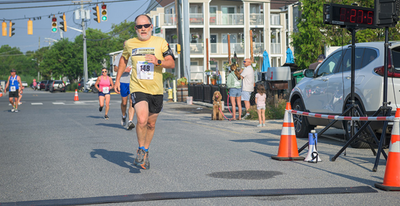
Exercising should be a priority year-round, but summer heat and humidity can challenge that commitment and make it harder to meet your daily step goal. Daniel White, associate professor of physical therapy at the University of Delaware, offers some practical tips for reporters working on stories about staying active and safe during the hottest months of the year. 1. Time it right Plan to exercise in the early morning or evening hours when temperatures are cooler. Delaware’s scenic beaches and boardwalks can be the perfect spot to catch a summer breeze or stop to enjoy the scenery while getting your steps in. 2. Prioritize hydration In the heat, people perspire more and need to replenish fluids. Always carry a water bottle with you and sip from it regularly. Dehydration can lead to lightheadedness, balance issues, muscle cramps and even heat stroke. And don’t forget sunscreen — SPF is necessary for any outdoor workout year-round. 3. Reduce the intensity It may not feel like as much of a workout, but the fact that you’re out there pounding the pavement is the most important thing. According to the U.S. Department of Health and Human Services’ Physical Activity Guidelines for Americans, movement is beneficial, and the more, the better. Performing any physical activity at half intensity far outweighs not doing it at all. 4. Opt for the indoors Pickleball has become all the rage, so finding an indoor court or other activities you can enjoy in air conditioning is a great alternative. Walking on a treadmill at the gym or getting in laps at the Christiana Mall are good options too during a heatwave. 5. Dive in Swimming and water aerobics are great ways to stay active and keep cool. Facilities like the YMCA have designated lap-swim-only hours or classes. Simply splashing around can be an easy way for those just starting their fitness journey to incorporate more movement into their days. 6. Walk with purpose The bottom line is the more you walk, the healthier you’ll be. Just 3,000 steps a day is a solid start, according to White’s studies, especially for older adults. Reaching 6,000 steps has been shown to protect against arthritis complications. But when it comes to steps, the sky’s the limit. Walking at a moderate pace, where you’ve built up a sweat, will strengthen your muscles and bones and lower your risk of cardiovascular disease and cancer. To arrange an interview with White, reporters can reach him directly by visiting his profile page and clicking on the contact button.


Shark Week: Ocean predators go from villains to heroes, helping to predict hurricanes
Just in time for Shark Week, the ocean's most famous predators are experiencing a redemption arc. Marine ecologists at the University of Delaware have fitted sharks with sensors and sent them out into the Atlantic Ocean to gather data that could help predict hurricanes. The research is led by UD professors Aaron Carlisle and Matt Oliver and PhD student Caroline Wiernicki. Enlisting sharks as amateur meteorologists comes at a critical time. The National Oceanic and Atmospheric Administration's capacity to forecast hurricanes has been hampered by federal cuts to staff and funding. Sharks also help speed things up. NOAA has partnered with UD and other Mid-Atlantic universities, which deploy gliders to the continental shelf to collect data that tell researchers what the water column looks like as hurricane season approaches. The gliders are effective but also slow moving and expensive to deploy and maintain. The researchers have successfully deployed three tags: two conductivity, temperature and depth (CTD) tags on two mako sharks (for oceanographic data collection); and a satellite tag on one white shark (to help evaluate if that species would be a good candidate for CTD tagging down the road). As of July 21, the white shark has been pinging the research team ever since he was tagged in May. He was recently tracked off Martha's Vineyard and has been surfacing every day – showing up in areas like Cape Cod and Long Island. The mako sharks were tagged off of the Delaware coast and swam south, bopping up and down between the Delmarva Peninsula and just north of Cape Hatteras. Carlisle, Oliver and Wiernicki are available for interviews. To reach Carlisle directly, visit his ExpertFile profile and click on the contact button. Interested journalists can also send an email to MediaRelations@udel.edu.


ChristianaCare and Children’s Hospital of Philadelphia (CHOP) today announce a new strategic affiliation to expand access to world-class pediatric care in Delaware and surrounding communities. The collaboration, which is expected to begin in spring 2026, will enhance access to specialized pediatric care by bringing CHOP’s renowned expertise closer to home for families in the communities ChristianaCare serves in Delaware, Maryland, Pennsylvania and New Jersey. By integrating CHOP’s services with ChristianaCare’s established network, the collaboration will improve care delivery, making advanced pediatric treatments more accessible and reducing the need for families to travel long distances for care. A Bold Step Forward in Pediatric Care “This collaboration brings together two amazing organizations that are already nationally recognized for clinical excellence—and we’re going to be even better together,” said Janice E. Nevin, M.D., MPH, president and CEO of ChristianaCare. “Our affiliation with CHOP marks a bold step forward in our mission to provide the highest quality care to children and families across the communities we serve. These are uncertain times for many parents with young children in need of routine or complex medical care. ChristianaCare and CHOP are joining forces to provide world-class care, close to home, at a time when it’s needed most.” “Bringing seamless, family-centered care to our patients is a priority at Children’s Hospital of Philadelphia,” said Madeline Bell, CEO at Children’s Hospital of Philadelphia. “As one of the region’s most dynamic health systems, ChristianaCare has earned a national reputation for its bold approaches to both clinical care and innovation. Our new affiliation is driven by a shared vision: redefining what is possible in health care and ensuring that every patient — at every stage of life — receives the highest standards of care, from infancy through adulthood.” “Our team at ChristianaCare is excited to work closely with Children’s Hospital of Philadelphia to bring even more specialized care to our community,” said Megan Mickley, M.D., chair of Pediatrics at ChristianaCare. “CHOP’s leadership in pediatric medicine will complement the outstanding care already provided at ChristianaCare, ensuring that our youngest patients receive the most advanced treatments in a compassionate and supportive environment.” Initial Focus and Future Growth This affiliation between ChristianaCare and CHOP represents a significant increase in access to world-class pediatric care for communities in Delaware, Maryland, southeast Pennsylvania and southern New Jersey. CHOP, a global leader in pediatric care and research for over 165 years, is consistently ranked among the top children’s hospitals in the country, known for pioneering breakthroughs across a breadth of pediatric care areas. The affiliation will include all ChristianaCare hospitals and locations where pediatric emergency and inpatients are cared for. The collaboration will initially focus on pediatric and neonatal services. Patients at ChristianaCare will have access to CHOP’s expertise in rare and complex diseases and a wide range of newborn and pediatric services, including surgery, cardiology, neurology, radiology, ophthalmology and genetics, as well as educational and research opportunities. As the collaboration grows, it will explore further opportunities to expand pediatric care and improve health care delivery in the region.


Study forecasted deadly flash flooding in Texas years ago
The catastrophic flooding of the Guadalupe River in Kerr County, Texas, took place at lightning speed, catching everyone off guard. But the University of Delaware's Jennifer Horney says the risk of flash flooding in the area has been increasing for more than two decades. Horney, an epidemiologist and disaster researcher at the University of Delaware, studied flash flooding in that specific area while at Texas A&M University. She can discuss the following: • This area of Central Texas was designated as “Flash Flood Alley” in 2005 by the Flood Safety Education Program. It has long had high risk from flash flooding, which have been predicted to increase in intensity. • Flash Flood Alley is the area along the Balcones Escarpment, with river valleys and steep limestone cliffs. Extreme rainfall events – the heaviest 1% of all events – have increased in frequency and magnitude by 30% since 1960. • Urbanization and population growth in this area put more people at risk and the annual number of flood fatalities in Texas typically exceeds that of all other states. Several gaps in public risk perception persist even as risks increase with few understanding the life-threatening risks of these events. To arrange an interview with Horney, visit her profile and click on the "contact" button; or contact UD media relations.


Food is medicine, and this professor has the research to prove it
For more than 20 years, Dr. Allison Karpyn has worked to understand and address food insecurity in America and beyond — studying how communities access healthy food, how policy shapes those opportunities and how local partnerships can make meaningful change. A professor in the University of Delaware’s College of Education and Human Development and co-director of its Center for Research in Education and Social Policy, Karpyn has published extensively on topics including food deserts, healthy corner store initiatives, school nutrition programs and strategies to bring farmer’s markets to underserved areas. Her work, which blends rigorous research with community-based implementation, has appeared in leading journals such as Pediatrics, Preventive Medicine and Health Affairs. Karpyn has also worked directly with nonprofit organizations, government agencies and retailers to pilot and evaluate programs designed to increase access to high-quality food in low-income neighborhoods. Her focus is on actionable, data-informed solutions to persistent challenges — from childhood hunger to structural barriers in the food supply system. Now, Karpyn’s expertise is being tapped as part of Delaware’s new Food is Medicine Committee, a statewide initiative under the Delaware Council on Farm and Food Policy. The committee seeks to connect nutrition and health care to improve outcomes, lower costs and strengthen local food systems — goals that align closely with Karpyn’s career-spanning mission. For journalists exploring food policy, hunger, public health and the future of food access, Karpyn is a key source of insight, research and real-world perspective. She can be contacted by clicking her profile.


Kyle Davis wins NSF CAREER Award for pioneering research on climate-resilient food systems
University of Delaware assistant professor Kyle Davis has received a National Science Foundation (NSF) CAREER Award—one of the most competitive and prestigious honors for early-career faculty—for his work advancing the climate resilience of global food systems. Davis, who holds joint appointments in the College of Earth, Ocean and Environment and the College of Agriculture and Natural Resources, leads cutting-edge research at the intersection of agriculture, sustainability and global environmental change. His focus? Making food production more efficient, climate-smart and socially equitable—especially in regions grappling with limited water resources. With a growing global population and increasing pressure on land and water, Davis’s research is helping to answer one of the most critical questions of our time: How can we feed the world without destroying the planet? His lab’s work recently led to the development of MIRCA-OS, a groundbreaking open-source dataset that offers high-resolution global data on irrigated and rain-fed croplands across 23 crop types. The tool, co-created with UD doctoral student Endalkachew Kebede and published in Nature Scientific Data, allows researchers, farmers and policymakers to assess how crop choices, rainfall and irrigation interact with water systems and food security. Some of the thirstiest crops are grown in the most water-stressed areas Davis said. Shifting crop mixes to crops that require less water but still ensure farmer profits is a promising way to reduce the amount of water needed to irrigate crops and to avoid conditions of water scarcity. Davis’s research spans continents, with active projects in the United States, India, China and Nigeria, where his team is exploring solutions to water scarcity, crop nutrition and agricultural sustainability. His work has appeared in Earth.com, Phys.org and major scientific journals. In 2023, he was recognized with the American Geophysical Union’s Global Environmental Change Early Career Award. In addition to research, Davis is a dedicated mentor, guiding graduate students from around the world. “So much of my research is the result of their passion, abilities, drive and creativity,” Davis said. Davis is available for interviews on topics including sustainable agriculture, water use, climate adaptation, food systems and the power of data science in global development. He can be contacted by clicking the "View Profile" button.


Study reveals how race-evasive coverage of student loans fuels policy failures
For years, news coverage of the student debt crisis has left out a crucial part of the story: race. A new study in Educational Evaluation and Policy Analysis analyzed 15 years of student loan reporting in eight major newspapers to reveal that most media outlets avoided mentioning race until just a few years ago (even though disparities existed for all 15 years of the study). While one might assume this shift came after the racial justice uprisings of 2020, the data shows that the turn toward more explicit racial language actually began around 2018. Dominique Baker, associate professor in the College of Education and Human Development’s School of Education and the Joseph R. Biden, Jr. School of Public Policy and Administration at the University of Delaware, was the lead researcher. “Even when newspapers did eventually address race, they focused primarily on documenting the size of disparities instead of talking about the structural reasons underlying them, like racism,” Baker said. “Other research has shown that when the news media solely focuses on the disparities and not the structural issues, readers are more likely to punish people of color instead of supporting solutions that could help them." Why does this information matter? Because how the media talks about policy shapes how the public—and policymakers—see the problem. If coverage ignores the racial disparities in student loan burdens, it makes race-neutral, one-size-fits-all solutions seem more logical—even if they fail to address real inequities. It’s not just about adding a few words. It’s about changing the lens entirely. Baker has appeared in dozens of national news outlets for her expertise. She is available for interviews on this paper and other topics surrounding higher education. Email mediarelations@udel.edu to contact her.