
Experts Matter. Find Yours.
Connect for media, speaking, professional opportunities & more.
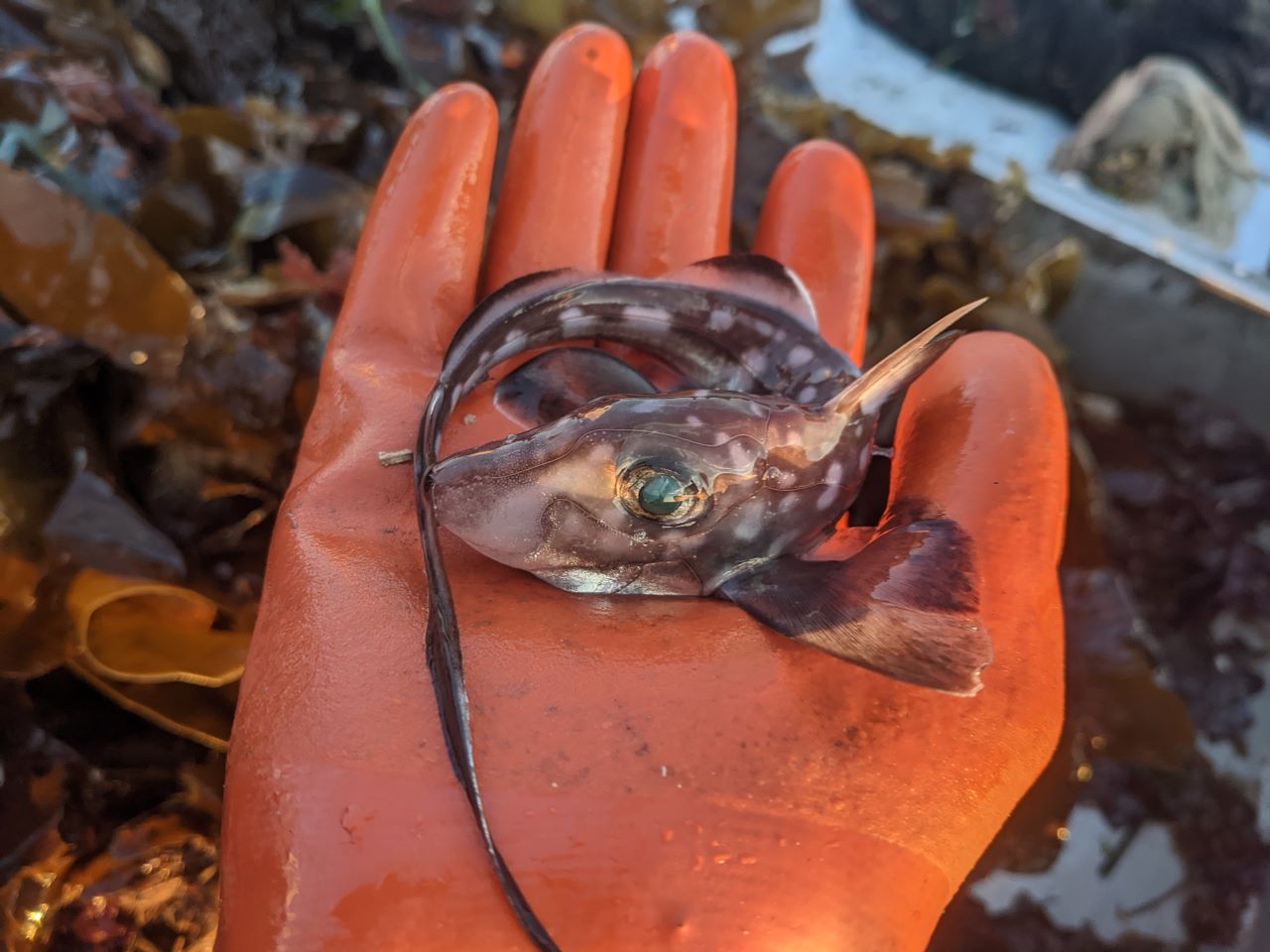
Ghost sharks grow forehead teeth to help them have sex
Male “ghost sharks” — eerie deep-sea fish known as chimaeras that are related to sharks and rays — have a strange rod jutting from their foreheads, studded with sharp, retractable teeth. New research reveals these are not merely lookalikes, but real rows of teeth that grow outside the mouth. What’s more, the toothy appendage is likely used for mating. Found only in males, the forehead rod — called a tenaculum — is the ghost sharks’ only source of distinct teeth, and it seems to be used to grasp females in much the same way sharks use their toothy mouths in mating. “If these strange chimaeras are sticking teeth on the front of their head, it makes you think about the dynamism of tooth development more generally,” said Gareth Fraser, Ph.D., a professor of biology at the University of Florida and senior author of the study. “If chimaeras can make a set of teeth outside the mouth, where else might we find teeth?” The team, including scientists from the University of Washington and the University of Chicago, studied both fossils and living specimens to solve the mystery. A 315-million-year-old fossil showed the tenaculum attached to the upper jaw, bearing teeth incredibly similar to those in the mouth. Modern chimaeras collected from Puget Sound revealed the same tooth-growing process on the head, seen in modern-day shark jaws. And genetic testing confirmed they expressed the same tooth-specific genes as oral teeth. “What we found is that the teeth on this strange appendage look very much like rows of shark teeth. The ability to make teeth transferred onto that appendage, likely from the mouth,” Fraser said. “Over time, the tenaculum shortened but retained the ability to make oral teeth on this forehead appendage.” Fraser collaborated with Washington’s Karly Cohen, Ph.D., and Michael Coates, Ph.D., from Chicago on the study, which was published this week in the Proceedings of the National Academy of Sciences. As experts in shark evolution and anatomy, the scientists were intrigued by these tooth-filled rods sprouting from the ghost shark foreheads. The central mystery: Is the tenaculum covered in true teeth related to oral teeth or more similar to the tooth-like scales plastering the skin of sharks and some ghost sharks? CT scans of the fossils and modern chimaeras gave the scientists unprecedented, detailed insights into the development of the tenaculum teeth, which looked remarkably similar to the teeth of today’s sharks. The nail in the coffin came from genetic evidence. The tenaculum teeth express genes found only in true teeth, never in shark skin denticles. "What I think is very neat about this project is that it provides a beautiful example of evolutionary tinkering or ‘bricolage,’” said Coates, a professor of biology at the University of Chicago. “We have a combination of experimental data with paleontological evidence to show how these fishes co-opted a preexisting program for manufacturing teeth to make a new device that is essential for reproduction." Cohen, a postdoctoral researcher at the University of Washington’s Friday Harbor Labs and first author of the paper, said scientists had never spotted teeth outside the mouth in this way before. “The tenaculum is a developmental relic, not a bizarre one-off, and the first clear example of a toothed structure outside the jaw,” she said. The bizarre path from a mouth full of teeth to forehead teeth used for mating demonstrates the impressive flexibility of evolution, the researchers say, always ready to repurpose structures for strange and unexpected new uses. “There are still plenty of surprises down in the ocean depths that we have yet to uncover,” Fraser said.



Assisted by sniffer dogs and DNA sequencing, researchers discover three new truffle species
University of Florida biologists studying fungal evolution and ecology have discovered three new truffle species, including one capable of commanding hundreds of dollars per pound within culinary circles. “Our paper confirms what a lot of people had suspected for a long time, which is that the North American truffle species is genetically very distinct from its European relatives.” —Benjamin Lemmond, study co-author and a former UF student The researchers describe their discoveries in a Persoonia. Their work shakes up the Morchellaceae truffle family tree, with key insights related to perhaps the most commercially valuable truffle in North America, the Oregon black truffle. Gourmet chefs, who sometimes grate the odoriferous truffle over dishes or infuse butter with it, have been known to pay as much as $800 per pound for the delicacy. For decades, the Oregon black truffle has been known scientifically as Leucangium carthusianum. It was originally found in Europe and later found in the Pacific Northwest, from California to British Columbia. However, recent genetic testing and field analysis by researchers from UF’s Institute of Food and Agricultural Sciences (UF/IFAS) revealed the North American variety is a distinct species. Scientists are giving this newly recognized species a name honoring the Cascadia region in which it is found: Leucangium cascadiense. “Our paper confirms what a lot of people had suspected for a long time, which is that the North American truffle species is genetically very distinct from its European relatives,” said study co-author Benjamin Lemmond, a former UF student. Lemmond, now a postdoctoral associate at the University of California at Berkeley, began his research into the truffles as a first-year doctoral student studying under professor Matthew Smith of the UF/IFAS plant pathology department. During the COVID-19 pandemic, Lemmond couldn’t access the campus greenhouse where he was conducting an experiment, so Smith secured hundreds of dried truffle specimens from Oregon State University for him to study. The stash included slivers of the Oregon black truffle, a dark-colored, potato-shaped species with tiny, pyramid-shaped warts. When pandemic restrictions relaxed, Lemmond and Smith conducted genetic testing of the Oregon State specimens and others borrowed from Polish, Greek, Italian, French and Japanese collections. Their tests indicated Oregon black truffles from North America had at one point diverged from their European counterparts on the Morchellaceae evolutionary tree, according to the study. They also established the existence of another distinct and very rare species, Imaia kuwohiensis, a pale-colored truffle with dark warts, which is native to threatened spruce-fir habitats in the southern Appalachian Mountains. Their name for the truffle comes from the Cherokee word for the Great Smoky Mountains’ highest peak, Kuwohi. Field tests followed. The researchers wanted to understand the origin of Oregon black truffles’ energy. “Understanding the fundamental, basic biology and life cycle of this truffle is really important,” Lemmond said. “It’s a very valuable commodity, and this knowledge might help us to cultivate the truffle in the future. It also supports long-term conservation and management.” Most gourmet truffles are mycorrhizal, meaning they obtain energy from trees, Lemmond said. It had long been suspected that Oregon black truffles obtain energy through a symbiotic relationship with young Douglas fir trees, but no one had conclusively proven it. Lemmond traveled to the Pacific Northwest and worked with specially trained sniffer dogs capable of detecting truffles buried as deep as 10 inches beneath soil and leaf litter. With the dogs’ help, he unearthed Oregon black truffles nestled among Douglas fir stands. He used fluorescent stain that bonded with the fungal tissue, coloring it green to show where the truffle fungus grew between the cells of the tree root tissue. “The truffle fungi surround the whole root, but the fungus is healthy, and the plant is healthy,” Smith said. “The two trade nutrients back and forth.” DNA sequencing of the roots subsequently proved the truffles rely on the trees as their main source of carbon, according to the study. As the researchers conducted genome sequencing of the Oregon black truffle, they learned of a peculiar find reported by a citizen scientist on iNaturalist, an online science data network: a Leucangium truffle growing among Eastern hemlock trees in Oneida County, New York. It was the first time anyone had ever reported a Leucangium species in the United States, east of the Rocky Mountains, Lemmond said. Lemmond contacted Purdue University, which was preserving the specimen, and requested a sample. The truffle’s physical characteristics, including its dense external hairs and lack of warts, distinguished it from other Leucangium species. DNA analysis confirmed significant variation, too. The researchers named the new truffle species Leucangium oneidaense to recognize the county where it was unearthed. A few years later, just before the researchers submitted their study for publication, someone found a second Leucangium oneidaense specimen growing in Massachusetts, Lemmond said. “It was great timing, and it suggests to me that there are still a lot of undiscovered truffles out there, waiting to be found,” he said.

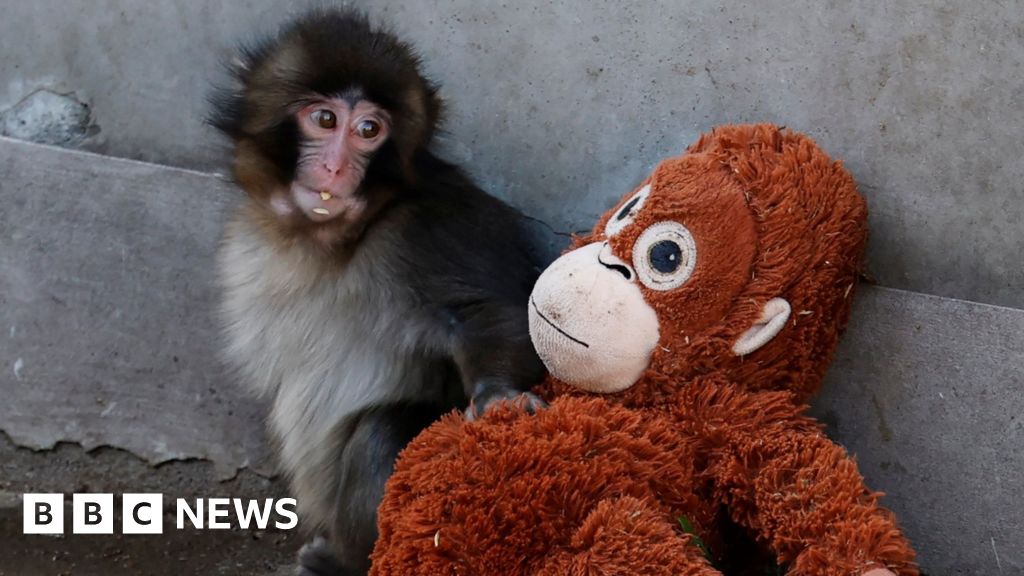
Expert Q and A: Understanding "Punch," The Baby Monkey That Captured The World's Heart
A tiny Japanese macaque named Punch has unexpectedly become one of the internet’s most talked-about animals. Born at a zoo in Japan and rejected by his mother shortly after birth, the young monkey was hand-raised by staff and given a stuffed toy for comfort—an image that quickly ricocheted across social media worldwide. Videos showing Punch tentatively approaching other macaques, sometimes being pushed away or corrected as he tried to socialize, struck an emotional chord. What began as a local zoo update rapidly turned into international headlines, with audiences from North America to Europe weighing in on what they saw as loneliness, resilience and the universal need for belonging. But experts say the story is more nuanced than a viral clip suggests. The interactions that many viewers interpreted as bullying are, in fact, typical components of macaque social development, part of how young primates learn boundaries, hierarchy and group norms. While Punch’s early maternal separation makes his integration more delicate, gradual acceptance into the troop is a positive sign. As internet users continue to share and comment, the moment has sparked broader conversations about animal emotion, anthropomorphism and the realities of wildlife behavior in managed care settings. Florida Tech's Catherine Talbot offered insight into the complexities of animal behavior. Catherine F. Talbot is an assistant professor in the School of Psychology at Florida Tech and co-director of the Animal Cognitive Research Center at Brevard Zoo. Her overarching research goal has been to study the ultimate (evolutionary) and proximate (behavioral, biological, and developmental) mechanisms underlying sociality. Q: Is it normal for mother macaques to abandon their babies, or is this an unusual occurrence? What circumstances can cause this to happen? It’s not necessarily normal, but also not that uncommon in primates, unfortunately. It’s more common in first time mothers that are inexperienced and sometimes lower ranking mothers. A number of factors can increase the likelihood of abandonment including stress on the mother and unfavorable conditions such as limited resources. Q: How does abandonment affect development in young macaques? Early maternal contact is critical for normal behavioral and emotional development. Infants rely on their mothers for nutrition, warmth, protection and learning how to navigate social dynamics. When infants do not have their mothers during critical developmental periods like infancy, in the short term, they tend to have elevated stress responses and difficulty with emotional regulation. In the long-term, it depends on whether the infant is able to form other types of attachment. In the worst-case scenario, they may have increased aggression, abnormal and/or self-injurious behavior, digestive issues and may lack social skills. But primates are resilient, and with social support and gradual integration into a troop, Punch can form new attachments, learn socially appropriate behavior and ultimately live a fairly normal monkey life. Q: Is it obvious to the rest of the troop when a young macaque has no mother? How does this affect integration? Japanese macaques have really complex social worlds, so they are really in tune with the relationships they have with one another and recognize the relationships between other individuals. That can certainly make it more difficult for Punch to be accepted back into the troop – he needs to find some friends and possibly even a surrogate parent. With social support, he should be able to recover from the absence of a mother. It’s really great to see that the care staff stepped in to support Punch as he begins to recovery from the stress of this experience. It’s even more important that Punch is around other monkeys of the same species so that he can continue to learn from them and respond appropriately to social communication cues. I’m thrilled to see that Punch is now making friends. Q: Punch is obviously attached to his stuffed orangutan. We can understand how this happens from our own human experience, but can you explain, on a biological level, how he bonded with this stuffed animal? Primates, including humans, are neurobiologically wired to form strong social bonds with a caregiver very early in life. In many primate species, infants are born highly dependent on their mother. Punch’s attachment to the stuffed orangutan reflects this need for attachment. That physical touch – warmth, softness, graspable limbs, a stable physical presence – can partially activate those same calming biological pathways, including the release of oxytocin which regulates stress and promotes feelings of safety. Without activation in those pathways, Punch would likely experience stronger feelings of separation or loneliness and ultimately social withdrawal. These biological pathways are crucial to proper social and emotional development of any primate species. Any way we can help mitigate those effects for Punch is crucial for successful integration back into his troop. Q: How does sociality among Japanese macaques compare to that of similar species? Japanese macaques live in large multi-male, multi-female social groups that can range from roughly 50 to 150 individuals. Like many macaques species, they form stable, female-bonded societies. Females remain in their natal group (or the group they were born into) for life, inherit their mother’s rank, and form strong kin- based alliances whereas males emigrate to a new group at adolescence. Their societies are organized around matrilines or extended female family lines in which rank is very important. They have strong dominance hierarchies and generally high levels of aggression, but levels of aggression and tolerance can vary a good amount from group to group. Entire matrilines can outrank others, which dictates access to food, grooming partners, and coalitions. Within a single troop, you often see multiple matrilines with long-standing dominance competitions. I sometimes compare it to a Romeo and Juliet-style Montague and Capulet dynamic, where beneath the surface of daily grooming and foraging is a complex political landscape structured by kinship and status. Q: What behaviors can Punch expect from the rest of the monkeys as he continues to integrate with the troop? What behaviors can the troop expect to see from him? As Punch continues to integrate into his troop, I would expect to see some social testing by other members of the group to see how Punch responds- they may use mild aggression like open mouth threats or direct stares (which arethreatening is macaques), brief chases, and displacement from resources like food/resting spots. These will help clarify Punch’s rank and help form and maintain a stable hierarchy. Therefore, I hope to see Punch make at least a few strong social bonds (friends), to help defend him against more intense aggression. As long as he makes a few friends, he should begin to receive more affiliative behavior. Integration is usually gradual as these bonds form and strengthen and these skills develop. I would expect to see more play and grooming with conspecifics and less reliance on his stuffed orangutan as real social bonds start to form. Grooming is especially important for forming and maintaining social bonds and there are already videos showing Punch receiving some grooming from older monkeys, which bodes well for him. He also needs to respond in socially appropriate ways, like grooming others and showing submission to higher ranking individuals. Essentially, he needs to understand and follow the rules of Japanese macaque society. Q: What message do you have as people continue to root for Punch? It's uplifting to see how much support Punch has gained across the world. And while Punch is clearly adorable and so vulnerable that you just want to love him and give him (or other monkeys like him) a home, it’s important to remember that more than anything else, he needs to live with other monkeys so that he can live a life that is true to his species and nature. Unfortunately, many people still have monkeys as pets. The illegal wildlife trade is a multi-billion-dollar industry, ranking as the fourth largest illegal trade after drugs, arms, and human trafficking. Within the United States, it is estimated that there are more than 15,000 nonhuman primates living in unsuitable conditions. Primates are intelligent, sentient beings that need complex communities and relationships to thrive. There currently is no federal legislation that protects primates from private ownership, but the Captive Primate Safety Act (H.R.3199/ S.1594) has been proposed to prohibit the private possession of nonhuman primates and the sale or transportation of nonhuman primates for the wild pet trade. If you're interested in connecting with Catherine and learning more about animal behavior, let us help. Contact Adam Lowenstein, Assistant Vice President for External Affairs at Florida Institute of Technology, at adam@fit.edu to arrange an interview today.


Ape Ancestors and Neanderthals Likely Kissed, New Analysis Finds
Kissing occurs in a variety of animals but presents an evolutionary puzzle: it appears to carry high risks, such as disease transmission, while offering no obvious reproductive or survival advantage. Despite kissing carrying cultural and emotional significance in many human societies, up to now researchers have paid little attention to its evolutionary history. In the new study, “A comparative approach to the evolution of kissing,” published this week in the journal Evolution and Human Behavior, the researchers carried out the first attempt to reconstruct the evolutionary history of kissing using a cross-species approach based on the primate family tree. The results indicate that kissing is an ancient trait in the large apes, evolving in the ancestor to that group 21.5 – 16.9 million years ago. Kissing was retained over the course of evolution and is still present in most of the large apes. The team also found that our extinct human relatives, Neanderthals, were likely to have engaged in kissing too. This finding, together with previous studies showing that humans and Neanderthals shared oral microbes (via saliva transfer) and genetic material (via interbreeding), strongly suggests that humans and Neanderthals kissed one another. “While kissing may seem like an ordinary or universal behavior, it is only documented in 46% of human cultures,” said Catherine Talbot, co-author and assistant professor in the College of Psychology at Florida Tech. “The social norms and context vary widely across societies, raising the question of whether kissing is an evolved behavior or cultural invention. This is the first step in addressing that question.” Matilda Brindle, lead author and evolutionary biologist at Oxford’s Department of Biology, said: “This is the first time anyone has taken a broad evolutionary lens to examine kissing. Our findings add to a growing body of work highlighting the remarkable diversity of sexual behaviors exhibited by our primate cousins.” To run the analyses, the team first defined what constitutes a kiss. This was challenging because many mouth-to-mouth behaviours look like kissing. Since the researchers were exploring kissing across different species, the definition also needed to be applicable to a wide range of animals. They therefore defined kissing as non-aggressive, mouth-to-mouth contact that did not involve food transfer. Having established this definition, the researchers collected data from the literature on which modern primate species have been observed kissing, focusing on the group of monkeys and apes that evolved in Africa, Europe and Asia. This included chimpanzees, bonobos, and orangutans, all of which have been observed kissing. They then ran a phylogenetic analysis, treating kissing as a ‘trait’ and mapping this to the family tree of primates. They used a statistical approach (called Bayesian modelling) to simulate different evolution scenarios along the branches of the tree, to estimate the probability that different ancestors also engaged in kissing. The model was run 10 million times to give robust statistical estimates. Stuart West, co-author and professor of evolutionary biology at Oxford, said, “By integrating evolutionary biology with behavioral data, we’re able to make informed inferences about traits that don’t fossilise – like kissing. This lets us study social behaviour in both modern and extinct species.” While the researchers caution that existing data are limited – particularly outside the large apes – the study offers a framework for future work and provides a way for primatologists to record kissing behaviors in nonhuman animals using a consistent definition.

Batty pathogens: Why do bats spread so many diseases?
Let’s face it — bats get a bad rap. Their links to disease outbreaks and their spooky association with vampires influence their notoriety. In reality, bats are truly remarkable. Bats support our agricultural industries as vital members of food webs. And, contrary to their portrayal in popular Halloween blockbusters, they are gentle and tidy creatures that groom themselves like cats. So why is it that when we hear of disease outbreaks, it always seems to be bats? According to University of Florida Emerging Pathogens Institute member Jim Wellehan, D.V.M., what sets bats apart isn’t black magic at all. But rather, it’s their long history of co-existing with viruses, the unique tradeoffs of flight and, perhaps most of all, a history of adapting to new pathogens. “(Infectious disease) has been the biggest factor in all of evolution,” said Wellehan, who is also a professor at the UF College of Veterinary Medicine. “People are always looking for an excuse (as to) why bats are magic, and the truth is bats have just been exposed to a lot of stuff and selected for those genes accordingly.” While humans are the most populous mammals on Earth, bats are a massive group of animals. Behind rodents, they represent the second-largest group of mammalian biodiversity, accounting for a whopping 20% of all mammal species. With over 1,400 species, it’s no surprise that pathogen diversity in bats is just as extensive and complex. Jim Wellehan's research focuses on comparative infectious disease, pathogen evolution, molecular diagnostics and pathogen discovery. View his profile here Bats, as we know them, have been on Earth for over 50 million years. This extensive period has given pathogens plenty of time to evolve alongside the winged mammals. Bats carry viruses like Ebola, Hendra virus, Nipah virus and SARS-CoV-2, which causes COVID-19. One factor that is important in this viral diversity is flight. Flight provides bats with many evolutionary advantages, such as predator evasion, access to new food sources and the ability to exploit diverse habitats. Flight also dramatically increases the chance of rapid pathogen transmission, as they can travel long distances and past many geographic barriers. Many species are highly social, which increases transmission rates as they live in close proximity and groom one another. “When I first learned about Darwin and evolution, ‘survival of the fittest,’ I assumed, meant ‘smartest and fastest and strongest,’ but if you look at our genomes, turns out that's wrong,” said Wellehan. “The genes that are selected for are mostly immune-related. The most important thing is to have enough genetic diversity in your population so that someone has immunity genes that are effective against the next pathogen that doesn't even exist yet. With their increased mixing and contact rates, bats have done this more often than most animals.” Generally, pathogens are most likely to cause disease when they first infect a new host species, as the susceptible animals have not yet developed the necessary defenses. Pathogens, along with their hosts, have no choice but to evolve to survive. With such a wide variety of species, it is not surprising that bats also carry a large proportion of mammal-associated viruses. This is not to say that bats are immune to all pathogens. As the most rapidly evolving factor in life, infectious disease is an incredibly dynamic part of medicine. Bats can get sick from lyssaviruses, including rabies. Additionally, white nose disease, a fungal infection that targets hibernating bats, has been a growing concern in the United States for the past decade. Though bat pathogens are a significant concern, habitat disturbance plays a larger role in bat population pathogen emergence, ultimately affecting humans as the dominoes fall. “Pathogen transmission to humans and conservation efforts go hand in hand,” Wellehan said. “When populations get under stress, that's when ecological balances get shifted, and zoonotic jumps occur. ... It turns out that if we think of ourselves as something separate from nature, it doesn't work so well.” So, while bats may embody the spirit of Halloween, their “magic” lies in evolution and resilience, shaped by millions of years of flying in the face of viruses, not spooky legends. Looking to know more? We can help. Jim Wellehan is available to speak with reporters about bats - simply click on his icon now to arrange an interview today.

Aging in context: Why culture matters in discussions on menopause
How do we age? Why do we age? And why are experiences of menopause and midlife so different across cultures? These are the driving questions behind the work of Melissa Melby, a medical anthropologist and professor at the University of Delaware. For more than 25 years, Melby has been exploring how biology and culture intersect to shape the way people experience aging and menopause. Her new book, Reframing Aging: Insights from Biology and Culture of Midlife Japanese, introduces a biocultural framework that goes beyond the “what” of aging to ask both how (the immediate mechanisms) and why (the deeper evolutionary reasons) we age and experience menopause the way we do. By weaving together insights from evolutionary biology, anthropology, medicine and lived experience, Melby challenges what many consider to be the “normal” path of midlife. Her research highlights how cultural expectations, medical practices, social structures and lifestyle habits can profoundly influence not just how symptoms are treated – but how they are perceived in the first place. What may be pathologized in one society could be understood as a natural stage of life in another. As conversations around women’s health, longevity and healthy aging gain overdue attention, Melby’s cross-disciplinary expertise offers journalists a fresh lens for exploring some of the most universal – and misunderstood – aspects of human life. For stories that bridge science, culture and health, Melby provides a rare perspective: one that reframes aging and menopause not as fixed biological destinies, but as experiences shaped by the complex interplay of our bodies, histories, and communities. Reporters interested in speaking to Melby can email mediarelations@udel.edu.


Meet “The Beast”: The Rare Flower That Smells Like Death and Draws Crowds
When a corpse flower, one of the world’s rarest and most extraordinary blooming plants, bursts into bloom, it’s more than a quirky spectacle. It’s a moment that invites deeper stories about plant biology, conservation, biodiversity, and the science that helps preserve rare species. Last season, Wendy Overbeck Dunham, Senior Horticulture Manager at Frederik Meijer Gardens & Sculpture Park, was interviewed by reporters from ABC News and ARC West Michigan (CBS News) covering this rare event. Wendy Overbeck Dunham is the Director of Horticulture at Frederik Meijer Gardens & Sculpture Park in Grand Rapids, Michigan. She leads the horticulture team that oversees the care and presentation of the organization’s living collections - ranging from tropical conservatories and outdoor gardens to seasonal displays - connecting guests to art, design, and the natural environment. View her profile Why This Bloom Is So Rare and Newsworthy Corpse flowers (Amorphophallus titanum) are famous for their massive size, unpredictable bloom cycles, and powerful odor that mimics rotting flesh , an evolutionary strategy for attracting specific pollinators. These blooms can take many years to develop, and their spectacular emergence - open only for a short window -attracts crowds and widespread attention. Last year, as one such plant prepared to bloom at Frederik Meijer Gardens, anticipation built across West Michigan and beyond, with extended visiting hours so the public could witness, and smell, this rare phenomenon. Wendy Overbeck Dunham offered a vivid description of what made this bloom such an unforgettable experience and also showed both the humor and educational value of the moment, a reminder that science can be fun, fascinating, and even a bit funky. “No matter how you describe it, this plant, which we've nicknamed ‘The Beast,’ is definitely going to stink here in the next few days.” Wendy Overbeck Dunham leads horticultural strategy and rare plant cultivation at Frederik Meijer Gardens & Sculpture Park. Her leadership focuses on nurturing exceptional plant specimens, interpreting botanical phenomena for the public, and providing an expert voice on topics ranging from plant biology to conservation and ecological storytelling.



From Saver to Spender: Navigating the Retirement Mindset Shift
Let’s start with a familiar—and slightly ridiculous—scene: a retired couple with $750,000 safely tucked away in investments, quietly nibbling no-name tuna on toast while muttering, “We just can’t afford steak anymore.” Sound absurd? Sadly, it’s not fiction. Despite having ample savings, many retirees live with perpetual financial anxiety, clinging to their nest egg as if it were their last roll of toilet paper during a pandemic. Meanwhile, they try to survive solely on government pensions, making life unnecessarily stressful and, let’s face it, a bit joyless. I've wrestled with this as someone who entered retirement earlier than expected. Years in finance taught me how to budget, invest, and plan, but transitioning from saving to spending required a whole new mindset. I learned quickly that being financially “prepared” doesn’t mean you’re emotionally or psychologically ready to spend. So, what’s going on here? The Hypothesis: Individuals Prefer Spending Income Rather Than Saving Retirees prefer spending income (pensions or annuities) rather than withdrawing from savings or investment accounts. This isn’t just a quirky behavioural trend—it’s a deeply ingrained bias, and neuroscience supports it. Research by Michael S. Finke, a professor at The American College and noted researcher in retirement economics, revealed that retirees tend to spend most of their guaranteed income but only withdraw about half of their savings. In his words: “Retirees spend lifetime income, not savings.” The implication is clear: it’s not about how much money you have but how it feels to use it. This is partly due to what behavioral economists call “mental accounting.” We categorize our money into imaginary buckets: income is for spending, and savings are for safekeeping. Unfortunately, this can lead to financially irrational and highly risk-averse behaviors, such as eating cat food while having six figures in a TFSA. The Neuroscience of Spending Fear Add a little neuroscience, and the story deepens. As we age, changes in the brain, particularly in the prefrontal cortex, can affect how we assess risk and manage uncertainty. This can lead to: • Increased loss aversion: We more acutely feel the pain of spending or loss. • Decision paralysis: We delay or avoid withdrawals, even when reasonable. • Heightened anxiety about the future: We fear running out more than we enjoy spending in the present. This Fear of Running Out (FORO), which I’ve written about in a previous post, keeps many retirees in a defensive crouch, emotionally hoarding their savings rather than using them to enrich the years they worked so hard to reach. It’s no wonder money stress impacts us so deeply—our brains are wired that way. From an evolutionary perspective, our minds are designed to fear scarcity because running out of resources once posed a real danger. When we perceive that threat today, whether it’s a dip in our investments or rising grocery bills, our brain shifts into fight-or-flight mode and begins releasing cortisol—the stress hormone that heightens our anxiety. Then our amygdala, that little alarm system in our brain designed to protect us from danger, can’t differentiate between a financial crisis and a sabre-toothed tiger. So, it reacts similarly, nudging us toward quick, often irrational decisions. Sometimes that means freezing and doing nothing; other times, it leads to panicking and regretful choices. Understanding how our brains function under financial stress allows us to step back, breathe, and make better, calmer decisions—ones that serve us, not scare us. Retirement can be wonderfully freeing—no more commutes, no more meetings—but let’s be honest: it also comes with a significant shift in financial responsibility. Without that steady paycheck, it’s completely normal to feel uneasy about how you'll manage your money, especially when unexpected expenses arise. Sure, there are mindset tools and mental prep strategies that can help ease that existential “What now?” feeling before retirement. But let’s be specific—here are the real, concrete financial stressors that keep many retirees awake at night: • Not Enough Income: One of the biggest fears? Your savings won’t stretch far enough to support the life you want—or handle surprises. • Healthcare Costs: As we age, medical expenses climb. It’s not just the big stuff, either. Even prescriptions and dental bills can blow a hole in your budget. • Market Ups and Downs: A stock market dip can uniquely affect retirees. Observing your investments fluctuate can cause genuine anxiety regarding your income, especially in today’s “trade war” environment. • Inflation: We all feel it. The gradual rise of higher prices erodes your purchasing power, making that carefully saved nest egg feel less secure. • Living Longer Than Planned: It's both a blessing and a challenge. If you're healthy and living well into your 90s (and many do), the big question becomes: will your money last as long as you do? Here’s the good news: when you acknowledge these risks and build a plan around them, you exchange fear for control. And with power comes clarity, confidence, and significantly less stress. That’s when you can truly enjoy retirement—on your terms. How to Flip the Script: Make Savings Feel Like Income So, how can retirees overcome this psychological hurdle? Here are 3 powerful strategies: 1. Create Artificial Income Streams Turn a portion of your savings into predictable, automatic income. This could mean: • Setting up regular monthly withdrawals from an RRIF • Purchasing an annuity • Utilizing a bucket strategy, in which one portion of savings is maintained in a cash-like account to replicate a paycheck When money shows up like a salary, you’re more likely to feel permission to spend it. 2. Use Home Equity as a Back-Up Income Source A secured line of credit (HELOC) or a reverse mortgage can serve as a “Plan B” or income buffer. Knowing that the funds are available can alleviate anxiety, whether you use them or not. 3. Involve Family in Income Planning Sometimes, the best way to reframe a spending decision is through conversation. Adult children or trusted advisors can help develop a spending strategy that feels both secure and reasonable. Families can be invaluable in helping you design: • Emergency funding plans for unexpected expenses like healthcare • Gifting strategies (Want to help the kids or grandkids? Do it while you’re alive to see the joy!) • Income simulations replacing a regular paycheck Open conversations can also help uncover mismatched expectations. For instance, some older adults worry that spending their savings will leave less of an inheritance for their children, which might cause disappointment. But in many cases, their children would much rather see their parents use that money to care for themselves and enjoy their retirement years. The great irony of retirement? The hardest part isn’t building wealth; it’s allowing yourself to enjoy it. So, let’s retire the notion that frugality is forever. Replace the guilt of spending with the confidence of an income strategy. And if you're facing your savings with trepidation, remember: cat food may be a pantry staple for your pet, but it’s no reward for 40 years of hard work. Retirement isn't merely a financial phase—it’s a shift in mindset. That shift begins when we stop hoarding and start living.


Lingam, Mirsayar, van Woesik Recognized as ‘Top Scholars’ by ScholarGPS
Florida Tech faculty members Manasvi Lingam, Mirmilad Mirsayar and Robert van Woesik were named “Top Scholars” by ScholarGPS for their contributions to academia over the last five years. Lingam, who studies astrobiology in the Department of Aerospace, Physics and Space Sciences, was ranked No. 9,562 in the world across all disciplines and nearly 15 million ranked scholars, placing him in the top 0.06% of the platform’s scholars globally. He faired strongly in other areas, including: No. 1,919 (0.1%) among 1.9 million scholars in physical sciences and mathematics No. 491 (0.09%) among 545,000 scholars in physics No. 42 (0.31%) among 13,590 scholars in the specialty area planets ScholarGPS cited Lingam’s strong publication record, the impact of his work and the notable quality of his scholarly contributions. He’s published 50 times since 2020, exploring the possible origins, evolution and future of life in the universe. Mirsayar, who studies aerospace engineering, was ranked No. 35,155 across all disciplines and nearly 15 million ranked scholars, placing him in the top 0.24% of scholars globally. He’s published 11 times between 2020-2023, covering topics such as fracture mechanics and solid mechanics. Other highlights include: No. 6 (0.06%) among 8,601 scholars in fracture mechanics No. 49 (1.7%) among 2,879 scholars in solid mechanics No. 315 (1.8%) among 16,847 scholars in reinforced concrete Van Woesik, who studies coral reef ecology, was ranked No. 58,081 across disciplines, putting him in the top 0.39% of nearly 15 million scholars globally. He’s had 22 publications since 2020, covering topics such as coral bleaching, thermal stress and climate change. Van Woesik, who studies coral reef ecology, was ranked No. 58,081 across disciplines, putting him in the top 0.39% of nearly 15 million scholars globally. He’s had 22 publications since 2020, covering topics such as coral bleaching, thermal stress and climate change. Other highlights include: No. 5,282 (0.32%) among 1.7 million scholars in life sciences No. 336 (0.38%) among 88,930 scholars of ecology and evolutionary biology No. 191 (0.95%) among 19,998 scholars of global change. ScholarGPS uses artificial intelligence and data mining technologies to rank individuals, academic institutions and programs. Scholars are ranked by their number of publications, their citations, their h-index and their ScholarGPS® Ranks, which includes all three metrics. If you're interested in connecting with Manasvi Lingam, Robert van Woesik and Mirmilad Mirsayar- simply contact Adam Lowenstein, Director of Media Communications at Florida Institute of Technology at adam@fit.edu to arrange an interview today.


New study shows alarming rate of potential species extinction due to climate change
A recent study authored by the University of Connecticut's Mark Urban found that close to one third of species across the globe would be at risk of extinction by the end of the century if greenhouse gases continue to increase at current levels. His study, published in the journal Science, looked at more than three decades of biodiversity and climate change research. The findings are alarming. The study found that if global temperatures rise to 2.7 degrees Fahrenheit (1.5 degrees Celsius) above the pre-industrial average temperature, exceeding the target of the Paris Agreement, extinctions would rapidly accelerate — especially for amphibians; species in mountain, island and freshwater ecosystems; and species in South America, Australia and New Zealand. Earth has already warmed about 1.8 F (1 C) since the Industrial Revolution. Climate change causes shifts in temperatures and precipitation patterns, altering habitats and species interactions. For instance, warmer temperatures have caused monarch butterfly migration to mismatch with the blooming of plants they pollinate. Many animal and plant species are shifting their ranges to higher latitudes or elevations to follow more favorable temperatures. While some species might adapt or migrate in response to changing environmental conditions, some can't survive the drastic environmental changes, resulting in population declines and sometimes extinction. Global assessments have predicted rising extinction risks for over a million species, but scientists have not clearly understood how exactly this growing risk is linked to climate change. The new study, published Thursday (Dec. 5) in the journal Science, analyzed over 30 years of biodiversity and climate change research, encompassing over 450 studies of most known species. If greenhouse gas emissions are managed in accordance with the Paris Agreement, nearly 1 in 50 species worldwide — an estimated 180,000 species — will be at risk of extinction by 2100. When the climate model's temperature is increased to a 4.9 F (2.7 C) rise, which is predicted under current international emissions commitments, 1 in 20 species around the world would be at risk of extinction. Hypothetical warming beyond this point makes the number of species at risk rise sharply: 14.9% of species were at risk of extinction under a 7.7 F (4.3 C) warming scenario, which assumes high greenhouse gas emissions. And 29.7% of all species would be at risk of extinction under a 9.7 F (5.4 C) warming scenario, a high estimate, but one that is possible given current emissions trends. The increase in the number of species at risk increases steeply beyond the 1.5 C warming target, study author Mark Urban, a biologist at the University of Connecticut told Live Science. "If we keep global warming to below 1.5 C, in accordance with the Paris Agreement, then the [extinction] risk from today to 1.5 C is not a large increase," Urban said. But at a 2.7 C rise, the trajectory accelerates. Species in South America, Australia and New Zealand face the greatest threats. Amphibians are the most threatened because amphibians' life cycles depend heavily on weather, and are highly sensitive to shifting rainfall patterns and drought, Urban said. Mountain, island and freshwater ecosystems have the most at-risk species, likely because these isolated environments are surrounded by inhospitable habitats for their species, making it difficult or impossible for them to migrate and seek more favorable climates, he added. Limiting greenhouse gas emissions can slow warming and halt these growing extinction risks, but understanding which species and ecosystems are most affected by climate change can also help target conservation efforts where they're needed most. Urban hopes the results have an impact on policymakers. "The main message for policymakers is that this relationship is much more certain," Urban said. "There's no longer the excuse to do nothing because these impacts are uncertain." December 5, 2024 - Live Science This is an important topic, and if you're a journalist looking to learn more, we can help. Mark Urban is an international award-winning scientist; a professor of ecology and evolutionary biology and the Arden Chair Ecology & Evolutionary Biology at UConn; and a global expert on climate change impacts on nature. He is available to speak with media - simply click on his icon now to arrange an interview today.

