
Experts Matter. Find Yours.
Connect for media, speaking, professional opportunities & more.

The ChristianaCare Hospital Care at Home program, a national leader in providing acute care in a place most familiar to patients – their own homes – has reached a new milestone with more than 1,000 admissions since opening in December 2021. ChristianaCare’s innovative program enables patients with common chronic conditions, such as congestive heart failure and diabetes complications, as well as infections like pneumonia, to receive hospital-level care at home through virtual and in-person care provided by a team of physicians, nurse practitioners, paramedics and others. Technology kits deployed to patient homes ensure round-the-clock access to a health care professional, along with twice daily visits from caregivers, medication deliveries and mobile laboratory services. “This program is a wonderful example of how ChristianaCare is building a better health care system and meeting people’s health care needs through innovation, collaboration and an unwavering commitment to providing the very best care for the people we serve,” said Janice E. Nevin, M.D., president and CEO of ChristianaCare. “We are proud to be at the forefront of hospital care at home nationally, through the collaboration with leaders like Sen. Tom Carper of Delaware, who has championed this new model of care at the federal level; Medically Home, which partnered with ChristianaCare to help us design a program that best meets the needs of the communities we serve; and our own health professionals – we call them caregivers – whose expert care and coordination make this all possible. Together, we are creating health so that people can flourish.” ‘Just amazing’ for patients Patients are evaluated for the hospital care at home program when they come to Wilmington or Christiana hospital emergency departments. Those who can be treated at home receive a technology kit that connects them to the command center, powered by the ChristianaCare Center for Virtual Health. With a touch of a button, they can access an expert team of ChristianaCare doctors and nurses. But hospital care at home isn’t just virtual care—the technology supports an entire care team that works inside the patient’s home and remotely to provide optimal support at all times—just like in a hospital. Patients connect with their health care team with just the touch of a button. Carol Bieber, whose 98-year-old father, Bill, has been a hospital care at home patient, sees the difference it makes for him to wake up in his own bed, sit in his own living room and still get the care he needs to get better. "The whole hospital care at home experience is really calm and easy and familiar to him," said Bieber, who lives in Newark. “My dad is a people person, so to be able to connect with everybody who comes in to see him or talk to him on the screen is just amazing.” Innovative solutions for in-home care ChristianaCare’s Hospital Care at Home program was developed in 2021 after the Centers for Medicaid & Medicare Services (CMS) began the Acute Hospital Care at Home waiver program to allow Medicare beneficiaries to receive acute-level health care services in their home. U.S. Sen. Tom Carper, who represents Delaware, worked to pass the bipartisan Hospital Inpatient Services Modernization Act in 2023 that extended this program. Last month. Sen. Carper introduced the bipartisan At Home Observation and Medical Evaluation (HOME) Services Act that would expand this lifesaving and cost-saving program. “Hospital at Home – which grew out of the COVID pandemic – was an opportunity for us to meet seniors where they are,” Sen. Carper said. “It has delivered positive outcomes, higher patient satisfaction, and saves money. That is why when this program was about to go away with the end of the COVID public health emergency, I joined my colleagues across the aisle to extend the program for two more years. Today, especially as we celebrate the success of the program in Delaware with ChristianaCare, I’m encouraged that we can further extend that program!” Sarah E. Schenck, M.D., FACP, executive director of the ChristianaCare Center for Virtual Health, said the hospital care at home program has yielded lower readmission rates than brick-and-mortar hospitals. In addition, patient experience scores are about three times higher than the national average for a traditional hospital experience. Options like Hospital Care at Home give patients the care they need in the space they want, said Dr. Sarah Schenck, executive director of ChristianaCare's Center for Virtual Health. “We’ve been conditioned to believe that care only happens within the four walls of a hospital. For our patients who have loved ones at home or their pets, a favorite chair or favorite food, they’re now able to have all of that as they heal,” Schenck said. “Once our patients have experienced this, what we hear from them is that they are truly grateful.” Promoting healing – at home Helping patients recover in their homes also has been transformational for caregivers who get to see a different side of their patients and better understand what they need to successfully recover. “I can’t express how much I enjoy the patients and their families,” said Heather Orkis, a paramedic with the hospital care at home program. Patients aren't the only ones who enjoy the experience of Hospital Care at Home - so do the health care professionals who care for them. “To be able to enjoy the family and see these people get better in their own homes, with their families, their grandkids, their dogs, their cats – it’s just a completely different kind of medicine.” For Bill Bieber’s family, hospital care at home is more than health care. “It’s just the best thing ever,” Carol Bieber said. Families appreciate the frequent interactions with members of the Hospital Care at Home team.


Rethinking Caregiving Support for the Sandwich Generation
The "sandwich generation" refers to adults who are simultaneously caring for their children as well as older parents or relatives. This places unique strains on caregivers, who must balance their family responsibilities with work and their own self-care. As Guy Weissinger, PhD, MPhil, RN, the Diane Foley Parrett Endowed Assistant Professor at Villanova University's M. Louise Fitzpatrick College of Nursing, notes, many feel like they are being "shortchanged" on both sides—unable to fully support their children or their aging relatives. The result is stress, guilt and difficult decisions about how to allocate limited time and resources. "Hard decisions are also a psychological tax," Dr. Weissinger says. "You have to use the resource of time and brain energy to weigh the options, so it compounds on itself every time they intersect. And that's complicated and hard." These challenges have only increased due to larger societal shifts, according to Melissa O'Connor, PhD, MBA, RN, FGSA, FAAN, the M. Louise Fitzpatrick Endowed Professor in Community and Home Health Nursing in the College of Nursing. "For the first time in the history of the world, older adults will outnumber children in the United States by 2035," said Dr. O'Connor. This rise in numbers of older adults foreshadows a looming caregiving crisis, as more seniors will require care without enough nurses and family caregivers to meet the need. The sandwich generation can also feel overwhelmed due to lack of training in managing complex care needs. As Dr. O'Connor states, there is "no caregiver school"—instead it's "baptism by fire." Learning wound care, managing feeding tubes, giving medications and handling dementia behaviors on the fly can take an emotional toll. Caregiver stress and burnout have also been linked to declines in physical and mental health, and financial strain, as well as increased elder abuse (though unintentional), she says. Dr. O'Connor believes that home health services can serve as a critical resource for supporting overwhelmed sandwich generation caregivers. Home health nurses, aides, therapists and social workers can provide skilled care, educate family members, assess safety and coordinate services. "Home health can make or break someone's success at staying home,” Dr. O'Connor says. "It can also make or break the stress levels of patients and caregivers. If caregivers have support, they can do a really good job." However, misconceptions about home health care persist. Many do not understand what home health services entail or worry about strangers entering their home. Although refusing home health may seem like the safer option to some, the consequences of caregivers trying to provide care without assistance can be dire. Isolated and overwhelmed caregivers who don't have support oftentimes end up seeing their older adult parents experience health declines that necessitate nursing home placement, which takes a financial toll on families as well. From Dr. Weissinger's perspective, the caregiving crisis is a "family and a systems issue." "This is a systematic problem, so we need policy changes at the state, national and organizational levels to address it. We can't solve society-level problems through individual responses," he says. Supporting caregivers and easing this crisis will require policy changes at the highest levels along with a societal shift in how we view and assist caregivers. Though individual families feel the squeeze, truly addressing the caregiving crisis demands broad, systemic solutions. With an aging population, the need for action in the form of policy change is more urgent than ever.


Cancer Diagnosis and Prevention Breakthroughs | Media Advisory
With two cancer diagnoses in the Royal family - cancer is regrettably a trending topic but also a vitally important one for everyone. In the ongoing battle against cancer, recent advancements in diagnosis and prevention offer promising avenues for both medical practitioners and the general public. With cancer being one of the leading causes of death globally, developments in this field not only hold significant importance for healthcare but also for individuals and families impacted by the disease. Here's why this matters and potential story angles: Why it Matters: Health Impact: Improved diagnostic tools and preventive measures can lead to earlier detection and more effective treatment options, potentially saving lives. Economic Implications: The economic burden of cancer treatment on individuals, families, and healthcare systems underscores the importance of preventative measures and early detection. Public Health: Addressing cancer at the diagnostic and prevention stages contributes to broader public health initiatives, reducing the overall incidence and mortality rates. Story Angles: Breakthrough Technologies: Explore innovative diagnostic technologies such as liquid biopsies or AI-driven imaging systems transforming cancer detection. Lifestyle and Prevention: Investigate lifestyle factors, from diet and exercise to environmental exposures, and their role in cancer prevention. Genetic Research: Cover advancements in genetic testing and personalized medicine, offering insights into individual risk factors and tailored prevention strategies. Access to Care: Examine disparities in access to cancer screening and prevention measures, particularly among underserved communities. Survivor Stories: Highlight stories of individuals who have benefited from early detection or preventive interventions, offering hope and inspiration. Policy and Advocacy: Discuss the role of policy initiatives and advocacy efforts in promoting cancer prevention strategies and ensuring equitable access to screening and diagnostic services. Connect with an Expert about Cancer Diagnosis and Prevention Breakthroughs For journalists seeking research or insights for their coverage about Cancer Diagnosis and Prevention Breakthroughs here is a select list of experts from our database. To search our full list of experts, visit www.expertfile.com Anna McDaniel Dean of the College of Nursing – University of Florida Jorge Cortes Director, Georgia Cancer Center – Augusta University Nicholas J. Petrelli Bank of America endowed medical director of the Helen F. Graham Cancer Center and Research Institute – ChristianaCare Katherine Reeves Professor of Epidemiology and Associate Dean of Graduate and Professional Studies, School of Public Health and Health Sciences – University of Massachusetts Amherst Nicole Onetto Deputy Director and Chief Scientific Officer – Ontario Institute for Cancer Research Photo Credit: National Cancer Institute


Scandals, Health Scares and Sloppy Mistakes - Are the Royals in Turmoil? | Media Advisory
The British Royal Family finds itself at the center of an unprecedented media storm, grappling with a series of scandals, health scares, and public gaffes. This media alert invites journalists to delve into the causes and consequences of the recent tumult within the monarchy, examining its impact on public perception, the institution's future, and the broader implications for society's relationship with celebrity and authority. Key areas of focus include: Timeline of Recent Royal Controversies: A detailed look at the events causing widespread media attention. Public Perception and Royal Image: How these incidents have affected the public's view of the monarchy. The Role of the Media in Shaping Narratives: Analysis of media coverage and its impact on the situation. Mental Health and the Public Eye: The toll of public scrutiny on the Royals and lessons for broader society. The Future of the Monarchy: Speculations on potential changes within the institution and its place in modern Britain. Comparison with Historical Royal Scandals: Contextualizing current events within the long history of royal controversies. For journalists seeking research or insights for their coverage on this topic, here is a select list of experts. Carolyn Harris Historian, Author, Royal Commentator, Instructor, University of Toronto School of Continuing Studies Derek Arnold Senior Instructor, Communication | College of Liberal Arts and Sciences · Villanova University Ruth McClelland-Nugent, PhD Chair History, Anthropology & Philosophy · Augusta University To search our full list of experts visit www.expertfile.com Photo by Kutan Ural

MEDIA RELEASE: Voting for the 12th Annual CAA Worst Roads campaign is now open
Tired of swerving around potholes? Are you worried about your safety as a cyclist or pedestrian? Voting is now open for the annual CAA Worst Roads campaign, and CAA Manitoba is giving citizens the opportunity to voice their concerns about the bad roads in their communities. “Our research shows that 83 per cent of Manitobans vent their concerns about the state of roads either to their spouses, friends, co-workers or mechanics while very few (only three per cent) express their frustrations with local government officials and decision-makers,” says Ewald Friesen, manager government relations CAA Manitoba. “As we kick off another year of the CAA Worst Roads campaign, we are calling on all Manitobans to vote for their Worst Roads today and join the community of drivers, cyclists, transit riders and pedestrians committed to improving our roads and keeping our elected representatives accountable.” Those surveyed say they spent $962 on average to repair their vehicle. A survey conducted by CAA Manitoba found that 54 per cent of members in the province have experienced vehicle damage because of poor roads, with 70 per cent paying out of pocket to repair, only 16 per cent filing a claim with MPI and 14 per cent forgoing repairs altogether. “Either because of affordability or availability, many people are holding on to their cars a little longer these days; the last thing they should worry about is expensive repair bills on the already stretched family budget. While inflation rates have cooled, many of us are dealing with higher cost of living, making the investment in roads and supporting infrastructure more important than ever,” adds Friesen. The damage to a vehicle caused by a pothole can range from $500, with some fixes topping $2,000, depending on the make and model of the car. Those surveyed say they spent $962 on average to repair their vehicle. “We know that the campaign works and that decision-makers are listening. Since its inception in 2012, we have seen roads placed on the top ten list and come off with upgrades and repairs. The CAA Worst Roads campaign has been a vital platform for road users across Manitoba to nominate and vote for roads they believe are in urgent need of repair.” Read about CAA Manitoba’s Worst Roads Success Stories Manitobans can vote on issues ranging from congestion, potholes, poor road signs and the timing of traffic lights to pedestrian and cycling safety. Nominations for the Worst Roads campaign can be submitted online at www.caaworstroads.com from March 19 until April 12. Once the nominations are collected, CAA Manitoba will compile a list of the province's top 10 worst roads, which will be announced to the public. CAA conducted an online survey with 1,205 CAA Manitoba Members between January 10 to 19, 2024. Based on the sample size and the confidence level (95 per cent), the margin of error for this study was +/-3 per cent



Oprah Hosts Primetime Special About Weight Loss Drugs on ABC | Media Advisory
Oprah Winfrey, a revered media mogul and advocate for health and wellness, is set to host a groundbreaking primetime special on ABC, focusing on the burgeoning field of weight loss drugs. The new special follows Winfrey’s exit from the board of weightwatchers, where she served for nearly a decade after acquiring a 10% stake in the company. This special promises to shed light on the science behind popular weight loss medications Ozempic, Mounjaro and Wegogy. As obesity rates continue to climb globally, the discussion around weight loss solutions becomes increasingly pertinent, touching on public health, self-image, and the pharmaceutical industry's role in shaping health standards. Key topics of interest include: Science and Effectiveness of Weight Loss Drugs: Exploring how these medications work and their success rates. Personal Stories of Transformation: Individuals' journeys with weight loss drugs, including challenges and triumphs. Ethical and Societal Implications: The debate over body image, health standards, and drug dependency. Regulatory Perspective and Safety: How these drugs are approved and monitored for public use. Impact on the Healthcare System: The potential effects on healthcare costs and accessibility. Cautions and Concerns: Are there serious side-effects and what are the risks related to taking these drugs? Future of Obesity Treatment: Innovations and next steps in treating obesity with pharmaceuticals. For journalists seeking research or insights for their coverage on this topic, here is a select list of experts. Rebecca Puhl, Ph.D. Professor of Human Development and Family Studies · University of Connecticut Professor Paul Gately Carnegie Professor of Exercise and Obesity and Co-Director of the Applied Centre for Obesity Research · Leeds Beckett University Rebecca Pearl Assistant Professor · University of Florida Jan D. Hirsch Founding Dean, School of Pharmacy and Pharmaceutical Sciences · UC Irvine Amy Gorin, Ph.D. Professor, Department of Psychological Sciences · University of Connecticut James Lenhard, Jr., M.D., FACE, FACEP Medical Director · ChristianaCare To search our full list of experts visit www.expertfile.com. Photo by Total Shape

Amid "Likes" and "Shares," Facebook Jeopardizes Children's Health and Safety
On February 4, 2004, a 19-year-old Mark Zuckerberg launched “TheFacebook.” Developed in his Harvard University residence hall, it began as a networking service for his roughly 7,000 classmates. Today, it is the most popular social media platform in existence, boasting over three billion monthly active users worldwide. Through two decades of “likes” and “shares,” Facebook has transformed how people connect, interact and think. Driving everything from dinner parties and concert outings to political campaigns and protest movements, it has frequently been celebrated for its ability to convey information, mobilize groups and galvanize change. However, it has also been criticized for its questionable content management choices, its suspect data collection practices and, perhaps most notably, its role in feeding an ever-growing mental health crisis among children and adolescents—a charge Zuckerberg refutes. Elizabeth Burgess Dowdell, PhD, RN, FAAN, is a professor in Villanova University’s M. Louise Fitzpatrick College of Nursing and an expert on the health and safety risks posed by social media. From her perspective, Facebook and platforms like it have undoubtedly played a part in heightening levels of emotional distress and physical harm among youths. “Statistically, it’s well-established in the literature that mental health issues and concerning behaviors among children have escalated tremendously,” said Dr. Dowdell. “They’re becoming sadder, more depressed and lonelier, even though they’re very connected.” To Dr. Dowdell’s point, mental health disorders began rising precipitously among young people in the years following Facebook’s launch. Per the Centers for Disease Control and Prevention (CDC), the percentage of children aged 6 to 17 years “ever having been diagnosed with either anxiety or depression” increased from 5.4% in 2003 to 8% in 2007 and 8.4% in 2011-2012. And just last year, in the era of Instagram and TikTok, Mental Health America found that 11.5% of children in the United States were struggling with severe depression, with 16% of youths aged 12 to 17 years having experienced a major depressive episode in the past 12 months. A contributing factor, according to Dr. Dowdell, is the way social media construes reality. Flooded with images, posts and videos that show hyper-idealized, rose-colored representations of life, impressionable young users can be made to feel isolated, inept or dissatisfied with their appearance. “I think adults understand that a ‘perfect’ picture is often preceded by a dozen other photos,” she said. “Kids don’t always see it like that. They focus on what makes them happy and what makes them sad—and what makes them feel sad about themselves.” Tragically, throughout the social media age, this sadness has been tied to increasing rates of suicide, self-harm and risky behavior among youths. A 2023 CDC study found that the suicide rate for children aged 10 to 14 years tripled from 2007 to 2018 (from 0.9 deaths per 100,000 to 2.9), and in 2021-2022, the National Center for Missing and Exploited Children noted a 35% year-over-year increase in reports of suspected child sexual exploitation. Amid these frightening statistics, Dr. Dowdell emphasizes the importance of caring, compassionate adults’ involvement in young people’s lives. She notes these individuals’ presence can not only shield youths from potentially hazardous situations but give them the tools to cope with traumatic episodes and feelings of despair. “The critical factor that helps children become resilient is having a support system—having family members, parents or trusted adults with whom they can talk,” Dr. Dowdell shared. “They might go down the rabbit hole, but they have someone to pull them out, someone to help them.” For adults concerned about their loved ones’ social media use, Dr. Dowdell stresses that empathy and understanding are key. In turn, she advocates for an approach that reflects the supposed purpose of Facebook and platforms like it: active conversation. “It all comes back to communication,” she said. “Parents and guardians need to role-model responsible behaviors. They need to talk about these things: ‘What did you look at today?’ ‘What was good?’ ‘What was bad?’ ‘What did you think?’ ‘How did you feel about that?’ “It’s much like, when children are little, reading them books. When we read to children, we engage them… Why not read the social media feeds, look at the Facebook posts or go through Instagram? These forms of engagement, the conversations we have, let them know they can come and talk.”


Empowering Black and Latinx Boys in Their Postsecondary Journeys: The Role of School Communities
In a new study published in the American Educational Research Journal, Roderick L. Carey, assistant professor in the University of Delaware's College of Education and Human Development, offers a rich, ethnographic case study on how Black and Latinx boys imagine their postsecondary futures. With attention to the students’ first-person narratives about their school experiences and personal aspirations, Carey shows how their high school—a Mid-Atlantic college preparatory school in the United States—ultimately fails to understand and support their college, career and personal aspirations for life after graduation. “College is just one facet of a broader interconnected life that adolescents need support in imagining,” said Carey, who teaches and conducts research within CEHD’s Department of Human Development and Family Sciences. “Postsecondary future selves is a concept that folds together three pieces of that broader life—college, career and life condition, or ‘the 3Cs.’ By focusing on one, and ignoring the other two, educators miss the mark.” Carey is available to talk about this new study as well as the possible solutions to this issue. Her has been recently featured in Technical.ly and WHYY, an NPR affiliate. He can be contacted via his profile.


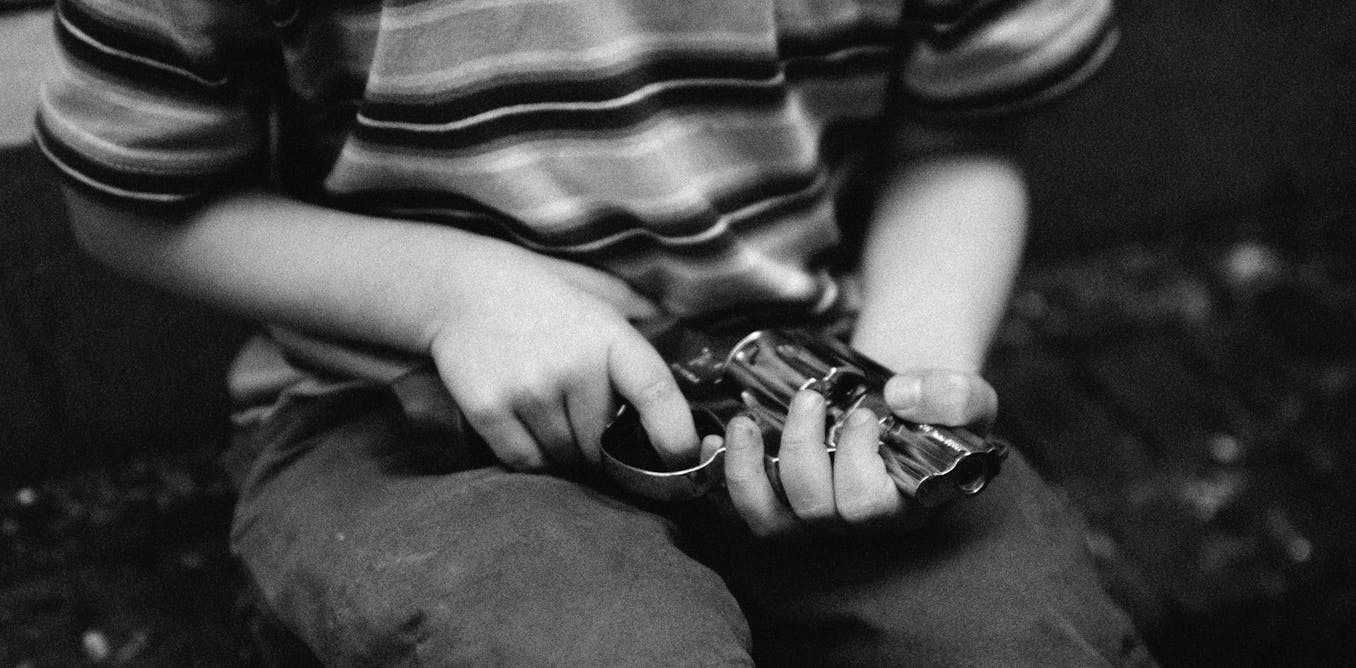
What Families Need to Know about How to Safely Store Firearms at Home
Guns have been identified as the leading cause of death for children in the United States, making ongoing discussions about firearm safety especially important. Kerri Raissian, an associate professor of public policy at the University of Connecticut, and Jennifer Necci Dineen, associate director of the ARMS Center for Gun Injury Prevention, recently co-authored an very important piece for The Conversation titled detailing what families need to know about safely storing firearms at home. There were 2,571 children age 1 to 17 who died in shootings in the U.S. in 2021, 68% more than the 1,531 that occurred in 2000. To help reduce the number of firearm-related deaths and injuries among children, Secretary of Education Miguel Cardona in January 2024 called upon school and district administrators to talk with parents and guardians about safe firearm storage practices. As experts on the safe storage of firearms – and as leaders of the University of Connecticut’s ARMS Center for Gun Injury Prevention – we often get questions about the best ways to keep guns out of the hands of children. We offer the following tips: 1: Safely store all of your firearms 2. Don’t assume you can hide your guns 3. Store ammunition separately 4. Learn to talk about firearm safety 5. Know the law 6. Invest in a quality safe and/or locking device The full piece is available here from The Conversation. Kerri Raissian is an associate professor in the School of Public Policy at the University of Connecticut, director of the University of Connecticut's UConn’s Center for Advancing Research, Methods, and Scholarship (ARMS) in Gun Violence Prevention, and co-director of the Institute for Collaboration on Health, Intervention, and Policy (InCHIP) Gun Violence Prevention Research Interest Group. Her research focuses on child and family policy, with an emphasis on understanding how policies affect fertility, family formation, and family violence. She is available to speak to media about this important topic - simply click on her icon now to arrange an interview today.


Baylor Expert: Don't Lose Focus on Spiritual and Mental Well-being
Baylor Social Work professor shares tips and resources during stressful half-way mark of semester Holly Oxhandler, Ph.D., LMSW., associate dean for research and faculty development and associate professor in the Diana R. Garland School of Social Work. October marks the halfway point to the fall semester and can carry all the excitement, stress and anxiety of another academic term winding to a close. The month also typically marks one of the busiest times of the year for university counseling centers across the nation. With unique challenges in 2020 related to COVID-19, the University has acknowledged those hardships for all in the Baylor Family by taking the initiative to focus on mental health throughout October. Baylor University’s Holly Oxhandler, Ph.D., LMSW, associate dean for research and faculty development and associate professor in the Diana R. Garland School of Social Work, is an expert on mental health, primarily anxiety and depression, as well as religion and spirituality in clinical practice. In this Q&A, she shares tips and resources to students, faculty and staff who are facing all of the typical challenges of another mid-term while also navigating a global health crisis. Q: The 2020 fall semester provided challenges and obstacles never seen before in higher education. Why has COVID-19 been a uniquely stressful influence on the mental and spiritual well-being of students, faculty and staff? There are a number of reasons COVID-19 has been a uniquely stressful influence on the mental and spiritual well-being of those in higher education. First, there are the unanticipated layers and learning curves of new considerations and adjustments to course delivery, safety protocols, dining, campus activities and communication, to name a few, on top of the typical adjustments and emotions we all navigate at the beginning of each fall semester. Second, those in higher education entered fall 2020 without the “typical” summer that’s needed to reset, make adjustments and plan for the upcoming year’s activities. For example, many administrators, faculty and staff spent the summer not only planning for the usual upcoming academic year but also reconfiguring classes to be hybrid or online or simultaneously include both in-person and online students, in addition to modifying student activities and faculty research project timelines and plans. For degree programs that include internships, like social work, there have also been additional layers of consideration in order to comply with our professional accreditation standards. Third, we recognize that many students, their family members, as well as Baylor faculty and staff members’ loved ones, have been affected by the economic impact of COVID-19, adding a layer of financial stress. Fourth, many within the Baylor community – staff, faculty and students – have needed to juggle childcare and homeschooling their children as they continue to engage in their own work and/or educational expectations. Finally, the fear of contracting COVID-19, especially among the most vulnerable and high-risk populations, has been constantly present. Not only are we adjusting to this academic year with new ways of being and new protocols that keep us and one another safe, we’re also facing unexpected waves of fear and layers of grief for the missed events, opportunities and connections we had hoped to experience. As resilient as our community is, I think it’s important to remember we cannot “operate as usual” because things aren’t usual. Instead, we must allow ourselves and one another the time, margin, flexibility and grace needed to sit with and move through the rising emotions, grief, stress, loneliness, fear and uncertainty as they come. We cannot skip or bypass these emotions, but instead, must move through them, often with the support of loved ones and/or a trained mental health care provider. Q: Mental and spiritual health are challenging during even a typical semester experience. What are some of the effects and reactions you’ve witnessed to these circumstances among students, faculty and staff compared to a non-COVID-19 semester? As human beings navigating a global pandemic to the best of our ability, our mental and spiritual health have all been impacted to some degree this semester as we have individually and collectively faced a number of unexpected difficulties. I have also seen a beautiful response to the reality of this collective struggle in my interactions with Baylor faculty, staff and students that includes deep empathy for one another and an increase in valuing authenticity as we engage in the high-quality, meaningful work we each do. It has been a gift to witness Baylor community members holding space for colleagues’ and students’ vulnerability as we admit this is hard for various reasons and recognize that we cannot just push our way through this season. When we admit this isn’t easy and that we are all juggling so much to the best of our ability through thick layers of uncertainty, it gives those around us permission to admit their experiences, too. In fact, I think when we create space for that shared vulnerability and empathy in our interactions with others, we can better assess the current situation, remain present to one another and discern what steps are needed to move forward together, particularly because we’re not carrying an additional layer of effort pretending that everything is fine. That said, the Garland School of Social Work conducted a couple of well-being surveys since this summer to internally check in on how our faculty and staff are coping with this season and identify the biggest stressors they’re facing and sources of support. Our faculty and staff have also been continually checking in on our students through this season. Not only do we see many noting the same stressors that we’re all facing these days, normalizing how difficult this is for each of us, but the act of nonjudgmentally holding that space for ourselves and one another has been a tangible step of offering the care we know is uniquely woven into the Baylor experience. Q: How can individuals within the campus community tend to their spiritual health to close out the semester? I would invite readers to take a moment to pause and identify a few spiritual practices that uniquely support them well, even if that means thinking back to less stressful seasons. The key to note here is that these are practices which require regular engagement, similar to if we were to practice a new instrument or sport. Spiritual practices can vary based on our faith tradition and may include praying; meditating; centering prayer; reading our religious text; walking a labyrinth; journaling; practicing gratitude; listening to a sermon or faith-based podcast; praying over and contemplating scripture; engaging in creativity; practicing daily examen; or listening to spiritual music. Some practices may involve other individuals that can be done safely, including seeking spiritual direction, participating in a Bible or faith-based book study with others or engaging in worship (even virtually!). These practices can offer a sense of groundedness and a reminder that God is with us, including through this season. As we continue to navigate this season of uncertainty, it is critical that we intentionally weave in spiritual practices that offer rhythms, routines and a grounded faith that can support us well through the waves of difficulty. Especially on campus, I would encourage Baylor community members to follow along with Spiritual Life’s resources and events, or check out Better Together BU, a partnership supported by both Spiritual Life and Multicultural Affairs. Q: How can individuals within the campus community tend to their mental health to close out the semester? Tending to our mental health in this last stretch of the semester will be so important as we move into the stress of finals, the complex emotions tied to the holidays, grief with upcoming celebrations looking different this year (including how we celebrate holidays, who we celebrate with and the reality of many having lost loved ones to COVID-19) and the reality of seasonal affective disorder on the horizon. In fact, in a typical year, about 5% of U.S. adults have seasonal affective disorder (SAD), with another 10-20% having mild forms of it. In light of all of the added transition, uncertainty, complexity of caregiving and homeschooling while working/studying at home, layers of loneliness and grief, I do hope our Baylor students, staff and faculty will actively prioritize taking good care of their mental health and supporting others’ mental health care, too. One way I highlight this with my social work students is by recommending creating a self-care plan that pays attention to our physical health, mental health, social support and spiritual health. If we can identify some strategies to holistically care for ourselves well and be mindful of potential barriers to navigate, we may have more resilience and practices to draw from to cope with challenges and stressors that arise. Finally, although NAMI highlights that 1 in 5 of us are currently facing a mental health struggle, some studies have shown that over 80% of us will meet criteria for a mental illness by young adulthood or middle-age. Therefore, I highly recommend that anyone who is noticing any changes in their mood, diet, sleep habits, behaviors or overall well-being immediately reach out for help. Students are encouraged to reach out to Baylor’s Counseling Center, CARE team or the BARC. Faculty and staff also have resources available through Baylor’s employee assistance program. Other resources for finding a mental health provider include HelpPRO, Psychology Today, Low Cost Help or these additional resources. For those who are deeply struggling, please reach out to the Suicide Prevention Lifeline at 1-800-273-8255 or text ‘HOME’ to 741-741 for the Crisis Text Line. As part of my faith and my social work values, I believe that each of us are worth caring for ourselves, including caring for our mental health alongside our spiritual and physical health. Q: What successes or bright spots have you seen within your campus experience that offer encouragement to how the Baylor Family has handled the crisis throughout the semester? I am regularly amazed by the Baylor students, faculty and staff, the ways we have navigated the crisis together this semester, and I am especially grateful for President Livingstone’s and Provost Brickhouse’s leadership since March. This semester, some bright spots have included Dr. Deborah Birx’s reflections on Baylor’s efforts to keep everyone safe from COVID-19, the Fall Faculty meeting and Dr. Peter Hotez’s appreciation of how Baylor leaders have kept the Baylor and Waco community safe and following along when Baylor students take over Baylor’s Instagram account (like Brandon Nottingham’s takeover on World Mental Health Day!). As the Garland School of Social Work’s associate dean for research and faculty development, I have also loved learning about the ways so many Baylor faculty are offering their unique research expertise and wisdom to serve others through this difficult time, such as Dr. Emily Smith’s “Friendly Neighbor Epidemiologist” Facebook page to explain COVID-19 information. I’ve also been reminded of what a gift it is to be a part of the Garland School of Social Work (GSSW) and this community of faculty, staff and students. The resilience, creativity, love for serving others, dedication to the social work profession and care for our students is so apparent within the GSSW. I have especially seen how my faculty and staff colleagues have adapted courses and assignments, creatively considered students’ needs and juggled their research responsibilities while extending grace to themselves and one another as we navigate this season together as a school to the best of our ability. Similarly, seeing our students’ resilience, flexibility, support of one another, commitment to the profession and heart for the clients and communities they serve is truly inspiring. Finally, Dean Jon Singletary’s servant-leader heart for the GSSW and the ways he has supported our school through so much transition over the last five years has been a gift. One example of this includes the two hours of weekly well-being time he extends for all GSSW staff and faculty to use in support of our spiritual and mental health care. Q: What gives you hope for the spring semester and beyond as students continue through their academic endeavors? Truthfully, our students’ presence and their enthusiasm over the fields of study they are dedicating their lives to gives me hope. As a professor, there is nothing like watching a student become fully alive in the work they are passionate about and feel as though they were made to do. Our students’ willingness to fully participate in the transformational education that Baylor offers, especially in this difficult season of COVID-19, is an honor to witness as a professor and certainly gives me hope. Further, seeing the ways our students are empathically caring for their neighbor by following Baylor’s safety guidelines, growing in their faith, checking in on one another, understanding faculty and staff are doing their very best and continuing to demonstrate their determination to learn and grow is an inspiration. My hope and prayer for our students as well as our staff and faculty colleagues as we move through the remainder of the fall semester and into the spring is that they rest as they need to and prioritize taking good care of their mental and spiritual health. I also pray that we recognize as a community that by caring for our spiritual and mental health, by taking this season one day at a time, by trusting we are doing our best and by reaching out for help when needed, we give others permission to do the same.

