
Experts Matter. Find Yours.
Connect for media, speaking, professional opportunities & more.

Why Operation Varsity Blues has some experts seeing red
It’s a scandal that has all the right ingredients - celebrity, trusted institutions, entitlement, bribery and now stars potentially behind bars. The 50 people charged on March 12 in a college admissions conspiracy include the tennis coach for the Obama family, an investor and friend of Bono and TV celebrities Felicity Huffman from Desperate Housewives and Full House’s Lori Loughlin. They are all wealthy, connected and parents who participated in a scheme that saw cheating on admission tests and bribery of college coaches to get their kids into some of the most elite schools across America. It’s embarrassing for the kids, the parents and the schools. But nonetheless, there will be consequences. This conspiracy was brought down by the FBI after all. However, there is collateral damage that has also been done to America’s academic community. The reputation, importance and value of a degree from a post-secondary institution has been sullied. And undoing this damage will not be easy. Dr. David Rettinger is Director of Academic Integrity at the University of Mary Washington and President of the International Center for Academic Integrity, an organization founded to combat cheating, plagiarism and academic dishonesty in higher education. “With the recent revelations from the indictments in Operation Varsity Blues, the integrity of higher education is once again under attack. As a scholar of student ethics and President of the International Center for Academic Integrity, I encourage both condemnation of this behavior and understanding of the context in which it occurred. Our society is commodifying higher education, focusing on degrees and not learning. I hope that the public discourse about education can focus on authentic learning rather than degrees and qualifications, so that higher education can remain a public good.” Approved quote from Dr. David Rettinger Dr. Rettinger is available to speak with media regarding this scandal as well as the importance of education and how universities and colleges across America will need to work to rebuild trust in the institutions that have been impacted by these events. Simply click on his icon to arrange an interview.


Many Americans already have enough “stuff,” and the gift-giving season sometimes adds to that collection of things we really don’t need. Instead of always receiving, how can we resolve to be more generous in the New Year? “Whatever our station, however much money or resources we have, we all have something to share and something to give,” says Andy Hogue, Ph.D., senior lecturer in Baylor’s Honors College who teaches a course on philanthropy and the public good. “I like the idea of thinking in terms of a New Year’s resolution, sort of resolving to be more generous and helping people to think in those ways.” Hogue offers four ways individuals and families can develop a spirit of generosity in the New Year. 1) Generosity starts with gratitude. “That is the very first step, just being grateful for what we have, but also realizing that to those given much, much is expected, and to begin thinking about not possessing things but stewarding things,” Hogue said. “Think of the many things we have that might benefit others, whether that is our time, our talents or our finances. There are so many things that we have at our disposal to be able to enrich communities and to help other people. Being able to think in those ways leads us down the path toward generosity and toward sharing.” 2) Generosity is more than just a transaction. “Think of philanthropy, generosity and giving as more than writing a check. Think of it as something that can be transformative and realize that there is no such thing as an unhappy generous person. It’s difficult to be unhappy when we are giving of ourselves.” 3) Generosity is a muscle you have to exercise. “If we can’t give of ourselves when we have limited means, what makes us expect that we would do it when we have more means?” Hogue said. “We all, in some way, are privileged and blessed and have resources that can be put to use for the benefit of someone else.” 4) Generosity can be creative. There are inspired ways to give birthday or Christmas gifts in honor of a family member or friend that bring about a beautiful thing Hogue likes to call the “philanthropy of collaboration.” “Imagine the many things that come together in this one simple act: you, the giver, are enriched by the series of events you set into motion while the person you honor with the gift appreciates your generosity and imagination. The beneficiary of the gift then takes your offering to enrich the lives of others,” Hogue said. It is, however, important to take cues from the person you honor and give a gift in support of the causes they hold dear. “You can go the traditional route – make a donation and give the person a piece of paper (acknowledging the gift) – or there are amazing web-based resources that can help people make very impactful gifts even with limited amounts,” Hogue said. “You give five dollars and with the magic of the Internet, the gift can go towards fighting disease in Africa, providing books for teacher’s classroom or buying someone in a poor country a goat or a cow or a pig that can be a source of generating income.” Baylor is among 19 universities that participate in the Fort Worth-based Philanthropy Lab, a hands-on philanthropy education program that sparks and expands students’ interest and participation in philanthropy. Since fall 2014, Hogue has taught a full-credit class of Baylor students, who have taken on a very tangible task: stewarding and giving away thousands of dollars – a total now more than $600,000 – in partnership with nonprofit organizations. Through this transformational undergraduate experience, Baylor students in the “Philanthropy and Public Good” class provide real funds for real needs in local, state and global communities while cultivating a philanthropic spirit and developing as innovative leaders poised for a lifetime of generosity.


Declaring a New Year's Resolution for 2019? Baylor Experts Can Help
WACO, Texas (Dec. 17, 2018) – As 2019 approaches, many Americans are considering ways to improve themselves via New Year’s resolutions. Whether it’s personal, like losing weight or clearing clutter, or it’s professional, such as being a better manager or breaking away from smartphones, the options are wide-ranging. Here is a listing of Baylor University research that might help advise those seeking positive change in the coming year. First and Foremost, Resolve not to Over-resolve Only 10 to 20 percent of people keep their resolutions, says Sara Dolan, Ph.D., associate professor and graduate program director of clinical psychology. She advises setting “bite-sized goals instead of a massive behavior change.” Rather than giving up sugar completely or going all out at the gym, she advises achieving small successes before moving on. Ask Yourself: “Do I really want to work from home?” Many U.S. employees believe working from home – or at least away from the office – can bring freedom and stress-free job satisfaction. A 2018 Baylor University study says, “Not so fast.” The research, led by Sara Perry, Ph.D., assistant professor of management in Baylor University’s Hankamer School of Business, found that: Autonomy is critical to protecting remote employees’ well-being and helping them avoid strain. Employees reporting high levels of autonomy and emotional stability appear to be the most able to thrive in remote-work positions. Employees reporting high levels of job autonomy with lower levels of emotional stability appear to be more susceptible to strain. “Any organization, regardless of the extent to which people work remotely, needs to consider well-being of their employees as they implement more flexible working practices,” the researchers wrote. Read more here. Save Money by being a Better Negotiator In today’s retail climate, where stores struggle to keep up with online competition and customers can compare prices with the ease of their smartphones, the price tag is just a starting point for negotiations, said negotiation expert Emily Hunter, Ph.D., associate professor of management in Baylor’s Hankamer School of Business. “No longer do you need to pay sticker price for everything you buy. The customer is now empowered to have a say in pricing, and even hourly retail workers are often empowered to give price discounts when requested,” Hunter said. Hunter said negotiations – whether in a retail setting or in the workplace – require confidence. “Many people are hesitant to negotiate because they don’t know how or they are worried about the other person’s reaction (Will they think I’m greedy?),” she said. “But practice can increase your confidence in your ability to negotiate. Rejection is less common than you fear, and retail stores especially are often willing to work with you.” She offered the following tips to increase the chances of greater deals at the check-out counter. Resolving to Be More Generous in the New Year Many Americans already have enough “stuff,” and the gift-giving season sometimes adds to that collection of things we really don’t need. Instead of always receiving, how can we resolve to be more generous in the New Year? “Whatever our station, however much money or resources we have, we all have something to share and something to give,” says Andy Hogue, Ph.D., senior lecturer in Baylor’s Honors College who teaches a course on philanthropy and the public good. “I like the idea of thinking in terms of a New Year’s resolution, sort of resolving to be more generous and helping people to think in those ways.” Hogue offers individuals and families four ways to develop a spirit of generosity in the New Year. Home Cooking Saves Money, Encourages Better Diet The more home-prepared foods used, the less risk there is of eating too many calories and fat calories, says Baylor University nutrition expert Janelle Walter, Ph.D., professor of family and consumer sciences and Nutrition Sciences Program coordinator. Home cooking also saves money and allows for more fruits, vegetables and dairy products — which often are missing when pre-prepared products are used — as well as less fat, sugar and salt. Some tips for prepping at home are making a precise list, lining up recipes and lists of ingredients, shopping when you aren’t hungry and preparing five main dishes at a time to see you through a few days. Involve your family in choosing foods, shopping and preparing foods, Walter says. Many simple and quick recipes are on online sites, she said, referencing these from Southern Living. Consider a New Approach to Dieting Meredith David, Ph.D., assistant professor of marketing in Baylor’s Hankamer School of Business, researched successful dieters and how they were different from others. Her research results have received national attention. “Our research shows that instead of creating rules to avoid one’s favorite treats, dieters should focus on eating healthy foods that they enjoy,” David said. “Dieters who restrict themselves from consuming the foods they love most may be setting themselves up for failure. Instead, they may be better off by allowing occasional ‘treats’ and focusing attention on healthy foods that they enjoy and making it a point to include those tasty but healthy foods in their diet.” Read the full article. Be Humble and Helpful In hard times, you know how much a helping hand means — and how humbling those times can be. So it might be good to resolve to look for opportunities to assist in 2019, while remembering not to pat yourself on the back for doing so. A decision to help someone else is influenced by time pressure, number of bystanders, empathy or a person's own distress — but that’s not all, says Baylor researcher Wade Rowatt, Ph.D., professor of psychology and neuroscience. “While several factors influence whether people will volunteer to help, it appears that humble people, on average, are more helpful than individuals who are egotistical or conceited.” Cultivate Patience — and Better Mental Health People who are more patient toward others also tend to be more hopeful, grateful and satisfied with life, says Sara Schnitker, Ph.D., associate professor of psychology and neuroscience. And there is more than one type of patience, including interpersonal patience — dealing with annoying people without losing your cool; handling life hardships — such as illness or unemployment — without frustration or despair; and coping with such daily hassles as traffic jams, computer woes and long lines. In her research, Schnitker invited undergraduates to two weeks of patience training, where they learned to identify feelings and their triggers, regulate their emotions, empathize and meditate. If you want to build your own patience, she recommends following three steps: identify, imagine and sync. First, take a moment to slow down an identify how you are feeling and why you might be feeling that way. Second, try to imagine or reappraise the situation from a different perspective or in a new way that helps you to be calm. Finally, sync with your purpose. Try to connect how what you are doing or enduring helps you pursue larger goals or your life purpose. When Ailing, Talk to A Doctor Instead of Searching the Internet for Answers Rather than heading to the doctor — or even the medicine cabinet — some people turn first to the Internet when they are ailing , according to a Baylor University researcher. Especially for folks who have trouble handling uncertainty, "cyberchondria" — the online counterpart to hypochondria — worsens as they seek answers, says Thomas Fergus, Ph.D., an associate professor of psychology and neuroscience in Baylor's College of Arts & Sciences. “They may become more anxious. And the more they search, the more they consider the possibilities,” he says. Doubts about health also can trigger worries about medical bills, disability and job loss, he said. And that can lead to a Catch-22 of more Googling (sometimes of questionable sources). Rather than giving in to cyberchondria, resolve to call your doctor — and take what you read with a grain of salt. In Conflicts with your Significant Other, Relinquish Power During spats with your spouse or significant other, the most common thing people want is not an apology, but a willingness to relinquish power, says Keith Sanford, Ph.D., professor of psychology and neuroscience in Baylor University's College of Arts & Sciences. That comes in many forms, among them giving a partner more independence, admitting faults, showing respect and being willing to compromise. Following closely behind the desire for shared control was the wish for the partner to show more of an investment in the relationship by such ways as sharing intimate thoughts or feelings, listening and sharing chores and activities, Sanford said. Sleep Better in the New Year Writing a “to-do” list at bedtime may aid in falling asleep, according to a Baylor University study by Michael K. Scullin, Ph.D., director of Baylor’s Sleep Neuroscience and Cognition Laboratory and assistant professor of psychology and neuroscience. Scullin's 2018 research compared sleep patterns of participants who took five minutes to write down upcoming duties versus participants who chronicled completed activities. Scullin suggests that writing a list may allow the brain to “offload” them instead of cycling through them repeatedly. Other hints: Use the bed for sleep rather than studying or entertainment; keep a regular sleep schedule; avoid electronics near bedtime; don’t take long day naps; and stay away from stimulants at least six hours before bedtime. Clear Out Clutter Without Getting Frazzled “Don’t try to organize the entire house in one weekend,” said Elise King, assistant professor in the department of family and consumer sciences. “You are much more likely to complete a task, especially one that you’ve probably been avoiding, if you break it into small goals. Don’t try to clean out an entire room over a weekend; instead, focus on the desk one week, the closet the next, and so forth.” Finally, involve your family, strive to make organization a routine — and reward yourself for your efforts. Break Away from the Smartphone Baylor marketing researchers James Roberts and Meredith David, Ph.D. have conducted numerous studies on the effects of smartphone technology on relationships. Their studies on “phubbing” – phone snubbing – have garnered national and international interest, given the pervasiveness of smartphone technology and its impact on relationships. Their studies have found: Bosses Who “Phone Snub” Their Employees Risk Losing Trust and Engagement “Phubbing” can damage romantic relationships and lead to higher levels of depression People who are phone snubbed by others are, themselves, often turning to their smartphones and social media to find acceptance “Although the stated purpose of technology like smartphones is to help us connect with others, in this particular instance, it does not,” David said. “Ironically, the very technology that was designed to bring humans closer together has isolated us from these very same people.”


The Empty Chair at Christmas: Helpful Ways to Interact with Someone Grieving the Loss of a Loved One
For many, this Christmas will be the first holiday without a special loved one. The loss of a family member or a friend brings obvious grief. And for those who have the opportunity to interact with a bereaved person, there are often questions: What do I do? What do I say? There are ways that are more helpful and ways that are less helpful to approach a grieving person, said grief expert Helen Harris, Ed.D., associate professor in Baylor University's Diana R. Garland School of Social Work. “There are so many things that folks say that are not helpful, mostly when we tell people what to do, what to believe and how not to feel,” Harris said. “Examples are: ‘God needed another angel’ or ‘At least you had him for x-amount of years’ or ‘You shouldn’t feel sad. He isn’t suffering anymore.’ More helpful ways to interact with a grieving person include: Listen more than talk. “It is OK to say, ‘I don’t know what to say but I want you to know that I care,’” Harris said. “It is a better choice than saying nothing, or saying things that judge and marginalize.” Acknowledge the loss and express your caring. “Be available; be present to say a word about the special life that is gone. Ask if there is a holiday-related task you can help with. Will they be alone for Christmas? Invite them over or take a meal to their home if they are not ready to get out and be around others. Offer to help with Christmas shopping or wrapping.” Find a way to include the lost loved one in the holidays. “I recommend families find a way to include the lost loved one in the holidays: to light a candle on the mantel to burn through the day as a symbol of his continued presence, to make an ornament with her name and place it on the tree, to talk about their roles and be intentional about who will assume those roles now of carving the turkey, etc., to use at least one of their favorite recipes for a holiday dish.” Take time to tell stories and look through old photos. But don’t push it. “If folks find it too painful, there should be no pressure to do it,” Harris said. “There will be other holidays, other times and other gatherings.” Ask what helps and be open to what doesn’t. “I ask the bereaved person to tell me what the experience is like for them and I ask what helps or doesn’t help them.” Avoid “helpful” actions that are actually hurtful. “When you stay away, pretend it didn’t happen or walk the other way in a store so you don’t have to say anything – those things hurt,” Harris said. Understand that there’s no set time frame for someone who suffers a loss to be “over it” or “move on.” Harris said adjustment to loss is a long process and tends to get worse before it gets better. Those not closely connected to the loss will move on with their busy lives while the person who has lost a spouse or child or parent will experience fresh loss over and over again for the first year while facing the first Thanksgiving, birthday, anniversary, Christmas, vacation, etc. without the person with whom they had always shared those moments. “There is a time when we manage our grief more than it manages us, and a time when the healing becomes strength, like a healed broken bone is stronger at the point of healing than the bone around it. But we are always changed, different because of both the life and the death of the person we loved and lost,” Harris said. “Continuing to miss our loved ones, and more importantly, being aware at times of how much we wish they were present, is, I believe, a life-long experience – and does not mean we have failed to move on.”

How to Negotiate the Best Retail Price: Baylor Expert Shares 11 Tips
Confidence in retail negotiations can lead to confidence in salary talks as well, management expert says In today’s retail climate, where stores struggle to keep up with online competition and customers can compare prices with the ease of their smartphones, the price tag is just a starting point for negotiations, said a negotiation expert at Baylor University. “No longer do you need to pay sticker price for everything you buy. The customer is now empowered to have a say in pricing, and even hourly retail workers are often empowered to give price discounts when requested,” said Emily Hunter, Ph.D., associate professor of management in Baylor University’s Hankamer School of Business, and an expert in negotiation and conflict management. Hunter said negotiations – whether in a retail setting or in the workplace – require confidence. “Many people are hesitant to negotiate because they don’t know how or they are worried about the other person’s reaction (Will they think I’m greedy?),” she said. “But practice can increase your confidence in your ability to negotiate. Rejection is less common than you fear, and retail stores especially are often willing to work with you.” She offered the following tips to increase the chances of greater deals at the check-out counter. Be nice. First and foremost, always be kind and polite when asking for a discount in retail settings, Hunter said. You are much more likely to be successful if someone wants to help you out, as opposed to demanding a discount or raising your voice to puff up your sense of power. It’s not a power play. Instead, negotiating is a matter of give-and-take. Find defects. It is easier to negotiate an item if you can find something wrong with it. Most stores have a policy in place that allows cashiers and salespeople to offer a moderate discount (typically 10-15 percent), but when they offer it, be persistent and politely try to push them for more. “I’ve negotiated a rug because it was on the sales floor and had frayed edges, a metal cabinet with a dent in the back (Who will ever see that? It’s in the back!), and clothing with a slight stain,” Hunter said. “Point out the defect to the person you are negotiating with and ask for half off.” Look for mark-downs. If an item is marked down or “open-box,” then ask for further discounts, Hunter advised. Remember, the store already acknowledged that the item is worth less than original price and they are likely desperate to be rid of it quickly. “Borrow” a coupon during check-out. When making a purchase, Hunter said she is often asked the question: “Do you have a coupon?” Instead of saying no, she said it might save some money to consider another reply. “Whenever I’m asked this question at check-out, I reply, ‘No, do you have one I could use?’ This works more often than you might think and can result in sweet savings. No clipping required,” she said. Prepare yourself – quickly. When you see an item that could be a good opportunity to negotiate, Hunter said it’s best to prepare quickly with three steps. First, set a strong goal for yourself, usually in the form of a steep discount you will request. Second, set a “redline” price, the highest price you are willing to pay. Third, consider your best alternative – which might be purchasing the same item online for less – if negotiations fail. Find a BATNA. “In negotiation lingo, we call your best alternative your BATNA – Best Alternative to a Negotiated Agreement,” Hunter said. “In retail, it’s extremely important to shop around both at other stores and online to see if the same or a similar item is offered elsewhere for less. This can be your bargaining chip to ask for a discount.” She explained that most big-box stores now have a price-matching policy, but it’s worth trying to go beyond the price match and ask for an additional 10 percent discount, particularly if you agree to purchase at that moment. “Think about it from the store’s perspective,” she said. “They want to keep you from buying from major online retailers, so they might agree to a discount.” Ask for a higher discount than you’re seeking. Let’s say you’re seeking $200 off the price of a refrigerator. Hunter said it’s not wise to start your negotiation by asking for $200 off, because you are almost guaranteed to get less than that. “In negotiations, both sides expect some give-and-take, and the retailer is unlikely to accept your first offer,” she said. “Start by asking for $500 off the fridge and see what they say. Even better, back up your offer by pointing out a defect, a cheaper price online for the same product or evidence of a sale at the same store that just ended.” Pretend you own the business. Think from the seller’s perspective, Hunter advised. Consider what the seller wants from you, the customer. Besides the obvious answer of higher sales and profit, simply offering to write a review online could be very helpful, especially for small businesses. “I once got a great deal on a tool cabinet because I offered to write a positive review on the customer experience survey (you know, the one you get on your receipt that few people fill out?). The manager said that would be wonderful because his store performance is assessed partly based on those customer surveys and he really needed a good review that quarter,” Hunter said. Always negotiate furniture. Hunter said the markup on furniture is often extremely high, as much as 80 percent, and that makes furniture a target for negotiation. “I always negotiate when buying everything from mattresses to sofas to end tables,” she said. “Ask for big discounts at first, as you never know how desperate they are to rotate their stock. And try asking for steeper discounts if you buy multiple pieces, or buying a sofa set and getting the coffee table thrown in for free.” Choose your opponent wisely. When you choose to negotiate, make sure you’re dealing with the people who can make the decisions, Hunter said. Sometimes the clerks on the floor might not be the best option, so jump straight to the cashier or the manager to work with someone who has the authority to make a pricing decision. Remember the ultimate goal. Negotiation is not just about saving a few dollars, Hunter said. Instead, it’s about building negotiating skills. “Negotiating in retail settings can be a helpful practice to build your confidence to negotiate more important items such as salary and work projects,” she said. “While negotiating salary and other relationship-based issues at work differs quite a bit from the strategies described here, the first step is having the confidence to ask.” ABOUT EMILY HUNTER, PH.D. Emily Hunter, Ph.D., associate professor of management in Baylor University's Hankamer School of Business, teaches negotiation and conflict management. Her research on employee work-family issues, workday breaks and deviant behavior has appeared in academic journals such as Journal of Applied Psychology, Journal of Management and Journal of Organizational Behavior. She is also the co-author of "Organized Innovation: A Blueprint for Renewing America's Prosperity." ABOUT BAYLOR UNIVERSITY Baylor University is a private Christian University and a nationally ranked research institution. The University provides a vibrant campus community for more than 17,000 students by blending interdisciplinary research with an international reputation for educational excellence and a faculty commitment to teaching and scholarship. Chartered in 1845 by the Republic of Texas through the efforts of Baptist pioneers, Baylor is the oldest continually operating University in Texas. Located in Waco, Baylor welcomes students from all 50 states and more than 80 countries to study a broad range of degrees among its 12 nationally recognized academic divisions. ABOUT BAYLOR’S HANKAMER SCHOOL OF BUSINESS Baylor University’s Hankamer School of Business provides a rigorous academic experience, consisting of classroom and hands-on learning, guided by Christian commitment and a global perspective. Recognized nationally for several programs, including Entrepreneurship and Accounting, the school offers 24 undergraduate and 13 graduate areas of study. Visit www.baylor.edu/businessand follow on Twitter at twitter.com/Baylor_Business.

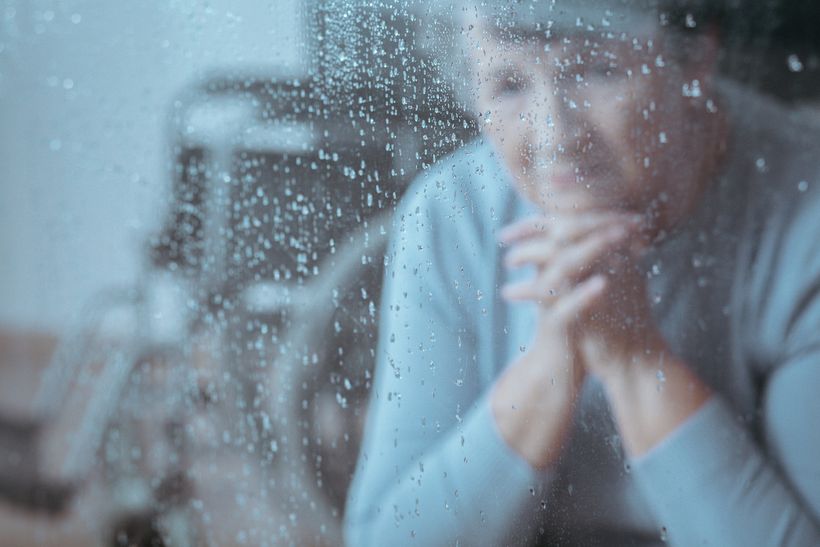
Baylor Gerontology Expert: Signs that Your Loved One is Suffering Elder Abuse
Each year, an estimated 5 million older adults are abused, neglected or exploited, according to the Administration for Community Living. Gerontology expert James Ellor, Ph.D., M.Div., professor in Baylor University’s Diana R. Garland School of Social Work, shares what elder abuse looks like and how people can respond if they see the signs. Reports of abuse are most often submitted by family members, hospital staff and law enforcement. But churches and other organizations should also be diligent, Ellor said, adding that clergy are considered mandatory reporters in many states. “No one group of caring persons can solve this problem alone; it takes a community of caring lay and professional leaders to even try to start to make a difference,” Ellor said. “If signs are noticeable, the next steps will depend on the type of abuse. In most cases, counseling support is critical, but often the need for medical help or legal help is also very important.” Elder abuse – intentional or negligent acts by a caregiver or trusted individual – comes in many forms: neglect or isolation, physical abuse, sexual abuse, exploitation or financial abuse, emotional and psychological abuse, verbal abuse and threats. Physical Abuse Like any other form of physical abuse, physical abuse incudes odd bruising, broken bones or contusions that are not easily explained, Ellor said. One sign that quickly raises suspicion is when broken bones or bruises happen repeatedly. Drug overdoses or the withholding of drugs are also challenging. Emotional abuse Ellor said this could include yelling at the senior, humiliating him or her, blaming and/or scapegoating. Sexual abuse “This is contact without consent,” Ellor said. “We see this often between spouses, particularly when one spouse has dementia.” Neglect “Possibly one of the most common categories, it simply means not taking the time to respond to a wide variety of needs when one is the designated caregiver,” Ellor said. Financial exploitation “Laws governing guardianship and power of attorney try to address this, but family members who take money from seniors as cash or property are the most common culprits,” Ellor explained. Fraud This can involve financial exploitation or even heath care fraud, but it generally involves either over-charging, selling unnecessary benefits of something, or it may include trying to sell something that would benefit one’s children, Ellor said. Self-Neglect “Some seniors simply choose to not help themselves, often in the name of leaving money or property to family members,” Ellor said. “Evidence of this could be that they don’t purchase needed medications or other resources.” Report suspected mistreatment to local adult protective services, long-term care ombudsman or law enforcement agencies that can investigate the situation. ALSO READ: "Gerontology Expert: Six Questions You Should Ask Before Choosing a Nursing Home" SEE: Baylor University's Directory of Faculty Experts ABOUT JAMES ELLOR, PH.D. James Ellor, Ph.D., M.Div., is a professor in Baylor University’s Diana R. Garland School of Social Work. Ellor works with older adults around issues of mental and spiritual health. He has served on the executive committee of the Midwestern Geriatric Education Center and provided education, counseling and planning for individuals and groups who work with seniors. His research includes work in entrostomal therapy, hunger, the church as service provider, spiritual assessment and intervention techniques with cognitively impaired older adults. ABOUT BAYLOR UNIVERSITY Baylor University is a private Christian University and a nationally ranked research institution. The University provides a vibrant campus community for more than 17,000 students by blending interdisciplinary research with an international reputation for educational excellence and a faculty commitment to teaching and scholarship. Chartered in 1845 by the Republic of Texas through the efforts of Baptist pioneers, Baylor is the oldest continually operating University in Texas. Located in Waco, Baylor welcomes students from all 50 states and more than 80 countries to study a broad range of degrees among its 12 nationally recognized academic divisions. ABOUT DIANA R. GARLAND SCHOOL OF SOCIAL WORK Baylor University’s Diana R. Garland School of Social Work is home to one of the leading graduate social work programs in the nation with a research agenda focused on the integration of faith and practice. Upholding its mission of preparing social workers in a Christian context for worldwide service and leadership, the School offers a baccalaureate degree (B.S.W.), a Master of Social Work (M.S.W.) degree and three joint-degree options, M.S.W./M.B.A., M.S.W./M.Div. and M.S.W./M.T.S., through a partnership with Baylor’s Hankamer School of Business and George W. Truett Theological Seminary, and a Ph.D. program. Visit www.baylor.edu/social_work to learn more.

Bad Behavior Toward Significant Other in Tough Times Has More Impact than Positive Gestures
Refraining from criticism or abandonment is better than simply being encouraging, Baylor University study finds Refraining from bad behavior toward a significant other during stressful life events is more important than showing positive behavior, according to a Baylor University study. Compared with positive gestures, negative ones tend to trigger more intense and immediate responses, according to the study. And how a couple works together during stressful times is associated with individual well-being as well as satisfaction with the relationship. “When people face stressful life events, they are especially sensitive to negative behavior in their relationships, such as when a partner seems to be argumentative, overly emotional, withdrawn or fails to do something that was expected,” said researcher Keith Sanford, Ph.D., professor of psychology and neuroscience in Baylor’s College of Arts & Sciences. “In contrast, they’re less sensitive to positive behavior — such as giving each other comfort,” he said. The study also found that low doses of a behavior are most important, and over time, more extreme levels have less impact. “Because people are especially sensitive to negative relationship behavior, a moderate dose may be sufficient to produce a nearly maximum effect on increasing life stress,” Sanford said. “After negative behavior reaches a certain saturation point, it appears that stress is only minimally affected by further increases in the dose of relationship problems.” The study — “Negative Relationship Behavior Is More Important Than Positive: Correlates of Outcomes During Stressful Life Events” — is published in the Journal of Family Psychology. Sanford and co-researcher Alannah Shelby Rivers, doctoral candidate in psychology and neuroscience, surveyed couples experiencing stressful life events to measure their behavior, relationship satisfaction, personal well-being and quality of life. The research consisted of two studies done using data from Internet samples. In the first study, 325 couples who were married or living with a partner all reported experiences of at least one of six possible stressful events within the past month, including: losing a job, becoming a primary caregiver of an older relative, experiencing a parent’s death, experiencing a child’s death, not having enough resources to afford basic necessities, and experiencing bankruptcy, foreclosure or repossession of a house or car. The second study included 154 people who were either married or living with a partner and experiencing a serious medical issue meeting one or more of these criteria: a condition requiring hospitalization or a trip to the emergency room, a serious chronic condition and a life-threatening condition. All participants reported that they had visited a medical practitioner within the past year for treatment of their conditions. Researchers used a scale that included 18 items — nine for negative and nine for positive behavior. Participants were asked to remember the past month, then write a few words describing different memories of interactions occurring in their relationships and indicate how often specific types of interactions occurred in their relationships. All participants also were asked questions about how rewarding their relationships were, their general well-being (such as being active and vigorous) and their quality of life (such as health). Those in the first study also were asked about stress, their coping strategies in general and their coping style in the relationship. The second study, examining couple’s behavior during stressful medical events, showed lower levels of negative behavior than the first study dealing with other types of stressful issues. “It is possible that couples facing stressful medical situations are less likely to blame each other,” researchers wrote. “When people face stressful life events, it’s common to experience both positive and negative behavior in their relationships,” Sanford said. “When the goal is to increase feelings of well-being and lessen stress, it may be more important to decrease negative behavior than to increase positive actions.” ABOUT BAYLOR UNIVERSITY Baylor University is a private Christian University and a nationally ranked research institution. The University provides a vibrant campus community for more than 17,000 students by blending interdisciplinary research with an international reputation for educational excellence and a faculty commitment to teaching and scholarship. Chartered in 1845 by the Republic of Texas through the efforts of Baptist pioneers, Baylor is the oldest continually operating University in Texas. Located in Waco, Baylor welcomes students from all 50 states and more than 80 countries to study a broad range of degrees among its 12 nationally recognized academic divisions. ABOUT BAYLOR COLLEGE OF ARTS & SCIENCES The College of Arts & Sciences is Baylor University’s oldest and largest academic division, consisting of 25 academic departments and seven academic centers and institutes. The more than 5,000 courses taught in the College span topics from art and theatre to religion, philosophy, sociology and the natural sciences. Faculty conduct research around the world, and research on the undergraduate and graduate level is prevalent throughout all disciplines. Visit www.baylor.edu/artsandsciences.

Study: Discuss Religion, Spirituality When Treating Young Adults with Severe Mental Illness
Baylor researcher and expert says it’s “critical” that mental health providers be equipped to assess clients’ religion/spirituality A majority of young adults with severe mental illness – bipolar disorder, schizophrenia or major depression – consider religion and spirituality relevant to their mental health, according to a new study from Baylor University’s Diana R. Garland School of Social Work. Holly Oxhandler, Ph.D., associate dean for research and faculty development in the Garland School of Social Work, served as lead author on the study, which was published in the journal Spirituality in Clinical Practice. Researchers examined data from 55 young adults (ages 18-25) with serious mental illness who had used crisis emergency services. Of the 55 young adults interviewed, 34 “mentioned religion or spirituality in the context of talking about their mental health symptoms and service use with little-to-no prompting,” researchers wrote. The sample for the study was racially diverse and gender-balanced. Not all of those interviewed considered themselves religious, as 41 percent answered “other,” “I don’t know” or “none” when asked their religious preference. However, researchers found that religion and spirituality emerged as a unique way in which this sample was able to make sense of their difficult life situations and mental health struggles. “Not only did these young adults struggle with serious mental illness, but they had also experienced extreme adversity – including abuse, poverty, homelessness, addiction, near-death experiences, loss and an overwhelming lack of access to medical and mental health services,” researchers wrote. “Yet, many attempted to explain, make sense of or organize their circumstances through their religious/spiritual perspective and talked about God as a source of comfort and support.” The young adults expressed both positive and negative views of God, prayer and support from religious and spiritual communities. Regardless of their views, the important thing to note, Oxhandler explained, is that they’re talking about these topics – something social workers and counselors traditionally are not often equipped or trained to assess or discuss. “It’s the elephant in the room,” Oxhandler said of discussions of religion and spirituality. “If we continue to ignore it, we’re ignoring a huge component of peoples’ lives that may be tied to the clinical issue.” Oxhandler, who has researched this area extensively, said such discussions can help drive subsequent treatment options. “As mental health care providers discern what mental health services to provide or coping strategies to recommend, it’s especially important they understand the role of religion/spirituality in the lives of the vulnerable young adults they serve,” she said. Researchers also found that those surveyed described using positive religious coping, negative religious coping or experiences, discussed their relationship with God/Higher Power and unpacked the role of their support systems and faith. Positive religious coping included prayer, reading religious texts, support from their religious and spiritual communities and identifying religious and spiritual meaning in difficult situations. Negative religious coping or experiences included having a negative experience with a religious organization not being supportive or receiving hurtful messages from the religious community. “Those who discussed their relationship with God or a higher power discussed God providing a sense of comfort or protection, accepting them for who they are or positively intervening in their lives,” Oxhandler said. “Among those who unpacked the role of their support systems and faith, they often described family and friends referencing religion or God for support, and some even offered recommendations for others struggling with mental illness that involve religion and spirituality.” Some of those interviewed shared that they found the mention of God or religion by family and friends less than helpful. For example, a 22-year-old white female with no religious identification mentioned in her interview that a family member “tries to tell me that going to church will be better for me because it will help me find peace, and it really does quite the opposite.” Interestingly, researchers noted that nearly all participants who reported negative experiences with religion and spirituality also reported utilizing positive religious and spiritual coping or having a positive relationship with God. Oxhandler said such complexity highlights the importance of including religion and spirituality during the initial assessment with a client. “It’s critical that mental health care providers be well equipped and trained to assess for the complex role of religion and spirituality in the lives of young adults with serious mental illness, recognizing that it could appear to be a tremendous source of support and resilience and/or a source of pain and discomfort, if even a part of their lives at all,” she said. ABOUT THE STUDY “Religion and Spirituality Among Young Adults With Severe Mental Illness,” published in the journal Spirituality in Clinical Practice, is authored by Holly K. Oxhandler, Ph.D., L.M.S.W., assistant professor and associate dean for research and faculty development, Diana R. Garland School of Social Work, Baylor University; Sarah C. Narendorf, Ph.D., L.C.S.W., assistant professor, Graduate College of Social Work, University of Houston; and Kelsey M. Moffatt, M.S.W., Diana R. Garland School of Social Work, Baylor University. ABOUT BAYLOR UNIVERSITY Baylor University is a private Christian University and a nationally ranked research institution. The University provides a vibrant campus community for more than 17,000 students by blending interdisciplinary research with an international reputation for educational excellence and a faculty commitment to teaching and scholarship. Chartered in 1845 by the Republic of Texas through the efforts of Baptist pioneers, Baylor is the oldest continually operating University in Texas. Located in Waco, Baylor welcomes students from all 50 states and more than 80 countries to study a broad range of degrees among its 12 nationally recognized academic divisions. ABOUT DIANA R. GARLAND SCHOOL OF SOCIAL WORK Baylor University’s Diana R. Garland School of Social Work is home to one of the leading graduate social work programs in the nation with a research agenda focused on the integration of faith and practice. Upholding its mission of preparing social workers in a Christian context for worldwide service and leadership, the School offers a baccalaureate degree (B.S.W.), a Master of Social Work (M.S.W.) degree and three joint-degree options, M.S.W./M.B.A., M.S.W./M.Div. and M.S.W./M.T.S., through a partnership with Baylor’s Hankamer School of Business and George W. Truett Theological Seminary, and a Ph.D. program. Visit www.baylor.edu/social_work to learn more.


Grip Strength of Children Gives Clues about Their Future Health, Study Finds
Measuring hand grip can help identify youths who could benefit from lifestyle changes to improve health, Baylor researcher says Adolescents with a strong hand grip — an indicator of overall muscle strength — have better odds of being healthy over time, according to a two-year study of 368 elementary school children. While other studies have shown that muscle weakness as measured by grip strength is a predictor of unhealthy outcomes — including cardiovascular and metabolic diseases, disability and even early mortality — this is the first to do so for adolescent health over time, a Baylor University researcher said. “What we know about today’s kids is that because of the prevalence of obesity, they are more at risk for developing pre-diabetes and cardiovascular disease than previous generations,” said senior author Paul M. Gordon, Ph.D., professor and chair of health, human performance and recreation in Baylor’s Robbins College of Health and Human Sciences. “This study gives multiple snapshots over time that provide more insight about grip strength and future risks for developing diabetes and cardiovascular disease,” he said. “Low grip strength could be used to predict cardiometabolic risk and to identify adolescents who would benefit from lifestyle changes to improve muscular fitness.” The study — "Grip Strength is Associated with Longitudinal Health Maintenance and Improvement in Adolescents" — is published in The Journal of Pediatrics. It was conducted by researchers at Baylor University, the University of Michigan and the University of New England. Students tracked in the study were assessed in the fall of their fourth-grade year and at the end of the fifth grade. Using the norms for grip strengths in boys and girls, researchers measured the students’ grips in their dominant and non-dominant hands with an instrument called a handgrip dynamometer. Researchers found that initially, 27.9 percent of the boys and 20.1 percent of the girls were classified as weak. Over the course of the study, boys and girls with weak grips were more than three times as likely to decline in health or maintain poor health as those who were strong. Researchers also screened for and analyzed other metabolic risk factor indicators, including physical activity, cardiorespiratory fitness, body composition (the proportion of fat and fat-free mass), blood pressure, family history, fasting blood lipids and glucose levels. “Even after taking into account other factors like cardiorespiratory fitness, physical activity and lean body mass, we continue to see an independent association between grip strength and both cardiometabolic health maintenance and health improvements,” Gordon said. While much emphasis has been placed on the benefits of a nutritious diet and aerobic activity, this study suggests that greater emphasis needs to be placed on improving and maintaining muscular strength during adolescence. If someone with a strong grip develops an even stronger grip, “we don’t necessarily see a drastic improvement in that individual’s health,” Gordon noted. “It’s the low strength that puts you at risk. “Given that grip strength is a simple indicator for all-cause death, cardiovascular death and cardiovascular disease in adults, future research is certainly warranted to better understand how weakness during childhood tracks into and throughout adulthood,” he said. “Testing grip strength is simple, non-invasive and can easily be done in a health care professional’s office. It has value for adults and children.” *An estimated 17.2 percent of U.S. children and adolescents aged 2 to 19 years are obese and another 16.2 percent are overweight, according to the National Center for Health Statistics. Excess weight carries a greater lifetime risk of diabetes and premature heart disease. While the World Health Organization and the U.S. Department of Health and Human Services recommend that youths perform at least 60 minutes of moderate to vigorous physical activity daily — including vigorous activity at least three days a week — fewer than a quarter of U.S. children do so, according to a report by the nonprofit National Physical Activity Plan Alliance. ABOUT THE STUDY The data source was the Cardiovascular Health Intervention Program (CHIP), supported by a subcontract from the Children’s National Medical Center in Washington, D.C., which was funded from The Clark Charitable Foundation. Co-researchers were lead author Mark D. Peterson, Ph.D., assistant professor, University of Michigan Department of Physical Medicine and Rehabilitation in Ann Arbor, Michigan; Baylor graduate Sonja Smeding, B.S. (Biology), ’18; and Paul Visich, Ph.D., professor and chair, University of New England’s Department of Exercise and Sport Performance in Biddeford, Maine. ABOUT BAYLOR UNIVERSITY Baylor University is a private Christian University and a nationally ranked research institution. The University provides a vibrant campus community for more than 17,000 students by blending interdisciplinary research with an international reputation for educational excellence and a faculty commitment to teaching and scholarship. Chartered in 1845 by the Republic of Texas through the efforts of Baptist pioneers, Baylor is the oldest continually operating University in Texas. Located in Waco, Baylor welcomes students from all 50 states and more than 80 countries to study a broad range of degrees among its 12 nationally recognized academic divisions. ABOUT THE ROBBINS COLLEGE OF HEALTH AND HUMAN SCIENCES The Robbins College of Health and Human Sciences at Baylor University was established in 2014, a result of identified priorities for strengthening the health sciences through Baylor’s strategic vision, Pro Futuris, which serves as a compass for the University’s future. The anchor academic units that form the new College – Communication Sciences and Disorders, Family and Consumer Sciences and Health, Human Performance and Recreation – share a common purpose: improving health and the quality of life. The College is working to create curricula that promote a team-based approach to patient care and establish interdisciplinary research collaborations to advance solutions for improving the quality of life for individuals, families, and communities. For more information visit Robbins College of Health and Human Sciences.

‘The surprise, and the up side, is that episodic memories from before the children’s treatment were spared,’ Baylor researcher says Children with certain types of brain tumors who undergo radiation treatment are less likely to recall the specifics of events they experienced after radiation than to remember pre-treatment happenings, according to a Baylor University study comparing them to children with healthy brains. The finding is significant because children after treatment had less volume in the hippocampus — a part of the brain that plays an important role in memory. But while such a decrease usually is associated Alzheimer’s disease, dementia, brain injury, epileptic amnesia, encephalitis and aging, with those conditions both remote and recent memories are impaired, said lead author Melanie Sekeres, Ph.D., director of Sekeres Memory Laboratory at Baylor University. “The surprise, and the up side, is that episodic memories from before the children’s treatment were spared,” Sekeres said. For the study, published in The Journal of Neuroscience, researchers focused on “autobiographical memory,” which is linked to unique personal events and involves the recollection of emotional and perceptual details that allow a person to mentally re-experience the event, said Sekeres, assistant professor of psychology and neuroscience in Baylor’s College of Arts & Sciences. Radiotherapy and chemotherapy are used to treat the most common malignant brain tumor in children — a medulloblastoma. The reduced volume of the hippocampus is likely associated with radiation’s impact on the development of new cells in the nervous system, including the growth of new neurons in the hippocampus, or neurogenesis. “We know that these new cells play crucial roles in regulating memory and spatial learning, which is required to navigate. These treatments limit the brain’s ability to produce these new cells, which, in turn, limits the ability to form new memories,” Sekeres said. Research participants were 13 child survivors of brain tumors who had previously received radiotherapy and chemotherapy treatment at least one year before the study. Twenty-eight healthy youths of similar ages (ranging from 7 to 18) also were recruited for the study, conducted with The Hospital for Sick Children in Toronto, Ontario, Canada. All the youths completed the Children’s Autobiographical Interview — a standardized memory test — and underwent magnetic resonance imaging (MRI) of the brain. In individual interviews, children in both groups also were asked to recall memories from personal events that occurred at a specific time and place. Children were asked to recall a very old memory from an event before their radiation treatment (or an equally old memory for the healthy children) and a recent memory from within the past month. They were offered a list of events such as a birthday party, family trip, graduation and getting a pet but were told that they could choose another happening. The interview allowed children to freely recall without prompting before being asked general and specific questions about the event. “They have a hard time forming new, detailed memories,” Sekeres said. For example, when talking about a recent birthday party for a friend, they might tell how they met the friend and what that individual likes to do, but few specifics such as what they wore, the type of cake, what friends were there and what activities they did at the party, she said. “Such specific details might seem trivial, but these are precisely the kinds of details that allow us to vividly replay important events in our lives,” Sekeres said. “For most events, though, even healthy people forget a lot of specific details over time because we typically don’t need to retain all that incidental information. Some forgetting is normal and adaptive, and what we remember is the gist of an older event.” The patients were just as capable as healthy children of recalling these older memories, she said. But for children with brain tumors who have undergone radiation, the study suggested “deficits in their ability to either encode and/or retrieve highly detailed memories for personal events,” Sekeres said. “And those are the kind of memories that allow us to understand who we are and give us rich personal lives. “The study identifies an area of cognition that is inadvertently impacted by standard treatment, which has real consequences for the quality of life of the survivors. The physicians’ ultimate goal is to allow their patients to survive and to live as well as possible,” Sekeres said. “Although these treatments are often crucial in the effective management of the cancer, if the physicians and the family know there are these unintended side effects, that may be an additional factor to consider when exploring the treatment options.” ABOUT THE STUDY The study — “Impaired recent, but preserved remote, autobiographical memory in pediatric brain tumor patients” — was conducted with the Brain Tumor Program and the Program in Neurosciences and Mental Health at The Hospital for Sick Children in Toronto, Ontario, Canada. Funding was provided through the Canadian Institutes of Health Research. ABOUT BAYLOR UNIVERSITY Baylor University is a private Christian University and a nationally ranked research institution. The University provides a vibrant campus community for more than 17,000 students by blending interdisciplinary research with an international reputation for educational excellence and a faculty commitment to teaching and scholarship. Chartered in 1845 by the Republic of Texas through the efforts of Baptist pioneers, Baylor is the oldest continually operating University in Texas. Located in Waco, Baylor welcomes students from all 50 states and more than 80 countries to study a broad range of degrees among its 12 nationally recognized academic divisions. ABOUT BAYLOR COLLEGE OF ARTS & SCIENCES The College of Arts & Sciences is Baylor University’s oldest and largest academic division, consisting of 25 academic departments and seven academic centers and institutes. The more than 5,000 courses taught in the College span topics from art and theatre to religion, philosophy, sociology and the natural sciences. Faculty conduct research around the world, and research on the undergraduate and graduate level is prevalent throughout all disciplines. Visit College of Arts & Sciences.