
Experts Matter. Find Yours.
Connect for media, speaking, professional opportunities & more.

Cancer Diagnosis and Prevention Breakthroughs | Media Advisory
With two cancer diagnoses in the Royal family - cancer is regrettably a trending topic but also a vitally important one for everyone. In the ongoing battle against cancer, recent advancements in diagnosis and prevention offer promising avenues for both medical practitioners and the general public. With cancer being one of the leading causes of death globally, developments in this field not only hold significant importance for healthcare but also for individuals and families impacted by the disease. Here's why this matters and potential story angles: Why it Matters: Health Impact: Improved diagnostic tools and preventive measures can lead to earlier detection and more effective treatment options, potentially saving lives. Economic Implications: The economic burden of cancer treatment on individuals, families, and healthcare systems underscores the importance of preventative measures and early detection. Public Health: Addressing cancer at the diagnostic and prevention stages contributes to broader public health initiatives, reducing the overall incidence and mortality rates. Story Angles: Breakthrough Technologies: Explore innovative diagnostic technologies such as liquid biopsies or AI-driven imaging systems transforming cancer detection. Lifestyle and Prevention: Investigate lifestyle factors, from diet and exercise to environmental exposures, and their role in cancer prevention. Genetic Research: Cover advancements in genetic testing and personalized medicine, offering insights into individual risk factors and tailored prevention strategies. Access to Care: Examine disparities in access to cancer screening and prevention measures, particularly among underserved communities. Survivor Stories: Highlight stories of individuals who have benefited from early detection or preventive interventions, offering hope and inspiration. Policy and Advocacy: Discuss the role of policy initiatives and advocacy efforts in promoting cancer prevention strategies and ensuring equitable access to screening and diagnostic services. Connect with an Expert about Cancer Diagnosis and Prevention Breakthroughs For journalists seeking research or insights for their coverage about Cancer Diagnosis and Prevention Breakthroughs here is a select list of experts from our database. To search our full list of experts, visit www.expertfile.com Anna McDaniel Dean of the College of Nursing – University of Florida Jorge Cortes Director, Georgia Cancer Center – Augusta University Nicholas J. Petrelli Bank of America endowed medical director of the Helen F. Graham Cancer Center and Research Institute – ChristianaCare Katherine Reeves Professor of Epidemiology and Associate Dean of Graduate and Professional Studies, School of Public Health and Health Sciences – University of Massachusetts Amherst Nicole Onetto Deputy Director and Chief Scientific Officer – Ontario Institute for Cancer Research Photo Credit: National Cancer Institute


Turning the City Green! Georgia Southern celebrates Savannah's 200th St. Patrick's Day Parade
Savannah’s St. Patrick’s Day Parade is one of the largest in America, right behind New York City and Chicago. Comprised of Irish heritage, marching bands, traditional dancers and elaborate floats, people come to Savannah from all over the world to participate in the local parade. And as the city looks to commemorate the 200th St. Patrick’s Day Celebration this year, Dr. Howard Keeley, the director of Georgia Southern University's Center for Irish Research, is a crucial member of the global Irish community. Notably, he said the fact that St. Patrick’s Day celebrations are still prevalent and evolving come down to several things. Firstly- he says that people with Irish heritage in Savannah have such a hyper-local pride. There were three main neighborhoods the Irish settled in- East Savannah, Yamacraw, and Frogtown - and a lot of local Irish people now can trace their lineage back to one of those neighborhoods. He also says that Irish immigrants were received very well into the Savannah community unlike in some other places, such as the Northeast. That cultural integration has allowed Irish pride to be woven into the fabric of Savannah and he says that Irish people also love to share their heritage with others. So, it’s only natural that St. Patrick’s Day celebrations have continued on for this long. ”It’s the Irish and everybody else. There’s a phrase that has come into being, I think it was coined by the Irish government, but when you think about the phrase it makes so much sense. And that is ‘affinity diaspora’, so diaspora referring to the Irish that live abroad, but affinity meaning anyone can be Irish. That you align with certain values that Ireland wants to stand for, values of inclusion, values of cultural vibrancy, and you know, Ireland is welcoming,” said Keeley. Keeley was recently in the news for receiving the 2023 Presidential Distinguished Service Award for the Irish Abroad from the Government of Ireland. It is the highest honor the country of Ireland can give to a person who is a non-resident. This will be an exciting event, and if you're looking to speak to Howard Keeley simply click on his icon now or contact Georgia Southern's Director of Communications Jennifer Wise at jwise@georgiasouthern.edu to arrange an interview today.


Estimating Adults Living with Intellectual Disabilities in America - Our Experts Look at the Numbers
A new study conducted by faculty researchers at the Institute of Public and Preventive Health at Augusta University shows the prevalence of intellectual disability (ID) in adults. But looking at childhood survey data of those with ID, conclusions can be drawn on how many adults have intellectual disability. The study was conducted by Teal Benevides, PhD, assistant professor in the Institute of Public and Preventive Health at Augusta University, Biplab Datta, PhD, assistant professor in IPPH and the Department of Health Management, Economics and Policy, Jennifer Jaremski, research associate in IPPH, and Michael McKee, PhD, associate professor at the University of Michigan. The study estimates the number of adults living with ID is .95% or 9.5 per 1,000 adults between the ages of 21 and 41. “Intellectual disability is diagnosed in childhood,” said Benevides. “It needs to be diagnosed early. It’s not something that just happens in adulthood. So relying on the estimate that’s from childhood surveys is a good start. It’s just aging estimates up based off the current population of the U.S. So I do feel pretty confident that we can base future projections off in the absence of better epidemiological evaluations of prevalence.” She added it’s important to realize a lot of people with ID are now out of high school and age out of educational services to support them at the age of 21. They may fall through the cracks during the transition to adulthood and may not be receiving the services they need. “Many adults with ID are going to require services and support. They’re likely going to require housing support, employment support and many of them are food insecure,” Benevides said. “I think policymakers at both the state and federal level need to know about this because regardless of whether or not our policymakers support Medicaid expansion, many people with ID are also going to need adequate healthcare coverage because the vast majority of people with intellectual disability are not employed.” Not just that, many of those with ID are more likely to experience disparities in housing, employment, education, poverty and more. Biplab Datta and Teal Benevides In Georgia, Benevides said there is a waitlist of 7,000 people looking for Medicaid services for adults with intellectual and developmental disabilities, and there’s just not enough resources available to assist those with ID. Another concern is that people with ID have the same life span and those who may prove care, such as parents or guardians, don’t know what will happen to their older children with ID when they aren’t around or are unable to assist them. “What alarms me is we don’t have sufficient services and supports for adults. We just don’t have them,” she said. “When people ask for services, support and resources, there’s no place to point them to unless they are children.” Biplab Datta, PhD, is an assistant professor in Institute of Public and Preventive Health and in the Department of Population Health Sciences at Augusta University. Teal Benevides, PhD, OTR/L is an associate professor and the Director of Faculty Development, Institute of Public and Preventive Health Both experts are available to speak about this important research - simply click on either expert's icon to arrange an interview and time to talk today.




The annual Healthy Georgia Report has been released by Augusta University’s Institute of Public and Preventive Health and it gives a snapshot of how Georgians stack up against not only neighboring states, but the country when it comes to a variety of health topics. This year’s report has added information on adult dental health, poor mental health, skin cancer and overdose deaths. Information on HIV risk behaviors, breast cancer screenings and colon cancer screenings have also returned. The report has been delivered to lawmakers, community leaders and researchers in Georgia to provide them with tangible figures on how Georgia is faring in numerous topics. The goal is to stimulate conversations about public health needs and, in turn, promote action, such as policy changes, greater community engagement and the appraisal of funds. Biplab Datta, PhD, assistant professor in the IPPH and the Department of Health Management, Economics and Policy, has collaborated with other IPPH faculty and staff to update the report. Datta has seen the impact this can have with state leaders. “They have a good appetite for data driven policy changes. I think this report actually helps them in that direction,” said Datta. “We tried to present data in a way that policy makers may find helpful in deciding on appropriate policy choices.” Overdose deaths is one of the new categories this year and is a hot topic nationwide. The report shows Georgia has the sixth lowest rate of overdose deaths in the country. Datta said that’s good, but the number is trending upwards and now should be the time to take steps to prevent it from getting worse. “We cannot be satisfied. We are doing a good job but need to be on our toes to prevent it from further ascending,” Datta said. Another category that Georgia is trending in a good direction is cigarette smoking. But the opposite is true for the obesity rate in the Peach State. The data shows Georgia has the 14th highest rate of obesity in all of the U.S. and the number is on the rise. The data also shows it’s related to household income and education. Adults who are below the federal poverty line and without a college degree are significantly more likely to be obese. Also, those in the 18-to-49 age group have a high rate of obesity compared to the national and regional average. “That is problematic because if someone is developing some cardiometabolic conditions in this age group, they will be at high risk for adverse cardiovascular events at an older age. So we need to focus on food habits, physical exercise, and other health promoting behaviors to prevent and control obesity,” Datta said. Another interesting topic is those in Georgia who have health insurance coverage. While coverage in adults is second lowest in the nation, there is a slight uptick in the number of people who have coverage from the past few years. The number is much better for children with health insurance. He points out that many state programs like PeachCare for Kids may account for the differences. Datta said one topic that definitely needs to be investigated more is cancer rates. He said we observe a low prevalence rate, despite the common perception and other data sources suggest a relatively higher incidence rate of cancer in Georgia. He believes we may be seeing lower survival rates that are not included in the survey. “I think we need more investigation into this particular issue,” said Datta. “Why are we seeing so low numbers of cancer prevalence when we know that cancer incidence rates are very high in Georgia?” The Healthy Georgia Report is the only report of its kind in the state Looking to know more or connect with Biplab Dhatta? Then let us help. Biplab is available to speak with media regarding this important topic. Simply click on his icon now to arrange an interview today.

Expert Perspective: Augusta University professor gives annual economic outlook for the region
For the 16th year, Augusta University’s Cree-Walker Chair and Professor of Economics in the Hull College of Business Simon Medcalfe, PhD, has given his analysis of the Augusta area economy. The biggest thing on the minds of many remains the possibility of a recession and the overall inflation nationwide. Medcalfe thinks it probably won’t look a lot different in 2024 as it did in 2023. If anything, there may be less of a chance of a recession. “I think the chances of recession have probably slipped a little. I think there’s less chance of a recession,” said Medcalfe. “Inflation is certainly still a concern. It’s running at 3.2%, which sounds kind of low, but because of the amount of inflation, we’ve had prices about 20% higher than two years ago, and it’s still a concern and still eating into people’s wages.” He indicated, looking at Google Trends and what people are searching, inflation is still a pretty high concern. As for the Augusta region, Medcalfe pointed out that Columbia County continues to see a population increase and will likely have the largest population in the area by the end of the decade on current trends. As you would expect, as the population grows, so too does the number of businesses. Looking at the different sectors of employment in the region, he said things haven’t really changed. The only sectors that have seen more than a 2% change in the share of total employment over the last 20 years are education and health services. Medcalfe also pointed out that the manufacturing industry has seen a sizable increase since 2014. He said it was the same time the Starbucks manufacturing facility arrived in South Augusta but didn’t say that was the exact reason for the increase, just a point of reference for the manufacturing industry increased ever since. “Manufacturing has showed a large increase over the last ten years or so, past post-COVID as well. So now manufacturing employment in the local area is at the highest it’s been since I’ve been here,” Medcafe said. Some research that Hull College is undertaking is the intersection of health care and business. He said it’s important to the economy in our region since Richmond, McDuffie and Burke counties all rank towards the bottom of county health rankings in Georgia. “One of the things we are looking at here in the business school and in the new School of Public Health is what are the factors that influence the population’s health but aren’t clinical? There’s a lot of things that impact people’s health. There’s socio-economic status, there’s the environment they live in, there’s education, there’s health behavior and all this kind of stuff. “About 25% of the research out of Hull College is now looking at health maps because it’s important. Not just the health of the population, but it then impacts the economy because we have a labor shortage and how much of that labor shortage is actually because some people can’t work,” said Medcalfe. Looking to know more? We can help. Simon Medcalfe, PhD, is a highly regarded economics expert in the Hull College of Business at Augusta University. Medcalfe is an expert that can talk on the national economy, as well as Georgia. He is available to speak with media – simply click on his icon now to arrange an interview today.

Georgia Southern University launches ‘Together We Soar’ Campaign
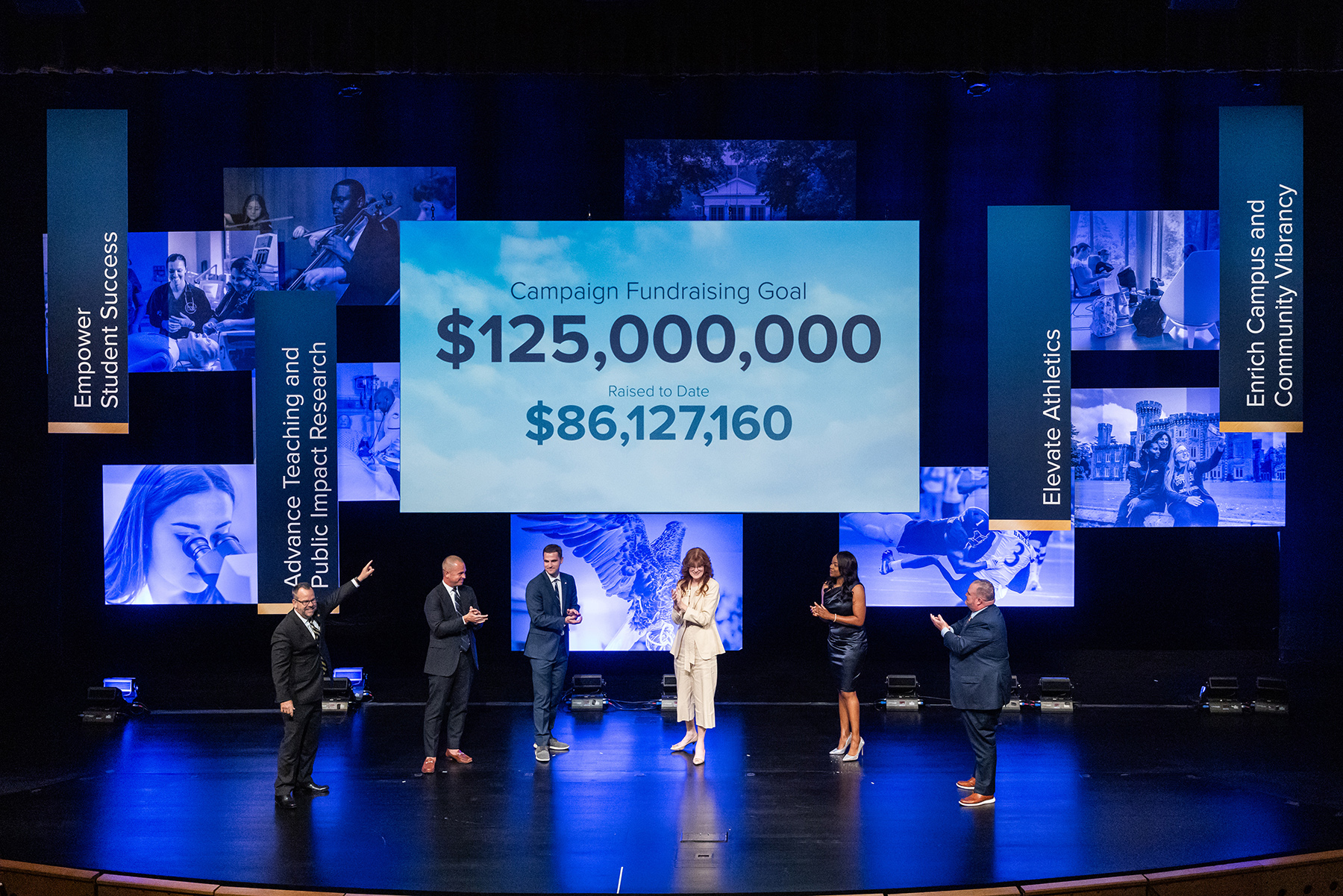
Georgia Southern University proudly announces the launch of its comprehensive campaign, “Together We Soar: The Campaign for Georgia Southern University.” This transformative initiative aims to elevate the University’s impact on students, faculty, research, athletics, and the communities it serves. Georgia Southern, renowned for its majestic campuses adorned with southern live oaks and towering pines, symbolizes not just American freedom but also the promise, achievement and boundless potential of its students. The University’s trajectory is on the rise, reaching for greater heights in education and community impact. Central to this momentum is the unwavering support from alumni, friends and the community. Publicly launched last Friday evening, Together We Soar: The Campaign for Georgia Southern University aims to raise $125 million by 2026. More than $86 million has already been secured. Dr. Kyle Marrero, President of Georgia Southern, expressed his gratitude and vision for the University. “Georgia Southern is on the move, in motion, and soaring to new heights. The ‘Together We Soar’ campaign—fueled by the generous support of our alumni, friends, and partners—will ensure our ability to drive innovation, develop talent, transform lives, and propel the economic development of a growing region.” (L-R) Georgia Southern President Kyle Marrero, Vice President for University Advancement Trip Addison, Deputy Athletics Director of Development Davis Hendrickson, Executive Director of Development Julie Gerbsch, Director of Alumni Relations Ava Edwards, and University Campaign Co-chair Leonard Bevill on stage at the Oct. 20 launch event for Together We Soar: The Campaign for Georgia Southern University. The campaign has identified four primary objectives: Empower Student Success: The campaign aims to stimulate learning by recruiting high-achieving students, increasing student access, and promoting inclusive excellence and career readiness. Advance Teaching and Public Impact Research: The focus is on meeting regional economic needs, increasing faculty expertise, and enhancing research capacity. Elevate Athletics: The campaign seeks to attract and retain elite student-athletes, provide top-notch facilities, and boost the Competitive Excellence Fund. Enrich Campuses and Community Vibrancy: The goal is to improve the communities surrounding the campuses and teach about local wildlife, among other initiatives. Campaign co-chairs Mike Sanders and Leonard Bevill shared their excitement for the campaign and what it will mean for Georgia Southern. “I could not be more excited about Georgia Southern and its possibilities. Opportunities abound for our University and the Together We Soar Campaign is the catalyst. It is time to do ‘more with more.’” - Mike Sanders “‘Together We Soar’ is spot on. From across campus to athletics and throughout our community, we’re perfectly aligned and equipped to launch to historic heights. I’m very blessed and excited to be involved.” Leonard Bevill The campaign also highlights the significant economic impact of Georgia Southern, with a regional economic contribution of $1.1 billion in fiscal year 2022. The University plays a critical role in the economic growth and transformation of Southeast Georgia. Marrero said Georgia Southern invites all its supporters, alumni and the community to join this transformative journey. With collective support, there’s no limit to how high Georgia Southern can soar. For more information or to contribute to the “Together We Soar” campaign, visit GeorgiaSouthern.edu/TogetherWeSoar.
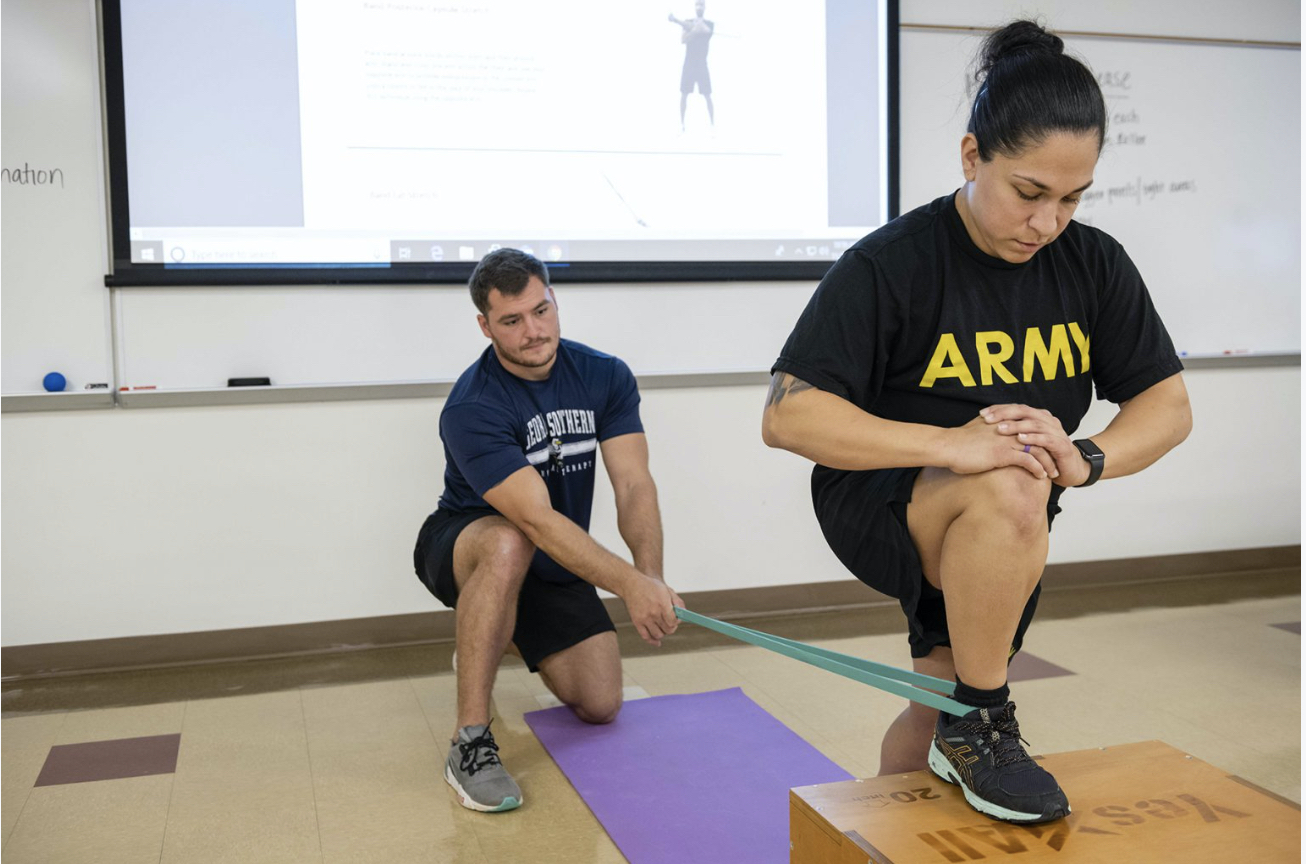
The Georgia Southern University Soldier Performance and Readiness (SPAR) program received a $1.5 million, two-year grant from the Department of Defense’s U.S. Army Medical Research and Development Command (USAMRDC). The grant will expand Georgia’s Southern research and programming capacity in injury prevention techniques that ensure force readiness for the Army. “Through this large-scale research study, Georgia Southern doctoral students have opportunities to be involved in the research process and work directly with soldiers,” said Nancy Henderson, Ph.D., assistant professor in the Doctor of Physical Therapy (DPT) program. “Additionally, the grant will fund graduate assistant positions in the Doctor of Physical Therapy program.” USAMRDC’s mission is to provide solutions to medical problems for American service members at home and abroad, as well as to the public at large. The scope of this effort and the priorities attached to specific projects are influenced by changes in military and civilian medical science and technology, operational requirements, military threat assessments and national defense strategies. Extramural research and development programs play a vital role in the fulfillment of the objectives established by the organization. Research and development funded through this are intended to benefit both military and civilian medical practices. “The grant investigates different physical training programs to identify those practices that best prevent non-combat injuries,” said Henderson. “Faculty on the research team will seek to advance the body of literature by determining the best educational models to educate soldiers on injury-prevention topics.” This is the first time that Georgia Southern will act as lead investigator on a collaborative research project with an Army research institute. However, SPAR has long been involved in multiple branches of research with community impact. “Georgia Southern has several initiatives underway to help improve the health, fitness and performance of military service members, law enforcement personnel and firefighting and rescue personnel,” said Joseph Kardouni, Ph.D., director of the Tactical Performance Group. “The Tactical Athlete Certificate (TAC) program is one of these initiatives that teaches service members exercise fundamentals to help mitigate training-related injuries. The funding coming through Medical Research and Development Command will improve evidence-based teaching methods and inform similar efforts to teach service members within this field. Leaders from health and human performance programs within the Army understand the importance of leveraging partnerships with academic institutions to work toward improving the quality of life, health and occupational performance of soldiers.” Faculty and students in the DPT program have educated soldiers on injury prevention topics since 2016 and this grant further provides students with the opportunity to assess effectiveness while learning how to improve educational methods with military service members. “This research is an important next step in delivering on the promise of the SPAR program and Georgia Southern’s close working relationship with Army research partners,” said Interim Vice President for Research and Economic Development Christopher Curtis, Ph.D. Curtis also noted that funding was made possible by the advocacy of U.S. Rep. Buddy Carter and the strong support of Georgia’s legislative delegation in Washington D.C. Interested in learning more or looking to talk with Nancy Henderson? Simply click on her icon now or Contact Georgia Southern's Director of Communications Jennifer Wise at jwise@georgiasouthern.edu to arrange an interview today.


Georgia Southern launches new merchandise line to benefit ‘Freedom’ and the Wildlife Center
“Freedom” merchandise is now available for purchase at Southern Exchange in Statesboro. Items will be available soon at the University Store on the University’s Armstrong and Statesboro campuses and in the gift shop at the Center for Wildlife Education located on the Statesboro Campus. Proceeds will benefit the Wildlife Center and Freedom’s care. Georgia Southern University is launching a new brand and merchandise line that will benefit and honor Freedom, the University’s live bald eagle mascot that flies before each home game in what many call the “most exciting 30 seconds in college football.” Unable to survive on his own because of an injury to his beak as a newborn, Freedom came to Georgia Southern in 2004 and now lives at the University’s Center for Wildlife Education in Statesboro alongside other eagles, raptors, reptiles and waterfowl. He will celebrate his 20th birthday this December. As an ambassador for Georgia Southern and symbol of our nation, Freedom has inspired thousands annually at the Center for Wildlife Education, Georgia Southern football games, the St. Patrick’s Day parade in Savannah, commencements, community events and other appearances, such as at the Charles Swab Classic PGA tour event earlier this year in Texas. To support Freedom and the Wildlife Center, University Communications and Marketing, Georgia Southern’s office of Athlete Brand Management and Licensing, the Wildlife Center and the university’s retail partners are collaborating to launch a new line of merchandise featuring Freedom. One shirt includes “Freedom’s Ride,” and depicts Freedom perched in the back of a 1977 International Scout often seen around town as it’s owned and driven by handler and Wildlife Center Executive Director Steve Hein. “Freedom belongs to Georgia Southern students, faculty, the Statesboro community and all those he encounters” Hein said. “It’s natural to want to express a unique relationship spanning 20 years and what better way to do this than by making his image available for people to wear and promote. I’m excited about this program, honored to be his plus-one, and greatly appreciate everyone’s support for Freedom, his care and his future.” The Freedom merchandise is designed to be both inspirational and stylish. Items are in development, but initial offerings could include: Hats T-Shirts Hoodies Posters Postcards Proceeds will benefit the Wildlife Center and Freedom’s care. Items will be available starting this week at Southern Exchange near the Georgia Southern campus in Statesboro and will be available soon at the University Store on the University’s Armstrong and Statesboro campuses and in the gift shop at the Wildlife Center located on the Statesboro Campus. Interested in learning more or looking to talk with Wildlife Center Executive Director Steve Hein? Simply click on his icon now or Contact Georgia Southern's Director of Communications Jennifer Wise at jwise@georgiasouthern.edu to arrange an interview today.

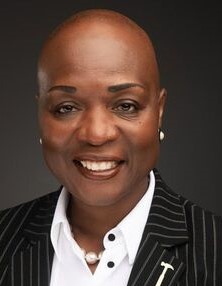
Georgia Southern University has been awarded a $1.6 million grant to help provide childcare subsidies for eligible student-parents over the next four years through the Child Care Access Means Parents In School (CCAMPIS) program. Written on behalf of the Office of Inclusive Excellence by Corine Ackerson-Jones, director of TRIO Student Support Services (SSS) on the Armstrong Campus in Savannah, the CCAMPIS grant will serve no less than 30 student-parents per year on the Armstrong Campus and the Liberty Campus in Hinesville by providing a maximum amount of $150 per week for childcare services to be paid directly to the childcare provider. Corine Ackerson-Jones The grant, a first of its kind at Georgia Southern, is fully funded by the Department of Education and will work with centers licensed and accredited through the Georgia Department of Early Care and Learning. To apply for CCAMPIS assistance student-parents must be PELL eligible. “According to recent data, the annual price of childcare can exceed the annual cost of in-state tuition at a public four-year university,” said Ackerson-Jones. “Without financial assistance, it is next to impossible for economically challenged student-parents to attend school and pay for quality, affordable childcare.” Amanda Brandmire, a student-parent studying natural resource and wildlife conservation on the Armstrong Campus, said balancing her role as a parent and a student can be challenging emotionally and financially, especially when it comes to childcare. “There have been several times where my husband and I had to get very creative with our funds to make it because of our childcare costs,” she said. “My husband and I may skip meals or go a week at a time without food because childcare is a necessity for us to work and go to school. In addition, I have to give up study time or time with my kids to go pickup a shift delivering for DoorDash just to get by. Right now we don’t have an income and we are a week behind on childcare expenses, but thankfully our daycare is working with us.” A subsidy for childcare would change the trajectory of Brandmire’s education. “For me this would be an amazing opportunity,” Brandmire said. “I am so close to finishing my undergraduate degree and plan on applying to grad school in March. Being a first-generation college student, my education is extremely important and this would help me make graduation a reality.” Brandmire feels this resource would appeal greatly to other student-parents in the greater Savannah area. “This is also a huge selling point for potential students and moms like me who want something better but can’t get over the childcare hurdle,” Brandmire said. “I appreciate Georgia Southern for taking the time to reach out and serve their non-traditional students.” Ackerson-Jones has worked on the Armstrong Campus for 17 years and assists low-income, first-generation students, and students with disabilities through the TRIO SSS program which is also funded 100% by the Department of Education. Through her role, she saw a need for student-parents like Brandmire and sought ways to make a difference in their educational journeys. “It has been evidenced in the data that the four-year graduation rate for Armstrong and Liberty campus PELL recipients falls below that of non-PELL recipients,” Ackerson-Jones said. “It has been my experience that a great number of these students are not graduating sooner due to financial hardship. They must work more hours, so oftentimes they cannot maintain a full course load. Taking less classes prolongs graduation. It was my goal to find some financial relief for these students because the threat of unaffordable childcare was a threat to them remaining in school. “There has never been a child care facility on either of these campuses nor has there been any access to financial support for student-parents to help pay for child care,” she continued. “The time seemed right to try to rectify this.” The objective of the program is that student-parents will persist from one academic year to the beginning of the next, or that they will earn a bachelor’s degree from Georgia Southern, Ackerson-Jones added. “I am excited about the addition of the CCAMPIS grant to the array of programs that serve underrepresented students, this one serving Pell-eligible students who are also parents, which complements our work in the Inclusive Excellence cluster,” said Dominique A. Quarles, Ph.D., associate vice president for Inclusive Excellence and chief diversity officer at Georgia Southern. “Mrs. Jones went beyond what’s required of her to respond to a need she saw on campus, which resulted in securing $1.6 million in grant funds to serve students in a way that will have a real and immediate impact on their ability to enroll and complete their degree at Georgia Southern.” The grant will be disbursed at $401,128.00 a year for four years for a total of $1,604,512. More information on student eligibility and the application process will be available soon. To learn more, contact the Office of Inclusive Excellence by emailing oie@georgiasouthern.edu. Interested in learning more or looking to talk with Corine Ackerson-Jones about this program? Contact Georgia Southern's Director of Communications Jennifer Wise at jwise@georgiasouthern.edu to arrange an interview today.
Celebrating 140 years of the Gretsch Company
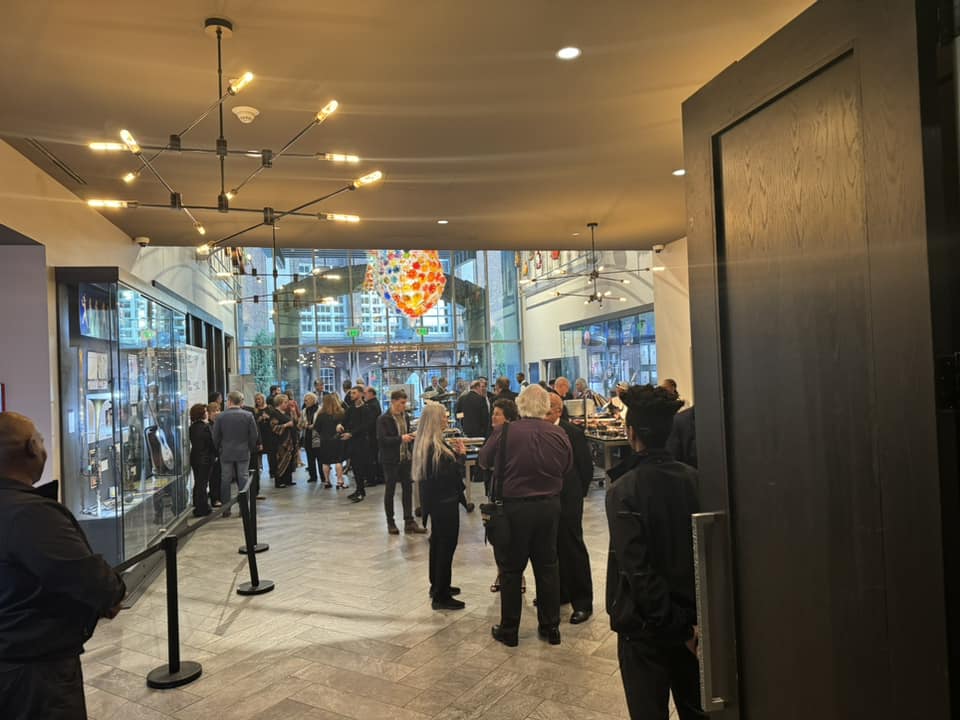
Georgia Southern University helped Fred and Dinah Gretsch – and a roomful of other supporters and musical friends – celebrate 140 years of the Gretsch musical instruments company and “that great Gretsch sound” at a recent anniversary celebration at Savannah’s Plant Riverside district. Benefitting the Georgia Music Foundation, the event was held in a space that is a living testament to the partnership between Georgia Southern and the Gretsches, whose name are on the University’s school of music. “That Great Gretsch Sound!” Museum is a spotlight destination in the heart of downtown Savannah that tells the rich history of the Gretsch family and company. The space celebrates Gretsch’s ever-growing worldwide musical community, honors the Gretsch family commitment to music education, and showcases hundreds of Gretsch’s most storied instruments. In addition to the instruments and artifacts on display in Savannah, Georgia Southern is working to build one of the most comprehensive digital document collections of music industry history, thanks to decades of resources collected by Fred and Dinah and donated to our University Libraries. Together, through innovative pathways, Gretsch and Georgia Southern are creating renewed interest in performance and music education amongst K-12 students throughout our region. And, this fall at Georgia Southern, the Fred and Dinah Gretsch School of Music saw a 25% increase in enrollment – with nearly 20% of the school’s students focused on our Music Industry program. “Fred and Dinah, we thank you for your tireless efforts to make Georgia Southern a more musical place,” Georgia Southern University President Kyle Marrero said. “Your guidance, resources, and imagination have helped us soar to new heights, and we look forward to our future together. “ The evening included performances by Georgia Southern Gretsch School of Music students, and Tony Arata, a member of the Nashville Songwriters Hall of Fame who grew up on Tybee Island and studied at Georgia Southern University. Interested in learning more about the Gretsch's involvement with Georgia Southern or the Gretsch School of Music? Contact Georgia Southern's Director of Communications Jennifer Wise at jwise@georgiasouthern.edu to arrange an interview today.