
Experts Matter. Find Yours.
Connect for media, speaking, professional opportunities & more.
Pope Leo XIV Releases First Encyclical, "Magnifica Humanitas"
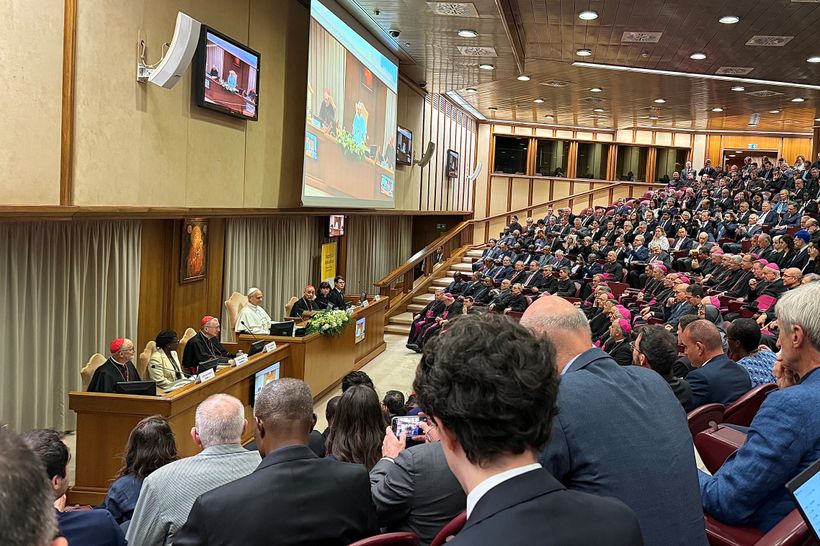
On May 25, 2026, Pope Leo XIV released his first papal encyclical, “Magnifica Humanitas: On Safeguarding the Human Person in the Time of Artificial Intelligence.” The letter—true to its title’s meaning of “magnificent humanity”—addresses how society, collectively, must preserve human virtues in a time of rapid technological advancement. The 42,000-word document features five distinct chapters, exploring various elements of the broader issue at hand and serving as a guidepost for moral and ethical use of technology, through the lens of Church teachings. It covers everything from the development and principles of Church social doctrine to technological responsibility, the culture of power, building civilization through love and preserving humanity through truth, work and freedom. “In recent years, it has become increasingly evident how rapidly and profoundly digitalization, artificial intelligence (AI) and robotics are transforming our world,” wrote Pope Leo in the encyclical’s introduction. “Technology should not be considered, in itself, as a force antagonistic to humanity. On the contrary… “Over the centuries, technological development has significantly improved the living conditions of humanity. At the same time, each phase of progress has also revealed the ambiguity of tools that can cause harm when not oriented toward the good… The power and prevalence of emerging technologies are interwoven into the fabric of daily life, shaping decision-making processes and deeply affecting the collective imagination: ‘Never has humanity had such power over itself.’ “[Most] people are watching and waiting, observing from afar and merely hoping for the best. For this very reason, crucial questions impose themselves on our conscience and can no longer be avoided: Where are we going? Toward what goal do we wish to orient ourselves? What direction should we choose as a people and as a human community?” What Is a Papal Encyclical? Popes have written more than 300 encyclicals—or “circulating letters”—since the mid-18th century. They were initially used to clearly communicate doctrine and guidance to priests throughout the world who were facing religious, political or social issues, which was especially useful as the world grew more interconnected and the Church grew larger. Beginning with Pope Leo XIII’s Rerum Novarum and continuing today, some papal encyclicals have been referred to as “social encyclicals” because they address a pervasive social issue through the lens of Catholic Social Teaching and are written not only for those within the Church, but laypeople as well. Some examples of those included Pope Saint John Paul’s 1987 Sollicitudo Rei Socialis on international inequality, and Pope Francis’ 2015 Laudato Si’ on environmental care and social justice. “[Pope Leo XIII and his successors] were developing a new way of teaching the world how to order itself according to Catholic principles, now translated into a vocabulary that would be intelligible to the larger world,” said Patrick Brennan, JD, Chair of Catholic Legal Studies at Villanova University Charles Widger School of Law, on LiveNow From Fox. “They try to address important social questions in ways that any person of goodwill can read and understand.” “Encyclicals contribute to our collective wisdom for how to live as community,” wrote Sally Scholz, PhD, professor of Philosophy at Villanova, in her recent contribution to Church Life Journal titled “What to Look For in Pope Leo XIV's First Social Encyclical.” “The principles and various themes they discuss offer guidance for day-to-day interpersonal interactions as well as for how to participate as a Catholic and as a “person of good will” at every level of social existence: in our families, our communities, our institutions, our states and in our ‘one human family.’” Observations From Magnifica Humanitas A New Twist on a Longstanding Issue While the types of technology being discussed in the letter—particularly artificial intelligence—are unique to our modern times, encyclicals addressing how to interact with contemporary technology are far from it. “Discussion of the relationship between humans and technology appears in many of the previous social encyclicals,” wrote Dr. Scholz in Church Life Journal. “It is a social phenomenon with so much promise but inspires so much fear for how it will change work and the workplace, communication, global trade, war and the family.” “Technology is integral to evolution. Understanding technology's relationship to human welfare means grasping its role within the flow of biological and human life,” wrote Sister Ilia Delio, OSF, PhD, the Josephine C. Connelly Endowed Chair in Christian Theology in the 2025 Global Sisters Report. What Pope Leo argues in his lengthy letter, boiled down to a few sentences, is that while technological advancements, and AI in particular, can be beneficial to society, they must never supersede human dignity, moral responsibility and the common good. A society that allows systems to replace human judgment, concentrate power or exploit workers risks dehumanization. For Jaisy Joseph, PhD, assistant professor of Theology and Religious Studies at Villanova University, particularly striking was something not written in the document itself, but rather spoken at the official promulgation of the letter in Rome. There, Pope Leo was joined in powerful reflection by Anthropic co-founder Christopher Olah. Olah analogized the current reality with bringing a fictional character to life, citing that while technical fields build the machinery of AI, “what character we choose, how it interacts with the world, how it ought to interact with the world— these are more clearly questions for the humanities, for religion, for philosophy, for society at large.” On that front, he then enlisted the help of the Church in addressing three pressing concerns related to AI and human flourishing, before ending with a request for the Church to continue to be an unyieldingly moral voice and informed critic. “The dynamic dialogue and discernment between Leo and Olah reflect a significant continuity with the Francis papacy,” Dr. Joseph said, referencing the late pontiff’s encouragement of “theology to adopt a transdisciplinary method that recognized how this discipline is part of a web of relationships among disciplines.” Technology Through the Lens of Augustinian Theology Throughout Magnifica Humanitas, Pope Leo’s ubiquitous thoughts and guidance on safeguarding humanity—particularly in the context of modern technology—are infused with references to the teachings of St. Augustine. “[Augustine’s teachings say] we need standards to guide our judgements and actions,” said Terence Sweeney, PhD, assistant teaching professor of Humanities at Villanova. “Pope Leo XIV, ‘a son of St. Augustine,’ offers us standards for how we judge our world in the age of AI. “One surprising standard in a document on Big Tech is that ‘a litmus test for social justice today is the treatment of migrants, refugees and those forced to move.’ Why this litmus test? Leo is shaped by Augustine’s rejection of communities of perfection where only the pure, powerful and perfect are welcome.” “Pope Leo beautifully aligns himself with traditional Catholic Social Teaching while grounding his vision in the theology of St. Augustine,” Dr. Joseph added. “The result is a groundbreaking defense of the human person in our new age of artificial intelligence.” Pope Leo, through a scriptural metaphor of the Tower of Babel, “resurrects Augustine’s famous warning that human history is a constant struggle between two loves fighting for our hearts,” Dr. Joseph said. He references how the builders of the tower tried to create “a single language, a single technology, a single direction” without reference to God. “The concluding paragraphs of chapter three highlight Pope Leo XIV’s distinctively Augustinian approach to evaluating the place of technology and scientific progress in the world,” said Emma Kennedy, PhD, assistant professor of Christian Ethics at Villanova University. “What we love, ‘both as individuals and as a society,’ will guide us to participate in ‘the rebuilding of Jerusalem’ or ‘the construction of Babel’––a contrast that hearkens back to Augustine’s ‘two cities.’” “Pope Leo [also] draws on an Augustinian spirituality that highlights fundamental desiring in the shared search for truth,” added Tim Hanchin, PhD, associate professor of Practical Theology at Villanova. “Our desire for truth, or wonder, reflects humanity’s transcendent origin and end. That we are created in the image and likeness of the Triune God (Genesis 1:26-27) distinguishes human knowing from mere data processing.” A Discussion on Slavery, Past and Present Intermixed with Pope Leo’s chapter four thoughts on modern slavery—such as various forms of human trafficking that he says are “directly linked to the digital economy”—he made an historic recognition and apology for the Church’s role in the transatlantic slave trade centuries ago. Tia Noelle Pratt, PhD, special assistant to the Vice President of Mission and Ministry at Villanova University, assistant professor of Sociology, and editor of the Journal of Catholic Social Thought, said that what makes this acknowledgement so important is how it differs from the way previous popes have addressed the issue, which have condemned slavery but remained at the individual level. “They spoke of their papal predecessors and those popes’ actions, but stopped short of invoking the institution itself and the institution's role in the promulgation of slavery,” Dr. Pratt said. Tying it back to current affronts on human dignity fueled by the digital age, Pope Leo penned his own papal version of the famous saying that “Those who cannot remember the past are condemned to repeat it.” “If we want to avoid the need to ask for pardon again in the future for having failed to respect the treasure of human dignity that is required by our faith, it falls to us today to denounce, clearly and firmly, trafficking in its many forms,” he wrote. “Pope Leo is telling us today that we cannot have detachment between the past and the present,” Dr. Pratt said. “We must see how these things are connected.” Inspired by Rerum Novarum, but Far From a Repeat Pope Leo XIV signed Magnifica Humanitas on May 15—the 135th anniversary of the release of Pope Leo XIII’s Rerum Novarum. That was the most famous social encyclical issued by the long-reigning pontiff and is considered to be a foundational text of modern Catholic Social Thought. It addressed numerous issues facing the working class during the time of the Industrial Revolution. On May 10, 2025—just two days after his election—Pope Leo referenced his namesake’s 1891 encyclical in an address to the College of Cardinals, foreshadowing the attention he intended to pay to the modern version of the same issue. “Pope Leo XIII in his historic encyclical Rerum Novarum addressed the social question in the context of the first great industrial revolution,” Pope Leo said in that address. “In our own day, the Church offers to everyone the treasury of her social teaching in response to another industrial revolution and to developments in the field of artificial intelligence that pose new challenges for the defense of human dignity, justice and labor.” Yet, while he was explicitly inspired by the 19th-century pontiff and his text, Pope Leo makes it clear early in Magnifica Humanitas that “While Leo XIII spoke in his time of ‘new things’ (rerum novarum), today we cannot limit ourselves simply to repeating his insightful teachings. “Instead, we must ask God for the wisdom to interpret the great trends of our time, particularly technological advances.”






June 1 marks Marilyn Monroe’s 100th birthday. Despite her death in 1962, Monroe remains an icon of American pop culture. Amanda Konkle, Ph.D., researches film history, stardom and celebrity prominence. Konkle is an expert in Monroe’s rise to fame and her lasting relevance in modern style. She published the book “Some Kind of Mirror: Creating Marilyn Monroe,” along with several research papers detailing Monroe’s unique status in American history. Konkle can speak to how Monroe connected with audiences during her life by creating a new ideal of feminine power that defined an era. She can explore how Monroe’s acting methods mirrored society’s anxieties and desires, and why they still resonate today. Konkle is available virtually or for in-person interviews at the Armstrong Campus. Simply contact Georgia Southern's Director of Communications Jennifer Wise at jwise@georgiasouthern.edu to arrange an interview today.


Approximately 4,400 degrees conferred during Georgia Southern’s 2026 Spring Commencement ceremonies
Last week, approximately 4,400 graduates from Georgia Southern University’s Statesboro, Armstrong, Liberty and Swainsboro campuses received associate, baccalaureate, masters, specialist and doctoral degrees in five Spring 2026 Commencement ceremonies. Georgia Southern President Kyle Marrero welcomed the graduates and their guests to the ceremonies, held at the Allen E. Paulson Stadium and Jack and Ruth Ann Hill Convocation Center in Statesboro, Enmarket Arena in Savannah and East Georgia Campus in Swainsboro on May 11, 13 and 14. “To our graduates, congratulations,” Marrero welcomed the crowds. “Today we recognize and honor your hard work, perseverance and personal growth throughout your academic journey. The road to this moment has not been without its challenges, and your presence here is a reflection of your dedication, resilience and strength. You have every reason to be proud. This commencement is a meaningful milestone not only for each of you personally, but for the entire Georgia Southern community.” The Commencement speakers included: Bob Somers (’83) Nick Westbrook (’20) Berry Aldridge (’15) Kim Hartsock (’20, ’21) Rep. Butch Parrish Somers opened the ceremonies at Paulson Stadium with words of encouragement for the new graduates. “While this day marks your formal education coming to a close, the truth is your education and life is just now beginning,” he said. “When I look out at you, I don’t look at graduates. I see future leaders. And our future is bright because of what you’re going to bring to this world. “Georgia Southern gave me structure, opportunity and people who believed in me. One of my proudest moments was graduating from this incredible institution. Find your north star. What kind of person are you? What are your values? Be genuine with yourself and others. If you’re authentic, people will trust you and they will follow you. Be comfortable being uncomfortable. Real leadership requires vulnerability.” Westbrook relayed the importance of service and character alongside leadership. “You will have the opportunity to influence people, organizations, companies and industries,” he said. “Use that influence for good. Your opportunity will not only be for a better job, more income or a higher position. The highest calling of your opportunity will be what you can do for the people who are affected by your influence. In a world that is becoming increasingly transactional, be the leader that goes the extra mile to make your world a little more relational, more kind, more human.” Aldridge enthusiastically challenged graduates to consistently recalibrate the way they think, and to consciously surround themselves with support. “Class of 2026, you’ve accomplished something incredible, but you’ve done it during a very strange and chaotic time in history,” he said. “I’m not breaking any news when I say that we are standing on the edge of a massive change to our jobs, our technology, our society. “I don’t know how AI is going to change the way we work or influence the job market. I challenge you to be skeptical even in your own most passionately held beliefs. That’s the only way to keep ourselves in check, and it’s the only way to keep ourselves growing. Nurture three types of relationships — one who lifts you up, another who tells you the truth, and one who will always show up — in order to succeed, he continued. And then be that person for others. Hartsock reflected on the generational impact of earning a degree. “For some of you, this is not just a personal achievement, it’s a historic one,” she shared. “You may be the first in your family to earn a college degree, and that accomplishment carries special significance. You are changing the trajectory of your family and setting an example for generations to come.” She asked them to be intentional about who they learn from. “Seek out people who can teach you things that books never will,” she said. “It’s important to look for leaders whose lives are marked not only by achievement, but also by joy and purpose. “Invest in this university. Join the alumni association. Help recruit future Eagles. Create a scholarship. Create opportunities for students to learn from you and work with you. Stay involved,” she said. “You never know, 25 years from now, you might be standing right here where I am. Congratulations, class of 2026 and Hail Southern!” In the closing ceremony in Swainsboro, Parrish encouraged graduates to continue learning. “Today is by no means an end,” he said. “It’s just the beginning. Your education has prepared you for what lies ahead. Your education allows you to create your own path forward. You have a unique opportunity to define your own path. You don’t have to follow anymore. Education is like insurance for whatever you’ll be facing in the future. “Education comes in many forms. There’s formal and informal, traditional, nontraditional and learned education, just to name a few. So, I encourage you to pursue a career in something that you really have a passion for and something that you really want to do. Whatever you decide to do is up to you, and your future is bright and it’s unlimited.” Video and Photo Links Spring 2026 Commencement ceremony 9 a.m. video on May 11 in Statesboro Spring 2026 Commencement ceremony 6 p.m. video on May 11 in Statesboro Spring 2026 Commencement ceremony video on May 13 in Savannah Spring 2026 Commencement ceremony video on May 14 in Statesboro Spring 2026 Commencement photos here Credit: Courtesy of Georgia Southern University Georgia Southern University, a public Carnegie Doctoral/R2 with a Carnegie Community Engagement classification, offers approximately 149 different degree programs serving nearly 31,600 students through 11 colleges on four campuses in Savannah, Hinesville, Statesboro, Swainsboro and online instruction. Founded in 1906, Georgia Southern is a leader in higher education in southeast Georgia with expert faculty and a focus on public impact research and engaging learning opportunities through knowledge and know-how that prepare our students to soar beyond and take ownership of their lives, careers and communities. Visit GeorgiaSouthern.edu.

Memorial Day: A Time to Remember, Reflect, and Honor
Every year, millions of Americans gather for backyard barbecues, parades, family gatherings, and the unofficial start of summer. But at its heart, Memorial Day is something far deeper - a national day of remembrance dedicated to the men and women who died while serving in the United States Armed Forces. Originally known as “Decoration Day,” the holiday emerged after the American Civil War, when communities began decorating the graves of fallen soldiers with flowers and flags. Over time, the observance expanded to honour all U.S. military personnel who made the ultimate sacrifice in service to their country. Memorial Day officially became a federal holiday in 1971 and is observed annually on the last Monday in May. Today, Americans commemorate the day in many ways. Traditional ceremonies include visits to cemeteries and memorials, moments of silence, flag placements on graves, military flyovers, and community parades. The National Moment of Remembrance at 3 p.m. local time encourages citizens across the country to pause and reflect on the cost of freedom and the lives lost defending it. While celebrations and long weekends have become part of the modern Memorial Day experience, historians and veterans’ advocates often remind people that the holiday’s true significance lies in remembrance, gratitude, and national reflection. It remains one of the most meaningful civic observances in the United States — a day that connects generations through sacrifice, service, and shared history. Story Angles Journalists May Explore The historical origins of Memorial Day after the Civil War How Memorial Day differs from Veterans Day The evolution of military remembrance traditions in America Why symbols like poppies, flags, and wreaths matter The role of cemeteries, monuments, and memorial sites in preserving national memory How younger generations are reshaping the meaning of patriotic observances Journalists covering Memorial Day, military history, civic traditions, remembrance culture, or the evolving meaning of patriotism may wish to connect with experts in American history, military studies, sociology, or cultural traditions surrounding national remembrance days. Covering or have questions? Our experts are here to help: To see all of our experts - simply visit www.expertfile.com

How Worried Should We Be About Hantavirus?
An outbreak of an uncommon but not unheard-of illness is responsible for the deaths of at least three people who were on an international cruise ship. With the rest of the passengers and crew under observation in their home countries — including 18 Americans who went to a quarantine facility at the University of Nebraska — how worried do we need to be about hantavirus? Dr. David Banach, UConn Health infectious diseases physician and hospital epidemiologist, joins Dr. Anthony Alessi to explain what we’re dealing with, the public health implications, and how, unlike COVID, the medical community at least has some history with this virus. You can check out the podcast here: It doesn’t spread in the same way that COVID does, in the sense that there’s no established sort of asymptomatic or pre-symptomatic spread. — Dr. David Banach Dr. Banach explains that hantavirus is a rare but serious virus carried primarily by rodents and spread through exposure to rodent waste or contaminated environments. While most cases are isolated, clusters can occasionally occur. The discussion compares hantavirus to COVID-19, with Dr. Banach emphasizing that hantavirus spreads much less easily between humans and is therefore less likely to become a global pandemic. However, it can cause severe cardiopulmonary illness with a significantly higher mortality rate than COVID. There is currently no vaccine or specific antiviral treatment, meaning care is largely supportive for patients who become critically ill. Dr. Banach also addresses public anxiety and misinformation surrounding the outbreak, encouraging people to rely on trusted organizations such as the World Health Organization and the Centers for Disease Control and Prevention for accurate information. He notes that public health officials continue to closely monitor the situation, but at this stage the overall risk to the general public remains low. Interested in learning more? Simply click on Dr. Banach's icon to arrange a time to talk today.



ExpertSpotlight - Ebola: What It Is, How It Spreads, and Whether the Public Should Be Concerned
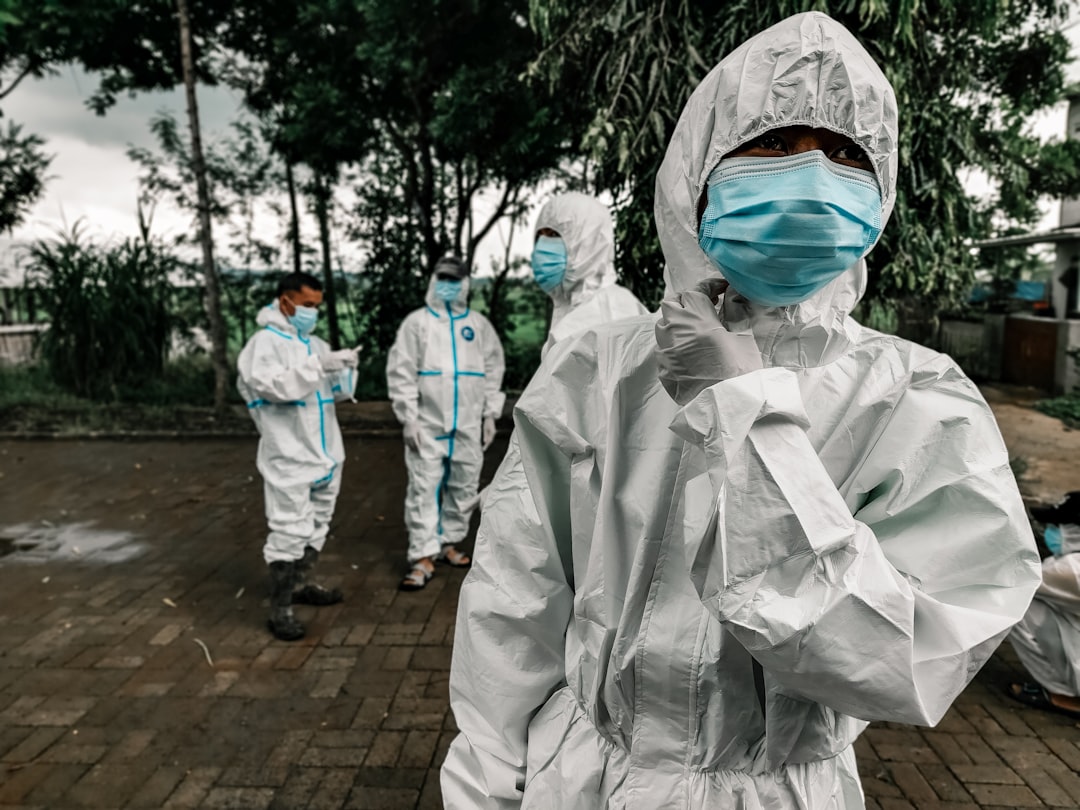
Few diseases in modern history have generated the level of fear associated with Ebola. With graphic symptoms, high mortality rates, and images of overwhelmed treatment centres etched into public memory, Ebola became synonymous with the dangers of global outbreaks long before COVID-19 reshaped how the world thinks about pandemics. But what exactly is Ebola? Where did it come from? How dangerous is it today? And should the public still be worried? A Deadly Virus with a Modern Legacy Ebola virus disease was first identified in 1976 during simultaneous outbreaks in what is now the Democratic Republic of the Congo and South Sudan. The virus was named after the nearby Ebola River, and from the beginning it proved exceptionally dangerous, capable of causing severe hemorrhagic fever with fatality rates that have ranged from 25 to 90 percent depending on the outbreak and available medical care. For decades, Ebola outbreaks were typically isolated to remote regions of Central and West Africa. That changed dramatically in 2014 when the largest Ebola outbreak in recorded history spread through Guinea, Liberia, and Sierra Leone, infecting more than 28,000 people and killing over 11,000. The crisis exposed major weaknesses in global health preparedness and demonstrated how quickly infectious diseases can overwhelm healthcare systems and destabilize economies and communities. The outbreak also fundamentally changed international public health policy. Governments, hospitals, and health organizations around the world began investing more heavily in infectious disease surveillance, emergency response planning, quarantine procedures, and vaccine development. What Ebola Actually Does to the Body Ebola begins much like many common viral illnesses, which can make early detection difficult. Initial symptoms often include: Sudden fever Severe fatigue Muscle pain Headache Sore throat As the disease progresses, patients may develop: Vomiting and diarrhea Rash Liver and kidney impairment Internal and external bleeding Multi-organ failure The virus attacks the immune system and damages blood vessels and organs, often leading to shock and death in severe cases. Patients who survive can still face long-term complications including joint pain, neurological problems, eye disorders, and ongoing fatigue months or even years later. How Ebola Spreads - And How It Does Not One of the most important public health facts about Ebola is that it does not spread through the air like influenza or COVID-19. Transmission occurs through direct contact with: Blood or bodily fluids of infected individuals Contaminated needles or medical equipment Infected animals Surfaces contaminated with infectious fluids This means Ebola is highly contagious in healthcare settings and among close family caregivers without proper protective equipment, but far less transmissible in casual public settings than many people assume. Funeral practices involving direct contact with deceased individuals have also historically contributed to outbreaks in some regions, making culturally sensitive public health education critically important during containment efforts. Treatments and Vaccines Have Changed the Outlook For years, Ebola was viewed almost as a death sentence. That perception has begun to change. Major advances in medicine and outbreak response have significantly improved survival rates, including: Rapid testing and surveillance systems Specialized isolation units Improved supportive care and hydration Monoclonal antibody treatments Effective vaccines for certain Ebola strains The development of the rVSV-ZEBOV vaccine represented a major breakthrough and has helped contain several recent outbreaks before they expanded into international crises. Global health organizations are now far better equipped to identify and isolate cases quickly compared to the early years of Ebola response. Should the Public Be Worried? Ebola remains a serious and deadly disease, but experts generally emphasize that widespread public panic is not warranted. Most outbreaks remain geographically limited and are aggressively monitored by national governments, the World Health Organization, and international health agencies. Countries with advanced healthcare systems also have far stronger infection prevention and containment capabilities than existed during earlier outbreaks. Still, Ebola continues to command attention because it highlights how interconnected global health has become. International travel, fragile healthcare systems, political instability, climate pressures, and human interaction with wildlife all increase the risk of future outbreaks of emerging infectious diseases. In many ways, Ebola serves as both a warning and a lesson: deadly viruses can emerge unexpectedly, but rapid science, coordinated public health measures, and global cooperation can dramatically reduce their impact. The world’s experience with Ebola helped shape many of the outbreak response systems now used to confront emerging diseases today, and public health experts continue to view it as one of the clearest examples of why pandemic preparedness remains essential. Connect with an expert:

Beyond the Recipe: Rebecca Sharpless Explores the Hidden History of Southern Baking
Recently published stories exploring the history of baking traditions are shedding light on how many beloved holiday treats are rooted in centuries of trade, survival and innovation. According to Rebecca Sharpless, professor of history in Texas Christian University’s AddRan College of Liberal Arts, staples like gingerbread and fruitcake carry surprisingly deep historical connections, from medieval spice routes to 19th-century preservation methods that allowed cakes to survive nearly year-long journeys. Sharpless, whose upcoming book People of the Wheat examines the history of wheat culture in North Texas, says many foods now associated with “traditional” Southern baking are actually far more modern than people realize. From red velvet cake to pecan pie, marketing and industrial food production played a major role in shaping today’s culinary traditions. Her research also highlights the social and economic realities behind baking history, including how access to ingredients like wheat and sugar once reflected class, geography and race. The full article and interview is attached below - and if you're a baker, a foodie or a journalist looking to know more about this popular topic - it's a must read. For journalists exploring food history, holiday traditions, agriculture, or the cultural roots of Southern cuisine, Sharpless offers expert insight into how everyday recipes reveal larger stories about migration, labor, trade and identity. And if you're looking to connect with Rebecca Sharpless, simply contact Holly Ellman, Associate Director of Communication, today at h.ellman@tcu.edu.


Gritty like his city: How the Philadelphia Flyers' mascot went from punchline to sensation
How did Gritty, the fluffy, orange, menacing whatchamacallit that backs the Philadelphia Flyers, go from a punchline when he was rolled out in 2018 to one of sports' most well-known and beloved mascots? The University of Delaware's Matt Robinson took a shot, and scored, with some answers. Robinson, a professor of sport management at UD's Lerner College of Business & Economics, said Gritty embodies the tough attitude that Philadelphia is known for. Also, some of his bizarre features and personality traits go straight to the heart of the demeanor and history of the Flyers, who are currently battling their way through the NHL playoffs. Those are among the ingredients that go into marketing and launching a successful mascot. Robinson can discuss the following: • Why some mascots take off and others flop. After his launch, Gritty was ridiculed as a concept on late night TV and "Saturday Night Live." But he was still garnering billions of views on social media and millions in earned media for the franchise. The Flyers kept pushing the concept despite its early unpopularity, which led to his eventual success. "Any public relations is good public relations," Robinson said. • Mascots need to be authentic. Gritty embodies the team he represents and the city that team plays in. Robinson noted Philadelphia's "grit" and love of players who play hard, like the Broad Street Bullies – the nasty group of Flyers' players who led the team to two Stanley Cup wins in the 1970s. • The best mascots transcend sports. Robinson pointed to the film and character "Rocky," whose statue sits in the front of the city's Art Museum, as well as the city's reputation as one with a bit of an edge. "We're the ones who threw snowballs at Santa Claus," Robinson said, referring to the infamous 1968 incident when Philadelphia Eagles fans pelted Kris Kringle from the stands. • Players and coaches come and go, but the mascot stays the same. Mascots can be part of ticket sales and community engagement in the offseason, when players may not be in the city or moving to another via free agency. • Mascots offer an attachment point for fans that is not sport related. Kids respond to mascots and, from there, connection with the team, players and the sport can grow. To contact Robinson directly for an interview, visit his profile and click on the "contact" button. Interested reporters can also email MediaRelations@udel.edu.


U.S. National Debt: How to Stop the Bleeding
The U.S. national debt exceeding the size of the American economy is a dubious milestone that has sparked alarm and confusion among policymakers who are asking how worried they should be and what can be done to stop the bleeding. David Primo, a political scientist and professor of business administration at the University of Rochester and a fiscal policy expert who has testified before Congress on the national debt, says Americans should be very concerned about the debt and, at the same time, know there is a solution. “The federal budget outlook is grim and threatens the economic future of the United States,” says Primo, the author of Rules and Restraint: Government Spending and the Design of Institution (University of Chicago Press). “If Congress waits to act, Americans will need to give up a bigger piece of the nation’s economic pie to stabilize the country’s finances.” Primo says a solution lies in a constitutional amendment restraining the federal budget. Specifically, such an amendment would clearly define spending and revenue, set spending limits based on a multiyear period, and allow for waiving the limit only with a large supermajority in Congress. “As it stands, Congress is constitutionally incapable of tying its own hands, making it difficult for legislators to implement durable changes to the federal budget,” Primo says. Recent data show the national debt has crossed 100% of the GDP threshold — roughly $31.27 trillion versus $31.22 trillion in economic output — marking the highest peacetime level in U.S. history. The Congressional Budget Office has projected that debt levels, if left unchecked, could reach 181% of GDP in the next 30 years. Primo says delaying implementing a solution raises the risk of increased interest rates, which would, in turn, reduce investment and, ultimately, economic growth. For journalists covering deficits, tax policy, and the long-term economic outlook, Primo offers key expertise and a clear lens on: • The implications of national debt exceeding GDP • Constitutional and institutional approaches to fiscal reform • Fiscal policy and political incentives “The United States is in precarious fiscal health,” Primo told Congress in 2023. “In the absence of a constitutional amendment, I fear it will take a fiscal crisis before Congress acts. Nobody wants that.” Connect with Primo by clicking on his profile.


Get Over It: Pluto Isn't A Planet!
Put down the protest signs already. Retire the “Save Pluto” pins. Step away from the planetary outrage. Seriously. So says University of Rochester astrophysicist Adam Frank in his latest column in Forbes. Frank explains that the real story behind Pluto being stripped of its planetary status in 2006 isn’t about what Pluto lost, but what scientists found. Pluto made news recently when NASA Administrator Jared Isaacman replied to a Florida girl’s handwritten plea to restore Pluto’s designation as a planet, saying he supported such a move. Frank has one word for Isaacman: Stop! “Now Isaacman seems like a good guy and I sure don’t want to make little kids cry,” Frank writes. “Still, there’s an amazing science reason why Pluto got kicked out of the planet club.” For decades, Frank explains, we thought the solar system ended with the nine familiar planets, with Pluto being the most distant. But beyond Neptune lies the Kuiper Belt, a vast expanse filled with icy remnants from the birth of the solar system. These objects are essentially the leftover building blocks of planets. Pluto, it turns out, is one of them. That matters because this cosmic debris holds crucial clues about how planets form. Studying Pluto and its neighbors helps scientists understand the origins of Earth and the potential for life elsewhere in the universe. So, Pluto isn’t an outcast; it’s a key witness to our cosmic history. It belongs to a newly understood class of worlds that are central to modern astronomy. Rather than mourn Pluto’s status and push for restoring its former title, Frank suggests we celebrate its reclassification as the moment astronomers realized the solar system is far richer than they had ever imagined. If you’re a journalist looking for an expert to talk about Pluto — or planets and worlds formerly known as planets — Frank is your scholar. He is a frequent contributor to the likes of CNN, The New York Times, The Atlantic, and MSNBC, and can help your audience make sense of our vast universe.
