
Experts Matter. Find Yours.
Connect for media, speaking, professional opportunities & more.
Fourth time a charm? Election audits are getting political in the Peach State
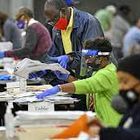
If at first you don’t succeed – try and try again. And Republicans did in Georgia, demanding multiple audits of last November’s presidential election, looking under every ballot box for evidence of election fraud, tampering or other shenanigans that could be used to put the results in doubt. So far, nothing has been found. But that’s not stopping those with an eye on a political future from backing down. In fact, election audits are now a hot topic for those looking to occupy the governor’s mansion in Atlanta. In a bid to bolster former President Donald Trump's lies about widespread fraud in the 2020 election, Trump's Republican allies are now seeking Arizona-style audits in other swing states – including Georgia, where the former President's false claims have set off an intraparty war. A day after Trump said in a statement that Georgia should follow Arizona's lead, former Georgia state Rep. Vernon Jones, a Trump supporter who is challenging incumbent Republican Gov. Brian Kemp in next year's GOP primary, proposed an audit Wednesday. "Georgians still have questions about irregularities found in the 2020 election and they deserve answers," he said in a statement. "We must get to the bottom of all of this and other irregularities to restore trust in our election process. If Mr. Kemp refuses to demand an audit, then I will when I am elected to replace him." Jones' characterization of the election was false: Georgia has already tallied the results to confirm Biden's victory there three times and conducted an audit of absentee ballot signatures. The state found no evidence of fraud, and Kemp and other Republican state officials have backed the findings. May 19 – CNN “This call for yet another ballot review is nothing but political theater," says Dr. Gregg R. Murray, professor of political science at Augusta University. "It’s extremely unlikely it would uncover anything that would overturn the 2020 election or substantial irregularities. It would be a huge waste of taxpayer money.” Despite the findings, this is an issue that won’t likely be going away soon, and if you are covering this topic, then let our expert help with your story. Dr. Gregg R. Murray, is available to talk about the election audit and what it might mean for voters in Georgia and across the country. Murray’s research focuses on political behavior and psychology with specific interests in voter mobilization and turnout. He is also executive director of the Association for Politics and the Life Sciences. Simply click on Murray's icon to arrange an interview today.


#SaveThePandas… and Save the Snakes, Too!
Every third Friday in May, the United States celebrates Endangered Species Day—a day set aside to draw attention to and share the importance of wildlife conservation and restoration efforts for all imperiled species. Aaron Bauer, PhD, a professor of biology at Villanova University, holds the record for identifying and naming the most species of gecko found on the planet. Dr. Bauer reinforces the importance of the “national day,” pointing out that, “it is too easy for most people to forget about endangered species, especially when the state of human affairs is so pressing. Having a day to focus society on this particular problem is a good reminder that we are not alone on Earth.” Dr. Bauer wants to use Endangered Species Day in 2021 to bring attention to species that people might not realize are endangered. He observes that “the tendency is for people to focus on the big charismatic organisms, like tigers, gorillas and whales. However, there are endangered species in every group of animals, plants and even fungi. These do not get enough attention because they lack the mass appeal of pandas and parrots, but raising awareness in general can help by generating support for agencies and projects devoted more broadly to conservation.” So, which animals need our care and attention this Endangered Species Day? “Scientists have become aware that amphibians, like frogs and salamanders, are in decline around the world,” says Bauer. “More than 30 years of research has demonstrated widespread declines, and today more than a third of their 7,000-plus species are threatened or endangered. Many more are too poorly known to even assess their conservation status. Many reptiles are likely in the same situation.” According to Dr. Bauer, some animals are so under-studied, scientists can’t be sure which species are becoming endangered. “We know that many turtles and nearly all crocodilians are endangered, but we don’t know much about the situation for lizards and snakes, which make up the vast majority of the 11,000-plus reptile species (especially because snakes are much maligned in popular culture).” So, how, with only one day of focus, can the average person make a difference for endangered species? Dr. Bauer recommends “starting them young.” He calls activities at zoos and other public outreach organizations “a wise investment of energy as kids that grow up knowing and caring about environmental issues, including endangered species, are likely to continue to care and to pass on their views in adulthood.” “Endangered Species Day is a reminder that a large percentage of the world’s biota is imperiled and, as stewards of the planet, it is our responsibility to try to improve their situation,” said Dr. Bauer. “Especially since we are mostly responsible for their current plight.”


MEDIA RELEASE: CAA reminds motorists and cyclists to share the road ahead of the long weekend.
Ahead of the Victoria Day long weekend and the summer months, cycling is set to once again be a popular activity this year. As Ontarians start to prepare for the upcoming cycling season, CAA South Central Ontario (SCO) is reminding motorists and cyclists to prioritize safety when sharing the road. “After staying indoors all winter, we expect that more people will choose to get back on their bikes as the weather gets warmer,” says Michael Stewart, community relations specialist for CAA SCO. “With more cyclists re-emerging onto the roads, it is important to be vigilant and mindful of other road users.” All motorists and cyclists are also advised to follow public health guidelines, communicate their intentions with signals, be patient, regularly check blind spots and turn on their lights during dawn, dusk and dark hours when lighting is most limited. Another issue that CAA is reminding motorists to watch out for is dooring, which is described as when a cyclist is injured by the opening of a car door. CAA data shows that it continues to be a big safety concern for both cyclists and motorists alike. Last year the Toronto Police Service reported 77 dooring incidents. Recently the Minister of Transportation introduced the Moving Ontarians More Safely Act that proposes to update the collision reporting process. The proposed legislation would also change the definition of a reportable collision to include bicycles that collide with vehicle doors. A change that CAA supports. CAA is reminding all motorists of these important rules of the road: Pay attention. Avoid distractions like texting, adjusting your GPS or scrolling through your playlist. Yield to cyclists. Motorists should not be driving in a bike lane unless making a right turn. Watch for the approaching cyclists and never speed up and cut off a cyclist when making a right turn. Keep a safe distance. Drivers must keep at least a one-metre distance when passing a cyclist. If it is not possible, safely change lanes to pass. The penalty for not doing so is a $110 fine. Practice the Dutch Reach. Avoid “dooring” cyclists by doing the Dutch Reach. CAA launched a new Dutch Reach video for users to practice as more people are out on their bikes. Some cycling-specific safety tips: Ride with traffic. Riding against traffic flow is dangerous, illegal and a leading cause of car-bike collisions. Protect yourself. Cyclists, wear your helmets. Be visible. Use reflectors and lights in dark and overcast conditions. It’s the law. Be predictable. Obey traffic signs and be clear with your intentions with other drivers. Under Ontario’s Highway Traffic Act (HTA), a bicycle is considered a vehicle, just like a car or truck and must follow the same rules of the road. Ride close to home. As cyclists start to use their bikes for the first time in a while, remember to stay close to home as you are starting out. “By following these best practices and navigating the road respectfully, we can all do our part in keeping our roads safe for everyone,” says Stewart. For more information on cycling safety, visit caasco.com/cycling.



US call to boycott Beijing Olympics: expert available
US House speaker Nancy Pelosi has called for a international boycott of the Beijing Winter Olympics in 2022, in response to reports of human rights abuses by the Chinese government. Professor Shaun Breslin, an expert on China from the University of Warwick (UK), is AVAILBLE FOR INTERVIEW and media-friendly. He comments: "While the messenger can control what message they send, they cannot control the way that it will be understood and parsed by the recipient. This is intended to show to the Chinese leadership the level of global revulsion at what is going on in Xinjiang – and perhaps with the restrictions on individual freedoms more generally in China; including in Hong Kong – this is likely to be perceived differently in Beijing. Or at least, the message will be explained as having a different meaning to the Chinese people. This will be used as further evidence that the US (and its allies) do not want to accommodate China’s rise into the existing international order, and are trying to find ways of checking China’s rise. The Chinese government repeatedly argues that China is being 'smeared' or 'slandered' by the west and this is likely to be the response this time too. "This is, of course, not the first time that the Olympics has become an international relations issue for China. There was a feeling that the country had been slighted in 1993 when the millennial Olympic Games was awarded to Sydney despite a widespread expectation (and not just in China) that Beijing would win, and this would be a validation of China’s re-acceptance into the international community. And when they did win and host the games (in 2008), this was used to showcase a new self confident and increasingly powerful China to the world; a sort of coming out party for China as a putative great power." For interviews, contact: Luke Walton, International Press Manager L.Walton.1@warwick.ac.uk +44 (0) 7823 362 150


First Commercial-Scale Wind Farm in the U.S. Would Generate Electricity to Power 400,000 Homes
The Vineyard Wind project, located off the coast of Massachusetts, is the first major offshore wind farm in the United States. It is part of a larger push to tackle climate change, with other offshore wind projects along the East Coast under federal review. The U.S. Department of the Interior has estimated that, by the end of the decade, 2,000 turbines could be along the coast, stretching from Massachusetts to North Carolina. "While the case for offshore wind power appears to be growing due to real concerns about global warming, there are still people who fight renewable energy projects based on speculation, misinformation, climate denial and 'not in my backyard' attitudes," says Karl F. Schmidt, a professor of practice in Villanova University's College of Engineering and director of the Resilient Innovation through Sustainable Engineering (RISE) Forum. "There is overwhelming scientific evidence that use of fossil fuels for power generation is driving unprecedented levels of CO2 into our atmosphere and oceans. This causes sea level rise, increasing ocean temperature and increasing ocean acidity, all which have numerous secondary environmental, economic and social impacts." Schmidt notes that what's often missing for large capital projects like the Vineyard Wind project is a life cycle assessment (LCA), which looks at environmental impacts throughout the entire life cycle of the project, i.e., from raw material extraction, manufacturing and construction through operation and maintenance and end of life. These impacts, in terms of tons/CO2 equivalent, can then be compared with the baseline—in this case, natural gas/coal power plants. "With this comprehensive look, I suspect the LCA for an offshore wind farm would be significantly less than a fossil fuel power plant," says Prof. Schmidt. Complementing the LCA should be a thorough, holistic view encompassing the pertinent social, technological, environmental, economic and political (STEEP) aspects of the project, notes Prof. Schmidt. "This would include all views of affected stakeholders, such as residents, fishermen, local officials and labor markets. Quantifying these interdependent aspects can lead to a more informed and balanced decision-making process based on facts and data." "At Villanova's Sustainable Engineering Department, we've successfully used both the LCA and STEEP processes... for many of our RISE Forum member companies' projects," notes Prof. Schmidt.

Local neighborhood conditions are important for children’s brain development
Growing up in a disadvantaged neighborhood is related to children’s brain structure and neurocognitive performance, according to a study published May 3, 2021 in the journal JAMA Pediatrics. It is associated with the brain’s cortical structure and volume as well as how children pay attention, their executive function, reading, flexible thinking, and other tasks that support learning. These differences could potentially contribute to other inequities during adolescence as well as later in life for these children, though there is no evidence that such neighborhood-related differences are fixed or immutable. Children’s brains exhibit plasticity, meaning that they can change and grow in response to learning and experience. The study’s findings shine a spotlight on the larger population trend and do not serve as a predictor of any individual child’s outcome. “This points to the importance of investing in policies and programs that help improve local neighborhoods and to support and empower communities to promote children’s neurodevelopment and long-term health and well-being,” said Daniel A. Hackman, assistant professor at the USC Suzanne Dworak-Peck School of Social Work and lead author of the study. Researchers from the USC Suzanne Dworak-Peck School of Social Work and the Keck School of Medicine of USC used data from the Adolescent Brain and Cognitive Development (ABCD) Study, collected from October 2016 – 2018. The ABCD Study is the largest long-term study of brain development and child health ever conducted in the United States. “Disadvantaged neighborhoods may lack quality health services, access to nutritional foods, and well-maintained parks and rec facilities,” said Megan Herting, assistant professor in the department of preventive medicine at the Keck School of Medicine at USC and senior author of the study. “They may also expose residents to more pollutants or social stressors.” In addition to Hackman and Herting, study authors include Dora Cserbik, Jiu-Chiuan Chen, and Rob McConnell of the department of preventive medicine at Keck School of Medicine; Bita Minaravesh of the USC Dornsife Spatial Sciences Institute; and Kiros Berhane of the Department of Biostatistics at Columbia University Mailman School of Public Health. Neighborhood disadvantage and the brain The study participants were 8,598 nine- to eleven-year-old children in 21 sites from the ABCD Study, and includes youth from diverse backgrounds, family income levels and neighborhood environments. Using this ABCD data, the multidisciplinary team of researchers tested whether neighborhood disadvantage is associated with neurocognition and brain structure through the National Institute of Health Toolbox Cognition Battery and magnetic resonance imaging (MRI) scans. Neurocognition refers to specific cognitive functions related to particular neural systems, such as executive function, memory, problem-solving and perception. Executive function is the set of cognitive functions that allows people to select behaviors, make efforts to regulate or control their behavior or thinking in given situations, and to focus on goals despite distractions. Brain structure refers to global and regional measures of the brain’s cortex and subcortex, such as volume and surface area. The researchers found that neighborhood disadvantage was associated with worse neurocognitive performance on nearly all tasks and smaller cortical surface area, as well as cortical volumes and subcortical volumes, across the whole brain. The associations remain after adjusting for family socioeconomic status and largely remain after adjusting for perceptions of neighborhood safety. “Our findings aren't specific to the child's home life, as we accounted for socioeconomic factors at each child's home,” Herting said. “But the research suggests neighborhoods may have different levels of social and educational resources and opportunities that can impact a child's neurodevelopment.” Disadvantaged neighborhoods are those in which people generally have lower levels of income, employment and education. Growing up in these conditions can be stressful for children and adults. However, comparing disadvantaged neighborhoods across the country is challenging to social work researchers, who understand that when looking at national samples they may pick up regional differences for which they must account. Neighborhood similarities and differences The impressive scope and scale of the ABCD study made it possible for these researchers to delve into rich local data that enabled them to understand the similarities and differences of disadvantaged neighborhoods within the context of their cities. Hackman, whose research interests include understanding neighborhoods and the context that children and adolescents grow up in, wanted to be able to look at the research question from both the national perspective as well as the local perspective. “This is the first large, national study of neurodevelopment to determine that the role of neighborhood disadvantage is similar across all regions of the country, and we found that what mattered most were the local differences in neighborhood disadvantage within each city, rather than how cities differ from each other overall” Hackman said. “This highlights the broad relevance of neighborhood disadvantage, and the importance of unique local conditions. His interest was even more piqued when he saw a clear narrative emerge from the data. “The consistency of the data was so compelling,” Hackman said. Though disadvantaged neighborhoods may vary from city to city, the researchers found the associations were largely consistent across 21 metropolitan areas within the U.S. For policymakers, a takeaway is that neighborhoods were related to these important aspects of child development everywhere, and that though each city is different, the unique local conditions are important to address. In addition, the global relationship between neighborhood and overall brain structure and neurocognitive performance suggest that intervention approaches may be most successful if they are comprehensive and focused on improving children’s contexts, rather than narrowly targeted to the development of particular cognitive skills. “This research is important as it not only highlights that neighborhoods matter, but it also suggests that promoting neighborhood equity based on the unique local conditions within cities could be important for the short and longer-term health and overall development of children and adolescents,” Hackman said. According to the study, although the magnitudes of association between disadvantaged neighborhoods and neurocognition and brain structure are statistically small, they are potentially meaningful. One reason is because even small effects may have large consequences as they accumulate over time at a population level. Another reason is because these are comparable to, but smaller, than effect sizes for family socioeconomic status in these models. “There is also considerable evidence of resilience,” Hackman noted, as the authors caution that these associations are not predictive at the individual level. In particular, many youth from disadvantaged neighborhoods outperform their peers from more affluent neighborhoods, and also have larger cortical surface area and subcortical volume as well. In other words, living in a disadvantaged neighborhood is not deterministic and does not automatically predict any pattern of neurocognition and brain structure for any individual. Instead, the association uncovered by these researchers points to more reasons why improvements to neighborhoods can bring positive change. “Future research is needed to determine if our findings are, in fact, attributable to differences in community-based resources or differences in quality of schooling,” Herting said. “However, our findings do add to a growing literature suggesting the importance of neighborhoods and how they may contribute to place-based disparities in health and well-being in America.”


As America tries to come to grips with and find lasting solutions to issues of systemic racism, new research shows staggering hiring trends that negatively impact Black Americans when they enter the workplace and as they near retirement age. Sociologist and UConn expert Dr. Matthew Hughey discussed the findings with the Washington Post: "A new experiment at Texas A&M University helps illustrate the surprising pattern, which has not been widely studied but tends to line up with Labor Department data reviewed by The Washington Post: Black workers are typically less likely to be hired than White workers with the same experience, but the gap closes in middle age. When he saw the chart above, University of Connecticut sociologist Matthew Hughey was struck by the steadiness of the trend for Whites, compared to the volatile swoop of the line representing Black workers. It shows hiring managers tend to accept White applicants at face value while subconsciously scrutinizing Black ones, he said. “Black people have always been more objectified, scrutinized and surveilled than White people,” Hughey said. “Every little thing is nitpicked on a résumé or explained as a possible red flag.” The larger pattern is common in government data, but the chart comes from a new analysis in the Journal of Policy and Management from Texas A&M economist Joanna Lahey, a widely cited authority on discrimination in the labor market. Lahey noticed the counterintuitive pattern of age discrimination against Black workers when she and her collaborator, Douglas Oxley, asked about 150 business and MBA students to evaluate about 40 résumés each. About a quarter of the students had previously screened résumés in the real world, and 11 percent had experience in human resources." May 14, 2021 - Washington Post If you are a journalist looking to cover this subject, let us help. Professor Matthew Hughey is a scholar of racism and racial inequality in identity formation, organizations, media, politics, science, religion, and public advocacy. If you are looking to book an interview, simply click on Dr. Hughey’s icon today.


A Neuroscientist’s Guide to Managing Post-COVID-19 Anxiety When Returning to Work
With the Centers for Disease Control and Prevention relaxing mask-wearing restrictions and many companies like Google and Goldman Sachs asking employees to return to the office after working remotely since the start of the COVID-19 pandemic, some people are nervous to re-enter society. According to Alicia Walf, a neuroscientist and senior lecturer at Rensselaer Polytechnic Institute, the most effective way to overcome fears about re-engaging with the world may simply be to get back out into it. “Positive human connections are the most powerful tool for reducing stress,” she said in a recent Reader’s Digest article. To control anxiety and improve the health of our brains, Walf also suggests some basic steps like getting sufficient sleep, eating a good diet, and removing distractions to improve focus. Ultimately, a return to normalcy after such a long period of constant stress will be an important step toward restoring brain health. “There can be lasting effects of intense stress on the brain,” Walf said. “Social isolation is an incredibly stressful event associated with increased stress hormone levels and many other long-term negative health consequences. Clinicians are rightfully concerned about the long-term effects of this pandemic on mental health, which may involve these changes in the stress response and brain circuits.” And while feeling anxious may be unpleasant, stressful experiences can be learning experiences. According to Walf, adaptability is an important part of resiliency to stress, and a useful trait to work on us we adjust to our changing world. “Although not wearing masks and returning to work are now major changes in many of our routines, producing feelings of anxiety,” Walf said, “the benefits of social interaction will likely help us return to our routines yet again and reduce the potential for long-lasting negative consequences of stress.” Walf studies the brain mechanisms of stress and reproductive hormones as they relate to behavior and cognition, brain plasticity, and brain health over the lifespan. Specific areas of her expertise are memory, emotions, and social interactions and how these functions not only arise from the brain but change the brain itself.



Why is the FDA funded in part by the companies it regulates?
In a recent piece published in The Conversation, C. Michael White, Distinguished Professor and head of the Department of Pharmacy Practice at the University of Connecticut shares his perspective on the Food and Drug Administration and its past and current role and influence in America. “The Food and Drug Administration has moved from an entirely taxpayer-funded entity to one increasingly funded by user fees paid by manufacturers that are being regulated. Today, close to 45% of its budget comes from these user fees that companies pay when they apply for approval of a medical device or drug. As a pharmacist and medication and dietary supplement safety researcher, I understand the vital role that the FDA plays in ensuring the safety of medications and medical devices. But I, along with many others, now wonder: Was this move a clever win-win for the manufacturers and the public, or did it place patient safety second to corporate profitability? It is critical that the U.S. public understand the positive and negative ramifications so the nation can strike the right balance.” May 13 - The Conversation The entire piece is a captivating read and a remarkably interesting topic with regards to accountability, transparency, and the influence big pharma holds across many levels of the United States government. And if you are a journalist looking to cover this topic, then let us help. Dr. White is available to speak with media -- click on his icon now, to arrange an interview today.

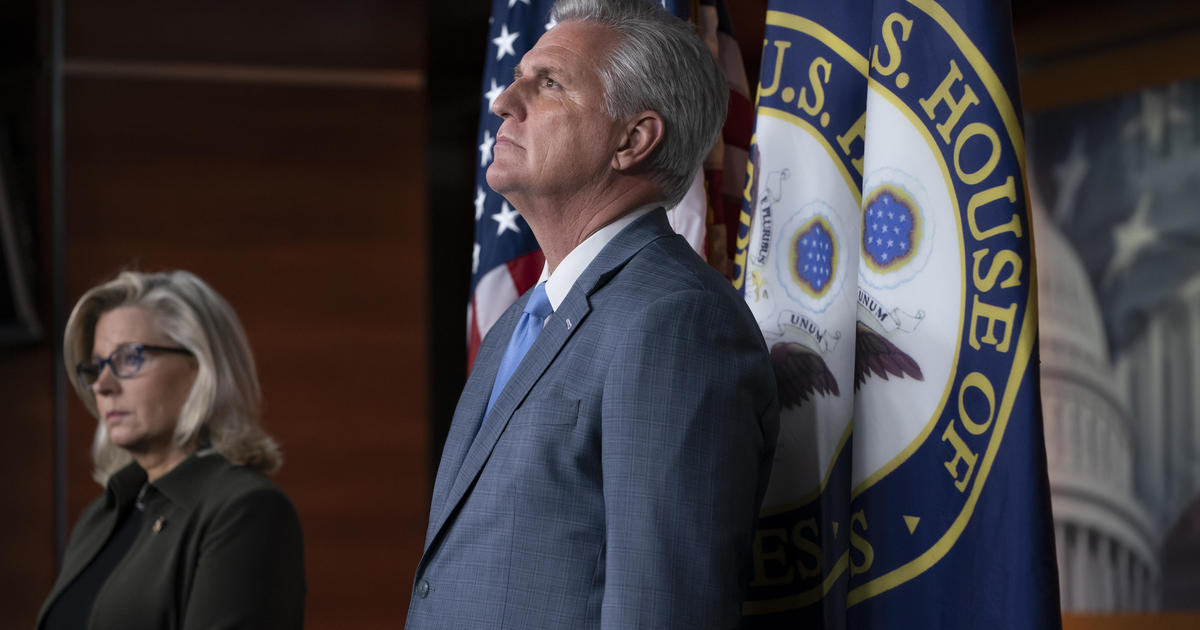
She was once seen as the rising star of the Republican Party, but for Wyoming Congresswoman Liz Cheney, the tides have shifted, and she now finds herself on the outs with the leadership of the GOP. Cheney’s vote to impeach President Donald Trump gained her national attention and accolades from across the aisle, and consequently, several enemies within her own party. Cheney comes with pedigree, profile and a strong following, but with Republicans boasting a record 35 women in Congress, the ousting of Cheney might not have the impact it once did. “It remains to be seen if this decision is a reflection of the Republicans’ willingness to remove a woman from leadership when they aren’t worried about having a ‘woman problem’ in their delegation,” said Dr. Mary-Kate Lizotte, an expert in gender difference in politics and associate professor of political science at Augusta University. What happened Wednesday may have short- and long-term consequences for the Republican party, including how it shapes itself for mid-term elections and the 2024 presidential election. If you are a journalist covering this topic, then let our experts help. Dr. Mary-Kate Lizotte is an expert in political behavior and the implications of gender differences in public opinion. She is available to talk about discuss gender roles in politics and the upcoming Senate runoffs in Georgia. Click on her name to schedule an interview.
