Experts Matter. Find Yours.
Connect for media, speaking, professional opportunities & more.

Today, US President Donald Trump and Russian President Vladimir Putin met at the presidential palace in Helsinki to discuss the relationship between their respective countries. Prior to the meeting, Trump cited national security concerns and trade as agenda items. Since the start of the meeting, the two presidents have also discussed the tension between the two countries and accused election meddling. At Augusta University, our experts have been following the historic meeting, and made the following observations: • Trump is correct in asserting the importance of having Russia as an ally. • The US is currently facing Russian cyberaggression, so how Trump addresses this issue has immediate concerns. • US posture in Syria is at stake. • It is important to keep this meeting in the context of “America First.” Trump will push messages at the summit that fall in line with his national security interests. What are the implications of this summit for every-day Americans? Will this meeting improve the relationship between the United States and Russia? How will this meeting effect the United States’ relationship with other European allies? There are a lot of questions to answer – and that’s where our experts can help. Dr. Craig Albert is an expert on American politics and political philosophy. He was recently appointed director of Augusta University’s new Masters of Arts in Intelligence and Security Studies. Dr. Albert has experience with all forms of national and local news organizations and is available to speak to media regarding the Helsinki Summit. Simply click on his icon to arrange an interview. Source:


Disaster Psychologist Available to Discuss Thai Boys' Recovery from Trauma
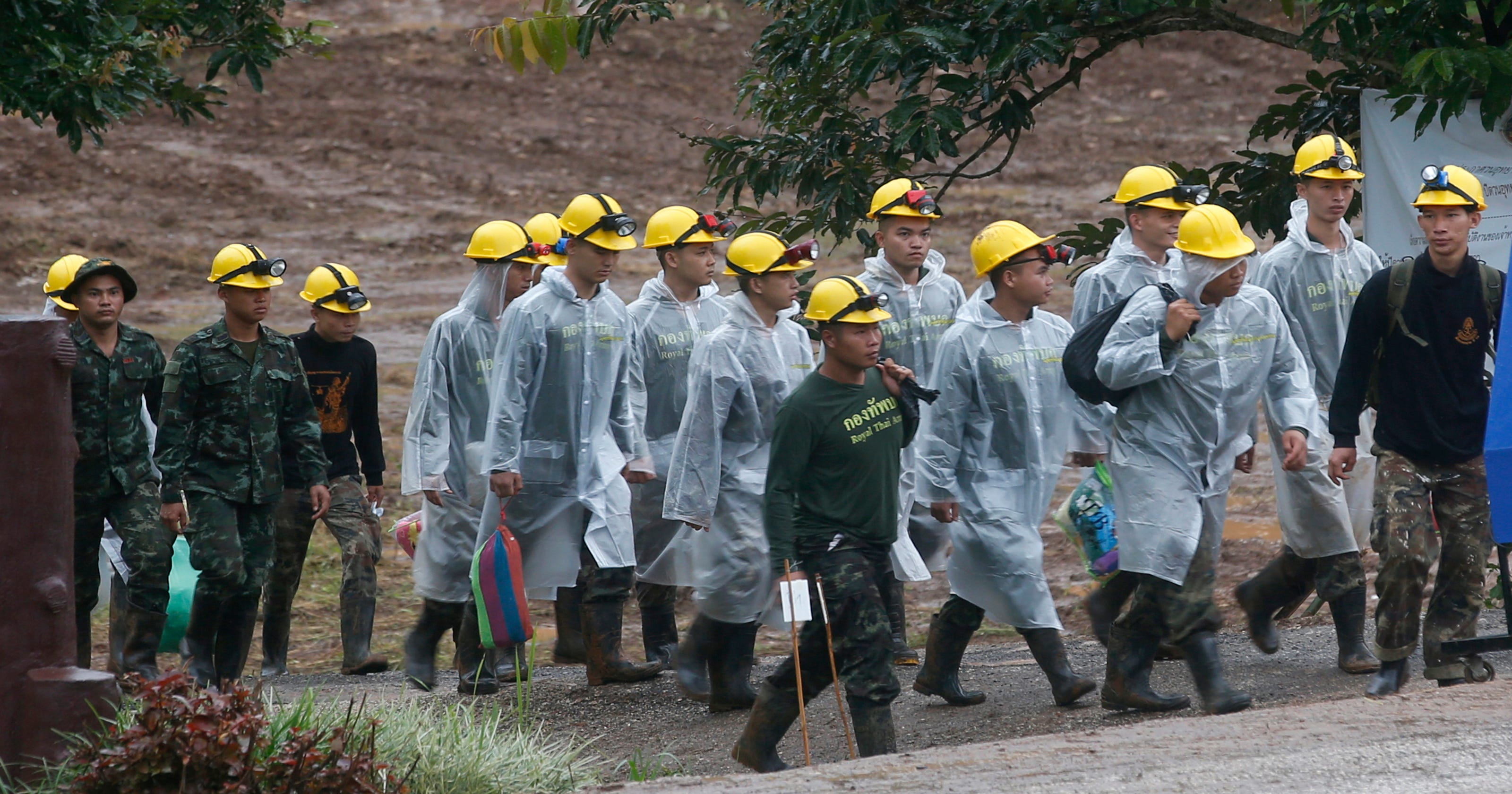
The world watched with relief as 12 soccer players and their coach were rescued from a flooded cave in northern Thailand after an 18-day ordeal. Amid the relief at the players' safe rescue, Dr. Jamie Aten, a Wheaton College psychologist, says it’s important that they receive care for mental health needs in addition to the physical care they are receiving. Aten, the founder and Executive Director of the Humanitarian Disaster Institute at Wheaton College, is an internationally known expert who helps others navigate mass, humanitarian, and personal disasters with scientific and spiritual insights. Aten recommends the boys’ mental health be monitored closely following their rescue. “They may show extremes in behaviors ... they [may] sleep too much, or have difficulty sleeping,” he says. “They may develop triggers that weren’t there previously.” “Some may withdraw, while others need more attention. Over time these symptoms may lessen, but for some it could be a lifelong struggle.” To request an interview with Dr. Aten, contact Wheaton College Director of Media Relations LaTonya Taylor, latonya.taylor@wheaton.edu. Source:


6 Facts We Learned Working with Migrants and Refugees Around the World Working with migrants and refugees is our business at Catholic Relief Services. CRS was founded in 1943 to assist refugees during World War II. Seventy-five years later, we are still coming to the aid of people escaping conflict, violence and natural disasters. While CRS doesn’t resettle refugees in the United States (these programs are run by the Catholic Church’s Migration and Refugee Service and Catholic Charities), our rich history has taught us valuable lessons on how to best help families fleeing crisis. 5. Adults Need Work and Income. We know from experience that people find pride and purpose in helping earn an income for their families, no matter how small. Refugees and migrants are looking for a hand-up, not a handout and being integrated with their host communities benefits everyone. Caroline Brennan is the Emergency Communications Director for Catholic Relief Services. In her role, she travels to and/or works in areas facing natural or man-made emergencies. See her contact information at the bottom. 6. The Poorest Countries House the Most Refugees and Migrants. Although media stories can give the impression that the U.S. is swamped with migrants, the reality is that 85% of the world’s refugees are in the developing world. The country with the largest refugee population is Turkey, with almost 3 million. One in 3 people in Lebanon is a refugee. The Bidi Bidi Refugee Camp in Uganda alone is home to 229,000 South Sudanese who have fled civil unrest. Richer nations like the U.S. should look at the lessons of how these countries with far fewer resources welcome and host refugees. Caroline Brennan is the Emergency Communications Director for Catholic Relief Services. In her role, she travels to and/or works in areas facing natural or man-made emergencies. See her contact information at the bottom. The experts at Catholic Relief Services are available to help with any media coverage or insight that is required regarding this ongoing news story and issue that is continuing in America. Simply click on any of their icons to arrange a time for an interview. Source:

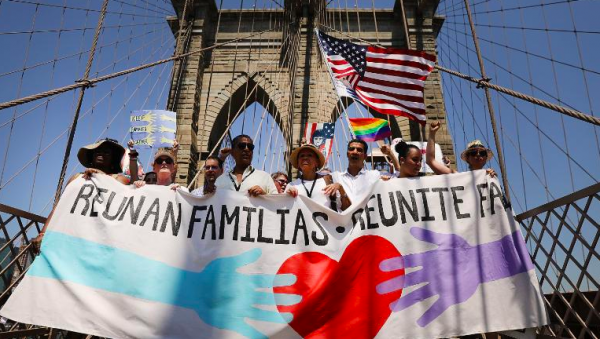
6 Facts We Learned Working with Migrants and Refugees Around the World - Facts 3 and 4 Working with migrants and refugees is our business at Catholic Relief Services. CRS was founded in 1943 to assist refugees during World War II. Seventy-five years later, we are still coming to the aid of people escaping conflict, violence and natural disasters. While CRS doesn’t resettle refugees in the United States (these programs are run by the Catholic Church’s Migration and Refugee Service and Catholic Charities), our rich history has taught us valuable lessons on how to best help families fleeing crisis. 3. Support the Family. The family unit provides the primary support for children during the traumatic refugee experience -- whether it is witnessing violence or crossing a desert on foot. CRS focuses on keeping families together. This means housing a family together and using any services provided – from trauma counseling to income generation – to boost family cohesion. Shannon Senefeld is a global development expert at CRS. She has published and presented extensively on international children’s issues and the importance of strengthened family care for children’s development. See her contact information at the bottom. 4. Kids Need School and Play. CRS is dedicated to keeping up children’s education, to provide stability and normality and give them hope for the future so they can be productive citizens wherever they end up. Kids need to be kids, too. Whether they are in a camp or any sort of migrant or refugee holding center they need a space to play. Caroline Brennan is the Emergency Communications Director for Catholic Relief Services. In her role, she travels to and/or works in areas facing natural or man-made emergencies. See her contact information at the bottom. The experts at Catholic Relief Services are available to help with any media coverage or insight that is required regarding this ongoing news story and issue that is continuing in America. Simply click on any of their icons to arrange a time for an interview. Source:
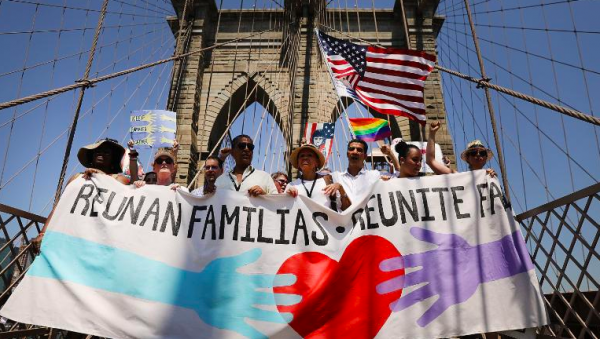
6 Facts We Learned Working with Migrants and Refugees Around the World: Facts 1 and 2 Working with migrants and refugees is our business at Catholic Relief Services. CRS was founded in 1943 to assist refugees during World War II. Seventy-five years later, we are still coming to the aid of people escaping conflict, violence and natural disasters. While CRS doesn’t resettle refugees in the United States (these programs are run by the Catholic Church’s Migration and Refugee Service and Catholic Charities), our rich history has taught us valuable lessons on how to best help families fleeing crisis. 1. People Do Not Want to Leave Their Homes. An astonishing 1 in 110 people have been forced to flee their home (UNHCR). They only do that when they feel they have no other choice. Most people the world over give the same reason for starting their perilous journey across borders -- violence. That’s true for millions fleeing conflict in South Sudan and for tens of thousands fleeing gang violence in Central America. Most often, people flee to other parts within their country first. Only when they see no other option do people leave their country. Rick Jones is the agency's Youth and Migration Advisor in Latin America and the Caribbean. He also specializes in issues affecting Central American migration, including gang violence, poverty, and internal displacement. See his contact information at the bottom. 2. Don’t Separate Families. Based on extensive experience with refugees and migrants, CRS agrees with the criticism of the former U.S. policy of separating children from their parents. Decades of research shows that this is so traumatic for children it can lead to long-term psychological, and even physical damage. Shannon Senefeld is a global development expert at CRS. She has published and presented extensively on international children’s issues and the importance of strengthened family care for children’s development. See her contact information at the bottom. The experts at Catholic Relief Services are available to help with any media coverage or insight that is required regarding this ongoing news story and issue that is continuing in America. Simply click on any of their icons to arrange a time for an interview. Source:

Always Keep Families Together. Separation Damages Children.
The ongoing situation in America’s border towns with the detention and separation of thousands of children from their parents is both highly damaging for children and unnecessary. The actions of American authorities who are enforcing the ‘zero-tolerance’ policies have led to outcries from world leaders, American politicians and a large segment of the public. The following is a statement from Shannon Senefeld, Senior Vice President, Overseas Operations, Catholic Relief Services. “At Catholic Relief Services, keeping children with their parents is always one of our paramount goals. That’s true in emergencies, in health crises, in all of our long-term work combatting poverty and working to end the institutionalization of children. The research is clear – separating children from their families causes lasting mental, and even physical damage. Family support is vital for all children, especially those fleeing violence or dire poverty. “ As a Clinical Psychologist and with a long career working with vulnerable children around the world, Shannon Senefeld can speak with authority on why the ongoing situation with the separation of families on the US border. She can also speak to the root causes that propel families to migrate in the first place, such as rampant gang violence and poverty in Central America. Shannon is available to speak with media. For an interview – simply click on her icon to contact her and arrange a time. Source:

As cyclone and monsoon season begins in Bangladesh, tens of thousands of Rohingya families in refugee camps near the border with Myanmar wait to see if their homes and newly-formed communities will hold. Their shelters cling to the sides of slopes or are situated in flood plains, both precarious places as the camp and surrounding hills have been stripped of trees and vegetation that could prevent deadly flash floods and landslides. Catholic Relief Services is working with partner agency Caritas Bangladesh on the ground in Cox’s Bazaar, Bangladesh responding to this emergency. Together, Caritas and CRS have modified thousands of shelters and accompanying infrastructure in preparation for torrential rains and flooding. In addition to retrofitting existing areas of the camp and constructing new sites with proper infrastructure, they are engaging community members in camp upkeep and looking out for vulnerable neighbors. CRS is the international relief and development org. of the U.S. Catholic Church and officials are on site and available to speak with media. Caroline Brennan, CRS’ emergency communications director and an expert in areas of emergency relief and recovery and refugees will be in Cox’s Bazar and is available for interview June 18-29. Simply click on her icon to arrange an interview over Skype, phone or in person. Source:

STORY: What will a Doug Ford government mean for drivers in Ontario?
It’s finally over – and after a long four weeks of campaigning and speculating – voters in Ontario ushered in Doug Ford and his Progressive Conservative government with an overwhelming majority. So what will this mean for Ontario’s drivers? There’s a lot to expect and a lot to sort out as the Progressive Conservatives take over after 15 years of Liberal control. And that’s where the experts from CAA South Central Ontario can help. They can help you with what the priority issues are facing Ontario drivers and just what was promised over the last month of stumping. Elliott Silverstein is the manager of government relations and the spokesperson for CAA South Central Ontario. He is available to speak to media regarding this topic. Simply click on his icon to make contact. Source:



Ban on Cryptocurrency Ads Not Good for Consumers
Starting in June, Google will no longer allow any advertising about cryptocurrency-related content. It’s a hard move, but the online giant is following in the footsteps of Facebook who initiated similar measures at the start of 2018. While a potentially lucrative and growing marketplace, there’s still a lot of hesitation and concern about potential scams. Google's director of sustainable ads, Scott Spencer recently said in an interview with CNBC: "We don't have a crystal ball to know where the future is going to go with cryptocurrencies, but we've seen enough consumer harm or potential for consumer harm that it's an area that we want to approach with extreme caution.” So, is banning ads promoting cryptocurrencies the right thing to do? "Google's ability to censor these ads is exactly why decentralization and censor-proof media and currency is so important," says David Noble, director of the Peter J. Werth Institute for Entrepreneurship and Innovation. "Do people want Google to make the decision as to what they can and can not see? Where do they draw the line," Noble asks. Noble focuses on technology entrepreneurship in the digital economy. He is often sought out by media for his perspective and insight regrading cryptocurrencies and technology. David is available to speak with media, simply click on his icon to arrange an interview. Source:


Trump's Twitter Practices Unconstitutional: New Media, First Amendment Expert Weighs In
On Wednesday, a federal judge declared that President Trump's practice of blocking critics from his Twitter account is unconstitutional. The ruling was reached after several plaintiffs accused the president of violating their First Amendment rights by blocking their access to his Twitter feed. The plaintiffs argued they’d been blocked specifically because of their critical viewpoints. Trump’s 9-year-old @realdonaldtrump account has more than 50 million followers. "Yesterday’s ruling is important because it gives people freedom to consume the opinions of public figures on social media platforms. This is the same right individuals have with any other public forum such as newsprint and broadcast media," said Mia Moody- Ramirez, Ph.D., professor of journalism, public relations and new media at Baylor University. Moody-Ramirez is a nationally recognized expert in topics of new media, race, class and culture. She studies the media framing of various issues, including people of color, women and political candidates. Her book "From Blackface to Black Twitter: Critical Reflections on Black Humor, Gender, Race & Politics" will be available this summer. "Justice Department lawyers argued that it was Trump’s choice and blocking individuals should be no different from the president deciding in a room who not to listen/talk to. However, the ruling distinguishes Trump’s Twitter account — which, like public parks, is under government control. In public forums, the First Amendment protects the freedom of speech, regardless of a person’s viewpoint," Moody Ramirez explained. "Worth noting," she said, "is this ruling will not affect ordinary Twitter users who can block and follow other Twitter users. President Trump’s account @realdonaldtrump is a space operated by the government for government business, and therefore, cannot limit speech based on an individual’s viewpoints." Moody-Ramirez is the author of several books, including: * "From Blackface to Black Twitter: Critical Reflections on Black Humor, Gender, Race & Politics" (Peter Lang), summer 2018 * "The Obamas and Mass Media: Race, Gender, Religion, and Politics" (Palgrave Macmillan) with Dr. Jannette Dates, 2013 * "Black and Mainstream Press’ Framing of Racial Profiling: A Historical Perspective" (University Press of America), 2009 She is available to speak to reporters. Source: