
Experts Matter. Find Yours.
Connect for media, speaking, professional opportunities & more.

During media training sessions, I share examples of easy ways to completely tick off a reporter — not as a tutorial — but as a cheeky way to say DO NOT do these things ever if you want to maintain any kind of healthy relationship with media. Below you will find the ones that bothered me when I worked as a journalist. Do any of these things, and you’re in for a world of fun. 1. Tell a reporter how to do their job – They love that. Criticize the subjective tone or focus of a story while you’re at it. Bonus points if you can do this while never mentioning that the story was technically 100% accurate. 2. Ask them why they didn’t cover your story – Reporters love justifying how they do their job and the decisions they’ve made — to PR people. If you ask with a little bit of attitude, all the better. They dig that. 3. Only be helpful when you want something from them – Reporters can’t tell when they have an artificial one-way relationship with a PR person. No need to invest a little time in getting to know them and THEIR needs a bit better. 4. Send them a media advisory right before an event – They will never guess that you don’t really want them there so you made it logistically impossible to get there on time without being able to say they weren’t invited. 5. Only communicate with them by email or text – Reporters love nothing more than a controlled message via email with no chance to ask a question. Sometimes (legal implications) you have no choice — but we’re talking about the other 99% of the time. An email is great for communicating tone, too. 6. Send out a media release with a contact who’s not available – It’s a great tactic. Send out a media release and put the person’s name at the bottom for media to contact. But, that person is not available. This screams “credible”. 7. Promise a scoop then hold a news conference – Nothing says “I love you” like a broken promise. And, chances are they communicated the promised scoop to their editor, too, so you now have double the fans in that newsroom. 8. Ban them from anything – If there’s one thing reporters truly love, it’s being punished for doing their jobs. So, ban them from news conferences or events. Lord knows they’d never tell anyone, especially on social media. 9. Tell them how lucky they are to get what they got – It certainly works with spouses — so why wouldn’t it work with reporters, right? 10. Make them go through access to Information – They understand that there is some information that will require access to information — but the true joy comes in having to go through the red tape to get something simple and easy. 11. Ask them if they’d ever come work for you in PR – Nothing says manipulation like false flattery and dangling a carrot. You better be serious. 12. Make them watch other people eat – What is more enjoyable than attending a Chamber luncheon or keynote address and watching people eat while you stand in the corner waiting for the speaker. No need for a media table at all. 13. Hold a news conference with inadequate audio/visual facilities – Today’s reporter has to listen to the speaker, ask questions, video, tweet, etc. all at the same time. Would an audio board and camera riser help? Sure. But, what’s one more thing for them to do at this point? 14. Call their boss to complain about them – This was one of my favourites — when the PR person would go over my head. I can assure you I didn’t hold a grudge and didn’t dig into your organization with a little more rigour. 15. Return their call at 4 p.m. – You’re busy so reporters completely understand if it took you 6 hours to get back to them just to say you can’t help. I’m sure the next time YOU want something, they’ll be equally as gracious. There are others. There are many others. Feel free to share the ones you know of and perhaps we’ll compile another list in a few months.



Earned Media: The Secret Weapon of Brand Building
I was reading the newspaper recently and saw an article about tax filing season. The article outlined some of the challenges facing people during tax season but it also highlighted some of the opportunities and useful tips. It wasn’t the reporter outlining this information — it was a tax expert the reporter had interviewed and used as a source in their story. The information was incredibly helpful. The expert being interviewed humanized the issue by telling stories about people she had helped. I was engaged. And, because I was engaged, I read the story very carefully. I even remember the name of the expert and the name of her firm. It stuck. I happen to have an excellent accountant — but if I didn’t — I can guarantee I would have called this expert in the story. In fact, I have no doubt she got calls after the article was published. And, from her standpoint and the standpoint of her firm — they paid nothing to be in that article. Not only did they get valuable space in a news story as an expert without paying for the exposure — the reporter likely even thanked her for helping. Advertising executives, marketing agencies and social media “gurus” typically don’t like people like me — news media strategists. We tell clients that the best bang for their buck is “earned media” which means exactly what it says — media that you have earned (and not purchased) whether it be through relationships or by being in an expert database. We help them tell their organic stories by positioning them as experts in their field, which is not easy today given everyone has a LinkedIn account or website calling themselves an “expert” or a “guru”. It’s one thing to proclaim yourself an expert — it’s something completely different to be recognized as one by the news media. You see, despite what some will say, traditional news media is far from dead. Is it facing challenges and reinvention? Absolutely. But, dead? Absolutely not and it’s still the medium by which earned media legends are made. I want to be clear in saying there can be, indeed, a time and place for paid media. The issue is that for too many organizations, it’s the only tangible tool in their toolbox. And it is, by far, the most expensive tool with, questionably, the lowest return on investment. In my opinion, unless you’re spending Coke and Samsung levels of dollars on advertising (multi millions), there’s a good chance your ads are being washed away in the information tsunami — the white noise that is our over-saturated information ecosystem. In many cases, advertising as a stand-alone marketing strategy CAN BE a colossal waste of your money. Even social media marketing and advertising is fast becoming the most cluttered and noisy space for paid and promoted messaging. Due to its lower cost, people are flooding to it making it increasingly more difficult to be heard in the sea of white noise. The fact is that a well-balanced marketing and communication strategy is one that reaches your target audience on a number of levels — some of them could be paid — some of them organically through social media — and the one many people neglect is to serve as experts to drive earned media. It is often neglected because it’s the one marketing tool that requires working with someone who truly understands journalism and journalists — and what their daily and hourly needs are in terms of getting their jobs done. So – yes – it’s hard work and it’s very specialized work. But there are companies, people and tools out there that can help. And, it’s worth the hard work. Being quoted as an expert in a legitimate news story or feature interview can move mountains in terms of building your brand. First of all, being in a news story gives you an instant status AND credibility. In paid advertising, it’s you saying how great you are — it’s self-declared. People are skeptical — they know you’ve paid to say that about yourself; you are blasting out a one way message. However, the traditional media interviewing you is a two way conversation the public is watching in an engaged way. It’s akin to a third party testimonial. In other words, the viewing/reading/listening audience sees a trusted journalist they feel they know who is putting this expert source in their story — this is someone the journalists trusts as an expert source so inherently the message is that the public should trust them as well. In this case, the medium (traditional news media) truly is a big part of the message. You can’t buy that. Legitimacy. Credibility. The foundation of any successful brand. It is earned. I have a college client that I work with. They decided to focus more on earned media, admittedly, with some hesitation. We media coached a number of their professors and Deans. We put a plan into place to develop some tangible relationships with journalists. It started small with one short interview. Then it was two. Then it was a regular spot. And within one year, the amount of earned media they have received has arguably far outpaced the value of all their paid advertising. Some of their people have become go-to experts for the media where they were non existent just a year ago. Prospective students and parents see this college’s experts in the media and immediately associate true tangible value to the institution in considering where to enrol. We built capacity with this College and now they are rolling on their own. They have momentum. This is what you need to reach for. And earned media is the gift that keeps on giving. That newspaper story, radio interview or television panel you were featured in will be shared by the media outlets to their huge social media audiences. Other interested people will then share it further to their networks. This is increases your third party credibility — in some cases reaching more people than the original news story. This rarely happens with ads or paid media and is the secret weapon of earned media. And if you weren’t already convinced, then consider this: earned media creates huge online traffic and can have an extremely positive impact on organic SEO for your website or brand — something paid media can’t do. So, if you’re a hospital, a university or research centre, one of the core issues you’re facing today is recruiting top talent. Recruiting is competitive and complex — yet most potential recruits will begin their research on Google. They will search your institution and see what’s being said about you. If you are getting a lot of positive earned media, that will quickly show up high on your Google search results. The potential recruit reads those news stories and sees your institution is out there with its experts. Even doctors and professors will associate traditional earned media coverage as a measurement in credibility. So, how do you go about increasing your earned media reach? How do you become known as an expert in your field with the media? Admittedly, it’s not as easy as buying a full page ad in a newspapers or boosting a post on Facebook. Earned media is both an art and a science and it requires an intuitive, expert knowledge of the media. Making sure you are listed in searchable online networks that journalists use is a very good start. But there is a caution. You only have one or two chances to prove yourself as a reliable and value added source for journalists. If you become known as a lame or boring guest, you’ll be blacklisted and that opportunity will disappear. So before you go running into the streets declaring yourself an expert ready for national media exposure. Make sure you’re ready to be interviewed by the media because they won’t give you a free ride. They are journalists and not stenographers. You will be asked tough, challenging questions. The key is to be prepared for the opportunity. How do you do that? Well that’s my next column. Stay tuned.

The Many Faces of Expertise: Theres more than one way to define an expert!
As the lead researcher at ExpertFile I spend a lot of my time thinking about the nature of expertise. I often get asked about the criteria that we use to identify experts, and it’s actually a very difficult concept to pin down. One of my favourite services that we provide to our clients is sitting down with them and helping them articulate what exactly “expertise” means to them. Sometimes this is an easy question, sometimes it is very, very difficult. The fact remains that there is no definition of expertise that perfectly encapsulates every organization’s requirements. How do you begin to select your experts to showcase? Well, there are many different ways of exhibiting expertise. A lot of our clients are higher education institutions who are seeking to promote their academics. The evidence demonstrating their unique experience in their respective fields are easily encapsulated in their academic credentials, awards, grants, publications and professional affiliations. Academics are often at the cutting edge of their fields, and are very experienced telling meaningful stories about them. If a reporter is writing a story about the mountains of Pluto, then an astronomer who has dedicated their lives to the study of extra-Neptunian objects is a perfect choice. By contrast, expertise in the corporate realm is more based on personal experience than academic credentials. This significantly differentiates corporate expert marketing programs from higher education. Although education and credentials remain important, it is generally more graded with a personal experience with the topic at hand. For example, a senior engineer at Google (with extensive media experience) would obviously be a tier A source for explaining the science behind contemporary web search engines, despite potentially having no university education in computer science! (Note: Some fields in computer science, such as machine learning, have a much more academic basis). Both the astronomer and computer scientist are clearly experts, but the means that we used to evaluate their expertise are very different. I’m sure that you can see that both academics and practitioners have meaningful comments to add to news reporters. At ExpertFile, we think that the most important skill an expert can have is the ability to distill their domain-specific knowledge into a compelling, relevant and meaningful story. This ability to tell stories transcends experience, or credentials. A Harvard professor may be a nobel prize winner, but unless he can effectively communicate his research to the media and the public, he will not be perceived as an expert. In contrast, a professor at a local community college may have less august credentials, but if they can tell a good story, then they will engage with the public and media much more effectively. In fact, in some cases “lowly” adjuncts bring vibrant life-experiences and direct understanding of the real world applications of academic theory, and may therefore eclipse the atrophied viewpoints of some tenured faculty isolated for decades in the academy. So at ExpertFile, we feel that a balanced representation of both academics and practitioners at every level is crucial for creating a balanced marketplace of experts that is a valuable resource for all our users. Although our platform contains thousands of academics, some from top flight institutions, we also list thousands of incredibly credible, engaging experts with real world, contemporary experience that can often eclipse that of tenured faculty. We are very proud of our network, and curate an active and vibrant community with a diversity of different voices and perspectives on topics of breaking news interest. We don’t open our network to anyone, the ability to distill meaningful and engaging content for others is crucial, so those who are only shilling a product or self-promoting are not welcome. Some people think that only academics belong on an expert network, but at ExpertFile we believe that would exclude many people with extensive expertise. Similarly, it would be the height of elitism for us to restrict our database to tenured academics from top-tier universities. This would do our users a great disservice by removing those voices with a perspectives gained from practical experience.

Part 2: Collaborating with Faculty Experts: A How-To Guide for Marketing Departments & Deans
In my last blog post, I shared some strategies that marketing departments can use to collaborate with their faculty experts (Read Part I). This post will reveal the final five principles that will help you collaborate with your faculty and get better results. 6. Show Quick Wins to Get Momentum As the old saying goes, “nothing succeeds like success.” We all like to back winners. So while you won’t immediately see massive changes across the board on day one, it’s important to show progress. Expert marketing programs deliver significant results over the long run but you must communicate the early wins you achieve in the first few months to create internal momentum. Remember it’s not just about the numbers. It’s just as important to provide qualitative information on the market interactions you are generating for your experts. For instance look at these early indicators: Contribution – Who’s participating in contributing content to your expert center? Look at key types of files such as publications, videos and presentations. Engagement – Also consider sending stats out to your experts showing which profiles get the most amount of web traffic. Other Results – Speak to activities where you used your expert content to do outbound story pitches to media. Also mention coverage you are getting, or speaking engagements that resulted from inquires received from your expert profiles. For instance, one of our ExpertFile clients, very soon after launching their expert center received an inquiry from a major engineering publication for one of their professors, a direct result of their participation in the Expert Center. Communicating this to other faculty drives engagement. Tip: Send out a quick “Leaderboard” email showing the top five or ten experts who rank highest in completed profiles. This public recognition will get noticed. 7. Opt-In your Experts For Various Research, Writing & Speaking Contributions The famous “help me, help you” quote from Jerry Maguire sums up the importance of collaborating effectively with your experts. They are very busy people; meeting them halfway will ensure mutual success. Get some face time: Emails with requests to send information often will go ignored. Instead invest the time to set up a quick meeting at their office to review and update their expert profile to make sure it’s up to date. Locate new projects that are in progress such as publications or speaking engagements and set a date to check-in with them. Identify Opportunities: Identify their key research interests and passions to see where they can help in contributing to the overall content mix. Organize Your Content Contributions: Build out a list of key areas for each expert where they can “opt-in” to contribute to your expert marketing programs. Think about various areas they can help as a researcher, writer, or speaker for both internal and external events. Remember, there are many jobs to be done across campus that go way beyond media interviews. Identify who can write blog posts, contribute to content in a research capacity, or even review story pitches. Track these commitments and follow up with your experts and you will see the payoff. Many experts want to help, but it’s important to approach them and organize your interactions with them in an efficient manner for success. Content planning frameworks are a great way to track this information. 8. Put Your Experts in the Spotlight Want to see better results from your media relations efforts? Organize your experts based on areas of interest. Once you’ve curated that list, you can align your experts with breaking news events and other opportunities on your editorial calendar. Here’s how it looks: Set up a “Topic Cloud”: List all the areas of interest that your faculty experts want to speak on. Make sure the terms you use are relevant to what journalists are searching for on Google. Start at a high level and then drill down for a structured taxonomy of terms. For instance if you have a medical expert who speaks about ebola you also should index them under the term “infectious disease” as journalists also use this search term when looking for sources. Align Your Experts with an Editorial Calendar: An editorial calendar allows you to plan content well ahead of time so you can promote upcoming research, publications and other announcements. Mapping experts to these events in advance will deliver better quality output and engagement. For example, there are always stories that recur every year, things like tornadoes, taxation, gas prices and the like. Preparing for these stories allows you to have your angle ready, along with creative assets such as images and videos that will engage targeted audiences. With this work already done, you will have time to attend to other pressing matters. Get Ready to Pounce on Breaking News: The benefits of real-time marketing and helping journalists write the next paragraph of a breaking story are immense, but this is a game of speed. Matching the right expert to the right media opportunity requires this type of pre-planning to identify who the go-to people are within your organization. 9. Develop a Scorecard: Identify Some The Expert Metrics You want to Measure Here are the categories you need to pay attention to as you evaluate your progress as an organization: Contribution – Show stats on how you are seeing growth in published content assets. Track the growth in areas such as the number of published expert profiles, % completion of profiles and growth of published content in categories such as videos, PowerPoint presentations, and whitepapers. Engagement – Ask your digital team to provide stats on the number of profile views each expert is receiving monthly. Try ranking some of your top experts and send out a note congratulating them. Also try to spot trends such as traffic spikes related to topics that may be of interest to the media. These metrics can help you decide what topics you focus on when producing content or promoting your experts to journalists. Inquiries – Requests to contact your experts can come from a variety of audiences, and all can be valuable for internal departments ranging from media relations and advancement to recruiting. It’s important to evaluate what types of requests you are receiving. You can sort and route these requests more efficiently with an online form. Some suggested categories you can track include: Media Inquiries Speaking Inquiries Expert Witness Inquiries Student or Parent Inquiries (classify by type i.e. Graduate Students, Foreign Students) Donor Inquiries Partner Inquiries Research Collaboration Inquiries Results – While it can be difficult to close the loop on all requests that you generate from your expert marketing efforts, try linking the source of your inquiries back to results. For instance, if you are doing clip reports, highlight specific media coverage that resulted from your efforts. You should also look at other important data such as student inquiries and donor connections that are made through your expert marketing programs. This will help you justify the return on investment and perhaps allow you to secure additional budget and resources from various groups in the organization who benefit. 10. Make Your Experts Feel Special: Don’t Forget Rewards and Incentives Anyone running a successful expert marketing program will tell you that it’s important to embrace some of the “softer” people skills to get results. It is essential to provide feedback and recognition to contributors to keep them motivated to help you. Remember that your experts are in constant demand, so you are competing for their most limited resource – their time. Here are some key things you should consider when working with your experts: Be Visible: Walk the campus and take an active interest in the work your experts are doing. Face-to-face meetings are an important part of enlisting support. Educate Them on Their Value as Experts: Help your experts understand how their contributions can impact areas related to media coverage, student enrolment, donor and alumni relations, and government and corporate sponsorships. Offer Assistance: Help them manage their online presence in your expert center. Make it as simple as possible to update content such as presentations, videos and speaking engagements. Recognize Key Contributions: Send personal notes to experts to thank them for their help. You can also do a shout out via email to a list of key contributors.


Want to get more media engagement? Hire a former journalist.
Last week we announced the arrival of a former award-winning journalist, Conway Fraser who is ExpertFile’s new media advisor. I owe some of our clients for my introduction to Conway. About six months ago, some of our clients were singing the praises of a former journalist with a unique approach to media coaching with a variety of corporate, healthcare and higher education clients. I had the pleasure of sitting in on a workshop session that he delivered earlier this summer, and was instantly hooked. As the session unfolded, it became obvious that Conway’s approach to storytelling is uniquely enriched by his journalistic experience. I’ve always had a profound respect for reporters who have been in the trenches, producing credible, engaging stories on tight deadlines. While journalists receive some accolades, (Conway has a Gemini-Award for his work in TV, the Canadian equivalent to the Emmys) it remains a craft that is under-appreciated. Journalists are at the whim of the 24 hour news cycle, under huge pressure to file credibly researched stories in record time. And sadly, as the market increasingly moves from broadcast dollars to digital dimes, news outlets are squeezing their journalists even further as too many of their colleagues depart the profession. While disturbing, this trend is the new reality. While technology is largely to blame for this trend, we can also see ways that technology can help journalists. It’s one of the reasons we created ExpertFile – to help journalists quickly find relevant and credible expert sources. It’s clear why Conway and I hit it off right away. He was instantly drawn to our platform and the obvious benefits it provides to journalists. We also share the belief that there are even more ways ExpertFile can help them. In his short time with us, Conway has already helped us envision some exciting new ideas for our technology and professional services platform that will benefit both journalists and our enterprise clients who promote their experts to the media. He will also be producing some important content related to best practices here on the ExpertFile Blog that will surely appeal to many of our clients. There’s nothing quite like having a seasoned journalist with over 20 years experience in national broadcast radio and TV around to keep you on your toes. I can’t wait to see what Conway and our fellow ExpertFilers end up producing together. Please join me in welcoming Conway to the ExpertFile community. Let me know if we can make an introduction!
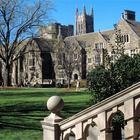
Part 2: How Duke University doubled their media hits by showcasing faculty
Last week we shared the first five major rules of Expert Marketing that are currently being used by Duke University to double their media hits (READ PART I). We also developed some strategies and best practices for higher education institutions to better market their experts. In this blog post, we are going to share our team’s final insights into how to better leverage your experts. Rule #6: Create Once, Publish Everywhere At one time we just had to focus on creating a news site. That’s now expanded to a multi- screen environment that requires we thread content into sites that are being accessed from desktops, mobile devices and even digital signage that is often scattered throughout the campus. Sit down with your digital team and map out how to distribute media across multiple channels such as social networks, news-feeds, homepages, faculty sites, as well as faculty profiles in your expert center or speakers bureau. Many schools still don’t have the “responsive” capability to push their news content out to mobile users. Insiders Tip: Duke applies a “create once publish everywhere” model to ensure that time-crunched journalists can easily connect with their expert commentary, whether they access the website’s desktop or mobile versions, or through a wide range of social channels. Rule #7: Get Your Expert Quotes Ready for the Real-Time News Cycle Organizing a system with your faculty to publish pre-approved expert quotes on your website can pay huge dividends, as news outlets have fewer reporters covering more territory. Many of our clients tell us they are seeing less experienced reporters who have much less time to research and interact with media departments. Having pre-approved quotes ready to go makes it much simpler for media, making you much more attractive to them. This pre-planning can minimize the strain on faculty experts during class hours. An added bonus is that it also minimizes misquotes. Insiders Tip: Duke University aims to provide daily quotes on its website by midday as part of its “news tips” section. While these quotes generally take less than one hour to produce, they have proven most effective. Almost all of their news tips have been used by the media since they started producing them in June 2014. Rule #8: Promote Your Core Areas of Expertise First With so much going on throughout the campus there are a lot of opportunities to promote a diverse range of topics to the media. However, it’s really important to identify the core topics where you have expert commentary in demand. The best media relations people have established their school as go-to sources for select topics. You should also stake your claim. What groundbreaking research can you find on the campus that relates to key news events? Think about what reporters need to communicate to their audiences. Do you have faculty who are credible, approachable and engaging on these topics? Invest the time with your team to develop a master topics list and tune this list regularly based on upcoming faculty contributions and news cycle developments. Insiders Tip: Duke University identified a number of key factors that contribute to the media take-up rate such as the degree of media interest in a story; the relative supply of experts available to media and timing considerations. While it’s impossible to control all these variables, They learned, based on trial and error, that concentrating on core topics where they have an academic focus such as politics, law and the environment generated more coverage. Rule #9: Focus your Editorial Calendar on Key Event Anniversaries It is important to get the mix right when looking for media opportunities. While it will always be to your advantage to leverage breaking news if you can mobilize your faculty experts, there is also a predefined editorial flow to the news across a calendar of special and recurring events. It’s crucial that you get some of these major opportunities on the calendar and develop a campaign to enlist faculty experts. For example, Black History Month and the Super Bowl are both annual recurring events happening in February. It’s good to map these along with other special events that are periodically staged or non- recurring such as a G8 Summit or the upcoming papal visit to the US. If you can mobilize your experts to provide value for media who need to start researching these events well in advance you increase your chances of coverage. Insiders Tip: The Duke University media relations team actively monitors upcoming anniversaries and other timely events that reporters are likely to write about. Events that have the potential to generate stories that Duke can leverage with their experts are reviewed by the communications team in twice weekly scrum meetings. Rule #10: Leverage Tools such as Twitter to Grow your Media Contacts Much of the success you will have with faculty experts hinges on your ability to take your message to the market. So it’s important to focus on grooming and growing your media contacts. Besides buying access to media lists from vendors such as Cision, PR Newswire, Marketwired and Meltwater; don’t forget about Twitter. It provides a huge opportunity to build a list of influencers and key opinion leaders. Using a simple topic and hashtag searches on Twitter, you can begin to map various clusters of people who are following specific news beats that may be relevant to your institution. Remember that media outlets tend to follow other media outlets for story angles and media sources. Having a well organized list of people that have interacted with you in the past is a large part of distributing your news faster to a larger audience. It’s important to do Twitter searches to research specific reporters you want to pitch to see where their interests lie. Insiders Tip: Duke University refines its media lists continually using Twitter. It looks at the social graph of reporters who make use its online news tips to identify other journalists to add to their database.

Part 1: How Duke University doubled their media hits by showcasing faculty
In the February 2015 issue of CASE Currents, Steve Hartsoe, a Senior Editor at Duke University and former Editor for the Associated Press, shares some powerful strategies for working with experts on campus. This article is a must read for any organization looking to build reputation through more focused media relations. Now you might be thinking that Duke is an already renowned university with an extensive network of media contacts so this stuff is easy for them. Not true. Doubling your media hits isn’t easy for any organization. Duke made some major improvements that set them up as a go-to destination for journalists to find credible, relevant sources. However, even implementing just a few of their ideas could drive some big results for your organization – without having to blow out the size of your marketing team or budget. Spoiler alert. The Duke strategy centers on being more strategic and collaborating better with faculty experts. The best practices that the Duke media relations team employed should inspire any organization that wants to generate more coverage. Whether you are looking for media visibility to help drive student enrolment, alumni giving, or corporate partnerships, there are valuable lessons to be found in this article. For the full article check out the January/February issue of CASE Currents at www.case.org. Please note you will need a subscription to view. So what’s going on at Duke that’s driving all this media coverage? To examine this further, our ExpertFile team weighs in below with the first five major rules of Expert Marketing for Schools and summarizes some insider tips they shared from their experience. Tune in next week for the finale! Rule #1: Organize a Team to Help Focus on Expert Marketing As with most initiatives, it’s vitally important to get the support of senior people in the organization when developing an increased focus on faculty experts. Gaining the support of a group of progressive deans within the school as well as notable faculty can be critical. Appoint a specialized team that can help you establish media visibility as a priority for your school. Build your case for an expert marketing program and ask for their support in developing your plan, then set up some regular meetings and make this team visible on the campus. It will help you develop a sense of collaboration and continuity. Insiders Tip: Duke built a “rapid response team” within their media relations department that had a clearly defined meeting schedule. They met twice a week and kept meetings to just 30 minutes in length. These regular check-ins helped identify breaking news opportunities and inspired a sense of priority and established momentum. Rule #2: Strategize with your Experts It’s amazing how many colleges and universities’ media relations departments we talk with that are disconnected from the interesting research conducted by their faculty. Ironically, it’s this research, as well the academic interests and passions of your faculty that feed the most engaging stories you can tell to the media. Make sure you have a good understanding of current and upcoming research that you can pitch. You should also identify what publications and books are being planned by faculty and see how you can collaborate with them. Insiders Tip: Duke invested the time to meet personally with faculty members to get a deeper understanding of their research and identify relevant topics that could be pitched to the media. They also invited some faculty to media meetings to brainstorm on potential news stories. It’s this kind of contact that helped make faculty more responsive to media opportunities and respond to deadlines. Rule #3: “Opt-In” your Experts for Different Types of Contributions It’s becoming more understood by faculty that media coverage can be a very good thing for their career and their organization. However, be careful of one size fits all approaches in recruiting faculty to contribute their expertise. Contribution from faculty comes in different forms. Faculty can be engaged in a broad spectrum of activities that run from broadcast TV interviews, blogging, and even helping speak at recruiting or alumni events. It’s good practice to create a master checklist of possible engagement types and to take an inventory of what your faculty experts may want to opt-in for. Having this inventory allows you to better plan for content development projects and also ensures that faculty clearly understand the duties that are expected of them in a media relations capacity. Insiders Tip: Duke’s media team recruited their experts for a range of contributions based on the level of interest and comfort level of faculty. And they made it clear that agreeing to be a media source meant responding promptly to incoming media inquiries. Rule #4: Provide Media Training and Support While every campus has it’s faculty “rockstars”, who can rise to the challenge of any breaking news opportunity, many experts on the campus can benefit from some form of media training. It’s critical to your media strategy’s success that you provide the experts with support and opportunities to practice their speaking skills in front of a camera. If you expect more experts to step up to the podium, it’s important to make the investment. However, make sure you design these programs to be engaging and don’t overwhelm your faculty by making them too exhaustive. Often they can be coordinated over lunch or in the early morning before classes start and can be focused on key areas such as: public speaking, blogging tips, video training, and social networking guidelines. Get a sense of where your key gaps are among faculty before you dive in. Also remember these sessions can provide valuable opportunities to shoot video interviews, B-Roll clips and even headshots that can be used to provide media assets for your website, alumni magazine and other properties. Insiders Tip: Duke invests in media training for its faculty experts and administrators offering a two and a half hour media training workshop each year to participating faculty, covering interview techniques via phone, video and social media. Rule #5: Meet Journalists on Their Terms Reporters appreciate media relations contacts that help them get their job done. Operating under tighter breaking news cycles they have less time to discover and research experts. In todays competitive media market what sells papers or builds ratings is often what gets covered. You have to focus your experts on helping journalists tell stories that matter to all those “eyeballs”. The best media relations professionals understand the value in building relationships with journalists. These connections are often essential in establishing your organization as a relevant, trusted source of expert commentary. Given the importance of these relationships, we’re also seeing the renewed popularity of industry conferences hosted by organizations such as the MAKI Network (www.thembasite.com) and Wynne Events – BAM Conference (www.wynneevents.com). These events give schools a unique opportunity to listen to and meet journalists from major news networks. ExpertFile sponsored both MAKI and Wynne events this past year, and we were impressed by the roster of global media attending. Insiders Tip: While Duke still distributes the requisite daily news on campus events and other university happenings, they don’t get mired in all of this content. They also focus a great deal of their activities on expert content that positions their university as a go-to source that is both credible and relevant to a variety of media audiences. READ PART II of How Duke University doubled its media hits by showcasing faculty experts.
Confronting the Fake News Phenomenon with Credibility
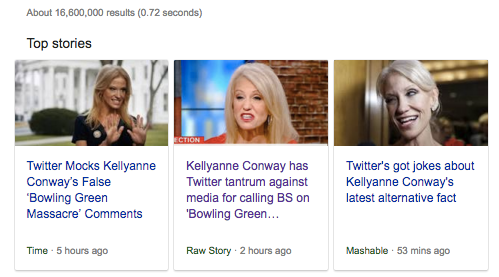
Fake news is suddenly big news. A quick browse this morning and the topic is featured in articles and stories in The Guardian, CNN, Forbes, Reuters, iPolitics and The New York Times. Explaining fake news, finding its source, its effectiveness and how to counter it are all top of mind priorities for journalists, politicians and even technology leaders. Fake news is eroding the trust the public has in its leaders and media and something must be done soon. We need to see a return of intelligence and knowledge to present true facts. In this new era, issues such as climate change, economic data, security, crime and healthcare policy -people without qualifications are being asked to speak on topics that require years of study, research, and experience. Opinions — not always informed opinions — are taken as fact. To reverse this trend, institutions need to work with the media to present a more balanced set of perspectives. We need to see academics, physicians, professionals, and leaders in their respective fields contribute more to these big conversations. It won’t be easy, but it is possible. ExpertFile is the world's first marketing platform and search engine for expert content. The company specializes in providing media access to thought leaders and thousands of experts who are objective, credible and whose opinions are sought and respected worldwide. Now more than ever – the public needs trustworthy sources of accurate and unbiased information. Peter Evans is the CEO and Co-founder of ExpertFile. His experience and expertise has made him a leader in the realms of innovation, marketing and digital software. He is a respected speaker and a sought-out panelist for technology, marketing and innovation events throughout the world. Peter is available to speak to media regarding fake news and how technology companies are fighting back. Simply click on his icon to arrange an interview. Source:
It’s all eyes on Africa as the UN looks to find ways to ensure universal health care for all
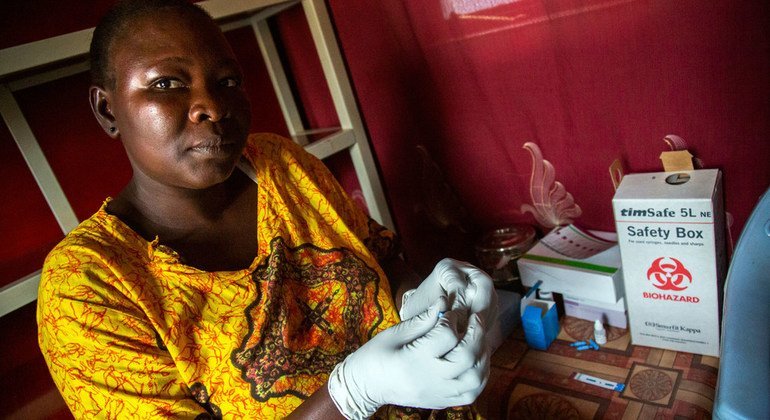
It was a historic moment earlier this month as the United Nations and African Union pledged to pursue bolds goals that will strengthen global health and provide health care to all across Africa. “The Memorandum of Understanding we have signed today is an important step towards formalizing the cooperation between WHO and the African Union and to implementing the Addis Ababa Call to Action,” said the WHO chief. “The Addis Ababa Call to Action is a powerful commitment from African Union leaders to increase domestic financing for health, and to hold themselves accountable for that commitment”, he added. Following a political declaration on universal health coverage, which was approved in September by all UN Member States, the General Assembly adopted a global resolution to translate that commitment into reality by legislators in 140 countries. November 18 - UN News It’s indeed a bold declaration and one that will require prevention, infection control and affordable delivery of care. Key UN-AU collaboration specifics Provide technical expertise to the African Medicines Agency and create an environment to foster local production of medicines. Strengthen collaboration between WHO and the Africa Centers for Disease Control and Prevention – with a particular focus on emergency preparedness, to build defenses against epidemics and other health emergencies. Support the implementation of the Addis Ababa Call to Action on universal health coverage and the AU Declaration on Domestic Financing. The prospects are positive, but delivery will be a challenge, and if you are a journalist covering this topic and need an expert source for insight and perspective – let us help. Dr. Saad Bhamla is an Assistant Professor of Chemical & Biomolecular Engineering at the Georgia Tech College of Engineering where he also runs the Bhamla Lab that develops low cost tools for science education and global health. Saad is available to speak to media regarding this topic, simply click on his icon to arrange an interview.



This month, U.S. Secretary of State Mike Pompeo announced a shift in U.S. policy toward settlements in the Israeli-occupied West Bank. Pompeo announced that the Trump administration does not view the settlements as inconsistent international law, and rescinded a 1978 state department legal opinion that held that view. The move now leaves the issue of individual settlements up to Israeli courts. Assistant Professor Sandy Marshall has spent time as a volunteer instructor in a Palestinian refugee camp in the West Bank and returned to the region this past summer to advance his research into the experiences of Palestinian refugee children. A human geographer, he has conducted extensive research into the impact of conflict, division and displacement on children and youth in the Middle East. Asked for a brief comment on the shift in U.S. policy, here’s what Marshall had to say: “Coming on the heels of the U.S. embassy move to Jerusalem and recognition of Israeli sovereignty over the Golan Heights, the change in policy on West Bank settlements is another nail in the coffin of a negotiated peace-settlement based on the two-state solution, represent U.S. rejection of broad international legal consensus . This move undermines any remaining legitimacy the U.S. has in the region as a peace-broker and threatens further destabilization of the region.” If you're interested in talking with Professor Marshall as you continue to cover this important topic, please reach out to Owen Covington, director of the Elon University News Bureau, at ocovington@elon.edu or (336) 278-7413. Professor Marshall is available for phone, email and broadcast interviews.
