
Experts Matter. Find Yours.
Connect for media, speaking, professional opportunities & more.
Record freezing temperatures and global warming – let our experts explain
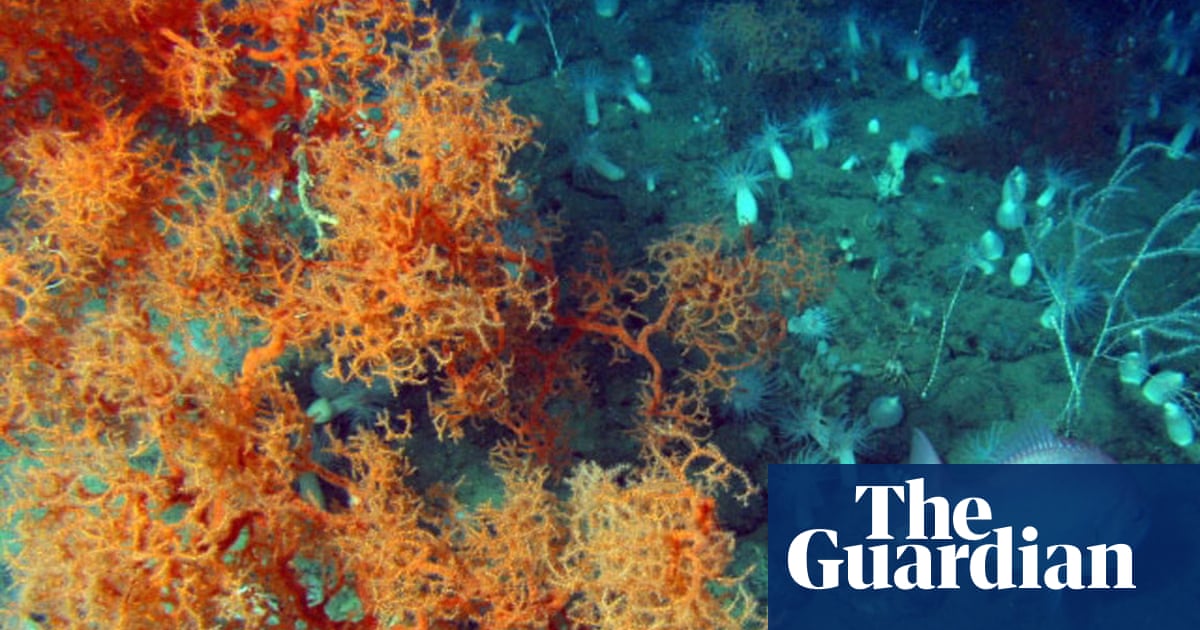
This week has seen temperatures drop to record lows. Across the mid-west, a polar vortex coupled with biting winds saw temperatures plunge below minus 50 degrees Fahrenheit. As the word has been focusing on climate change, its causes and effects – this week stands as a stellar example of the impacts of global warming. Despite the tweets and trolls of prominent politicians somehow aligning a deep freeze as a counter argument for climate change the evidence is becoming more clear - with global warming, comes warnings far more worrisome. Dr. Pamela Grothe, an Assistant Professor in the Department of Earth and Environmental Sciences at the University of Mary Washington, was recently quoted in the Guardian about how global warming is forecasting a grim future at the rate we are going. “Warmer temperatures and associated lower oxygen levels in the ocean are sufficient to explain the observed extinctions we see in the fossil record”, she says. “We are already seeing warming ocean temperatures and lower oxygen in many regions, currently affecting marine ecosystems. If we continue in the trajectory, we are on with current emission rates, this study highlights the potential that we may see similar rates of extinction in marine species as in the end of the Permian.” And is this just the beginning? What other extremes can we expect to see in our weather? Can that trajectory Dr. Grothe reference be turned around or slowed down? And what species are the most vulnerable and what ripple effect will that have on our oceans? There are a lot of questions to be asked – and that’s where the experts from the University of Mary Washington can help. Dr. Pamela Grothe is an assistant professor in the Department of Earth and Environmental Sciences as the University of Mary Washington. She recently completed a Ph.D. in the Paleoclimatology Lab at the Earth and Atmospheric Sciences department at Georgia Institute of Technology. Her current research involves a study of the central Pacific climate and El Niño Southern Oscillation (ENSO) variability over the past 6000 years through the analysis of coral fossil records. She’s an #expert in climate change and is available to speak with media – simply click on her icon to arrange an interview.



Reconstructing the past to forecast how climate change may alter our future
The scientific world all agrees – climate change is real, it’s here and it is something we need to know more about. As the climate on Earth changes – everything from temperatures, weather patterns, wind rain and snow will all in some way or another be altered. Even minor and fractional adjustments in some aspects of climate may result in drastic differences to temperatures, precipitation, ocean levels and ecology. In order for us to understand the impacts of climate change and to try and predict how populations will have to adapt scientists at the University of Mary Washington are currently working on a long-term project to re -construct past climate by looking at the geochemistry of oyster shells. This research could prove vital as the Chesapeake Bay region is expected to experience more extremes in precipitation with human-caused warming, so more heavy rain events and more prolonged drought events. These changes in rainfall will cause drastic swings in salinity in the Bay from changes in the freshwater river input. It’s important research and the experts at the University of Mary Washington are available to help explain how oyster shells may hold the answer to the region’s future climate challenges. Dr. Pamela Grothe is an Assistant Professor in the Department of Earth and Environmental Sciences as the University of Mary Washington and is an expert on climate change. Dr. Grothe is available to speak with media regarding this subject – simply click on her icon to arrange an interview. Source:

World Oceans Day and #OceanOptimism
Today, people around the globe are celebrating World Oceans Day, and discussing how we can all work together to make them cleaner, healthier and more sustainable. On Monday, a five-day long United Nations conference kicked off in New York. Rising sea levels, marine resources, pollution, sustainable development, and ocean degradation were just some of the key issues being discussed. Can our oceans recover? How bad is it and how did it get to this point? That’s where the experts at Cedar Crest College can help. John A. Cigliano is a Professor of Biology and an expert in marine conservation. Recently, he delivered a lectured titled "#OceanOptimism: Why It Is Not Too Late." Dr. Cigliano says despite the issues currently facing our oceans, he doesn't believe they are doomed. He can draw on success stories from around the world as well as his own research conducted with Cedar Crest College students to illustrate that point, and to outline what we can all do to help. Dr. John Cigliano is available to speak with media regarding World Oceans Day or any topic related to marine conservation, ecology and the ocean. Simply click his icon to arrange an interview. Source:
