
Experts Matter. Find Yours.
Connect for media, speaking, professional opportunities & more.

Amid "Likes" and "Shares," Facebook Jeopardizes Children's Health and Safety
On February 4, 2004, a 19-year-old Mark Zuckerberg launched “TheFacebook.” Developed in his Harvard University residence hall, it began as a networking service for his roughly 7,000 classmates. Today, it is the most popular social media platform in existence, boasting over three billion monthly active users worldwide. Through two decades of “likes” and “shares,” Facebook has transformed how people connect, interact and think. Driving everything from dinner parties and concert outings to political campaigns and protest movements, it has frequently been celebrated for its ability to convey information, mobilize groups and galvanize change. However, it has also been criticized for its questionable content management choices, its suspect data collection practices and, perhaps most notably, its role in feeding an ever-growing mental health crisis among children and adolescents—a charge Zuckerberg refutes. Elizabeth Burgess Dowdell, PhD, RN, FAAN, is a professor in Villanova University’s M. Louise Fitzpatrick College of Nursing and an expert on the health and safety risks posed by social media. From her perspective, Facebook and platforms like it have undoubtedly played a part in heightening levels of emotional distress and physical harm among youths. “Statistically, it’s well-established in the literature that mental health issues and concerning behaviors among children have escalated tremendously,” said Dr. Dowdell. “They’re becoming sadder, more depressed and lonelier, even though they’re very connected.” To Dr. Dowdell’s point, mental health disorders began rising precipitously among young people in the years following Facebook’s launch. Per the Centers for Disease Control and Prevention (CDC), the percentage of children aged 6 to 17 years “ever having been diagnosed with either anxiety or depression” increased from 5.4% in 2003 to 8% in 2007 and 8.4% in 2011-2012. And just last year, in the era of Instagram and TikTok, Mental Health America found that 11.5% of children in the United States were struggling with severe depression, with 16% of youths aged 12 to 17 years having experienced a major depressive episode in the past 12 months. A contributing factor, according to Dr. Dowdell, is the way social media construes reality. Flooded with images, posts and videos that show hyper-idealized, rose-colored representations of life, impressionable young users can be made to feel isolated, inept or dissatisfied with their appearance. “I think adults understand that a ‘perfect’ picture is often preceded by a dozen other photos,” she said. “Kids don’t always see it like that. They focus on what makes them happy and what makes them sad—and what makes them feel sad about themselves.” Tragically, throughout the social media age, this sadness has been tied to increasing rates of suicide, self-harm and risky behavior among youths. A 2023 CDC study found that the suicide rate for children aged 10 to 14 years tripled from 2007 to 2018 (from 0.9 deaths per 100,000 to 2.9), and in 2021-2022, the National Center for Missing and Exploited Children noted a 35% year-over-year increase in reports of suspected child sexual exploitation. Amid these frightening statistics, Dr. Dowdell emphasizes the importance of caring, compassionate adults’ involvement in young people’s lives. She notes these individuals’ presence can not only shield youths from potentially hazardous situations but give them the tools to cope with traumatic episodes and feelings of despair. “The critical factor that helps children become resilient is having a support system—having family members, parents or trusted adults with whom they can talk,” Dr. Dowdell shared. “They might go down the rabbit hole, but they have someone to pull them out, someone to help them.” For adults concerned about their loved ones’ social media use, Dr. Dowdell stresses that empathy and understanding are key. In turn, she advocates for an approach that reflects the supposed purpose of Facebook and platforms like it: active conversation. “It all comes back to communication,” she said. “Parents and guardians need to role-model responsible behaviors. They need to talk about these things: ‘What did you look at today?’ ‘What was good?’ ‘What was bad?’ ‘What did you think?’ ‘How did you feel about that?’ “It’s much like, when children are little, reading them books. When we read to children, we engage them… Why not read the social media feeds, look at the Facebook posts or go through Instagram? These forms of engagement, the conversations we have, let them know they can come and talk.”


What Families Need to Know about How to Safely Store Firearms at Home
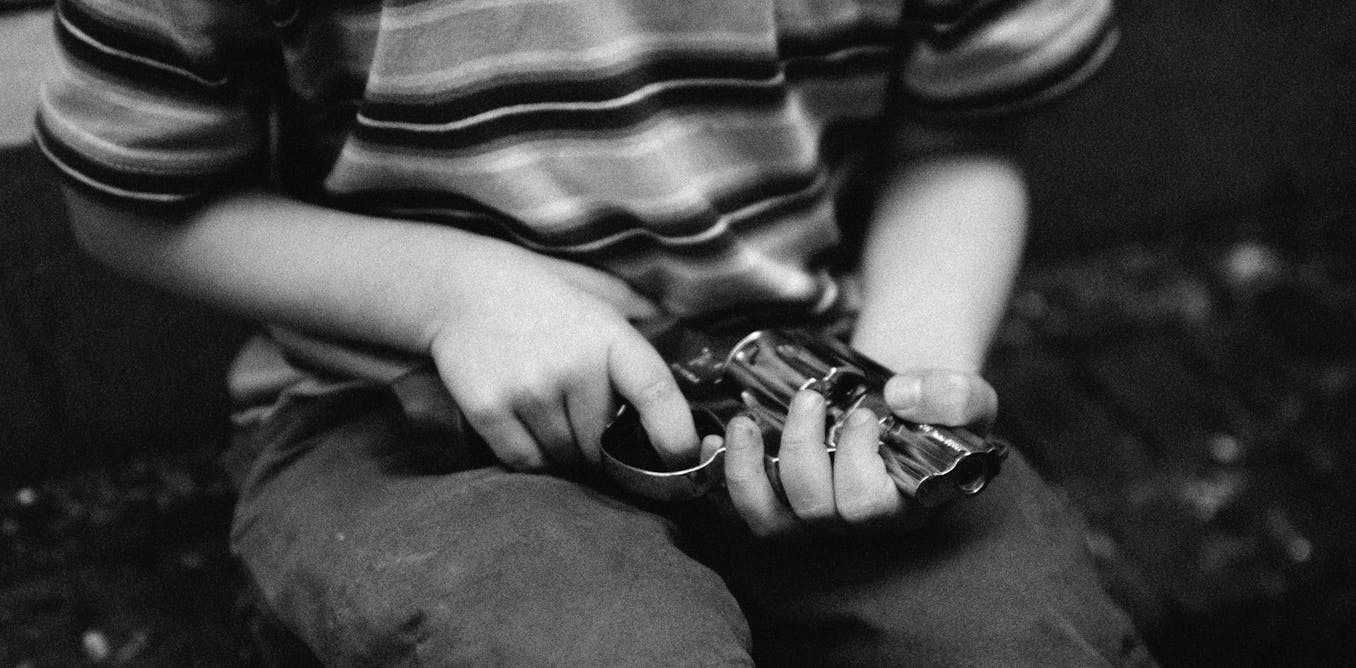
Guns have been identified as the leading cause of death for children in the United States, making ongoing discussions about firearm safety especially important. Kerri Raissian, an associate professor of public policy at the University of Connecticut, and Jennifer Necci Dineen, associate director of the ARMS Center for Gun Injury Prevention, recently co-authored an very important piece for The Conversation titled detailing what families need to know about safely storing firearms at home. There were 2,571 children age 1 to 17 who died in shootings in the U.S. in 2021, 68% more than the 1,531 that occurred in 2000. To help reduce the number of firearm-related deaths and injuries among children, Secretary of Education Miguel Cardona in January 2024 called upon school and district administrators to talk with parents and guardians about safe firearm storage practices. As experts on the safe storage of firearms – and as leaders of the University of Connecticut’s ARMS Center for Gun Injury Prevention – we often get questions about the best ways to keep guns out of the hands of children. We offer the following tips: 1: Safely store all of your firearms 2. Don’t assume you can hide your guns 3. Store ammunition separately 4. Learn to talk about firearm safety 5. Know the law 6. Invest in a quality safe and/or locking device The full piece is available here from The Conversation. Kerri Raissian is an associate professor in the School of Public Policy at the University of Connecticut, director of the University of Connecticut's UConn’s Center for Advancing Research, Methods, and Scholarship (ARMS) in Gun Violence Prevention, and co-director of the Institute for Collaboration on Health, Intervention, and Policy (InCHIP) Gun Violence Prevention Research Interest Group. Her research focuses on child and family policy, with an emphasis on understanding how policies affect fertility, family formation, and family violence. She is available to speak to media about this important topic - simply click on her icon now to arrange an interview today.


Baylor Expert: Don't Lose Focus on Spiritual and Mental Well-being
Baylor Social Work professor shares tips and resources during stressful half-way mark of semester Holly Oxhandler, Ph.D., LMSW., associate dean for research and faculty development and associate professor in the Diana R. Garland School of Social Work. October marks the halfway point to the fall semester and can carry all the excitement, stress and anxiety of another academic term winding to a close. The month also typically marks one of the busiest times of the year for university counseling centers across the nation. With unique challenges in 2020 related to COVID-19, the University has acknowledged those hardships for all in the Baylor Family by taking the initiative to focus on mental health throughout October. Baylor University’s Holly Oxhandler, Ph.D., LMSW, associate dean for research and faculty development and associate professor in the Diana R. Garland School of Social Work, is an expert on mental health, primarily anxiety and depression, as well as religion and spirituality in clinical practice. In this Q&A, she shares tips and resources to students, faculty and staff who are facing all of the typical challenges of another mid-term while also navigating a global health crisis. Q: The 2020 fall semester provided challenges and obstacles never seen before in higher education. Why has COVID-19 been a uniquely stressful influence on the mental and spiritual well-being of students, faculty and staff? There are a number of reasons COVID-19 has been a uniquely stressful influence on the mental and spiritual well-being of those in higher education. First, there are the unanticipated layers and learning curves of new considerations and adjustments to course delivery, safety protocols, dining, campus activities and communication, to name a few, on top of the typical adjustments and emotions we all navigate at the beginning of each fall semester. Second, those in higher education entered fall 2020 without the “typical” summer that’s needed to reset, make adjustments and plan for the upcoming year’s activities. For example, many administrators, faculty and staff spent the summer not only planning for the usual upcoming academic year but also reconfiguring classes to be hybrid or online or simultaneously include both in-person and online students, in addition to modifying student activities and faculty research project timelines and plans. For degree programs that include internships, like social work, there have also been additional layers of consideration in order to comply with our professional accreditation standards. Third, we recognize that many students, their family members, as well as Baylor faculty and staff members’ loved ones, have been affected by the economic impact of COVID-19, adding a layer of financial stress. Fourth, many within the Baylor community – staff, faculty and students – have needed to juggle childcare and homeschooling their children as they continue to engage in their own work and/or educational expectations. Finally, the fear of contracting COVID-19, especially among the most vulnerable and high-risk populations, has been constantly present. Not only are we adjusting to this academic year with new ways of being and new protocols that keep us and one another safe, we’re also facing unexpected waves of fear and layers of grief for the missed events, opportunities and connections we had hoped to experience. As resilient as our community is, I think it’s important to remember we cannot “operate as usual” because things aren’t usual. Instead, we must allow ourselves and one another the time, margin, flexibility and grace needed to sit with and move through the rising emotions, grief, stress, loneliness, fear and uncertainty as they come. We cannot skip or bypass these emotions, but instead, must move through them, often with the support of loved ones and/or a trained mental health care provider. Q: Mental and spiritual health are challenging during even a typical semester experience. What are some of the effects and reactions you’ve witnessed to these circumstances among students, faculty and staff compared to a non-COVID-19 semester? As human beings navigating a global pandemic to the best of our ability, our mental and spiritual health have all been impacted to some degree this semester as we have individually and collectively faced a number of unexpected difficulties. I have also seen a beautiful response to the reality of this collective struggle in my interactions with Baylor faculty, staff and students that includes deep empathy for one another and an increase in valuing authenticity as we engage in the high-quality, meaningful work we each do. It has been a gift to witness Baylor community members holding space for colleagues’ and students’ vulnerability as we admit this is hard for various reasons and recognize that we cannot just push our way through this season. When we admit this isn’t easy and that we are all juggling so much to the best of our ability through thick layers of uncertainty, it gives those around us permission to admit their experiences, too. In fact, I think when we create space for that shared vulnerability and empathy in our interactions with others, we can better assess the current situation, remain present to one another and discern what steps are needed to move forward together, particularly because we’re not carrying an additional layer of effort pretending that everything is fine. That said, the Garland School of Social Work conducted a couple of well-being surveys since this summer to internally check in on how our faculty and staff are coping with this season and identify the biggest stressors they’re facing and sources of support. Our faculty and staff have also been continually checking in on our students through this season. Not only do we see many noting the same stressors that we’re all facing these days, normalizing how difficult this is for each of us, but the act of nonjudgmentally holding that space for ourselves and one another has been a tangible step of offering the care we know is uniquely woven into the Baylor experience. Q: How can individuals within the campus community tend to their spiritual health to close out the semester? I would invite readers to take a moment to pause and identify a few spiritual practices that uniquely support them well, even if that means thinking back to less stressful seasons. The key to note here is that these are practices which require regular engagement, similar to if we were to practice a new instrument or sport. Spiritual practices can vary based on our faith tradition and may include praying; meditating; centering prayer; reading our religious text; walking a labyrinth; journaling; practicing gratitude; listening to a sermon or faith-based podcast; praying over and contemplating scripture; engaging in creativity; practicing daily examen; or listening to spiritual music. Some practices may involve other individuals that can be done safely, including seeking spiritual direction, participating in a Bible or faith-based book study with others or engaging in worship (even virtually!). These practices can offer a sense of groundedness and a reminder that God is with us, including through this season. As we continue to navigate this season of uncertainty, it is critical that we intentionally weave in spiritual practices that offer rhythms, routines and a grounded faith that can support us well through the waves of difficulty. Especially on campus, I would encourage Baylor community members to follow along with Spiritual Life’s resources and events, or check out Better Together BU, a partnership supported by both Spiritual Life and Multicultural Affairs. Q: How can individuals within the campus community tend to their mental health to close out the semester? Tending to our mental health in this last stretch of the semester will be so important as we move into the stress of finals, the complex emotions tied to the holidays, grief with upcoming celebrations looking different this year (including how we celebrate holidays, who we celebrate with and the reality of many having lost loved ones to COVID-19) and the reality of seasonal affective disorder on the horizon. In fact, in a typical year, about 5% of U.S. adults have seasonal affective disorder (SAD), with another 10-20% having mild forms of it. In light of all of the added transition, uncertainty, complexity of caregiving and homeschooling while working/studying at home, layers of loneliness and grief, I do hope our Baylor students, staff and faculty will actively prioritize taking good care of their mental health and supporting others’ mental health care, too. One way I highlight this with my social work students is by recommending creating a self-care plan that pays attention to our physical health, mental health, social support and spiritual health. If we can identify some strategies to holistically care for ourselves well and be mindful of potential barriers to navigate, we may have more resilience and practices to draw from to cope with challenges and stressors that arise. Finally, although NAMI highlights that 1 in 5 of us are currently facing a mental health struggle, some studies have shown that over 80% of us will meet criteria for a mental illness by young adulthood or middle-age. Therefore, I highly recommend that anyone who is noticing any changes in their mood, diet, sleep habits, behaviors or overall well-being immediately reach out for help. Students are encouraged to reach out to Baylor’s Counseling Center, CARE team or the BARC. Faculty and staff also have resources available through Baylor’s employee assistance program. Other resources for finding a mental health provider include HelpPRO, Psychology Today, Low Cost Help or these additional resources. For those who are deeply struggling, please reach out to the Suicide Prevention Lifeline at 1-800-273-8255 or text ‘HOME’ to 741-741 for the Crisis Text Line. As part of my faith and my social work values, I believe that each of us are worth caring for ourselves, including caring for our mental health alongside our spiritual and physical health. Q: What successes or bright spots have you seen within your campus experience that offer encouragement to how the Baylor Family has handled the crisis throughout the semester? I am regularly amazed by the Baylor students, faculty and staff, the ways we have navigated the crisis together this semester, and I am especially grateful for President Livingstone’s and Provost Brickhouse’s leadership since March. This semester, some bright spots have included Dr. Deborah Birx’s reflections on Baylor’s efforts to keep everyone safe from COVID-19, the Fall Faculty meeting and Dr. Peter Hotez’s appreciation of how Baylor leaders have kept the Baylor and Waco community safe and following along when Baylor students take over Baylor’s Instagram account (like Brandon Nottingham’s takeover on World Mental Health Day!). As the Garland School of Social Work’s associate dean for research and faculty development, I have also loved learning about the ways so many Baylor faculty are offering their unique research expertise and wisdom to serve others through this difficult time, such as Dr. Emily Smith’s “Friendly Neighbor Epidemiologist” Facebook page to explain COVID-19 information. I’ve also been reminded of what a gift it is to be a part of the Garland School of Social Work (GSSW) and this community of faculty, staff and students. The resilience, creativity, love for serving others, dedication to the social work profession and care for our students is so apparent within the GSSW. I have especially seen how my faculty and staff colleagues have adapted courses and assignments, creatively considered students’ needs and juggled their research responsibilities while extending grace to themselves and one another as we navigate this season together as a school to the best of our ability. Similarly, seeing our students’ resilience, flexibility, support of one another, commitment to the profession and heart for the clients and communities they serve is truly inspiring. Finally, Dean Jon Singletary’s servant-leader heart for the GSSW and the ways he has supported our school through so much transition over the last five years has been a gift. One example of this includes the two hours of weekly well-being time he extends for all GSSW staff and faculty to use in support of our spiritual and mental health care. Q: What gives you hope for the spring semester and beyond as students continue through their academic endeavors? Truthfully, our students’ presence and their enthusiasm over the fields of study they are dedicating their lives to gives me hope. As a professor, there is nothing like watching a student become fully alive in the work they are passionate about and feel as though they were made to do. Our students’ willingness to fully participate in the transformational education that Baylor offers, especially in this difficult season of COVID-19, is an honor to witness as a professor and certainly gives me hope. Further, seeing the ways our students are empathically caring for their neighbor by following Baylor’s safety guidelines, growing in their faith, checking in on one another, understanding faculty and staff are doing their very best and continuing to demonstrate their determination to learn and grow is an inspiration. My hope and prayer for our students as well as our staff and faculty colleagues as we move through the remainder of the fall semester and into the spring is that they rest as they need to and prioritize taking good care of their mental and spiritual health. I also pray that we recognize as a community that by caring for our spiritual and mental health, by taking this season one day at a time, by trusting we are doing our best and by reaching out for help when needed, we give others permission to do the same.


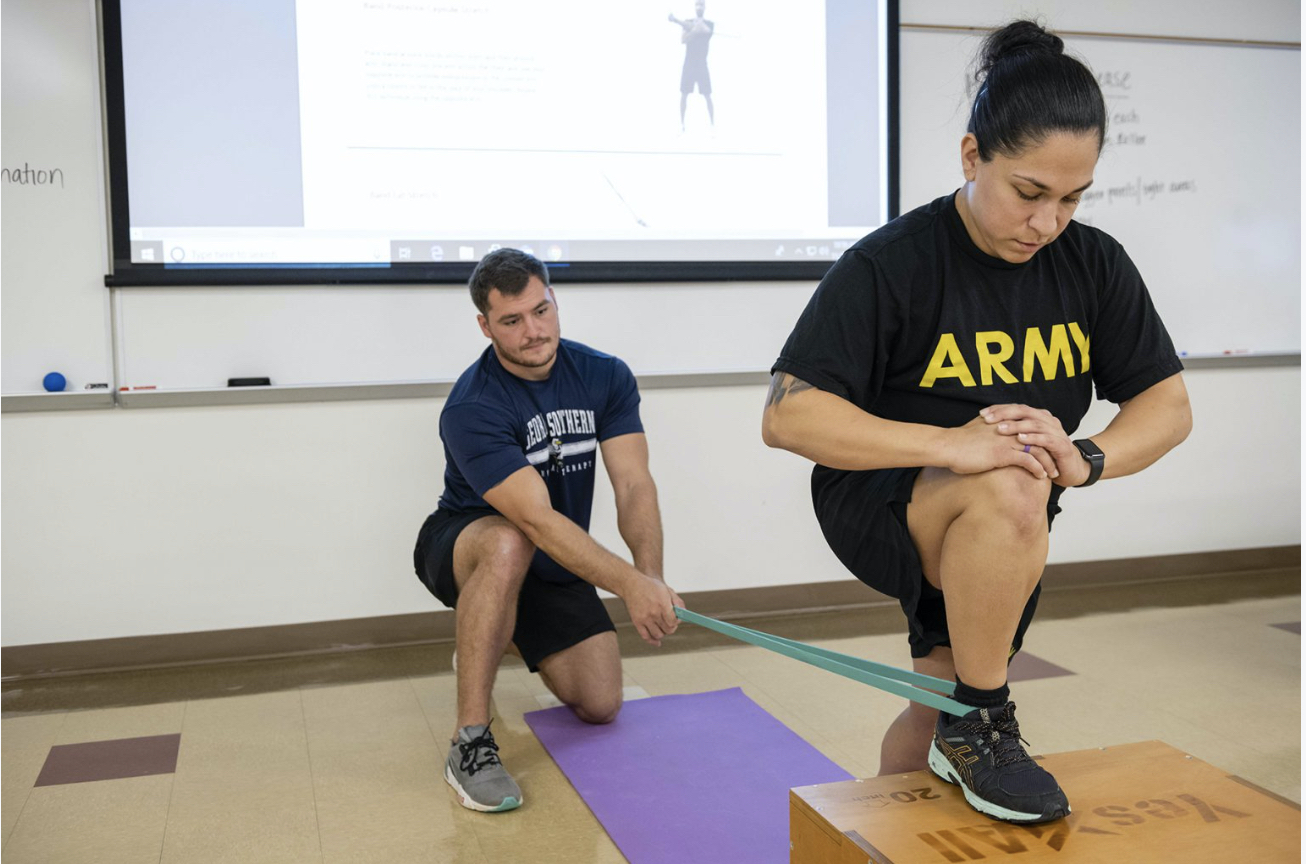
The Georgia Southern University Soldier Performance and Readiness (SPAR) program received a $1.5 million, two-year grant from the Department of Defense’s U.S. Army Medical Research and Development Command (USAMRDC). The grant will expand Georgia’s Southern research and programming capacity in injury prevention techniques that ensure force readiness for the Army. “Through this large-scale research study, Georgia Southern doctoral students have opportunities to be involved in the research process and work directly with soldiers,” said Nancy Henderson, Ph.D., assistant professor in the Doctor of Physical Therapy (DPT) program. “Additionally, the grant will fund graduate assistant positions in the Doctor of Physical Therapy program.” USAMRDC’s mission is to provide solutions to medical problems for American service members at home and abroad, as well as to the public at large. The scope of this effort and the priorities attached to specific projects are influenced by changes in military and civilian medical science and technology, operational requirements, military threat assessments and national defense strategies. Extramural research and development programs play a vital role in the fulfillment of the objectives established by the organization. Research and development funded through this are intended to benefit both military and civilian medical practices. “The grant investigates different physical training programs to identify those practices that best prevent non-combat injuries,” said Henderson. “Faculty on the research team will seek to advance the body of literature by determining the best educational models to educate soldiers on injury-prevention topics.” This is the first time that Georgia Southern will act as lead investigator on a collaborative research project with an Army research institute. However, SPAR has long been involved in multiple branches of research with community impact. “Georgia Southern has several initiatives underway to help improve the health, fitness and performance of military service members, law enforcement personnel and firefighting and rescue personnel,” said Joseph Kardouni, Ph.D., director of the Tactical Performance Group. “The Tactical Athlete Certificate (TAC) program is one of these initiatives that teaches service members exercise fundamentals to help mitigate training-related injuries. The funding coming through Medical Research and Development Command will improve evidence-based teaching methods and inform similar efforts to teach service members within this field. Leaders from health and human performance programs within the Army understand the importance of leveraging partnerships with academic institutions to work toward improving the quality of life, health and occupational performance of soldiers.” Faculty and students in the DPT program have educated soldiers on injury prevention topics since 2016 and this grant further provides students with the opportunity to assess effectiveness while learning how to improve educational methods with military service members. “This research is an important next step in delivering on the promise of the SPAR program and Georgia Southern’s close working relationship with Army research partners,” said Interim Vice President for Research and Economic Development Christopher Curtis, Ph.D. Curtis also noted that funding was made possible by the advocacy of U.S. Rep. Buddy Carter and the strong support of Georgia’s legislative delegation in Washington D.C. Interested in learning more or looking to talk with Nancy Henderson? Simply click on her icon now or Contact Georgia Southern's Director of Communications Jennifer Wise at jwise@georgiasouthern.edu to arrange an interview today.


Ask Our Expert: Why it’s important to get a flu vaccination
As cold and flu season approaches, it’s time to take proactive steps to ensure the health and well-being of everyone. Getting a flu vaccination is be the best defense in staying healthy this time of year. Klaus Ley, MD, founding co-director of the Immunology Center of Georgia, part of the Medical College of Georgia at Augusta University, emphasizes the significance of getting vaccinated against the flu. “The flu can have serious consequences and by getting vaccinated, you protect yourself and those around you,” Ley said. “It’s a simple yet effective way to prevent the spread of this contagious virus.” Flu vaccination is not only a responsible choice but also a crucial step in maintaining public health. The World Health Organization records about 1 billion cases of influenza each year. Severe cases often result in hospitalizations, contributing to up to 650,000 respiratory-related deaths globally. Worried about potential side effects from the vaccine? Ley said that’s a minor concern compared to the effects of the full-blown flu. According to the Centers for Disease Control and Prevention, life-threatening allergic reactions to flu shots are very rare. While severe reactions are uncommon, it’s important to let your health care provider know if you have a history of allergy or severe reaction to vaccines before getting a flu shot. “Common side effects from a flu shot could include soreness or swelling at the site of the injection, headache, low-grade fever, nausea, muscle aches or fatigue. Those minor side effects are an indication your immune system is responding as it should to the vaccination. You will experience much more severe fever, aches and other symptoms if you catch the flu without being vaccinated against it,” said Ley. Klaus Ley, MD, is the Georgia Research Alliance Bradley Turner Eminent Scholar in Immunology, founding co-director of the Immunology Center of Georgia, and a professor in the Department of Physiology at the Medical College of Georgia at Augusta University. He's available to speak with media regarding flu season and vaccinations - simply click on his icon now to arrange an interview today.


For the second consecutive time, ChristianaCare has earned the Joy in Medicine™ recognition from the American Medical Association (AMA). ChristianaCare earned Gold Level recognition, the highest level of recognition in the Joy in Medicine™ Health System Recognition Program. It was one of only 10 health systems nationwide to achieve Gold Level. The recognition underscores ChristianaCare’s demonstrated commitment to the well-being of clinical care team members. “Receiving the Joy in Medicine Award the first time was certainly an honor, but achieving gold level status a second time is an even greater achievement, as the requirements are more exacting,” said ChristianaCare Chief Wellness Officer Heather Farley, M.D., MHCDS, FACEP. “It is a testament to the fact that at ChristianaCare and our Center for WorkLife Wellbeing, we are not comfortable resting on our laurels. We continue to raise the bar in our efforts to support the well-being of our caregivers, effectively respond to the changing health care landscape and foster an environment where each of our caregivers can thrive.” Continued Excellence in Support of Caregivers In 2022, ChristianaCare’s Center for WorkLife Wellbeing launched Psychological First Aid training to help organization leaders build skills to identify and support colleagues impacted by stress. More than half of ChristianaCare leaders completed the training in 2022. The training is now available to all caregivers. In addition, ChristianaCare’s peer support program, known as Care for the Caregiver, offers confidential individual peer support and group support following a range of stressful events at work. The program completed nearly 2,500 encounters from 2015 to 2022. ChristianaCare also has established the Workplace Civility Steer Team, which provides strategic direction in establishing an environment that is safe and free of violence for caregivers, patients and visitors. The team performs this through program and process development for the identification, prevention and response to workplace violence, a challenge increasingly faced by health care workers nationwide. “Health organizations that have earned recognition from the AMA’s Joy in Medicine Health System Recognition Program are leading a national movement that has declared the well-being of health professionals to be an essential element for providing high-quality care to patients, families and communities,” said AMA President Jesse M. Ehrenfeld, M.D., M.P.H. “Each Joy in Medicine recognized organization is distinguished as among the nation’s best at creating a culture of wellness that makes a difference in the lives of clinical care teams.” Burnout rates among the nation’s physicians and other health care professionals spiked dramatically as the COVID-19 pandemic placed acute stress on care teams and exacerbated long-standing systemic issues. While the worst days of the pandemic have passed, the lingering impact of work-related burnout remains an obstacle to achieving national health goals. Since its inception in 2019, the Joy in Medicine™ Health System Recognition Program has recognized more than 100 organizations across the country. In 2023, a total of 72 health systems nationwide earned recognition with documented efforts to reduce system-level drivers of work-related burnout and demonstrated competencies in commitment, assessment, leadership, efficiency of practice environment, teamwork and support.


Devastation beyond the storm: Hurricane Ian the latest disaster to cause increase in suicides
This week marks one year since Hurricane Ian decimated towns along Florida's Gulf Coast, erasing whole neighborhoods and claiming 160 lives. Recent research found that the toll could continue to rise. The Tampa Bay Times reported that six people have taken their lives since the Category 5 storm moved on from the area. Increases in the number of suicides after a disaster is sadly not an uncommon occurrence, according to research by the University of Delaware's Jennifer Horney, professor founding director of UD's epidemiology program. According to a study led by Horney in The Journal of Crisis Intervention and Suicide Prevention, suicide rates increased 23% when comparing the three-year period preceding a disaster to three years after an event. For all disaster types combined as well as individually for severe storms, flooding and ice storms, researchers found the suicide rate increased in both the first and second year following a disaster, then declined in the third year. Flooding saw suicide rates increase by nearly 18% the first year and 61% the second year before declining to the baseline rate after that. By contrast, the suicide rate following hurricanes rose in the first year — jumping 26% — then returned to the baseline in the second year. “Counties impacted by hurricanes saw the biggest increase in the rate of suicide in the first year, which makes sense because it's the most widespread type of disaster among those we examined,” Horney said. Horney's research focuses on the impacts of natural disasters on public health, as well as linkages between disaster planning and the actions communities and individuals take to prepare, respond and recover. To request an interview, click on her profile and use the contact button to connect with the researcher.


The Importance of Vitamin K for a Healthy Diet
Vitamin K is a fat-soluble vitamin that plays important roles in blood clotting and in bone metabolism. Sharon Collison, a registered dietitian and instructor of Clinical Nutrition at the University of Delaware, has over 30 years of experience looking at nutrition, diets and diet culture. She has studied the affects of vitamin K and the impact it can have on one's overall health. She notes that vitamin K decreases bone turnover, protecting against fractures. Vitamin K is unique in that bacteria in the GI tract can synthesize vitamin K that can contribute to the body’s needs. People generally get about ½ their vitamin K from synthesis in the GI tract and ½ from food sources. Here are some foods that Collison said are not only good sources of vitamin K, but are nutritional powerhouse foods that are nutrient dense. Broccoli Raab: 241 mcg/100 grams of vitamin K. Also high in dietary fiber, potassium and vitamin C. Artichokes: 14.8 mcg/100 grams vitamin K. Also an excellent source of dietary fiber and potassium. Broccoli: 102 mcg/100 grams vitamin K. Also high in vitamin C, beta carotene, dietary fiber, potassium, iron and phytonutrients — which has great cancer fighting properties. Spinach: Chopped frozen boiled spinach has 543 mcg/100 grams of vitamin K, making it one of the best sources. Also high in vitamin C, folate, potassium, vitamin A and magnesium. Green leaf lettuce: 126 mcg/100 grams vitamin K. Also a good source of vitamin A and potassium, folate and very low in calories. Canola oil: 10 mcg/1 Tbsp vitamin K. Also a good source of heart-healthy monounsaturated fats and vitamin E. Canned tuna in oil: 37 mcg/3 ounces vitamin K. Also rich in protein and heart healthy omega-3 fatty acids. Eggs: Vitamin K content varies between 67-192 mcg per egg yolk depending on the hen’s diet. Also an excellent source of protein. Arugula: 21 mcg/1 cup vitamin K. Also good source of potassium, vitamin C, folate, vitamin A and calcium. Collison is affiliated with the National Alliance on Eating Disorder Awareness and Prevention. She has been a board-certified sports dietitian since 2008, providing sports nutrition guidance to middle-school, high-school, collegiate, elite and amateur athletes.


A recent survey conducted on behalf of CAA Insurance Company has found that a growing number of Ontarians have significant concerns about vehicle theft. The findings indicate that almost half of respondents (47 per cent) are very concerned about auto theft. That number increases to 57 per cent for those living in Toronto and the Greater Toronto Area (GTA). In contrast, those who live in either Northern (14 per cent) or Southwestern Ontario (10 per cent) were less worried about auto theft. "As an organization, we are deeply concerned about the rising trend of auto theft in Ontario and across the country. The survey results highlight the urgency of taking comprehensive action to protect our communities," says Elliott Silverstein, director of government relations CAA Insurance Company. Many Ontarians have a false sense of security. While many of those surveyed are concerned about the increase in vehicle theft, far fewer (30 per cent) are worried that their vehicle is at risk of getting stolen. This discrepancy suggests that many Ontarians may have a false sense of security when trusting that their cars are not at risk of being stolen. In most cases, basic auto theft prevention does not go far enough. According to the Solicitor General of Ontario, a car is stolen every 48 minutes. From 2014 to 2021, there was a 72 per cent increase in auto theft across the province, with a 14 per cent increase in the last year alone. While many people are diligent about locking their doors, basic auto theft prevention does not go far enough. Eighty-two per cent of drivers are ensuring their vehicle is always locked. Seventy-seven per cent of drivers ensure valuables are out of sight. Nearly 50 per cent of drivers park their cars in locked garages. Six per cent of drivers use a steering wheel lock, and only 8 per cent use a Faraday box to block the transmission of RFID signals. "Auto theft can happen to anyone, and drivers need to do more than just lock their doors to make their vehicle difficult to steal. We are urging Ontarians to take additional preventive measures to safeguard their vehicles, making them less appealing targets for thieves," adds Silverstein. Tips that can help deter vehicle theft As car-related thefts in Ontario have risen dramatically. Here are tips that can help deter vehicle theft: Secure your parked vehicle with an anti-theft deterrent such as a steering wheel lock, brake pedal lock or wheel & tire lock device like "The Club" Store your key fob in a Faraday box/pouch to block its signal from being hacked Lock your doors, and if you have a garage, park your vehicle inside If you have multiple vehicles, park the less expensive one closest to the street Install motion sensors on your driveway and a camera to capture any activity Cover the VIN (Vehicle Identification Number) so that it’s not visible on the dashboard Store an Air Tag in your vehicle to track your vehicle should it be stolen Ensure items are out of sight, and do not leave valuables in your vehicle at all Never leave your vehicle running Share any suspicious activity with law enforcement CAA Insurance believes that to combat auto theft properly; it will require collaboration with the government, insurers, vehicle manufacturers, and others, including Canada Border Services Agency. About This Survey The survey conducted for CAA Insurance Company is a representative sample of 2,000 Ontarians balanced and weighted on age, gender, and region. Comparative margin of error = +/-3.1%



Frequent tanning can signal excessive concern over image and vulnerability to taking health risks, researcher says Getty Images People who often sunbathe or use tanning beds are more likely to try risky weight-loss methods and have cosmetic surgery, as well as get tattoos and piercings. But while people who seldom tan also may try unsafe diets and cosmetic surgery, they rarely opt for tattoos or piercings, according to a Baylor University study. "When compared to infrequent tanners, frequent body-tanners — regardless of whether they are tanned by ultraviolet light from the sun, ultraviolet light from a tanning bed or methods such as tanning sprays that do not involve UV light — showed significantly higher behavioral intentions to engage in risky appearance-related behaviors overall," said Jay Yoo, Ph.D., associate professor of family and consumer sciences in Baylor's Robbins College of Health and Human Sciences. "Safer tanners, on the other hand, are more concerned about modifying their bodies in ways such as tattoos and piercing that may carry a stigma," Yoo said. Most skin cancer prevention campaigns have emphasized avoidance of getting sunburned, reducing UV exposure and applying sunscreen, but they have neglected the individual's experience with social and appearance concerns, he said. But "Excessive tanning can serve as a possible sign of overt concern over body image, with vulnerability to greater health risks," Yoo said. His research article — "A Study of the Relationships between Tanning Methods and the Intention to Engage in Risky Appearance-Related Behaviors" — is published in Family and Consumer Sciences Research Journal. Data for the study was collected from an online survey of 395 female college students in the southern United States. The major contributor to skin cancer is frequent exposure to ultraviolet rays, with skin cancer the most common — and one of the most preventable — types of cancer, according to the American Cancer Society. Ironically, previous research has found that many people choose to tan because they believe a tan makes them look thinner and more fit, Yoo said. Tanning has gone in and out of fashion, Yoo noted. Tans at one time were associated with lower classes who worked outdoors — in contrast with the Southern belles of more than a century ago, who used parasols to protect their skin and to look pale and refined. In the 1920s, fashion designer Coco Chanel started a fad after accidentally getting sunburned while visiting the French Riviera, Yoo said. Tanning remained popular, with high-fashion models often sporting tans, whether from UV exposure or sprays and bronzers. And these days, some people sport tattoos along with their tans, he said. The study found that: Frequent tanners who expose themselves to UV rays through sunbathing or tanning beds have the strongest intentions to engage in a wider range of risky appearance-related behaviors when compared to infrequent tanners or spray tanners. Such behaviors include extreme weight control methods, such as diet pills, self-induced vomiting, laxatives and diuretics; cosmetic surgery and Botox injections; spa treatments, such as hair removal by waxing (which has been associated with rashes and infections) and gel nail polish (done with UV curing and associated with DNA damage to the skin that can result in premature aging and possibly cancer; and tattoos or piercings. Infrequent tanners, as well as "safe" tanners who seek to achieve an ideal tan without ultraviolet methods (sprays, lotions or bronzers) are much less likely to engage in behaviors that may convey certain stereotypes, such as tattoos or piercings with visual symbols or messages. But they are willing to try other risky appearance-related behaviors. Yoo suggested that intervention strategies adapted for healthcare providers to reduce UV exposure and skin cancer could use stigmatization — perhaps through images of tattooed or pierced individuals who also are tanned. "A negative stigma attached to UV exposure can create ambivalence in our society about achieving a tanned appearance," Yoo said. "This could decrease the popularity of tanning in much the same way the negative stereotyping of smoking and education about its health risks have reduced the number of people who smoke." He noted that in the 1940s and 1950s, smoking was idealized, especially in Hollywood movies, but "there has been a cultural shift," he said. "One way to change the appeal of tanning would be to make it un-cool," Yoo said. "If I tan and people look at me funny, I'm not going to tan anymore." While another way to stigmatize tanning would be to stress the health consequences, "for young people it may be more effective to emphasize the appearance," Yoo said. "The tanning that makes me attractive now may be counteracted for the long haul because at 50 or 60, I may have leathery skin. "Given that tanning emerged as a fashion trend, gradual attitudes toward dangerous tanning can be made possible in a similar fashion," he said.
