Experts Matter. Find Yours.
Connect for media, speaking, professional opportunities & more.
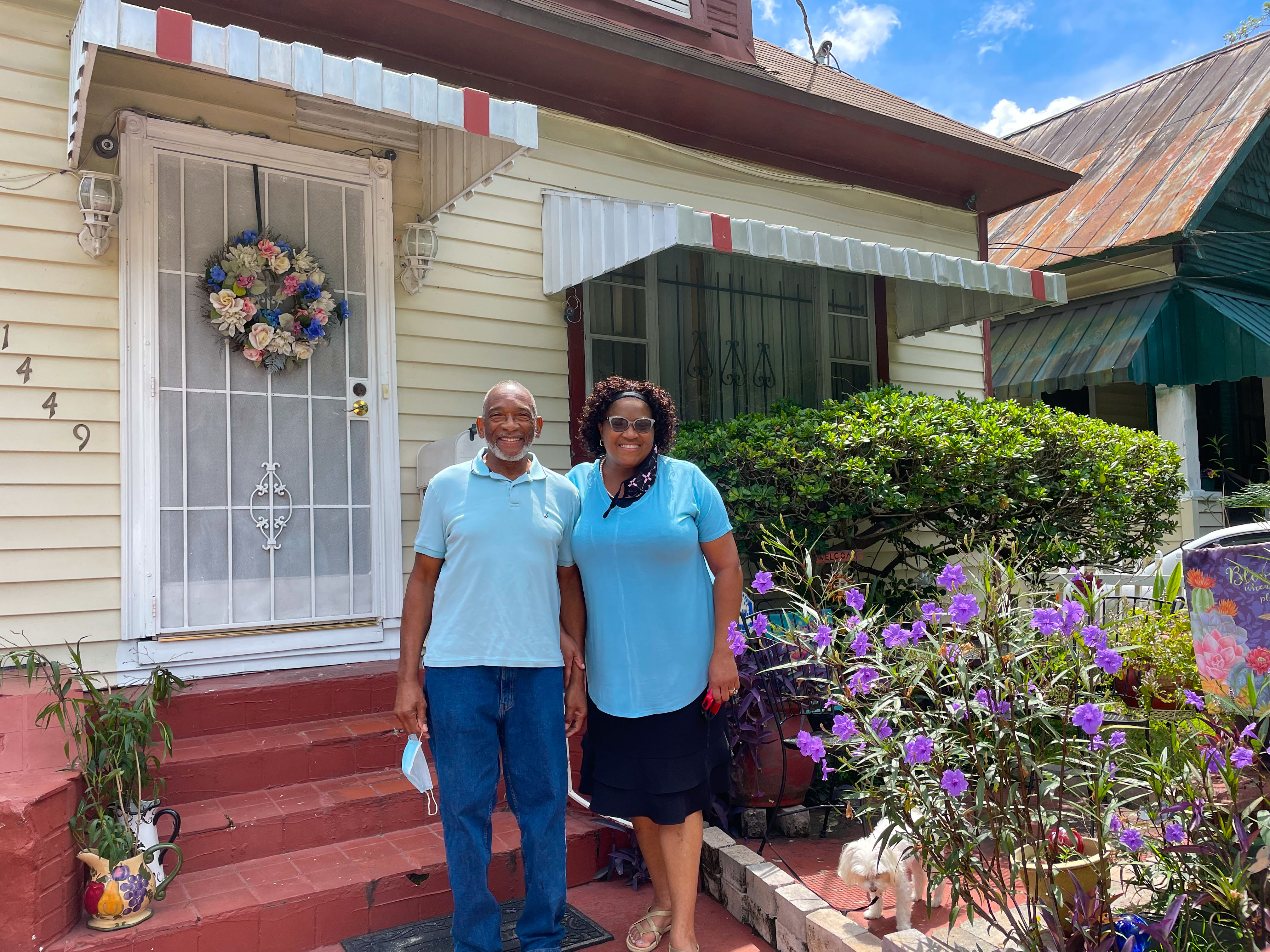
UF builds community resilience in Jacksonville’s Historic Eastside neighborhood
As the University of Florida continues to expand its presence in Jacksonville, Gators are undertaking sustainability projects to improve the city’s neighborhoods. Faculty and students in the College of Design, Construction and Planning’s Florida Institute for Built Environment Resilience (FIBER) have spent the past four years focusing on the role of housing design in community health resilience in Jacksonville’s Historic Eastside neighborhood, interviewing resident stakeholders and collaborating with citywide organizations that are helping to restore older homes. Findings from the UF research will be instrumental in informing future community planning and housing design decisions, potentially leading to more health-centered, sustainable neighborhoods. “Our research in Jacksonville focuses on how we can inform the development of community infrastructure that holistically supports human well-being across mental, emotional, and physical dimensions,” said Lisa Sundahl Platt, Ph.D., a FIBER research faculty member and an assistant professor of interior design at UF, who added that this holistic, health-centered approach is known as salutogenic design. “We are also actively collaborating with community organizations in Jacksonville and researchers from UF to explore improved strategies for designing and constructing community infrastructure that effectively responds to potential hazards.” A community-wide collaboration UF has conducted a pilot study over the past year on the Jacksonville-based Restore, Repair, and Resilience (R3) initiative that is underway in Historic Eastside – surveying residents about how the design quality of their housing and surrounding environments affects their overall well-being. This interdisciplinary project has brought together FIBER and members of the R3 Group – a coalition of organizations that includes the JEA utility company, LIFT JAX (committed to eradicating generational poverty), the Historic Eastside Community Development Corporation, the United Way of Northeast Florida, and Local Initiatives Support Corporation Jacksonville. FIBER-led research has received ongoing support from the Florida Resilient Cities grant, which is funded by the Jessie Ball duPont Fund. The scope of the R3 project is being scaled up through a U.S. Department of Energy grant awarded through JEA, which will allow for an expansion of home revitalization efforts in Eastside Jacksonville. FIBER’s ongoing housing and health community action research on these efforts will be supported through a grant from the LS3P Foundation. “Many residences we evaluated need help with improvements to housing energy efficiency, building ventilation, building shell structural integrity, and materiality,” Platt said. “For example, underperforming flooring material can create potential trip hazards for older adults. Deterioration in interior materials, caused by degrading components of the building envelope, can also lead to mold and mildew growth in interior environments, which can contribute to poor interior environmental quality issues and acute and chronic health conditions.” Respiratory health issues are often caused by material and ventilation design failures, which can affect people of all ages, especially vulnerable populations such as children and older adults. Oftentimes, interior designers see that the environmental risks that compromise human well-being are coming from both the outside and inside of the buildings. “As we continue to address priorities, our focus extends beyond energy and building efficiency to encompass comprehensive factors of built environment resilience that impact overall community health and well-being,” Platt said. “There's still significant progress to be made in the design of sustainable housing that supports community salutogenic health." Keeping residents safe and healthy UF research has continued to prove that interior resilience for living environments plays a vital role in people’s mental and physical health. “People spend roughly 90% of their time indoors, so it is important to understand the types of design conditions and materials that we’re putting into spaces and how they can affect the occupants of those living in said spaces,” said UF student Milena Rodriguez Mendez, who is one of Platt’s graduate research assistants. Students like Mendez are using qualitative and quantitative research methods to engage in collaborative community-led research that includes academics, for-profit organizations, nonprofits, citizen scientists, and neighborhood stakeholders. “I aim to center my work on social justice and equity, and I believe this initiative represents a meaningful step in that direction,” Mendez said. “Our focus is on the residents of this vibrant yet at-risk community.” FIBER researcher Jason von Meding added, “We want to know how future housing policies can address some future health concerns. We have a lot of youth in the community that are participating, which I think is important.” The FIBER housing and health team is actively pursuing additional funding to expand this research, in collaboration with UF Health Jacksonville’s Department of Community Engagement. “Our goal is to develop an open-source online platform that disseminates lessons learned and proof-of-concept findings on the impact of regenerative housing design on human and ecological health,” Platt said. “This resource will be valuable for other cities and neighborhoods facing similar challenges in housing quality, affordability, and accessibility.” Looking to know more about this project or connect with Lisa Platt? Simply click on her icon now to arrange an interview today.



Simple display changes in grocery stores could cut food waste while boosting profits
New research from the University of Florida suggests that supermarkets could significantly reduce food waste while increasing their profits through smarter product display and pricing strategies. The study found that retailers could cut food waste by more than 20% while increasing profits by 6% on average. “It’s rare to find solutions that benefit both business and the environment, but this appears to be one of them,” said Amy Pan, study co-author and associate professor at the UF Warrington College of Business. “Our findings highlight that strategically selling older products alongside fresh ones can simultaneously boost profits and minimize waste by leveraging the right product display, discounting rate and discount time.” The findings provide crucial insight into a growing global challenge. Recent estimates suggest that 17% of global food production goes to waste, with retail accounting for 13% of that waste. In the United States alone, up to 40% of food produced is wasted, while one in eight Americans faces food insecurity. The researchers identified two effective strategies for retailers, depending on the predictability of store traffic. When store traffic is predictable, the researchers find two optimal solutions: Unsold products are swapped with a new batch when the current products are due to be replaced, so that there is only one batch on shelves at a time Newer batch products are displayed on shelves alongside older products that are sold at a discount In contrast, when store traffic isn’t predictable, the product display depends on the characteristics of the product, store and consumers. Specifically, the researchers find: For products that spoil quickly and have a low disposal cost, like fresh pastries, the best approach is to remove unsold items when new stock arrives However, for items with longer shelf lives and high disposal cost, like dairy products, stores can sell older items at discounted prices at the front of shelves while keeping fresher items at their full price on the back of shelves Even stores that prefer not to discount their products can benefit from simply optimizing their display strategies. The study found that thoughtful product placement alone can significantly improve profits while reducing waste. The researchers emphasize that while their findings focus on retail-level waste, the benefits extend throughout the supply chain. Farmers benefit from increased orders, retailers save money by reducing waste and consumers get more affordable access to healthy food options. “What’s particularly exciting about these findings is that everyone wins,” Pan said. “Retailers make more money, consumers get more affordable options and we reduce the environmental impact of food waste.” Looking to know more about this topic or connect with Amy Pan? Simply click on her icon now to arrange an interview today.


Experts in the Media: CBD may help treat and reduce inflammation in Alzheimer's disease
In a recent Medical News Today article, Corrie Pelc reported on a study led by Babak Baban, PhD, in which inhaled CBD (cannabidiol) was tested in a mouse model of Alzheimer’s disease to examine its effects on neuroinflammation. Baban, associate dean for Research with AU's Dental College of Georgia and a professor with appointments in neurology and surgery in the Medical College of Georgia at Augusta University, explained that previous work from his group showed inhaled CBD to be more effective than oral or injected forms for certain neurological conditions, motivating them to explore its potential in Alzheimer’s research. He emphasized that Alzheimer’s is driven by multiple interacting biological processes – not just amyloid plaques – and sees inflammation as a promising new therapeutic target. In the study, inhaled CBD lowered activity in two major immune “alarm” pathways – IDO (indoleamine 2,3-dioxygenase) and cGAS-STING – both implicated in chronic inflammation. By dampening these pathways, CBD reduced levels of inflammatory cytokines and helped restore a more balanced immune environment in the brain. Baban framed this as a shift from symptom treatment to addressing underlying immune dysfunction, and noted that the findings could reorient how Alzheimer’s is approached. At the same time, he stressed that human trials are still needed: his team is preparing translational studies and holds an active Investigational New Drug (IND) application with the FDA for inhaled CBD in neuroinflammatory conditions, with Alzheimer’s disease as a natural next step. Read the full article here: Babak Baban, PhD, is a professor, immunologist and associate dean for research at the Dental College of Georgia at Augusta University where he has served for 13 of his 20 years as a translational and clinical immunologist. View his profile here Looking to know more about this important research or to connect with Babak Baban, PhD? He's available to speak with media – simply click on his icon to arrange an interview today.


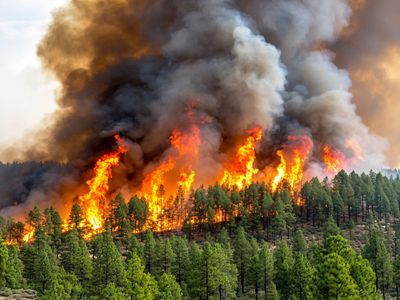
Multi-university AI research may revolutionize wildfire evacuation
As wildfires grow wilder, the University of Florida and two other universities are developing large language models to make evacuations safer and more efficient. Armed with a nearly $1.2 million National Science Foundation grant, UF, Johns Hopkins University and the University of Utah are creating these AI-based models to simulate human behavior during evacuations – information that will help emergency managers shape more effective evacuation plans. “Strengthening wildfire resilience requires accurate modeling and a deep understanding of collective human behavior during evacuations,” said UF project lead Xilei Zhao, Ph.D., an associate professor with the Engineering School of Sustainable Infrastructure and Environment. “There is a critical need for simulation models that can realistically capture how civilians, incident commanders and public safety officials make protective decisions during wildfires.” Xilei Zhao focuses on developing and applying data and computational science methods to tackle problems in transportation and resilience. View her profile here Existing simulation models face limitations, particularly with reliable predictions under various wildfire scenarios. New AI models can simulate how diverse groups of people behave and interact during the hurried scramble to seek safety. Zhao’s team is developing a convergent AI framework for wildfire evacuation simulations powered by psychological theory-informed large language models. The project will produce simulation methods to promote teaching, training and learning, and support wildfire resilience by allowing public safety officials to use open-access tools. “This research seeks to be a transformative step toward improving the behavioral realism, prediction accuracy and decision-support capability of wildfire evacuation simulation models,” Zhao said. Zhao partnered with John Hopkins professor Susu Xu, Ph.D., and University of Utah professors Thomas Cova, Ph.D., and Frank Drews, Ph.D. The preliminary results of the study were recently presented at the 63rd Annual Meeting of the Association for Computational Linguistics. “In that paper, we started to train the model on the survey data we collected to see how we can accurately predict people's evacuation decisions with LLMs,” Zhao said. Research objectives include extending the Protective Action Decision Model for civilians and public safety officials, developing psychological theory-informed large language model agents for protective modeling and generating a realistic synthetic population as input for the simulation platform. The team also plans to develop learning-based simulations and predict human behavior under scenarios such as fire spread, warning and infrastructure damage. This research comes at a critical time, as the number of wildfires has significantly increased globally. About 43% of the 200 most damaging fires occurred in the last decade leading up to 2023, according to a recent study in Science. The intensity, size and volume of wildfires are threatening more urban areas. “If you go into the urban area, many people do not have cars, or they need additional mobility support,” Zhao said. “For example, the LA fires impacted nursing homes with a lot of elderly people, many of whom are immobile or lack the ability to drive. That's a big problem. This would be very relevant to them.” The large language models will provide important context for evacuation planning as well as real-time decision making. “We envision this tool being used during planning,” Zhao said, “so emergency managers can test different kinds of scenarios to determine how to draw the evacuation zones, where to issue the orders first and how to design the communications messaging.” This is important research and critical as wildfires become more common across North America. If you're a reporter looking to connect and learn more - then let us help. Xilei Zhao is available to speak with media - simply click on her icon now to arrange an interview today.


Batty pathogens: Why do bats spread so many diseases?
Let’s face it — bats get a bad rap. Their links to disease outbreaks and their spooky association with vampires influence their notoriety. In reality, bats are truly remarkable. Bats support our agricultural industries as vital members of food webs. And, contrary to their portrayal in popular Halloween blockbusters, they are gentle and tidy creatures that groom themselves like cats. So why is it that when we hear of disease outbreaks, it always seems to be bats? According to University of Florida Emerging Pathogens Institute member Jim Wellehan, D.V.M., what sets bats apart isn’t black magic at all. But rather, it’s their long history of co-existing with viruses, the unique tradeoffs of flight and, perhaps most of all, a history of adapting to new pathogens. “(Infectious disease) has been the biggest factor in all of evolution,” said Wellehan, who is also a professor at the UF College of Veterinary Medicine. “People are always looking for an excuse (as to) why bats are magic, and the truth is bats have just been exposed to a lot of stuff and selected for those genes accordingly.” While humans are the most populous mammals on Earth, bats are a massive group of animals. Behind rodents, they represent the second-largest group of mammalian biodiversity, accounting for a whopping 20% of all mammal species. With over 1,400 species, it’s no surprise that pathogen diversity in bats is just as extensive and complex. Jim Wellehan's research focuses on comparative infectious disease, pathogen evolution, molecular diagnostics and pathogen discovery. View his profile here Bats, as we know them, have been on Earth for over 50 million years. This extensive period has given pathogens plenty of time to evolve alongside the winged mammals. Bats carry viruses like Ebola, Hendra virus, Nipah virus and SARS-CoV-2, which causes COVID-19. One factor that is important in this viral diversity is flight. Flight provides bats with many evolutionary advantages, such as predator evasion, access to new food sources and the ability to exploit diverse habitats. Flight also dramatically increases the chance of rapid pathogen transmission, as they can travel long distances and past many geographic barriers. Many species are highly social, which increases transmission rates as they live in close proximity and groom one another. “When I first learned about Darwin and evolution, ‘survival of the fittest,’ I assumed, meant ‘smartest and fastest and strongest,’ but if you look at our genomes, turns out that's wrong,” said Wellehan. “The genes that are selected for are mostly immune-related. The most important thing is to have enough genetic diversity in your population so that someone has immunity genes that are effective against the next pathogen that doesn't even exist yet. With their increased mixing and contact rates, bats have done this more often than most animals.” Generally, pathogens are most likely to cause disease when they first infect a new host species, as the susceptible animals have not yet developed the necessary defenses. Pathogens, along with their hosts, have no choice but to evolve to survive. With such a wide variety of species, it is not surprising that bats also carry a large proportion of mammal-associated viruses. This is not to say that bats are immune to all pathogens. As the most rapidly evolving factor in life, infectious disease is an incredibly dynamic part of medicine. Bats can get sick from lyssaviruses, including rabies. Additionally, white nose disease, a fungal infection that targets hibernating bats, has been a growing concern in the United States for the past decade. Though bat pathogens are a significant concern, habitat disturbance plays a larger role in bat population pathogen emergence, ultimately affecting humans as the dominoes fall. “Pathogen transmission to humans and conservation efforts go hand in hand,” Wellehan said. “When populations get under stress, that's when ecological balances get shifted, and zoonotic jumps occur. ... It turns out that if we think of ourselves as something separate from nature, it doesn't work so well.” So, while bats may embody the spirit of Halloween, their “magic” lies in evolution and resilience, shaped by millions of years of flying in the face of viruses, not spooky legends. Looking to know more? We can help. Jim Wellehan is available to speak with reporters about bats - simply click on his icon now to arrange an interview today.

Hurricane Melissa: Preparation, decision making and recovery from potentially 'catastrophic' storm
Hurricane Melissa, now a Category 5 storm, is projected to cause “catastrophic” flooding and inflict severe damage in Jamaica. The University of Delaware’s Disaster Research Center has several experts who can talk about preparations, evacuations, health impacts, decision making and recovery. The following experts in the DRC – which has a few contacts in Jamaica – are available for comment. Jennifer Horney: Health impacts of disasters as well as how cuts to aid and emergency assistance will factor into recovery after the storm. Sarah DeYoung: Pets in emergencies, infant feeding in disasters and decision-making in evacuation. Tricia Wachtendorf: Evacuation decision-making, disaster response and coordination, disaster relief (donations) and logistics, volunteer and emergent efforts, social vulnerability. Jennifer Trivedi: Can talk about preparedness steps and recovery as well as challenges for people with disabilities during disaster, cultural issues and long-term recovery. Shanjia Dong: Research looks at infrastructure systems, critical infrastructure protection, effective disaster preparedness and response, and equitable resilience planning and climate change adaptation. A.R. Siders: Expert on sea level rise and managed retreat – the concept of planned community movement away from coastlines and flood-prone areas. To contact these experts directly and arrange an interview, visit their profiles and click on the "contact" button. Interested reporters can also email MediaRelations@udel.edu.



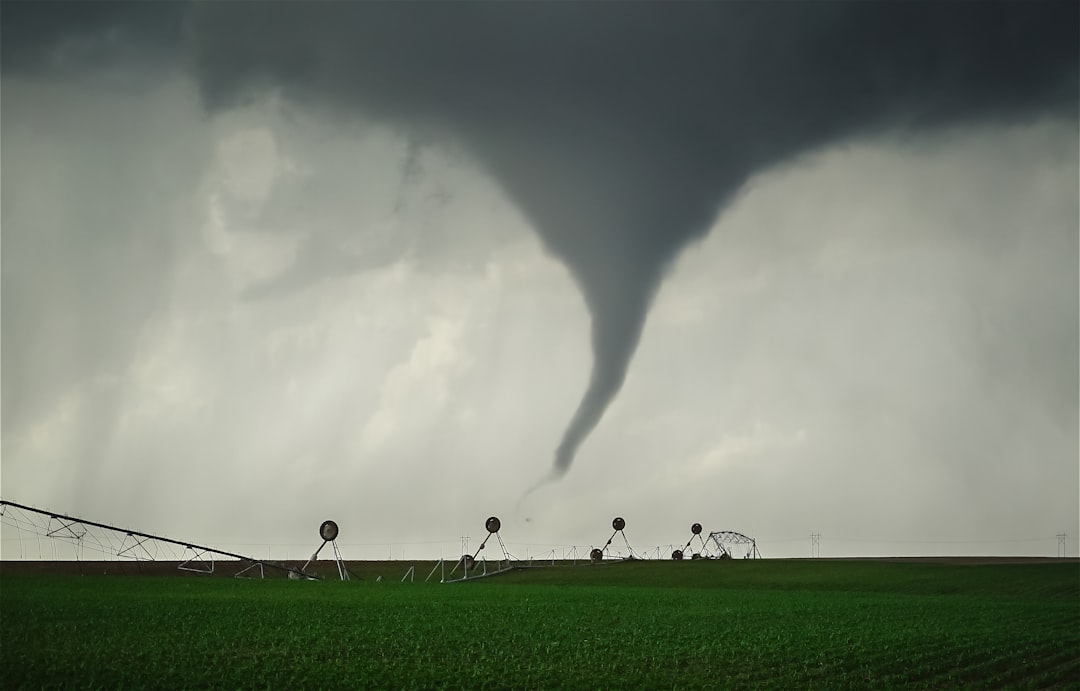
Understanding and predicting extreme weather in a changing climate
Kelsey Malloy is an assistant professor of climatology in the University of Delaware’s Department of Geography and Spatial Sciences, where she leads the Malloy Climate Research Group. Her research seeks to understand predictable climate variability and how large-scale climate patterns shape local weather and drive extreme events such as tornado outbreaks, floods and severe storms. Malloy’s research advances the predictability and understanding of severe weather in the United States and beyond. Her studies, published in Monthly Weather Review, Weather and Forecasting and Earth’s Future, have shed light on the climate signals influencing tornado activity and Great Plains rainfall. A member of the U.S. CLIVAR Predictability, Predictions, and Applications Interface Panel, Malloy also teaches courses in meteorological analysis and climatology, preparing the next generation of atmospheric scientists. In November 2025, Malloy will share her passion for climate science at TEDxUniversityofDelaware, using storytelling to illustrate climate’s enduring fingerprint on human history and experience. To speak with Malloy about the weather, email mediarelations@ude.edu.
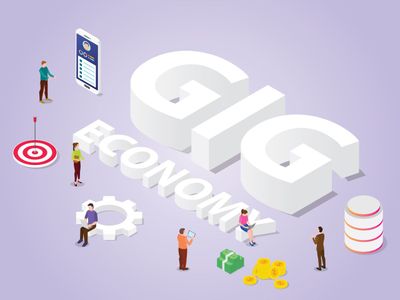
Gig worker protection law boosted overall earnings but dropped hourly pay
A 2020 California law designed to protect gig workers by classifying them as regular employees, rather than contractors, ended up increasing their earnings by about 8%. However, their hourly pay dropped by 1.6% as companies offset the higher costs of benefits. Workers’ increased earnings came from working longer hours in order to qualify for and reap benefits like employer tax sharing. These findings come from a study led by Liangfei Qiu, Ph.D., a professor in the University of Florida’s Warrington College of Business, which examined nearly 400,000 monthly work records from about 41,000 freelancers on Upwork, one of the world’s largest online labor platforms. That trove of data let the researchers ask what actually happened when the law, known as AB5, took effect. Qiu’s is the first study to reveal how AB5 affected workers’ income and comes as other states consider passing similar laws. Liangfei Qiu is an expert in social technology, including social media and social networks, as well as artificial intelligence. View his profile here “It highlights some unintended consequences,” Qiu said. “If the labor market competition is similar to what we observe in California, then you might get lower hourly rates for gig economy workers and longer working hours.” “But it’s nuanced. In surveys, gig workers said they were willing to work longer hours because they had better benefits. The outcome depends on how involved someone is in the gig economy,” Qiu added. AB5 was designed to correct what labor advocates saw as widespread misclassification of a company’s essential employees as independent contractors, who don’t typically earn any benefits. This classification gives companies a cheaper workforce, and provides maximum flexibility for workers, but doesn’t allow workers to earn any sick leave, vacation or health insurance. Self-employed contractors must also pay the full share of Social Security and Medicare taxes, which works out to about 15% of gross income. Gig economy companies fought back against the AB5 regulations. A company-sponsored ballot referendum, Prop 22, exempted well-known giants like Uber, Lyft and DoorDash from the law later in 2020. And the California legislature provided further carve outs for professions like doctors, lawyers and photographers. The law still applies to contractors used by delivery companies like FedEx, UPS or Amazon, home-service companies like Angi or Rover as well as online freelance platforms like TaskRabbit. The study is forthcoming in the journal Information Systems Research. Qiu collaborated on the analysis with researchers at Baylor University, Santa Clara University and Stony Brook University. Looking to know more about the 'gig economy' and how it impacts the workforce? Connect with Liangfei Qiu today and click is icon now to arrange a time to talk.


3 Things A Climate Scientist Learned From Jane Goodall
In a recent Forbes article, Marshall Shepherd reflects on three key lessons he has drawn from the life and work of Dr. Jane Goodall. Shepherd frames Goodall’s legacy—spanning primatology, conservation, and public engagement—as deeply instructive for climate scientists and environmental advocates. He argues that her methods and mindset have more to teach than simply how to observe nature; they speak to how we engage with the world. First, Shepherd highlights immersion: Goodall’s decades of patient observation in the Tanzanian forests demonstrates the power of being physically—and emotionally—present to truly learn from ecosystems. For Shepherd, climate science must go beyond remote data collection: getting into the field and understanding local realities matters. Second, he emphasizes patience. Goodall’s willingness to wait, sometimes for years, for breakthroughs in understanding primate behavior offers a lesson for climate researchers, whose progress may unfold over decades. Third, he admires her tenacity—a commitment sustained over a lifetime, even under adversity. Shepherd suggests that tackling climate change requires that same kind of enduring resolve, especially when public attention or funding waxes and wanes. Through these reflections, Shepherd presents Goodall not just as an icon of conservation but as a model for scientific humility and perseverance. He invites readers to see the parallels between animal behavior research and climate work—and to adopt practices of listening, patience, and resolve in confronting our planet’s changing trajectory. Dr. J. Marshall Shepherd is a leading international weather-climate expert and is the Georgia Athletic Association Distinguished Professor of Geography and Atmospheric Sciences at the University of Georgia. Dr. Shepherd was the 2013 President of American Meteorological Society (AMS), the nation’s largest and oldest professional/science society in the atmospheric and related sciences. View his profile here Dr. J. Marshall Shepherd is a leading international weather-climate expert and is the Georgia Athletic Association Distinguished Professor of Geography and Atmospheric Sciences at the University of Georgia. He's available to speak with the media about this topic - simply click on his icon now to arrange an interview today.

Cesar Dominguez, a fourth-year chemistry and physics double major at the University of Florida, may be on track to finding alternatives to plastic that could benefit the planet. His impactful work has helped him earn the title of Michelin Science Scholar, and he is now one of a select group of undergraduates connecting scientific research to real-world challenges at Michelin – a global leader in materials science and sustainability. “There’s always this misconception that academic research is completely separate from industry research,” Dominguez said. “Michelin has shown me it’s all one science. You can push discovery forward in both spaces.” Dominguez embarked this fall on a two-semester program of faculty-mentored research, with a $2,000 student stipend and $500 in support funding for his faculty mentor, UF chemistry professor Austin Evans, Ph.D. The program also invites students to present their findings at a spring symposium and tour a Michelin facility in South Carolina. Austin Evans' research aims to control macromolecular structure at all length scales concurrently and deploy materials in the real world. View his profile here Dominguez is furthering his study of how to process ultra-high molecular weight polymers – materials he compares to the scale of “an entire city” rather than a football stadium, through powerful electric fields. By adjusting electrospinning techniques, Dominguez and his team examine how polymers form fibers with different thermal and mechanical properties. These findings could lead to stronger, more sustainable materials, including alternatives to plastics like the major pollutant polyethylene. “All my life, I’ve been told chemistry and physics are separate fields,” Dominguez said. “But I’ve learned they come together in really elegant ways. Being able to unite concepts from both gives me a deeper understanding of how things work.” Dominguez attributes much of his development as a researcher to his work with Evans, who he describes as incredibly supportive, always accessible, and consistently encouraging him to focus on precision and detail. Dominguez also sees UF’s resources as pivotal to his journey. “I feel like what makes the research I'm doing really exciting is the fact that this can only be done at the University of Florida, because we're working with materials that have been developed by scientists here, using equipment that we're very fortunate to have access to here,” Dominguez said. As he prepares to apply to graduate school in analytical chemistry, Dominguez said the Michelin program has expanded his view of what is possible after his degree. “I used to think research only happened in academia,” he said. “Now I know industry is just as vital. It’s opened my mind to different paths for my future.” For now, he offers one piece of advice to other students considering the program: “Do it for the love of the game. If you put passion into your work, everything else will follow.” For more information on the Michelin Science Scholars Program, click here: To learn more about the research happening at UF and to connect with Austin Evans - simply click his icon now to arrange an interview today.