
Experts Matter. Find Yours.
Connect for media, speaking, professional opportunities & more.

Covering Cuba? Augusta has one of the leading experts ready to help with your coverage
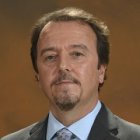
Cuba is facing one of its most severe crises in decades, as compounding economic and energy challenges continue to strain everyday life on the island. Persistent fuel shortages have led to rolling blackouts, transportation disruptions, and reduced industrial output, while inflation and shortages of basic goods have eroded purchasing power for ordinary Cubans. Tourism, once a critical source of foreign exchange, has struggled to fully recover, and the country continues to grapple with declining productivity and limited access to international capital. These pressures have contributed to rising public frustration, increased migration, and a government response that blends cautious economic reforms with efforts to maintain stability. Paolo Spadoni is an ideal expert for journalists covering this evolving situation. As a specialist in Cuba’s political economy, his work focuses on the island’s external sector, including foreign investment, remittances, tourism and the impact of international sanctions. He brings a rare ability to connect on-the-ground developments – such as energy shortages or policy changes, to the broader structural realities shaping Cuba’s economy. With deep academic research and ongoing analysis of current reforms, Spadoni offers clear, credible insight into whether Cuba’s latest measures signal meaningful transformation or simply short-term responses to a prolonged crisis. Paolo Spadoni, PhD, is a widely recognized expert on Cuba and its international relations. He is a tri-lingual political economist with a specialization in international relations and a focus on Latin America’s political and business environments. His research focuses on international relations theories, Cuba's economy and business market, foreign investment in Cuba and U.S.-Cuba relations. View his profile Since this crisis escalated, Spadoni has been the 'go-to' expert for reporters with media from across North America like Reuters, Bloomberg and The New York Times connecting with him for his expertise, input and perspective on the situation. LA TERCERA: “The Cuban tourism sector was already struggling before the Covid pandemic. The best year for international tourism in Cuba was 2017 in terms of foreign exchange earnings. That was the year in which $3.3 billion was collected, and tourism represented 10% of Cuba's GDP at that time. In terms of employment, it provided 120,000 direct jobs and roughly 500,000 indirect jobs. So it played a significant role. That was the best year for international tourism in Cuba, which coincidentally ended in November of that year with the sanctions imposed by the first Trump administration. From then on, tourism from North American visitors began to decline, but European and Canadian visitors were already decreasing,” Spadoni explained to La Tercera. CBC NEWS: "Most of those investments are real estate investments more than tourism investments, meaning the Cuban military has taken possession of prime locations in the best tourism areas of Cuba," said Paolo Spadoni, an associate professor at Augusta University in Augusta, Ga., and co-author of the 2025 book The Cuban Tourism Industry: Evolution, Challenges and Prospects. Columbia Law School: "While seeking to finalize an economic agreement with Cuba, the Trump administration could secure deals across various sectors of the economy. However, tourism holds the most promising opportunities in the short term." Global News (Canada):

Finding joy in learning: How lighthearted moments transform English as a Foreign Language classrooms
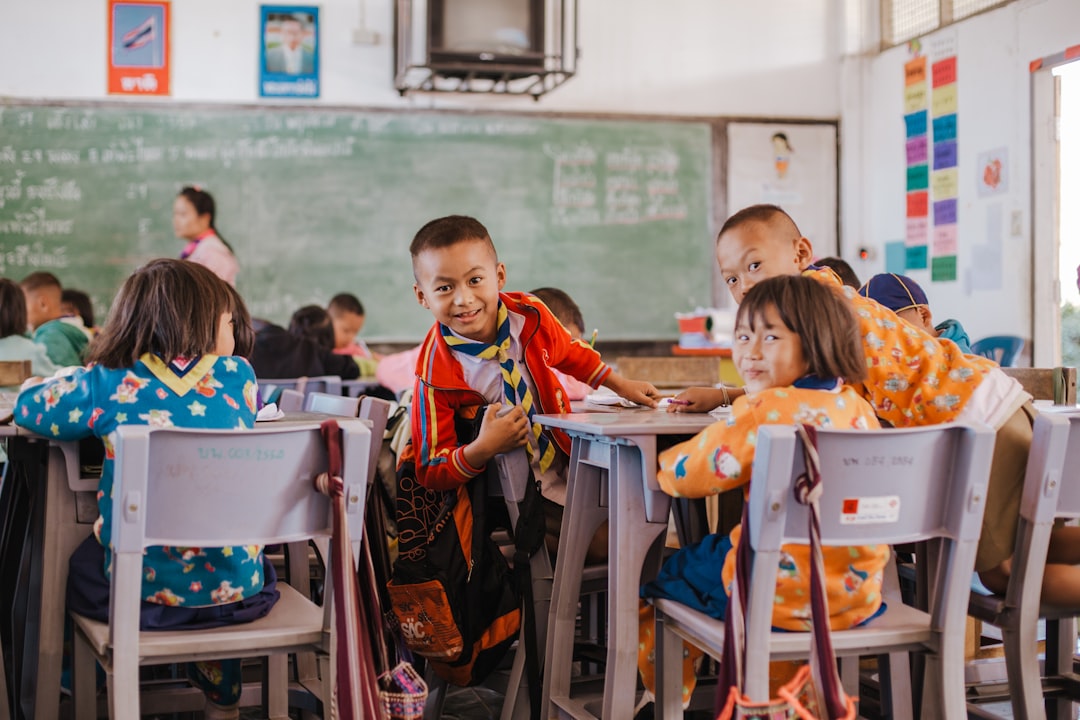
In classrooms, not every meaningful learning moment can be planned. At the University of Delaware, educator and researcher Chad Davidson is exploring how spontaneous, lighthearted interactions between teachers and students can open the door to deeper understanding in real time. His recent paper in Language Teaching and Educational Research, "Exploring Spontaneous Acts of Lightheartedness in EFL Classrooms: A Reflective Duoethnography", examines how these unscripted moments – rooted in trust, positivity and a willingness to embrace the unexpected – help create environments where students feel comfortable taking the risks essential to learning. In this Q&A, Davidson discusses the inspiration behind his research, what he’s discovered about these classroom dynamics and how they could shape teaching practices moving forward. Q: What is the focus of this research, and why is it important? Davidson: Spontaneous acts of lightheartedness promote real-time learning because it's being open to the unknown in positive ways since the true dynamic of every classroom brings continuous unknowns: A teacher never knows 100% how the students will react (these students, in these moods, on this day, etc.), how quickly they will learn or pick up on something or not. A teacher, hence, spontaneously responds in real-time to the until-then-unknown student reactions in order for those particular students best to then grasp the concept or skill that is the present goal (or “learning objective”) that those students grasp. The hope is that the teacher's spontaneous response (as it often is with many teachers) is positive and lighthearted in order to foster students to also be open to such unpredictability in the classroom and to foster students' comfortability with the vulnerability to be open to taking spontaneous risks that are necessary for that transformation that we call learning – transforming from lack of knowledge to knowledge, from lack of understanding to understanding, from lack of mastery to further mastery. Q: What are some key findings or developments? Davidson: Realizing the essential features that make up spontaneous lighthearted classroom acts; for example, these acts must include trust of the student(s) and from the student(s), and the acts must have good-intentions of creating or maintaining a relaxed environment conducive to safely taking risks for potential learning. Q: How could this work potentially impact the field or the wider public? Davidson: This could foster this act type in classrooms. That is, hopefully more teacher-practitioners will allow themselves and their students to freely enact these in their daily in-class teaching/learning-attempts. Q: What are the next steps or upcoming milestones in your research? Davidson: We incorporated some valuable insights of Mexican philosopher Jorge Portilla. While there is a glut of usage of German, French, British and American philosophers, there is almost no usage of Hispanic or Latin American philosophers in education literature. It would be great to do more work that makes use of the profound thought in the works of Latin/Hispanic philosophers. For me, this would be continuing to go more deeply in applying Jorge Portilla's thought to philosophy of education, such as to classroom management. ABOUT CHAD DAVIDSON Instructor Chad C. Davidson has a Ph.D. in curriculum and instruction with an emphasis in philosophy of language education. He has 17 years of language teaching experience, primarily in teaching and curriculum creation for English for Academic Purposes at various colleges and universities across America (University of Delaware, Kansas State University, Georgia Tech, North Orange County Community College, Johnson County Community College), in Russia (Udmurt State University), and in Turkey (Mus Alparslan University). Moreover, he has studied languages at the following universities abroad: Universidad Autónoma de Guadalajara in Mexico, Universidade do Porto in Portugal, and Aristotle University of Thessaloniki in Greece. To speak with Davidson about his work and the importance of spontaneous acts of lightheartedness, reach out to MediaRelations@udel.edu.

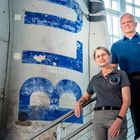
One year after his pioneering flight aboard Blue Origin’s New Shepard rocket, University of Florida space biologist Rob Ferl, Ph.D., is still processing what it meant — not just for his career, but for science itself. “What stands out the most is just the overwhelming gratitude,” Ferl said. “It was such an amazing opportunity for a scientist to go to space and actually do science.” Ferl, a professor in UF’s Horticultural Sciences Department, Director of the Astraeus Space Institute, and Assistant Vice President of Research, became one of the first space biologists to fly alongside his own experiment — a moment that marked a new era in researcher-led missions. His suborbital journey provided a rare opportunity to study how terrestrial biology responds to the very first moments of spaceflight. “For decades, space biology has relied on professional astronauts to carry out experiments designed by scientists on Earth,” Ferl explained. “But to truly understand how biology works in space, I believe you - as the scientist - have to be there. You have to feel the environment.” This September, Ferl and longtime collaborator Anna-Lisa Paul, Ph.D., will be back at Blue Origin’s West Texas launch site, continuing their work with a new series of plant experiments. Ferl and Paul, who directs UF’s Interdisciplinary Center for Biotechnology Research and is a professor in Horticultural Sciences, are tracking fluorescently tagged genes in Arabidopsis plants to study how gene expression changes during the rapid shift from Earth’s gravity to the microgravity of spaceflight and back again. It’s a full-circle moment for Ferl, who remains deeply engaged in the same questions that sent him to space a year ago. Unpacking the Transition from Earth to Space Ferl’s experiment focused on the early metabolic responses of plants during the critical transition from Earth’s gravity to the weightlessness of space. “The scientific community has accumulated plenty of data comparing biology in orbit with that on Earth,” he said. “But we’ve known almost nothing about what happens in those first few minutes as organisms enter space and are exposed to microgravity.” Initial results from the flight reveal intense metabolic changes in the early moments of spaceflight. These changes are distinct from, but connected to, the long-term adaptations seen in orbit. Early Findings, Future Impact While the data from Ferl’s experiment are still on the way to being published, the findings are already shaping the direction of ongoing research. The work contributes to a growing understanding of how terrestrial life, from plants to humans, shares fundamental pathways in responding to the space environment. “This has real implications for the future of space missions,” Ferl noted. “As we send more people and more biology into space in support of exploration, we need a comprehensive understanding of how living systems adapt — right from the start.” Ferl and his team will return to Blue Origin’s launch site in Texas in September to continue their research, sending an uncrewed payload of plants into suborbital space. The flight carries no humans—but it does carry an automated experiment designed to advance their understanding of plant biology in space. It’s part of a broader effort to refine what Ferl calls “researcher-tended missions.” A New Course for UF Space Science The mission has not only shaped the trajectory of Ferl’s research, it has also energized Astraeus and the university’s space biology efforts. “This is about building a new kind of science culture,” Ferl said. “One where the scientists are embedded in every part of the mission, from experiment design to the moment of launch.” As the one-year anniversary of his flight approaches, Ferl remains focused on pushing the boundaries of what science in space can be. But he hasn’t forgotten the magnitude of the moment. “Even a year later,” he said, “the most powerful thing I feel is just: thank you. Thank you for the chance to go, to see it for myself, and to bring that knowledge back to Earth.”
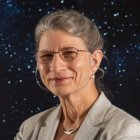


Delaware emerges as a test bed for the future of AI in health care
Delaware is positioning itself as a “living lab” where academia, health systems and government collaborate to shape the future of artificial-intelligence-enabled health care. The latest issue of the Delaware Journal of Public Health, guest edited by University of Delaware computer scientists Weisong Shi and Yixiang Deng, brings together 16 articles from researchers, clinicians, policymakers and industry leaders examining how AI and big data are reshaping health care. The issue, debuting this month, balances Delaware-specific topics with broader perspectives, highlighting three levels of impact: what Delaware can expect in the coming years, what other states can learn from Delaware’s approach and how UD research is advancing AI for health through collaborations. “At UD, we don’t work in isolation. We’re working closely with health care systems so that innovation happens together from the beginning,” says Shi, Alumni Distinguished Professor and Chair of UD’s Department of Computer and Information Sciences. Highlights from the issue include: The nation’s first nursing fellowship in robotics – ChristianaCare, Delaware’s largest health system, created an eight-month fellowship to train bedside nurses to conduct applied robotics research. Nurses who completed the program reported higher job satisfaction, improved well-being and greater professional confidence, suggesting programs like this may help retain the bedside workforce and reduce nationwide staffing shortages. Wheelchairs that navigate hospitals on their own – UD researchers developed a prototype autonomous wheelchair that combines onboard sensors and computing with software that interprets spoken directions from users, a step toward moving beyond systems that only work in controlled environments. To operate effectively in health care settings, the researchers say, wheelchairs must be able to navigate crowded hallways, interact with doors and elevators and recover safely when sensors or navigation systems fail. Smarter insulin dosing for type 1 diabetes – Researchers are developing computer models to predict blood sugar (glucose) trends and guide insulin delivery, but must address issues such as noisy data, reliable real-time prediction and the computational limits of wearable devices. A review by UD researchers and colleagues emphasizes the importance of interdisciplinary collaboration, standardized datasets, advances in computational infrastructure and clinical validation to turn these models into practical tools that improve patient care. To interview Shi about AI in health care and the new DJPH issue, click his profile or email MediaRelations@udel.edu. ABOUT WEISONG SHI Weisong Shi is an Alumni Distinguished Professor and Chair of the Department of Computer and Information Sciences at the University of Delaware. He leads the Connected and Autonomous Research Laboratory. He is an internationally renowned expert in edge computing, autonomous driving and connected health. His pioneering paper, “Edge Computing: Vision and Challenges,” has been cited over 10,000 times.

-fotor-20250826990.jpg)
How a UF reading program is reaching classrooms worldwide
For more than 25 years, Holly Lane, Ph.D., has been laser-focused on a global educational goal: to ensure that students worldwide have access to information about reading. Her passion project, known as the University of Florida Literacy Institute, or UFLI, has already improved the literacy skills of more than 10 million children. What began as a modest classroom tool now has a Facebook community of over 273,000 members; 18 million online toolbox views; and more than 500,000 instructional manuals in classrooms. And as the UFLI brand gains traction, Lane continues to champion what the acronym means and why the program has been so life-changing. “When you learn to read, you fly,” said Lane, who serves as the UFLI director and a professor of special education at UF. UFLI is an ongoing effort by UF faculty and students to improve literacy outcomes for struggling students by addressing two key areas: reader development and teacher development. The program began in 1998 as a tutoring model for beginning readers working with Lane’s pre-service teachers. The idea was that, if teachers understood how to employ effective, evidence-based practices in a one-on-one tutoring session, they could transfer those skills to their small-group or classroom instruction. However, some teachers struggled to make that transition, so a dedicated small-group lesson model was created. That foundation eventually expanded into a dyslexia support program and caught the attention of a surprising partner, best-selling author and philanthropist James Patterson. Known worldwide for his literacy advocacy and generous support of reading initiatives, Patterson has become a key benefactor for the program. When the COVID-19 pandemic hit, a challenge turned into a breakthrough. UFLI started its Virtual Teaching Resource Hub and, in the first week, about 70,000 teachers visited the site and downloaded materials. The turning point came when a school in St. Augustine reached out to UFLI, asking for professional development. “I said, ‘Well, what if we planned the lessons for you instead of teaching you how to plan these lessons?’” Lane said. What followed was what Lane called her “accidental phonics program.” “They ended the year with the best scores they'd ever seen, better than their pre-COVID scores, and that was unheard of,” Lane said. That success led to an effective district-wide pilot in Alachua County with 21 elementary schools. UFLI leaders decided to publish the contents of the program and create a manual that individual teachers could purchase. This concept boomed, and the program even made waves overseas. “Starting with the virtual teaching hub… we had a huge following in Perth and in Melbourne, and now we have an Australian edition of the manual,” Lane said. “We’ve been in every state and every Canadian province and territory, but we're also now in something like 60-some other countries.” Patterson has continued his support by directing efforts toward expanding UFLI’s reach in Florida, aiming to bring the program to every district in the state. Looking ahead, Lane is especially excited about UFLI’s new technology. “We're calling it our assessment and planning portal,” Lane said. “Teachers assess two skills a week, and they enter their data into this program and it spits out small-group lesson plans for the following week that target specific needs of their students.” The data input system is highly advanced, requiring the teacher to simply hold up work in front of a webcam, and the system then reads the student handwriting and imports the data. The program’s structure also ensures that students apply new concepts daily and revisit them regularly. But behind it all is a deeply connected community. For Lane, the success of UFLI boils down to people. “We have an amazing team here,” Lane said. “If anything, that's my superpower, finding really good people who are really good humans but also really good at what they do.” For more information about UFLI, visit ufli.education.ufl.edu.


The January U.S. military action in Venezuela is altering political connections and calculations across the Western Hemisphere, with deep implications for Cuba. The long-standing belief in the United States’ strategic patience regarding adversarial and destabilizing governments has been decisively overturned and threatens the Cuban government’s vulnerability to collapse. Georgia Southern University Associate Professor of International Studies Christopher M. Brown, Ph.D., is a recognized expert in the democratization and democratic theory of Latin American countries and the Caribbean Basin. He offers expert analysis on the shifting political landscape in Venezuela and the long-term resilience of the Havana-Caracas axis. Brown is a National Endowment for Humanities Scholar with the José Martí Institute at the University of Tampa and participated in a Faculty Exchange with the University of Havana. He has authored several books focused on the failed democratic systems in Latin America and most recently published a book titled “Responding to the Venezuelan Migration Crisis: Insights for the Caribbean” (with Georgina Chami Ph.D., University of the West Indies, St. Augustine, Trinidad and Tobago, and Nalanda Roy, Ph.D., Georgia Southern University). His monograph, “Failed Democracies in Latin America and the Caribbean” (Palgrave-Macmillan) was published in August 2023 and he is currently completing, “Democratization of Cuba” (Palgrave-Macmillan), which will be published in June 2026. Brown is available in person at the Statesboro Campus or virtually. Simply contact Georgia Southern's Director of Communications Jennifer Wise at jwise@georgiasouthern.edu to arrange an interview today.

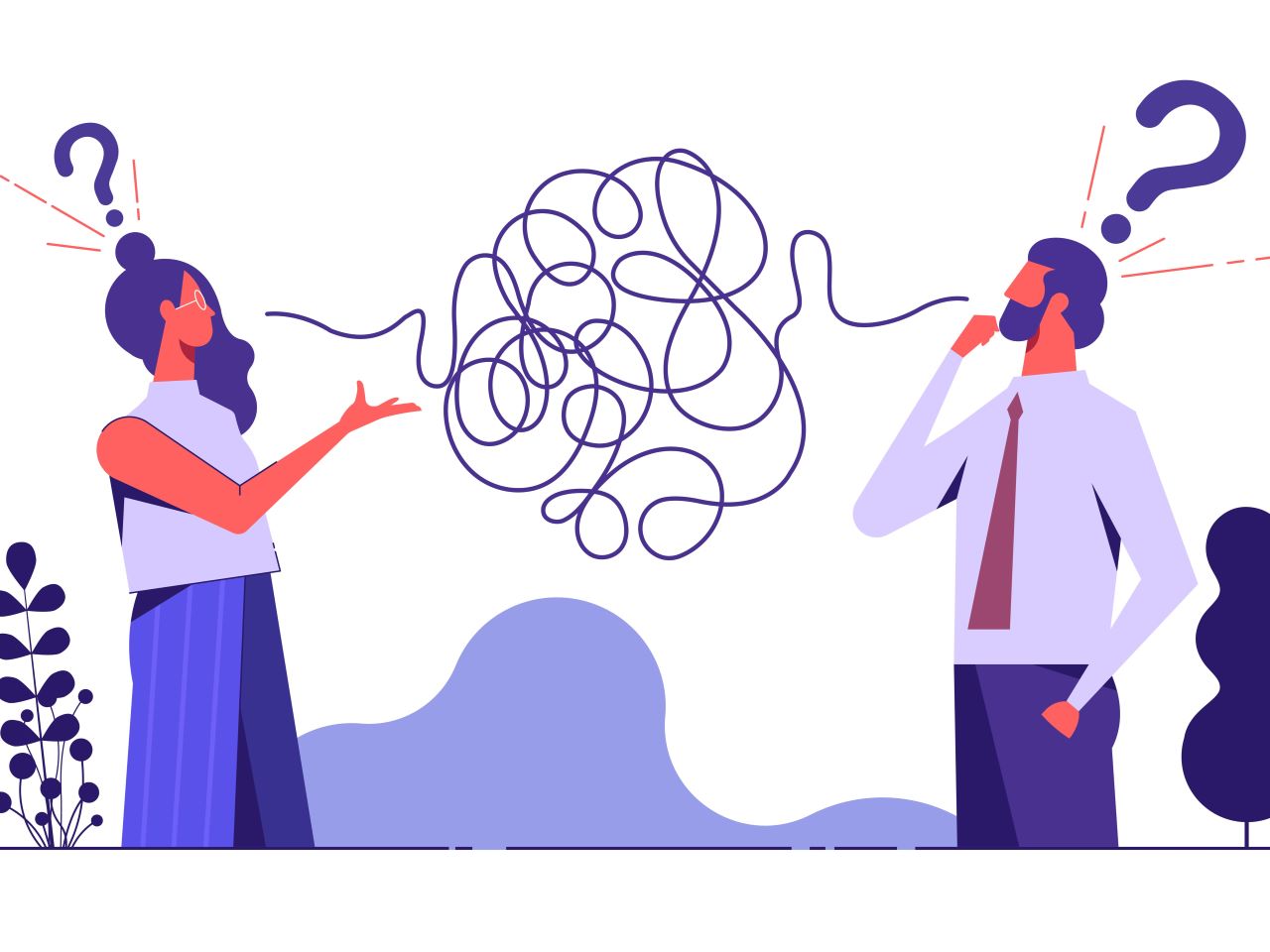
Workplace jargon hurts employee morale, collaboration, study finds
You’ve probably heard it before in a meeting: “Let’s touch base offline to align our bandwidth on this workflow.” Corporate jargon like this is easy to laugh at — but its negative impact in the office can be serious. According to a new study, using too much jargon in the workplace can hurt employees’ ability to process messages, leading them to experience negative feelings and making them feel less confident. In turn, they’re less likely to reach out and ask for or share information with their colleagues. “You need people to be willing to collaborate, share ideas and look for more information if they don't understand something at work,” said Olivia Bullock, Ph.D., an assistant professor of advertising at the University of Florida and co-author of the new study. “And jargon might actually be impeding that information flow across teams.” Age made a difference, though. Older workers had a harder time processing jargon, but were more likely to intend to ask for more information to clarify the message. Younger employees were less likely to seek and share information when confused by jargon. “It gives credence to the idea that younger people are more vulnerable to these workplace dynamics,” Bullock said. “If you're onboarding younger employees, explain everything clearly.” Bullock and her co-author, Tiffany Bisbey, Ph.D., an assistant professor at George Washington University, published their findings Aug. 25 in the International Journal of Business Communication. An expert in communication research, Bullock has long studied jargon’s negative effects for talking about health and science. Then, faced with jargon in her own work, she started to ask how these arcane, technical words might get in the way of a smooth workplace. To find out, Bullock surveyed nearly 2,000 people who were told to imagine they had just started a new job and received an email with important directions. Half had to navigate a jargon-filled message about “intranets” and “EFT” payments. The other half had that jargon translated back into plainer language. The message packed with jargon, not surprisingly, made it harder for people to process the information, which can throw off an entire workday. “It doesn't just make them feel bad about the information they've been given. It makes them feel bad about themselves,” Bullock said. The study then asked people how they would respond to the jargon. The impenetrable language made them feel insecure and less likely to ask for help right when they needed it the most. “They weren’t as willing to collaborate,” Bullock said. “If you can’t ask for more information or share that information downstream, you’re creating silos, and that’s disrupting your workflow and environment.” Having studied jargon for so long, Bullock has one piece of advice for employers and employees alike. “Always reduce jargon,” she said. “The benefit of using jargon doesn’t outweigh the cost.”


Georgia Southern University expert available to provide geopolitical analysis on the Iran war
The Middle East has entered an active state of war marked by a cycle of retaliatory strikes across Iran and the Persian Gulf. Three major uncertainties now dominate the global outlook: the long-term survival of the Iranian government, the fate of Iran’s nuclear infrastructure, and the security of critical oil transit routes. Georgia Southern University Professor of Political Science and International Studies Jacek Lubecki, Ph.D., is available to speak about the military operation in Iran and its implications for regional stability and global security. Lubecki is an expert in comparative politics and military security studies, with a focus on the Middle East and Eastern Europe, particularly Poland. His research examines terrorism, counterinsurgency and military strategy. His work has been published in journals including Europe-Asia Studies, East European Politics and Societies, The Polish Review, The New Ukraine and The Armchair General. He has co-authored several books, including Globalization, Nationalism, and Imperialism: A New History of Eastern Europe (2023), which examines domestic and global security challenges, and Defending Eastern Europe: The Defense Policies of New NATO and EU Member States (2021). Lubecki speaks Polish, English, French, Russian, Spanish, Italian, German and Arabic with varying levels of fluency. Lubecki is available for interviews in person at Georgia Southern’s Statesboro Campus or virtually.

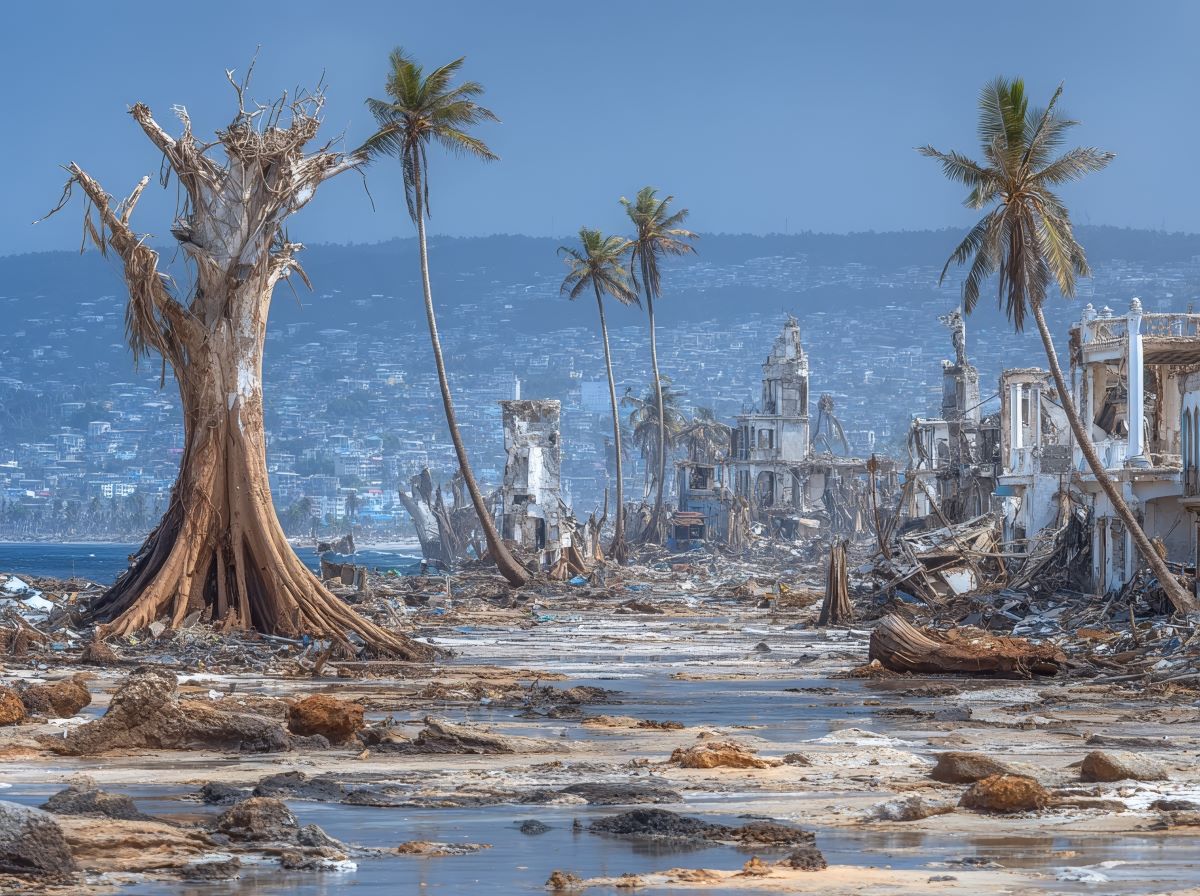
With lasers, smoke and a wind tunnel, UF helps federal agency investigate deadly Hurricane Maria
As Floridians brace for hurricanes amid the wild weather of 2025, some University of Florida researchers have their eyes on 2017’s Hurricane Maria, the deadly Category 4 storm that pummeled Puerto Rico. Engineering professor and natural hazards researcher Brian Phillips, Ph.D., is leading UF’s efforts in a Hurricane Maria investigation conducted by the National Institute of Standards and Technology, known as NIST. The goal is increased safety and resilience amid deadly conditions. Maria killed nearly 3,000 people and caused more than $90 billion in damage. Most of the island’s wind sensors and weather stations failed as the storm raged, leaving responders and investigators with few reliable weather measurements. What went wrong? Phillips and UF storm researchers are helping answer that question — and provide safety and structural recommendations — as part of NIST’s Hurricane Maria investigation. The full report will be released in 2026, but NIST recently published preliminary findings; some of the hazard and structural load data was derived from wind tunnel tests at UF's NHERI Experimental Facility in the Powell Family Structure and Materials Laboratory on UF’s East Campus in Gainesville. “Our wind tunnel has a strong reputation in the wind-engineering community for its unique flow control and measurement capabilities We worked with NIST to develop a test campaign to study the wind conditions Puerto Rico’s mountainous terrain and the resulting loads of critical infrastructure,” said Phillips, a civil and coastal engineering professor with UF’s Engineering School of Sustainable Infrastructure & Environment. “UF,” he added, “has one of the premier research wind tunnels in the country and it enables us to pursue impactful research like this.” As part of the NIST investigation, Phillips and his team created 1-to-3100 scale topographic models of regions in Puerto Rico — about 12 kilometers shrunk down to four meters, Phillips said. They set up those models in the wind tunnel and replicated wind flow over the topography. “These initial tests were designed to understand the influence of the complex topography had on the wind,” Phillips said. Flow was measured using velocity probes and particle image velocimetry (PIV). These topographic model tests were followed by 1-to-100 scale tests on models of two hospitals in Puerto Rico. In addition to surface pressure measurements, the team conducted qualitative flow visualization tests using smoke, lasers, and high-speed cameras. “The capabilities of the UF wind tunnel enabled us to investigate the hurricane winds at two different scales,” said NIST’s lead Hurricane Maria investigator, Joseph Main, “so we could measure how the winds were accelerated by Puerto Rico’s mountainous topography and then how those winds translated into loads on critical buildings.” Maria’s flooding blocked roads to hospitals and shelters. The hospitals themselves were heavily damaged by the storm, NIST reported. Reduced access to healthcare was a major factor in the death toll. “It's good to take a step back,” Phillips said about the overall investigation. “Researchers are approaching the disaster from multiple angles, including the better understanding of the hazard, the performance of critical infrastructure, public response and recovery. “This holistic approach is needed to capture the complete picture and maximize what we can learn from the event. UF's primary contribution was understanding the hurricane wind field and the resulting structural loads, which is a critical piece of that puzzle.” In finding infrastructure vulnerabilities, researchers contend the goal is integrating their findings into design standards for Puerto Rico’s unique topography and building codes. The findings also could be valuable to other storm-prone regions with complex topography. NIST launched the investigation in 2018, noting Hurricane Maria “set off a cascade of building and infrastructure failures across Puerto Rico that had lasting impacts on society, including health care, business and education.” “Our goal is to learn from that event to recommend improvements to building codes, standards and practices that will make communities more resilient to hurricanes and other hazards, not just in Puerto Rico but across the United States,” Main said. The complete report is scheduled to be released in 2026, and NIST noted some findings may change before its release. But in July, NIST released some preliminary findings. They include: Peak wind speeds over flat terrain reached 140 mph. They accelerated to over 200 mph in some areas due to the steep hills and mountains. The mountains also intensified the rainfall, which reached 30 inches in some areas. Only three out of 22 weather stations were fully functional during the hurricane. 95.3% of schools on the island lost power for an average of over 100 days. “One important preliminary finding from the study is that emergency preparations work,” NIST reported. “Businesses, schools and hospitals that took specific measures to prepare before Hurricane Maria were able to resume operations more quickly” said Maria Dillard, NIST’s associate lead Hurricane Maria investigator. Preparations included pre-established emergency plans, designated risk mitigation funds and backup power sources.

Expert Q&A: What is Soft Diplomacy and how does it impact classrooms?
"Right now, storytelling is critical. Language learning is highly personal, and it’s the person-to-person relationships that grease the wheels," says Cheryl Ernst, director of the English Language Institute at the University of Delaware. She recently published English Language Programs as Facilitators of Soft Diplomacy in Innovations in Star Scholars Press. Here's how she's discussing this important topic. Q: What is the focus of this research, and why is it important? Ernst: ELI and other English language programs provide the ideal space for communication development, cross cultural appreciation, gaining life skills, and raising awareness about people beyond the media. Post pandemic, we’re hearing across campus how individuals feel less connected, and in English language classrooms, connection is critical. Language is only learned through production and practice since it’s a skill that needs to be honed. In language, there is no such thing as perfect. In our classrooms, English is the common goal, and everyone comes to that space at their own levels and overflowing with imperfection. Our students learn to use their vulnerability as a tool. They learn the value of a growth mindset living in a culture that is different from their own, and with that comes an appreciation for difference, respect for others, trust, human-to-human communication. Q: What inspired this research? Ernst: More than 30 years of observation, conversations, experiences, and personal relationships. There was no term to describe the skills English language programs teach beyond grammar (what’s perceived, anyway). Terms like personal diplomacy, person-to-person diplomacy, civic diplomacy, and the like happens all the time and oversimplifies what we do. In my readings, I started to see overlaps between soft power and diplomacy, which led to the concept of Soft Diplomacy. Then what distinguishes Soft Diplomacy from other more common monikers are the variety of skills that happen organically in our classrooms that we rarely acknowledge and students may not recognize. Q: What are some key findings or developments? Ernst: Institutionally, ELPs can do better highlighting the skills beyond English that we teach organically or deliberately. Q: How could this work potentially impact the field or the wider public? Ernst: Respecting ELPs for the space they provide and the skills they offer. It’s not “just English,” rather is learning to communicate in a common language and with people from around the globe. I’d like people to realize that relationships are foundational, that there are common values across nations and that differences are not bad. What version of English is “correct” British or American dialects (the New York? Wisconsin? Alabama? Iowa?). Q: What are the next steps or upcoming milestones in your research? Ernst: A former student and I have launched a podcast series called Soft Diplomacy in Action that focuses on personal stories from those who work in international education. We’ve interviewed an ELI associate professor from Morocco, the UD coordinator of the Mandela Fellows program, a professor who sees (and lives) the diplomatic value of sports, and a retired English language professional. We’re looking forward to continuing these conversations with individuals from a variety of disciplines that also work in this space but through different lenses. ABOUT CHERYL ERNST Cheryl Ernst is the director of the English Language Institute at the University of Delaware where she and her colleagues and students practice Soft Diplomacy every day. Her professional areas of interest include program administration and international marketing, teacher training and working with international teaching assistants, curriculum design, and advanced level academic English (graduate levels). To speak with Ernst her work and the importance of Soft Diplomacy, reach out to MediaRelations@udel.edu.