
Experts Matter. Find Yours.
Connect for media, speaking, professional opportunities & more.
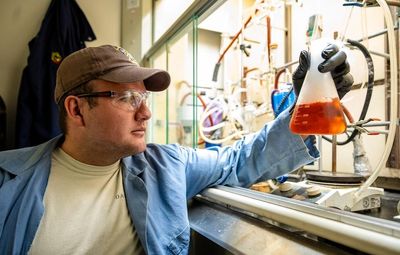
Seeing Green: Chemistry Professor Transforming Undergraduate Research at TCU
When it comes to advancing both student success and world-class research, Kayla Green embodies how the two can go hand in hand. The chemistry professor and assistant dean of undergraduate affairs at the Louise Dilworth Davis College of Science & Engineering has built an internationally recognized research program while mentoring the next generation of scientists and reshaping how chemistry is taught at Texas Christian University. Her leadership weaves together research and mentorship in ways that have elevated the department’s impact. With more than $2.5 million in external funding and a track record of collaboration around the globe, Green’s work has not only advanced the field of inorganic chemistry, particularly as applied to neurodegenerative diseases and catalysis, but also strengthened TCU’s standing as a hub for undergraduate research excellence. “In the summer heading into my junior year, I began working on what would be my research project in Dr. Green’s lab … that would use iron as a catalyst in molecules. I would end up presenting that research in my senior year,” said Jack Bonnell ’24, a John V. Roach Honors College laureate. Iron is more affordable, more available and less societally problematic than preexisting palladium- or platinum-based molecules. “By the end of my senior year, I was able to achieve comparable results with my iron catalyst as you could achieve with palladium or platinum,” said Bonnell, now a second-year medical student at the Anne Burnett Marion School of Medicine at TCU. “That was a pretty cool moment in my research, to be able to put it up there in comparison to those.” Since joining TCU in 2010, Green has mentored more than 50 undergraduate students in her lab, many of whom have gone on to publish their work, present at national conferences and pursue medical or doctoral degrees. She has also been instrumental in creating programs that prepare students to succeed in challenging classes and stay the course in scientific disciplines. “Dr. Green’s vision and drive have strengthened the foundation of our college,” said T. Dwayne McCay, interim dean of the Davis College of Science & Engineering. “Her ability to inspire students and colleagues alike reflects the kind of leadership that propels our mission forward.” Lifting Them Up One of Green’s most impactful initiatives is Chemistry Boot Camp, a program she developed with colleagues Ben Janesko and Heidi Conrad to help incoming students build confidence before their first chemistry class. “The boot camp helps lift them up, and it’s really helped with retention of students in pre-health and science fields,” said Timothy Barth, psychology professor and associate dean of graduate affairs in Davis College. “She didn’t have to do this; she created it because of her commitment and dedication to the students.” Green’s innovative use of grant funding has expanded laboratory resources, supported student travel to conferences and strengthened research collaborations. The result is a department that rivals larger institutions in both output and opportunity. “Davis College does a fantastic job on undergraduate research training,” Green said. “We are a powerhouse.” For Green, teaching and research are inseparable. Her classroom and laboratory experiences are deliberately interconnected, allowing students to see how chemistry concepts play out in the real world. “Going into a lot of these complicated diagnoses and being able to break them down into digestible pieces of information for patients is a skill that I definitely can see as useful in my future as a physician,” Bonnell said. As much as the material itself, he credits Green’s mentorship and the opportunities she provided for his preparation for medical school. “I had only taken Dr. Green’s general chemistry course in my first semester as a freshman at TCU. I joined her lab in the spring semester of my freshman year, and I knew only the bare minimum about chemistry. I was in meetings with graduate students who had been working on projects for years,” Bonnell said. “At the beginning, she bounced me around, and I worked with different graduate students to learn all the different things they were doing to find my best fit.” That blend of rigor and encouragement has become a hallmark of her approach and a model for other departments seeking to integrate research more deeply into the undergraduate experience. Building on Success Green’s excellence has earned her wide recognition, including honors from the American Chemical Society (Emerging Investigator and Women Chemists Rising Star awards), TCU’s Deans’ Award for Research and Creative Activity and, most recently, the Chancellor’s Award for Distinguished Achievement as a Creative Teacher and Scholar. She now brings that same analytical insight and collaborative spirit to her position as the college’s assistant dean of undergraduate affairs, a role she began this academic year. “We’ve already begun to experience her decision-making and analysis as part of the dean’s team,” Barth said. “In a short period of time, she’s proving to be an amazing and remarkable administrator.” Looking ahead, Green continues to build on her success through a National Institutes of Health R15 AREA grant, which supports undergraduate research and provides students with opportunities to contribute to federally funded science. “TCU Chemistry has an incredible record of placing students in medical school, Ph.D. programs and research labs across the country,” Green said. “It’s rewarding to see our students thrive in environments that started with their hands-on experiences here.”

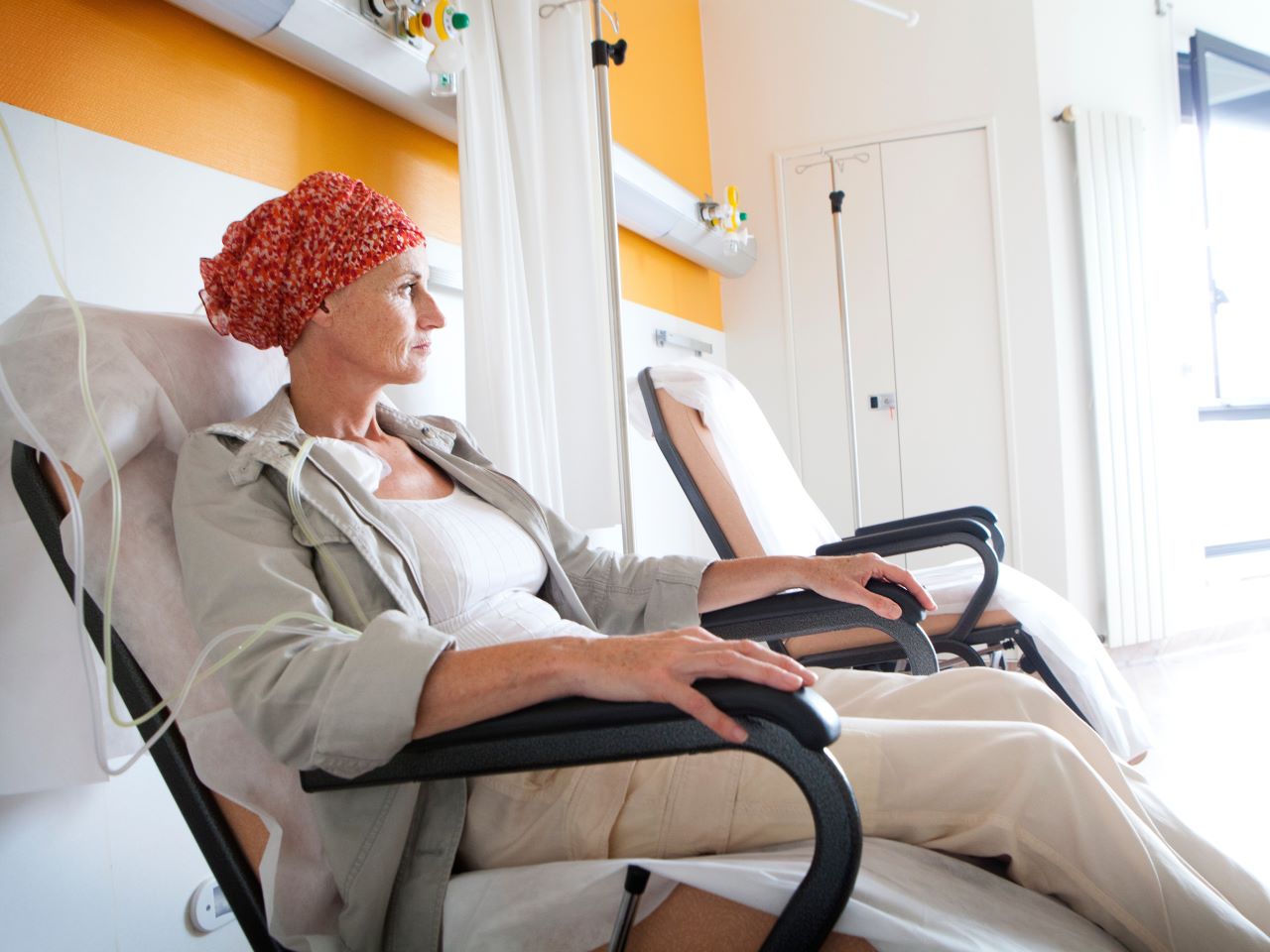
Ninety-three percent of patients with a new cancer diagnosis were exposed to at least one type of misinformation about cancer treatments, a UF Health Cancer Center study has found. Most patients encountered the misinformation — defined as unproven or disproven cancer treatments and myths or misconceptions — even when they weren’t looking for it. The findings have major implications for cancer treatment decision-making. Specifically, doctors should assume the patient has seen or heard misinformation. “Clinicians should assume when their patients are coming to them for a treatment discussion that they have been exposed to different types of information about cancer treatment, whether or not they went online and looked it up themselves,” said senior author Carma Bylund, Ph.D., a professor and associate chair of education in the UF Department of Health Outcomes and Biomedical Informatics. “One way or another, people are being exposed to a lot of misinformation.” Working with oncologists, Bylund and study first author Naomi Parker, Ph.D., an assistant scientist in the UF Department of Health Outcomes and Biomedical Informatics, are piloting an “information prescription” to steer patients to sources of evidence-based information like the American Cancer Society. The study paves the way for other similar strategies. Most notably, the study found the most common way patients were exposed to misinformation was second hand. “Your algorithms pick up on your diagnosis, your friends and family pick up on it, and then you’re on Facebook and you become exposed to this media,” Parker said. “You’re not necessarily seeking out if vitamin C may be a cure for cancer, but you start being fed that content.” And no, vitamin C does not cure cancer. Health misinformation can prevent people from getting treatment that has evidence behind it, negatively affect relationships between patients and physicians, and increase the risk of death, research has shown. People with cancer are particularly vulnerable to misinformation because of the anxiety and fear that comes with a serious diagnosis, not to mention the overwhelming amount of new information they have to suddenly absorb. While past research has studied misinformation by going directly to the source — for instance, studying what percentage of content on a platform like TikTok is nonsense — little research has looked at its prevalence or how it affects people. The team first developed a way to identify the percentage of cancer patients exposed to misinformation. UF researchers collaborated with Skyler Johnson, M.D., at Huntsman Cancer Institute, an internationally known researcher in the field. The survey questions were based on five categories of unproven or disproven cancer treatments — vitamins and minerals, herbs and supplements, special diets, mind-body interventions and miscellaneous treatments — and treatment misconceptions. The myths and misconceptions were adapted from National Cancer Institute materials and included statements like “Will eating sugar make my cancer worse?” The team surveyed 110 UF Health patients diagnosed with prostate, breast, colorectal or lung cancer within the past six months, a time when patients typically make initial treatment decisions. Most had heard of a potential cancer treatment beyond the standard of care, and most reported they had heard of at least one myth or misconception. The most common sources were close friends or family and websites, distant friends/associates or relatives, social media and news media. The findings mark a shift in misinformation research, with major implications for the doctor-patient relationship, said Bylund, a member of the Cancer Control and Population Sciences research program at the UF Health Cancer Center. “I still think media and the internet are the source and why misinformation can spread so rapidly, but it might come to a cancer patient interpersonally, from family or friends,” she said. Most patients rarely discussed the potential cancer treatments they had heard about with an oncologist, the study also found. Next, the researchers plan to survey a wider pool of patients, then study the outcomes of interventions designed to decrease misinformation exposure, like the information prescription.

Supreme Court to Hear Arguments on Ending Birthright Citizenship
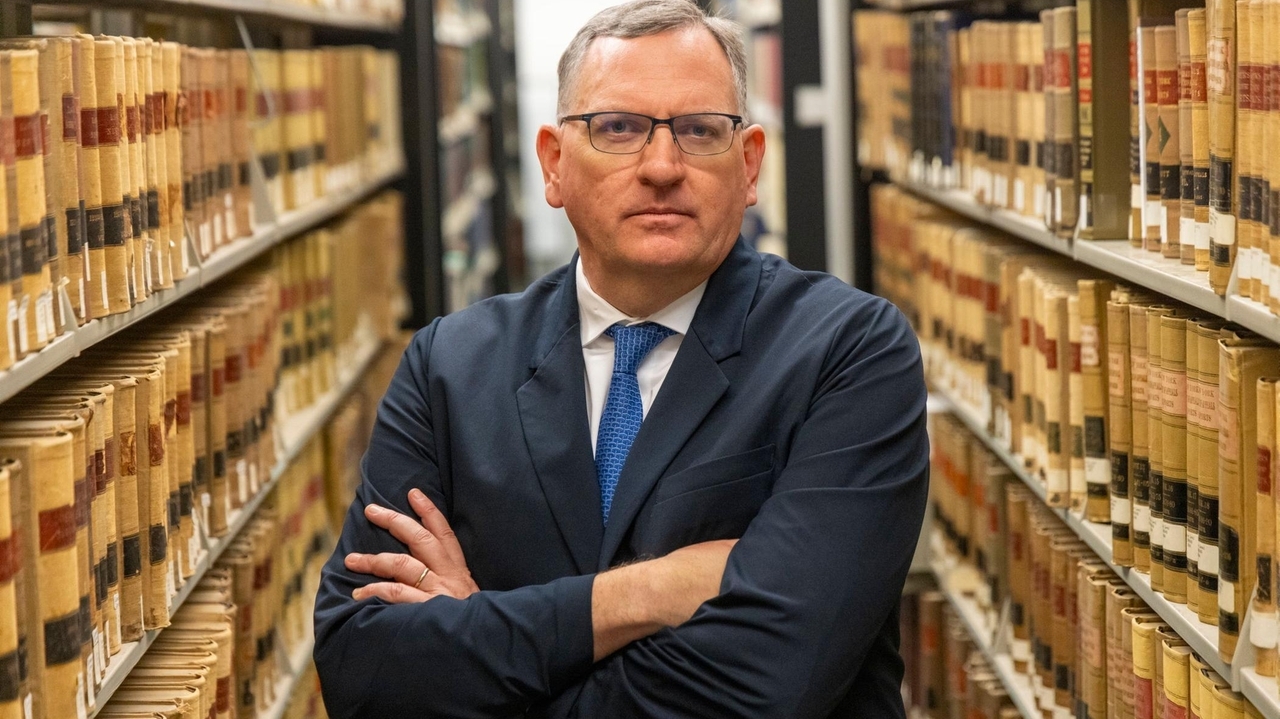
Professor of Constitutional Law James Sample and Director of the Law School’s Deportation Defense Clinic Alexander Holtzman at the Maurice A. Deane School of Law were interviewed by Newsday for a report on President Donald Trump’s plan to end birthright citizenship for hundreds of thousands of children of parents here illegally or temporarily. The Supreme Court will hear arguments from Trump administration lawyers that the Citizenship Clause of the U.S. Constitution was never intended to grant citizenship universally to everyone born in the country. Professor Sample said the administration’s case lacked merit. The clearest precedent, he said, was an 1898 Supreme Court case, United States v. Wong Kim Ark. He said, “That established clearly that, in the Supreme Court’s view, the language of the 14th Amendment meant that a child born in the United States, including to immigrants, whether documented or not, was a citizen.” He also added that a ruling that overturned this precedent would mark a fundamental change to the American identity. “The notion of birthright citizenship is one of the things that distinguishes us from other countries where citizenship is often a function of lineage,” he said. Professor Holtzman told Newsday that the case was creating anxiety for people who could be negatively affected by a court ruling, which could come as early as this summer. “I’ve had clients who’ve asked me, ‘Are my children safe, or who are pregnant and wonder if their children will be safe.”


Fewer Parents are Reading to Their Kids—and Why It Matters
A dramatic decline in reading for pleasure in the United States has fewer American parents reading aloud to their children — and experts warn the consequences can be dire. “It builds connections,” Carol Anne St. George, an expert in early literacy at the University of Rochester’s Warner School of Education and Human Development, recently told The74 for an article citing a 41-percent decline in parents reading to children daily. “People talk about text to text, text to world,” St. George said, “and those are the kinds of things that help children cognitively think and classify their world around them.” Many young parents grew up in an education system focused on reading as a means to testing and building skills rather than enjoyment. As a result, St. George worries, they often view reading to their young as an obligation rather than a joy and a time to bond. Experts say an increased reliance on screens and digital content and time pressures and competing demands on families have also fueled the decline. St. George notes that children benefit greatly from being read to regularly. The advantages of early literacy include: • Having a more robust vocabulary and stronger communications skills. • Being better prepared to learn in school. • Having a closer relationship with their parents. • Higher academic achievement and better health outcomes later in life. What Parents Can Do St. George advises parents to: • Let children choose books they enjoy. • Make reading part of a daily routine and that bedtime is ideal. • Focus on fun and connection. • Model good reading behavior because children mimic what they see. St. George is available for media interviews and can be reached by contacting Theresa Danylak, the director of communications at the Warner School, at tdanylak@warner.rochester.edu.

Study: Many pregnant women uncertain of marijuana risks even as use increases
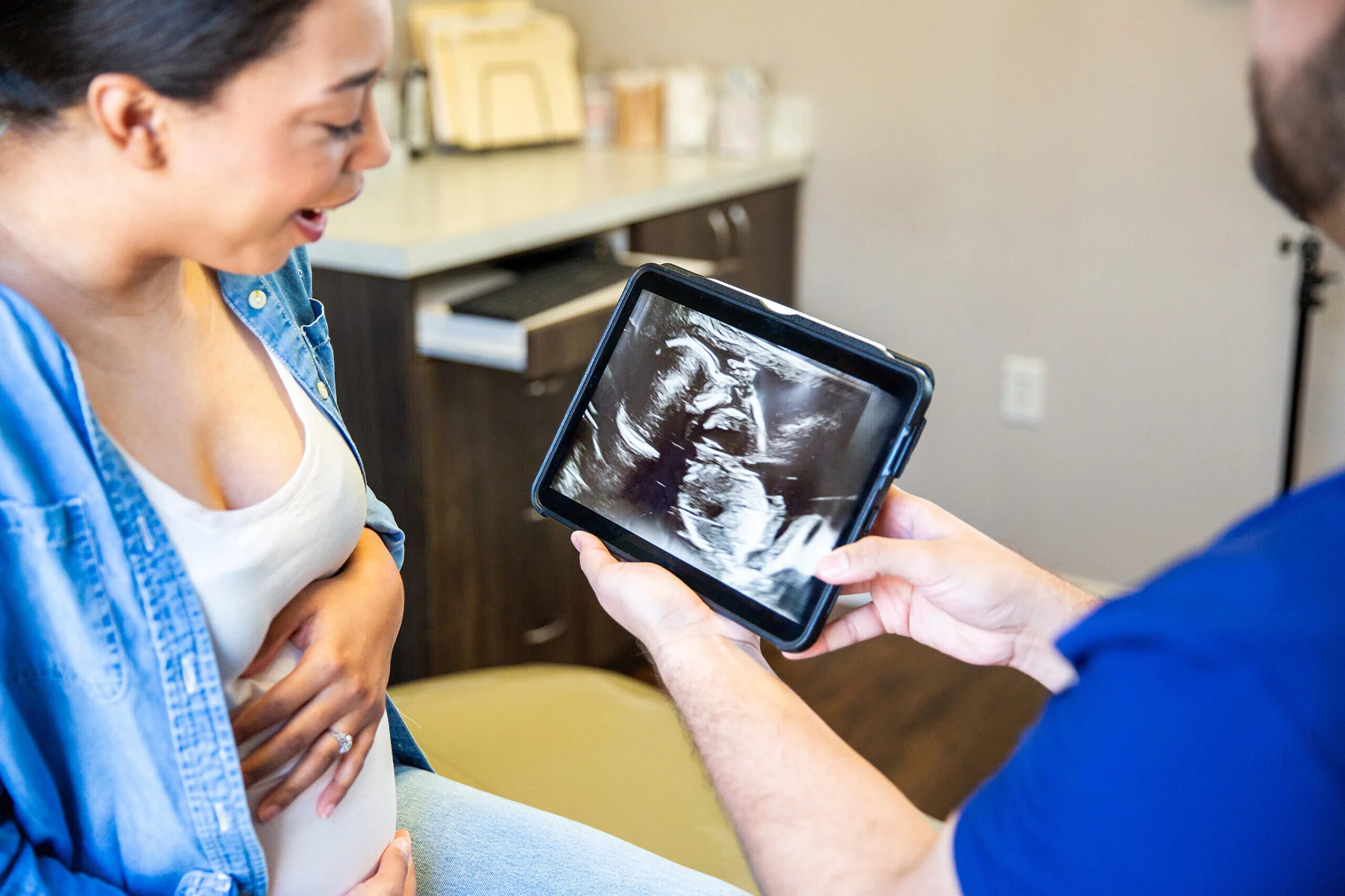
Many pregnant women are unsure if it’s safe to use marijuana or products containing cannabidiol, an active compound in marijuana, even as they increasingly turn to them to combat morning sickness, anxiety or insomnia, a recent University of Florida Health study shows. The American College of Obstetricians and Gynecologists advises against the use of marijuana and cannabidiol, or CBD, during pregnancy. Marijuana use has been associated in some studies with adverse fetal neurodevelopmental outcomes. Evidence of cannabidiol safety is sparse in human studies, but researchers remain concerned that it might nonetheless pose a danger. CBD is not intoxicating. The UF Health researchers said their study shows a need for the medical community to better educate women about the potential hazards to the fetus from using marijuana, also called cannabis. One worry is that some people believe the spreading legalization of marijuana or CBD around the nation equates to the government giving its stamp of approval that the products are safe, researchers said. Medical marijuana is legal in Florida, although its recreational use is not. “If a medication is legal, we assume that maybe it’s safe, although other things like tobacco and alcohol are also legal and we know that those can be harmful to pregnancies,” said Kay Roussos-Ross, M.D., the study’s senior author and a professor in the UF College of Medicine’s Department of Obstetrics and Gynecology. “We see a good deal of data out there that shows that there is increased risk of psychiatric and behavioral issues related to marijuana use in pregnancy, but we need more,” she added. “We need more so that we can be correct in our assessments and our educational efforts to women of reproductive age who are using marijuana.” It’s difficult to quantify the rise of marijuana and CBD use during pregnancy, with most estimates showing an increase predating COVID-19. A 2021 federal survey reported 7.2% of pregnant women used marijuana. The UF Health study noted that emerging evidence from obstetrics care shows more pregnant women are trying the products, perhaps because of increased legalization. The study, published in Medical Cannabis and Cannabinoids, surveyed 261 women and used focus groups to explore participants’ perceptions of the products. The women were either pregnant, breastfeeding or caring for a child 5 years old or younger, and reported use of marijuana or CBD products, such as vapes, smoking, tincture oils or ointments. “There seems to be a disconnect,” said Amie Goodin, Ph.D., an assistant professor in the UF College of Pharmacy’s Department of Pharmaceutical Outcomes and Policy and the study’s lead author. “About one in six pregnant women are telling us, ‘Yes, I have used marijuana or a CBD product while I’m pregnant.’ But half are saying, ‘I don’t know what the risks are.’” About 40% of the pregnant women surveyed said they were unsure how risky it was to use marijuana once or twice a week during pregnancy, compared with 34.5% of women who were not pregnant when surveyed for the study but who had children. Asked the same question about CBD, more than 52% of pregnant women were unsure of the risk, compared with 41.8% for mothers who weren’t pregnant when surveyed. About 36% of pregnant women reported using marijuana, compared with 65% of mothers not currently pregnant, perhaps reflecting at least some increased caution among those in the former group. CBD use was 19.9% for pregnant women and 38.2% for women who were not pregnant. “Some women did mention that the legalization of marijuana has made marijuana more socially acceptable,” said study co-author Deepthi Varma, Ph.D., an assistant professor in the College of Public Health and Health Professions’ Department of Epidemiology. The researchers said they were especially concerned that women were even less sure of the safety of CBD use because it is widely available and often seen as harmless. “You might notice that it’s even something that you can buy at a gas station or a grocery store,” Goodin said. “CBD in a purified form has actually got an FDA approval to treat certain types of pediatric epilepsy on its own … but pharmaceutical-grade CBD is not quite the same thing as you would expect to get if you were purchasing CBD oil at a smoke shop or a gas station.”

Covering Cuba? Augusta has one of the leading experts ready to help with your coverage
Cuba is facing one of its most severe crises in decades, as compounding economic and energy challenges continue to strain everyday life on the island. Persistent fuel shortages have led to rolling blackouts, transportation disruptions, and reduced industrial output, while inflation and shortages of basic goods have eroded purchasing power for ordinary Cubans. Tourism, once a critical source of foreign exchange, has struggled to fully recover, and the country continues to grapple with declining productivity and limited access to international capital. These pressures have contributed to rising public frustration, increased migration, and a government response that blends cautious economic reforms with efforts to maintain stability. Paolo Spadoni is an ideal expert for journalists covering this evolving situation. As a specialist in Cuba’s political economy, his work focuses on the island’s external sector, including foreign investment, remittances, tourism and the impact of international sanctions. He brings a rare ability to connect on-the-ground developments – such as energy shortages or policy changes, to the broader structural realities shaping Cuba’s economy. With deep academic research and ongoing analysis of current reforms, Spadoni offers clear, credible insight into whether Cuba’s latest measures signal meaningful transformation or simply short-term responses to a prolonged crisis. Paolo Spadoni, PhD, is a widely recognized expert on Cuba and its international relations. He is a tri-lingual political economist with a specialization in international relations and a focus on Latin America’s political and business environments. His research focuses on international relations theories, Cuba's economy and business market, foreign investment in Cuba and U.S.-Cuba relations. View his profile Since this crisis escalated, Spadoni has been the 'go-to' expert for reporters with media from across North America like Reuters, Bloomberg and The New York Times connecting with him for his expertise, input and perspective on the situation. LA TERCERA: “The Cuban tourism sector was already struggling before the Covid pandemic. The best year for international tourism in Cuba was 2017 in terms of foreign exchange earnings. That was the year in which $3.3 billion was collected, and tourism represented 10% of Cuba's GDP at that time. In terms of employment, it provided 120,000 direct jobs and roughly 500,000 indirect jobs. So it played a significant role. That was the best year for international tourism in Cuba, which coincidentally ended in November of that year with the sanctions imposed by the first Trump administration. From then on, tourism from North American visitors began to decline, but European and Canadian visitors were already decreasing,” Spadoni explained to La Tercera. CBC NEWS: "Most of those investments are real estate investments more than tourism investments, meaning the Cuban military has taken possession of prime locations in the best tourism areas of Cuba," said Paolo Spadoni, an associate professor at Augusta University in Augusta, Ga., and co-author of the 2025 book The Cuban Tourism Industry: Evolution, Challenges and Prospects. Columbia Law School: "While seeking to finalize an economic agreement with Cuba, the Trump administration could secure deals across various sectors of the economy. However, tourism holds the most promising opportunities in the short term." Global News (Canada):

Finding joy in learning: How lighthearted moments transform English as a Foreign Language classrooms
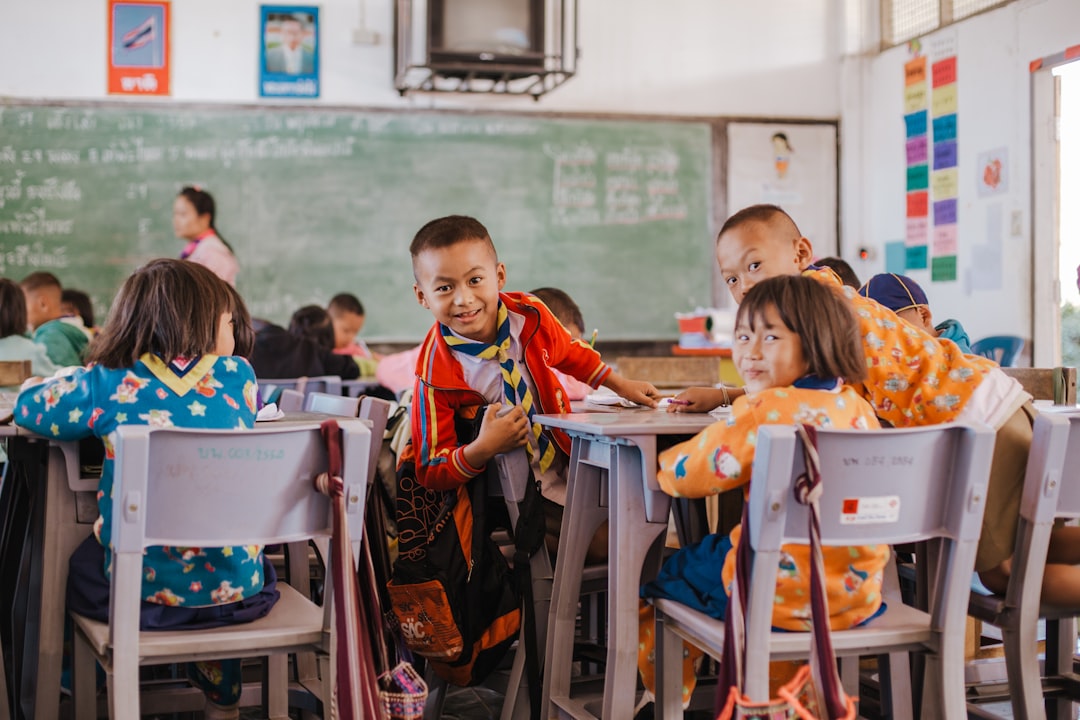
In classrooms, not every meaningful learning moment can be planned. At the University of Delaware, educator and researcher Chad Davidson is exploring how spontaneous, lighthearted interactions between teachers and students can open the door to deeper understanding in real time. His recent paper in Language Teaching and Educational Research, "Exploring Spontaneous Acts of Lightheartedness in EFL Classrooms: A Reflective Duoethnography", examines how these unscripted moments – rooted in trust, positivity and a willingness to embrace the unexpected – help create environments where students feel comfortable taking the risks essential to learning. In this Q&A, Davidson discusses the inspiration behind his research, what he’s discovered about these classroom dynamics and how they could shape teaching practices moving forward. Q: What is the focus of this research, and why is it important? Davidson: Spontaneous acts of lightheartedness promote real-time learning because it's being open to the unknown in positive ways since the true dynamic of every classroom brings continuous unknowns: A teacher never knows 100% how the students will react (these students, in these moods, on this day, etc.), how quickly they will learn or pick up on something or not. A teacher, hence, spontaneously responds in real-time to the until-then-unknown student reactions in order for those particular students best to then grasp the concept or skill that is the present goal (or “learning objective”) that those students grasp. The hope is that the teacher's spontaneous response (as it often is with many teachers) is positive and lighthearted in order to foster students to also be open to such unpredictability in the classroom and to foster students' comfortability with the vulnerability to be open to taking spontaneous risks that are necessary for that transformation that we call learning – transforming from lack of knowledge to knowledge, from lack of understanding to understanding, from lack of mastery to further mastery. Q: What are some key findings or developments? Davidson: Realizing the essential features that make up spontaneous lighthearted classroom acts; for example, these acts must include trust of the student(s) and from the student(s), and the acts must have good-intentions of creating or maintaining a relaxed environment conducive to safely taking risks for potential learning. Q: How could this work potentially impact the field or the wider public? Davidson: This could foster this act type in classrooms. That is, hopefully more teacher-practitioners will allow themselves and their students to freely enact these in their daily in-class teaching/learning-attempts. Q: What are the next steps or upcoming milestones in your research? Davidson: We incorporated some valuable insights of Mexican philosopher Jorge Portilla. While there is a glut of usage of German, French, British and American philosophers, there is almost no usage of Hispanic or Latin American philosophers in education literature. It would be great to do more work that makes use of the profound thought in the works of Latin/Hispanic philosophers. For me, this would be continuing to go more deeply in applying Jorge Portilla's thought to philosophy of education, such as to classroom management. ABOUT CHAD DAVIDSON Instructor Chad C. Davidson has a Ph.D. in curriculum and instruction with an emphasis in philosophy of language education. He has 17 years of language teaching experience, primarily in teaching and curriculum creation for English for Academic Purposes at various colleges and universities across America (University of Delaware, Kansas State University, Georgia Tech, North Orange County Community College, Johnson County Community College), in Russia (Udmurt State University), and in Turkey (Mus Alparslan University). Moreover, he has studied languages at the following universities abroad: Universidad Autónoma de Guadalajara in Mexico, Universidade do Porto in Portugal, and Aristotle University of Thessaloniki in Greece. To speak with Davidson about his work and the importance of spontaneous acts of lightheartedness, reach out to MediaRelations@udel.edu.


It's Sports Science Week on The Academic Minute -- an entire week dedicated to UConn experts
The Academic Minute is a two-and-a-half minute daily brief featuring researchers from colleges and universities around the world, keeping listeners abreast of what’s new and exciting in the academy. A different professor is featured each day, offering updates on groundbreaking research and how it helps us better understand the world around us. Hosted by Dr. Lynn Pasquerella, president of the American Association of Colleges and Universities, The Academic Minute airs on 70 stations around the United States and Canada, and twice daily on it's home station WAMC - Northeast Public Radio. This week, the entire program was focused on the science of sport with a new featured UConn expert each day. Monday Julie P. Burland, director of research at the Institute for Sports Medicine, examines how to predict in-season injuries for athletes. Tuesday Jennifer B. Fields, Assistant Professor in the Department of Nutritional Sciences, investigates why so many young athletes are flunking nutrition. Wednesday Dimitris Xygalatas, associate professor of anthropology, looks at sports fans for clues on how social rituals bind us together. Thursday Rebecca L. Stearns, associate professor-in-residence in the Department of Kinesiology, details potential strategies to prevent sudden deaths in sports. Friday Robert Huggins, assistant professor in the Department of Kinesiology, examines why there aren’t more athletic trainers on-hand at sporting events.


The January U.S. military action in Venezuela is altering political connections and calculations across the Western Hemisphere, with deep implications for Cuba. The long-standing belief in the United States’ strategic patience regarding adversarial and destabilizing governments has been decisively overturned and threatens the Cuban government’s vulnerability to collapse. Georgia Southern University Associate Professor of International Studies Christopher M. Brown, Ph.D., is a recognized expert in the democratization and democratic theory of Latin American countries and the Caribbean Basin. He offers expert analysis on the shifting political landscape in Venezuela and the long-term resilience of the Havana-Caracas axis. Brown is a National Endowment for Humanities Scholar with the José Martí Institute at the University of Tampa and participated in a Faculty Exchange with the University of Havana. He has authored several books focused on the failed democratic systems in Latin America and most recently published a book titled “Responding to the Venezuelan Migration Crisis: Insights for the Caribbean” (with Georgina Chami Ph.D., University of the West Indies, St. Augustine, Trinidad and Tobago, and Nalanda Roy, Ph.D., Georgia Southern University). His monograph, “Failed Democracies in Latin America and the Caribbean” (Palgrave-Macmillan) was published in August 2023 and he is currently completing, “Democratization of Cuba” (Palgrave-Macmillan), which will be published in June 2026. Brown is available in person at the Statesboro Campus or virtually. Simply contact Georgia Southern's Director of Communications Jennifer Wise at jwise@georgiasouthern.edu to arrange an interview today.


Expert Q&A: What is Soft Diplomacy and how does it impact classrooms?
"Right now, storytelling is critical. Language learning is highly personal, and it’s the person-to-person relationships that grease the wheels," says Cheryl Ernst, director of the English Language Institute at the University of Delaware. She recently published English Language Programs as Facilitators of Soft Diplomacy in Innovations in Star Scholars Press. Here's how she's discussing this important topic. Q: What is the focus of this research, and why is it important? Ernst: ELI and other English language programs provide the ideal space for communication development, cross cultural appreciation, gaining life skills, and raising awareness about people beyond the media. Post pandemic, we’re hearing across campus how individuals feel less connected, and in English language classrooms, connection is critical. Language is only learned through production and practice since it’s a skill that needs to be honed. In language, there is no such thing as perfect. In our classrooms, English is the common goal, and everyone comes to that space at their own levels and overflowing with imperfection. Our students learn to use their vulnerability as a tool. They learn the value of a growth mindset living in a culture that is different from their own, and with that comes an appreciation for difference, respect for others, trust, human-to-human communication. Q: What inspired this research? Ernst: More than 30 years of observation, conversations, experiences, and personal relationships. There was no term to describe the skills English language programs teach beyond grammar (what’s perceived, anyway). Terms like personal diplomacy, person-to-person diplomacy, civic diplomacy, and the like happens all the time and oversimplifies what we do. In my readings, I started to see overlaps between soft power and diplomacy, which led to the concept of Soft Diplomacy. Then what distinguishes Soft Diplomacy from other more common monikers are the variety of skills that happen organically in our classrooms that we rarely acknowledge and students may not recognize. Q: What are some key findings or developments? Ernst: Institutionally, ELPs can do better highlighting the skills beyond English that we teach organically or deliberately. Q: How could this work potentially impact the field or the wider public? Ernst: Respecting ELPs for the space they provide and the skills they offer. It’s not “just English,” rather is learning to communicate in a common language and with people from around the globe. I’d like people to realize that relationships are foundational, that there are common values across nations and that differences are not bad. What version of English is “correct” British or American dialects (the New York? Wisconsin? Alabama? Iowa?). Q: What are the next steps or upcoming milestones in your research? Ernst: A former student and I have launched a podcast series called Soft Diplomacy in Action that focuses on personal stories from those who work in international education. We’ve interviewed an ELI associate professor from Morocco, the UD coordinator of the Mandela Fellows program, a professor who sees (and lives) the diplomatic value of sports, and a retired English language professional. We’re looking forward to continuing these conversations with individuals from a variety of disciplines that also work in this space but through different lenses. ABOUT CHERYL ERNST Cheryl Ernst is the director of the English Language Institute at the University of Delaware where she and her colleagues and students practice Soft Diplomacy every day. Her professional areas of interest include program administration and international marketing, teacher training and working with international teaching assistants, curriculum design, and advanced level academic English (graduate levels). To speak with Ernst her work and the importance of Soft Diplomacy, reach out to MediaRelations@udel.edu.