
Experts Matter. Find Yours.
Connect for media, speaking, professional opportunities & more.

Bad Behavior Toward Significant Other in Tough Times Has More Impact than Positive Gestures
Refraining from criticism or abandonment is better than simply being encouraging, Baylor University study finds Refraining from bad behavior toward a significant other during stressful life events is more important than showing positive behavior, according to a Baylor University study. Compared with positive gestures, negative ones tend to trigger more intense and immediate responses, according to the study. And how a couple works together during stressful times is associated with individual well-being as well as satisfaction with the relationship. “When people face stressful life events, they are especially sensitive to negative behavior in their relationships, such as when a partner seems to be argumentative, overly emotional, withdrawn or fails to do something that was expected,” said researcher Keith Sanford, Ph.D., professor of psychology and neuroscience in Baylor’s College of Arts & Sciences. “In contrast, they’re less sensitive to positive behavior — such as giving each other comfort,” he said. The study also found that low doses of a behavior are most important, and over time, more extreme levels have less impact. “Because people are especially sensitive to negative relationship behavior, a moderate dose may be sufficient to produce a nearly maximum effect on increasing life stress,” Sanford said. “After negative behavior reaches a certain saturation point, it appears that stress is only minimally affected by further increases in the dose of relationship problems.” The study — “Negative Relationship Behavior Is More Important Than Positive: Correlates of Outcomes During Stressful Life Events” — is published in the Journal of Family Psychology. Sanford and co-researcher Alannah Shelby Rivers, doctoral candidate in psychology and neuroscience, surveyed couples experiencing stressful life events to measure their behavior, relationship satisfaction, personal well-being and quality of life. The research consisted of two studies done using data from Internet samples. In the first study, 325 couples who were married or living with a partner all reported experiences of at least one of six possible stressful events within the past month, including: losing a job, becoming a primary caregiver of an older relative, experiencing a parent’s death, experiencing a child’s death, not having enough resources to afford basic necessities, and experiencing bankruptcy, foreclosure or repossession of a house or car. The second study included 154 people who were either married or living with a partner and experiencing a serious medical issue meeting one or more of these criteria: a condition requiring hospitalization or a trip to the emergency room, a serious chronic condition and a life-threatening condition. All participants reported that they had visited a medical practitioner within the past year for treatment of their conditions. Researchers used a scale that included 18 items — nine for negative and nine for positive behavior. Participants were asked to remember the past month, then write a few words describing different memories of interactions occurring in their relationships and indicate how often specific types of interactions occurred in their relationships. All participants also were asked questions about how rewarding their relationships were, their general well-being (such as being active and vigorous) and their quality of life (such as health). Those in the first study also were asked about stress, their coping strategies in general and their coping style in the relationship. The second study, examining couple’s behavior during stressful medical events, showed lower levels of negative behavior than the first study dealing with other types of stressful issues. “It is possible that couples facing stressful medical situations are less likely to blame each other,” researchers wrote. “When people face stressful life events, it’s common to experience both positive and negative behavior in their relationships,” Sanford said. “When the goal is to increase feelings of well-being and lessen stress, it may be more important to decrease negative behavior than to increase positive actions.” ABOUT BAYLOR UNIVERSITY Baylor University is a private Christian University and a nationally ranked research institution. The University provides a vibrant campus community for more than 17,000 students by blending interdisciplinary research with an international reputation for educational excellence and a faculty commitment to teaching and scholarship. Chartered in 1845 by the Republic of Texas through the efforts of Baptist pioneers, Baylor is the oldest continually operating University in Texas. Located in Waco, Baylor welcomes students from all 50 states and more than 80 countries to study a broad range of degrees among its 12 nationally recognized academic divisions. ABOUT BAYLOR COLLEGE OF ARTS & SCIENCES The College of Arts & Sciences is Baylor University’s oldest and largest academic division, consisting of 25 academic departments and seven academic centers and institutes. The more than 5,000 courses taught in the College span topics from art and theatre to religion, philosophy, sociology and the natural sciences. Faculty conduct research around the world, and research on the undergraduate and graduate level is prevalent throughout all disciplines. Visit www.baylor.edu/artsandsciences.


Surveying Patients about Health Care Providers Is Likely of Little Use
But a newly developed questionnaire delves more deeply and may provide valuable information, Baylor University study finds For anyone who has ever taken a survey after a medical appointment and wondered whether the effort was worthwhile, the answer is probably “No,” says a Baylor University psychologist and researcher. Health care providers are pushing to assess patient satisfaction, and many companies charge millions of dollars to assess patients for the providers. But while the intentions are great, “when I started looking at the instruments currently being used to assess doctor-patient relationships, it became apparent they were highly problematic and not providing useful information,” said Keith Sanford, Ph.D. professor of psychology and neuroscience in Baylor’s College of Arts & Sciences. After conducting a series of studies to clarify problems with existing scales, Sanford — a scholar of psychometrics who develops assessment instruments — has created a new tool to measure patient experience during consultations, and research findings suggest it works better than others. The research — “Medical Consultation Experience Questionnaire: Assessing Perceived Alliance and Experienced Confusion During Medical Consultations” — was published in Psychological Assessment, a journal of the American Psychological Association, and funded in part by a grant from Baylor College of Medicine. Working with Baylor University psychologists were physicians with Texas Children’s Hospital and Baylor College of Medicine. The new instrument — the Medical Consultation Experience Questionnaire (MCEQ) — measures two aspects of patient experience — “alliance” and “confusion.” Researchers stressed that it addresses the consultation, not treatment results. Practitioners strive for a good alliance, in which the patient sees the practitioner as committed, competent and dedicated to understanding patient desires and views. Another goal is good exchange of information to avoid confusion. But in attempting to measure how well those goals are being met, some questionnaires have limited options that may result in skewed results, Sanford said. For example, one survey offers respondents a 4-point scale in which the answers range from “always” to "never” to such questions as “How often did doctors listen carefully to you?” Another existing assessment instrument asks respondents to use a 5-point scale — from “poor” to “excellent” — to rate practitioner communication in such areas as whether they were treated with respect. The problem is that most respondents choose the top response for each item, with fewer than 5 percent choosing the bottom option, previous research has shown. While such a scale can identify “highly disgruntled” patients, “it cannot make reliable distinctions between patients having experiences ranging from marginally acceptable to extremely positive,” researchers wrote. “The key question is whether a ‘good doctor’ is a single thing or whether there is a range of goodness,” Sanford said. “If you ask the right questions, you’re able to get results that show that range.” To evaluate the new questionnaire, researchers conducted three studies with a total of 576 participants. They compared responses to the new survey with those participants’ responses to other questionnaires. Respondents ranged from adults with diabetes and/or hypertension to parents of children requiring plastic surgery (for such conditions as a cleft palate or facial injury) to parents of children with medical conditions meeting one or more of such criteria as having to go to an emergency room, spend time in a hospital, cope with a chronic condition or deal with a life-threatening condition. The study results support the validity of the new questionnaire in several important ways. It allows for measuring a wider range of patient experiences with more extensive and specific responses, making for better assessment of “alliance” and “confusion” — rather than merely identifying only the most dissatisfied or angry patients, Sanford said. “One of the reasons this is so important is if you don’t form an alliance with your practitioner, they may give you all the wonderful advice in the world, but you might not follow it, or you might be skeptical,” Sanford said. “And if you don’t quite understand what you are supposed to do, that will interfere with your doing the recommended actions.” Sanford noted that because the study relied on self-reported data and sampled only three groups with varying medical conditions, future research on patients with other health issues could be valuable. Tracking such outcomes as physiological measurements or frequency of attending rehabilitation sessions also could be of value, he said. “My hope is that people who use these surveys might realize that just as there is a science behind medical treatment, there is a science behind getting good survey reports,” Sanford said. “We want to make this available freely to anyone who wants to administer it.” *Co-researchers were Alannah Shelby Rivers, doctoral candidate in psychology and neuroscience at Baylor University; Dr. Tara L. Braun and Kelly P. Schultz, Division of Plastic Surgery at Baylor College of Medicine; and Dr. Edward P. Buchanan, Division of Plastic Surgery, Department of Surgery, Texas Children’s Hospital in Houston and Division of Plastic Surgery at Baylor College of Medicine. ABOUT BAYLOR UNIVERSITY Baylor University is a private Christian University and a nationally ranked research institution. The University provides a vibrant campus community for more than 17,000 students by blending interdisciplinary research with an international reputation for educational excellence and a faculty commitment to teaching and scholarship. Chartered in 1845 by the Republic of Texas through the efforts of Baptist pioneers, Baylor is the oldest continually operating University in Texas. Located in Waco, Baylor welcomes students from all 50 states and more than 80 countries to study a broad range of degrees among its 12 nationally recognized academic divisions. ABOUT BAYLOR COLLEGE OF ARTS & SCIENCES The College of Arts & Sciences is Baylor University’s oldest and largest academic division, consisting of 25 academic departments and seven academic centers and institutes. The more than 5,000 courses taught in the College span topics from art and theatre to religion, philosophy, sociology and the natural sciences. Faculty conduct research around the world, and research on the undergraduate and graduate level is prevalent throughout all disciplines. Visit www.baylor.edu/artsandsciences.

Study: Discuss Religion, Spirituality When Treating Young Adults with Severe Mental Illness
Baylor researcher and expert says it’s “critical” that mental health providers be equipped to assess clients’ religion/spirituality A majority of young adults with severe mental illness – bipolar disorder, schizophrenia or major depression – consider religion and spirituality relevant to their mental health, according to a new study from Baylor University’s Diana R. Garland School of Social Work. Holly Oxhandler, Ph.D., associate dean for research and faculty development in the Garland School of Social Work, served as lead author on the study, which was published in the journal Spirituality in Clinical Practice. Researchers examined data from 55 young adults (ages 18-25) with serious mental illness who had used crisis emergency services. Of the 55 young adults interviewed, 34 “mentioned religion or spirituality in the context of talking about their mental health symptoms and service use with little-to-no prompting,” researchers wrote. The sample for the study was racially diverse and gender-balanced. Not all of those interviewed considered themselves religious, as 41 percent answered “other,” “I don’t know” or “none” when asked their religious preference. However, researchers found that religion and spirituality emerged as a unique way in which this sample was able to make sense of their difficult life situations and mental health struggles. “Not only did these young adults struggle with serious mental illness, but they had also experienced extreme adversity – including abuse, poverty, homelessness, addiction, near-death experiences, loss and an overwhelming lack of access to medical and mental health services,” researchers wrote. “Yet, many attempted to explain, make sense of or organize their circumstances through their religious/spiritual perspective and talked about God as a source of comfort and support.” The young adults expressed both positive and negative views of God, prayer and support from religious and spiritual communities. Regardless of their views, the important thing to note, Oxhandler explained, is that they’re talking about these topics – something social workers and counselors traditionally are not often equipped or trained to assess or discuss. “It’s the elephant in the room,” Oxhandler said of discussions of religion and spirituality. “If we continue to ignore it, we’re ignoring a huge component of peoples’ lives that may be tied to the clinical issue.” Oxhandler, who has researched this area extensively, said such discussions can help drive subsequent treatment options. “As mental health care providers discern what mental health services to provide or coping strategies to recommend, it’s especially important they understand the role of religion/spirituality in the lives of the vulnerable young adults they serve,” she said. Researchers also found that those surveyed described using positive religious coping, negative religious coping or experiences, discussed their relationship with God/Higher Power and unpacked the role of their support systems and faith. Positive religious coping included prayer, reading religious texts, support from their religious and spiritual communities and identifying religious and spiritual meaning in difficult situations. Negative religious coping or experiences included having a negative experience with a religious organization not being supportive or receiving hurtful messages from the religious community. “Those who discussed their relationship with God or a higher power discussed God providing a sense of comfort or protection, accepting them for who they are or positively intervening in their lives,” Oxhandler said. “Among those who unpacked the role of their support systems and faith, they often described family and friends referencing religion or God for support, and some even offered recommendations for others struggling with mental illness that involve religion and spirituality.” Some of those interviewed shared that they found the mention of God or religion by family and friends less than helpful. For example, a 22-year-old white female with no religious identification mentioned in her interview that a family member “tries to tell me that going to church will be better for me because it will help me find peace, and it really does quite the opposite.” Interestingly, researchers noted that nearly all participants who reported negative experiences with religion and spirituality also reported utilizing positive religious and spiritual coping or having a positive relationship with God. Oxhandler said such complexity highlights the importance of including religion and spirituality during the initial assessment with a client. “It’s critical that mental health care providers be well equipped and trained to assess for the complex role of religion and spirituality in the lives of young adults with serious mental illness, recognizing that it could appear to be a tremendous source of support and resilience and/or a source of pain and discomfort, if even a part of their lives at all,” she said. ABOUT THE STUDY “Religion and Spirituality Among Young Adults With Severe Mental Illness,” published in the journal Spirituality in Clinical Practice, is authored by Holly K. Oxhandler, Ph.D., L.M.S.W., assistant professor and associate dean for research and faculty development, Diana R. Garland School of Social Work, Baylor University; Sarah C. Narendorf, Ph.D., L.C.S.W., assistant professor, Graduate College of Social Work, University of Houston; and Kelsey M. Moffatt, M.S.W., Diana R. Garland School of Social Work, Baylor University. ABOUT BAYLOR UNIVERSITY Baylor University is a private Christian University and a nationally ranked research institution. The University provides a vibrant campus community for more than 17,000 students by blending interdisciplinary research with an international reputation for educational excellence and a faculty commitment to teaching and scholarship. Chartered in 1845 by the Republic of Texas through the efforts of Baptist pioneers, Baylor is the oldest continually operating University in Texas. Located in Waco, Baylor welcomes students from all 50 states and more than 80 countries to study a broad range of degrees among its 12 nationally recognized academic divisions. ABOUT DIANA R. GARLAND SCHOOL OF SOCIAL WORK Baylor University’s Diana R. Garland School of Social Work is home to one of the leading graduate social work programs in the nation with a research agenda focused on the integration of faith and practice. Upholding its mission of preparing social workers in a Christian context for worldwide service and leadership, the School offers a baccalaureate degree (B.S.W.), a Master of Social Work (M.S.W.) degree and three joint-degree options, M.S.W./M.B.A., M.S.W./M.Div. and M.S.W./M.T.S., through a partnership with Baylor’s Hankamer School of Business and George W. Truett Theological Seminary, and a Ph.D. program. Visit www.baylor.edu/social_work to learn more.


Grip Strength of Children Gives Clues about Their Future Health, Study Finds
Measuring hand grip can help identify youths who could benefit from lifestyle changes to improve health, Baylor researcher says Adolescents with a strong hand grip — an indicator of overall muscle strength — have better odds of being healthy over time, according to a two-year study of 368 elementary school children. While other studies have shown that muscle weakness as measured by grip strength is a predictor of unhealthy outcomes — including cardiovascular and metabolic diseases, disability and even early mortality — this is the first to do so for adolescent health over time, a Baylor University researcher said. “What we know about today’s kids is that because of the prevalence of obesity, they are more at risk for developing pre-diabetes and cardiovascular disease than previous generations,” said senior author Paul M. Gordon, Ph.D., professor and chair of health, human performance and recreation in Baylor’s Robbins College of Health and Human Sciences. “This study gives multiple snapshots over time that provide more insight about grip strength and future risks for developing diabetes and cardiovascular disease,” he said. “Low grip strength could be used to predict cardiometabolic risk and to identify adolescents who would benefit from lifestyle changes to improve muscular fitness.” The study — "Grip Strength is Associated with Longitudinal Health Maintenance and Improvement in Adolescents" — is published in The Journal of Pediatrics. It was conducted by researchers at Baylor University, the University of Michigan and the University of New England. Students tracked in the study were assessed in the fall of their fourth-grade year and at the end of the fifth grade. Using the norms for grip strengths in boys and girls, researchers measured the students’ grips in their dominant and non-dominant hands with an instrument called a handgrip dynamometer. Researchers found that initially, 27.9 percent of the boys and 20.1 percent of the girls were classified as weak. Over the course of the study, boys and girls with weak grips were more than three times as likely to decline in health or maintain poor health as those who were strong. Researchers also screened for and analyzed other metabolic risk factor indicators, including physical activity, cardiorespiratory fitness, body composition (the proportion of fat and fat-free mass), blood pressure, family history, fasting blood lipids and glucose levels. “Even after taking into account other factors like cardiorespiratory fitness, physical activity and lean body mass, we continue to see an independent association between grip strength and both cardiometabolic health maintenance and health improvements,” Gordon said. While much emphasis has been placed on the benefits of a nutritious diet and aerobic activity, this study suggests that greater emphasis needs to be placed on improving and maintaining muscular strength during adolescence. If someone with a strong grip develops an even stronger grip, “we don’t necessarily see a drastic improvement in that individual’s health,” Gordon noted. “It’s the low strength that puts you at risk. “Given that grip strength is a simple indicator for all-cause death, cardiovascular death and cardiovascular disease in adults, future research is certainly warranted to better understand how weakness during childhood tracks into and throughout adulthood,” he said. “Testing grip strength is simple, non-invasive and can easily be done in a health care professional’s office. It has value for adults and children.” *An estimated 17.2 percent of U.S. children and adolescents aged 2 to 19 years are obese and another 16.2 percent are overweight, according to the National Center for Health Statistics. Excess weight carries a greater lifetime risk of diabetes and premature heart disease. While the World Health Organization and the U.S. Department of Health and Human Services recommend that youths perform at least 60 minutes of moderate to vigorous physical activity daily — including vigorous activity at least three days a week — fewer than a quarter of U.S. children do so, according to a report by the nonprofit National Physical Activity Plan Alliance. ABOUT THE STUDY The data source was the Cardiovascular Health Intervention Program (CHIP), supported by a subcontract from the Children’s National Medical Center in Washington, D.C., which was funded from The Clark Charitable Foundation. Co-researchers were lead author Mark D. Peterson, Ph.D., assistant professor, University of Michigan Department of Physical Medicine and Rehabilitation in Ann Arbor, Michigan; Baylor graduate Sonja Smeding, B.S. (Biology), ’18; and Paul Visich, Ph.D., professor and chair, University of New England’s Department of Exercise and Sport Performance in Biddeford, Maine. ABOUT BAYLOR UNIVERSITY Baylor University is a private Christian University and a nationally ranked research institution. The University provides a vibrant campus community for more than 17,000 students by blending interdisciplinary research with an international reputation for educational excellence and a faculty commitment to teaching and scholarship. Chartered in 1845 by the Republic of Texas through the efforts of Baptist pioneers, Baylor is the oldest continually operating University in Texas. Located in Waco, Baylor welcomes students from all 50 states and more than 80 countries to study a broad range of degrees among its 12 nationally recognized academic divisions. ABOUT THE ROBBINS COLLEGE OF HEALTH AND HUMAN SCIENCES The Robbins College of Health and Human Sciences at Baylor University was established in 2014, a result of identified priorities for strengthening the health sciences through Baylor’s strategic vision, Pro Futuris, which serves as a compass for the University’s future. The anchor academic units that form the new College – Communication Sciences and Disorders, Family and Consumer Sciences and Health, Human Performance and Recreation – share a common purpose: improving health and the quality of life. The College is working to create curricula that promote a team-based approach to patient care and establish interdisciplinary research collaborations to advance solutions for improving the quality of life for individuals, families, and communities. For more information visit Robbins College of Health and Human Sciences.
Baylor Researchers Awarded Grant to Develop Diabetes Mobile Health App for Use in India
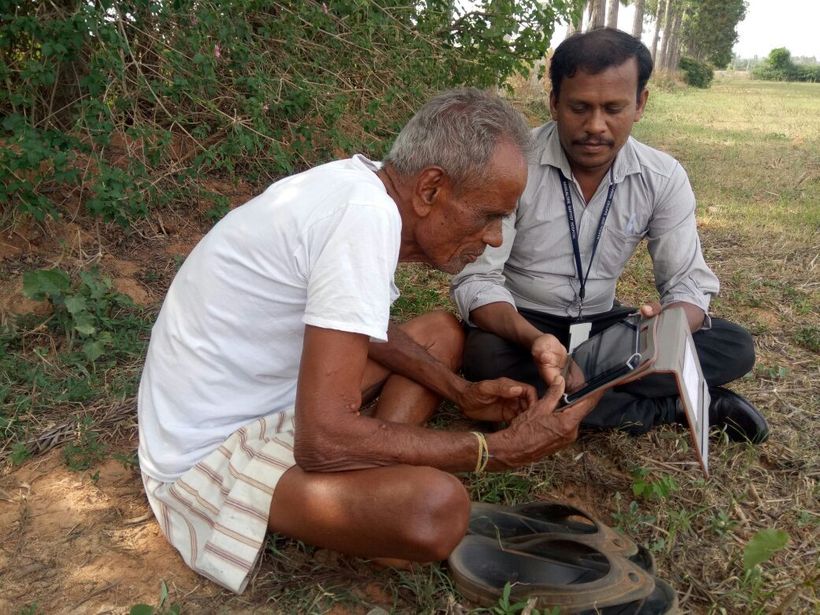
An interdisciplinary team of Baylor University researchers – from nursing and business information systems to art and video game design – and physicians from Bangalore Baptist Hospital in Bengaluru, India, were awarded a 21st Century Knowledge Initiative Grant from the U.S. India Education Foundation (USIEF) to develop a diabetes mobile health app to boost awareness and educate those in India who are most at risk for diabetes. The team is led by Shelby Garner, Ph.D., R.N., assistant professor in Baylor’s Louise Herrington School of Nursing, who has worked in India over the past six years to develop technological health resources. She cited statistics from the World Health Organization that show life expectancy in India is among the lowest in the South East Asian Region and is largely attributed to growing rates of non-communicable diseases, such as diabetes. Contextualized health education is one key to help raise awareness in the country, she said. “There is a need for culturally appropriate health education materials in India,” Garner said. “Our early research showed that technology, such as smartphones and internet accessibility, are widely available in India among health providers, but most technological educational resources were developed in the West and do not effectively translate to the Indian context.” Physicians from Bangalore Baptist Hospital will provide cultural context and help identify important medical content to be included in the app. “Our diabetes app will feature an interactive 3D animated video with gaming features to help educate patients at risk for diabetes,” Garner said. “Answers to questions addressed in the app include: What is diabetes? What happens if I have diabetes? How do I prevent and treat diabetes? What do I do now?” The app also serves as a data collection tool to help researchers determine if the video is improving participants’ knowledge on diabetes. Community health workers employed by Bangalore Baptist Hospital will use the app as they visit with people in rural villages and urban slums during door-to-door health education visits, Garner said. The research team will compare the app’s effectiveness with standard health educational resources previously used. Garner said the USIEF grant was awarded, in large part, due to the success of an earlier project that led to the development of a hypertension app. “Earlier this year, we tested the hypertension app among 346 people in one of the largest slums in Bengaluru, India, and in several rural villages surrounding Bengaluru,” she said. “The app was significantly effective in improving knowledge among participants. We used these results to justify the need to design more resources and applied for funding from the U.S. India Education Foundation.” From previous experience developing and employing the hypertension app, Garner said she knew this new project would require input from a variety of perspectives. “I’ve realized some of the ‘big picture’ challenges in health education, and it will take a team of experts to make this happen,” she said. Team members are: • Shelby Garner, Ph.D., R.N., assistant professor in Baylor’s Louise Herrington School of Nursing • Dr. Carol Elizabeth George, community health physician, Bangalore Baptist Hospital • Dr. Gift Norman, community health physician, Bangalore Baptist Hospital • Dr. Kingsly Victor, internal medicine physician, Bangalore Baptist Hospital • Hope Koch, Ph.D., associate professor of business information systems, Baylor’s Hankamer School of Business • Phil Young, Ph.D., assistant clinical professor of business information systems, Baylor’s Hankamer School of Business • Julia Hitchcock, M.F.A., associate professor of art, Baylor’s College of Arts & Sciences • Matthew Fendt, Ph.D., lecturer in computer science, Baylor’s School of Engineering and Computer Science The grant also will fund exchange teams of researchers and faculty from India to come to the U.S. and for Baylor team members to go to India to collaborate on the research for the next two years. The first team from India is due in late October. “We are really excited about the work we will do together with our Indian partners over the next two years,” Garner said. ABOUT BAYLOR UNIVERSITY Baylor University is a private Christian University and a nationally ranked research institution. The University provides a vibrant campus community for more than 17,000 students by blending interdisciplinary research with an international reputation for educational excellence and a faculty commitment to teaching and scholarship. Chartered in 1845 by the Republic of Texas through the efforts of Baptist pioneers, Baylor is the oldest continually operating University in Texas. Located in Waco, Baylor welcomes students from all 50 states and more than 80 countries to study a broad range of degrees among its 12 nationally recognized academic divisions. ABOUT LOUISE HERRINGTON SCHOOL OF NURSING The Baylor University Louise Herrington School of Nursing (LHSON) located in Dallas was established in 1909 as a diploma program within Baylor Hospital in Dallas, which is now Baylor University Medical Center, and in 1950 became one of the six degree-granting schools of Baylor University. The first Baccalaureate degrees were granted in 1950 establishing the school among the earliest baccalaureate nursing programs in the United States. In 1999, the School was renamed the Baylor University Louise Herrington School of Nursing after Louise Herrington Ornelas, a 1992 Baylor Alumna Honoris Causa, who made an endowment gift to the school. Accredited by the Commission on Collegiate Nursing, LHSON offers Bachelor of Science in Nursing (B.S.N.) degrees through a traditional program and FastBacc (one-year accelerated program). LHSON also offers an online Master of Science in Nursing (M.S.N.) Leadership and Innovation program, as well as Doctor of Nursing Practice (D.N.P.) programs to include Family Nurse Practitioner (F.N.P.), Nurse-Midwife (C.N.M.) and Neonatal Nurse Practitioner (N.N.P.). LHSON was featured in U.S. News & World Reportfor the 2018Best Graduate Schools ranking the D.N.P.program in the top 50 U.S.nursing schools at No. 46. The Baylor M.S.N.program is ranked at No. 56and the Nurse Midwifery Program ranked No. 10. Baylor’s M.S.N. in Nursing Leadership andInnovation Online Program ranked No. 39 in the 2018U.S. News Best Online Graduate Programs. For more information, www.baylor.edu/nursing.

In Georgia governor's race, women could cast deciding vote
With the 2018 midterm elections looming less than a month away, Georgia gubernatorial candidates Stacey Abrams and Brian Kemp are neck-and-neck according to the latest Atlanta Journal Constitution/Channel 2 poll. In an election year with record voter registration numbers in the Peach State—and amid allegations of voter suppression—women voters could cast the deciding vote. But for which side? To find the answer, says Dr. Mary-Kate Lizotte, associate professor of political science at Augusta University, look to the issues. “Women, in particular Republican and Independent women, differ from men of the same party on the issues of government spending on childcare, public schools, welfare, social security, and aiding the homeless,” Lizotte said. “Women typically favor increased spending on the issues.” Examining data from 1994 to 2008, Lizotte, an expert on gender differences relating to public opinion, found that women are also more liberal than men of the same party on the issues of gay rights, government-guaranteed standard of living, and on the provision of more government services. “For races where these issues have become salient, it might be the case that women would be more likely to be motivated to turn out to vote and to vote for candidates that have liberal positions on these issues,” she said. That could be excellent news for the Abrams campaign, which has emphasized public education funding. “Women in Georgia who believe in increasing public education funding should be more likely to vote for Abrams,” Lizotte said. “This may also be the case for several House races where the issue of tax reform and tax cuts has become salient.” The confirmation of Justice Brett Kavanaugh to the Supreme Court earlier this month could also sway election results, albeit in less clearly defined ways. Lizotte said the confirmation could either motivate conservative women voters to turn out or, alternatively, dissuade Republican women with Pro-Choice leanings from voting entirely. The expectation is a little more cut-and-dry for liberal women voters. “The Kavanaugh confirmation is just one more reason to expect an increase in voter turnout among liberal women,” she said. “The Women's March in 2017 and 2018 along with the increase in female interest in running for office all indicate that the Trump election and presidency had already galvanized liberal women voters.” Finally, Lizotte said, although white women are divided politically—with college-educated white women swaying Left and those without a college degree favoring the Right—there was no such division among African American women voters. “And as we've seen, African American women turnout at high rates and can influence elections like the Alabama Senate race,” she said. Dr. Lizotte is available to discuss: "Gender gaps" on various issues leading up to the 2018 midterm elections The role of women voters in State and National elections The perception of voters, in terms of public opinion, toward candidates in Georgia's gubernatorial election.


MEDIA RELEASE: CAA rolling out new predictive technology
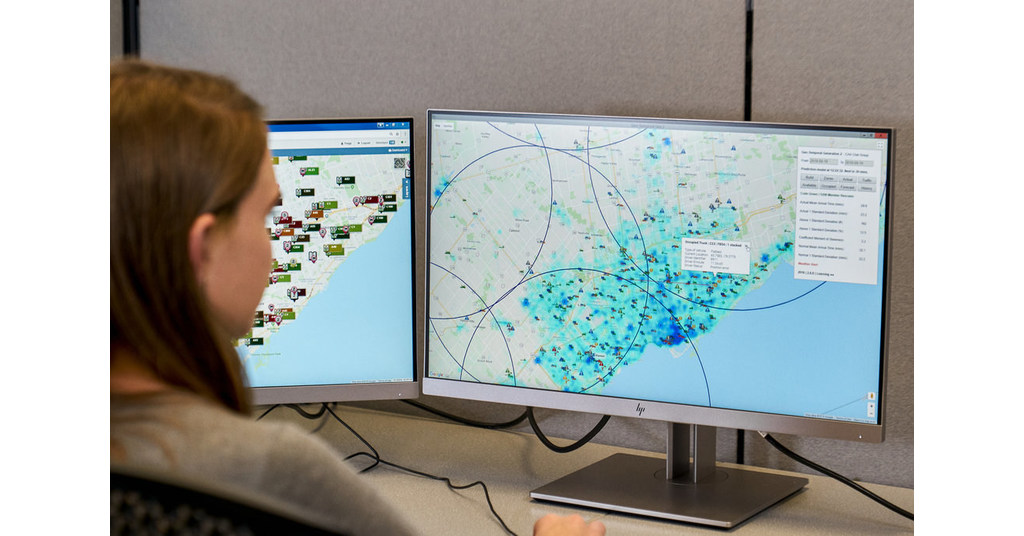
New predictive technology, created in-house at CAA South Central Ontario (CAA SCO) can now predict the likelihood of a roadside event occurring in a specific geographic area, and send a truck to that area before a breakdown occurs. CAA's new Gen 2 predictive technology gets the right truck, to the right place, at the right time. Gen 2 is a proprietary machine-learning algorithm that leverages data from 115 years of roadside assistance service. It layers on weather and humidity indicators, along with real-time traffic and GPS information to predict roadside needs. Gen 2 was developed in-house by CAA in late 2017 and piloted in the London area in January 2018. Initial results during the pilot period showed a promising reduction in the average time of arrival for roadside service vehicles. CAA SCO was able to rescue members an average of 11 minutes faster during the summer of 2018, when compared to the summer months of 2017. The service improvement is directly tied to the roll out of CAA's new predictive technology. The system learns over time, so CAA SCO expects average wait times will continue to improve. The technology has already garnered interest from roadside assistance clubs from around the world. CAA Gen 2 is currently being operationalized across CAA SCO's territory. Source:



It used to be a big deal – but has the once mighty blog gone bust?
In the days before Facebook … there were blogs. Blogs written by corporate leaders, academics, foodies, pundits and enthusiasts of every stripe. At one point, a blogger’s opinion could greenlight a film or sink a rising star. Blogs have massive influence. But those days are gone. Where blogs were once a salon for opinion and interest – the role that survived was usually as part of a larger institution’s communications strategy. It blended internal and external engagement – and it was effective. Until now, recently even Harvard acknowledged they were getting out of the blogging realm. But as blogs fade into the sunset – will the information, data and value be preserved? Should archives be created to maintain the history of these online conversations for future generations? Or, is it simply a delete and all that information is gone? Martha Burtis is the director of the digital knowledge center at the University of Mary Washington. An expert on this topic, she recently spoke with media regarding the winding down of blogs at Harvard. She is available to speak to media regarding this topic – simply click on her icon to arrange an interview. Source:


In recent years, several scholars have recommended that countries reduce their energy-related CO2 emissions by setting carbon intensity targets for their electricity generating plants. Other research suggests that countries could substantially cut their emissions simply by focusing on lowering the carbon emissions of the most extreme polluters. Using a unique international data source on power plants, researchers Don Grant (U. Colorado); Wesley Longhofer, assistant professor of organization and management; and Andrew Jorgenson (U. Utah) inform this issue by analyzing the distribution of CO2 emissions and intensities within the electricity sectors of 20 countries. They find that the dirtiest 5 percent of power plants are responsible for huge shares of their sectors’ total emissions, noting that “if these plants continued generating the same amount of electricity but met particular intensity targets, the world’s total electricity-based CO2 emissions could be reduced by as much as 44 percent.” Source:



Forecasting sales using financial stock market data
Firms use many kinds of data for forecasting future sales—one of the key activities in the management of a business—and combine various methods in order to utilize different types of information. A recent study by Nikolay Osadchiy, assistant professor of information systems and operations management; Vishal Gaur (Cornell); and Sridhar Seshadri (UT Austin) focuses on financial stock market data in developing a new methodology for firm-level sales forecasting, testing it against standard benchmarks such as forecasts from equity analysts and time-series methods. Applying their method to the forecast of total annual sales for US public retail firms, the researchers find their market-based approach achieves an average 15 percent reduction in forecasting error compared with more typical forecasting methods. Their model, they write, can also be applied to hedging operational risk with financial instruments. Source:
