
Experts Matter. Find Yours.
Connect for media, speaking, professional opportunities & more.

New report proves earning potential of EVs equipped with vehicle-to-grid technology
The University of Delaware, Exelon Corporation/Delmarva Power and collaborators have released a new report showing that electric vehicles equipped with vehicle-to-grid (V2G) technology can be profitable for private owners and businesses alike, with data from real electricity markets to back up the claims. The report is the outcome of a pilot program announced in 2024 by UD, and completed at the offices of Delmarva Power, which is part of Exelon Corporation, to confirm the value of V2G services to the grid. Among the key findings: the collaborators report that a V2G-enabled passenger electric vehicle (EV) could earn as much as $3,359 per year, based on 2021-2025 market prices, for storing and supplying energy to the electric grid during times of need, otherwise known as providing grid services. Heavier vehicles, such as fleet vehicles, delivery trucks or school buses, could earn over $9,000 per year, per vehicle. That’s a powerful income generator, given that privately owned vehicles are parked 96% of the time, on average, in the United States. Company fleet vehicles — even those operating 40 hours per week — remain stationary 75% of the average work week. The pilot, which included collaborators Ford Motor Company, the region’s electric grid operator PJM Interconnection, and aggregator Nuvve Corp., was tested using a small fleet of Delmarva Power EVs retrofitted with the bidirectional charging technology and a new advanced communications standard. The term “bidirectional charging” means that the V2G technology enables electric vehicle batteries to store extra energy from the electric grid when there is a surplus and to discharge that energy back to the grid when it is needed. In this way, V2G-enabled EVs can help the grid stay balanced, strengthening grid resilience and reliability, especially during peak demand and extreme weather events. New PJM rules allow properly certified EVs to provide this balancing and be paid for it — and the pilot proved they can meet these requirements and be paid for the service. For UD Professor Willett Kempton, who invented the V2G technology with colleagues at the University nearly 30 years ago, it’s a pivotal moment. “Whether it could scale cost-effectively was an open question, and we’ve proven that it can — with the right combination of policies, standards and technology,” said Kempton, professor of marine science and policy. For businesses such as Exelon, the report makes clear that V2G technology can help offset the cost of fleet electric vehicles while supporting the electric grid. This is because when the batteries in the parked fleet vehicles are aggregated together, they can function as a virtual power plant. The result is energy storage and supply that is available to the electric grid significantly faster than other conventional power resources, with virtually no wait times needed to power up or down. Unlocking a parked vehicle’s earning power Since Kempton and colleagues pioneered the innovative V2G technology, UD researchers have kept the charge going, accelerating progress on everything from V2G technology development to new automotive communication standards (called LIN-CP) for electric cars. They have advanced policy innovations at the state and federal level to overcome barriers in widespread adoption by enabling V2G technology to compete in electric markets, too. The recent pilot with Exelon/Delmarva Power and others also revealed that the EV batteries used for V2G remained fully functional after a full year of market operation — with no measured reduction in battery health — all while providing pollution-free power. “Something that might not be obvious to everyone is that these payments are not a subsidy; these EVs are earning money by competing with legacy generators, which is novel in a lot of ways,” said Kempton. “And when you’re participating in the market instead of a fuel-burning generator, you’re also reducing pollution.” This makes the technology both economically smart and functionally sound in a world where the electric grid is expected to include more renewables in the coming years. Kempton explained that most U.S. planned future electricity generation is scheduled to come from wind and solar. This will create greater fluctuation in the electric grid, which means more storage for energy surpluses will be needed. That’s where V2G can help, Kempton said. According to Brian Derr, senior analyst, Exelon Technology and R&D, insights from the pilot will inform future deployments and support the company’s broader strategy to enable the clean energy transition while maintaining reliable service for the communities it serves. “By leveraging existing assets in new ways, Exelon is positioning itself to build a more flexible, resilient and customer-focused energy system,” said Derr. Accelerating progress toward a V2G industry Next steps to expand the V2G industry to support the grid will require mass manufacturing to scale up the number of individual cars or fleets that are participating and earning money, Kempton said. Until now, changes to V2G-enabled vehicles have been done by retrofitting existing EVs to accommodate the V2G technology. Now with lower-cost standards and realistic market revenue values that can be expected, Kempton is looking at how this becomes adopted in many cars and many charging stations. “We’ll need at least a few car companies and charging station companies to mass produce this V2G equipment, and to deploy the technology into vehicles in the factory,” Kempton said. “If it is designed in, and mass produced, it’s incredibly cheap, especially when you compare it to the potential yearly revenue.” At UD, faculty and students continue to play a large role in the work aimed at bringing a fully functioning V2G industry to fruition. Kempton, Rodney McGee and recent graduates John Metz and Catherine Gilman, for example, are focused on policy changes and standards to allow V2G-enabled electric vehicles to provide grid services in more states. Such policies currently exist in Delaware and Maryland. Kempton would like to see this number grow. Meanwhile, UD postdoctoral researcher Garrett Ejzak and alumnus Go Charan Kilaru are focused on other aspects of the work. Ejzak is developing and testing these new EV technologies, and Kilaru is designing cryptography measures to ensure security protocols for V2G communications. Concurrently, UD students Colden Rother, Jude Borden, Lucia Paye-Layleh and Emmie Rossi are examining ways UD could electrify some of its campus fleets, under the advisement of UD’s Kimberly Oremus, associate professor of marine science and policy, economics, and public policy and administration. To arrange an interview with Kempton, visit his profile page below and click on the "contact" button. For interviews with officials from Exelon/Delmarva Power, contact Matt Ford, in Delmarva Power Communications, at 302-429-3060.


University of Delaware biomedical engineer helps develop first immune-capable cervix-on-a-chip
A major breakthrough in biomedical engineering is changing how scientists study sexually transmitted infections (STIs) – and a researcher from the University of Delaware is at the forefront. Published in Science Advances, the study introduces the first immune-capable “cervix-on-a-chip,” a cutting-edge microphysiological system that replicates the human cervical environment. The platform allows researchers to observe how infections, the immune system and the vaginal microbiome interact in real time – something not previously possible with traditional lab models. Co-lead author Jason Gleghorn, associate professor in the College of Engineering, led the development of the model. His work highlights how engineering-driven approaches are advancing critical research in women’s health. By integrating engineering with biology, we can now simulate complex human systems more accurately and make these tools accessible to a wider range of researchers, Gleghorn said. The model recreates key features of the cervix using human cells, immune components and naturally occurring microbiomes within a dynamic system that mimics physiological conditions. When tested with infections such as chlamydia and gonorrhea, the platform revealed how protective bacteria can reduce infection risk – while imbalanced microbiomes can worsen outcomes. These findings could help accelerate the development of new therapies, including probiotics and other preventative strategies aimed at strengthening the body’s natural defenses. The research underscores the growing impact of the College of Engineering, where interdisciplinary collaboration is driving innovation across biomedical engineering and beyond. By combining expertise in engineering, microbiology and immunology, the team has created a powerful new tool that could reshape how STIs – and other complex diseases – are studied. To speak with Gleghorn further about this advancement, email mediarelations@udel.edu.
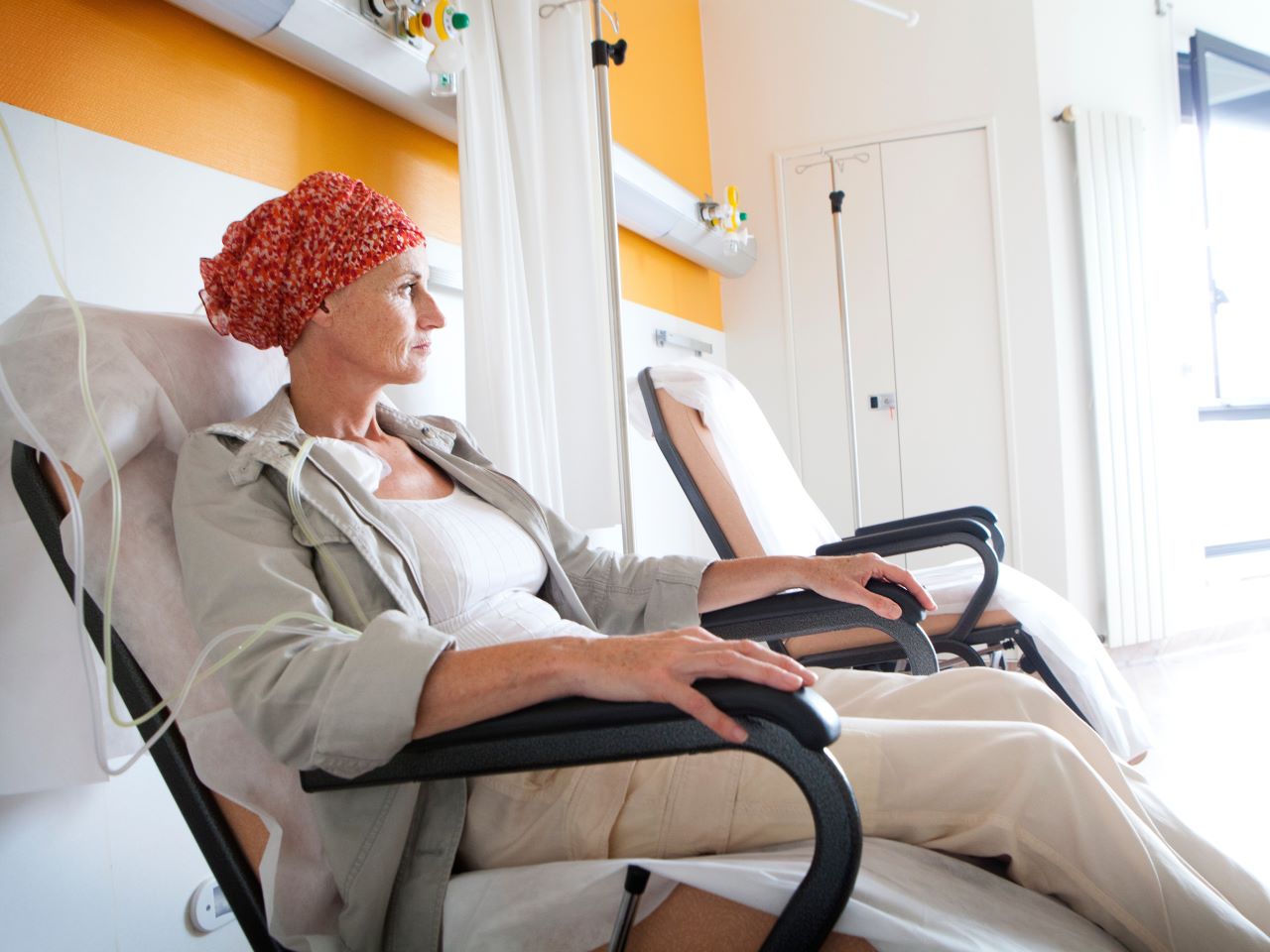
Ninety-three percent of patients with a new cancer diagnosis were exposed to at least one type of misinformation about cancer treatments, a UF Health Cancer Center study has found. Most patients encountered the misinformation — defined as unproven or disproven cancer treatments and myths or misconceptions — even when they weren’t looking for it. The findings have major implications for cancer treatment decision-making. Specifically, doctors should assume the patient has seen or heard misinformation. “Clinicians should assume when their patients are coming to them for a treatment discussion that they have been exposed to different types of information about cancer treatment, whether or not they went online and looked it up themselves,” said senior author Carma Bylund, Ph.D., a professor and associate chair of education in the UF Department of Health Outcomes and Biomedical Informatics. “One way or another, people are being exposed to a lot of misinformation.” Working with oncologists, Bylund and study first author Naomi Parker, Ph.D., an assistant scientist in the UF Department of Health Outcomes and Biomedical Informatics, are piloting an “information prescription” to steer patients to sources of evidence-based information like the American Cancer Society. The study paves the way for other similar strategies. Most notably, the study found the most common way patients were exposed to misinformation was second hand. “Your algorithms pick up on your diagnosis, your friends and family pick up on it, and then you’re on Facebook and you become exposed to this media,” Parker said. “You’re not necessarily seeking out if vitamin C may be a cure for cancer, but you start being fed that content.” And no, vitamin C does not cure cancer. Health misinformation can prevent people from getting treatment that has evidence behind it, negatively affect relationships between patients and physicians, and increase the risk of death, research has shown. People with cancer are particularly vulnerable to misinformation because of the anxiety and fear that comes with a serious diagnosis, not to mention the overwhelming amount of new information they have to suddenly absorb. While past research has studied misinformation by going directly to the source — for instance, studying what percentage of content on a platform like TikTok is nonsense — little research has looked at its prevalence or how it affects people. The team first developed a way to identify the percentage of cancer patients exposed to misinformation. UF researchers collaborated with Skyler Johnson, M.D., at Huntsman Cancer Institute, an internationally known researcher in the field. The survey questions were based on five categories of unproven or disproven cancer treatments — vitamins and minerals, herbs and supplements, special diets, mind-body interventions and miscellaneous treatments — and treatment misconceptions. The myths and misconceptions were adapted from National Cancer Institute materials and included statements like “Will eating sugar make my cancer worse?” The team surveyed 110 UF Health patients diagnosed with prostate, breast, colorectal or lung cancer within the past six months, a time when patients typically make initial treatment decisions. Most had heard of a potential cancer treatment beyond the standard of care, and most reported they had heard of at least one myth or misconception. The most common sources were close friends or family and websites, distant friends/associates or relatives, social media and news media. The findings mark a shift in misinformation research, with major implications for the doctor-patient relationship, said Bylund, a member of the Cancer Control and Population Sciences research program at the UF Health Cancer Center. “I still think media and the internet are the source and why misinformation can spread so rapidly, but it might come to a cancer patient interpersonally, from family or friends,” she said. Most patients rarely discussed the potential cancer treatments they had heard about with an oncologist, the study also found. Next, the researchers plan to survey a wider pool of patients, then study the outcomes of interventions designed to decrease misinformation exposure, like the information prescription.



When the Cheque Stops Coming: Canada Post, Seniors, and the Quiet Cost of Modernization
There’s an old line that has saved more awkward conversations than most of us care to admit: “The cheque is in the mail.” It has been used to buy time, soften bad news, and occasionally stretch the definition of truth. But it worked because, deep down, everyone believed the premise. The mail would come. Eventually. Reliably. Without negotiation. That quiet assumption carried a surprising amount of weight — especially for the 79-year-old navigating an icy driveway. Now, it seems, even that assumption is up for review. I understand the economic argument. Big Losses: The official Canada Post 2024 Annual Report shows they have racked up $3.8 billion in losses since 2018. Lower Letter Volumes: The shift to email has hit Canada Post hard. Letter volumes have dropped dramatically. Less in the mailbag equals far less revenue to offset costs. Increasing Costs Factors: The number of Canadian addresses continues to grow. The math is not subtle, and change is clearly required. But this deserves more attention. Modernization is not the problem. Thoughtless modernization is. Cuts to Canada Post Service May Not Land Equally Not all Canadians experience change the same way, and this particular shift will land unevenly if proper consultation isn't done. We're getting older: According to Statistics Canada, nearly one in five Canadians is now over the age of 65, and that proportion continues to rise. A meaningful share of those older Canadians also live outside major urban centers. We're spread out geographically: Depending on how you measure it, we're also far apart compared to most other countries. According to the Public Health Agency of Canada & the Vanier Institute of the Family, roughly one-quarter to one-third of seniors live in rural or small communities, where services are more dispersed, and distances are longer. Rural Canada is also aging faster than urban Canada. In other words, the places most likely to lose convenient access are often the places with the highest concentration of people who rely on it. This is not a niche issue. It is a structural one. The Real Issue Isn’t the Mailbox. It’s the Journey. Policy discussions tend to reduce this to a simple question of location. Move the mailbox, problem solved. But the issue is not where the mailbox is. The issue is whether someone can get to it safely, consistently, and without turning a routine task into a risk calculation. I am thinking of a client. She is 79, sharp, organized, and fully in charge of her life. Her bills are paid on time, her paperwork is immaculate, and she has no interest in becoming dependent on anyone. In the summer, she walks daily without a second thought. In the winter, she studies the ground before every step. Ice changes everything. A short walk becomes a decision. A slightly longer one becomes a concern. For her, a community mailbox is not a mild inconvenience. It is a variable she now has to manage. That is the difference between designing for the ideal user and designing for the real one. Mail Still Matters More Than We Pretend There is a quiet assumption that everything important has already moved online. That assumption works well for people who are comfortable navigating digital systems. It does not work for everyone. For many seniors, mail remains the backbone of how they manage their lives. Pension statements, government notices, insurance documents, tax slips, prescription information, and replacement banking cards still arrive in envelopes, not inboxes. And yes, occasionally, an actual cheque. The phrase “the cheque is in the mail” may be fading, but the need behind it has not disappeared. For some Canadians, that envelope still represents income, security, and peace of mind. Digital systems are efficient when they work. When they do not, they can be frustrating and, at times, risky. One expired password or one convincing phishing email can turn a simple task into an afternoon of confusion. It is easy to underestimate the value of paper systems when you no longer rely on them. It is harder to replace them when you still do. Efficiency Has a Way of Moving Downward There is a pattern in modern service design worth naming. Call it effort laundering: the practice of shifting work from institutions to individuals in the name of efficiency. We see it in banking, where branches quietly disappear. We see it in healthcare systems that assume patients are comfortable online. We see it in customer service models built around apps and automated menus. And now we may see it in mail delivery. Where the service moves from your front door to a location you must reach yourself. For many Canadians, this is manageable. For others, it is not. When the burden of efficiency lands on those least able to absorb it, the system may be efficient on paper but inequitable in practice. If Change Is Necessary, It Should Be Smarter I understand that change is necessary. The cost differences between door-to-door delivery and centralized delivery are real, and the financial pressures on Canada Post are not going away. But the choice is not between doing nothing and eliminating access. There is a middle path, and other countries have already explored it. In Norway, proposed postal reforms included reducing delivery frequency to once per week. Following public consultation, the government stepped back earlier this year from that plan and maintained more frequent delivery, recognizing the impact on certain populations (Norwegian Ministry of Transport, 2026). In the United Kingdom, the regulator Ofcom has examined reducing delivery to 5 or even 3 days per week as a way to manage costs while preserving universal service (Ofcom, 2025). Research from Sweden and New Zealand shows that older adults rely more heavily on traditional mail systems than the general population, particularly for official and financial communication (Crew & Kleindorfer, 2012; New Zealand Ministry of Business, Innovation and Employment, 2021). These examples point to a practical conclusion. Reducing frequency can achieve savings without removing access. Eliminating access altogether is a different decision with different consequences. Canada Is Not Denmark Denmark has gone further than most, effectively ending traditional letter delivery after a dramatic decline in mail volumes of roughly 90 percent since 2000. The move is often cited as a model of modernization. It should be considered with caution. Denmark operates within a context of high digital adoption, a compact geography, and milder weather conditions. Notably, Canada’s digital divide among seniors is more pronounced than Denmark’s, meaning the proportion of older Canadians who cannot easily go online is higher to begin with. Even so, a significant number of Danish residents have been classified as "digitally exempt" and continue to rely on alternative arrangements to receive essential communications (PostNord, 2025). Canada is not Denmark. Our geography is larger, our winters are harsher, and our population is more dispersed. Also, we play better hockey. If Home Delivery Changes, People Will Adapt Canadians are remarkably adaptable, and seniors are often the most resourceful of all. If home delivery is reduced, practical solutions will emerge. Neighbours will organize. Families will build mail pickup into regular visits, turning a logistical task into a reason to connect. Some seniors will finally set up paperless billing, one account at a time. These are workable adjustments. But they should be supported by thoughtful policy, not forced by avoidable design choices. The Problem With Accommodation Accommodation programs will likely exist, but their effectiveness depends on how easy they are to access. Systems that require people to search, apply, document their needs, and follow up repeatedly tend to favour those with the time and persistence to navigate them. The seniors who most need support are often the least inclined to engage in that process. The real test is not whether accommodation exists. It is whether it is simple, visible, and available before a problem becomes a crisis. This Is About More Than Mail At its core, this debate is not really about mail. It is about independence. It is about whether people can continue to manage their own lives without unnecessary friction. It is about whether public systems are designed for real users rather than ideal ones. The ideal user is mobile, tech-savvy, and well-supported. The real user may be older, living alone, and quietly determined to remain independent. That determination deserves to be supported, not complicated. Modernization, With a Memory Home delivery is not just a legacy feature. For many seniors, it remains a small but meaningful part of how life stays organized and manageable. When that support disappears, the burden does not disappear with it. It shifts to individuals, to families, and to systems that will eventually feel the impact. If the greatest disruption falls on those least able to absorb it, the design needs a second look. And About That Cheque... We may be moving toward a world where fewer things arrive by mail. That is probably inevitable. But before we retire the idea entirely, it is worth remembering why that old line worked in the first place. “The cheque is in the mail” was believable because the system behind it was dependable. It showed up. It connected people. It did its job quietly and consistently. Modernization should aim for the same thing. Not nostalgia. Not resistance to change. Just reliability that works for everyone. Because if the day comes when the cheque is no longer in the mail, we should at least be able to say that whatever replaces it works just as well for the people who need it most. Ideally, without requiring ice cleats, a flashlight, and a willingness to sign a waiver. Sue Don’t Retire…ReWire! My Book is Now Available for Pre-Order I hope you will consider pre-ordering a copy of Your Retirement Reset for you, a friend or loved one. It's available September 8, 2026 - You can now order on the ECW Press site here. And if you love supporting Canadian booksellers, please also check with your local independent bookstore. Most can easily order it for you.


April 1st is the one day we all expect to be fooled. Scammers are counting on the other 364
Breaking News: Free Cruise for All Retirees! Congratulations!!! If you are reading this, you have just been chosen for a luxury Caribbean cruise, a $5,000 shopping spree, and a lifetime supply of… well, something vaguely exciting. All you need to do is: Click this link, enter your banking info, confirm your SIN, and maybe your childhood pet's name for good measure. Still reading? Good. Because if that opening gave you even the tiniest thrill, the little flutter of wait, really? You've just experienced exactly what scammers are counting on. APRIL FOOL'S!!! And also: welcome to the world of phishing. Population: way too many of us. Phishing vs. Fishing: A Retirement Skill You Didn't Know You Needed There are two kinds of fishing in retirement. One involves a dock, a thermos of good coffee, and no deadlines at all. The fish might or might not cooperate. That's fine. That's the whole point. The other scenario involves someone trying to steal your identity by congratulating you on a cruise you never booked, a prize you never won, and a windfall that demands your banking details, your SIN, and, just for fun, the name of your first pet. (Buttons. It's always Buttons.) Let's make sure you're fluent in the first kind and bulletproof against the second. Fraud Doesn't Just Happen to Fools Here's something important to say aloud before we proceed. Fraud isn't caused by people being careless, gullible, or old. It is orchestrated by professionals whose full-time job is to manipulate human behaviour under pressure. There is a clear difference between these two, and how we discuss fraud influences whether victims come forward or stay silent out of shame. This issue is more significant than most realize. Canadians lost over $638 million to fraud in 2024, an increase from $578 million the previous year, according to the Canadian Anti-Fraud Centre. However, that figure only tells part of the story. The CAFC estimates that just 5 to 10 percent of total fraud losses are ever reported. Think about that for a moment. The number we see is already staggering, and the real total is almost certainly ten times higher. Seniors make up a disproportionate share of those losses, especially in investment fraud, romance scams, and the grandparent scam. But here's the part the statistics don't show: fraud is improving at its craft. These aren't the poorly written emails of 2005. Today's scams are refined, patient, and psychologically targeted. They're designed to create urgency, confusion, and fear — aiming to override careful thinking precisely when it's needed most. So let's talk about what that actually looks like. A Very Personal Fraud Story That Will Stay With You A family reached out to me recently, after reading one of my earlier posts on fraud and seniors. Their father had been the victim of a prolonged scam, one that unfolded over months and caused significant financial damage. They only found out after he passed away. Three things about this story stopped me cold. First, their father kept meticulous records. He journaled every interaction, every step, every decision. There was essentially a play-by-play account of how he became entangled and how difficult it became to find a way out. Second, he was an intensely private person. Not a single family member knew any of it was happening while it was happening. Third, he was a chartered professional accountant. Decades of financial training, discipline, and experience. Someone who understood numbers, risk, and how money moves better than most people ever will. And still. Under the right conditions, with the right psychological pressure applied at the right moments, he was drawn in. That is not a story about a foolish man. That is a story about how sophisticated fraud has become. And it is a story that is playing out in living rooms and email inboxes across this country every single day. Why Seniors Are Targeted (And It's Not What You Think) Scammers don't just go after older adults because they think we're naive. They go after us because we have assets. Savings. Home equity. Good credit. Pension income that actually shows up every month. We're not easy targets; we're valuable ones. They also go after us because retirement can come with conditions that fraud is specifically designed to exploit: financial anxiety about making savings last, changes in how we process decisions under pressure, and, for many, reduced opportunities to run something by a trusted person before acting. Social isolation is not a character flaw. It is a vulnerability, and the people running these operations know exactly how to use it. The Scams You Actually Need to Know About The Grandparent Scam. You get a call. It's your grandchild. They're in trouble, arrested, in an accident, stranded, and they need money right now. Please don't tell Mom and Dad. The caller may not even sound exactly right, but panic has a way of filling in the gaps. Sometimes a fake lawyer or police officer jumps on the line to add credibility. The script is designed to bypass your rational brain and go straight for your heart. If this ever happens: hang up. Call your grandchild directly on a number you already have. Every time. The CRA Impersonation Call. This one is especially popular at tax time. An official-sounding voice informs you that you owe back taxes and if you don't pay immediately via e-transfer or gift cards, a warrant will be issued for your arrest. The Canada Revenue Agency does not call you out of the blue demanding gift cards. Full stop. If you're ever unsure, hang up and call the CRA directly as 1-800-959-8281. The Romance Scam. Someone finds you online, charming, attentive, almost too good to be true. Weeks or months in, a crisis emerges. Could you help, just this once? These scams are emotionally brutal and financially devastating. If an online relationship moves unusually fast and a financial request follows, that's not love. That's a script. The Investment Opportunity. Guaranteed returns. Exclusive access. Limited time. These words belong together the way "healthy" and "deep-fried" don't. Legitimate investments don't come with countdown clocks. Phishing Emails and Texts. These mimic your bank, Canada Post, Service Canada, Amazon, and anything you'd recognize. They look almost right. The email address is a little off. The link goes somewhere slightly wrong. They want you to click, to enter information, to act now before something bad happens. The urgency is the tell. No Shame. Seriously. None. If this has happened to you, or someone you love, please hear this: falling for a scam does not mean you are getting old, losing it, or slipping cognitively. It means you are human and were placed under carefully engineered psychological pressure by someone who practices this for a living. That is it. The end. And if you need a reminder that this crosses every age and profession, consider the case of a retired district court judge who lost the equivalent of over $100,000 to a digital arrest scam. Fraudsters called claiming his phone number was linked to a trafficking investigation. Despite decades on the bench watching deception unfold in real time, fear and intimidation did what all that professional knowledge could not protect against. A judge. Still got hooked. That is what these scams do when they are built well. (Source: Devdiscourse) RCMP Sergeant Guy Paul Larocque of the Canadian Anti-Fraud Centre puts it plainly: "Fraudsters are professional salespeople who work a target until they close the deal and get their money." That framing matters. You would not blame yourself for being sold something by a skilled salesperson operating under false pretenses. This is no different. The embarrassment is real and completely understandable. However, it does not fairly reflect what occurred. The CAFC has pointed out that many individuals feel ashamed of being victims of fraud and hesitate to report it, but every report helps break up fraud schemes and protect others. Reporting to the Royal Canadian Mounted Police is not a sign of failure; it is a vital way to safeguard the next person. A Word to Family Members re: Fraud: Drop It Like It's Hot If someone you care about has been scammed, put down whatever you are holding, take a breath, and read this carefully. Do not scold them. Do not lecture them. Do not "grandsplain" them into the ground. Grandsplaining, for the uninitiated, is mansplaining for the aged, and it is just as unwelcome. Nobody needs a slow, patient, thoroughly detailed breakdown of everything they should have done differently while they sit there wishing the floor would open up and swallow them whole. They already know. They feel terrible. They have probably been replaying every moment of it since it happened, asking themselves how they missed it, why they trusted it, and what they were thinking. What they do not need is you asking those same questions out loud. Your role at this moment isn't to be the smartest person in the room. It's not to claim you would never have fallen for something like this. And it's certainly not to start a sentence with "well, I always said you should..." because if you finish that sentence, you're on your own. Your job is to be kind. Full stop. Help them contact the bank. Sit with them while they file the report. Make the tea. Handle the phone call they are too rattled to make. Be the calm in the room. That is what love looks like in a crisis, and this is a crisis. Now here is the part where the tables turn, so pay attention. Scammers are not ageist. They are not sitting in a room somewhere saying, "Let's only go after the over-65s today." They go after anyone with money, a phone, and a moment of distraction. Which means they go after everyone. Your inbox is not immune. Your judgment under pressure is not immune. Your "I would never fall for that" confidence is, frankly, exactly the kind of thing scammers count on. Fraud can happen to anyone, and sharing your experience with others, whether or not money was lost, can help prevent them from being victimized by the same or a similar fraud. Nobody is too sharp, too young, or too digitally savvy to be targeted. The call is coming for all of us eventually. So when it comes for you, and you call your mother in a panic, wouldn't you rather she answer with warmth instead of a very long "I told you so"? Be nice to her now. Consider it an investment. One day, she might be the one sitting you down for "the talk." And at that point, the only appropriate response is to make the tea and keep your opinions to yourself. What the Experts Say: Practical Tips to Stop Fraud In my book "Your Retirement Reset" (ECW Press: Now available for Pre-Order here), I cover the topic of fraud and scams." I wanted to address this issue in depth because fraud prevention is not a footnote in retirement planning. It belongs front and center. Here is an excerpt of Chapter 9 of the book: "Remember the old saying, 'Nothing ever comes free'? While it is hard for many seasoned Canadians not to trust a caller, unfortunately, that's the way of the world today. Here are some tips for protecting yourself. Be skeptical. Be wary of unsolicited phone calls, emails, or messages, especially those asking for personal information or money. Don't take their word for it. Ask the person for their details. If they say they are calling from your bank, get their name and branch number and call your bank for verification. If the message is in an email, contact the institution identified in the email. Do not respond right away, ever. Don't share personal information. Never share personal, financial, or health information with unknown individuals or organizations. Consult trusted individuals. Discuss suspicious offers or communications with family members, friends, or trusted advisors. This is especially important if you are asked to donate to a charity or make any kind of financial investment. Use technology wisely. Install antivirus software, create strong passwords, and stay alert to phishing tactics such as harmful links in texts or emails. Use the block feature on your phone to cut off repeat callers you suspect are fraud artists. Work closely with your financial institution. Ask your bank to send alerts for any unusual activity on your account. Review your statements every month and report unauthorized transactions immediately. Report suspicious activity. If you suspect a scam has targeted you, contact the police. Stay informed. Keep up to date on prevalent scams aimed at older adults. A quick Google search on any unsolicited information request can often tell you whether it has already been flagged. These scams are frequently reported to authorities and featured in the media and on consumer advocacy websites." How to Stay Off the Hook When It Comes to Fraud A little friction can be helpful. Scammers depend on speed, on you reacting before you think. The best thing you can do is slow down. Avoid clicking links in unexpected messages; instead, go directly to the company's website by typing it yourself. Call back on a number you find independently, not one provided in the suspicious message. Check email addresses carefully, as a transposed letter can sometimes be all it takes. Keep your devices updated, since those updates fix real vulnerabilities. Discuss these topics openly. With your kids, friends, book club, or the person behind you in the coffee line. Scams flourish in silence and shame. Talking honestly is one of our strongest protections. In retirement, urgency belongs in spin class. Not your inbox. What to Do If You Took the Bait No judgment here. These scams are truly sophisticated. Smart, experienced, financially educated people fall for them, as we've just established. If you think you've been scammed, stop engaging immediately, change your passwords, contact your bank to flag or freeze your account, run a security scan on your device, and report it to the Canadian Anti-Fraud Centre at 1-888-495-8501. Reporting matters even if you cannot recover the money. It protects the next person in line. Think of it as cutting the line before the fish swims off with your whole tackle box. 3 Things Worth Setting Up This Week to Protect Yourself from Fraud These take 20 minutes and quietly protect you around the clock. Two-factor authentication (2FA) adds a second verification step. It's usually a text code. And it helps ensure that a stolen password alone won't give access to your accounts. Credit Card controls allow you to lock and unlock your debit or credit card instantly through your bank's app, so if something seems suspicious, you can freeze it within seconds. Real-time alerts enable you to set notifications for any transaction over a threshold you specify, so if someone is spending your money, you are informed immediately, rather than finding out at the end of the month when the damage is already done. Don't Get Hooked by Fraud. Retirement should be about freedom. The freedom to fish from a proper dock, travel somewhere warm, and spend your money on things that truly bring you happiness. It's not meant to involve fake urgency, suspicious links, or people who want your SIN and the name of your childhood cat. We Need to Do More to Protect Seniors The fraud prevention system in this country, to be frank, hasn't kept pace with the rise of fraud itself. That gap is real, it's growing, and it needs more attention than it currently gets. Meanwhile, the best we can do is stay informed, keep in touch with trusted people, and not let embarrassment prevent us from seeking help or reporting what happened. You worked hard for what you have. You deserve to enjoy it without looking over your shoulder. So enjoy the lake. Take the cruise — a real one that you booked yourself. Spend wisely, live well, and protect what's yours. And if anyone ever tells you that you've won something you never entered? Smile. Wish them a Happy April Fool's. Then hang up. Have a scam story, a close call, or thoughts on what fraud prevention is getting right or getting wrong? I would love to hear from you. Drop it in the comments or send me a note. This is exactly the kind of conversation we should all be having, and the more real experiences we share, the better equipped we all are to protect each other. Sue Don't Retire…ReWire! My Book is Now Available for Pre-Order If this message speaks to you, or to someone you love, I hope you will pre-order a copy of Your Retirement Reset. Available September 8, 2026. Here's the link. And if you love supporting Canadian booksellers, please also check with your local independent bookstore. Most can easily order it for you.

Fewer Parents are Reading to Their Kids—and Why It Matters
A dramatic decline in reading for pleasure in the United States has fewer American parents reading aloud to their children — and experts warn the consequences can be dire. “It builds connections,” Carol Anne St. George, an expert in early literacy at the University of Rochester’s Warner School of Education and Human Development, recently told The74 for an article citing a 41-percent decline in parents reading to children daily. “People talk about text to text, text to world,” St. George said, “and those are the kinds of things that help children cognitively think and classify their world around them.” Many young parents grew up in an education system focused on reading as a means to testing and building skills rather than enjoyment. As a result, St. George worries, they often view reading to their young as an obligation rather than a joy and a time to bond. Experts say an increased reliance on screens and digital content and time pressures and competing demands on families have also fueled the decline. St. George notes that children benefit greatly from being read to regularly. The advantages of early literacy include: • Having a more robust vocabulary and stronger communications skills. • Being better prepared to learn in school. • Having a closer relationship with their parents. • Higher academic achievement and better health outcomes later in life. What Parents Can Do St. George advises parents to: • Let children choose books they enjoy. • Make reading part of a daily routine and that bedtime is ideal. • Focus on fun and connection. • Model good reading behavior because children mimic what they see. St. George is available for media interviews and can be reached by contacting Theresa Danylak, the director of communications at the Warner School, at tdanylak@warner.rochester.edu.


UF researchers aim to improve nutrition for cancer patients
A new study and first-of-its-kind food pharmacy at UF aim to help patients with cancer access and eat nutritious foods, giving them the best possible shot at a healthy future. As many as a third of cancer patients face food challenges, particularly in rural areas. Good nutrition can improve outcomes during and after treatment. With a grant from the Florida Department of Health, a team of researchers at the University of Florida Health Cancer Center and Sylvester Comprehensive Cancer Center will first assess the community’s nutritional needs. Then they’ll test the usefulness of a food-focused digital tool designed to connect patients to helpful resources. An on-site food pharmacy will help patients not only get the food they need to thrive but also provide tools for lasting change. “We’re taking a community-based approach to holistic cancer care,” said Dejana Braithwaite, Ph.D., associate director for population sciences at the UF Health Cancer Center. “Patients consistently express that nutrition is an important issue for them during cancer treatment. We want to address nutritional needs from treatment through survivorship with a sustainable intervention. ASCENT brings science and community together to make that a reality in Florida.” Braithwaite, a professor and division chief in the UF Department of Surgery, is leading the multi-institution study with Tracy Crane, Ph.D., R.D.N., director of lifestyle medicine, prevention and digital health and co-lead of the Cancer Control Program at Sylvester, part of the University of Miami Health System. Researchers from the UF colleges of Journalism, Medicine, and Public Health and Health Professions and UF/IFAS Extension are participating. The Florida Partnership for Adding Social Context to Address Cancer Survivorship Outcomes study, which the researchers have nicknamed ASCENT, will focus on those affected by the most prevalent cancers in Florida, including breast, lung, colorectal, prostate and blood cancers. “Cancer survivors who follow a healthy dietary pattern have a lower risk of recurrence and death,” said Cora Best, Ph.D., R.D.N., an assistant professor of nutritional sciences in the UF College of Agricultural and Life Sciences and study team member. “Some cancer therapies have long-term or late side effects that increase the risk for chronic conditions, like osteoporosis, which can be alleviated with good nutrition. That means a healthy diet during and after oncologic treatment can enhance lifespan and quality of life.” Researchers will start by conducting interviews with patients, providers and community-based organizations. They want to understand how to best use resources to meet the nutritional needs of those with cancer, such as food security and diet quality. “Community outreach and engagement with various groups is a cornerstone of the study,” said Francis Dalisay, Ph.D., an associate professor in the UF College of Journalism and Communications who helped develop the interview guides. The team will use the information to build a diet intervention with online surveys and patient navigator support, which they will test in a randomized clinical study at UF Health and Sylvester. Patient navigators will connect patients with resources like community programs or specialist referrals. The food pharmacy, located at the UF Clinical and Translational Sciences Metabolic Kitchen, will help cancer patients get healthy, whole nutrient-dense foods like high-protein items, fruits, vegetables and pantry staples. It will also provide workshops, personalized recipes and meal plans. Although the United States is a wealthy nation, food insecurity remains common, including in Florida, Best said. “The ASCENT study pairs evidence-based dietary guidance for cancer survivors with innovative strategies to overcome barriers like food insecurity,” she said. Ultimately, the study aims to empower patients so they can address lifestyle factors in their control, boosting their well-being. “I am hopeful this study will provide patients with appropriate resources to improve their overall nutrition, especially those who are malnourished,” said Paul Crispen, M.D., the Cancer Center’s associate director for clinical research and a study adviser.

As April marks Autism Acceptance Month, journalists looking to move beyond awareness and into meaningful storytelling have access to a diverse group of experts from the University of Delaware. From innovative health technologies to classroom strategies, mental health support and adulthood transitions, these scholars offer fresh, research-backed perspectives on what it means to support autistic individuals across the lifespan — and why the conversation is evolving. Reimagining Health Through Technology and Inclusion Daehyoung “DH” Lee Assistant Professor Dr. Lee is exploring how technology can close health gaps for individuals with intellectual and developmental disabilities. His work focuses on mobile health apps and wearable devices — including a gamified intervention designed to improve physical, mental and cognitive health outcomes. Story angles: How gamification and wearable tech are transforming health outcomes for autistic individuals The future of inclusive digital health tools Addressing disparities in physical activity and wellness Why Motor Skills Matter in Autism Anjana Bhat Professor A leading researcher on motor development in autistic children, Dr. Bhat has spent years advancing understanding of how motor challenges impact daily life. She was recently named a Catherine Worthingham Fellow for her contributions to the field and for elevating the role of physical therapy in autism care. Story angles: The overlooked link between motor skills and autism Why physical therapy should be part of early intervention New research reshaping how clinicians and families approach care Centering Lived Experience in Education and Development Sarah Curtiss Assistant Professor Dr. Curtiss examines how to build programs that truly support autistic youth by grounding them in lived experience. Her work spans social development, sexuality education, family dynamics and the transition to adulthood — always with a focus on resilience and real-world context. Story angles: Rethinking how schools support autistic students beyond academics Conversations around sexuality education and autism What successful transitions to adulthood really require Preparing Educators for Complex Needs Sarah Mallory Assistant Professor With expertise spanning the School of Education and the Center for Disabilities Studies, Dr. Mallory focuses on preparing educators to work with students who have significant behavioral and academic needs. Her work also includes empowering individuals with developmental disabilities to make self-protective decisions and navigate complex social situations. Story angles: Supporting students with intensive needs in today’s classrooms Teaching self-advocacy and safety skills Training the next generation of special education professionals Mental Health and Systems-Level Support Alisha Fletcher Director, Delaware Network for Excellence in Autism A licensed clinical social worker with more than 20 years of experience, Fletcher leads efforts to support professionals and families across Delaware. Through training and technical assistance, she addresses the mental health and service needs of autistic individuals across settings. Story angles: The growing demand for autism-informed mental health care Supporting families navigating complex service systems Building statewide networks that improve outcomes Why This Matters Now As acceptance grows, so does the need for deeper, more nuanced coverage. Autism is not a single story — it intersects with health care, education, technology, family life and public policy. These experts can help audiences better understand those intersections and highlight solutions that are already making a difference. To contact any of these experts, please email MediaRelations@UDel.Edu.

Study: Many pregnant women uncertain of marijuana risks even as use increases
Many pregnant women are unsure if it’s safe to use marijuana or products containing cannabidiol, an active compound in marijuana, even as they increasingly turn to them to combat morning sickness, anxiety or insomnia, a recent University of Florida Health study shows. The American College of Obstetricians and Gynecologists advises against the use of marijuana and cannabidiol, or CBD, during pregnancy. Marijuana use has been associated in some studies with adverse fetal neurodevelopmental outcomes. Evidence of cannabidiol safety is sparse in human studies, but researchers remain concerned that it might nonetheless pose a danger. CBD is not intoxicating. The UF Health researchers said their study shows a need for the medical community to better educate women about the potential hazards to the fetus from using marijuana, also called cannabis. One worry is that some people believe the spreading legalization of marijuana or CBD around the nation equates to the government giving its stamp of approval that the products are safe, researchers said. Medical marijuana is legal in Florida, although its recreational use is not. “If a medication is legal, we assume that maybe it’s safe, although other things like tobacco and alcohol are also legal and we know that those can be harmful to pregnancies,” said Kay Roussos-Ross, M.D., the study’s senior author and a professor in the UF College of Medicine’s Department of Obstetrics and Gynecology. “We see a good deal of data out there that shows that there is increased risk of psychiatric and behavioral issues related to marijuana use in pregnancy, but we need more,” she added. “We need more so that we can be correct in our assessments and our educational efforts to women of reproductive age who are using marijuana.” It’s difficult to quantify the rise of marijuana and CBD use during pregnancy, with most estimates showing an increase predating COVID-19. A 2021 federal survey reported 7.2% of pregnant women used marijuana. The UF Health study noted that emerging evidence from obstetrics care shows more pregnant women are trying the products, perhaps because of increased legalization. The study, published in Medical Cannabis and Cannabinoids, surveyed 261 women and used focus groups to explore participants’ perceptions of the products. The women were either pregnant, breastfeeding or caring for a child 5 years old or younger, and reported use of marijuana or CBD products, such as vapes, smoking, tincture oils or ointments. “There seems to be a disconnect,” said Amie Goodin, Ph.D., an assistant professor in the UF College of Pharmacy’s Department of Pharmaceutical Outcomes and Policy and the study’s lead author. “About one in six pregnant women are telling us, ‘Yes, I have used marijuana or a CBD product while I’m pregnant.’ But half are saying, ‘I don’t know what the risks are.’” About 40% of the pregnant women surveyed said they were unsure how risky it was to use marijuana once or twice a week during pregnancy, compared with 34.5% of women who were not pregnant when surveyed for the study but who had children. Asked the same question about CBD, more than 52% of pregnant women were unsure of the risk, compared with 41.8% for mothers who weren’t pregnant when surveyed. About 36% of pregnant women reported using marijuana, compared with 65% of mothers not currently pregnant, perhaps reflecting at least some increased caution among those in the former group. CBD use was 19.9% for pregnant women and 38.2% for women who were not pregnant. “Some women did mention that the legalization of marijuana has made marijuana more socially acceptable,” said study co-author Deepthi Varma, Ph.D., an assistant professor in the College of Public Health and Health Professions’ Department of Epidemiology. The researchers said they were especially concerned that women were even less sure of the safety of CBD use because it is widely available and often seen as harmless. “You might notice that it’s even something that you can buy at a gas station or a grocery store,” Goodin said. “CBD in a purified form has actually got an FDA approval to treat certain types of pediatric epilepsy on its own … but pharmaceutical-grade CBD is not quite the same thing as you would expect to get if you were purchasing CBD oil at a smoke shop or a gas station.”



Your Retirement Reset: My New Book will Be in Stores on Sept. 8th
This one has been a long time coming. My new book, Your Retirement Reset: How to Convert Home Equity into Financial Security, published by ECW Press, finally has a publication date. Why I Wrote This Book I have spent decades watching far too many older Canadians carry unnecessary financial stress into what should be a more secure and dignified stage of life. Throughout my career as a mortgage broker, business owner, and later as an executive at HomeEquity Bank, I saw the same painful pattern again and again: people who had worked hard, paid down their homes, built real equity, and still felt trapped. Many were living with fear, cutting back on basic pleasures, worrying about every bill, and feeling ashamed that they had not “saved enough.” Meanwhile, a major asset was sitting right beneath their feet. What struck me most was this: younger homeowners often see home equity as a financial tool, but many retirees do not. For many older Canadians, the idea of borrowing against their home feels frightening, even when it could improve their quality of life and help them stay independent. This resistance is not just about math. It is emotional. It is psychological. And it is deeply tied to identity, security, family, and fear. The Retirement Problem We Are Not Talking About Honestly Enough The old retirement script is failing too many people. We are living longer. The cost of living keeps rising. Private sector pensions have largely disappeared. Healthcare and long-term care costs are real concerns. And many people reaching retirement are discovering, far too late, that the traditional advice to simply save, downsize, and make do does not reflect today’s reality. At the same time, most older Canadians want to age in place. They want to remain in the homes and communities they know and love. They do not want to be pushed into selling, renting, or moving in with family unless they truly choose that path. Yet many are gripped by what I call FORO — Fear of Running Out. That fear shapes countless decisions and robs people of peace of mind. It’s actually rooted in neuroscience and the way we’re wired to behave as we do. I’ve posted about this here in my newsletter and Substack a lot. Because it’s important. This is not a fringe issue. It is a national issue. And it deserves a more honest conversation. Why This Book Matters for Canadians 55+ There is a critical gap in this country when it comes to retirement literacy. Many Canadians over 55 have substantial value tied up in their homes, yet traditional retirement advice often does not seriously incorporate home equity into the conversation. At the same time, the information people do find is often fragmented, biased, overly technical, or scattered across lenders, planners, brokers, lawyers, accountants, media stories, and well-meaning family members. That leaves people vulnerable. They may rely on outdated assumptions. They may wait too long to explore options. They may make decisions out of fear rather than clarity. And because older adults usually do not have decades to recover from a financial mistake, the stakes are high. I want to be direct about this: one wrong decision later in life can be extremely hard to reverse. Seniors need unbiased, transparent information they can actually trust. I wanted to create a resource that is practical, plainspoken, and empowering. Not a sales pitch. Not a jargon-filled textbook. Not a one-size-fits-all solution. What I Hope This Book Will Accomplish I hope “Your Retirement Reset” helps Canadians 55+ do a number of things. First, I hope it helps people understand their options more clearly. Too many retirees only hear about a narrow set of choices. I want readers to see the full landscape and understand how different strategies work, including the pros, cons, and trade-offs. Second, I hope it helps people replace fear with confidence. Retirement should not be defined entirely by scarcity thinking. When people understand how to use all of their assets strategically, including home equity, they can make decisions from a position of strength rather than panic. Third, I hope it helps families have better conversations. One of the great hidden challenges in retirement planning is communication. Adult children often mean well, but they may not understand the emotional reality of aging, independence, or financial vulnerability. These conversations matter, and they are often avoided until a crisis forces them. This book is meant to encourage healthier, earlier, and more respectful dialogue. Fourth, I hope it helps more older Canadians protect their dignity and independence. To me, this is the heart of the matter. As I work through my current MBA studies, my life today is filled with spreadsheets. But retirement shouldn’t be. It is about autonomy, confidence, lifestyle, peace of mind, and the ability to live on your own terms for as long as possible. The Information Gap Nobody Is Filling One reason I felt so compelled to write this book is that the resources simply are not where they need to be. There is no shortage of opinions in the marketplace. But there is a shortage of clear, balanced, accessible education specifically designed for older Canadians trying to navigate retirement in the world as it actually exists now. Many books in this category are dated, narrowly focused, or too technical for many of the people I speak with. And it’s to be expected that much of the consumer-facing content around financial products like reverse mortgages comes from lenders themselves. Many seniors are left trying to piece together a life-changing financial strategy from disconnected advice and Google searches. That is the gap I am trying to fill. Canadians need impartial, balanced information they can trust — especially around home equity strategies and retirement financing. I believe Canadians deserve better than that. They deserve a resource that speaks to them in plain language, respects their intelligence, acknowledges the emotional complexity of these decisions, and gives them practical tools to move forward. We Need a More Modern Retirement Roadmap This book is built around a simple idea: retirement planning cannot just be about accumulating savings. It also has to be about learning how to use those resources wisely. That includes understanding how to: • create income • manage spending • shelter income from unnecessary tax pressure • protect savings from fraud and bad decisions • evaluate whether home equity should play a role in your retirement strategy These are the pillars I keep coming back to. They reflect what I believe Canadians in this stage of life truly need. I want readers to come away not just informed, but steadier. More capable. More hopeful. This Is Personal for Me I am part of this demographic myself. I understand the questions, the transitions, the uncertainty, and the pressure. I also know from lived experience that retirement is not simply a financial event. It is a life event. It affects your confidence, your relationships, your routines, your health, and your sense of who you are. That combination — professional experience and personal experience — is exactly what I bring to every page. That is why I have approached this book not simply as a finance book, but as a practical guide for real people facing real decisions. My hope is simple: that this book helps more Canadians 55+ move into the next chapter of life with greater knowledge, less fear, and a stronger sense of possibility. Because retirement should not just be about getting by. It should be about living with confidence, dignity, and choice. The Book is Now Available for Pre-Order If this message speaks to you, or to someone you love, I hope you will pre-order a copy of Your Retirement Reset. Available September 8, 2026. PRE-ORDER NOW: https://ecwpress.com/products/your-retirement-reset And if you love supporting Canadian booksellers, please also check with your local independent bookstore. Most can easily order it for you. Don’t Retire… Re-Wire! Sue