
Experts Matter. Find Yours.
Connect for media, speaking, professional opportunities & more.

The Road to Treating Substance Use Disorder Starts in the Primary Care Office
For a groundbreaking offering in the treatment of substance use disorders, ChristianaCare’s Family Medicine residency program team received a Wellness Hero Award in the 2024 Delaware Lt. Governor’s Wellness Leadership Challenge. ChristianaCare was recognized for creating “a comprehensive program designed to address the pressing need for behavioral health services in Delaware.” ChristianaCare’s Family Medicine residency established a substance use disorder treatment program in 2020 to identify and provide targeted substance abuse treatment to patients in need and, importantly, to train future providers in the specific and unique issues that patients with addiction often face in primary care settings. “The purpose,” said James LaRosa, M.D., associate residency program director, “is to create an eager and competent workforce of providers ready to help this population.” LaRosa, an alumnus of ChristianaCare’s Family Medicine residency, is also lead for the Family Medicine substance use disorder treatment program. “James was intentionally recruited to our program to carry the torch for this important work,” said Erin Kavanaugh, M.D., FAAFP, chair of Family and Community Medicine. “He has taken the program and department to new heights, particularly in terms of grant-funded work and educational opportunities, all anchored in dedication to comprehensive patient care and improved outcomes.” “Family medicine practitioners take a holistic approach so patients receive personalized and consistent care for better health and well-being for them and their communities,” said Anna Filip, M.D., FAAFP, director of the residency program. “With opportunities like the substance use disorder treatment program, we are preparing the next generation of doctors to treat the whole person.” At the 2024 presentation, then-Lt. Gov. Bethany Hall-Long praised the program for “its impact on closing the gaps in treatment capacity for those with substance use disorders” and “taking measurable steps to expand access to care in our community.” The primary goal of the program is to support patients through withdrawal, LaRosa said. Patients identified for the program via ChristianaCare’s hospitals and emergency departments are connected with the Family Medicine Department to open the door to primary care. The program also provides vital social supports for these patients through the robust ChristianaCare network. “We utilize the services of our in-house social work, behavioral health and case management teams to help provide wraparound services to a population where those things are as crucial as the medical care,” LaRosa said. Third-year resident Deanna Gorgei, D.O., said she chose ChristianaCare’s Family Medicine residency for its “forward-thinking and innovative leadership” who support residents in exploring their interests in the field. One of her interests in addiction medicine. “Not only are residents like me getting this experience in how to treat different substance use disorders, but we’ve also gained exposure on how to set up a program like this,” she said. “It’s been a huge part of my training and has shaped my interest going forward.” Family medicine provides an especially effective setting to treat substance use disorders, in part because its providers are qualified to identify and treat comorbid conditions like hepatitis as well as a host of other illnesses and injuries. “Since starting the program,” said LaRosa, “we have stabilized multiple patients’ chronic medical conditions, identified and treated a patient with bladder cancer, and cured 26 cases of hepatitis C.” Combining care for substance use disorder with primary care, said Gorgei, is appealing for residents and fosters better patient experience and outcomes. “I like being able to have both opportunities,” she said. “It’s so beneficial to have addiction medicine rotate with routine primary care, because it is primary care.”




“There was a guy standing at the end of my hospital bed that I didn’t know,” recalled Brandon Younce. “I’ll never forget this. He had a shirt on that said ‘Got Narcan.’ He introduced himself as Aaron from Voices of Hope. He said he was a peer recovery specialist, and he asked me, ‘Hey, man, are you ready to go to treatment?’” This encounter took place before the peer recovery specialist program at Voices of Hope formally partnered with ChristianaCare’s Union Hospital and the Cecil County Health Department in 2023 to grow the program into the robust offering it is today. For Younce, the program has meant not only a path to reaching and maintaining his own sobriety: It has also allowed him to become a specialist himself. And for the over 600 patients assisted through the program in fiscal year 2024, 440 of whom were connected to long-term recovery treatments, the program has meant receiving a chance at healing under the stewardship of peers who have themselves experienced addiction and recovery. Emily Granitto, M.D., of Emergency Medicine at Union Hospital, said that the process “works really seamlessly: We have a discussion with a patient and say ‘hey, we have someone available. Would you like to talk to peer recovery and see what we can do to help?’ Then a specialist comes, and they talk through the resources and options.” By having the specialist located in-hospital and ready with resources at the patient’s bedside, said Granitto, the chances for a patient’s successful transfer to long-term treatment are much higher than if the patient is expected to fend for themselves upon discharge. “We’re able to address their substance abuse concerns and tie it all into their visit here in the Emergency Department. That opportunity may not necessarily arise otherwise in the community — so offering it here and providing that olive branch can be a good bridge to the next step,” she said. The need for programs like these has never been more urgent. According to a 2022 Community Health Needs Assessment report from ChristianaCare and the Cecil County Health Department, Cecil County’s “drug poisoning death rate” is nearly double the statewide rate and triple the national average. Services like the peer recovery specialists at Union Hospital are a critical lifeline for many. Harnessing the Power of Lived Experience The peer recovery specialist program currently places 10 trained peer specialists at Union Hospital to provide supportive coverage for patients admitted to the emergency room in active withdrawal or with a history of addiction. “The peer program at Union Hospital is the perfect example of what is possible when you harness the power of lived experience and strong community partnerships,” said Health Officer Lauren Levy, JD, MPH, of the Cecil County Health Department. “The collaboration between caregivers and the peer workforce has been integral to strengthening linkages to care and improving health outcomes for people with substance use disorder.” In collaboration with caregivers — including doctors, nurses and social workers — these specialists help to support patients and to connect them with longer-term treatment and rehabilitation options within and outside of ChristianaCare. They’re present and available at the hospital from 8:30 a.m. to 1 a.m., seven days a week. Doctors and nurses who work alongside peer recovery specialists can pair patients with specialists based on patients’ needs; some patients are admitted in active withdrawal, whereas for others, a need for treatment comes up as part of their intake. “What the peers do is really very magical because they can connect to the patient,” said Lisa Fields, manager for community engagement on ChristianaCare’s Cecil County campus, “They can tell their story to the patient and say, ‘This is where I have been. I do understand.’” Partnerships Support People in Need Voices of Hope, with a primary mission of supporting addiction recovery for Maryland residents and their families, trains peer specialists alongside the Cecil County Health Department, another vital partner in the peer recovery specialist program. Training requires 500 hours in the role and 25 hours of supervision from a registered peer supervisor. Peer recovery specialists provide a form of connection that is unique and impactful for someone struggling with substance use disorder: empathy informed by personal experience. For Erin Wright, Voices of Hope’s chief operations officer, this partnership has enabled all the involved providers to build a unique, vital community to support people in need of help. “The opposite of addiction is connection,” she said. “I’ve had doctors come to my peers, and say, ‘How did you just do that?’ A peer can walk in the room and, in 20 minutes, walk out and say, ‘Listen, here’s the plan.” Back in 2019, Younce’s emergency-room encounter with Aaron led to a treatment plan that included rehab, which led to his graduation from treatment and ongoing sobriety, which then led to his decision to become a peer recovery specialist himself and eventually, he hopes, a social worker. “It’s very surreal,” he said, “working at Union Hospital and actually telling patients, like, ‘I know how you feel. I’ve been in this position.’” Recovery Support Through Project Engage in Delaware ChristianaCare’s commitment to supporting patients with substance use disorders is systemwide. Project Engage, a vital initiative serving ChristianaCare’s Newark, Wilmington and Middletown campuses, aids patients struggling with alcohol or drug use by providing early intervention and referrals to substance use disorder treatment. Peer recovery specialists engage with patients in the emergency department and at the bedside, helping them understand their substance use and offering treatment options. Since 2012, Project Engage has served more than 13,000 patients and conducted over 27,000 patient engagements, with more than 60% of these engagements resulting in referrals to community treatment at discharge.


Understanding waterfowl movement and bird flu
Scores of waterfowl are currently on the move, and experts are worried they could further spread highly pathogenic avian influenza, commonly known as bird flu. But these flocks, which can number in the thousands and include Canada geese and snow geese, are of most concern around poultry houses, said University of Delaware’s Christopher Williams. The risk to humans and dogs getting bird flu from geese who inhabit their neighborhoods remains low, Williams said. Williams, a professor wildlife ecology in UD’s College of Agriculture and Natural Resources, explained why this is happening: • Smaller ducks such as blue-winged teal, larger ducks such as mallards, and larger geese like Canada geese and snow geese are heading north to their breeding grounds. • Waterfowl are a primary reservoir for avian influenza viruses, meaning they can harbor bird flu strains viruses, spread them, and in some cases show no signs of disease. They can shed the virus through their saliva, naval secretions, and feces. • Waterfowl serve as the primary vector of avian influenza to the U.S. poultry industry which has affected more than 8 million commercial and backyard chickens and turkeys that have been culled to keep the virus from spreading. “While we are worried about these flocks congregating near poultry houses, the risk of humans getting bird flu from waterfowl remains low,” Williams said. “Further, walking dogs around areas with geese flocks should pose little threat to dogs’ health as avian influenza is very rare in dogs.” Nevertheless, Williams cautions people and dogs to avoid touching sick birds or dead birds. A large segment of the Canada geese population are not migratory, Williams said. They will stick around the Mid-Atlantic year-round and tend to congregate and breed near grocery store parking lots, golf courses and neighborhoods. “Those birds are being drawn to needing two things. No. 1 is they need water including any natural pond or water containment area,” Williams said. “And all the geese species are herbivores, so No. 2 they eat grass. There are places that have both water and grass that will provide ideal nesting habitat for the geese and their chicks.” Reporters can connect with Williams by visiting his profile and clicking on the “contact” button.


Expert Insight: Keeping the power on!
With extreme weather becoming more commonplace than a phenomenon, America's reliance on power and electricity has been in the spotlight. Unfortunately, it's not for its resilience and reliability, but for the vulnerability of millions of Americans with each passing weather event. Florida Tech's Ken Cummins contributed to a recent study published in PLOS Climate that examined how various extreme weather events threaten the power grid in the United States. Multiple studies have shown that power outages alone can increase threats to human health—from spoiled food to failing medical equipment to a loss of heat in winter. These threats become more dire when paired with severe weather. This kind of information could be useful to utility companies, which must allocate finite resources for maintenance and repair and make plans for a range of scenarios, said Ken Cummins, a researcher at the Florida Institute of Technology with experience in grid reliability who wasn’t involved in the research. (Cummins is a former science adviser to Eos.) But he cautioned that the specific infrastructure used by local electric utilities, which can vary significantly, is also an important factor. “One thing that would be a problem in St. Louis might not be a problem in Denver or Omaha and would certainly be a different problem in New York City or Long Island,” he said. February 21 - EOS The same research got a lot of coverage across America and internationally. United Nations Office for Disaster Risk Reduction: ZME Science: This is a vital topic given the weight climate change and extreme weather are now placing on America's energy sector. If you're a journalist looking to cover this topic, let us help. Dr. Ken Cummins is a part-time Research Professor in the Department of Aerospace, Physics, and Space Sciences at Florida Institute of Technology. He is formally trained in statistical signal processing, modeling, and instrumentation. Ken is available to speak with media. Contact Adam Lowenstein, Director of Media Communications at Florida Institute of Technology at adam@fit.edu to arrange an interview today.


Daylight Saving Time: Baylor Sleep Expert Offers Suggestions to Help Adjust to the Change
Daylight saving time, with its one-hour spring forward at 2 a.m. Sunday, March 12, may seem like a small shift of just a single hour, but on a societal level, it has startling effects, says Baylor University sleep researcher Michael Scullin, Ph.D., associate professor of psychology and neuroscience and director of the Sleep Neuroscience and Cognition Laboratory at Baylor. So what are the consequences of this one-hour time shift on our sleep quality and how can we quickly adjust when springing our clocks forward? "Many people not only lose that single hour of sleep," Scullin said, "but also have difficulty over several subsequent nights adjusting their circadian rhythms to the new bed-wake time schedules." For example, parents who have routine bedtimes for their children experience difficulty for the whole family because children will not want to (or be able to) go to bed one hour earlier than their body is used to. "When you couple this bedtime difficulty with the fact that most people have morning school and work schedules that require them to wake up at a set time," Scullin said, "it becomes clear that ‘springing forward’ has a larger consequence than skipping a single hour." The consequences of the spring daylight saving time shift are well documented. Researchers have observed changes in cognitive functioning, increased driving accidents, moodiness and willingness to punish others for mistakes. "Researchers have also documented that acute sleep loss and circadian dysregulation lead to an increase in cardiovascular events," Scullin said. "If someone's cardiovascular health is ‘borderline’ then the springtime shift can be the factor that precipitates a stroke or a myocardial infarction (heart attack)." Scullin offers some simple suggestions to anticipate and adapt to the spring forward shift: Adjust in advance. About a week before the "spring forward," go to bed 15 or 20 minutes earlier each day. Avoid long naps during the day. If you need a nap, take it earlier in the day and for no more than 20 minutes. Bring on the sunlight. Getting more natural sunlight in the morning hours is very beneficial in resetting our biological clock. In some cases, evening melatonin also can help people to adapt to the time change. Scullin has published numerous studies focusing on sleep and brain function, including the connection between sleep and creativity, musical “earworms” and their effect on sleep and how writing a to-do list before you turn in for the night can help you get better sleep. In fact, Scullin was named Baylor’s inaugural Newsmaker of the Year in 2018, after his “to-do list” research was widely covered by media outlets, including ABC’s Good Morning America, TODAY.com, USA TODAY, Discover, LiveScience, HealthDay, BBC Radio and many more, reaching an international circulation and viewership of nearly 1 billion people. Looking to interview or chat with Michael Scullin? Simply click on his icon now to arrange an interview today.



Expert Research: The Surprising Source of Next-Gen Antibiotics: Oyster Blood
Antimicrobial resistance (AMR) is a growing concern across the world and it has doctors worried and scientists working hard to find a solution Basically, AMR is when bacteria and viruses no longer respond to antimicrobial medicines. The result is making infections harder to treat and increases the risk of spreading disease. Recently, Texas Christian University researcher Shauna McGillivray commented on exciting new research in this area that was featured in the media: The search for a solution to antimicrobial resistance found something. And researchers found it in a true “it’s always the last place you look” location. Australian oysters. Or more specifically, Australian oyster blood. Antimicrobial proteins and peptides (AMPPs) “… are an exciting area with a lot of potential,” said Shauna McGillivray, professor of biology at TCU with an emphasis on host-pathogen interactions. “[They] are by themselves very potent but, as has been noted in multiple studies, they can also synergize with existing antibiotics, thereby improving efficacy of antibiotics, even in some cases to antibiotics to which there are high levels of resistance.” Feb. 22 -Phamed.com This is an amazing find and could be groundbreaking for the pharmaceutical industry and health care. And if you're looking to know more about this research and what it means for health care - then let us help. Shauna McGillivray, associate professor of biology is available to speak with media about her recent research - simply click on her icon now to arrange an interview today.


In an age where social media promises to connect us, a new Baylor University study reveals a sobering paradox – the more time we spend interacting online, the lonelier we may feel. Researchers James A. Roberts, Ph.D., The Ben H. Williams Professor of Marketing in Baylor's Hankamer School of Business, and co-authors Philip Young, Ph.D., and Meredith David, Ph.D., analyzed a study that followed nearly 7,000 Dutch adults for nine years to understand how our digital habits shape well-being. Published in the journal Personality and Social Psychology Bulletin, the Baylor study – The Epidemic of Loneliness: A Nine-Year Longitudinal Study of the Impact of Passive and Active Social Media Use on Loneliness – investigated how social media use impacts loneliness over time. This eye-opening research suggests that the very platforms designed to bring people together contribute to an "epidemic of loneliness." The findings showed that both passive and active social media use were associated with increased feelings of loneliness over time. While passive social media use – like browsing without interaction – predictably led to heightened loneliness, active use – which involved posting and engaging with others – also was linked to increased feelings of loneliness. These results suggest that the quality of digital interactions may not fulfill the social needs that are met in face-to-face communication. “This research underscores the complexity of social media’s impact on mental health,” Roberts said. “While social media offers unprecedented access to online communities, it appears that extensive use – whether active or passive – does not alleviate feelings of loneliness and may, in fact, intensify them.” The study also found a two-way relationship between loneliness and social media use. "It appears that a continuous feedback loop exists between the two,” Roberts said. “Lonely people turn to social media to address their feelings, but it is possible that such social media use merely fans the flames of loneliness." The findings emphasize an urgent need for further research into the effects of digital interaction, underlining the essential role of in-person connections in supporting well-being. This study also adds a valuable perspective to the conversation on how digital habits influence mental health, offering insights to shape future mental health initiatives, policies and guidelines for healthier social media use. Are you covering social media and its impact on people? Then let us help. These experts are available to speak with media, simply click or contact Shelby Cefaratti-Bertin, M.A, Assistant Director of Media and Public Relations now to arrange an interview today.


Slow traffic, fast food: The effects of highway congestion on fast-food consumption
Sitting in your car at 5:15 p.m. on a Tuesday, vehicles line the highway as far as the eye can see. The GPS estimates you still have 30 minutes left in traffic, and a vision of your empty fridge passes through your mind as your stomach grumbles. You are faced with a decision: stop at the grocery store to buy ingredients to make dinner or follow one of the many fast-food beacons illuminated beyond the exit sign. According to new research from Panka Bencsik, Assistant Professor of Medicine, Health, and Society, Vanderbilt University, on days when highways are more congested, particularly during weekday afternoon rush hour, people are more likely to choose the fast-food option. Bencsik worked in collaboration with researchers at the University of Pittsburgh and the University of Illinois Urbana-Champaign to analyze the causal effect of time lost on food choice in Los Angeles County. The team analyzed smartphone GPS data from 2017 to 2019 to track foot traffic to restaurants and grocery stores during periods of heavy traffic congestion. “These results are concerning from a public health standpoint,” Bencsik said. “Fast food tends to be higher in fat, sodium, and energy density, and lower in whole grains, fruits, vegetables, and nutrients than food consumed at home. The time commuters spend in congested traffic has substantial implications for eating habits and potentially caloric intake.” Prior research estimates that people consume about 134 more calories per meal when they eat elsewhere versus eating at home. Bencsik said looking at that combined with the results of this study, which also suggests a decrease in visiting supermarkets, likely leads to unhealthier eating habits as a result of traffic congestion. Bencsik said the results of the study also do not suggest that people are swapping their planned “take out day” for the day with more traffic, but they are instead choosing to visit fast-food restaurants more in total. “Increased consumption of fast food due to traffic congestion during peak travel times potentially plays a role in the rise in obesity, heart failure, and diabetes among Americans, given that fast food is typically less healthy than other options,” Bencsik said. “Our results suggest that policies aimed at reducing time spent commuting by car could help battle unhealthy eating habits. For example, improving infrastructure to mitigate traffic congestion, or expanding and speeding up public transport, could reduce fast-food dependency. Increasing work-from-home opportunities and reducing the number of days workers go into work could also have a meaningful impact.” The full paper, "Slow traffic, fast food: The effects of time lost on food store choice," is published in the Journal of Urban Economics.


Canada’s RRSP Program Has Too Many Jobs
Summary: Since its inception in 1957, the Registered Retirement Savings Plan (RRSP) has been a cornerstone of Canada’s retirement system. However, the RRSP has taken on roles far beyond its original mandate, notably through the Home Buyers’ Plan (HBP) and the Lifelong Learning Plan (LLP). Although these programs provide short-term benefits, they significantly damage the long-term health of Canadians' retirement savings. This article explores how these additional roles are sabotaging retirement savings, highlights statistics about the state of RRSPs today, and discusses the disastrous impact these trends will have on future retirees. While listening to a recent economic presentation by Don Drummond, TD Bank's Chief Economist at the Mortgage Professionals Canada conference, the following stat stood out to me: "Median RRSP savings are $146K (RRSPs have been in existence for 6 decades)" I was stunned by how low this value was. Even with a government pension, in today's economic climate, to achieve a successful retirement, we need more than $146K saved. This prompted me to explore how the average value of RRSPs in Canada could be so low after some of us have had as much as 60 years to save. The average senior aged 65 in Canada receives $18,197 per year from OAS and CPP. If qualified for GIS, they would receive another $15,186 annually, for a total of $33,338 annually. This isn't much income, especially for homeowners who must pay for property taxes, utilities, upkeep, and maintenance. How it All Began At inception, the RRSP was called a Registered Retirement Annuity and was created in 1957. At the time, Canadians could contribute up to 10% of their income to a maximum of $2,500 annually. The goal was to give all Canadians the same tax benefits as members of registered employer-sponsored pension plans. Benefits of the RRSP Plan 1. Tax-Deferral: Contributions to an RRSP are tax-deductible, which can reduce your tax bill. 2. Tax-Free Growth: Your savings grow tax-free while the money is in the plan. 3. Retroactive: You can carry forward any unused contribution room to future years. The Multitasking Disaster Studies show that people are dreadful at multitasking; the same is true of government programs. Here is where the program went wrong. In 1992, the Home Buyer’s Plan (HBP) was made more flexible, which allowed first-time homebuyers to withdraw RRSP funds to buy a house. Then, in 1999, the Lifelong Learning Plan (LPP) was introduced, which permitted withdrawals to pay for education. The Home Buyers' Plan (HBP) was not introduced in 1957 alongside the Registered Retirement Savings Plan (RRSP) creation. Instead, the HBP was introduced in 1992 as a federal initiative to help Canadians buy their first homes by allowing them to withdraw funds from their RRSPs without tax penalties as long as they met specific conditions. Here's a timeline of crucial HBP withdrawal limits since its inception: Timeline of HBP and LLP Withdrawal Limits: 1992 - Introduction of the HBP • Maximum Withdrawal Limit: $20,000 per individual. • Purpose: To help first-time homebuyers purchase or build a home. 1999 – Introduction of Lifelong Learning Plan (LLP) • The annual withdrawal limit is $10,000 per individual • The lifetime withdrawal maximum is $20,000 per individual 2009 - First HBP increase • New Limit: $25,000 per individual. • The increase was introduced as part of federal budget changes to reflect rising housing costs. 2019 - Second HBP Increase • New Limit: $35,000 per individual. • Announced in the 2019 federal budget to support affordability for first-time homebuyers. 2019 -HBP Enhancement for Life Events • The HBP was expanded to allow individuals experiencing a marriage or common-law partnership breakdown to participate, even if they were not first-time homebuyers. 2024 - Recent increase • New Limit: $60,000 per individual. • The increase was introduced as part of federal budget changes to reflect rising costs. A Flawed Strategy The Home Buyers' Plan (HBP) and Lifelong Learning Plan (LLP) were introduced in Canada as tools to make housing and education more accessible. While well-intentioned, these programs effectively allow individuals to borrow from their future retirement savings—a strategy that can have significant negative consequences. Ask any high school economics student, and they will tell you that compromising two of the three main elements (principle and time) in investing growth will lead to a disappointing return. Here is the formula: principle X interest + time = compounded return. Are We Borrowing From the Future to Pay for Today? The Problem with the Home Buyers’ Plan (HBP): Addressing Housing Affordability at the Expense of Retirement The HBP permits individuals to withdraw up to $60,000 from their RRSP to buy a first home. In an environment of rising house prices, this measure may help buyers cobble together a down payment, but it drains retirement funds. The funds are unavailable to grow tax-free over decades, diminishing the compounding returns essential for retirement security. The Problem with the Lifelong Learning Plan (LLP): Financing Education by Sacrificing Retirement The LLP allows up to $20,000 in RRSP withdrawals to fund education, which can help individuals upskill. However, education often doesn’t yield immediate returns, and the withdrawn funds lose their growth potential, including the compounded returns. Why This Harms Future Retirees Issue #1: Loss of Compounding Growth Withdrawals disrupt the power of compounding, which is vital for retirement savings. For example, $35,000 left in an RRSP for 25 years at a 6% annual return could grow to over $150,000. If that same $35,000 were withdrawn 15 years ago and repaid over the same period as required by the HBP program, it would be worth $54,311, a loss of $95,689 Issue #2: Repayment Struggles While repayments are required, life’s expenses (mortgage, childcare, loans) often make it hard to repay on schedule. Failure to repay means the amount withdrawn is added to taxable income, further reducing the effectiveness of the programs. Issue #3: Insufficient Savings Most Canadians are already under-saving for retirement. Encouraging them to dip into their RRSPs exacerbates this shortfall. Two Different Problems. One Harmful Solution Housing Affordability Rising house prices are driven by supply-demand imbalances, speculation, and policy failures—not a lack of down payments. Increasing the HBP withdrawal limit does nothing to address the root causes of affordability, but it may drive prices higher by giving buyers more purchasing power. Retirement Security Retirement savings should be preserved and grown to ensure financial stability in later years. Programs like HBP and LLP blur the line between short-term needs and long-term planning. Why Would our Government Do This? Political Expediency Housing affordability and access to education are politically sensitive issues. Allowing individuals to tap into their RRSPs is a cost-neutral policy for the government (unlike direct subsidies or programs). Policies like these help politicians get elected or stay in office. And in proper political form, these policies only tell half the story. Vote for us because we will help you buy your first home, which is a great campaign strategy. Vote for us because we will make it look like we help you buy your first home when, in fact, we will set up a program that will allow you to borrow from yourself at the cost of your retirement, which is political suicide. Short-Sighted Economic Policies Policymakers may believe that homeowners and educated individuals are more financially secure, even if their retirement savings are compromised. The logic might be that owning a home or having better job prospects could mitigate future hardship. Assuming Home Equity is a Safety Net The government might assume that homeownership ensures financial stability in retirement. However, this overlooks that rising housing costs often mean seniors have high debt levels or are "house rich but cash poor." The Bigger Problem with the HBP and LLP Programs: No Warnings or Education Given to Canadians Neither the HBP nor the LLP adequately informs individuals of the long-term consequences of their decisions. To make matters worse, the participants of these programs will likely realize the impact once it is too late to take action. People considering retirement are often in their late 50s to early 60s, past their prime saving years. Borrowing from retirement accounts may seem like “borrowing from yourself,” but this lost growth can never be recouped. Many Canadians are not well enough informed to assess these trade-offs, leading to decisions that harm their financial future. In Case You’re Thinking, These Seniors Have Inadequate Savings - But at They At Least their Homes. The HBP and LLP programs may reflect a government view that seniors would be better off owning a home than relying solely on inadequate savings. But this is flawed for a number of reasons: A home is not a liquid asset—it cannot pay for groceries or healthcare. Also, Seniors with insufficient retirement savings often need help with financial distress despite owning property. They sometimes need reverse mortgages or sell their homes out of desperation. An Unfortunate Misguided Solution Rather than “quick fixes” that appear to solve immediate challenges while creating long-term problems, the Federal government should instead focus on longer-term, systemic solutions For housing: Governments need to curb speculative investments and provide targeted assistance for first-time buyers. Plus they need to focus on programs that increase housing supply, such as income tax incentives for homeowners to build accessory dwelling units (ADUs). These units could be rented out or used for caregivers. Or adopt a policy allowing first-time home buyers to not pay tax on their first $250,000 of income. First-time home buyers could use the tax savings as a down payment. For Education: Governments need to expand grant programs and low-interest loans to prevent reliance on retirement funds. This will not only help us increase the number of skilled workers to fill critical gaps in vital sectors such as technology, healthcare engineering and the trades. It will also contribute to a higher GDP and build a more sustainable tax base for future generations. Encouraging Canadians to steal from their future is not a sustainable strategy. Retirement savings should be viewed as sacred - not a piggy bank for solving unrelated issues. Don’t Retire … Re-Wire! Sue


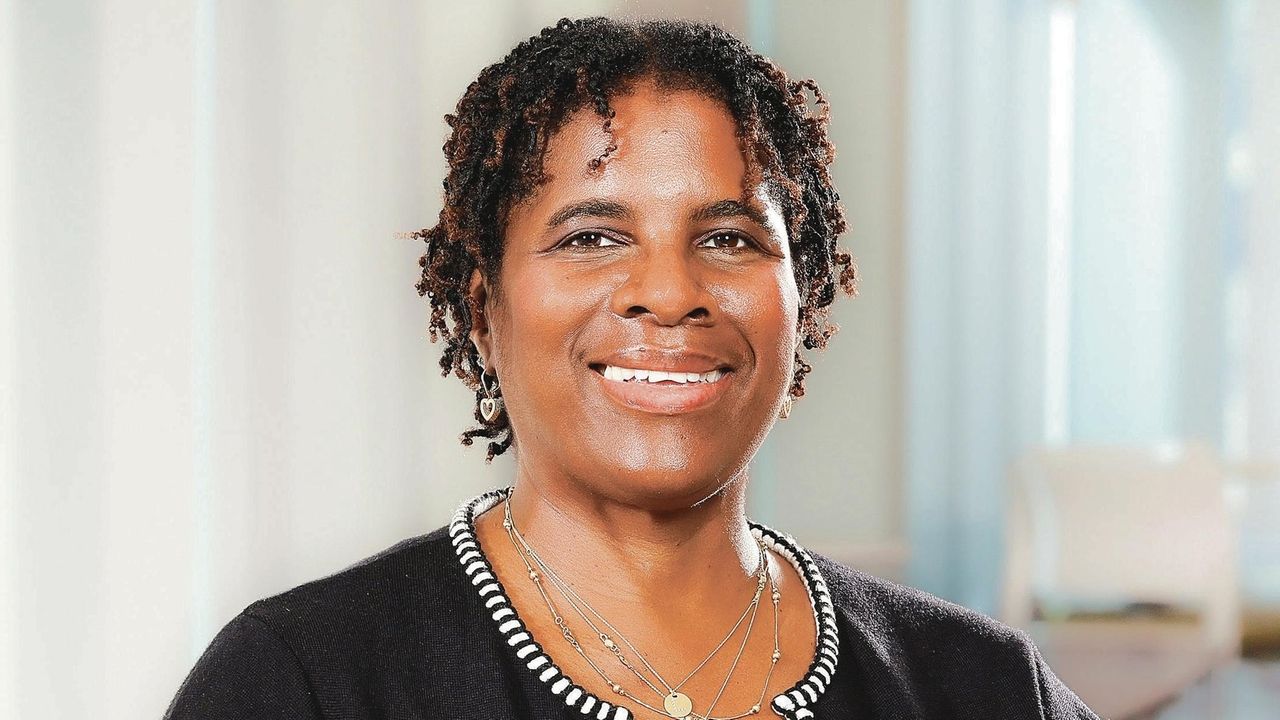
Racial Disparities in Maternal Mortality Rates Need More Time to Improve
A Newsday story on racial disparities in maternal mortality rates in New York featured an interview with Dr. Martine Hackett, associate professor and chair of Hofstra’s Department of Population Health. While national statistics have improved overall in recent years, experts say it will take more time to close the gap. National statistics released by the Centers for Disease Control and Prevention show overall maternal mortality across the U.S. dropped for the second year in a row. However, while the rate for white women, decreased from 19 deaths per 100,000 live births in 2022 to 14.5 in 2023, it rose from 49.5 to 50.3 for Black women. Dr. Hackett, cofounder of Birth Justice Warriors, called the disparity “shocking” and said, “When you’re looking to address a problem as big and complex as maternal mortality, it is going to take a long time.”

