
Experts Matter. Find Yours.
Connect for media, speaking, professional opportunities & more.
What the World Needs Now: How Art, Culture, and Nature Can Help Heal Communities in Difficult Times
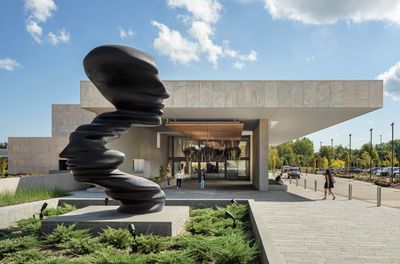
In an era marked by political division, cultural fatigue, and rapid technological change, communities are increasingly searching for places that offer connection, restoration, and shared experience. Charles Burke, President & CEO of Frederik Meijer Gardens & Sculpture Park, brings a leadership perspective shaped by decades across the arts, civic engagement, and nonprofit strategy — focused on how cultural institutions can serve as stabilizing forces in uncertain times. Through the lens of Meijer Gardens, Burke examines how art, culture, and nature can work together to restore, unite, and inspire communities, offering spaces where people can slow down, reconnect, and engage with one another beyond polarization or distraction. Charles Burke is President & CEO of Frederik Meijer Gardens & Sculpture Park. Under his direction, the organization has been recognized as Best Sculpture Park in the United States by USA Today’s 10Best Readers’ Choice Awards in 2023, 2024, and 2025, and consecutively named one of the Best Places to Work in West Michigan, solidifying its reputation as a cultural landmark of international acclaim. View his profile Why This Matters Now In an era marked by political division, cultural fatigue, and rapid technological change, communities are increasingly searching for places that offer connection, restoration, and shared experience. Charles Burke, President & CEO of Frederik Meijer Gardens & Sculpture Park, brings a leadership perspective shaped by decades across the arts, civic engagement, and nonprofit strategy — focused on how cultural institutions can serve as stabilizing forces in uncertain times. Through the lens of Meijer Gardens, Burke examines how art, culture, and nature can work together to restore, unite, and inspire communities, offering spaces where people can slow down, reconnect, and engage with one another beyond polarization or distraction. An Expert Perspective on Healing Through Experience From Burke’s leadership vantage point, institutions like Meijer Gardens demonstrate how intentional design and programming can support community well-being. Examples include: Environments that encourage mental restoration, such as forested landscapes and immersive outdoor spaces Experiences that invite reflection and emotional engagement, rather than passive consumption Programming that brings together diverse audiences around shared encounters with beauty and creativity These experiences do not attempt to solve complex societal challenges directly. Instead, they create conditions for connection, empathy, and resilience, key foundations that healthy communities depend on. Civic Spaces as “Experiential Engines” A central concept in Burke’s work is the idea of cultural institutions as experiential engines — places designed not just to display art or plants, but to generate meaning, joy, and shared memory. When thoughtfully integrated, sculpture, horticulture, architecture, and programming can transform public spaces into environments that foster belonging and inclusion. This approach positions cultural institutions as active participants in civic life, contributing to community health and cohesion rather than operating at the margins of public discourse. Technology, Humanity, and the Future of Cultural Spaces As technology continues to shape how people interact with the world, Burke’s perspective emphasizes balance. Emerging tools — including artificial intelligence — can enhance accessibility, storytelling, and personalization when used intentionally. The challenge, and opportunity, lies in ensuring that technology deepens human connection rather than distracting from it. And while AI is ideal for aggregating information and should be integrated into , it isn't inherently creative. Burke believes that cultural institutions can uniquely unlock the power of human potential in creativity. And cultural institutions that integrate innovation thoughtfully can remain relevant while staying grounded in human experience. Meijer Gardens as a Living Model Over three decades, Meijer Gardens has evolved into a nationally recognized destination where beauty, experience, and mission align. Its integration of art, nature, education, and seasonal programming offers a real-world example of how cultural institutions can grow while remaining inclusive, restorative, and community-centered. Why Journalists and Conference Organizers Should Connect Charles Burke brings informed perspective on: The role of art and nature in public healing and mental wellness Cultural responsibility during periods of division and uncertainty Designing inclusive, joyful, and interactive civic spaces Balancing technology and humanity in cultural institutions How Meijer Gardens functions as a model for innovative integration and creativity Audience fit: museum and cultural leadership forums, civic innovation conferences, mental health and wellness discussions, placemaking initiatives, higher education leadership forums, philanthropic leadership events, sustainability and design summits.

Surgery past 65? Brain health screening can aid recovery
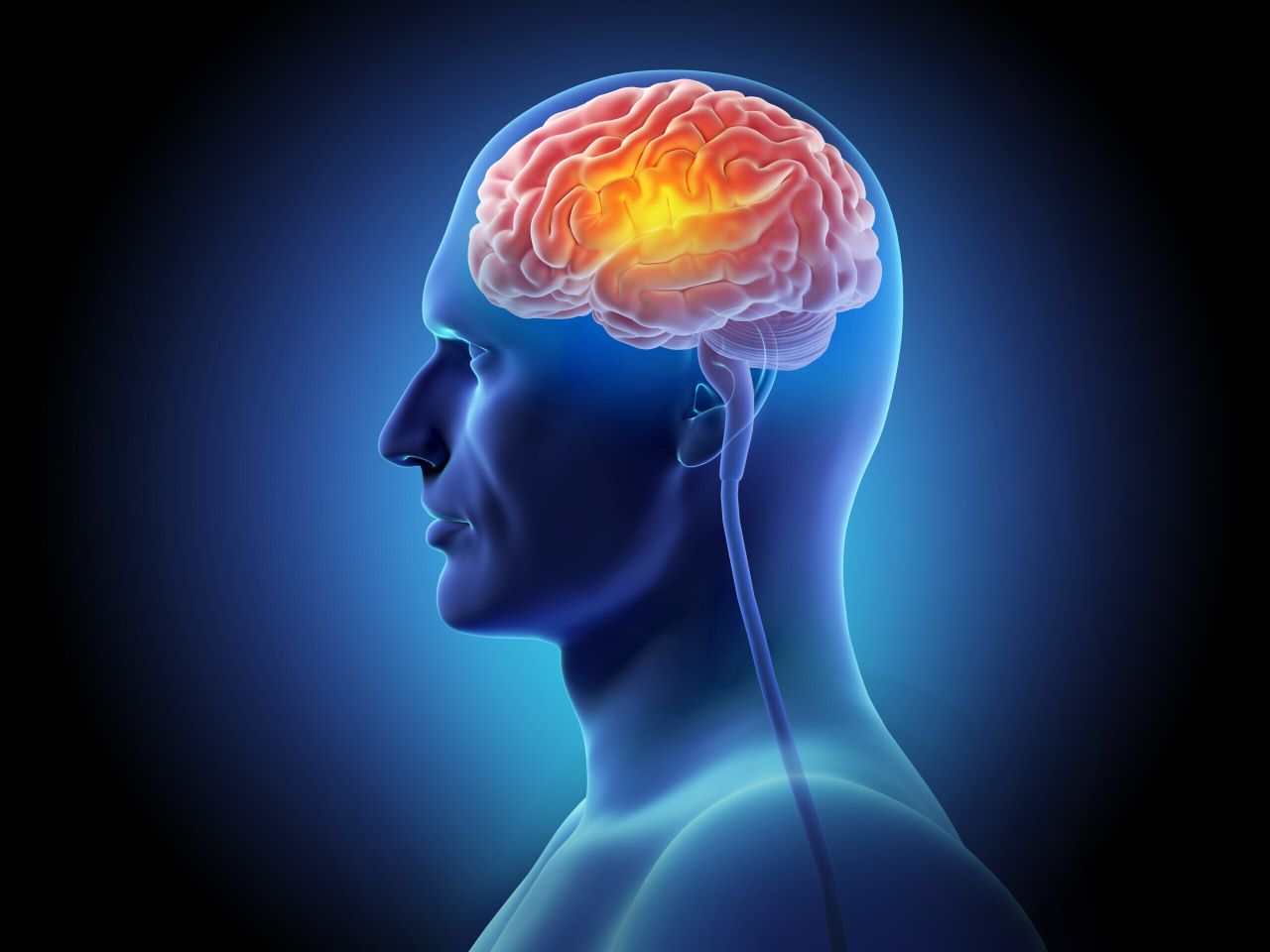
Before surgery, your doctor will order evaluations to identify any health problems that may need to be addressed before the procedure. This typically includes medical histories, laboratory tests and checking blood pressure, heart rate and temperature. There’s one vital sign that is often not on the list, but is crucial for older adults: screening for mental and cognitive health. “There is an overwhelming amount of evidence that presurgical brain health predicts complications after surgery,” said Catherine Price, Ph.D., a professor in the University of Florida College of Public Health and Health Professions Department of Clinical and Health Psychology and the UF College of Medicine Department of Anesthesiology. “For example, individuals with weaknesses in memory and attention and people with neurodegenerative diseases, such as Parkinson’s, have higher rates of confusion and memory complications that affect their recovery from surgery.” Research by Price and others has shown that a patient’s cognitive, memory and mental health status before surgery is an excellent indicator of whether they will experience cognitive problems such as delirium, a common complications in older adults after surgery. Delirium, characterized by confusion, disorientation and impaired awareness, can lead to longer recovery times, increased dementia risk, higher mortality rates and health care costs. Price founded and directs the University of Florida Perioperative Cognitive Anesthesia Network, or PeCAN, a first-of-its-kind, multidisciplinary program that seeks to identify older adults who may be at risk of developing cognitive problems after surgery so that clinicians can intervene. In recent findings published in the journal Anesthesia and Analgesia, Price and her colleagues report on two years of PeCAN patient data. Of the thousands of patients over age 65 who received presurgical screening, 23% were found to have issues with their cognitive performance, yet only 2% of the patients screened had a previous note in their medical charts indicating they had a cognitive impairment. “It’s so important to know when an individual has cognitive complications because that changes their care path,” Price said. “From medication to monitoring, the patient’s care is more complex for the perioperative team and family.” For PeCAN patients identified as being at risk for postsurgery cognitive problems, Price and her team will share tailored recommendations with the patient’s care team before, during and after surgery. These may include more monitoring during anesthesia and medication adjustments, such as using medications for nausea and pain management less likely to contribute to delirium. The PeCAN team also might offer the surgical care team specific communication strategies. For example, health care providers should repeat information several times for patients who have trouble remembering new material and ask them to write it down. Recently published research by Price and colleagues found PeCAN patients reported the focus on brain health improved confidence in their surgical team and care plan. Health care systems are only starting to incorporate preoperative brain health teams like PeCAN. Until they are offered more frequently, Price offers a few steps anyone can take to help protect brain health, including a focus on reducing inflammation in the body prior to surgery. To help achieve this: Optimize nutrition. Reduce your intake of added sugars and refined carbohydrates, like white bread. Get good sleep. Improve sleep hygiene so you are well-rested. “Sleep is essential for the brain for a number of reasons,” Price said. Reduce alcohol intake to limit inflammation and dehydration. Pay attention to your medications. Follow your care team’s instructions. Enlist a family member or caregiver to help you keep tabs on what you’re taking, how much and how often. Practice techniques to limit anxiety, such as visualization and deep breathing. The box breathing method is an easy one to remember: Breathe in slowly for four seconds. Hold your breath for four seconds. Slowly exhale for four seconds. Wait four seconds before inhaling again.

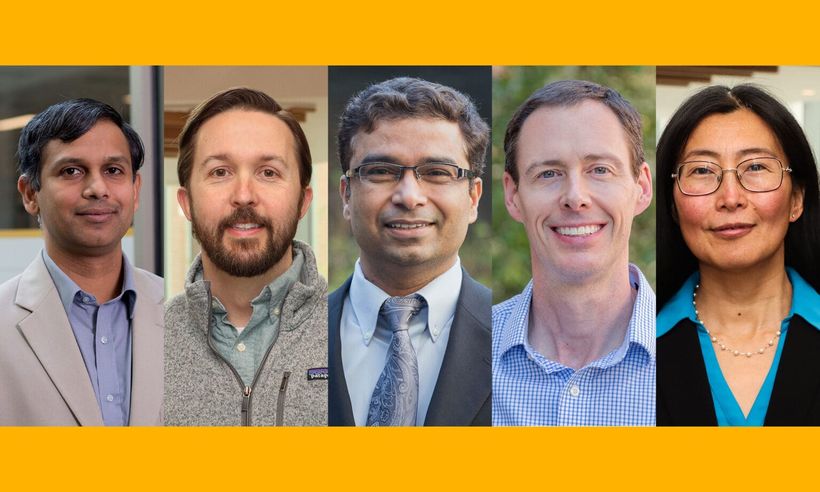
National Academy of Inventors welcomes five VCU College of Engineering researchers
The National Academy of Inventors (NAI) recently inducted five Virginia Commonwealth University (VCU) College of Engineering researchers as senior members. Chosen for their innovative engineering contributions, the honorees are recognized as visionary inventors whose groundbreaking research and patented technologies are driving meaningful societal and economic advancements across the national innovation landscape. “Invention represents the practical application of knowledge and stands as one of the many ways engineers can make a positive impact on their communities and the world,” said Azim Eskandarian, D.Sc, the Alice T. and William H. Goodwin Jr. Dean of the VCU College of Engineering. “This year’s honorees exemplify the interdisciplinary nature of our field, leveraging advanced concepts from mechanical, biomedical, chemical and pharmaceutical engineering to address today’s most pressing challenges. We are immensely proud that our dedicated researchers have earned recognition as members of the esteemed National Academy of Inventors.” The VCU College of Engineering NAI inductees are: Jayasimha Atulasimha, Ph.D. Engineering Foundation Professor Department of Mechanical & Nuclear Engineering An internationally recognized pioneer of straintronics, an approach to electrically control magnetism for ultra-low-energy computing, Atulasimha has made significant research contributions to next-generation memory, neuromorphic hardware and emerging quantum computing technologies. He holds four U.S. patents spanning energy-efficient magnetic memory, nanoscale computing architectures and medical tools. Atulasimha’s commercially viable inventions are funded by organizations like the Virginia Innovation Partnership Corporation and he leads multi-institutional collaborations that drive innovation in computing hardware, AI and quantum technologies with more than $10 million in funded research. Casey Grey, Ph.D. Postdoctoral Research Associate Department of Mechanical & Nuclear Engineering Bridging engineering and medicine, Grey’s work spans life‑saving stroke technologies, breakthrough respiratory and neurological care, and sustainable packaging. As a lead R&D scientist at WestRock, he helped create and commercialize the CanCollar® portfolio, a recyclable paperboard replacement for plastic beverage rings now used on five continents, eliminating thousands of tons of single‑use plastic annually. In medical device innovation, Grey’s patent and development work on a novel cyclic aspiration thrombectomy platform, currently in clinical trials, is advancing stroke treatment by enhancing clot removal efficiency and reducing long‑term disability. At the VCU College of engineering, Grey built a research and commercialization pipeline around neurological and respiratory technologies, securing eight provisional patents and leading multidisciplinary teams in neurology, neurosurgery, surgery, pharmacology and toxicology, internal medicine, and respiratory medicine. His work includes developing dry powder inhaler strategies for delivering life‑saving drugs to patients with acute respiratory distress syndrome (ARDS), a pediatric bubble CPAP system designed to protect brain development in premature infants, and non‑invasive, non‑pharmacological 40 Hz neuromodulation therapies to treat neurodegeneration and conditions with significant central nervous system complications, like sickle cell disease. In collaborations with the VCU Children’s Hospital and VCU Critical Care Hospital, Grey is leading two clinical studies that are translating these innovations to improve patient care. Ravi Hadimani, Ph.D. Associate Professor and Director of Biomagnetics Laboratory Department of Mechanical & Nuclear Engineering Hadimani founded RAM Phantoms LLC, a VCU startup company, commercializing anatomically accurate, MRI-derived brain phantoms for neuromodulation and neuroimaging applications. These brain phantoms help test and tune transcranial magnetic and deep brain stimulation technologies, improving clinical safety and enabling personalized therapy for patients. RAM Phantoms is also developing a highly-skilled workforce for employment in Virginia’s growing biomedical device industry. Beyond commercialization, Hadimani maintains a productive research program with more than $4.5 million in funding resulting in 125 original peer-reviewed publications, 17 current and pending patents, a book, and several book chapters. His biomagnetics lab serves as a training ground for undergraduate, graduate and Ph.D. students to hone their skills in innovation management, intellectual property strategy and startup development. Several students from Hadimani’s lab have engaged in translational research, patent co-authorship and start-up formation, cultivating a new generation of engineer-entrepreneurs equipped to drive future technological advances. Before joining VCU, Hadimani led the development of hybrid piezoelectric–photovoltaic materials that established FiberLec Inc., which commercialized multifunctional energy-harvesting fibers capable of converting solar, wind and vibrational energy into usable electricity. Worth Longest, Ph.D. Alice T. and William H. Goodwin, Jr. Distinguished Chair Department of Mechanical & Nuclear Engineering Uniting aerosol science, biomedical engineering and computational modeling, Longest is revolutionizing inhaled drug delivery. Working with collaborators, his lab has developed novel devices, formulations and delivery platforms that precisely target medications to the lungs, addressing conditions like cystic fibrosis, pneumonia, acute respiratory distress syndrome and neonatal respiratory distress syndrome. These innovations have resulted in multiple patents. Some of them have been licensed through commercial partnerships like Quench Medical, an organization advancing inhaled therapies for applications like lung cancer. Collaborating with the Gates Foundation and the lab of Michael Hindle, Ph.D., from the VCU Department of Pharmaceutics, Longest’s team developed a low-cost, high-efficacy aerosol surfactant therapy for pre-term infants based entirely on technology developed at VCU. The invention eliminates intubation, reduces dosage by a factor of 10, and cuts treatment costs. Over 9 million infant lives are projected to be saved by this technology between 2030 and 2050. Through a long-term collaboration with the U.S. Food and Drug Administration, Longest’s in vitro and computational methods provide federal regulatory guidance for generic inhaled medications. The VCU mouth-throat airway models developed under his leadership are used globally across the pharmaceutical industry and in government laboratories. Hong Zhao, Ph.D. Associate Professor Department of Mechanical & Nuclear Engineering Zhao holds 40 patents with innovations spanning additive manufacturing, stretchable electronics, inkjet printing technologies and superoleophobic materials that repel oils, greases, and low-surface-tension liquids. Her research has applications across health care, sustainable energy and advanced manufacturing. Prior to joining the College of Engineering, Zhao served as a senior research scientist and project leader at the Xerox Research Center, where she developed high-performance materials and printing technologies for commercial deployment. Her industry experience makes Zhao’s lab a hub for innovation and mentorship, with students engaging in innovative research and co-authoring publications. Zhao is an invited reviewer for more than 50 premier journals and grant agencies. “Working with distinguished researchers and innovators like those inducted into the National Academy of Inventors is a great honor for me,” said Arvind Agarwal, Ph.D., chair of the Department of Mechanical & Nuclear Engineering and NAI fellow. “They are an inspiration and showcase the kind of impact engineers can make. Having all five of these innovators as part of our department amplifies the scientific richness of our college and its societal impact. They advance the college’s mission of Engineering for Humanity, with research that brings a positive change to our world.” The 2026 NAI class of senior members, composed of 231 emerging inventors from NAI’s member institutions, is the largest to date. Hailing from 82 NAI member institutions across the globe, they hold over 2,000 U.S. patents.




Laura Mauldin's rule of thumb is that if you think you're caregiving, you probably are. The University of Connecticut professor and author has a new book that just been released In Sickness and in Health, where an urgent argument is made that America’s caregiving crisis is not a private family matter, but a structural and political failure. Mauldin isn't just a scholar in the field. She also speaks from personal experience about the impact of caregiving -- as well as how society views and values it -- on both caregivers and those that they care for. It may not have been the birthday present then 32-year-old Laura Mauldin wanted to buy herself, but purchasing long-term care insurance was something she knew she needed. Mauldin, an associate professor in UConn’s Department of Social and Critical Inquiry, had been caring for her sick partner the five years prior, watching as cancer destroyed the promise of a long life. “It’s not about being morbid, rather it’s about recognizing the inevitability of a completely typical, expectable part of life,” Mauldin says of her advanced planning. “Why not just go ahead and in a neutral way have a plan? Then it’s there, you don’t have to worry, and you can feel more prepared.” A detailed account of her caregiving experience is the launching point for her new book, “In Sickness and in Health,” released this month by HarperCollins’ Ecco Press, in which she tells the story of a handful of couples from around the country who she came to know over years of spending time with them, oftentimes days and nights. “I grew to love these people and to care about them,” she says. “Their stories tell us something bigger about our culture, about our society, and about our choices around care policy and care systems. Theirs are the hidden stories that are going on behind millions of closed doors.” In her quest to bring discussions about caregiving to the light of day, Mauldin sat with UConn Today recently to talk about the different forms that caregiving can take, the result of absent social safety nets, and how ableism permeates the culture. February 2026 - UConn Today Drawing from her new book, Mauldin blends her personal experience with sociological research to show how love, marriage, and devotion are routinely forced to compensate for weak public policy, limited Medicaid support, and a culture shaped by ableism. Her work reframes caregiving as essential labor, deeply gendered, largely invisible, and profoundly political, and challenges the notion that “love is enough” in a system that offers far too little support. It’s an old adage: when people get married, they promise to stick together “in sickness and in health.” But that’s easier said than done when you’re caregiving for a spouse or long-term partner, when systemic failures often lead to burnout. In her new book, In Sickness and in Health: Love Stories from the Front Lines of America’s Caregiving Crisis, University of Connecticut professor Laura Mauldin explores the relationships between caregivers and their disabled and sick spouses, and the underlying lack of structural support in the US that makes unpaid care an inescapable feature of most such relationships. The topic is personal for her: Maudlin’s partner’s leukemia came out of remission as they were getting closer in 2006. “Falling in love with J had called upon me to increasingly fill a role that required meeting nearly every one of her needs,” Mauldin writes in her introduction. “This was more than just providing emotional support when the person you love is suffering.” J passed away in 2010. I spoke to Mauldin about crafting this book based on her lived experiences, how systems fail both disabled people and their caregivers, and what is at stake with Medicaid cuts exacerbating the damage to an already broken system. February 2026 - Mother Jones Dr. Laura Mauldin, an associate professor in the Department of Social and Critical Inquiry at the University of Connecticut, blends rigorous scholarship with lived experience to challenge prevailing assumptions about caregiving, disability, and public policy. Her work exposes how cultural norms and policy gaps intersect to offload care onto private homes, obscuring the true costs of care and the human toll of under-resourced support systems. She is available to speak with media - simply click on her icon now to arrange an interview today.


Beyond the field: New research highlights how NIL is reshaping college athlete identity
In an era of name, image and likeness, or NIL, many college athletes are thinking differently about who they are — seeing themselves not just as competitors or students, but also as influencers with distinct voices and causes, according to a new study from the University of Florida. Molly Harry, Ph.D., an assistant professor in the Department of Sport Management at the UF College of Health and Human Performance, surveyed 200 athletes from 21 Power Four universities to better understand how NIL, which refers to the rights of college athletes to earn money through endorsements, sponsorships, social media promotions and other commercial opportunities, has impacted the way athletes perceive their roles and identities. “Historically, we’ve viewed them (college athletes) through the lens of athletics or academics, but they’re daughters, brothers, role models, and increasingly, they’re now cultivating public personas and marketing skills.” —Molly Harry, Ph.D., an assistant professor in the Department of Sport Management The findings, published Friday in the Sociology of Sport Journal, reveal a growing recognition among athletes that they are more than the two-dimensional “student-athlete” model that is traditionally used in research and policy. “With the shift in NIL policies, athletes are starting to develop roles and identities related to that of the influencer,” Harry said. “Historically, we’ve viewed them through the lens of athletics or academics, but they’re daughters, brothers, role models, and increasingly, they’re now cultivating public personas and marketing skills.” Through survey responses across seven major sports — football, baseball, men’s and women’s basketball, gymnastics, volleyball and softball — Harry and UF doctoral student Hannah Kloetzer examined athletes' engagement with NIL opportunities, as well as the personal sacrifices they made to pursue them. They found that many athletes now view NIL as a platform to promote causes they care about, build connections with their communities and explore career pathways after college. One softball player described the value of NIL in a way that highlights the broader impact: “It’s been great to feel seen and have your hard work in a sport help in other parts of life. It’s really nice to use NIL on a resume as marketing experience.” Athletes surveyed said they found deals not just with big-name brands, but more often with local businesses like restaurants, boutiques and community partners. This entrepreneurial approach often required initiative and personal outreach, something many athletes had to learn on their own. “Some athletes told us they felt lost when trying to navigate NIL,” Harry said. “Others shared how they reached out to local businesses or organized their own camps.” One particularly striking finding, Harry said, was that some athletes were making athletic sacrifices — like spending less time training — to pursue NIL work, a shift that underscores the importance of these opportunities. Harry stressed that while no one reported skipping practices, athletes did acknowledge shifting their priorities to make room for NIL-related endeavors. “If you’re willing to give up something in your athletic routine, that speaks volumes about how central NIL — and influencer identities — could become for some athletes,” she said. Another key insight: football players of color from low socioeconomic backgrounds were most likely to self-identify as influencers. This emerging pattern stands in contrast to perceived broader trends in the social media world. “That was one of the most fascinating takeaways,” Harry said. “We have this unique subset of influencers — college football athletes — that are starting to enter this space.” Harry’s research builds on a growing conversation in the academic community about the evolving identity of college athletes. A few conceptual pieces have previously proposed the idea of a “student-athlete-influencer,” but Harry’s team is one of the first to gather empirical data to back it up. This new perspective has broad implications for how universities and organizations like the NCAA support college athletes, both during their playing years and as they prepare for life after sport. “As fans, we often see athletes as commodities on the field,” Harry said. “But they’re humans first, and they’re starting to recognize their own value and tap into their potential beyond the playing field.” In addition to academic and athletic support, Harry believes universities should invest in more targeted resources tailored to influencer pressures, like mentorship opportunities and training that goes beyond basic social media etiquette. “Athletes who take on influencer roles may deal with unique stressors, whether it’s comparing engagement numbers or coping with public scrutiny,” she said. “It would be valuable to provide opportunities where athlete-influencers can support each other, share strategies and protect their mental health.” A football player who participated in the study summed up the broader potential of NIL: “I’m very appreciative of NIL opportunities and the ability to continue to grow my camp and greater brand outside of my football program.” Looking ahead, Harry plans to explore this evolving identity through more qualitative research, with a focus on what it truly means to be an “influencer” in the context of college athletics. “Athletes are more than football players. They are more than swimmers,” she said. “They are people who we walk with on our college campuses, and they are people who bring value to our society in a host of ways.”

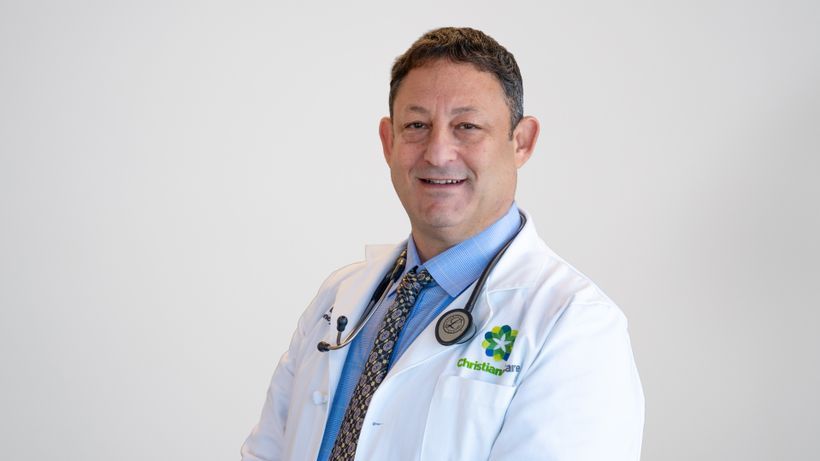
Delaware is taking a major step to strengthen its health care workforce. ChristianaCare, Bayhealth and the Philadelphia College of Osteopathic Medicine (PCOM) have announced the Delaware Collaborative Clinical Campus, a first‑in‑the‑region initiative that will expand medical student training opportunities, increase residency placements and build a more sustainable pipeline of physicians committed to caring for Delawareans. This collaboration positions Delaware to attract, train and retain the clinicians our communities depend on — ensuring a stronger, more resilient health care workforce. Brian Levine, M.D., chief academic officer and designated institutional official for ChristianaCare is available for interviews to discuss: What the new clinical campus means for Delaware’s health care future How this collaboration strengthens the physician pipeline The impact on training, recruitment and long‑term retention of physicians in the state

What "Super Agers" Are Teaching Us About Growing Older
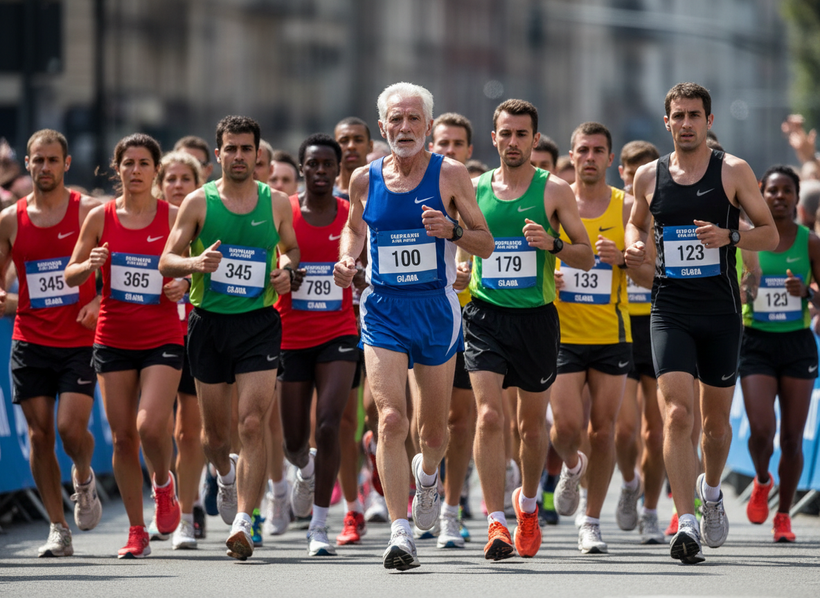
When I think about aging well, I don't see a number on a birthday cake. I see capacity. The ability to think clearly. To move with confidence. To stay curious. To laugh easily. To remember where I put my keys. (Okay, that last one is still aspirational.) That's why I teach 4 fitness classes a week and pay close attention to how I fuel my body. Not because I'm chasing youth, but because I've learned, both personally and professionally, that the way we move, eat, sleep, and cope influences how we feel... and how we show up for the people we care about. I don't want to live forever. I just want to live well while I'm here. Like many Boomers, I've been interested in the growing research on longevity. And let's be honest: Boomers have never been good at accepting "no" for an answer. Why would we start now, just because it's mortality asking? We're the generation that refused to compromise. Retirement? Optional. Slowing down? Negotiable. Death? We'd like to speak to the manager. This leads us to a fascinating group of scientists known as "Super Agers." Who Are Super Agers, Really? In research terms, Super Agers are adults over 80 whose cognitive abilities, especially memory, perform at levels expected of people in their 50s or 60s (Rogalski et al., 2013). But here's what I love most: they aren't superhuman. They're not top athletes. They're not biohackers living on kale foam and cold plunges at dawn. (Though if that's your thing, carry on.). They're everyday people who never disconnected from life. A striking Canadian example is Morry Kernerman, a Toronto violinist who kept on learning, hiking, and performing well into the ripe age of 101. His story embodies the spirit of Super Aging: it's not about dodging age, it's about refusing to stop living. In a CBC interview, Maury Kernerman doesn't sound like someone "trying to live longer." He talks like someone who's still interested in living, fascinated by the world, hungry for learning, and unwilling to stand still just because he might do something imperfectly. He also admits something that matters to a lot of readers: he wasn't always an exercise person. He started taking it seriously later in life and describes it as a "rear guard action" that hasn't stopped aging, but has helped him keep his capacity. One of the most poignant lessons: when we're afraid of doing the wrong thing, afraid of failing or being embarrassed, we stop. And standing still is what really costs us. Haven't you heard? Sitting is the new Smoking!! What the Science Is Showing Us Canadian and U.S. researchers, at Western University and Northwestern University, are discovering something significant. Not a pill. Not a quick fix. A system. Angela Roberts (Western University) explained that the Canadian arm of the research isn't relying only on lab snapshots. Participants are sent home with wearable devices so researchers can monitor real-world activity patterns continuously (24 hours a day) over multi-week periods (CBC News, 2024 - https://www.cbc.ca/news/health/superager-centenarians-brain-second-opinion-9.7049411). That design matters because it turns "healthy aging" from a vague concept into measurable behaviours: how much movement you get, how intense it is, how consistent it is, and how it fits into the rhythm of normal life. Super Agers typically stay active, remain mentally sharp, maintain close relationships, handle stress effectively, sleep well, and keep a generally positive attitude (Rogalski et al., 2013 - https://doi.org/10.1162/jocn_a_00300; Sun et al., 2016 - https://doi.org/10.1523/JNEUROSCI.1492-16.2016) Their brains display thicker cortical areas linked to attention and memory, experience slower atrophy rates, have fewer Alzheimer's markers, and show stronger neuronal connections (Gefen et al., 2015 - https://doi.org/10.1523/JNEUROSCI.2998-14.2015; Harrison et al., 2012 - https://doi.org/10.1017/S1355617712000847) A Data Point Worth Remembering When It Comes to Longevity From the wearables, the research study observed that many 80-year-olds in the study, both "super agers" and the control group, were averaging about 25 to 30 minutes of exercise a day (roughly aligned with Canadian movement guidelines). The difference wasn't that super agers moved a little more. The study showed that they got about 30% more of the kind of movement that raises heart rate, what researchers call moderate-to-vigorous physical activity In plain language: it's not just steps. It's getting your engine up into that slightly breathy zone on purpose, most days. There's no single longevity switch. It's a belt-and-suspenders approach: multiple protective habits working together over decades. Let's Talk About Weight (Without Losing Our Minds) People often ask: Should Super Agers be skinny? Or a little plump? The research answer is surprisingly dull (and comforting): Neither. Super Agers come in all sizes. There is no evidence that they share a specific body weight or BMI. What matters much more than the scale is stability, strength, and body composition (Stenholm et al., 2008). Obesity Shows Up Consistently in the Research Midlife obesity is associated with an increased risk of dementia later in life. Several large studies indicate that obesity (BMI ≥30) during midlife raises dementia risk by 33 to 91% compared to individuals of normal weight (Kivipelto et al., 2005; Qizilbash et al., 2015) However, in older age, unintentional weight loss often signals frailty or illness. Weight loss in later life is linked to faster cognitive decline and higher risk of death (Diehr et al., 2008) Being underweight increases the risk of death. Studies consistently indicate that underweight older adults (BMI <20) have 2 to 3 times the all-cause mortality risk compared to those with a normal weight, with one study reporting a 34% higher risk of dementia (Diehr et al., 2008). A slightly higher BMI in later life may actually be protective, especially if muscle mass is maintained. The "obesity paradox" demonstrates that overweight and mild obesity in older adults (ages 65+) are often linked to a lower risk of mortality, particularly from non-cardiovascular diseases (Natale et al., 2023). So, the prescription is clear: avoid extremes. Not so skinny you could use a Cheerio as a hula hoop, and not so plump that tying your shoes feels like a full-contact sport. Here's What Truly Matters: Muscle Mass Strength defends the brain, maintains balance, boosts metabolism, and offers resilience during illness or stress (Peterson & Gordon, 2011) "Skinny-fat", low muscle, higher fat, is actually worse for aging than carrying a bit more weight with muscle beneath (Prado et al., 2012). Super Aging isn't about shrinking yourself. It's about supporting the structure you live in. Sleep: The Quiet Superpower If movement is the main act, sleep is the stage crew ensuring the entire show runs smoothly. Sleep isn't just one thing. It's a cycle (Walker, 2017). The Stages of Sleep (a quick, non-boring tour) Light sleep: The warm-up. Easy to wake from. Necessary, but not enough by itself. Deep sleep: The body's main repair mode. This is where physical repair occurs: muscle recovery, immune support, hormone regulation (Scullin & Bliwise, 2015) (Walker, 2017). REM sleep: The brain's spa. Memory consolidation, emotional regulation, creativity, and learning all occur here (Scullin & Bliwise, 2015) (Walker, 2017). Missing deep sleep leaves your body feeling exhausted. Missing REM causes your brain to become fragile and foggy (Mander et al., 2017). Super Agers tend to guard their sleep, though not perfectly, deliberately (Mander et al., 2016). Consistent bedtimes, morning sunlight, daily activity, and relaxing evenings appear repeatedly. For some people, slow-release melatonin or magnesium can help improve sleep maintenance (Ferracioli-Oda et al., 2013). However, the greatest benefits often come from simple routines: consistency, darkness, cooler rooms, and avoiding phone use at 10 p.m. Sleep isn't a luxury. It's essential brain maintenance (Mander et al., 2017). Stress: The Real Villain Chronic stress is like kryptonite for cognitive health (McEwen & Sapolsky, 1995). The main source of stress is not accepting what is. We argue with reality, and we lose every time. We revisit conversations. We resist change. We attempt to control others. Super Agers appear more accepting, not resignation, but realism (Sun et al., 2016) Here are some practical strategies to consider: Let them. (Thank you, Mel Robbins.) People will be people. You don't need to manage them. Save your energy for what truly matters. And remember: what people think of you... is none of your business. Calm isn't passive. Calm is protective. Gratitude also plays a role. Many Super Agers exhibit a distinct emotional tone: more grateful, less gripeful (Hill & Allemand, 2011) Life wasn't simpler; they simply didn't let bitterness steer the way. Relationships and Quality of Life: The Real Gold Standard Super Agers don't have more friends; they have deeper ones. Strong relationships are linked to better emotional regulation and preserved brain regions. (Cacioppo & Cacioppo, 2014) (Holt-Lunstad et al., 2010) And this isn't about extending life. It's about quality of life: cognitive, physical, and emotional well-being. Because no one wants a farewell-to-life party where nobody shows up because you've been miserable, bitter, or exhausting to be around (thank you, BR). Strong body. Clear mind. Warm relationships. A sense of humour that endures gravity. That's the win. 3 Practical Takeaways to Steal this Week If you want the super-ager approach without turning your life into a science experiment, here are three low-drama moves: Add intensity, not just activity. Keep your regular walk, but pick one segment to walk faster, take a hill, or add short brisk bursts. Your heart rate is the clue. Keep a learning thread running. Music, audiobooks, a class, a museum habit, a book club, anything that keeps your mind taxed in a good way and makes you feel curious again. Make "don't stand still" a rule. If you're avoiding something because you might look silly (a dance class, a new hobby, a new friend group), that's exactly the place to lean in, gently, but on purpose. Super Agers aren't chasing youth. (No one needs to see me in low-rise jeans again.) They're cultivating engagement. (Do you want to dance?) They move. They learn. They sleep well. They stay positive. They accept what is. They remain connected. They rely on the belt and suspenders. And most importantly, they don't wait for permission to live life to the fullest at any age. Yes, biology will win eventually. None of us gets out of this alive. But the real victory isn't in defeating what we can't control. It's in mastering what we can, for as long as we can, and living fully right up until biology takes its final bow. Don't Retire...ReWire! Sue Want more of this? Subscribe for weekly doses of retirement reality—no golf-cart clichés, no sunset stock photos, just straight talk about staying Hip, Fit & Financially Free.


Surprising finding could pave way for universal cancer vaccine
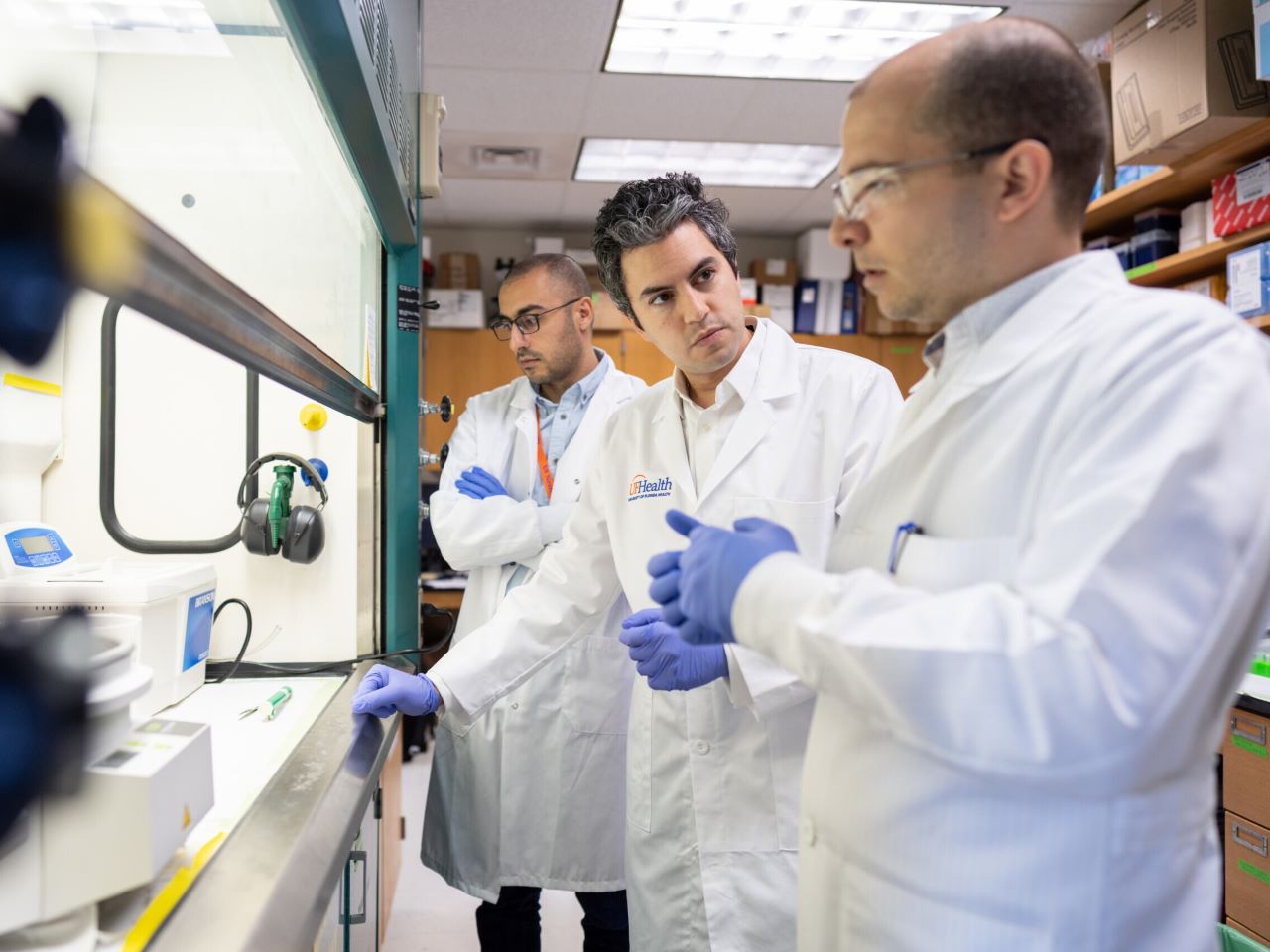
An experimental mRNA vaccine boosted the tumor-fighting effects of immunotherapy in a mouse-model study, bringing researchers one step closer to their goal of developing a universal vaccine to “wake up” the immune system against cancer. Published today in Nature Biomedical Engineering, the University of Florida study showed that like a one-two punch, pairing the test vaccine with common anticancer drugs called immune checkpoint inhibitors triggered a strong antitumor response in laboratory mice. A surprising element, researchers said, was that they achieved the promising results not by attacking a specific target protein expressed in the tumor, but by simply revving up the immune system — spurring it to respond as if fighting a virus. They did this by stimulating the expression of a protein called PD-L1 inside of tumors, making them more receptive to treatment. The research was supported by multiple federal agencies and foundations, including the National Institutes of Health. Senior author Elias Sayour, M.D., Ph.D., a UF Health pediatric oncologist and the Stop Children's Cancer/Bonnie R. Freeman Professor for Pediatric Oncology Research, said the results reveal a potential future treatment path — an alternative to surgery, radiation and chemotherapy — with broad implications for battling many types of treatment-resistant tumors. “This paper describes a very unexpected and exciting observation: that even a vaccine not specific to any particular tumor or virus — so long as it is an mRNA vaccine — could lead to tumor-specific effects,” said Sayour, principal investigator at the RNA Engineering Laboratory within UF’s Preston A. Wells Jr. Center for Brain Tumor Therapy. “This finding is a proof of concept that these vaccines potentially could be commercialized as universal cancer vaccines to sensitize the immune system against a patient’s individual tumor,” said Sayour, a McKnight Brain Institute investigator and co-leader of a program in immuno-oncology and microbiome research. Until now, there have been two main ideas in cancer-vaccine development: To find a specific target expressed in many people with cancer, or to tailor a vaccine that is specific to targets expressed within a patient's own cancer. “This study suggests a third emerging paradigm,” said Duane Mitchell, M.D., Ph.D., a co-author of the paper. “What we found is by using a vaccine designed not to target cancer specifically but rather to stimulate a strong immunologic response, we could elicit a very strong anticancer reaction. And so this has significant potential to be broadly used across cancer patients — even possibly leading us to an off-the-shelf cancer vaccine.” For more than eight years, Sayour has pioneered high-tech anticancer vaccines by combining lipid nanoparticles and mRNA. Short for messenger RNA, mRNA is found inside every cell — including tumor cells — and serves as a blueprint for protein production. This new study builds upon a breakthrough last year by Sayour’s lab: In a first-ever human clinical trial, an mRNA vaccine quickly reprogrammed the immune system to attack glioblastoma, an aggressive brain tumor with a dismal prognosis. Among the most impressive findings in the four-patient trial was how quickly the new method — which used a “specific” or personalized vaccine made using a patient’s own tumor cells — spurred a vigorous immune-system response to reject the tumor. In the latest study, Sayour’s research team adapted their technology to test a “generalized” mRNA vaccine — meaning it was not aimed at a specific virus or mutated cells of cancer but engineered simply to prompt a strong immune system response. The mRNA formulation was made similarly to the COVID-19 vaccines, rooted in similar technology, but wasn’t aimed directly at the well-known spike protein of COVID. In mouse models of melanoma, the team saw promising results in normally treatment-resistant tumors when combining the mRNA formulation with a common immunotherapy drug called a PD-1 inhibitor, a type of monoclonal antibody that attempts to “educate” the immune system that a tumor is foreign, said Sayour, a professor in UF’s Lillian S. Wells Department of Neurosurgery and the Department of Pediatrics in the UF College of Medicine. Taking the research a step further, in mouse models of skin, bone and brain cancers, the investigators found beneficial effects when testing a different mRNA formulation as a solo treatment. In some models, the tumors were eliminated entirely. Sayour and colleagues observed that using an mRNA vaccine to activate immune responses seemingly unrelated to cancer could prompt T cells that weren’t working before to actually multiply and kill the cancer if the response spurred by the vaccine is strong enough. Taken together, the study’s implications are striking, said Mitchell, who directs the UF Clinical and Translational Science Institute and co-directs UF’s Preston A. Wells Jr. Center for Brain Tumor Therapy. “It could potentially be a universal way of waking up a patient’s own immune response to cancer,” Mitchell said. “And that would be profound if generalizable to human studies.” The results, he said, show potential for a universal cancer vaccine that could activate the immune system and prime it to work in tandem with checkpoint inhibitor drugs to seize upon cancer — or in some cases, even work on its own to kill cancer. Now, the research team is working to improve current formulations and move to human clinical trials as rapidly as possible. While the experimental mRNA vaccine at this point is in early preclinical testing — in mice not humans — information about available nonrelated human clinical trials at UF Health can be viewed here.


When individuals sign up for direct-to-consumer genetic testing, the extent to which they ever think about their genetic data is likely in the context of the service for which they paid: information on predisposition to a genetic illness, or confirmation of an ethnic background, for example. But that data doesn’t just sit on a shelf, and while the most mainstream concern for such services is the privacy of your data, there is also the question of what else the companies do with it, and how. Ana Santos Rutschman, SJD, LLM, professor and faculty director of the Health Innovation Lab at Villanova University Charles Widger School of Law, is particularly interested in the latter. In June 2025, she co-authored an amicus brief centered on data protection and patient’s interests amid genetic testing company 23andMe’s bankruptcy proceedings. In December, many of those same co-authors published a paper in Nature Genetics, highlighting 23andMe’s bankruptcy as “an inflection point for the direct-to-consumer genetics market,” especially as it pertains to the broader corporate use of individuals’ scientific data. The reason? “How that data is used all depends on the policies of the individual companies,” she said. Genetic Testing Companies Use Your Data For More Than The Services You Pay For Those who utilize genetic testing companies—for any reason—are likely also consenting, often unknowingly, to other unrelated items. This includes acknowledgment of information related to how your data might be further used or monetized. “Most people don't think about secondary and tertiary uses of their data,” said Professor Rutschman. “[What they consent to] is displayed on the website somewhere, but it’s not easily understandable and accessible. It’s fine print.” Such companies often operate beyond the traditional “fee for a service” relationship with consumers. Yes, they will give you the information you paid for—finding out whether you have German ancestry or are predisposed to certain genetic disease—but instead of that genetic data just being stored somewhere, it’s often sold for research purposes. Today, in the age of AI big data, that might look something like this: The company puts your data in a box with parameters, along with thousands of others. Perhaps they are then able to observe a pattern that, until all that data was compiled, was previously unknown. They come up with a diagnostic or a medicine and patent it. That patent is licensed to somebody else, and the company makes money on the product. The use of that data for scientific purposes—even ones that turn a profit— is not problematic in itself, says Professor Rutschman. “Some people may even choose a company that allows scientific research over one that doesn’t. Many people may not care, but some will. The uses are not common knowledge, and that is worrisome. The public should be well-informed about what’s happening.” Deeper problems may arise when they aren’t informed of those potential uses of their data. Professor Rutschman cited the infamous Henrietta Lacks case, in which Lacks’ cells were, and continue to be, one of the most valuable cell lines in cancer research. Neither Lacks nor her family were paid for the widespread use of her genetic material until a settlement was reached long after her death. “When you have biologics involved, a concern is that if you have something potentially valuable, you may not see any money from it.” Bankruptcy Can Cause Policy Upheaval To understand the role bankruptcy can play in all of this, one needs to refer back to the power of individual company policy in this space. There are no external laws that dictate how these companies can further monetize their data, says Professor Rutschman, as long as they don’t violate other laws, such as privacy laws. That means that when a company like 23andMe goes bankrupt, as was the case in 2025, new ownership could enact completely different corporate policies for use of their property. In their specific case, the company was essentially bought back by 23andMe founder and CEO Anne Wojcicki’s non-profit, all but ensuring policies would remain the same. But that is exactly why Professor Rutschman and others are highlighting this specific case. “Bankruptcy is bad in the sense that there's a lot of uncertainty,” she said. “In this instance, the person coming in was the person who was there before, so the policy is likely to continue. But that's very rare. There are a roster of companies with access to biological materials. 23andMe is a good example of something not going horribly wrong, but with the understanding that it absolutely could.” Ways in which that could happen could be new ownership undermining the original intent of the data use by cessation of the company’s previous policies, or charging exorbitant prices to other entities to use that data for scientific research. “Because there is no law, these new owners can essentially do as they please with their proprietary data, unless they do something incredibly careless that amounts to the level of illegal,” Professor Rutschman said. “And that is concerning.” Onus Falls to Companies to Enact Safeguards To ensure a worst-case scenario for such companies does not unfold in a bankruptcy situation, Professor Rutschman points to a number of safeguards they could enact to protect their original commitments, ensure equitable access to data for scientific research and promote fair trade. One of which is implementing a company policy stating that commitments from a previous iteration of the company need to be honored if ownership is transferred. Those could include, as the authors recommend, policies “honoring original research-oriented commitments under which the data were collected,” as well as not “enclosing the dataset for exclusive commercial use.” She also highlights the need for Fair, Reasonable, and Non-Discriminatory (FRAND) voluntary licensing commitments, which are inherently more science and market friendly. “Companies in many sectors have committed to this approach, and we are saying it should apply in this space as well. You’ll charge your royalty, but it can’t be a billion dollars for a data set, nor would it be done by exclusively selling to one entity. You can get that billion dollars by selling to 15, 50 or 100 companies, and from a scientific research perspective, that’s what we want. Otherwise, you have a monopoly or duopoly. “There are a lot of different models that can be used, but ultimately what we are arguing is leaving this unaddressed is a really bad idea. It leaves everything exposed, and something bad is more likely to happen.”


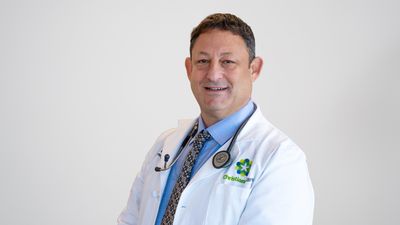
Brian Levine, M.D., Named Chief Academic Officer and Intellectual Property Administrator
ChristianaCare announced Feb. 12 the promotion of Brian Levine, M.D., to chief academic officer, along with his appointment as intellectual property administrator. He will also continue in his role as designated institutional official. As chief academic officer and leader of ChristianaCare’s Department of Academic Affairs, Levine oversees 38 residency and fellowship programs encompassing 315 residents and fellows, along with the education and training of students across the continuum of medical education. He leads the continued growth and strengthening of ChristianaCare’s undergraduate and graduate medical education infrastructure, ensuring that ChristianaCare continues to prepare physicians to care for our community well into the future. In addition, Levine oversees physician assistant education and allied health educational programming, supporting workforce development and long-term community health needs. As the largest academic medical center between Philadelphia and Baltimore, ChristianaCare has been a hub of academic excellence for over a century. ChristianaCare is one of the largest community-based teaching hospital systems in the United States. ChristianaCare also serves as the Delaware Branch Campus for Sidney Kimmel Medical College and the Philadelphia College of Osteopathic Medicine. This unique program allows medical students to complete their third and fourth years of clinical rotations exclusively at ChristianaCare, providing a clear pathway to launch their medical careers in Delaware. Each year, 55 students participate in the Branch Campus program, with many continuing into ChristianaCare’s highly sought-after residency programs and remaining in Delaware to serve local communities. ChristianaCare is a destination of choice for medical students and residents because of its strong patient-centered culture, reputation for excellence, and diversity of clinical experiences that include urban and suburban campuses with a wide range of pathologies. In his newly expanded role as intellectual property administrator, Levine manages and enforces ChristianaCare’s intellectual property policy, ensuring fair and consistent application in alignment with applicable laws and regulations. He also leads the multidisciplinary committee responsible for guiding organizational decisions related to intellectual property valuation, commercialization strategies and revenue distribution. Levine brings deep experience in academic medicine, health system education and scholarly publishing to these responsibilities. An emergency physician, he led the development of widely used clinical reference guides published by the Emergency Medicine Residents’ Association. These pocket-sized tools — covering topics such as antibiotic stewardship, orthopedic injury management, and EKG interpretation — are used by thousands of emergency medicine residents worldwide. Levine has held leadership roles at ChristianaCare for nearly two decades. Since 2018, he has served as associate chief academic officer and designated institutional official. Previously, he was program director of the Emergency Medicine Residency program from 2012 to 2018 and associate program director from 2006 to 2012. Levine is a clinical professor of Emergency Medicine at Sidney Kimmel Medical College at Thomas Jefferson University and previously served as associate medical director for the LifeNet aeromedical transport program. He earned his medical degree from the University of Vermont Larner College of Medicine and completed his emergency medicine residency at ChristianaCare.