
Experts Matter. Find Yours.
Connect for media, speaking, professional opportunities & more.

Local neighborhood conditions are important for children’s brain development
Growing up in a disadvantaged neighborhood is related to children’s brain structure and neurocognitive performance, according to a study published May 3, 2021 in the journal JAMA Pediatrics. It is associated with the brain’s cortical structure and volume as well as how children pay attention, their executive function, reading, flexible thinking, and other tasks that support learning. These differences could potentially contribute to other inequities during adolescence as well as later in life for these children, though there is no evidence that such neighborhood-related differences are fixed or immutable. Children’s brains exhibit plasticity, meaning that they can change and grow in response to learning and experience. The study’s findings shine a spotlight on the larger population trend and do not serve as a predictor of any individual child’s outcome. “This points to the importance of investing in policies and programs that help improve local neighborhoods and to support and empower communities to promote children’s neurodevelopment and long-term health and well-being,” said Daniel A. Hackman, assistant professor at the USC Suzanne Dworak-Peck School of Social Work and lead author of the study. Researchers from the USC Suzanne Dworak-Peck School of Social Work and the Keck School of Medicine of USC used data from the Adolescent Brain and Cognitive Development (ABCD) Study, collected from October 2016 – 2018. The ABCD Study is the largest long-term study of brain development and child health ever conducted in the United States. “Disadvantaged neighborhoods may lack quality health services, access to nutritional foods, and well-maintained parks and rec facilities,” said Megan Herting, assistant professor in the department of preventive medicine at the Keck School of Medicine at USC and senior author of the study. “They may also expose residents to more pollutants or social stressors.” In addition to Hackman and Herting, study authors include Dora Cserbik, Jiu-Chiuan Chen, and Rob McConnell of the department of preventive medicine at Keck School of Medicine; Bita Minaravesh of the USC Dornsife Spatial Sciences Institute; and Kiros Berhane of the Department of Biostatistics at Columbia University Mailman School of Public Health. Neighborhood disadvantage and the brain The study participants were 8,598 nine- to eleven-year-old children in 21 sites from the ABCD Study, and includes youth from diverse backgrounds, family income levels and neighborhood environments. Using this ABCD data, the multidisciplinary team of researchers tested whether neighborhood disadvantage is associated with neurocognition and brain structure through the National Institute of Health Toolbox Cognition Battery and magnetic resonance imaging (MRI) scans. Neurocognition refers to specific cognitive functions related to particular neural systems, such as executive function, memory, problem-solving and perception. Executive function is the set of cognitive functions that allows people to select behaviors, make efforts to regulate or control their behavior or thinking in given situations, and to focus on goals despite distractions. Brain structure refers to global and regional measures of the brain’s cortex and subcortex, such as volume and surface area. The researchers found that neighborhood disadvantage was associated with worse neurocognitive performance on nearly all tasks and smaller cortical surface area, as well as cortical volumes and subcortical volumes, across the whole brain. The associations remain after adjusting for family socioeconomic status and largely remain after adjusting for perceptions of neighborhood safety. “Our findings aren't specific to the child's home life, as we accounted for socioeconomic factors at each child's home,” Herting said. “But the research suggests neighborhoods may have different levels of social and educational resources and opportunities that can impact a child's neurodevelopment.” Disadvantaged neighborhoods are those in which people generally have lower levels of income, employment and education. Growing up in these conditions can be stressful for children and adults. However, comparing disadvantaged neighborhoods across the country is challenging to social work researchers, who understand that when looking at national samples they may pick up regional differences for which they must account. Neighborhood similarities and differences The impressive scope and scale of the ABCD study made it possible for these researchers to delve into rich local data that enabled them to understand the similarities and differences of disadvantaged neighborhoods within the context of their cities. Hackman, whose research interests include understanding neighborhoods and the context that children and adolescents grow up in, wanted to be able to look at the research question from both the national perspective as well as the local perspective. “This is the first large, national study of neurodevelopment to determine that the role of neighborhood disadvantage is similar across all regions of the country, and we found that what mattered most were the local differences in neighborhood disadvantage within each city, rather than how cities differ from each other overall” Hackman said. “This highlights the broad relevance of neighborhood disadvantage, and the importance of unique local conditions. His interest was even more piqued when he saw a clear narrative emerge from the data. “The consistency of the data was so compelling,” Hackman said. Though disadvantaged neighborhoods may vary from city to city, the researchers found the associations were largely consistent across 21 metropolitan areas within the U.S. For policymakers, a takeaway is that neighborhoods were related to these important aspects of child development everywhere, and that though each city is different, the unique local conditions are important to address. In addition, the global relationship between neighborhood and overall brain structure and neurocognitive performance suggest that intervention approaches may be most successful if they are comprehensive and focused on improving children’s contexts, rather than narrowly targeted to the development of particular cognitive skills. “This research is important as it not only highlights that neighborhoods matter, but it also suggests that promoting neighborhood equity based on the unique local conditions within cities could be important for the short and longer-term health and overall development of children and adolescents,” Hackman said. According to the study, although the magnitudes of association between disadvantaged neighborhoods and neurocognition and brain structure are statistically small, they are potentially meaningful. One reason is because even small effects may have large consequences as they accumulate over time at a population level. Another reason is because these are comparable to, but smaller, than effect sizes for family socioeconomic status in these models. “There is also considerable evidence of resilience,” Hackman noted, as the authors caution that these associations are not predictive at the individual level. In particular, many youth from disadvantaged neighborhoods outperform their peers from more affluent neighborhoods, and also have larger cortical surface area and subcortical volume as well. In other words, living in a disadvantaged neighborhood is not deterministic and does not automatically predict any pattern of neurocognition and brain structure for any individual. Instead, the association uncovered by these researchers points to more reasons why improvements to neighborhoods can bring positive change. “Future research is needed to determine if our findings are, in fact, attributable to differences in community-based resources or differences in quality of schooling,” Herting said. “However, our findings do add to a growing literature suggesting the importance of neighborhoods and how they may contribute to place-based disparities in health and well-being in America.”


A Neuroscientist’s Guide to Managing Post-COVID-19 Anxiety When Returning to Work
With the Centers for Disease Control and Prevention relaxing mask-wearing restrictions and many companies like Google and Goldman Sachs asking employees to return to the office after working remotely since the start of the COVID-19 pandemic, some people are nervous to re-enter society. According to Alicia Walf, a neuroscientist and senior lecturer at Rensselaer Polytechnic Institute, the most effective way to overcome fears about re-engaging with the world may simply be to get back out into it. “Positive human connections are the most powerful tool for reducing stress,” she said in a recent Reader’s Digest article. To control anxiety and improve the health of our brains, Walf also suggests some basic steps like getting sufficient sleep, eating a good diet, and removing distractions to improve focus. Ultimately, a return to normalcy after such a long period of constant stress will be an important step toward restoring brain health. “There can be lasting effects of intense stress on the brain,” Walf said. “Social isolation is an incredibly stressful event associated with increased stress hormone levels and many other long-term negative health consequences. Clinicians are rightfully concerned about the long-term effects of this pandemic on mental health, which may involve these changes in the stress response and brain circuits.” And while feeling anxious may be unpleasant, stressful experiences can be learning experiences. According to Walf, adaptability is an important part of resiliency to stress, and a useful trait to work on us we adjust to our changing world. “Although not wearing masks and returning to work are now major changes in many of our routines, producing feelings of anxiety,” Walf said, “the benefits of social interaction will likely help us return to our routines yet again and reduce the potential for long-lasting negative consequences of stress.” Walf studies the brain mechanisms of stress and reproductive hormones as they relate to behavior and cognition, brain plasticity, and brain health over the lifespan. Specific areas of her expertise are memory, emotions, and social interactions and how these functions not only arise from the brain but change the brain itself.


Bridge-Building as a Career Path
Yusuhara Wooden Bridge Museum / Kengo Kuma & Associates. © Takumi Ota For my entire life I’ve imagined myself as a bridge between the U.S. and Japan. I grew up in Japan from ages one to eighteen — my parents are Southern Baptist missionaries who have lived in our heartland now for over 40 years. As an American growing up in Hokkaido, I often found myself in the position of explaining to Japanese why Americans do certain things and act certain ways, and then trying to tell Americans why Japanese or people outside of the U.S. saw the country in a particular way. This dialogue became an extension of who I am. Of course, like many children growing up, I wanted to be like my dad, who is a gifted pastor and long-term missionary. But, along the way, I realized that the role of a missionary is actually very much like that of being an ambassador or bridge-builder who represents their country, alliances, and traditions. As reinforced recently by Prime Minister Suga’s visit to the White House, the first of any international visitor for the Biden administration, the alliance with Japan is our single most strategic international relationship. Walter Russel Meade laid this out eloquently in the Wall Street Journal, “For the foreseeable future, the U.S.-Japan alliance is likely to remain the cornerstone of American foreign policy. Building the social and cultural ties that can support that relationship is an urgent task for both countries.” In my lifetime, and perhaps never before, has there been a moment like the present where the U.S. and Japan are mutually reliant to such a degree. Therefore, my personal commitment to being a bridge-builder, and our mission at Japan Society, have never been more critical. Finding my path After college I went to Turkey as a Fulbright Scholar, where I worked with the State Department through the Ambassador’s Office and the Embassy, enriching my understanding of foreign diplomacy. As I explored my interests in other parts of the world, I didn’t intend to pursue a career in U.S.-Japan relations. However, all that changed on March 11, 2011, when the Great East Japan Earthquake, tsunami, and nuclear disaster devastated the Tohoku region of northeastern Japan. At that moment, I felt a deep personal mission to help bring people from around the world together and realized that I was uniquely situated to build bridges with Japan. I had the opportunity to serve three different times in the State Department along with the Defense Department and on various Commerce Department advisory boards as I completed my academic degrees culminating with a PhD from Princeton. My time in academia and government service taught me the important skill of storytelling. When I left the State Department, I joined the strategic communications company APCO Worldwide, where I helped establish their Japan office and became immersed in Japanese public relations. Next, I had the privilege of running the USA Pavilion at the World Expo in Kazakhstan in 2017, telling America’s story from the ground up. That led me to Eurasia Group, the foremost geopolitical risk consultancy group, where I led the largest geopolitical risk summit in Japan, the GZero Summit, taking my academic, government, and public relations experience and putting it into a practical context. Embracing my ikigai Today I’m the President and CEO of Japan Society, working to take the Society’s mission into its second century, to be the deep connection, or kizuna, that brings the United States and Japan together through its peoples, culture, businesses, and societies. One of the greatest things that I see these days is concepts from Japan that have been adapted into the English lexicon — like ikigai, the idea of life’s purpose, which has become a catchphrase in our pandemic world’s search for meaning. Ikigai resonates deeply with me, because it is about finding your reason for being, your passion and calling. For me, this means being dedicated to promoting global understanding and helping make the world a better place. I don’t think I would have told you two years ago that I would be the President and CEO of Japan Society. It is an opportunity that caught me by surprise in some ways. But in other ways, now that I am here, it feels like the most natural job I’ve ever done, and I cannot think of a better place I would rather be or a better way to live out my ikigai. At Japan Society’s founding luncheon on May 19, 1907, the guest of honor, General Baron Kuroki “wished the new organization a long and successful health.” As The New York Times reported, “The object of the new organization will be the promotion of friendly relations between the United States and Japan.” Now in its second century, our work of bridge-building continues today. Joshua Walker (@drjwalk) is president and CEO of Japan Society. Follow @japansociety. The views expressed in this article are the writer’s own.


How does the job market look for the Class of 2021 ? The answer: much better, says IU expert
As the class of 2021 graduates this weekend to embark on new challenges and careers, Rebecca Cook, executive director of undergraduate career services at the Indiana University Kelley School of Business, reflects on the current job market and offers insights into what summer internships may be like for current students. “The summer of 2020 was a mess for student internships and full-time roles, with pretty much all either going virtual or, in the case of many internships, being cancelled altogether as companies tried to figure out business during the pandemic. Luckily, the job outlook for both full-time roles and internships in May 2021 looks a lot different – and a lot better. “The job market is hopping right now with a significant number of internship and full-time opportunities, as companies open up and business grows. Industries such as professional services, technology, health care, manufacturing and financial services are all seeing significant upticks in job postings. Even companies hard-hit by the pandemic, such as retail and hospitality, are picking up their hiring. “While hiring is back to pre-pandemic levels in many industries, the level of competition for those roles has increased significantly. In a normal year, the majority of job seekers are that year’s graduates. However, this year we have 2021 grads plus some 2020 grads who still are seeking plus those who went to graduate school to put off job hunting during the pandemic and are now graduating. This all leads to a much more competitive job market and one where a student needs to work to stand out from the crowd, particularly through networking and reaching out to potential connections at their companies of interest. “We recommend that students spend a lot more time networking than they may have in the past, creating a focused list of companies they are interested in and then spending the time to connect and speak with employees at those companies. Leverage any ‘warm’ connections possible, such as friends, family members, fellow Kelley alumni, faculty and staff recommendations. “An important point to remember is that roughly 75 percent of jobs are never advertised publicly, so the only way to find out about them is through networking. Many new jobs, as well as internships, may start out virtual “It’s important to note that many roles that students are entering will still be virtual, at least for the time being, as companies are very mixed as to if they are back in the office already, not returning to the office until early fall, or staying remote entirely. Internships in particular are likely going to be virtual, while full-time jobs are looking to be mixed, with many starting out virtual but then likely moving in-person when offices open up. While being virtual once again is probably disappointing, students should remember that they can be just as successful with a virtual full-time role or internship as an in-person one. “The key is staying connected with their supervisor and co-workers on a regular basis. They should also network with as many people in their full-time or internship company as possible, taking the initiative to set up Zoom (or whatever video conferencing tool that the company uses) meetings regularly in order to learn as much about the company and role as possible, as well as to build their network for future opportunities. “Overall, there are a lot of available opportunities out there for students – they just need to put in the time to network and get their name and brand known.” To schedule an interview with Cook, contact George Vlahakis at vlahakis@iu.edu.

Kelley School expert who studies causes and effects of recalls available to discuss Peloton
Peloton Interactive Inc. on May 5 announced that it is recalling its treadmills in a statement from CEO John Foley who also apologized for the company’s initial refusal to comply with federal safety regulators’ prior request for this action. George Ball, assistant professor of operations and decision technologies and Weimer Faculty Fellow at the Indiana University Kelley School of Business, studies the causes and effects of product recalls. Below are comments from Ball. He can be reached at gpball@indiana.edu. “Recall decisions like this are very difficult for managers to make, especially the ones that are high profile and associated with consumer injury. Managers have to balance the firm financial health with consumer safety. Thus, this is a rich area of research. The research that my colleagues and I undertake in this field deal both with the regulator and the firm. My comments will attempt to address both perspectives. “I will start with the regulator. I am currently involved in a research project with two colleagues that is specifically critiquing the Consumer Product Safety Commission for situations very similar to this Peloton recall. There are three main regulators in the US that oversee product quality and in particular recalls: the FDA, NHTSA and the CPSC. “Of those, CPSC is the least proactive and in my view, least successful in properly managing product recalls and their timeliness. This is because there are two main ways in which a firm can push firms to recall; they can force them to, or they can work with the firm management to help encourage them, or nudge them, to recall. The FDA is very good at influencing firms while NHTSA is quite good at mandating recalls. CPSC does neither well. “In particular, the FDA frequently chooses to use their relationships with senior quality executives at firms to nudge them to recall when FDA feels it may be necessary and the firm has not yet acted upon the quality problem. Conversely, NHTSA mandates approximately 20 to 30 percent of auto recalls, such that they choose to force instead of nudge. However, in both cases, while neither industry (medical products and autos) are perfect when it comes to recall timeliness, and both have suffered unfortunate well-known examples of firms dragging their feet in the recall decision, both have a well-developed approach. “CPSC mandates practically no recalls and they do not, from my research, have strong relationships with firm executives that can help them nudge firms to make the quick recall decision. Thus, this Peloton example is one of many in which consumer product firms may take too long to recall. “From the firm perspective. There are several potential red flags that may indicate the firm took too long. The longer a consumer product industry CEO has been in their role, the slower they are to make recall decisions. This is because the longer a CEO is in the role, the less open they are to taking responsibility for such high-profile mistakes. Interestingly, a new CEO, such as one who has been in their role for two to three years, is much more likely to recall a faulty product. “The CEO of Peloton definitely falls into the category of a fairly long-tenured CEO who has his reputation tied closely to the firm’s success. Secondly, the more stock a CEO owns in their firm, the slower they are to make the recall decision, because they are trying to protect their financial welfare. The CEO of Peloton appears to have a significant fortune at stake in Peloton stock, which would be consistent with our research. The more stock a CEO owns, the slower the firm take to recall defective products.”

Starter vape packs to be handed out in hospitals
A new trial from the University of East Anglia will see smokers attending hospital emergency departments given e-cigarette starter packs to help them quit. The initiative comes as a Cochrane Review - the international gold standard for high quality, trusted health information – about vaping is updated today. The review, led by the University of Oxford and involving the UEA team, shows how nicotine electronic cigarettes could increase the number of people who stop smoking compared to nicotine replacement therapy – such as chewing gum and patches – and compared to electronic cigarettes that do not contain nicotine. The new trial will offer stop smoking advice and an e-cigarette ‘starter pack’ to patients attending hospital emergency departments for any reason, to try to encourage and support them to quit smoking – even for those who might not have considered it before. The new trial is funded by the National Institute for Health Research (NIHR) and will be run by the Norwich Clinical Trials Unit at UEA. Prof Caitlin Notley, from UEA’s Norwich Medical School, said; “Many people who smoke want to quit, but find it difficult to succeed in the long term. “Electronic cigarettes mimic the experience of cigarette smoking because they are hand-held and generate a smoke-like vapour when used. They can be an attractive option for helping people switch from smoking, even if they have tried and failed in the past. “We know that they are much less harmful than smoking tobacco, and that they have been shown to help smokers quit. Trial co-lead Dr Ian Pope, also from UEA’s Norwich Medical School and an emergency physician, said: “Emergency Departments in England see over 24 million people each year of whom around a quarter are current smokers. “Attending the Emergency Department offers a valuable opportunity for people to be supported to quit smoking, which will improve their chances of recovery from whatever has brought them to hospital, and also prevent future illness.” The study will run over 30 months across five hospitals in England and Scotland – at the Norfolk and Norwich University Hospital, the Royal London Hospital and Homerton University Hospital in London, Leicester Royal Infirmary and the Royal Infirmary of Edinburgh. Smokers who agree to take part will be randomly assigned to receive either smoking advice during their emergency department wait, an e-cigarette starter pack and referral to local stop smoking services, or just written information about locally available stop smoking services. Both groups of patients will be asked if they are still smoking one, three and six months after they attended hospital. The research team hope to eventually recruit around 1,000 smokers to the trial. Prof Notley said: “We’ll be looking at the number of people who successfully quit smoking across both groups, to see which intervention works best. We’ll also work out how much it would cost to roll the scheme out nationally,” she added. ‘Electronic cigarettes for smoking cessation (Review)’ is published by the Cochrane Library on April 29, 2021.


Thousands of men to trial prostate cancer home testing kit
Thousands of men worldwide are to receive a home test kit for prostate cancer – thanks to pioneering research from the University of East Anglia and the Norfolk and Norwich University Hospital (NNUH). The research team are trialling a new home-testing ‘Prostate Screening Box’ to collect men’s urine samples at-home. The urine samples will be used to analyse the health of the prostate in 2,000 men in the UK, Europe and Canada. This simple urine test is intended to diagnose aggressive prostate cancer and in a pilot study predicted which patients required treatment up to five years earlier than standard clinical methods. Lead researcher Dr Jeremy Clark from the University of East Anglia 'unboxes' the new home testing kit live on Sky News. The Prostate Screening Box has been developed in collaboration with REAL Digital International Limited to create a kit that fits through a standard letterbox. It means that men can provide a urine sample in the comfort of their own home, instead of going into a clinic or having to undergo an uncomfortable rectal examination. The research team hope that it could revolutionise diagnosis of the disease. Lead researcher Dr Jeremy Clark, from UEA’s Norwich Medical School, said: “Prostate cancer is the most common cancer in men in the UK. However it usually develops slowly and the majority of cancers will not require treatment in a man’s lifetime. It is not a simple matter to predict which tumours will become aggressive, making it hard to decide on treatment for many men. “The most commonly used tests for prostate cancer include blood tests, a physical examination known as a digital rectal examination (DRE), an MRI scan or a biopsy. “We have developed the PUR (Prostate Urine Risk) test, which looks at gene expression in urine samples and provides vital information about whether a cancer is aggressive or ‘low risk’. “The Prostate Screening Box part sounds like quite a small innovation, but it means that in future the monitoring of cancer in men could be so much less stressful for them and reduce the number of expensive trips to the hospital. “The prostate lies just below the bladder. It constantly produces secretions which naturally flow into the urethra - the tube through which urine passes from the bladder. The prostatic secretions carry cells and molecules from all over the prostate which are flushed out of the body on urination. We collect these and examine them. It’s a way of sampling the whole prostate in one go. “As the prostate is constantly secreting, the levels of biomarkers in the urethra will build up with time. Collecting from the first wee of the day means that overnight secretions can be collected which makes the analysis more sensitive.” The team have previously trialled the kit with a small group of participants, but in the next phase of the research study are rolling it out to thousands. Men taking part in the trial will receive a home urine-sampling kit and will be asked to provide two urine samples – one to be taken first thing in the morning and the second an hour later. The samples will then be sent back to the lab for analysis. Dr Clark said: “Feedback from early participants showed that the at-home collection was much preferred over sample collection in a hospital. “We hope that using our Prostate Screening Box could in future revolutionise how those on ‘active surveillance’ are monitored for disease progression, with men only having to visit the clinic after a positive urine result. “This is in contrast to the current situation where men are recalled to the clinic every six to 12 months for a range of tests including DRE, PSA tests, painful and expensive biopsies and MRI. We are working to develop the test to help patients in three years’ time. “A negative test could enable men to only be retested every two to three years, relieving stress to the patient and reducing hospital workload,” he added. Robert Mills, Consultant Clinical Director in Urology at NNUH, said: “This simple, non-invasive urine test has the potential to significantly change how we diagnose and manage early prostate cancer for the benefit of patients and health care systems. It may enable us to avoid unnecessary diagnosis of low risk disease as well as managing patients more appropriately with surveillance for those with low risk of progression and early curative treatment for those at high risk of progression.” Paul Villanti, executive director of programs at Movember, said: “The PUR test has great potential to transform the way prostate cancer is managed. Not only can it accurately predict when a man’s disease will become aggressive and require treatment, but it has the added advantage of allowing men to complete it at home. “We are proud to have supported the development of the PUR test from its early stages as part of our Global Action Plan on Biomarkers, through to this trial involving thousands of men across the world. “Through our Global Action Plan on active surveillance, we have been able to identify hundreds of men from the UK, Germany, Italy and Canada who are suitable to take part in this trial. “We hope it will speed up the trial’s progress and get this test included as part of clinical care for men as quickly as possible.” The research has been funded by a Movember and Prostate Cancer UK Innovation award, the Masonic Charitable Foundation, the Bob Champion Cancer Trust, the King family, the Andy Ripley Memorial Fund, the Hargrave Foundation, Norfolk Freemasons and the Tesco Centenary Grant.

Social Work is Advancing Addiction Science Research
Tens of thousands of Americans die from drug use and addiction every year, with overdoses killing over 63,000 people in America in 2016, according to the National Institute on Drug Abuse. Add in deaths linked to alcohol overuse and tobacco, and the number climbs above half a million Americans. The collective work of several researchers at the USC Suzanne Dworak-Peck School of Social Work, in collaboration with other USC faculty and outside organizations, is advancing knowledge of substance use disorders. Social work has become a hub where researchers and practitioners drive understanding and improve treatment for this disease that impacts millions of families each year. “Either as a cause or consequence, addiction relates to every problem we deal with in social work,” said John Clapp, professor and associate dean for research and faculty development at the USC Suzanne Dworak-Peck School of Social Work. Addiction’s complexity The social work field is uniquely poised to help effect change because of its holistic approach to individual well-being and the public good. According to Clapp, substance use disorder problems are inherently ecological, impacting and being impacted by individuals, families, peers, neighborhoods, communities and public policy in complex and dynamic ways. Untangling those causes and effects and interdependencies is one part of the solution. The other part is understanding that simple solutions may stay out of reach. “We will not find a one-size-fits-all answer,” said Clapp. Looking at addiction as a genetic, psychological or sociological issue only shows one piece of the overall cause. A comprehensive approach is essential, he said, especially when statistics from the National Institute on Alcohol Abuse and Alcoholism (NIAAA) show alcohol use disorders alone as the third leading cause of preventable death in the world. A hub for addiction science The need for a transdisciplinary response to this worldwide crisis was behind the 2018 creation of the USC Institute on Addiction Science (IAS), a joint venture between social work and the Keck School of Medicine of USC, with membership from 10 different schools, colleges and hospitals. Its vision is to strengthen the discipline of addiction science and improve the lives of those touched by the disease. Clapp is co-director of the institute and one of its founding architects. IAS is quickly becoming the foremost place for a broad effort focused on addiction that brings together researchers from the fields of public health, social work, law, public policy, mathematicians, computer engineers and others in recognition of the promise of new approaches to longstanding problems. The USC Suzanne Dworak-Peck School of Social Work has eight faculty making substantial contributions to the prevention of addiction-related disorders as members of the IAS: Professor Avalardo Valdez, associate professors Julie Cederbaum and Alice Cepeda, and assistant professors Jordan Davis, Shannon Dunn, Jungeun Olivia Lee, Danielle Madden, and Hans Oh. “Social work brings one of the broadest perspectives on the underpinnings and solutions to the addiction crisis,” said Adam Leventhal, director of IAS and professor of preventive medicine and psychology at Keck. “By approaching addiction as a health condition and a social justice issue, social work brings to the table the opportunity for high-impact, multi-modal intervention and social policy approaches, which are needed to address the addiction epidemic.” A holistic approach Social work faculty are raising the bar in addiction science research, developing new and novel approaches to improving outcomes for those affected by addiction. In a study recently published in Addiction, a multidisciplinary team lead by Davis and Clapp found gender differences in the risk factors for relapse following treatment for opioid use disorder. The study was the first in this field to use machine learning techniques to process large data sets and identify risk factors for relapse, said Davis, who also serves as associate director of the USC Center for Artificial Intelligence in Society (CAIS). The findings may result in more personalized treatment for opioid use disorder with lasting results. This dovetails with additional research Davis is conducting with computer science engineers at CAIS to collect and input neighborhood and census data into their models in an effort to better understand how these macro variables affect relapse. “We are finding that data points such as crime statistics, population density and concentrated poverty tend to be some of the most important predictors of relapse, over and above individual-level predictors such as impulsivity, motivation or gender,” Davis said. These findings echo Clapp’s description of addiction as ecological and point to the need for holistic solutions. “These machine learning techniques are helping us gain an apparent picture of what the most important factors are surrounding someone’s recovery,” Davis said. “Environment matters greatly.” Davis is also collaborating closely with Eric Pedersen, associate professor at Keck School of Medicine at USC, on several research efforts examining substance use among veterans. Most recently, they have assembled a survey group of approximately 1,200 veterans whom they survey quarterly about their well-being. A recently conducted survey of the group found that veterans with PTSD prior to the COVID-19 pandemic were now managing their symptoms with more frequent alcohol and cannabis use. Another joint research endeavor between the two is examining the use of mindfulness smart phone apps to help reduce substance use in Operation Enduring Freedom/Operation Iraqi Freedom veterans with PTSD and alcohol use disorder. Where well-being and inequalities intersect Jungeun Olivia Lee also seeks to decode the network of relationships between socioeconomic status, adverse childhood experiences and drug use. Her experience as a social work practitioner working directly with clients drives her motivation to demonstrate to policymakers what she sees as a linkage between unemployment, economic stress and substance use disorders. She is lead author on a paper published in Nicotine & Tobacco Research that found unemployment may advance nicotine addiction among young adults, rather than the idea that nicotine addiction may lead to unemployment. Lee’s research interests lie at the intersection of substance use and co-occurring mental health, social inequalities (such as poverty and low socioeconomic status), and adverse childhood experiences. She is interested in combining these three areas of inquiry to explore their influence on addictive behavior that can persist over generations of at-risk families, such as adolescent mothers and their children. Her memories of working directly with clients struggling with the impact of addiction remain clear in her mind. When Lee hears policymakers and others suggest that individual willpower will solve substance use disorder problems, she has a straightforward response: “People are not born with addiction.” In her view, many factors contribute to the triggered distress, including socioeconomic status and adverse childhood experiences. Lee is exploring an idea with other IAS researchers to investigate the relationship between financial strain and employment uncertainty and addiction. “Individual circumstances, such as losing a job, certainly influence substance use, but policy-level decisions, such as the generosity of unemployment insurance, can mitigate the impact,” she said. Transdisciplinary collaboration with social scientists, psychologists and medical researchers at IAS and across the USC campus enriches and amplifies her work. “We are breaking down discipline-specific silos and bringing new and valuable perspectives to this work,” she said. “The synergy is both useful and inspiring.” Looking ahead Researchers also hope to spark interest in the field among the next generation. A new minor for undergraduate students in addiction science was introduced at USC in Fall 2020. The minor is an interdisciplinary collaboration of the Keck School of Medicine, the USC Suzanne Dworak-Peck School of Social Work, the USC School of Pharmacy and the USC Dornsife College of Letters, Arts, and Sciences. It is designed to provide students with a transdisciplinary approach to understanding and treatment of the broad spectrum of addiction-related problems. The goal of addiction science research and education is to improve the long-term effect of addiction treatment and save lives. As society’s understanding of the cause of addiction grows, researchers like those in the school of social work and the IAS strive to bridge the gap between science, practice and policy to positively impact outcomes for those affected by addiction.

COVID-19 Pandemic Increasing Substance Use Among Veterans with PTSD
Nine months into the pandemic, everyone has been affected by COVID-19 in some way. However, one group that needs special attention and support is U.S. veterans who were already struggling with symptoms of posttraumatic stress disorder (PTSD). A recently conducted survey by Jordan Davis, assistant professor at the USC Suzanne Dworak-Peck School of Social Work, and Eric Pedersen, associate professor at Keck School of Medicine of USC, found evidence that veterans with PTSD prior to the pandemic were now managing their symptoms with more frequent alcohol and cannabis use. “The pandemic has not been easy on folks, especially for those that have PTSD or an alcohol use disorder (AUD),” said Davis, who also is associate director of the USC Center for Artificial Intelligence in Society (CAIS). “Some of the stories I’ve heard [from study participants] have been heart-wrenching.” An extraordinary resource of veterans not affiliated with VA services Davis and Pedersen lead several efforts examining substance use among veterans. They have assembled a survey group of about 1,200 military veterans, a percentage of whom struggle with PTSD symptoms but have not yet sought professional help via the Department of Veterans Affairs (VA) to improve their wellbeing. “We’ve decided to focus on the population of veterans who, for one reason or another, say they don’t need mental health care,” Davis said. Attitudes about care, transportation barriers or perceived stigma from others may deter them from seeking care for PTSD symptoms, and some self-medicate with alcohol, cannabis, cigarettes, or more rarely, methamphetamine or cocaine. Davis cited larger studies 1,2 that found only about half of the veterans who need some sort of mental health care receive it. Many studies of veterans recruit subjects from the VA who are likely already receiving care. The unique sample group that Davis and Pedersen have created may offer fresh insights into how to motivate these veterans outside the VA system to seek care and how best to deliver it. Tracking pandemic effects on mental health It all began with a one-time survey of young adult veterans to measure drinking habits and willingness to seek help. Pedersen and others had developed a brief intervention that had yielded some success reducing drinking in the short-term, but he knew that sustaining those reductions would be difficult unless the veterans agreed to more formal care. The one-off survey, conducted in February 2020, would set a baseline that could be used to inform the brief intervention content. Then COVID-19 cases began multiplying. Affected cities and states began to impose restrictions on public gatherings and more. Pedersen and Davis soon obtained additional funding from the Keck School of Medicine of USC COVID-19 Funding Program and the National Institute of Alcohol and Abuse to follow up with their sample group and see how these veterans were coping with the unprecedented health crisis. “The result is that we can follow up with these veterans from a pre-COVID-19 time period for the next several years, tracking their depression, anxiety and PTSD symptoms and substance use,” Pedersen said. The researchers aim to understand how the veterans are sleeping, what their stress levels are like, and how things have changed as the pandemic wears on. They hope to gain new insights about what motivates some to seek care and how that can be replicated. So far, the results point to some unfortunate, but not unexpected, news. “We’re finding that those veterans who were struggling with PTSD prior to the pandemic are actually doing worse in terms of their substance use behaviors, drinking and cannabis use, as well as their stressful reactions to the pandemic,” Pedersen said. Pedersen and Davis will continue to follow up with these veterans through at least February 2022, surveying them every three months to see how they are progressing. In addition to the survey, they also conduct in-depth qualitative interviews with a subset of the group to enrich their understanding of what their lives are like now and how things have changed for them. The interviews last about an hour, sometimes more. “We talk about the positive and negative things that have happened and what their expectations are for the future,” Davis said. The details are confidential, of course, but it is clear that the pandemic has upended people’s lives and livelihoods across the United States. The toll on those who were already experiencing mental health issues and addiction has been heavy, but Davis and Pedersen are hopeful that their insights and findings will lead to better treatment and outreach in the future. Reducing barriers to care One bright spot over the past nine months has been the quick embrace of telehealth. The VA was already leading the way to telehealth as a way to improve access to its services, and following the stay-at-home orders of the pandemic, telehealth has grown in acceptance and use. Now, online counseling sessions, Alcoholics Anonymous meetings, and medical visits are commonplace. Pedersen and Davis don’t see that changing even when face-to-face gatherings become the norm once again. It has been a promising start to the research, and Pedersen and Davis are even more excited about what the future may hold. They plan on submitting for more grants to continue to track the mental health and substance use of this group of hundreds of veterans with the goal of understanding what factors lead individuals to seek care. Down the road, they hope to use this longitudinal data to help identify profiles of people more or less likely to seek care. “Then we can tailor interventions to increase their willingness to seek care for a problem like a substance use disorder or PTSD,” Davis said. Recognizing patterns in substance use and when to seek care is very important in helping that part of the veteran population that is trying to deal with symptoms of depression, anxiety, PTSD, or substance abuse on their own. “We know that things are bad now and we can expect that there will be lingering effects for years to come,” said Pedersen. “What we hope is that these findings and our future work will help the VA and others create more effective programs and outreach to address the unique needs of veterans.” 1 Veterans Health Administration Office of Patient Care Services, Analysis of VA Health Care Utilization Among Operation Enduring Freedom, Operation Iraqi Freedom, and Operation New Dawn Veterans. Washington, DC: U.S. Department of Veterans Affairs, 2017. www.publichealth.va.gov/epidemiology/reports/oefoifond/health-care-utilization/. 2 Tanielian, Terri and Lisa H. Jaycox, eds., Invisible Wounds of War: Psychological and Cognitive Injuries, Their Consequences, and Services to Assist Recovery. Santa Monica, CA: RAND Corporation, 2008. www.rand.org/pubs/monographs/MG720.html.
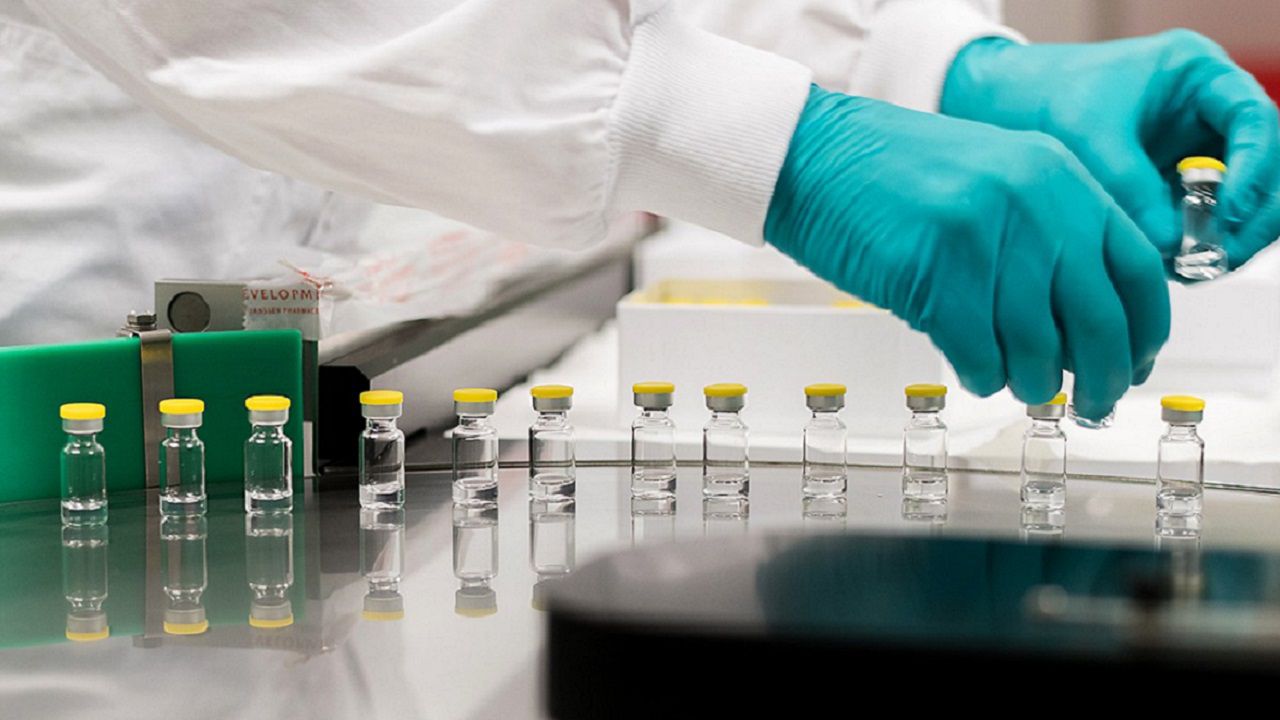
The Food and Drug Administration and the Centers for Disease Control and Prevention recently lifted the pause on the Johnson & Johnson COVID-19 vaccine. The agencies had shelved the vaccine after it was linked to cases of an extremely rare blood clotting disorder. Public health officials are now concerned that as news gets out about the potential side effects of the Johnson & Johnson vaccine, some members of the Black and Hispanic communities may opt out of what could be a life-saving act. “To the Black and Hispanic communities, there has been a long history of untrustworthy behavior by health care systems, and the current issue with Johnson & Johnson may have worsened some hesitancy,” said Dr. Justin X. Moore, an epidemiologist in the Department of Population Health Sciences at the Medical College of Georgia. “To overcome this barrier, companies must continue being open about side effects of the vaccine, and health care workers must be empathetic and listen to their patients’ concerns.” Vaccine safety and the importance of everyone being vaccinated is crucial as America looks to get to the light at the end of this pandemic. If you are a journalist covering COVID-19 and the issues surrounding vaccine hesitancy, then let our experts help. Dr. Justin Moore is an expert in spatial epidemiology and an associate professor at the Institute of Public and Preventive Health at Augusta University. He is available to speak with media regarding this topic – simply click on his name to arrange an interview.
