
Experts Matter. Find Yours.
Connect for media, speaking, professional opportunities & more.

Aston University biofuel experts advise on how Ukraine can build back greener
• Aston University biofuel experts provide advice on Ukraine’s recovery • Professor Patricia Thornley and Dr Vesna Najdanovic were invited to Royal Society conference • Outcomes will be presented to policymakers at Ukraine Recovery Conference in June. Two Aston University scientists have provided expert advice on how the UK’s wealth of research can support Ukraine’s reconstruction. A two-day conference was organised by the Royal Society and its outcomes will be presented to policymakers ahead of the UK government-hosted Ukraine Recovery Conference in June. As Ukraine is one of the largest agricultural producers and exporters it also generates large amounts of agricultural waste which could be used to produce biofuels and valuable chemicals. This could decrease the country’s fuel import dependency and increase the revenues for the sector. Researchers at the conference explored how to tackle some of the many challenges facing Ukraine, from rebuilding its economy, health and wellbeing, regional security and planning for a green recovery. Professor Patricia Thornley who is director of Aston University’s Energy and Bioproducts Research Institute (EBRI), was one of the just three academics invited to contribute to an infrastructure roundtable session. Professor Thornley said: “I was honoured to be asked to attend the infrastructure roundtable and share my expertise on renewable energy and sustainable products. “Ukraine has significant sustainable agricultural and forestry residues, which can be valuable to plug potential gaps in oil and gas supply for heating in the short term. But in the long term these can provide opportunities to produce sustainable bio chemicals and materials which could provide a basis to grow green chemical, material and construction industries. “UK researchers, such as those at EBRI at Aston University and the Supergen Bioenergy Hub, have the experience needed to work on developing these solutions to build back greener. Research evidence and expertise have a vital role to play in supporting policy makers to tackle the complex and urgent challenges related to the reconstruction and recovery of a resilient, sustainable Ukraine.” Meanwhile, Dr Vesna Najdanovic presented opportunities to develop bioenergy and bioproducts in Ukraine at the event and participated as a panel member. Ukraine’s recovery: rebuilding with research, which brought together Ukrainian and UK researchers and policy makers, was held on 15 and 16 May in London. It was funded by Universities UK International, Research England and the British Council and supported by the Academy of Medical Sciences, British Academy and the Royal Academy of Engineering.


Aston Medical School given full approval by the General Medical Council
Aston Medical School has been given full approval by the General Medical Council (GMC), meaning they can award degrees to graduating students for the first time this year. The Medical School at Aston University completed the GMC’s rigorous quality assurance process, which began in 2016. The decision, ratified by the GMC’s Council, means Aston Medical School can be added to the list of UK bodies able to award a primary medical qualification. The approval means that from this summer, medical graduates from Aston University will be added to the medical register and will be able to join the UK’s healthcare workforce as doctors. Aston Medical School welcomed its first students in 2018 and will be graduating its first cohort of students at its graduation ceremonies taking place in July 2023. The school was built on the ethos of educating medical professionals of the future, those who come from a wide cross section of society, and in particular those from disadvantaged communities where they have traditionally faced more barriers to accessing and completing medical education. Professor Helen Cameron, Dean of Medical Education at Aston Medical School, said: "This is a really exciting moment for Aston Medical School, and we are delighted for our students, especially our pioneer cohort who will graduate in July with an Aston University medical degree and contribute to the UK's healthcare workforce. Our focus on providing excellent education and support to a diverse range of students, including those from disadvantaged communities, has been at the heart of our mission since the school's inception. “We are proud that through commitment, team-work, and partnership with our students, we have met the GMC's rigorous quality assurance standards and we look forward to continuing to educate the healthcare leaders of the future.” Professor Aleks Subic, Vice-Chancellor and Chief Executive of Aston University, said: "Receiving full approval from the General Medical Council is a significant milestone for Aston Medical School and Aston University in general, and a testament to the hard work and dedication of our faculty, staff and students. “This achievement enables us to continue our mission of developing the next generation of medical professionals, with a particular focus on promoting diversity and inclusion in healthcare education and improving healthcare in the community. “We are proud to be adding new exceptional talent to the UK’s healthcare workforce and look forward to the contributions our graduates will make to the field." Professor Colin Melville, the GMC’s Medical Director and Director of Education and Standards, said: “The GMC maintains high standards and has a very rigorous process before a new medical school can award primary medical qualifications to its students. Aston University has worked hard, over a number of years, to meet our quality assurance standards. I’m delighted that, thanks to that hard work, they now have GMC approval to award medical degrees.” The GMC oversees both undergraduate and postgraduate medical education and training in the UK. Any institution looking to establish a new medical school or training programme must demonstrate it meets the GMC’s standards by being subject to an extensive period of quality assurance.

UConn Expert: An athletic trainer saved my life as a teen. Student athletes don't have to die
Dr. Douglas Casa was a 16-year-old student athlete when he collapsed during a 10K race -- in the midst of a life-threatening exertional heat stroke, or EHS, the quick action of an athletic trainer saved him. Now a professor of kinesiology a UConn and CEO of the Korey Stringer Institute, Casa is a leading voice on heat-related illnesses and preventing sudden death in sport -- and he has lifesaving advice for parents and policymakers as the summer sports season begins, published recently in the Courier-Journal: Change happens when a few key leaders come together to find a path to advocate for these life-saving policies. The key factor that determines if a high school athlete will live or die is the actions in the first 10 minutes after a condition presents itself. EHS has a 100% survival rate if cooling is done correctly, and proper prevention strategies can prevent nearly all EHS cases. Cardiac conditions survival rates can be as high as 90% when an AED is applied within 3 minutes of onset. When the moment comes and your child’s life lies in the balance, you want to be sure these life-saving policies are in place and that the appropriately trained licensed medical professional (i.e. AT) is on-site. So much hinges on those first few minutes. Most of all, your life will never return to normal if your child dies from a condition that is nearly always survivable when cared for properly. Do whatever you can before they die. Dr. Douglas Casa is available to speak with the media today - simply click on his icon now to arrange an interview.



Allen Friedland, M.D., MACP, FAAP, has been recognized with the Dema C. Daley Founders Award for his national impact as an educator, innovator and leader in internal medicine. Given by the Alliance for Academic Internal Medicine, the award honors internal medicine doctors who have greatly influenced undergraduate and graduate medical education and the development of training programs in internal medicine. Watch the video of Friedland’s acceptance speech here. “Dr. Friedland has been a tireless advocate and innovator for internal medicine, medicine-pediatrics, and residency education over two decades,” said Vinay Maheshwari, M.D., MHCDS, Hugh R. Sharp Jr., Chair of Medicine and physician executive of the Medical Group at ChristianaCare. “He is a mentor to countless physicians across the country and beloved by those who have had the privilege of working alongside him. What is most evident about Dr. Friedland is how much he cares about those he has taught locally and nationally – all of them will forever be a part of his family. This award is a testament to a lifetime career dedicated to graduate medical education.” Friedland is ChristianaCare’s section chief of Medicine-Pediatrics (Med-Peds) and has served as the director of ChristianaCare’s combined Internal Medicine-Pediatrics residency program for 25 years. He also teaches medical students at ChristianaCare, which is a branch campus of Sidney Kimmel Medical College at Thomas Jefferson University and Philadelphia College of Osteopathic Medicine. His accomplishments include: Spearheading the development of what is now known as ChristianaCare’s Center for Special Health Care Needs, dedicated to providing primary care and specialty care for adults ages 18 and older with complex medical and social conditions that originated in childhood. Creating the elective Leadership Excellence Education for Residents/Fellows (LEED-R), which partners emerging resident leaders with ChristianaCare senior leaders for mentorship, real-world experience in applying leadership education and the ability to share those learnings with other residents. Known affectionately by his colleagues as “Mr. Med-Peds,” Friedland has held leadership positions with all of the major national med-peds organizations. He co-founded the Med-Peds Academic Channel and received the Leadership Award from the Medicine-Pediatrics Program Directors Association. He recently launched a professional association named the Association of Med-Peds Physicians. Kimberly Bates, M.D., FACP, FAAP, director of the Internal Medicine Residency Program at Dignity Health – St. Rose Dominican, nominated Dr. Friedland for the award. Bates is a ChristianaCare Med-Peds alumna (Class of 2003). “Dr. Friedland is an exceptional human being and a natural leader and mentor who leaves a powerful imprint on every person he meets, whether they are students, residents, physician colleagues or patients,” Bates said. “He has dedicated his career to medical education, and he takes an innovative and problem-solving approach to all that he does.”




Comprehensive Sleep Wellness Center Opens on Newark Campus
More than 70 million Americans suffer from sleep-related problems. To address this growing need, ChristianaCare has opened a new comprehensive sleep wellness center in the Medical Arts Pavilion II on the ChristianaCare Newark Campus. The ChristianaCare Sleep Wellness Center, accredited by the American Academy of Sleep Medicine, is an outpatient program that provides expert diagnosis and treatment of sleep disorders. The nearly 5,000 square foot, seven-bed facility builds on the success of ChristianaCare’s previous sleep diagnostic center, now incorporating clinical care and diagnostic testing at the same site. The center is staffed by board-certified sleep medicine specialists who provide in-lab and at-home sleep testing, as well as a behavioral health specialist who offers cognitive behavioral therapy for insomnia. The center offers onsite and virtual appointments. “At the ChristianaCare Sleep Wellness Center, we offer the full range of sleep care services in one place, with the expertise to help people with all kinds of sleep disorders,” said Shilpa Kauta, M.D., medical director of the ChristianaCare Sleep Wellness Center. “Sleep disorders affect members of every race, socioeconomic class and age group, but despite the high prevalence of sleep disorders, many people remain undiagnosed and untreated,” she said. National surveys show that more than 60 percent of adults have never been asked about the quality of their sleep by a physician. “It’s important for people to know that if they have problems related to sleeping, they should talk to their doctor about it, or call us at the Sleep Wellness Center. Sleep disorders can affect overall health—and they are often very treatable.” The Sleep Wellness Center provides expert, multidisciplinary diagnosis and care for every kind of sleep problem, including: Obstructive sleep apnea. Restless leg syndrome. Narcolepsy. Parasomnias, such as sleepwalking. As part of the ChristianaCare team, the expert staff at the Sleep Wellness Center coordinates with disease-based programs at ChristianaCare to integrate sleep services into cardiac care, weight loss surgery and renal transplant care. They also partner with surgeons to manage hypoglossal nerve stimulation therapy, a major advancement in obstructive sleep apnea treatment. Patients at the Sleep Wellness Center undergo a personal sleep history, medical background and physical examination. If appropriate, a polysomnography (sleep study) may be ordered to monitor and record brain waves, heart rate, blood oxygen level, breathing and eye movements. Poor Sleep Health is a National Problem According to the National Institutes of Health, of the 70 million Americans suffering from sleep-related problems, more than 50% are likely to have a chronic disorder, such as insomnia, obstructive sleep apnea, restless leg syndrome and narcolepsy. People who suffer from sleep disorders are also more likely to have chronic diseases like hypertension, diabetes, depression, obesity and even cancer. The impact on American life and economy is enormous as sleep deprivation and untreated sleep disorders are estimated to cost over $100 billion annually in lost productivity, medical expenses, sick leave, property and environmental damage. “With information collected through testing, our sleep experts can determine the source of a sleep problem and begin a treatment plan to help patients improve their quality of life,” Kauta said. The address and phone number of the new center: ChristianaCare Sleep Wellness Center 4735 Ogletown Stanton Rd. Suite 2210 Newark, DE 19713 302-623-0610

ChristianaCare Earns Third Consecutive Apex Recognition Award for Excellence in Respiratory Care
ChristianaCare one of only nine health systems to receive the honor for three consecutive terms For exceptional care in ensuring patients are able to easily breathe during their hospital stay, ChristianaCare has earned its third consecutive Apex Award in the Acute Hospital category. Conferred by the American Association for Respiratory Care (AARC), the award recognizes ChristianaCare for its “exemplary demonstration of best practices in respiratory care.” ChristianaCare is one of only 18 health systems nationwide to earn this award and one of just nine to receive the honor for at least three consecutive terms. As a key component of hospital care, respiratory care is an important contributor to the overall quality and safety of a hospital. For patients and their families, ChristianaCare’s continuing recognition in this category is further reassurance that the health system’s quality is among the best in the nation. “At ChristianaCare, we commit to being exceptional today and even better tomorrow,” said John S. Emberger, BS, RRT-AACS, FAARC, CPHQ, director of Respiratory Care at ChristianaCare. “This recognition belongs to all the respiratory therapists on our team. They are committed to following evidence-based practices and to ensuring that every action they take is safe. It’s a deep privilege to lead a team so committed to our organization’s core values of love and excellence.” ChristianaCare’s respiratory team comprises nearly 150 caregivers who provide respiratory care within hospitals and outpatient settings and manage the mechanical ventilators and artificial airways used to help ICU patients breathe. To support continuous improvement, the team rigorously measures and tracks quality, patient satisfaction, safety and operational performance. That work has made an impact that extends beyond ChristianaCare; for example, the respiratory team’s success in standardizing practices to reduce infections and inflammations that can occur in patients on ventilators was published in the peer-reviewed journal Respiratory Care. Another key ingredient to the team’s success has been its ability to attract and retain top talent. ChristianaCare’s respiratory department is set up with clinical career ladders that provide the opportunity for caregivers to broaden their skills and responsibilities through their participation in quality improvement projects. “Our respiratory therapists are always seeking ways to improve and grow,” said Michael Benninghoff, DO, MS, section chief for Medical Critical Care, and the medical director of respiratory care at ChristianaCare. “They have played a significant role in helping our ICUs achieve excellent outcomes in caring for many of our sickest patients. They measure their performance and continuously look for ways to innovate.” The Apex Recognition Award was developed in 2017 as a way for the AARC to recognize respiratory care departments that demonstrate high quality care. “Respiratory care departments dedicate themselves to delivering excellent care for patients everywhere. They are a vital component to a patient’s care team, making a positive impact for the quality of patient care,” said AARC President Carl Hinkson, MSc, RRT, RRT-ACCS, RRT-NPS, FAARC. “Earning the Apex Recognition award is a tremendous honor. It shows how these teams reach high standards and bring their specialized skills to their health care colleagues. Congratulations to ChristianaCare as one of our 2023-2024 Apex Recognition Award recipients.”



Is there a link between CTE and mass shootings? Let our expert explain
This spring news of mass shootings has dominated the headlines almost weekly with stories of tragedy in Michigan, Tennessee, Kentucky and Alabama. To date, there have been an estimated 160 mass-shootings in America this year. In the wake of each tragedy, Americans are left asking 'How this could happen?' and 'Why did this happen?' In the case of the April 10 shooting in Louisville, the parents of the gunman are also seeking answers as they claim prior trauma and CTE may have played some part in the shooter's actions and motivation. It's a theory that's getting a lot of attention from doctors and journalists. The family of Connor Sturgeon – who was killed after he fatally shot five people Monday morning at the Old National Bank in Louisville, Kentucky – plans to have his brain tested for chronic traumatic encephalopathy, commonly known as CTE, his father and a spokesperson for the family told CNN on Thursday. “Yes, Connor is being tested for CTE. Probably will take a while to get results,” Todd Sturgeon, Connor Sturgeon’s father, texted to CNN. Pete Palmer, a family friend who is speaking for the Sturgeons, said the family and the state medical examiner are looking to have Connor Sturgeon’s brain tested. April 14 - CNN There's a lot to know when reporting on CTE, especially when it involves the potential links to tragedy and a mass shooting. And that's where clinical experts can help and make sure reporters have the details, terminology and facts correct when covering such important topics. With over 40 years of clinical practice, Wayne Hulon is an American Board Certified Psychotherapist, and is also recognized by the State of Georgia as a Licensed Professional Counselor. In addition to his private practice, Wayne serves as a member of the American College of Psychotherapy and is currently serving as its Executive Director. Wayne is available to speak with media regarding this subject - simply click on his icon now to arrange an interview today.



Candida auris: The deadly fungus is spreading and proving difficult to fight
Candida auris is making headlines - and for all the wrong reasons. The fungus can lead to severe infections causing long term health issues and even death. Recently, Fox News in Los Angeles was covering this emerging threat and reached out to Augusta University's Dr. Jose Vazquez for his expert insight and opinion. Here's the piece: The Centers for Disease Control & Prevention says Candida auris, or C. auris, is an emerging health threat, a type of fungus can cause severe, potentially life-threatening infections in people hospitalized with compromised immune systems. Dr. Jose Vasquez, chief of infectious diseases at the Medical College of Georgia at Augusta University, says there are several reasons for concern about this fungus. "The biggest fear is that it is multi-drug resistant," he says. "So, it is resistant to many different drugs." The CDC says most C. auris infections respond to antifungal medication, but some do not. Vasquez says C. auris is also hard to detect without highly specialized lab equipment that many hospitals do not have. And, he says, it is hard to stop the fungus once it gets into a hospital setting, such as an ICU or nursing care facility. C. auris can live on a person's skin without causing symptoms, allowing it to be transmitted from one person to another, or to get into a patient's body through contaminated surfaces or medical equipment like mechanical ventilators, feeding tubes and central lines. 'It is one of the Candidas that lives the longest on a surface, and we're talking about weeks," he sys. "So it can live there, dry and desiccated. Once it gets there, it kind of sets up shop, and it is very, very difficult to eradicate." The rest of the news story is attached: Looking to know more? That’s where Augusta University can help. Dr. Jose Vazquez, division chief and professor of Medicine at the Medical College of Georgia, is an expert in the realm of infectious diseases. He studies and treats infectious diseases, including antibiotic-resistant superbugs and fungal infections. He has been a reliable source for local, statewide and national media regarding the coronavirus outbreak. Dr. Vazquez is available to speak with media regarding this topic – simply click on his icon to arrange an interview.
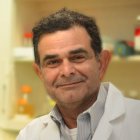


Discovery may lead to more precise treatments for advanced colorectal cancer Researchers at ChristianaCare’s Cawley Center for Translational Cancer Research at the Helen F. Graham Cancer Center & Research Institute have demonstrated for the first time that microRNA (miRNA) expression leads to a diversity of cancer stem cells within a colorectal cancer tumor. This diversity of cancer cells may explain why advanced colorectal cancer is difficult to treat. Study results have been in the Journal of Stem Cell Research and Therapy. The findings broaden the understanding of how miRNA expression adds to cancer stem cell diversity and may lead to more precise anti-cancer treatments for patients with advanced colorectal cancer. The research builds on prior discoveries by scientists at the Graham Cancer Center about how cancer stem cell activity contributes to the development and spread of colorectal cancer. “Our research shows — at least in the laboratory — that there are different subpopulations of cancer stem cells in a tumor, and they may be driving the growth of the cancer,” said Principal Investigator Bruce Boman, M.D., Ph.D., MSPH, FACP, medical director of Cancer Genetics and Stem Cell Biology at the Graham Cancer Center. “In one subpopulation of cancer stem cells, its miRNA will shut down the stem cell genes that are expressed in another subpopulation, and vice versa, within the same tumor.” From left: ChristianaCare researchers Lynn Opdenaker, Ph.D., Brian Osmond, Bruce Boman, M.D., Ph.D., Chi Zhang, Victoria Hunsu, Caroline Facey, Ph.D. Not pictured Victoria Stark, MS. The study focused on the composition of cancer stem cells within a colorectal cancer cell line (HT29) in the laboratory setting. Researchers evaluated the different cancer stem cell subpopulations that were identified by examining patterns of miRNA expression in each subpopulation and looking for differences. The researchers found that each of the four diverse subpopulations that were studied (ALDH, LRIG1, CD166 and LGR5) had a different miRNA expression or gene signature. The researchers found that miRNA expression could inhibit the expression of messenger RNA (mRNA), which carries instructions from the DNA to encode specific proteins within cells. Therefore, miRNA, by controlling gene expression, dictate which proteins are contained in the stem cells. The researchers discovered the miRNA that are upregulated in certain cancer stem cell subpopulations are downregulated in other cancer stem cell subpopulations. In this way, differential miRNA expression leads to cancer stem cell heterogeneity within colorectal tumor tissue. “It’s an early research finding and needs to be followed up with other experiments, but it has clear relevance to the clinic,” Boman said. “The question is: Can you target the miRNA to make cancer more sensitive to certain treatments? Because we know what the current anti-cancer treatments are targeting, we may be able to modulate or manipulate the cancer, so it becomes more sensitive to the treatment.” Identification of a network of genes regulated by microRNAs in a cancer stem cell subpopulation. For more than a decade, ChristianaCare’s researchers have contributed to the understanding of the role that cancer stem cells and miRNA expression play in the development and spread of colorectal cancer. This latest finding builds on earlier discoveries that examined a link between two cellular signaling pathways: retinoic acid (RA) signaling and wingless-related integration site (WNT) signaling, which are dysregulated by different gene mutations in colorectal tumors. The RA signaling pathway induces growth arrest and differentiation of cancer stem cells. Notably, retinoic acid is effective against other types of cancer such as leukemia. The role of the WNT signaling pathway has an opposite effect on tumor growth. The WNT signaling pathway is activated by a mutation in the APC (adenomatous polyposis coli) gene in about 90% of cases of colorectal cancer. In APC mutant tissue, dysregulated miRNA expression may underlie an imbalance between the RA and WNT signaling, which then leads to intratumoral cancer stem cell heterogeneity. Still, this mechanism that may enable the cancer to proliferate could also provide clues on how to more effectively treat cancer. “If you’ve got an imbalance between these two signaling pathways, then you’ve likely got a growth driver,” Boman said. “The question is: Can you suppress the WNT signaling and enhance the retinoic acid signaling?” It may be possible to increase the sensitivity of colorectal cancer to retinoic acid-type drugs, and therapeutically shift the balance between different cancer stem cell subpopulations, thereby suppressing cancer growth. More research is needed to determine how targeted cancer therapies containing retinoic acid-type drugs may be made more effective against advanced cancer. This research will be presented at the annual meeting of the American Association for Cancer Research in Orlando, Florida, April 14-19. This research project was supported by a grant from the Lisa Dean Moseley Foundation.

ChristianaCare Will Open Neighborhood Hospital at Its West Grove Campus
Plans for emergency and inpatient care follow extensive planning and community listening sessions ChristianaCare today provided new details about its plans to restore needed health care services to the southern Chester County, Pennsylvania, community at its West Grove campus, formerly Jennersville Hospital. ChristianaCare will open a neighborhood hospital that includes 10 emergency department beds and 10 inpatient beds. The neighborhood hospital will offer emergency care and behavioral health emergency care and provide diagnostic capabilities including ultrasound, computed tomography (CT), X-ray and laboratory services. The emergency department will treat common emergency care needs such as falls, injuries, heart attacks and strokes. Additionally, the hospital will benefit from access to ChristianaCare’s large network of specialists and support services — such as neurology and cardiology — through virtual consults. “We are excited to share our plans to restore important local health care resources to the southern Chester County community,” said Janice Nevin, M.D., MPH, ChristianaCare president and CEO. “We are committed to our neighbors in southern Chester County for the long-term, serving them as expert, caring partners in their health.” ChristianaCare’s plans for a neighborhood hospital meet the Pennsylvania Department of Health’s requirements for a micro-hospital, which must have a minimum of 10 inpatient beds and 10 emergency department treatment rooms and offer imaging services on-site. “After listening to the needs of the community and an extensive review of historical and projected demographic data, we believe this neighborhood hospital model will provide the right mix of health care services for the West Grove campus in a way that is sustainable and meets the community’s most immediate needs today,” said Heather Farley, M.D., chief wellness officer for ChristianaCare and the clinical leader for the West Grove planning. “It also sets us up to grow in meeting more of the community’s needs in the future.” ChristianaCare anticipates an opening date in late 2024, although the date is subject to change due to the significant work that will be required to renovate the facility to bring it up to current standards, including the build-out of an entirely new information technology infrastructure. Last year, ChristianaCare received funding from Chester County and the Commonwealth of Pennsylvania totaling $5 million to assist in facility upgrades. ChristianaCare already serves residents of southern Chester County. Since 2020, ChristianaCare has provided primary care in three practices that are located in Jennersville, West Grove and Kennett Square. The West Grove practice has recently brought on additional providers and will soon begin offering virtual visits with ChristianaCare specialists. Combined, these three practices are now the “medical home” for 22,000 residents in these communities. ChristianaCare finalized the purchase of its West Grove campus from Tower Health in June 2022. The hospital has been closed since Dec. 31, 2021.