Experts Matter. Find Yours.
Connect for media, speaking, professional opportunities & more.

In new study in journal Gene Therapy, researchers at ChristianaCare’s Gene Editing Institute describe how the advance is validating the safety and efficacy of their novel approach for using CRISPR to improve lung cancer treatments A new study from scientists at ChristianaCare’s Gene Editing Institute is advancing the safety and efficacy of using CRISPR gene editing in patient treatments by demonstrating how to identify and evaluate the broad-based biological impact of gene editing on targeted tissues, where the edits are designed to fully disable or “knock out” a specific sequence of genetic code. The work, published today in the Nature journal Gene Therapy, supports the Institute’s efforts to improve lung cancer treatments by using CRISPR to disable or alter a master regulator gene to prevent it from producing a protein that blunts the impact of chemotherapy. “We found that when you use CRISPR, the edits sometimes end up altering rather than completely disabling the target gene, so we developed a process to gain a more complete understanding of what that means for patients,” said Eric Kmiec, Ph.D., executive director and chief scientific officer of ChristianaCare’s Gene Editing Institute and the principal author of the study. Dr. Kmiec said that for his team’s lung cancer work, “We discovered that even when our CRISPR-based genetic manipulation did not completely disable the targeted gene, it altered it in ways that appear to make lung cancer tumors more sensitive to chemotherapy. Validating lung cancer research using CRISPR “We were fortunate that our strategy for using CRISPR to improve lung cancer treatments has been validated once again,” he added. “But our commitment to conducting an unbiased assessment of our approach highlights the importance of examining all potential outcomes of an attempt to use CRISPR to knock out a specific gene. Specifically, anyone developing CRISPR therapies needs to be on the lookout for edits that don’t fully knock out a section of DNA code—and evaluate the potential impacts for patients. They could be positive, as they were in our case, negative or neutral, but they need to be known.” Much of the excitement around medical applications of CRISPR involves using the tool to disable harmful genes by editing or “knocking out” a specific sequence of DNA code. But there is increasing evidence that in the wake of a CRISPR edit, cells may remain that contain merely an altered form of the targeted code that allows the gene to continue to produce biologically active proteins. Scientists at the Gene Editing Institute are investigating the potential of using CRISPR to disable a gene called NRF2 to alter production of the protein that protects squamous cell carcinoma lung cancer tumors from the effects of chemotherapy or radiation. They already have shown, in studies with tumor cells and in animals, that they can selectively target the NRF2 gene without affecting normal cells, where the gene confers health benefits. In the present study they wanted to go further. They wanted to fully understand the implications of a CRISPR gene edit that allowed the NRF2 gene to retain enough DNA code to continue making a version of the protein, albeit in an altered or truncated form. The team is laying the groundwork for a clinical trial that would use CRISPR to improve the efficacy of conventional chemotherapy and radiation treatments. Dr. Kmiec said that before proceeding, he wanted his team to develop a clear process for identifying and evaluating all outcomes of CRISPR edits. Identifying and understanding the diversity of genetic outcomes produced by CRISPR-directed gene editing has been a centerpiece of the foundational research programs established by the Gene Editing Institute. Using CRISPR in a safe way “We carry out experiments in an unbiased fashion, not hoping for a particular outcome, but with patient safety and efficacy serving as the true north for our scientific endeavors,” Dr. Kmiec said. “No matter what we uncover or elucidate, the insights will help both ChristianaCare and the entire field use CRISPR in a safer and more efficacious manner.” The researchers found multiple cells where the targeted strand of DNA code in the NRF2 gene was not completely knocked out. Rather, following the CRISPR edit, cells emerged that had retained enough of the original code to continue producing a different form of the protein. Tests revealed that cancer tumor cells generating these altered proteins may be more vulnerable to chemotherapy drugs. "For the work we are doing with NRF2, the truncated proteins generated by the CRISPR edit appear to be beneficial for making tumors more sensitive to treatment,” said lead author Kelly Banas, Ph.D. “But the key point is these proteins were clearly biologically active. And that means we needed to determine their potential impact on the safety and efficacy of using CRISPR to treat lung cancer patients.” Dr. Banas noted that the study points to the limits of considering a CRISPR edit to be successful simply by testing for the absence of a targeted protein in its original form. She said by that standard, their edit was successful. The edited NRF2 genes were no longer producing the same protein. But she said if that’s all the ChristianaCare team had looked for, they would have missed the altered proteins coming from the NRF2 gene—and overlooked an important outcome that, in this case, strengthens the original hypothesis and experimental approach: that using CRISPR to target the NRF2 gene holds promise for improving outcomes for lung cancer patients. Importance of due diligence “The process we describe in this study is a template that should be followed in any effort to develop CRISPR as a medical treatment,” Dr. Kmiec said. “We’re part of a health care organization where patient safety is the top priority. We also are working at the vanguard of an exciting area of cutting-edge medicine, where a failure to conduct due diligence could cause tragic outcomes that would set back this field for decades. With this study, we have validated a process that can help this field move forward rapidly but safely.” CRISPR stands for “clustered regularly interspaced short palindromic repeats.” It is a defense mechanism found in bacteria that can recognize and slice up the DNA of invading viruses. Scientists have learned how to modify this mechanism so it can be directed to “edit” specific sequences of DNA code. About ChristianaCare’s Gene Editing Institute The Gene Editing Institute, a worldwide leader in CRISPR gene editing technology and the only institute of its kind based within a community health care system, takes a patient-first approach in all its research to improve the lives of people with life-threatening disease. Since 2015, researchers at the Gene Editing Institute have been involved in several ground-breaking firsts in the field, including the development of the first CRISPR gene editing tool to allow DNA repairs outside the human cell which will rapidly speed therapies to patients and the ExACT ™pathway of single-stranded DNA repair, which increased the on-target efficacy of CRISPR and paved the way for new CRISPR breakthroughs in precise DNA edits. Its researchers created CRISPR in a Box™, the leading educational toolkit to teach gene editing, DECODR™, recognized as the most user-friendly and precise analytical tool to understand the diversity of genetic outcomes of gene editing and are currently developing a patient trial for lung cancer using CRISPR.


Market jitters making you anxious? Our expert might have the remedy to calm your nerves.
So far, 2022 has been, in a word, volatile. With the emergence of omicron, supply chain issues choking the economy, inflation the highest it has been in decades and now the war drums beating in Europe, investors are getting nervous and the markets are showing the strain. As political guru James Carville once said, "It's the economy, stupid!" Following that sage advice, Augusta University’s Wendy Habegger is here to offer expert perspective to journalists looking to figure out just what’s going on with the markets and what investors and the public can expect in the coming months. Q: What's the best advice to give people when the stock market is on such a roller coaster ride? “Frankly put, if one can't stomach when the roller coaster drops, don't get on the ride. If one does not have much tolerance for risk, they should not invest in the stock market. If one is already invested in the stock market and breaking into a cold sweat every time they look at their stocks, then they need to take a cash position, meaning cash out of the stock market. The market does not reward anyone based upon their level of anxiety. What good is making gains on stocks if one will turn around and spend those gains treating their ulcers? I liken it to pro sports athletes who don't retire when they are still healthy. What good is all the money they earned if they are only going to be spending it on medical treatments for the rest of their lives? What kind of quality of life is that?" Q: With the market trending down right now, if people can invest, is this the best time to do so? “Whenever the market trends down, it is always a great time to buy stable companies with solid cash flows and certain commodities. Look for those companies and commodities that always do well regardless of what is happening in the economy. But remember my response to the above question. One should do this if and only if they can tolerate risk.” Q: Should people look at safer places to put their money for the time being, and what would some of those places be? “Again, this depends upon their level of risk tolerance. If they are risk tolerant, they should shift into less risky investments. If they are not risk tolerant, cash out and put it in their savings accounts or CDs.” Q: Does the emergency fund rule of thumb still come in to play, maybe now more than ever? “Yes, but I don't go by the standard rule of thumb for emergency savings – having three to six months of expenses saved. I teach students their goal should be to have 12 months of expenses saved. The three to six months rule is obsolete. We saw this with the recession of 2007-09 and with the pandemic. People need to be able to live without employment longer because there is no definitive time frame for when one will find gainful employment and the government should not be relied upon to support the mass population in the meantime. Also, even when the government does provide assistance, not everyone receives it and some still never recover from the aftermath. “ The economy is front and center for just about every American business, investor and household – and if you’re a reporter looking to know more, then let us help. Wendy Habegger is a respected finance expert available to offer advice on making the right money moves during volatile times. If you’re looking to arrange an interview, simply click on her icon now to arrange an interview today.


Dr. Janice Nevin named among Modern Healthcare’s 2022 ‘Top 25 Women in Health Care’
Nevin praised for her work expanding ChristianaCare’s efforts in health equity, value-based care and emerging technology ChristianaCare President and CEO Janice E. Nevin, M.D., MPH, has been named one of Modern Healthcare’s Top 25 Women in Healthcare for 2022. This is the second time Dr. Nevin has received this distinction. Modern Healthcare chose awardees – female executives from different sectors of the health care industry – who are guiding health care improvement by influencing policy and care delivery models across the country. A panel of judges and the top editors of Modern Healthcare made the selections. The publication focused on Dr. Nevin’s leadership in ChristianaCare’s use of innovation and technology to aid in the battle against COVID-19 and improve health equity. It also called attention to her leadership in ChristianaCare’s collaboration with Highmark Health; through a new joint venture company, ChristianaCare and Highmark are combining their expertise and capabilities to create better health and to make health care more affordable for everyone by taking costs out of the system. “I am deeply gratified by this award, but it is even more so a recognition of the incredible work all of ChristianaCare’s caregivers do every day to create better health,” said Dr. Nevin. “Living our values of love and excellence, we are transforming care and becoming not just a health system—but a system that truly impacts health.” Dr. Nevin has overseen growth at ChristianaCare during the past year that includes a joint venture with AccentCare (formerly Seasons Hospice & Palliative Care) to expand in-home hospice and palliative care services throughout Delaware and a recently announced letter of intent to acquire Crozer Health, as well as the continued integration into the health system of Union Hospital in Cecil County, Maryland, which joined ChristianaCare in January 2020. At the same time, she has worked tirelessly to ensure the system continued its tradition of clinical excellence while maintaining financial health and stability. This year, ChristianaCare was recognized for the second consecutive year by Healthgrades as one of America’s 50 Best Hospitals and by Forbes as one of the best health systems to work for in the United States. Dr. Nevin continues to promote caregiver wellbeing and health equity. For the work of ChristianaCare’s Center for WorkLife Wellbeing to support its caregivers, ChristianaCare earned a 2021 Joy in Medicine recognition from the American Medical Association. The American Hospital Association’s Institute for Diversity and Health Equity named ChristianaCare a 2021 Carolyn Boone Lewis Equity of Care Award honoree for demonstrating health equity as a priority across the organization. “ChristianaCare is lucky to have Dr. Nevin’s leadership,” said Nicholas M. Marsini, Jr., chair of the ChristianaCare board of directors. “Having Modern Healthcare recognize her extraordinary efforts and passion is a wonderful acknowledgement of what we see on an ongoing basis. Dr. Nevin is incredibly invested in the wellbeing of ChristianaCare’s workforce, the communities we serve and the future of the U.S. healthcare system.” The recognition also highlighted Dr. Nevin’s work in promoting gender equity – from building an executive cabinet evenly split between women and men to the creation of ChristianaCare’s Gender Equity Taskforce, which focuses on issues like pay equity and leadership access. The profiles of all the winners were featured in the February 21 issue of Modern Healthcare.

ChristianaCare and The Wistar Institute advance partnership with new cancer research strategies
ChristianaCare’s Helen F. Graham Cancer Center & Research Institute is advancing its historic partnership with the Ellen and Ronald Caplan Cancer Center of The Wistar Institute in Philadelphia with three new research projects under way. The new research projects consist of a population health study targeting triple negative breast cancer. Other projects focus on a new therapeutic target for epithelial ovarian cancer, the most lethal gynecologic cancer in the developed world, and the development of “mini organs” derived from stem cells. Targeting triple negative breast cancer Delaware has one of the highest incidence rates of triple-negative breast cancer in the United States. This highly aggressive cancer has few treatment options, because the cells test negative for three known treatment targets – estrogen, progesterone and HER2 protein receptors. Working with patient data from the Graham Cancer Center, researchers are investigating potential contributing factors such as diet, alcohol use and genetic variants among women, and the effects of these on cancer metabolism. The team will also examine spatial relationships between cancer “hot spots”—geographic areas with a higher-than-expected prevalence—and modifiable risk factors. Key resources for the study are blood and tissue samples from the Graham Cancer Center’s Tissue Procurement Center and its statewide High-Risk Family Cancer Registry. The research team will be led by Director of Population Health Research at ChristianaCare Scott Siegel, Ph.D., and Lead Research Scientist Jennifer Sims Mourtada, Ph.D., at the Graham Cancer Center’s Cawley Center for Translational Cancer Research (CTCR). They will join Zachary Schug, Ph.D., at Wistar’s Molecular and Cellular Oncogenesis Program. Researching novel therapy for ovarian cancer The latest study supported by the Graham Cancer Center’s Tissue Procurement Program targets KAT6A expression as a novel therapy for ovarian cancer caused by a specific genetic mutation, called PP2R1A. Epithelial ovarian cancer is the most common form of ovarian cancer and the leading cause of gynecologic cancer deaths in the United States. Chemoresistance to currently available platinum-based drugs like cisplatin represents a major treatment challenge, as more than 50 percent of affected women ultimately relapse and die from this disease. Wistar’s Rugang Zhang, Ph.D., leader of the Immunology, Microenvironment and Metastases Program, is focused on developing novel therapeutics for subtypes of ovarian cancer that currently have no effective therapies and on improving the current standard of care. Dr. Zhang’s previous work suggests that KAT6A signaling plays a critical role in ovarian cancer progression. Targeting this signaling pathway could be an effective strategy for treating ovarian cancer. Working with Dr. Zhang on this project are Graham Cancer Center gynecologic oncologists Mark Cadungog, M.D., director of Robotic Surgery, and Sudeshna Chatterjee-Paer, M.D., and Cawley CTCR’s Stephanie Jean, M.D., director of Gynecologic Oncology Research. Also collaborating with the team is Wistar’s Alessandro Gardini, Ph.D., assistant professor in the Gene Expression & Regulation Program. ‘Mini organs’ offer hope for therapeutics Dr. Sims-Mourtada at the Cawley CTCR will lead a new program to culture organ-specific tissue from stem cells that could change the way diseases are studied and treated. These so called “mini organs” or “organoids” are three-dimensional tissue cultures grown in the lab that replicate the complexity and functions of a specific tissue or organ found in the body. Organoids offer scientists a better model for how drugs and other therapeutics might interact with a patient’s particular type of tumor, opening new avenues for precision medicine. “The ability to grow each patient’s tumor in a three-dimensional organoid along with our capability to create patient-derived xenograft or animal models as part of our PDX core, will allow us to fully capture the effects of genetic as well as gene altering behavioral and environmental influences that are lacking in current research models,” said Dr. Sims-Mourtada. “Our collaboration with Wistar to build these programs raises our clinical platform to the next level for studying new cancer biomarkers and treatments.” Advancing a Pioneering Partnership The Graham Cancer Center made history when it signed a first-of-its-kind agreement in 2011 with The Wistar Institute, pairing a National Cancer Institute, NCI-designated basic research institution with a community cancer center that is also an NCI Community Oncology Research Program (NCORP). “Our partnership with Wistar has attracted national recognition as a model of collaboration that leverages cutting-edge research to benefit cancer prevention and therapy statewide,” says Nicholas J. Petrelli, M.D., Bank of America endowed medical director of ChristianaCare’s Helen F. Graham Cancer Center and Research Institute. “With Wistar, our productive collaborations over the last decade continue to drive discovery research toward clinical trials to benefit patients here at the Graham Cancer Center and in communities everywhere.” “The Graham Center has been an ideal partner in our mission,” said Dario C. Altieri, M.D., Wistar president and CEO and director of the Ellen and Ronald Caplan Cancer Center. “Our scientists at Wistar have access to clinically-annotated primary patient specimens of the highest quality. As the majority of patients at the Graham Cancer Center are treatment naïve, this collaboration affords an opportunity to conduct unique, high impact mechanistic and correlative studies that will ultimately advance important scientific discoveries that hopefully will lead to better cancer therapies.”

(WILMINGTON, Del. – March 15, 2022) For the second consecutive year, Forbes magazine has ranked ChristianaCare as one of the best large health systems to work for in the United States. ChristianaCare ranked as the 29th best health system overall, within Forbes’ list of the 500 best large employers in the United States. ChristianaCare was the only health system in Delaware to make Forbes’ list. “At ChristianaCare, we anticipate the needs of others, help with compassion and generosity, and show respect to everyone,” said Neil Jasani, M.D., MBA, FACEP, chief people officer at ChristianaCare. “These values and behaviors start with our workforce, as we create a supportive environment that enables our caregivers to find joy in their work and provide consistently excellent care to everyone we serve.” While the pandemic has taken a significant toll on the health care workforce nationally, ChristianaCare has been recognized for its success in supporting its caregivers. The American Medical Association recently recognized ChristianaCare with the highest honor in its Joy in Medicine program, which recognizes health systems that demonstrate a commitment to preserving the wellbeing of health care team members by engaging in proven efforts to combat work-related stress and burnout. This work has been largely driven by ChristianaCare’s innovative Center for WorkLife Wellbeing, which was founded in 2016 to tackle the growing national problem of burnout in health care and help caregivers to reconnect with joy and meaning in their work. All employees at ChristianaCare are referred to as “caregivers.” Other highlights of how ChristianaCare creates a great place to work include: Benefits that include medical, dental and vision coverage, as well as a wellness incentive program and free healthy lifestyle coaching and care management, as well as access to ChristianaCare’s innovative and always-on virtual primary care, which makes health care options for busy caregivers more convenient than ever. Twelve weeks of paid parental leave for the birth or adoption of a child. An organizational commitment to anti-racism and a robust Inclusion and Diversity program that includes 10 employee resource groups (ERGs). Forbes ranks ChristianaCare as the No. 1 overall employer for diversity and inclusion in Delaware and No. 14 among U.S. health systems nationwide. A caregiver recognition program that supports a culture of gratitude and rewards caregivers who exemplify the core values of ChristianaCare. Care@Work, which provides backup care services when working families are faced with a disruption in regular childcare or other dependent care coverage. Free medical plan option for caregivers under certain income thresholds. Competitive pay at all levels. ChristianaCare was the first health system in Delaware to adopt a $15 minimum wage, in 2018. To create the list of America’s Best Large Employers, Forbes partnered with the market research firm Statista, which surveyed 60,000 Americans working for businesses with at least 1,000 employees. All responses were anonymous. Using a scale of zero to 10, the respondents rated how likely they were to recommend their employer to others. The participants also nominated organizations other than their own. The final ranking features companies with the most recommendations.
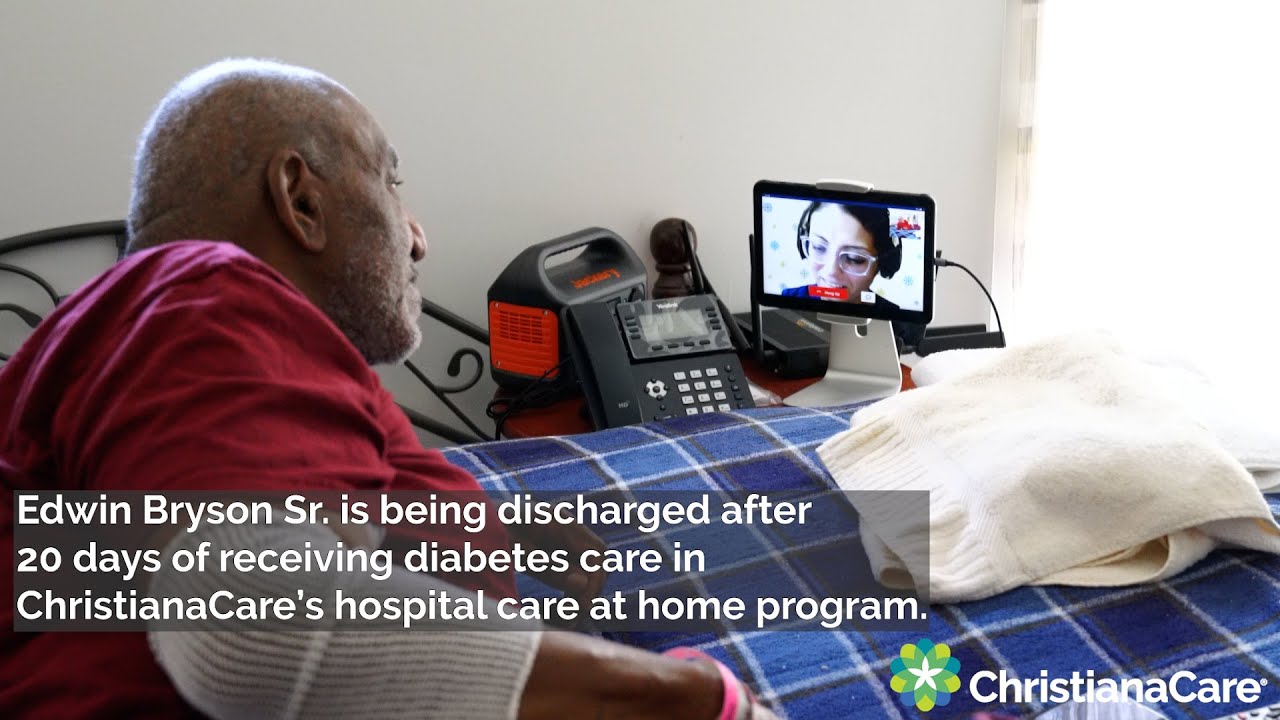
As he arrived at ChristianaCare’s emergency department because of diabetes complications that were causing excruciating pain in his left foot, Edwin Bryson Sr., 71, of Wilmington, Del., had resigned himself to what seemed inevitable—he was going to need hospitalization. But he was surprised when his care team offered him the chance to get the hospital care he needed in the place he likes best — his own apartment. For 20 days, Bryson was a patient in the ChristianaCare hospital care at home program, which offers in-home services to patients who would otherwise require inpatient hospitalization. Daily, members of his care team visited his home to take his vital signs, give him medication and assist him with getting dressed. They also helped with additional tasks to improve his overall health and safety, such as buying an extra lamp and flashlights to ensure the lighting in his home was adequate for his safety, and assisting him with ordering food. “It was a good feeling to be at home,” Bryson said. “My friends would knock on my door and make sure I was OK. My son and my nephews could stop to see me when they felt like it or had the time. They always say, ‘There’s no place like home,’ and it’s true. All I do is hit the button and a nurse comes on to assist me with anything I need and check on my vitals. It was 24-hour service here, just like I was in the hospital.” ChristianaCare has admitted and cared for more than a dozen patients in the hospital care at home program since it launched in December 2021, designed in partnership with the Medically Home Group Inc. The program, which offers the highest level of in-home acute care in Delaware, combines virtual and in-person care provided by a team of physicians, nurse practitioners, registered nurses and other providers. In-person and virtual visits from the health care team, along with mobile imaging and lab services, delivery services for meals and nutrition, and pharmacy medication and management, mean a patient doesn’t need to leave home to get better. Virtual technology and home health equipment brought into the patient’s home ensure round-the-clock monitoring and care that mirrors a traditional hospital setting. “One of the things we’ve learned in a short time about the hospital care at home program is how patient-centered this approach is and how we’re able to customize the care we deliver,” said Sarah Schenck, M.D., medical director of the program. “Most of the things we can do in the hospital we can also do at home. And it turns out patients really prefer that venue. They’re in their own home with their loved ones, their pets, sleeping in their own bed and eating their own food.” Currently, to be considered for hospital care at home, patients must live within 25 miles of Christiana and Wilmington hospitals. Patients who come to the emergency department with common chronic conditions such as congestive heart failure, respiratory ailments, diabetes complications and infections like pneumonia, are eligible for consideration. All hospital care at home patients receive a technology kit that connects them to the command center, powered by the ChristianaCare Center for Virtual Health. With a touch of a button, patients can access an expert team of ChristianaCare physicians and nurses. When patients are well enough to be discharged, the care team collaborates with the patient’s primary care physician to ensure a seamless transition. ChristianaCare joins an elite group of health systems nationwide offering at-home hospital care. Clinical research studies comparing patients in traditional hospitals with patients who received hospital-level care at home have found those who received in-home care experienced fewer readmissions, lower mortality rates, reduced falls and lower costs. “Patient satisfaction is really high with this program,” said Steaphine Taggart, director of operations for the program. “There’s more caregiver interaction with families because they are allowed to come into the home. And overall, there’s more patient-centered care and delivery because it’s in the home,” Registered nurse Mary Pat McCabe has treated patients for 17 years. Working in the hospital care at home command center, she has the opportunity to be even more personable in the virtual setting than a traditional inpatient encounter. “You get to know them and their family members and if they have a pet. You can see into their home and get more of a feel for who they are,” McCabe said. Dr. Schenck said hospital care at home is an exciting example of how new, innovative models of care can improve patient outcomes, reduce costs and transform care. “It’s really foundational for the future of health care delivery. This is our first step, but it’s definitely going to grow,” she said. For Bryson, who was recently discharged, it’s even simpler: “You get better, get back out there and get back into life again.”
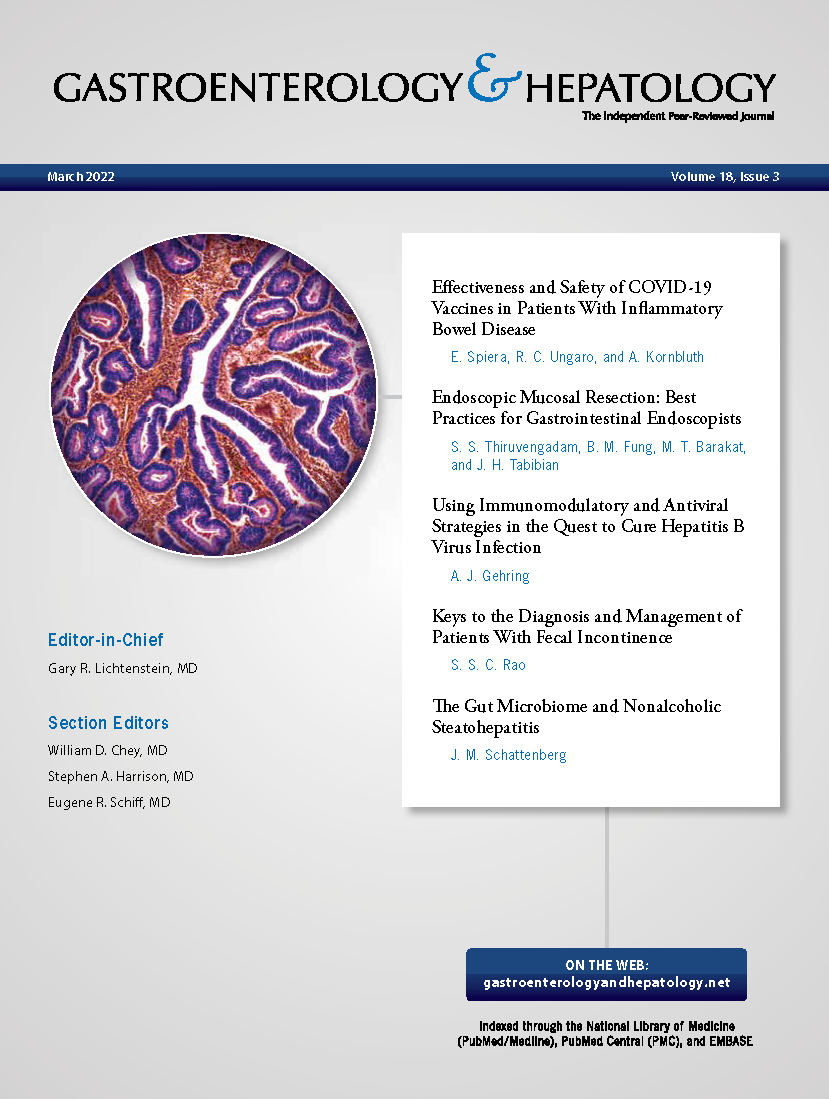
Bowel or fecal incontinence, according to the Mayo Clinic, “is the inability to control bowel movements, causing stool (feces) to leak unexpectedly from the rectum. Also called bowel incontinence, fecal incontinence ranges from an occasional leakage of stool while passing gas to a complete loss of bowel control. Common causes of fecal incontinence include diarrhea, constipation, and muscle or nerve damage. The muscle or nerve damage may be associated with aging or with giving birth.” Dr. Satish Rao is a seasoned gastroenterologist and an expert in digestive health, particularly the brain-gut connection. Rao, a professor of medicine at the Medical College of Georgia at Augusta University, recently offered a Q&A on the topic of fecal incontinence with the journal Gastroenterology & Hepatology. What is the prevalence of fecal incontinence in the adult population? Surveys have indicated a prevalence of approximately 9% to 10% in the United States. A recent study reported a 14% prevalence, although this study was Internet-based and, thus, may not have included many elderly patients, as they may not be as computer-savvy as younger patients. It is safe to say that one in seven Americans currently suffers from fecal incontinence. Prevalence appears to be equal in men and women, although women outnumber men almost three to one when it comes to gastroenterology clinic visits and health care-seeking. Men may be too embarrassed to bring the issue of fecal incontinence to the attention of a physician, but when asked about it, they will admit and discuss it. Also, extracting information from a patient about fecal incontinence depends on how the question is asked. Asking patients whether they have daily leakage vs whether they ever have had leakage or have had leakage in the past month will elicit different responses that a clinician may interpret differently. It is important to remember that leakage is not a physiologic event that a healthy adult should have at any time, even once a month or once a year. Not having the capacity to control bowel evacuation or having leakage unaware of its occurrence signals an abnormality. What are notable risk factors for fecal incontinence? In women, pregnancy can be a risk factor, particularly if giving birth involves pelvic tissue damage, such as injury inflicted by forceps use or the unfortunate occurrence of a significant tear. Neurologic or back injuries are other common risk factors. Also, chronic diarrhea can progress to fecal incontinence owing to severe irritation of the rectum or irritants in stool. Further, any condition that changes the ability of rectal capacity can result in fecal incontinence. These circumstances can include surgery or radiation to the rectal area. Hear from a patient and learn more about Rao's research using magnetic stimulation to treat fecal incontinence. What treatment modalities are currently available? Simple, conservative treatment consists of educating patients about fecal incontinence and instructing them to avoid precipitating events. For example, although many people love to have a meal followed by a cup of coffee and a walk, such a sequence of activities is ill-advised for an incontinent patient: the meal provokes a gastric-colonic response, coffee is a powerful colonic stimulant, and exercise also stimulates motility. This triad creates the perfect storm for a stool leakage or accident while the patient is out on the after-dinner walk. Antidiarrheal therapies can be very effective but only in approximately 15% to 20% of patients. Another treatment is biofeedback, which can correct muscle weakness using behavioral techniques. Biofeedback provides resolution in approximately 50% to 70% of patients. The traditional model of office-based biofeedback requires that the patient make 6 or even up to 10 visits to a specialty clinic. This may mean that some patients must drive very long distances to an appropriate care facility that is staffed with trained personnel or physical therapists. This scenario presents a significant challenge for many patients, which is increasingly being recognized by health care professionals and researchers. Good devices for home-based biofeedback have been scarce; however, such a device was recently approved by the US Food and Drug Administration. The research center at Augusta University has tested it in a clinical trial setting and found it to be quite effective as a home biofeedback treatment. Dextranomer is another treatment modality. It involves injection of small beads of dextran polymers into the anorectal region. The beads form a protective cuff or a buffer to stop stool leakage. Another treatment modality is sacral nerve stimulation using the Medtronic InterStim system. The patient is outfitted with a pacemaker-like device with wires that continuously stimulate the sacral nerves that control stool events. In the case of a torn muscle, suturing the torn ends to reduce the size of the anorectal opening is usually useful for women postpartum, although the effect may not be sustained in the long term. What emerging treatments and research should clinicians be aware of? One emerging treatment developed at Augusta University’s Clinical Research Center is called translumbosacral neuromodulation therapy (TNT). TNT is similar to TAMS and involves the fecal delivery of magnetic energy through an insulated coil to the lumbosacral nerves that regulate anorectal function. The pulses generated are of the same strength as those of magnetic resonance imaging. The team at Augusta University’s research center has shown that TNT mechanistically improves nerve function and substantively improves stool leakage. A sham-controlled study and long-term study are currently underway at Augusta University and Harvard University’s Massachusetts General Hospital. These studies are being sponsored by the National Institute of Diabetes and Digestive and Kidney Diseases. A multicenter study sponsored by the National Institutes of Health that the team at Augusta University also is involved with is the FIT (Fecal Incontinence Treatment) trial. This randomized study compares biofeedback with dextranomer injection. Also, as mentioned, tools are becoming available for home biofeedback that should allow many more affected patients to receive treatment because they can do so in the comfort of their own home. The research center at Augusta University is working on a novel home biofeedback protocol for the treatment of constipation and fecal incontinence. Thus, novel noninvasive tools are emerging for fecal incontinence. The repertoire of current and emerging tools holds the promise of improved outcomes for patients with fecal incontinence. Rao is also the founder of the Augusta University Digestive Health Center. He is available to speak to media regarding any aspect of digestive health -- simply click on his icon now to arrange an interview today.


Vitamin D2 and D3: what’s the difference and which should you take?
Vitamin D is important for maintaining health, as it has many roles in the human body. But there is more than one form of vitamin D, and recent research suggests that these forms may have different effects. So what are the different types of vitamin D, and is one really more beneficial than the other? Although medical conditions later associated with vitamin D deficiency, such as the bone disease rickets, have been known about since the 17th century, vitamin D itself wasn’t identified until the early 20th century. This discovery led to Adolf Windaus winning the Nobel prize for chemistry in 1928. The vitamin D family actually includes five molecules, with the two most important being vitamin D2 and D3. These molecules are also known as ergocalciferol and cholecalciferol, respectively. While both of these types of vitamin D contribute to our health, they differ in how we get them. Dietary vitamin D2 generally comes from plants, particularly mushrooms and yeast, whereas we get vitamin D3 from animal sources, such as oily fish, liver and eggs. Both forms of vitamin D are also available in dietary supplements. What most people probably don’t know is that most of our vitamin D comes from exposing our skin to sunlight. When our skin is exposed to the sun, ultraviolet rays convert a precursor molecule called 7-dehydrocholesterol into vitamin D3. This important effect of exposure to the sun explains why people living at more extreme latitudes, or people who have darker skin, are more prone to vitamin D deficiency. Melanin, a pigment in the skin, blocks ultraviolet rays from activating 7-dehydrocholesterol, thus limiting D3 production. Wearing clothing or sunscreen has a similar effect. Both vitamins D2 and D3 are essentially inactive until they go through two processes in the body. First, the liver changes their chemical structure to form a molecule known as calcidiol. This is the form in which vitamin D is stored in the body. Calcidiol is then further altered in the kidneys to form calcitriol, the active form of the hormone. It is calcitriol that is responsible for the biological actions of vitamin D, including helping bones to form, metabolising calcium and supporting how our immune system works. Technically, vitamin D isn’t a vitamin at all, but a pro-hormone. This means the body converts it into an active hormone. All hormones have receptors (on bone cells, muscle cells, white blood cells) that they bind to and activate, like a key unlocking a lock. Vitamin D2 has the same affinity for the vitamin D receptor as vitamin D3, meaning neither form is better at binding to its receptor. Different effects on the immune system A recent study found that vitamin D2 and D3 supplementation had different effects on genes important for immune function. These findings are significant, as most previous research has failed to find much difference in the effect of supplementation with either vitamin D2 or D3. Most of the research published to date has suggested that the main difference between vitamin D2 and D3 supplementation is the effect on circulating vitamin D levels in the bloodstream. Studies have repeatedly shown that vitamin D3 is superior at raising levels of vitamin D in the body. These findings were supported by a recent review of the evidence which found that vitamin D3 supplementation increased vitamin D levels in the body better than vitamin D2. But not all studies agree. Very few studies support vitamin D2 supplementation being superior to vitamin D3. One trial showed that vitamin D2 was better at treating immune issues in patients who were on steroid therapy. However, other than increasing vitamin D levels in the body, there is not much evidence that vitamin D3 supplements are better than vitamin D2 supplements. One study found that vitamin D3 improved calcium levels more than vitamin D2. But we need more research to provide definitive answers. So which should I take? Vitamin D deficiency is now more prevalent than ever, with around a billion people worldwide being vitamin D deficient. It is important that people at risk of vitamin D deficiency – older adults, people living in less sunny climates and people with darker skin – take vitamin D supplements. Health professionals recommend that most people take 10 micrograms of vitamin D a day, especially in winter. It would appear that vitamin D3 supplements are the superior option for maintaining vitamin D levels, but short exposure of the skin to the sun, even on a cloudy day, will also help you keep healthy vitamin D levels.


ChristianaCare’s renowned Center for Heart & Vascular Health has earned the highest quality rating—three stars—from the Society of Thoracic Surgeons (STS) for its patient care and outcomes in isolated coronary artery bypass grafting (CABG) procedures. The prestigious three-star rating places ChristianaCare among the elite health care organizations for heart bypass surgery in the United States and Canada. The STS star rating system is one of the most sophisticated and highly regarded overall measures of quality in health care, rating the benchmarked outcomes of cardiothoracic surgery programs across the United States and Canada. The star rating is calculated using a combination of quality measures for specific procedures performed by an STS Adult Cardiac Surgery Database participant. “Earning a three-star rating for heart bypass surgery places us among the top heart hospitals in the nation,” said Ray Blackwell, M.D., the W. Samuel Carpenter Chief of Cardiac Surgery at ChristianaCare. “Delaware residents can be confident that they have one of the best heart surgery teams in the nation right here, close to home, at ChristianaCare.” The three-star rating from STS adds to ChristianaCare’s long list of awards for quality heart care. For the past two years, the Center for Heart & Vascular Health has earned the designation HeartCARE Center National Distinction of Excellence from the American College of Cardiology for its commitment to high quality cardiovascular care. In addition, the Center for Heart & Vascular health received the American Heart Association’s 2021 Mission: Lifeline Gold Quality Achievement Award for the treatment of patients who suffer severe heart attacks; the 2021 Get With The Guidelines NSTEMI Silver Award for patients with a less severe form of heart attack; and the 2021 Get With The Guidelines Gold Plus Award for Heart Failure. “Our Center for Heart & Vascular Health and our community have much to be proud of,” said Kirk Garratt, M.D., medical director of the Center for Heart & Vascular Health. “We provide great outcomes, and we also listen to patients and families and work to ensure that the stressful experience of surgery is as easy as it can be. That kind of commitment leads to this kind of recognition.” Heart Disease Remains a Leading Killer in the U.S. According to the American Heart Association (AHA), heart disease remains a leading killer in the nation—claiming more than 600,000 lives each year. In addition, the AHA anticipates the effects of COVID-19 are likely to influence cardiovascular health and mortality rates for many years. “February is American Heart Month, and there is no better time for us to take stock of our heart health than now,” Dr. Garratt said. “The COVID-19 pandemic has presented new challenges to people living with chronic conditions such as heart disease. People with heart conditions are at greater risk of complications from the virus and also continue to need assistance managing their heart health. If you are a heart patient, please do not postpone your regular visit with your cardiologist.” The STS is a not-for-profit organization that represents more than 7,600 surgeons, researchers and allied health care professionals worldwide who are dedicated to ensuring the best possible outcomes for surgeries of the heart, lung and esophagus, as well as other surgical procedures within the chest. The STS National Database was established in 1989 as an initiative for quality improvement and patient safety among cardiothoracic surgeons. “The Society of Thoracic Surgeons congratulates STS National Database participants who have received three-star ratings,” said David Shahian, M.D., chair of the Task Force on Quality Measurement. “Participation in the Database and public reporting demonstrates a commitment to quality improvement in health care delivery and helps provide patients and their families with meaningful information to help them make informed decisions about health care.” About the Center for Heart & Vascular Health ChristianaCare’s Center for Heart & Vascular Health is among the largest, most capable regional heart centers on the East Coast. It is one of the only centers in the region that integrates in a single location and under one roof cardiac surgery, vascular surgery, vascular interventional radiology, cardiology and interventional nephrology. Its team of experienced cardiovascular surgeons and heart experts perform nearly 700 open-heart procedures each year and treat more than 8,000 total heart and vascular cases annually. For more information, visit https://christianacare.org/services/heart/.


Aston University announced as an Official University for the Birmingham 2022 Commonwealth Games
Birmingham 2022 Commonwealth Games will be held between 28 July and 8 August Aston University will provide ophthalmic expertise to the polyclinics The University is proud to support the mission of Birmingham 2022 to be the first Games to create a carbon neutral legacy Students have been set a challenge to develop ideas for creating a sustainable Games. Aston University has been unveiled as an Official University to the Birmingham 2022 Commonwealth Games, which will take place between 28 July and 8 August this year. The University’s School of Optometry will be loaning ophthalmic equipment and providing eye care expertise, supported by a network of qualified optometrist volunteers, for three polyclinics which will form the primary healthcare facilities for athletes and team officials requiring medical assessment and treatment throughout the Games period. Professor Leon Davies, professor of optometry and physiological optics at Aston University, said: “It is our aim to advance eye health in our region and society through innovative and clinically relevant education, research, and community engagement. I am looking forward to overseeing the Games’ eye care clinics throughout Birmingham 2022. “In addition to providing ophthalmic equipment during the Games, we have also brought together a cohort of volunteer optometrists, dispensing opticians and ophthalmologists from across the UK.” Dr Pam Venning, head of medical services at Birmingham 2022, said: “We are delighted to have Aston University on board as an Official University. Its School of Optometry is well-known for its innovation and world-leading education. “Birmingham 2022 wouldn’t be possible without teams of volunteers, and we are looking forward to working with the optometrists, opticians and ophthalmologists assembled by the University to support the athletes and officials attending the Games.” The University will also be supporting Birmingham 2022 in its aim to be the first Games to create a carbon neutral legacy by providing parking and hosting temporary electric vehicle charging facilities for its fleet, as well as other spaces on campus for its organising team. The director of Aston University’s Energy and Bioproducts Research Institute, Professor Patricia Thornley, said: “It is important that such a flagship event in Birmingham embodies the very best in sustainable practices, and we are working hard to support that.” Nicola Turner MBE, director of legacy and Jess Fidler, head of sustainability for Birmingham 2022 spoke to students in a special event in November setting out the work being done to create a legacy for the region, including the ambition to create a carbon neutral legacy. Birmingham 2022 has also provided this year’s business challenge for postgraduate business and management students at Aston Business School, who have been tasked with developing ideas for how the Birmingham 2022 Commonwealth Games can create a lasting sustainability legacy for the city. The best ideas from the challenge will be reviewed by the Birmingham 2022 team and the West Midlands Combined Authority, who are taking the lead on a sustainability legacy. Saskia Loer Hansen, Interim Vice-Chancellor of Aston University, said: “At Aston University, we take an holistic approach that embeds sustainability through all our external activities at local, national and international level. “We are proud to support the Birmingham 2022 Commonwealth Games in its aim to be the first Games to create a carbon neutral legacy.” Commonwealth Games Federation CEO, Katie Sadleir, said: “We are delighted to welcome Aston University as an Official University to the Birmingham 2022 Commonwealth Games. “The University will provide vital ophthalmic expertise and equipment for athletes and team officials requiring ophthalmic assessment and treatment throughout the Games. “This is a critical service and with Aston University, we have a fantastic partner to deliver this.”