
Experts Matter. Find Yours.
Connect for media, speaking, professional opportunities & more.

The Biological Clock Nobody Talks About
Biology is ageist. There. I said it. Young people have a biological clock that ticks toward new life. It is loud and urgent, and it comes with its own well-funded industry of apps, doctors, and anxious dinner-party conversations. Ours ticks too, but more quietly. Less “the nursery won’t paint itself” and more “the knees are filing a formal complaint.” Same clock. Wildly different countdown. Young people race toward a beginning. We are racing toward… what, exactly? That is the part nobody warned us about in the brochure. I have been thinking about this clock a great deal lately, not in the abstract, philosophical, this-would-make-a-good-dinner-party-topic way. In the personal, slightly unsettling, why-am-I-like-this way. Because somewhere between turning seventy and watching my brother nearly run out of time entirely, I started to suspect that the clock is not just ticking quietly in the background of my life. It may be driving much of my behaviour, and not always in directions I am proud of. At seventy, I have become mildly obsessed with squeezing every drop out of life. Partly because of the birthday. Partly because 33-year-old entrepreneur Steven Bartlett recently declared that a couple of glasses of wine can derail several days of optimal living, causing poor sleep, missed workouts, reduced productivity, and full-scale biological chaos. The internet, predictably, exploded. One side applauded his discipline. The other suggested he put down the smartwatch and pick up a personality (Bartlett, 2025). Then broadcaster Greg James offered a counterpoint worth sitting with maybe measuring every step, calorie, and heartbeat is not making us happier. Maybe it is making us anxious (James, 2025). Let that idea marinate. It hit me harder than I expected. If I call balls and strikes here, I may have become a card-carrying member of Team Optimize. I teach fitness classes. I went back to school. I write books. I hike mountains. I track protein. I have voluntarily reached the age when discussing fibre intake is considered a contribution to the dinner conversation. Normal retirement behaviour, said no one ever. Apparently, I have a track record with this sort of thing. I have written before about my addiction to home improvement, the kind that finds a project the house did not actually need. Self-improvement, I am beginning to suspect, is the same compulsion wearing a different outfit. What I am exploring here is whether I am actually growing, or, as I am increasingly suspecting, just optimizing out of panic. So, I started asking myself an uncomfortable question, one that keeps circling back to that same clock. Am I pursuing excellence, or am I negotiating with my biological clock? Researchers studying aging have found something fascinating about how that clock changes us. As people become increasingly aware that time is finite, their priorities shift: less interested in accumulating and more interested in meaning, less interested in status and more interested in relationships, and less interested in “someday” and more interested in today. Psychologist Laura Carstensen’s landmark work on socioemotional selectivity theory suggests that it is not age itself that changes us. Rather, it is our perception of the time we have remaining (Carstensen, 2006; Carstensen et al., 1999). I am not sure I have made that shift. Not fully. If I am honest, I wonder whether all the doing, the relentless forward motion, is less about passion and more about outrunning something. Maybe I think that if I keep running, Father Time will not catch me. I can smell a fool’s errand a mile away, and yet here I am, lacing up my shoes … possibly while listening to a podcast on slowing down. I have a theory about this. I call it FORO, the Fear of Running Out. Most people assume it means Fear of Running Out of money, and money is certainly part of it. But lately I think money is just the socially acceptable thing we admit to worrying about. The less acceptable version is the fear of running out of time, energy, relevance, and chances to matter. FORO does not always show up as worry. Sometimes it shows up as motion. Another course. Another project. A new certification nobody asked for. A calendar so full it functions less as a planning tool and more as an alibi. If I cannot stop the running out, I can at least look busy while it happens. That is not ambition. That is panic, wearing a blazer and carrying a planner. Then something happened that stopped the clock cold … or at least kept me from ignoring it. Recently, one of my brothers suffered a massive heart attack. One moment, life was proceeding as planned. Next, he was in intensive care fighting for his life. Thankfully, he survived a quadruple bypass and is now on the long road to recovery. I am still processing it. Watching someone you love close to the edge clarifies things faster than any amount of journaling ever has. Suddenly, nobody is talking about productivity hacks or sleep scores. The conversation gets very simple. More time. More laughter. More family dinners. More life. His clock nearly ran out. Mine, presumably, has not. The question is what I plan to do with the difference. And I sat with that, quietly, for a while. Because his heart attack did not just scare me. It held up a mirror. If the people who matter most to me were sitting across the table right now, would they say I have been present, or would they say I have been busy? I am not sure I want to hear the answer. But I think I already know it, because my wife Bonnie and my dog Dottie have been telling me for a while now, in their own ways. Bonnie has not complained, not really, though I have noticed the particular quiet of someone who has learned not to wait up and has become quite good at saving me half a plate of dinner without asking what kept me. That quiet has nothing to do with her and everything to do with me. Dottie has taken a more direct approach. She has started leaving passive-aggressive stuffed toys outside my office door, which I choose to interpret as a formal grievance filed by a ten-pound dog with excellent comic timing. Both have been waiting for me while I try to sort this out. But patience, like biology, has its limits. Here is where I have landed, at least for now. Retirement, at its best, should be a contact sport: full-bodied, fully engaged, leaning into life with both hands. But there is a trade-off in the pursuit of optimization that no one puts on the inspirational poster. By filling every available hour with the next worthy initiative, I risk alienating the very people for whom “more life” was supposed to be. That is not ambition. That is a quietly self-sabotaging way of running out the clock on the wrong things. I do not have a tidy resolution. Maybe it means resisting the urge to add more simply because I can. What I keep coming back to is this: presence, being genuinely and unhurriedly present with the people I love, might be the optimization I have been overlooking all along. Not because it is hard to measure, but because it is hard to schedule, and even harder to admit I have been avoiding it. What I want, at the end of the day, is to be as present as humanly possible. Not present in the mindfulness app, remember-to-breathe sense. Actually present. Available. Unhurried. With Bonnie. With Dottie. With the people who have been waiting for me to look up. I am not going to pretend I have made this shift. I have not. But I have started doing something that feels different from doing nothing while thinking deeply about it, and I will take the small win. I dropped one school course this term. I have started leaving my phone in another room during dinner, which Dottie has not noticed, but Bonnie absolutely has. I am trying to ask myself, before I say yes to the next worthy thing, whether I want it or whether some part of me is still trying to outrun a clock that cannot be outrun. Some days I catch myself in time. Other days I sign up for the nine-week certificate anyway and figure it out later. Progress, not perfection. If you are reading this and recognize yourself, or someone you love, the invitation is not to overhaul your entire life by Tuesday, or to ask them to. It is to ask the same question I am still learning to ask. The next time your calendar fills with another worthy thing, pause and ask who benefits from that time. If the honest answer is mostly you, and mostly in a way that keeps you safely too busy to sit still with the people who love you, that might be worth a second look. Not guilt. Just a look. Which brings me back to the clock, because it always does. The biological clock of aging is not warning us that time is running out. It is reminding us that time is valuable, and that the people keeping time with us deserve more of it than the leftovers. Young people hear the clock and ask, “When should I start?” Older people hear the clock and ask, “What am I waiting for?” I think I finally know the answer. It is not another course. It is not another goal. It is them. Turns out the clock was never my enemy. It has been my alarm, going off for months while I kept hitting snooze and signing up for another nine-week certificate instead. The good news is I have finally found a project worth finishing. The bad news is it does not come with a certificate of completion, only my loved ones and whatever time the clock decides to give me to enjoy them. Biology may be ageist, but it is also, infuriatingly, right. Sue Don’t Retire…ReWire! My Book is Now Available for Pre-Order I hope you will consider pre-ordering a copy of Your Retirement Reset for you, a friend or loved one. It's available September 8, 2026 published by ECW Press - You can now order at Indigo or Amazon. And if you love supporting Canadian booksellers, please also check with your local independent bookstore. Most can easily order it for you.


Heart Disease's Hidden Immune Players Come Into Focus
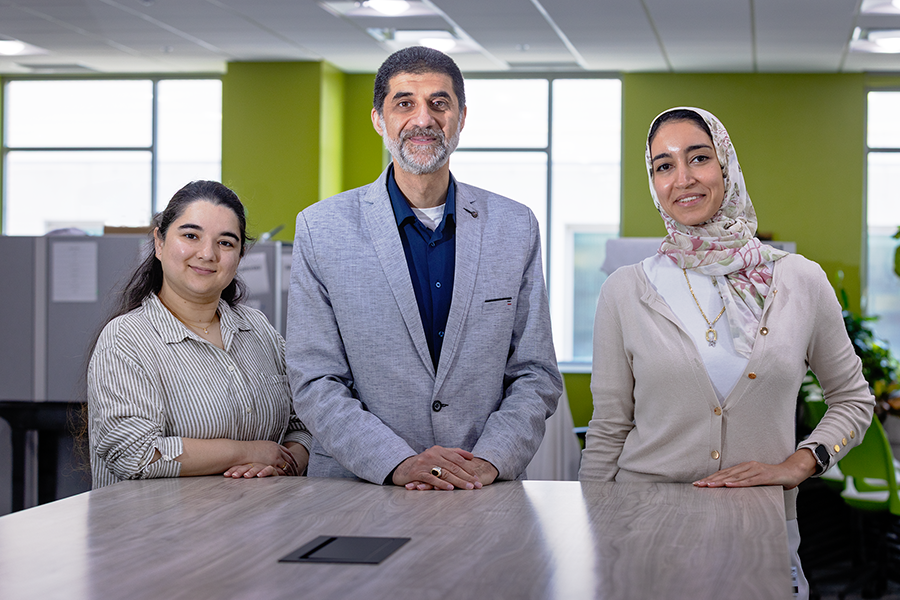
Heart disease has long been linked to familiar risk factors such as high cholesterol, high blood pressure and lifestyle choices. But according to a recent Augusta University Jagwire article highlighting research published in Nature Reviews Cardiology, the immune system might also play a critical role in determining how cardiovascular disease develops and progresses. The review, led by Ishita Tandon, PhD, Hossam Abdelsamed, PhD, and Alaa M. Khalifa, PhD, examines the emerging role of CD8+ T cells, specialized immune cells best known for fighting infections, in atherosclerosis, the chronic inflammatory disease responsible for most heart attacks and strokes. By synthesizing the latest evidence, the researchers show how different populations of these immune cells can either fuel inflammation or help regulate it, revealing new opportunities to better understand, diagnose and eventually treat cardiovascular disease. The review also identifies important gaps in current knowledge and outlines promising directions for future research. As scientists continue to better understand how these immune cells behave within arterial plaques, their discoveries could lead to more precise diagnostic tools and a new generation of immune-targeted therapies for cardiovascular disease. Together, the researchers' work offers journalists valuable insight into one of the fastest-evolving areas of cardiovascular research, where immunology and heart health are converging to reshape how cardiovascular disease is understood and treated. "This study highlights the major role of CD8+ T cells in atherosclerosis and their potential impact on cardiovascular diseases." Hossam Abdelsamed, PhD To learn more about this amazing research and connect with Ishita Tandon, Hossam Abdelsamed or Alaa M. Khalifa, contact AU's External Communications Team mediarelations@augusta.edu to arrange an interview today.

Can One Gene Change the Future of Heart Disease?
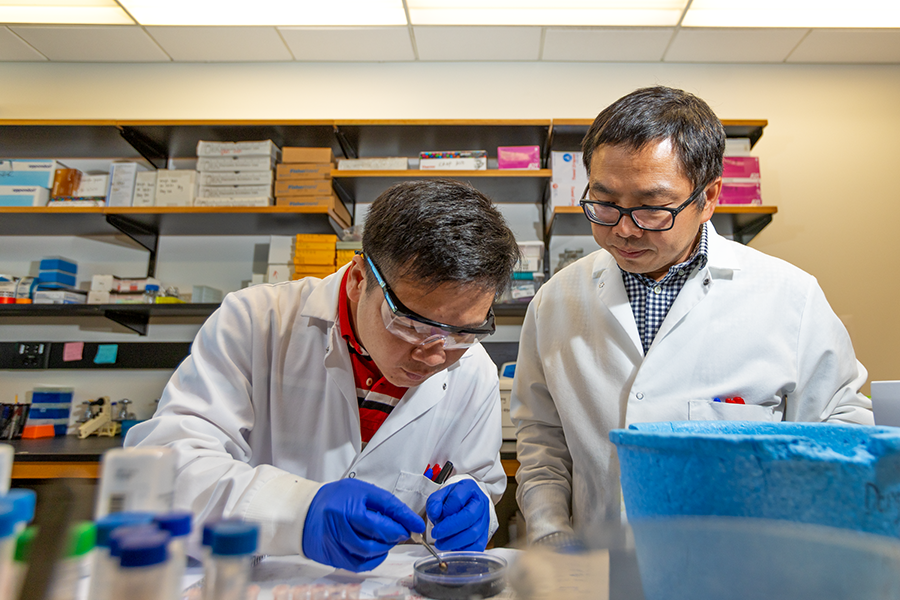
Heart disease remains the world's leading cause of death, but researchers are continuing to uncover the genetic mechanisms that drive it. According to a recent Augusta University Jagwire article highlighting new research, scientists are investigating how a little-studied gene might influence the development of cardiovascular disease and whether it could become a future target for treatment. At the center of the research is Kunzhe Dong, PhD, an investigator at Augusta University's Immunology Center of Georgia, who is examining the role of the SH3BGRL2 gene in cardiovascular cells. While the gene has previously been associated with cancer biology, early findings suggest it might also play an important role in regulating how blood vessels respond to stress and injury. Understanding that relationship could reveal new biological pathways involved in heart disease and identify novel opportunities for precision medicine. The research aims to determine how changes in gene expression affect the function of cardiovascular cells and contribute to disease progression. By better understanding these molecular mechanisms, scientists hope to identify new therapeutic targets and improve the ability to prevent or treat cardiovascular disease before irreversible damage occurs. The work also reflects a broader shift toward precision medicine, where treatments are tailored to the underlying biology of each patient rather than relying solely on traditional risk factors. "This gene is well known in one field, but now we're seeing it's also important in cardiovascular cells." Kunzhe Dong, PhD To learn more about this research and connect with Kunzhe Dong, contact AU's External Communications Team mediarelations@augusta.edu to arrange an interview today.
Can a Mother's ZIP Code Shape a Baby's Future?
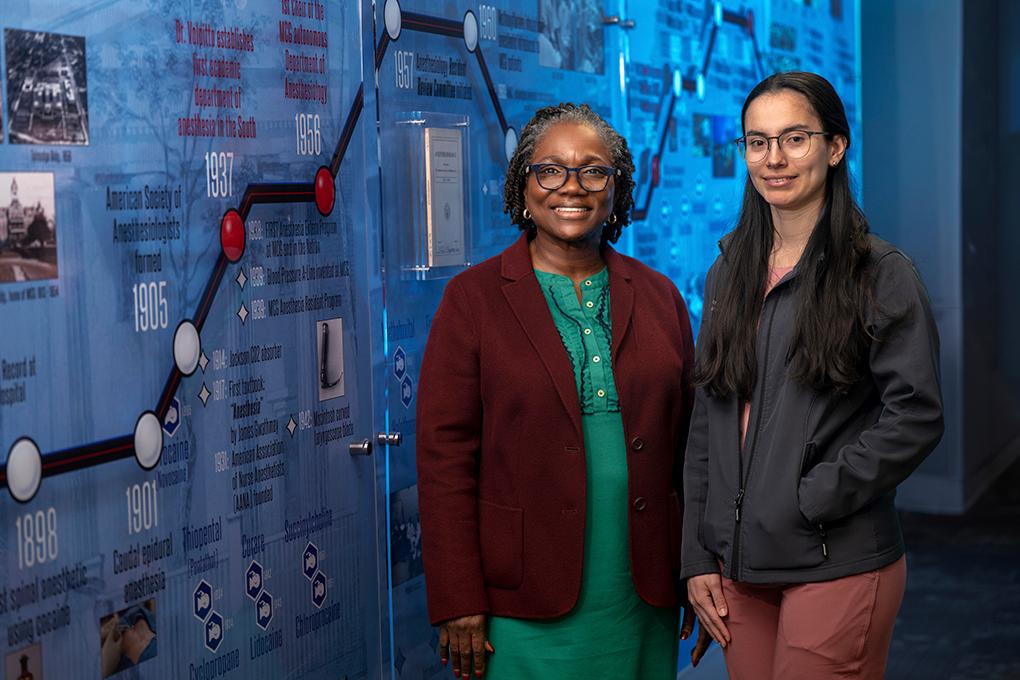
Where an expectant mother lives might reveal important clues about her baby's health before birth. According to a recent Augusta University Jagwire article, researchers at the Medical College of Georgia have found that mapping birth outcomes by ZIP code can help identify communities where mothers and newborns face greater health risks, providing valuable information for healthcare providers and public health officials. The two-part study out of the Department of Anesthesiology and Perioperative Medicine at the Medical College of Georgia at Augusta University, led by Mary Arthur, MD, explored the relationship between neighborhood characteristics and neonatal outcomes. By combining geographic mapping with maternal and infant health data, the researchers identified areas with higher rates of adverse birth outcomes and examined how factors such as access to prenatal care and other social determinants of health might contribute to those disparities. The findings suggest that geographic data can become a valuable tool for improving maternal and infant health. By identifying communities at greater risk, healthcare systems and policymakers can better target prenatal education, outreach programs and healthcare resources to support expectant mothers before complications arise. For journalists covering maternal health, healthcare disparities and public policy, Arthur offers valuable insight into how community-level data can help guide interventions that improve pregnancy outcomes and give more babies a healthier start in life. "The maps make it very easy to visualize those ZIP codes that link to poor neonatal outcomes. They're also helpful for planning strategic interventions to help the people who live in those particular areas in terms of making sure there are outreach programs for mothers in those areas to have access to prenatal care." Mary Arthur, MD To learn more about this important research and connect with Mary Arthur, contact AU's External Communications Team mediarelations@augusta.edu to arrange an interview today.

Science Is Changing the Game: How Research Is Transforming Modern Sports
Professional sports have always embraced innovation, but today's competitive advantage increasingly comes from science. Researchers are applying advances in neuroscience, artificial intelligence, biomechanics, data analytics, and human performance to better understand how athletes make decisions, respond under pressure, recover from injury, and maximize performance. What once relied heavily on intuition and experience is now being informed by sophisticated research that can measure, predict, and improve outcomes at every level of competition. Recent studies from Carnegie Mellon University highlight the growing role science is playing across the sports landscape. Whether examining decision-making in high-pressure situations, analyzing performance strategies, or using artificial intelligence to improve health outcomes, researchers are uncovering insights that can help athletes perform at their best while extending careers and reducing injury risk. Ron Yurko is an Assistant Teaching Professor in the Department of Statistics & Data Science at Carnegie Mellon University, and the Director of the Carnegie Mellon Sports Analytics Center (CMSAC). View his profile Scott Powers, an assistant professor at Rice University with vast front-office experience in Major League Baseball—including stints with the Los Angeles Dodgers and the Houston Astros—joined forces with Ron Yurko, a director at the Carnegie Mellon Sports Analytics Center, to analyze this cutting-edge data. Their study, published in The American Statistician in 2026, marks a significant advancement in the quantitative understanding of batting dynamics. It uses high-resolution measurements of bat speed and swing length, metrics that were publicly released for the first time in 2024, to explore how hitters modulate their swings under different pitch counts, particularly when facing two strikes. Eric Yttri is an Associate Professor at Carnegie Mellon University where his research goal is to establish how neural circuits lead to these action selection decisions. View his profile As a neuroscientist, I have been working to uncover how the brain decides when to act and when to wait. Recent research from my team and me helps explain why this split-second pause happens, offering insight not only into elite athletic performance, but also how people make everyday decisions when the potential outcome isn't clear. We found that the key to hesitation is a response to uncertainty. This could be where a dropped hockey puck will land, when a race starts, or placing your order at a new restaurant. Eni Halilaj is an Associate Professor at Carnegie Mellon University where she directs the CMU Musculoskeletal Biomechanics Lab, an interdisciplinary group of engineers seeking to understand and optimize human movement mechanics. View her profile According to Eni Halilaj, an assistant professor in mechanical engineering at Carnegie Mellon University and biomechanist who specializes in orthopedic rehabilitation, 60 percent of those who suffer this common knee injury also develop osteoarthritis early in life. The degenerative joint disease, which affects an estimated 32.5 million individuals in the U.S., is especially problematic for younger patients because of the longer time span during which the chronic condition can cause debilitating pain, stiffness and limited mobility. "How can we make the 60 percent have the same long-term outcome as the 40 percent?" asked Halilaj, who is working to understand the difference between those who do and those who do not develop osteoarthritis following knee trauma. Matthew Walker is a Professor, Astrophysics & Cosmology at Carnegie Mellon University. His research focuses on the astrophysical properties of dark matter, but he is also a former collegiate D1 baseball player and lifelong, passionate fan staying apprised of advancements in the game. View his profile Carnegie Mellon University physics professor Matthew Walker said the system still has limitations, especially on pitches that are extremely close to the edge of the strike zone. "Every measurement device has a margin of error," Walker said. "ABS is, from what I can tell, somewhere around half an inch -- which means if the ABS call says that the pitch was within half an inch of the border between a ball and a strike, whether it says it’s a ball or a strike is really no better than a guess." Walker said that in those situations, the umpire’s original call should remain in place rather than letting the automated system make the final decision. The influence of science in sports extends far beyond professional athletics. Research developed for elite competitors often finds applications in healthcare, rehabilitation, education, workplace performance, and everyday decision-making. As teams continue to invest in analytics, wearable technology, artificial intelligence, and performance science, the relationship between research and sports is expected to grow even stronger. The result is a deeper understanding of how humans learn, adapt, compete, and perform under pressure. If you're covering or looking to know more, we can help! Carnegie Mellon University experts can discuss: • The growing role of science and technology in sports • Performance optimization and decision-making under pressure • Artificial intelligence and data analytics in athletics • Injury prevention, rehabilitation, and athlete health • The future of sports research and innovation



UConn Expert Weighs In on FIFA's Hottest New Timeout
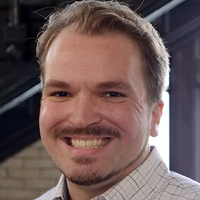
For the first time in FIFA World Cup history, every match at the 2026 tournament includes mandatory three-minute hydration breaks midway through each half. Introduced as a player welfare measure amid concerns about extreme summer temperatures across North America, the breaks have quickly become a much discussed development in the tournament. Coaches, players, broadcasters, sports scientists, and fans are all weighing in on the impact the stoppages have on player safety, game flow, strategy, and even commercial opportunities. The conversation has intensified as several matches have been played in challenging heat conditions and prominent coaches have publicly questioned whether the mandatory breaks alter the rhythm of the sport. At the same time, medical experts continue to emphasize the risks posed by heat stress and dehydration during elite athletic competition, particularly in tournaments spanning multiple climates and venues. Experts like UConn's Douglas Casa have been front and center when the media call for insight and perspective. The three-minute mandatory hydration breaks are meant to protect players, and referees, from extreme heat illness and help them maintain their physical performance. In that time, players can cool off and replenish lost water and salt from sweating, but how effective it is depends on how aggressive the cooling methods are. That could mean putting wet, cold towels on the exposed parts of a player's body, such as the neck, head, back and arms. If done well, that could reduce their body temperature by about 0.22 F (0.12 C) per minute, said Douglas Casa, CEO of the University of Connecticut's Korey Stringer Institute who also co-signed the letter to FIFA. "Some people can tolerate a little more fluids comfortably and then do intense exercise. Some people can't because it sloshes around in their stomach and they don't feel super comfortable, so they might not drink as much in such a short period of time," he added. The time, he said, dictates the volume of impact, whether from fluid or cooling, and "that's why we're suggesting doing something like five or six minutes, because it just makes such a big impact when you're dealing with a change of that magnitude." June 18 - NPR Douglas Casa is a professor of kinesiology and chief executive officer of UConn’s Korey Stringer Institute. He is a leading authority on research, advocacy, and education about exertional heat stroke View his profile While the standardized breaks represent a major step forward for player welfare, some leading heat illness experts argue the new policy does not go far enough. Dr. Douglas Casa, a professor of kinesiology at the University of Connecticut and chief executive officer of the Korey Stringer Institute, expressed skepticism regarding the efficacy of such brief intervals. Dr. Casa warned that prolonged, high-intensity physical exertion causes a rapid spike in core body temperature, which dramatically degrades athletic performance and increases the risk of exertional heat illness. He noted that a mere three minutes from whistle to whistle provides insufficient time for optimal physiological cooling and active rehydration, recommending instead that tournament officials expand the mandatory breaks to five or six minutes. Faced with these demanding environmental conditions, several competing national teams are taking proactive measures to gain a competitive edge. Multiple countries have expanded their technical staffs to include specialized sports scientists tasked exclusively with designing aggressive heat-acclimatization and thermal-management strategies. According to Dr. Casa, these data-driven preparation strategies will likely play a monumental role in determining player durability and ultimately crowning the world champion. June 09 - NBC News Covering? We can help. Douglas Casa, who leads UConn's renowned Korey Stringer Institute, is available to discuss: The science behind hydration and cooling breaks in elite sport Heat illness risks facing World Cup athletes Whether mandatory breaks are sufficient to protect players How extreme weather is changing sports medicine and event management The balance between player safety, competition, and fan expectations Check out the video below featuring Doug Casa explaining what happens when the human body gets too hot. Media interested in speaking with Doug Casa can contact the UConn media relations team to arrange an interview.


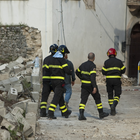
Dr Komal Raj Aryal, lecturer in crisis and disaster management at Aston Business School, has expressed serious concern following the powerful twin earthquakes that struck northern Venezuela on 24 June 2026. "The back-to-back earthquakes, measuring magnitude 7.2 and 7.5 and occurring within less than a minute of each other at an approximate depth of 22 km, represent an exceptionally severe seismic event," said Dr Aryal, who has more than 26 years of international research experience in earthquakes, landslides, extreme weather events and disaster risk governance. "The combination of two major earthquakes occurring in rapid succession, their relatively shallow depths, and the repeated strong ground shaking is likely to have substantially increased damage to buildings, transport networks and other critical infrastructure. Scientifically, a magnitude 7.5 earthquake releases approximately three times more energy than a magnitude 7.2 event. Experiencing both events within seconds creates an extremely complex emergency response situation." Dr Aryal highlighted particular concern for San Felipe, an important industrial, commercial and transportation centre with a population of more than 300,000 people. Built across hilly terrain, with steep streets and dense urban development, the city could face significant challenges for emergency access, search and rescue operations, evacuation and humanitarian assistance. Around 10% of the city's population is aged 65 or older, making older adults particularly vulnerable during prolonged emergency situations. "If widespread power outages occur while temperatures remain between 32°C and 35°C, communities will face compounded risks including heat stress, disruption to healthcare services, shortages of clean water, communication failures and interruptions to essential public services. These cascading impacts often become as significant as the direct earthquake damage itself." Based on the available seismic information and preliminary footage shared on social media, Dr Aryal noted that it will likely take days or even weeks before authorities fully understand the extent of structural damage across northern Venezuela. "Initial seismic information suggests a rupture along a major fault system parallel to Venezuela's northern coastline, with areas experiencing extremely intense ground shaking. If confirmed, significant cascading impacts may extend well beyond the epicentral area, affecting multiple urban centres, transport corridors and regional supply chains." Dr Aryal also expressed concern about the resilience of Venezuela's healthcare system. "Northern Venezuela contains a large concentration of hospitals and healthcare facilities. At present, it remains unclear how many medical facilities have been affected by the earthquakes. Any disruption to hospitals, combined with existing pressures on healthcare capacity, medicine supplies and emergency logistics, could significantly affect the delivery of healthcare services for both acute injuries and patients with chronic illnesses." He added that damage to airports, major highways, bridges and other transport infrastructure could delay humanitarian assistance, emergency logistics and economic recovery. "The humanitarian consequences of this disaster will depend not only on the severity of the ground shaking, but also on the resilience of critical infrastructure, the effectiveness of emergency coordination, the availability of healthcare services and the country's broader socioeconomic capacity to recover." Dr Aryal further warned that the immediate earthquake sequence is unlikely to mark the end of the crisis. "Strong aftershocks are highly likely following earthquakes of this magnitude. These may continue for months, and some could themselves be damaging. They increase risks to already weakened buildings, complicate search and rescue operations, trigger additional landslides in mountainous areas, and prolong humanitarian needs." He concluded that while casualty figures and the full extent of the damage remain uncertain, the event has the potential to become one of the most significant seismic disasters in the region in recent years, requiring sustained national and international humanitarian support.


Decoding epilepsy, one brainwave at a time
Epilepsy isn’t always easy to diagnose. Seizures often don't occur during routine brain-wave recordings, leaving doctors without the direct observation they need to make a clear diagnosis. In a proof-of-concept study in mice, University of Delaware researchers and collaborators showed that using artificial intelligence to detect early warning signs hidden in the brain's electrical rhythms can identify subtle EEG differences linked to a genetic form of epilepsy, even when no visible seizures occurred. The findings, published in the Journal of Neural Engineering, set the stage for the next phase of the research, which will test the method on EEGs from children being evaluated for epilepsy at Nemours Children's Health. A dictionary of brain waves Neurologists often use EEGs to help diagnose epilepsy, but routine recordings offer only about a 20-minute snapshot of brain activity. Without a seizure captured during that window, clinicians must look for far subtler clues that can be difficult to detect visually. That's where AI comes in. “Our machine-learning approach lets the algorithm learn the brain’s ‘language’ of waveforms, spotting subtle patterns humans might miss during manual review,” said Austin Brockmeier, assistant professor in electrical and computer engineering and computer and information sciences. Starting small with a mouse model When Brockmeier presented his computational neuroscience research at a seminar, he caught the attention of Amanda Hernan, an affiliated associate professor of psychological and brain sciences and biomedical engineering at UD and senior research scientist at Nemours Children’s Health. Hernan studies how variations in brain activity affect thinking and learning in children with epilepsy. The two decided to put machine learning to the test using EEGs from mice with epilepsy-causing variations in the TSC1 gene. The researchers used a panel of more than 40 mice, including animals with and without the gene variation, across three different genetic backgrounds, or strains. They extracted EEG segments from five days of recordings from each mouse for analysis. Because the EEG segments contained no seizure activity, the algorithm had to detect differences in the brain's baseline activity alone. It was able to distinguish between the mouse strains and to detect the TSC1 gene variation with high accuracy in two of the three strains. “These results show that EEG patterns contain measurable signals of neurological differences, even without visible seizures,” Hernan said. Taking it to the clinic Now, Brockmeier and Hernan will next apply their approach to EEG recordings from children being evaluated for epilepsy at Nemours Children's Health. Pediatric EEGs are shorter than the multi-day recordings used in the mouse study, and children present with many different types of epilepsy. But the researchers are optimistic. “The goal is to identify biomarkers that flag underlying changes in the brain’s electrical activity before seizures occur,” Hernan said. Earlier detection could lead to earlier treatment and less uncertainty for families. That uncertainty, Hernan said, takes a toll. “Seizures follow natural cycles, but without a way to know where you are in that cycle, the anticipation can be incredibly anxiety-provoking,” she explained. Better pattern recognition could also improve treatment decisions. For example, if a new medication is introduced during a natural lull in seizure activity, its benefits could be overestimated. Looking further ahead, the researchers envision a future where wearable EEG devices allow continuous, real-time monitoring for those with high risk of seizures. Similar approaches could eventually be applied to other neurological conditions, including autism and ADHD. "This is a step toward precision medicine," Brockmeier said. "Brain-wave typing could help identify which interventions will work best for a given patient." For families navigating the daily uncertainty of epilepsy, that kind of precision could make a huge difference. To speak with Brockmeier and Hernan, please reach out to mediarelations@udel.edu.

The world is burning useful waste, and cleaner alternatives are needed
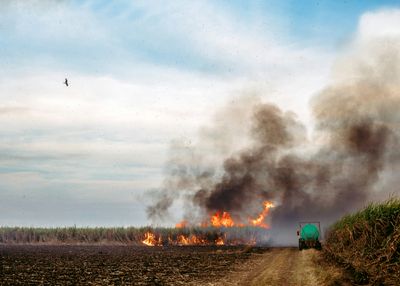
When we talk about clean air, the conversation usually turns to traffic: exhaust fumes, congestion, school runs and the air people breathe on busy streets. That focus is understandable because road transport remains one of the most visible sources of poor air quality in everyday life. But Clean Air Day should also draw attention to a less visible question: why are useful materials still being burned as waste? Clean air is about more than traffic Around the world, huge quantities of leftover straw are still treated as waste to be cleared quickly, with rice straw one of the clearest examples. More than 700 million tonnes of rice straw are produced globally every year, and around 80% is burned. That contributes directly to air pollution and greenhouse gas emissions, while also destroying material that could have value. At Aston University’s Energy and Bioproducts Research Institute, researchers are exploring alternatives to open burning of crop residues, including whether materials often treated as waste could instead become useful sources of energy, fuels or bioproducts. This matters because the clean air debate needs to look beyond transport. How we manage waste, land and energy also plays a part, and agricultural residues should not automatically be seen as rubbish to be burned. In many cases, they could be resources with real value. Why burning crop waste matters The World Health Organization describes air pollution as one of the greatest environmental risks to health, estimating that ambient outdoor air pollution caused 4.2 million premature deaths globally in 2019. Much of that risk comes from exposure to fine particulate matter, which is linked to cardiovascular and respiratory disease and cancers. That is particularly relevant when residues are burned in the open, as smoke and fine particles can travel beyond the field where burning takes place, affecting nearby communities and wider air quality. There is a practical issue as well as an environmental one. If burning is the fastest and cheapest way to clear land, it can easily become the default, which is why any cleaner alternative has to work for farmers and communities in practice. It is not enough to tell people to stop burning; they need practical alternatives that make sense economically and locally. Turning waste into cleaner alternatives Biochar and bioenergy are two examples of how waste crop material can be treated differently. Instead of being burned in the open, residues can be converted into useful products or sources of renewable energy. Biochar can also offer practical benefits for farmers when it is produced and applied appropriately. Studies have shown that addition of biochar to the soil can improve its structure, help retain nutrients and, in some cases, reduce the need for synthetic fertilisers, which will lower associated emissions and economic demands. The water-holding capacity of biochar can also support crops during dry periods, potentially reducing irrigation demand in drought-prone seasons. Work connected to rice straw has shown that cleaner alternatives to burning can produce measurable environmental benefits while supporting local economies. Community-scale rice straw bioenergy systems, for example, can avoid 2.7–3.5 tonnes of CO₂ equivalent emissions per hectare each year, while creating fuel savings and reducing post-harvest losses for rice farming communities. Research and interviews have shown that farmers and local stakeholders are willing to participate in these transitions when alternatives are designed around their needs and priorities. During community engagement activities, participants consistently highlighted cleaner air as an important benefit, not only for environmental reasons but also because of concerns about the health impacts of smoke and the financial burden of illness. For many households, avoiding respiratory problems and expensive hospital bills was seen as just as important as generating additional income from agricultural residues. That matters because cleaner air is linked to more than one policy area. Transport is important, but so are farming, energy and waste. Research can help identify what works, where the trade-offs are, and how promising ideas can move beyond the lab. It can also support industry, policymakers and local partners to develop alternatives that are practical rather than theoretical. For policymakers, the lesson is that air quality cannot be improved by focusing only on the most visible sources of pollution. Transport matters, but so do homes, industry, farming, waste and energy systems. There is no single answer. Agricultural residues vary, local conditions vary, and technologies need to be assessed carefully, but cleaner air will require better options than burning. Clean Air Day should prompt us to ask why useful materials are still being burned in the first place. If we want cleaner air, we need to reduce what we burn and get smarter about what we waste. This article was written by Dr Samuel Sogbesan and Thea Mae Baltazar from Aston University’s Energy and Bioproducts Research Institute. (Photo by Sandie Peters on Unsplash)

World Cup 2026: Story Angles Beyond the Pitch
The 2026 FIFA World Cup will be one of the biggest sports stories of the year, with matches underway across Mexico, Canada and the United States. But the story will reach well beyond the field. As the tournament moves from city to city, it will bring host communities, public agencies, local businesses and civic leaders into the spotlight. That creates a wide range of story angles for journalists, from public health and safety, tourism and economic impact to sports technology, fan culture, athlete performance, national identity and the politics of international sport. Institutions using ExpertFile are helping media cover these broader World Cup stories through dedicated Topic Authority Hubs, Spotlight posts and expert profiles featuring trusted sources across health, business, technology, public policy, culture and sport. Featured World Cup Expert Hubs With the World Cup coming to the New York metro area, Hofstra University’s hub brings together experts on athlete health, recovery, injury prevention, mental performance, public health, tourism, local business impact and the cultural history of soccer. Explore Hofstra’s World Cup 2026 Hub. Source: Hofstra University The University of Delaware’s hub focuses on player safety, concussion research, sports analytics, tourism, youth development, fan behavior, shared experiences and the science behind elite competition. Explore the University of Delaware’s World Cup 2026 Hub. Source: University of Delaware Carnegie Mellon University’s hub looks at the tournament through the lenses of geopolitics, diplomacy, sports marketing, fan engagement, AI, robotics, biomechanics, human performance and emerging sports technologies. Explore Carnegie Mellon’s World Cup 2026 hub. Source: Carnegie Mellon University Emory University’s Goizueta Business School hub explores World Cup 2026 through the business of the tournament, including host city economics, ticket pricing, fan engagement, sports marketing, global sponsorship, brand strategy and the rise of the player brand. Explore Goizueta Business School’s World Cup 2026 hub. Story Angles As coverage plans take shape, these are some of the World Cup 2026 story angles journalists may want to explore. The Topic Authority Hubs featured above offer a helpful starting point, with Spotlight posts and expert profiles connected to many of these issues. Journalists can also search directly on expertfile.com to find additional academic experts who can bring depth, context and clarity to their coverage. The politics behind the tournament The World Cup is never just about sport. It can become a global stage for diplomacy, national pride, protest, soft power and political tension, with countries not only competing on the field but also presenting themselves to the world. For journalists, that creates timely story opportunities around national identity, international relations and the political flashpoints that often surface around major global sporting events. The next generation of fans A World Cup can shape how young people connect with sport, family, community and national identity. For many children and teenagers, this may be the first tournament they experience in a big way — at school, at home, in their community or through local soccer programs. The mental pressure of representing a country Few sporting events carry the emotional weight of the World Cup. Players are not just competing for clubs or contracts. They are carrying national expectations in front of a global audience, often under intense media and social media scrutiny. The science of movement under pressure World Cup matches are full of moments that happen almost too quickly to see: a sudden change of direction, a hard landing, a collision, a late tackle, a split-second decision to accelerate or pull back. Experts can help explain the biomechanics behind elite soccer movement, how the body absorbs stress during competition, and why injuries such as ACL tears and concussions remain such important issues at the highest level of the game. How technology is changing the game AI, sports analytics, wearables, robotics, motion tracking and virtual experiences are changing how soccer is played, trained, analyzed and watched. Some of this technology is visible to fans. Much of it is happening behind the scenes. The hidden science behind the tournament Some of the most important parts of the World Cup are easy to overlook. Playing surfaces, stadium preparation, natural grass requirements, turfgrass systems and venue logistics all play a role in the quality of the tournament. What host cities gain — and what they have to manage The World Cup can bring major attention to host cities, along with increased demand on hotels, restaurants, transportation systems, small businesses and public services. The story is not only how many people visit, but who benefits and what remains after the tournament moves on. Sports analytics in action Data is now part of how elite soccer is understood, taught and analyzed. From performance trends to real-time decision-making, analytics can help explain what is happening inside the game and how teams, coaches and analysts evaluate play at the highest level. Soccer as culture and identity For many fans, soccer is tied to family, community, immigration, history and belonging. The World Cup offers a chance to tell stories about fan culture, grassroots soccer, Latin American soccer history, gender and power in the sport, and why watching together can feel so meaningful. Public health and mass gatherings Millions of fans travelling across borders and gathering in stadiums, fan zones and public spaces create important public health questions. Cities need to think about disease surveillance, emergency preparedness, health system readiness and health equity — all while hosting one of the most visible events in the world. About ExpertFile ExpertFile helps organizations become the most trusted and visible source of expertise in an AI-driven world. The platform combines expert profiles, content publishing, inquiry management, analytics and media distribution into a single Visible Authority infrastructure - enabling universities, healthcare organizations, corporations and associations to improve how their expertise is discovered, cited and engaged across search engines, AI assistants and media channels. Built-in workflow orchestration, governance controls and compliance oversight help organizations reduce risk and achieve greater impact with existing resources. Trusted by leading institutions including Carnegie Mellon University, the Massachusetts Institute of Technology (MIT) and ChristianaCare, ExpertFile helps organizations unlock the full value of their expertise at scale. The ExpertFile Mobile App connects journalists, conference organizers, policymakers, researchers and industry partners with authoritative expertise across more than 50,000 topics.

