
Experts Matter. Find Yours.
Connect for media, speaking, professional opportunities & more.

West Sanctions Russian Aviation, But Moscow Decides to Keep Planes Flying Despite Risks When the U.S. and its allies slapped sanctions on Russia for its full-scale invasion of Ukraine, severing aviation links was at the top of the list. Direct flights vanished and Russian airlines lost access to spare parts for their foreign airplanes. In retaliation, Vladimir Putin’s regime impounded foreign aircraft and shut off the world’s largest air space to countries imposing sanctions. Not since the early 1980s—when the U.S. suspended routes to the USSR over the Soviet invasion of Afghanistan, repression in Poland and downing of a Korean Air Lines plane—have aviation ties between the two countries dipped so low. Aviation sanctions today are having an impact but come with a major risk. If the fatal crash of a jetliner killing hundreds is linked to the lack of spare parts, Putin will blame sanctions and the West. The stakes are high as Russia seeks to use any issue from cluster bombs to soccer to widen cracks in Western unity over Ukraine. To get ahead of this, U.S. policymakers and their allies need to better explain the effects of sanctions, why they’re worth the risk and why the Russian state, not the West, is ultimately responsible for any fatal crash. U.S. government assessments place Russian aviation among sectors negatively impacted by sanctions. A closer look shows widening success in degrading this increasingly weak link in Russia’s political economy. By late 2021, foreign aircraft comprised 70% of Russia’s fleet of 801 passenger airplanes, which included 298 Airbuses, 236 Boeings, and 23 other foreign aircraft such as Embraers. In addition, 95% of Russian airline flights were on foreign-made aircraft. Consequently, sanctions aimed at depriving spare parts for foreign airplanes have caused many disruptions such as fare increases to cover higher costs of repairs. Some of Russia’s 53 airlines have periodically suspended or stopped flying some of their foreign planes. Reports of Russian airlines’ cannibalization of foreign aircraft similarly underscore a dire situation. Less well known is how sanctions hurt Russian manufacturing since Western technology is critical to aircraft such as the Sukhoi Superjet 100, which uses a French-Russian engine (though Russians are working on a substitution). Production of the Yakovlev design bureau’s MC-21 passenger airplane faces significant delays due to sanctions that force substitution of its Western-made parts. Sanctions even helped push Russia out of a joint venture with China to produce the CR929 widebody aircraft. While China is happy to help Russia thwart sanctions, this plane needs Western systems that sanctions complicate. In response, Russia has adapted to and thwarted some aviation sanctions, which I predicted would happen because Putin’s regime is reproducing a state-centered aviation sector rooted in the Soviet past. The war has accelerated the state’s growing control over this vital economic sector, which began before Russia’s 2014 invasion of Ukraine. Examples include the state’s 51% ownership of Aeroflot since 1994, the merger of two smaller, state-run airlines in 2003 and the consolidation of aircraft manufacturing in the state-owned United Aircraft Corporation (UAC), which was created in 2006. More recently, the Russian state has helped the country’s airlines weather sanctions by facilitating the illegal confiscation of foreign aircraft. Russian airlines have also proven resourceful by purchasing spare parts through brokers in the United Arab Emirates and Turkey. Better known for supplying Russia with drones, Iran also agreed to provide Russian airlines with spare parts and has been fixing an Aeroflot Airbus for months. Many foreign airlines continue to fly to Russia, and Putin’s regime rewards friendly countries with overflight rights. But the longer sanctions remain, the harder it’s getting for Russia. To regain profitable foreign routes, its airlines are receiving government assistance to legitimately purchase the Western aircraft they illegally seized, although recent holdups in allocating such funds are causing doubts. In a throwback to the Soviet era, Putin’s regime boasts that Russia doesn’t need the West’s airplanes anyway since its one manufacturer, the UAC, will pick up the slack. Such import substitution is unlikely to succeed, as multiple delays suggest. More likely, Russia’s aviation sector will grow more reliant on the state, if not actually part of it like the UAC. This will make Russian aviation less efficient, less innovative and more expensive. Iranian airlines, which have long suffered under foreign sanctions despite some success circumventing them, present their Russian counterparts with a grim vision of the future such as being shut out of lucrative air travel markets and falling behind in emerging aviation technology. How does this shape safety in Russia’s skies? The short answer is that it’s not as bad as headlines suggest and the impact of sanctions is ambiguous at best. Click bait stories paint a dire picture but often conflate commercial, military and general aviation into alarming numbers that do not accurately capture what ordinary passengers face. Some accounts, such as one claiming 120 accidents occurred in 2023, provide few details or sources. Annual safety reports from Russia’s Interstate Aviation Committee (IAC) allow for comparison over time but often obscure Russia’s situation by combining data from each post-Soviet state it monitors. Its 2019 report is mysteriously missing and its decision not to investigate the fatal crash of Yevgeny Prigozhin’s Embraer Legacy 600 plane suggests meddling from above. That said, the IAC source base is the most systematic we have. Keeping in mind the potential for the politicization of its conclusions, what does a critical reading of its data alongside other sources suggest? First, fatal crashes in commercial and general aviation actually decreased in Russia from 18 in 2021 to 13 in 2022, and related deaths decreased from 70 to 24. Data for the first half of 2023 points in the same direction, with six fatal crashes and nine deaths. This trend was likely helped by the 14% decline in traffic after February 2022. While so many fatal crashes sound substantial, all but three in 2021 and all but one in 2022 involved small aircraft under 5,700 kilograms, not the jetliners we associate with most commercial flying. Absolute figures on crashes and deaths capture headlines but they don’t say much about safety without considering their relation to passengers flown or departures. According to the IAC, the rate of aviation accidents and the rate of fatal crashes per one million departures both increased from 2020 to 2021 but then decreased in 2022. The IAC does not single out Russia from other post-Soviet states for this metric. But since Russia has the largest aviation sector among those countries, these data suggest that its aviation safety has not dramatically worsened since early 2022. Indeed, even critics who argue that Russian airlines are less safe partly because of sanctions conclude that “2022 and 2023 were also good years for airline safety [in Russia] compared to 2021.” Comparisons with the U.S. similarly suggest that passenger aviation is not as disastrous as some headlines suggest. The IAC data indicates that Russia and other post-Soviet states are usually but not always behind the U.S. in passenger aviation safety. In 2018, for example, IAC countries reported a 0.8 rate of fatal crashes per 1 million departures of passenger aircraft above 5,700 kilograms. Comparable statistics from the National Transportation Safety Board showed a 0.11 rate for that year for scheduled U.S. carrier flights. In 2019, the rates were 2.3 (IAC) and 0.10 (U.S.), but in 2020, both IAC countries and the U.S. enjoyed a 0.0 rate of fatal crashes. The following year, however, IAC countries reported a 1.9 rate of fatal crashes, whereas the NTSB reported a 0.0 rate.1 Against this background of Russian airline safety, let’s now turn to the impact of sanctions. While some commentators emphasize that no fatal crashes have been tied to sanctions, others claim they make Russian airlines unsafe and that it’s only a matter of time before such a fatal crash happens. Some even argue that life-threatening dangers prove aviation sanctions are effective and could help turn Russians against Putin. To reassure the public, Russian aviation officials insist the country’s airlines are safe despite sanctions, as do Russian business media and aviation journalists. This plays to Putin’s claims to legitimacy based in part on withstanding anything the West throws at him. In sharp contrast, Ukrainian media tells Russians their airlines are a disaster waiting to happen precisely because of sanctions. Independent Russian journalists banished by Putin concur, raising alarms about efforts to cover up the impact of sanctions and about the many ways Russian airlines cut corners on safety. In short, an information war exists around the morbid question of whether a Russian jetliner will crash and the role sanctions could play. Fears of a fatal crash were validated by the emergency landing of a Ural Airlines A320 in September, apparently caused by malfunctioning hydraulics tied to sanctions. But a closer examination by a Russian aviation journalist suggests the pilots played a more important role by pressing on to an airport for which there wasn’t enough fuel. Recent Russian state assessments of aviation safety similarly point to pilot error and poor training as the chief causes of aviation incidents. More generally, airplane disasters are usually caused by a convergence of factors—bad weather, a manageable mechanical failure and pilot error—not just one problem. In public discussions, however, pinpointing sanctions’ role tracks more with the politics of the war than technical expertise. At the end of the day, Russian airlines and aviation authorities are solely responsible for putting planes in the sky and Russians’ lives at risk. They continue to claim that everything is fine. But if a fatal crash of a Boeing or Airbus flown by a Russian airline kills hundreds, I predict this narrative will quickly change. Putin will blame the West as he does for everything else affecting his legitimacy, from Russia’s economic problems and his diplomatic failures to protests against his regime and even the war he started in Ukraine. Such a scenario will be a serious test for policymakers who argue that punishing Russia with sanctions is still worth it. To prepare for this, they need to take a page from the Biden administration’s release of intelligence on Russia’s military buildup before the full-scale invasion: publicize as much intelligence as possible on sanctions and their impact, as well as Russia’s aviation sector and what it does or doesn’t do to ensure safety. As Putin’s regime falls back on Soviet-era secrecy about airline safety, sharing such intelligence will be a powerful tool. This will also contribute to broader Western efforts at combatting Russia’s better known disinformation campaigns such as those denying its human rights abuses in Ukraine.


Expert Perspective: UMW's Steven E. Harris lends his opinion to The Russia File
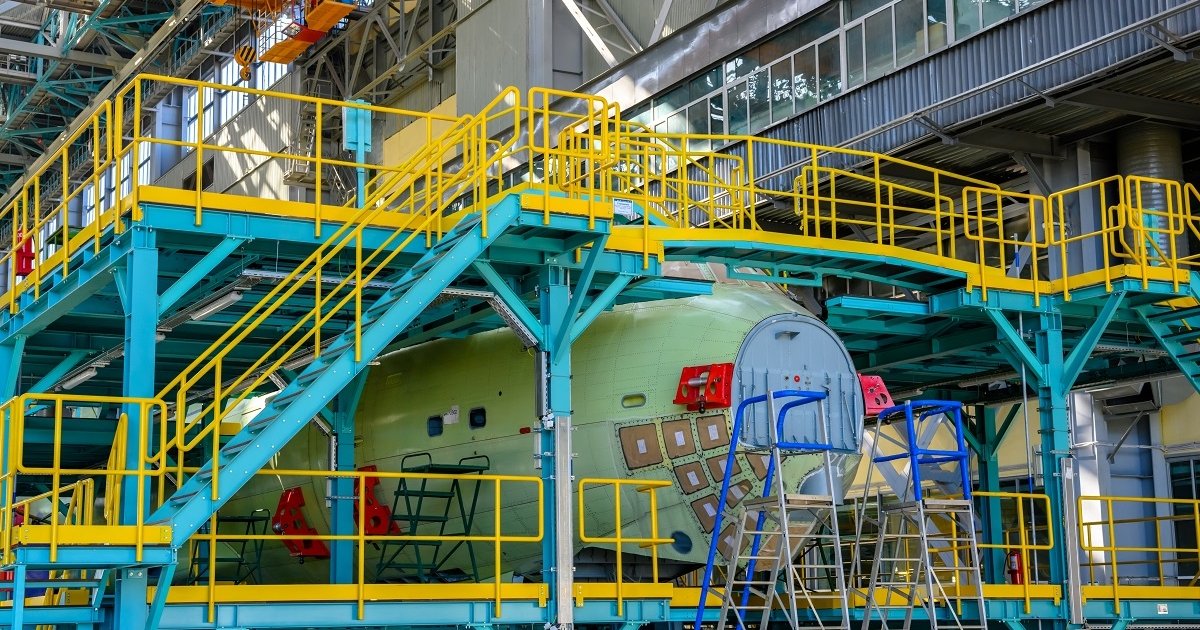
The following piece was written by Steven E. Harris published by the Wilson Center in April 2024 Sanctions Are Spoiling Russia’s Plans to Make Its Own Airplanes Putin’s regime is feeling confident these days. Advances on the battlefield in Ukraine, expansions in armaments production, and the dithering of Republicans in the U.S. Congress show the war has turned in Russia’s favor. A well-orchestrated presidential election and some real public support buoy the regime. Political opponents are either dead, in prison, or in exile. Putin’s regime has also declared victory in blunting Western sanctions and now plans to permanently thwart them with programs of import substitution. Nowhere is this better seen than in aviation, where the state proclaims it will produce over a thousand new airplanes to replace the foreign aircraft its airlines have long flown. But this bold vision for aviation autarky has little chance of succeeding. Russia’s Short-Term Success in Blunting Aviation Sanctions Thus far, Putin’s regime has weathered aviation sanctions through a two-pronged strategy. First, Russian airlines illegally kept about 400 foreign airplanes—primarily Airbuses and Boeings—owned by foreign leasing companies. Second, the state bankrolled settlement claims in order to purchase some of these airplanes so that airlines could fly them abroad without risk of repossession and reduce their foreign debt. To date, approximately 170 foreign airplanes have been legally acquired in this fashion, and the Ministry of Transportation recently asked for more cash to continue settling claims on the remaining 230 foreign planes. The next question is how long Russian airlines, from the state-owned flag carrier Aeroflot to private companies such as S7 and Ural Air Lines, can continue flying their foreign planes. As I wrote in late October, safety has been degraded far less than predicted. But in the absence of spare parts, software updates, and thorough maintenance by foreign providers, Russian airlines have about two years before they will have to ground Boeings and Airbuses for major repairs performed using third-party spare parts. Anticipating the eventual retirement of foreign planes, Putin’s regime has embarked on a massive program to make all-Russian airplanes. This program promises independence from Western technology and leasing companies but reveals the success of sanctions and fundamental weaknesses in state capacity. The 2030 Aviation Manufacturing Plan Announced in June 2022, the program calls for the state-owned industrial conglomerate Rostec to manufacture 1,036 airplanes with only Russian parts by 2030. In January 2024, the state allocated 283 billion rubles (U.S. $3.1 billion) to help finance the production of 609 airplanes and prioritize medium-haul aircraft in the overall manufacturing plan. Before sanctions, Russian manufacturers produced a small number of narrow body, medium-haul airplanes such as the MC-21 and the Superjet-100 (SSJ-100) with Western components. Twelve SSJ-100s were manufactured in 2021 and ten the following year. Among the aircraft slated to replace Boeings and Airbuses, the plan called for production in 2023 of three medium-haul Tupolev-214 (Tu-214) airplanes and two Superjet-NEW planes (Superjet-100s with all-Russian parts). None of these were built. In fact, the state-owned United Aircraft Corporation (UAC) failed to manufacture a single passenger airplane in 2023. More recently, the UAC conceded further delays of up to two years for rollout of the MC-21, SSJ-NEW, and Tu-214, as well as of smaller, short-haul aircraft such as the Ilyushin-114 (Il-114) and the “Baikal.” The transition to total import substitution is proving difficult, making it impossible to fulfill early targets of the manufacturing plan. By withdrawing access to Western technology critical for manufacturing, sanctions have successfully shut down production. Russian manufacturers will produce at best inferior aircraft that fly shorter routes using more fuel. At its current rate, the UAC is unlikely to manufacture more than a dozen or so showcase narrow body airplanes before 2030. The manufacturer may have better luck producing simpler planes, such as the Baikal, but the state’s injection of 283 billion rubles doesn’t target its production or that of two other short-haul airplanes. Since the UAC will likely not meet the plan’s annual targets any time soon, Russia’s airlines will have to make do with their aging foreign airplanes and acquire spare parts from third parties. Putin admitted as much at his call-in event in December 2023, during which he praised the import-substitution plan but added that the government would continue to purchase illegally held foreign planes. What Will Russia’s Aviation Manufacturing Plan Actually Produce? Rather than produce new aircraft, the immediate purpose of the state’s manufacturing plan is political theater. The infusion of 283 billion rubles was meant to show the public, before the presidential elections, that Putin’s regime is serious about securing commercial aviation and to generate a sense of normalcy in the midst of war. In the long run, the manufacturing plan is more likely to produce further distortions in Russia’s political economy. These include corruption, secrecy, technologically backward aircraft, and even more state control over commercial aviation. The 283 billion rubles will help Rostec keep state-run subsidiaries such as the United Engine Corporation operating with soft budget constraints and favorable contracts that now lack any competition from Western firms. Executives will siphon off their share of the funds, while Putin’s regime will turn a blind eye as long as everyone remains loyal. If the manufacturing plan continues to falter, state-owned manufacturers will have more incentive to keep their failures secret. In 2023, for example, the Ural Civil Aviation Factory kept hidden cost overruns for the Baikal. When news of a 48 percent increase was finally publicized, Putin’s point man for the Far East region, Yuri Trutnev, was incensed and proclaimed, “Our people are like that: they don’t like to share information.” For now, Putin’s regime allows the Russian business media to report fairly openly about the country’s aviation industry on issues such as spare parts and safety, state subsidies, and shortfalls in production. But if commercial flying becomes more precarious and the manufacturing plan remains unfulfilled, the government will likely limit what the public knows about its airlines and long-term plans to maintain them. As the economic historian Mark Harrison shows in his recent book, Secret Leviathan, secrecy in the Soviet era significantly degraded state capacity in many areas, including production. Post-Soviet autocrats face a similar “secrecy/capacity tradeoff,” while newer techniques of disinformation further erode capacity. In attempting to revive the Soviet Union’s autarkic aviation industry, Putin’s regime will find it hard to avoid similar reductions in capacity. Insofar as Russia’s commercial aviation industry is concerned, the lesson for the West is that it pays to play the long game. Russia has effective tools for blunting sanctions in the short run, but in the long run it faces structural obstacles and the absence of Western technology, both of which will degrade this economic sector. The main question remains whether the United States and its allies can keep up the pressure by enforcing sanctions.

Earlier this year, the Drug Enforcement Agency (DEA) announced that it would move marijuana from Schedule I to Schedule III under the Controlled Substances Act (CSA), greatly reducing the restrictions on the drug. It represents a historic change in federal marijuana policy and a watershed moment for generations of activists that have sought legalization on a national level. While many advocates believe the shift bodes well for efforts to relax controls on other Schedule I drugs—including promising psychedelics like psilocybin, MDMA, and LSD– Vanderbilt Law professor Robert Mikos argues that the marijuana rescheduling decision will not pave the way for rescheduling any other drug. Mikos explains that the decision preserves the barriers that make it virtually impossible to remove drugs from Schedule I. He labels those barriers the “tyrannies of scheduling.” In his paper “Marijuana and the Tyrannies of Scheduling,” forthcoming in Fordham Law Review, Mikos lays out the core challenges posed by the existing scheduling process and offers a solution that would lead to “more rational scheduling decisions that better reflect the benefits and dangers of controlled substances, as Congress intended.” The Role of Currently Accepted Medical Use in Scheduling Decisions The CSA creates five Schedules (I-V). Scheduling dictates how a drug is regulated under the statute. Schedule I drugs are subject to the most restrictive controls, and those controls are steadily relaxed as one moves down the schedules. Congress made all the initial scheduling decisions when it passed the CSA in 1970, but it also empowered the DEA, working in conjunction with the Department of Health and Human Services (HHS), to reschedule drugs based on new information acquired after the passage of the statute. Agency scheduling decisions are supposed to be based on three core characteristics of a drug: its abuse potential, its dependence liability, and whether it has a currently accepted medical use (CAMU). Unfortunately, these characteristics do not always suggest the same schedule for a drug. But as Mikos explains, the DEA has grossly simplified the scheduling process by suggesting that CAMU determinations should trump all other considerations. In particular, the agency has insisted that a drug with no CAMU must be placed on Schedule I, regardless of its abuse potential or dependence liability. According to Mikos, the DEA’s simplification of the scheduling process places tremendous weight on agency CAMU determinations and how the agency chooses to define this particular scheduling criteria. The Tyranny of Science In the past, the DEA insisted that the only way to demonstrate that a drug has a CAMU was by completing multiple controlled trials (RCTs) demonstrating that a drug is effective at treating some medical indication, the same requirement for new drug approval under the Food, Drug and Cosmetic Act. As Mikos has noted in his past work, completing such trials is “notoriously expensive and time-consuming,” requiring strict parameters and a large number of participants. The challenge is even more daunting for drugs already on Schedule I, because the CSA restricts research on such drugs. Due to regulatory restrictions, marijuana advocates have struggled to complete even a single RCT demonstrating marijuana’s medical efficacy. Indeed, in the past 50 years, only one Schedule I drug (Epidiolex) has ever been able to satisfy the DEA’s CAMU test, leading Mikos to label the agency’s science-focused approach the “Tyranny of Science.” The Tyranny of the Majority In 2023, however, HHS devised an alternative CAMU test that emphasizes practical experience over scientific research. “Because more than 30,000 health care practitioners (HCPs) had already recommended the drug to their patients in the thirty-eight states with medical marijuana laws,” Mikos explains, “the agency concluded there was enough clinical experience to demonstrate that marijuana has a CAMU and thus could be rescheduled.” But while this alternative test does not require completing RCTs – and thereby eliminates the Tyranny of Science – Mikos demonstrates that it is no less tyrannical than the DEA’s original CAMU test. According to Mikos, the alternative CAMU test simply “imposes a different form of tyranny: the Tyranny of the Majority.” He explains that to accumulate the clinical experience needed to satisfy the new test, advocates must convince popular majorities in a substantial number of states to legalize medical use of a drug. It took decades to build the public support necessary to do that for marijuana, and Mikos points out that no other Schedule I drug currently commands the same level of public support as marijuana. “Despite growing interest in the therapeutic value of [psychedelics, . . . less than a quarter of all Americans support legalizing psychedelics like psilocybin,” Mikos writes. “By comparison, 90% of Americans support legalizing medical marijuana.” What is more, even if large numbers of states were to legalize medical use of a substance like psilocybin or MDMA, advocates will also have to convince large numbers of patients, their health care practitioners (HCPs), and their suppliers to risk federal sanctions in order to accumulate the clinical experience HHS demands to satisfy the new CAMU test. “While marijuana was finally able to run the gauntlet, no other Schedule I is likely to replicate that feat anytime soon. Other promising Schedule I drugs like psilocybin, MDMA, and LSD are likely to remain trapped on that schedule for the foreseeable future,” the paper states. A New Way Forward Mikos argues that the agencies did not need to create a new CAMU test to reschedule marijuana. He suggests that the DEA has placed too much emphasis on CAMU in scheduling decisions. The DEA “has no authority, and no good reason, to hold (or place) a drug on Schedule I solely because the drug lacks a currently accepted medical use.” Indeed, Mikos suggests the agency’s emphasis on CAMU runs contrary to the text of the CSA and provides insufficient information about a drug’s benefits and risks to make sensible scheduling decisions. Rather than propose yet another, less tyrannical CAMU test, Mikos suggests that the DEA should instead take a more flexible approach to scheduling, one that considers all 3 criteria – a drug’s abuse potential, its dependence liability, and whether or not it has a currently accepted medical use (CAMU)—to determine where a drug belongs among the statute’s five schedules. “Although my approach would not make it any easier to demonstrate CAMU, it would reduce the dominant influence CAMU determinations now wield over scheduling decisions,” Mikos concludes. It would enable the agency to remove drugs like marijuana, psilocybin, or MDMA from Schedule I, even if they lack a currently accepted medical use, if their abuse potential and dependence liability so warrant. “As a result,” he notes, “my approach would foster more rational administrative scheduling decisions going forward.”


Why Japan Issued a "Megaquake" Advisory Following Last Week's Tremor
The magnitude 7.1 earthquake that struck Japan's southern islands on August 8 left some residents of the country in panic. Not from the tremor itself, which caused only a handful of minor injuries and quick-expiring tsunami alerts, but rather the unprecedented advisory from the Japanese Meteorological Agency warning of an elevated risk of a "megaquake" in the region over the coming weeks. A "megaquake," short for a megathrust earthquake, is a type of temblor that occurs at a subduction zone, where one tectonic plate slips under another. A release of the tension that forms the thrust fault where the two plates meet can trigger some of the strongest earthquakes on the planet, measuring 9.0 or higher on the Richter scale, and produce large tsunamis. It may sound a bit alarmist, but Isabel Hong, PhD, assistant professor in Villanova University's Department of Geography and the Environment, assures that "even though it is not possible to predict earthquakes, the advisory comes from a place of prior knowledge." "We can't say for certain [when these earthquakes will happen]," she reiterated. "But probability suggests it could be more likely, in part because this smaller earthquake event occurred." The acute event—last week's earthquake—is indeed the root of the alert, which was issued in the following hours. The quake's epicenter was located close to the end of the Nankai Trough, a subduction zone off the coast of Japan where the Philippine Sea Plate slips under the Eurasian Plate. The Nankai Trough has historically produced strong earthquakes, most recently an 8.0 tremor in 1946. "Oftentimes, a large earthquake event can then trigger subsequent earthquakes," Dr. Hong said. "It can transfer stress to other faults that can make it more conducive for other earthquakes to then rupture, and that's the general belief of what's happening with the Nankai Trough right now." To compound the acute disturbance last week, Japanese government officials had already previously warned of a 70-80 percent likelihood of a Nankai Trough earthquake measuring 8-9 on the scale within the next 30 years. That warning was the product of extensive research into the region's seismic history. "All of the data that goes into [an advisory like that] is pulled from the work of dedicated scientists looking at past earthquake and tsunami deposits," said Dr. Hong, who herself studies prehistoric geohazards by analyzing their geologic trails along coasts. "This allows us to refine our understanding of the frequency of such events in a region. In this case, scientists can say, 'These happen about every 100 years, and it's already been over 70. Therefore, there's a higher probability another will occur in the next 30.'" If it does, officials fear that a strong earthquake could trigger a massive tsunami that would reach the coast of Japan within minutes due to its proximity, threatening the lives of hundreds of thousands of individuals. "Tsunamis occur along active subduction zones like the Nankai Trough," Dr. Hong said. "They do have to be generated by a strong earthquake, yes, but more important in their impact to coastal communities is the shape of the coastline offshore. If they go from deep to shallow water very fast, the tsunami builds tall." So, whether it appears alarmist or not, having the ability to study these seismic events in a way that can warn individuals of heightened risks should not be taken for granted, says Dr. Hong. Early warning signs and advisories for potential geohazards can save lives. "One of the reasons we dig into the geologic past is to help inform people what could happen in the future."


With tremors in Japan - are we ready if an earthquake hits?
In an era where natural disasters are increasingly becoming a focal point of global concern, earthquake preparedness stands as a critical topic for public safety and resilience. With millions of lives and billions of dollars in infrastructure at risk, the importance of readiness cannot be overstated. This topic is not only timely due to recent seismic activities around the world but also due to its broader implications for disaster response, urban planning, and community resilience. Understanding and implementing effective earthquake preparedness measures can mitigate the devastating impact of these natural disasters, making it an essential subject for public discourse. Key story angles include: Advances in early warning systems: Explore how technology is improving early detection of earthquakes, potentially saving lives by giving communities crucial time to take protective actions. Urban planning and infrastructure resilience: Investigate how cities are adapting their infrastructure to withstand earthquakes, including the retrofitting of buildings and the development of earthquake-resistant structures. Community education and public awareness: Discuss the importance of community-based education programs in promoting earthquake preparedness, including drills, emergency kits, and public information campaigns. Government policies and disaster response: Analyze the role of government policies in disaster preparedness, focusing on how local, state, and federal agencies coordinate to prepare for and respond to earthquakes. The economic impact of earthquake preparedness: Examine the cost-benefit analysis of investing in earthquake preparedness, including the potential savings in terms of reduced damage and faster recovery. Global lessons and best practices: Compare earthquake preparedness strategies from different parts of the world, highlighting best practices that could be implemented in earthquake-prone regions globally. By delving into these angles, journalists can provide comprehensive coverage of earthquake preparedness, offering valuable insights that can help communities better protect themselves against the inevitable threat of seismic events. Connect with an expert about earthquake preparedness: To search our full list of experts visit www.expertfile.com Photo Credit: Chandler Cruttenden


A recent study on dangerous driving conducted by CAA South Central Ontario (CAA SCO) revealed that more than half of Ontario motorists, 55 per cent, admit to engaging in risky and unsafe driving behaviours in the past year. According to the survey, this number increases to 61 per cent amongst young drivers aged 18 to 34. “Dangerous driving behaviours, such as speeding, distracted driving, and aggressive driving, continue to pose significant risks on our roads,” says Michael Stewart, community relations consultant for CAA SCO. “These actions not only endanger the lives of the drivers themselves but also put all road users at risk. We must prioritize road safety by promoting responsible driving habits." Of those surveyed, the top five dangerous driving behaviours that motorists engaged in are, 1. Speeding (41 per cent) 2. Distracted driving (20 per cent) 3. Unsafe lane changes (9 per cent) 4. Aggressive driving (8 per cent) 5. Running red lights (7 per cent) In contrast, those surveyed say they frequently witnessed others driving dangerously far more often. 1. Speeding (84 per cent) 2. Unsafe lane changes (76 per cent) 3. Aggressive driving (76 per cent) 4. Distracted driving (73 per cent) 5. Running red lights (56 per cent) “The data tells us that it is far more prevalent for people to see others driving dangerously rather than admitting that they themselves are carrying out the same behaviour,” adds Stewart. The survey found that speeding continues to be the leading concern for Ontario motorists, especially on roads with higher speed limits. According to the study, 86 per cent of motorists feel safe on residential streets, compared to only 68 per cent on posted 110-kilometre-per-hour highways. “Ontarians frequently witness dangerous driving behaviours, especially on highways,” says Stewart, “the important thing to remember is that the risk of collision can increase when travelling at higher speeds.” Four out of 10 Ontario drivers will actively avoid roads with ASE Ontario drivers favour stricter fines and penalties to combat the increasing amount of dangerous driving across the province. This year alone, 35 per cent of Ontarians indicated that penalties and fines for speeding and stunt driving have influenced their driving behaviour – up seven per cent from last year. The study also found that more than three-quarters of Ontario drivers (78 per cent) believe that automated speed enforcement (ASE) can help deter drivers from speeding, as 70 per cent of Ontario drivers admit that they will slow down in the presence of an ASE camera. “It is no surprise that Ontario motorists are in favour of stricter penalties as speeding and dangerous driving continue to be an issue,” says Stewart, “what is surprising, however, is that despite the support for ASE, four out of 10 Ontario drivers will actively avoid roads where an ASE is present, an increase from last year.” According to the survey, Ontarians support the presence of ASE on all types of streets, especially near schools (84 per cent) and community centres (81 per cent). A total of 17 per cent of Ontario drivers, equivalent to more than 1.5 million individuals, have received a ticket from an ASE camera in the past. “CAA SCO continues to advocate for road safety for all road users,” says Stewart. “Our hope is that through education and awareness of the repercussions, we can begin to see a steady decrease in dangerous driving across all roads.” For more information, please visit www.caasco.com/speeding The online survey was conducted by DIG Insights from April 1 to April 16, 2024, with 1,509 Ontario drivers aged 18 and older. Based on the sample size of n=1,509 and with a confidence level of 95 per cent, the margin of error for this research is +/- 2%.)



Olympics 2024: Expert details the danger of headings in soccer
One of the most popular Olympic sports is soccer, and one of its most exciting plays – headers – is more commonly deployed by international teams. Given the risk of concussions during that play, experts like the University of Delaware's Thomas Kaminski will be watching the event closely during the 2024 Summer Games. Kaminski, professor of kinesiology and applied physiology in UD's College of Health Sciences, is a leading expert on concussions in soccer and serves as the sole U.S. representative on the FIFA Heading Expert Group. “FIFA is concerned about the disparity in concussions between men and women,” Kaminski said. “Women are at a higher risk of concussion due to a variety of reasons, including neck strength and overall body strength.” Concussions often occur during aerial challenges. “When players compete for the ball at the same time, they need to use their body to protect their head space, taking the strain off the head,” Kaminski said. Expect the ball to be in the air quite a bit in Olympic competition. “Many international teams tend to play the ball in the air more, but the USA will be ready for that. They know what to do,” Kaminski said. What to keep an eye out for: “Anytime a ball is scored from a header, it’s a picture of beauty in the game,” Kaminski said.


Sport and Study: Villanova University Faculty Offer Academic Lens to Paris Olympics Storylines
All eyes are on Paris: more than 10,000 athletes from 206 nations are set to compete in the Games of the XXXIII Olympiad, the third Olympics in the City of Love and the first since 1924. Below, Villanova University faculty members provide their academic expertise on the unique storylines and narratives already taking place as Paris 2024 gets underway. Portraying a National Image in the Opening Ceremony Étienne Achille, PhD Director of French and Francophone Studies After months of speculation, the daily Le Parisien has officially confirmed that renowned French-Malian singer Aya Nakamura will lend her vocals to an opening ceremony featuring an iconic backdrop steeped in history. “Nakamura is the most-streamed Francophone singer in the world, embodying France’s culture on a global stage, and she’ll be paying homage to one of the most cherished representatives of the chanson française,” said Dr. Achille, referring to reports she will sing one of beloved French crooner Charles Aznavour’s greatest hits. According to Dr. Achille, the pop star’s presence is significant and symbolic. “A performer, or even a flagbearer, can easily become the face of a global event like the Olympics,” he said. The details of the setting for the ceremony – in the heart of Paris, along the Seine – are just as intentionally symbolic. “Not only will this be the first opening ceremony to take place entirely outside of a stadium; its location along the river and the fact the delegations will be on boats are key. “It represents movement and connection to the world,” Dr. Achille said. “And Nakamura’s performance projects the image of a modern, multi-ethnic nation building on tradition while proudly marching into the future.” Swimming in the Seine: Safe or Not? Metin Duran, PhD Professor of Civil and Environmental Engineering It is, perhaps, the most-asked question of the last few weeks. Is the Seine River, set to host multiple swimming events, safe? The river has been illegal to swim in for a century due to the presence of harmful bacteria such as E. Coli, and recent testing has reaffirmed this concern. The Seine, which had undergone an expensive cleaning to mitigate this issue, received the endorsement of Paris Mayor Ann Hidalgo, who personally took a dip in the water herself to attest to its safety. The stunt did little to convince experts such as Dr. Duran, who studies wastewater, to abandon concern about the potential health risks of athletes being exposed to pathogens in the water. “When we have fecal pollution, there is a high likelihood of pathogens being present,” Dr. Duran said. “Those could be viral, like a norovirus, or protozoan. “If you’re swimming in that water, you run the risk of ingesting it. Once you ingest that polluted water, you’re likely to contract some of those disease-causing pathogens. Ingesting this water doesn’t mean you’re necessarily going to get sick, but based on the number of people in a big city like Paris, there is a very high likelihood of some of these pathogens existing now in the river.” Accommodations for Breastfeeding Athletes Sunny Hallowell, PhD, APRN, PPCNP-BC Associate Professor of Nursing The IOC and Paris 2024 Organizing Committee is providing support to all breastfeeding athletes competing in the Games. A few national governing bodies, like the French Olympic Committee, are going a step further and offering hotel rooms near the Village for their country’s breastfeeding athletes to share with their children and spouses. “A few decades ago, the idea of a female athlete who also wanted to breastfeed their child was so taboo it may have prevented an athlete from competing,” said Dr. Hallowell. “Now, many female athletes who choose to breastfeed their newborns or toddlers conceptualize breastfeeding as another normal function of their remarkably athletic bodies.” Accommodation for breastfeeding athletes and increased awareness are needed more than ever. Dr. Hallowell notes that in addition to changing views on breastfeeding, the needs for such accommodations are increasing as the age of peak athletic performance also increases. “Advances in sports nutrition, wellness and lifestyle have extended the longevity and performance of many athletes into adulthood,” she said. And while some athletes with rigorous training regimens might feel “frustrated incorporating breastfeeding into the routine,” Dr. Hallowell says that for others, “breastfeeding provides both physical and socio-emotional benefits for the mother and the infant that allow the athlete to focus on the job of competition.” Protecting Against the Parisian Heat Ruth McDermott-Levy, PhD, MPH, RN, FAAN Professor of Nursing The potential for extreme heat in Paris has been a topic of concern for athletes and organizers, prompting certain outdoor events to be proactively scheduled at times to avoid the day’s worst heat. Current forecasts predict temperatures in the 90s for several days early on in the Games, which could be exacerbated by Paris’ reputation as an urban heat island, unable to cool due to lack of green space and building density. Dr. McDermott-Levy says the athletes are inherently vulnerable, because “the added stress of physical exertion during their events puts them at greater risk of heat-related illness.” But she also notes that many of the athletes have likely undergone pre-competition training in extreme heat conditions to acclimate and will have trainers and health professionals monitoring them frequently. “The group of concern are the workers at the stadiums, outdoor workers and spectators who are there to enjoy or work at the events and may have had little to no acclimation,” Dr. McDermott-Levy said. “They need to follow local instructions and take frequent breaks from the heat, seek shade and maintain hydration by avoiding alcohol and sugary drinks and drinking water.” How Nature Can Inspire Future Use of Olympic Infrastructure Alyssa Stark, PhD Assistant Professor of Biology Gone, hopefully, are the days of abandoned Olympic Villages and venues, overrun with weeds and rendered useless soon after the Games conclude. The IOC’s commitment to sustainability has been transparently relayed ahead of the 2024 Games, featuring a robust range of initiatives and programs. Dr. Stark is particularly interested in one aspect of ensuring a sustainable Olympics. “How will the structures, materials and systems they developed for the Olympics be re-used, re-shaped or re-worked afterward?” she posed. “This could include re-using buildings to larger scale or re-working transportation systems set in place for the Games that could then integrate into day-to-day life post Olympics.” At the root of her interest is the concept of biomimicry. “A lot of the way we think about designing, if we’re using this biomimicry lens, is how do we learn from nature to solve problems that we have in a sustainable way, keeping in mind the environment we are in?” Dr. Stark said. In this case, consider how something like a dwelling of a living creature might be repurposed to fit the needs of another creature, or serve another natural purpose, without harming the ecosystem. Could that inspire a way to re-use the Olympic infrastructure? “There are a ton of examples of [biomimicry] being used and working in products,” Dr. Stark said. “But I would say the next step is looking at the social levels of these big ecosystems – building architecture, city planning, flow of information and, in this instance, repurposing what was created for the Olympics.” Paris Could Be a Transportation Model for Major City Events in the United States Arash Tavakoli, PhD Professor of Civil and Environmental Engineering Paris has invested 250 million Euro the last several years to transform the city to a 100% cycling city, making it one of the most bike-friendly municipalities in the world. Currently, more trips are being made by bicycles in Paris than by cars (11% vs. 4%), a trend that has permeated to the surrounding suburbs as well. With an influx of travelers in Paris for the Games, Dr. Tavakoli, an expert in human transportation, said, “The Olympics will be a test for how well these kinds of systems respond to high fluctuations in the population as compared to vehicle-centric systems.” While Paris is thousands of miles away from the United States, how bicycle, pedestrian and vehicle systems work during the Games could provide helpful insight ahead of major events in American cities. “With the World Cup coming to the U.S. in a few years, it will be interesting to compare [Paris] with how our own system responds to people’s needs,” Dr. Tavakoli said. “Not just based on traffic data and congestion, but also considering factors like how comfortable the transportation system is, how much it affects our well-being and how much it attracts a nonresident to enjoy the U.S. when their only option, for the most part, is a vehicle.”


States Most and Least Impacted by Natural Disasters
For a report on states with the most (and least) climate risk today, MoneyGeek interviewed Jase Bernhardt, associate professor and director of Sustainability Studies and Meteorology in the Department of Geology, Environment and Sustainability. Dr. Bernhardt talked about the biggest natural hazards that are affecting the country and how the population can prepare for events like flooding, extreme heat, and severe thunderstorms. Jase Bernhardt is also an expert on hurricane preparedness. He is available to speak with media about these topics - simply click on his icon now to arrange an interview today.


Can you benefit in transferring high-interest credit card debt?
Photo credit: paulaveryevans According to Lendingtree, Americans have over $1 trillion in credit card debt. The average American has around $6,500 in credit card debt. When you factor in the high interest that credit cards charge, it can be a daunting task to get the balance to zero. Many cards offer 0% APR on balance transfers for certain length of times. But is it worth it if you don’t plan on paying off the entire balance during the promotional period? Wendy Habegger, PhD, senior lecturer in the James M. Hull College of Business, said you need to be careful when taking advantage of such offers. “The benefit one would get in this situation is short-lived,” said Habegger. “While one might enjoy no interest for the promo period, when that period is over, the interest rate they are charged could be more than the credit card from which they transferred. My recommendation is that if one does a balance transfer, then only do so if you are able to pay off the balance before the period ends.” Some may think of doing a second balance transfer but Habegger said that it is not a good idea and could have a negative impact on a person’s credit score. It also gives the appearance the customer is at increased risk of default, which could trigger an even higher interest rate and higher fees. Not only may one incur higher rates, it could certainly impact their credit score, which can have a long-lasting financial impact. Even a large purchase on a 0% APR card will affect someone’s credit score. “A large purchase indirectly impacts one’s credit score based on credit utilization,” she added. “If one uses more than 30% credit utilization, it could impact credit scores.” Personal debt and credit are trending and important topics in America today - and if you're looking to know more, we can help. Wendy Habegger is a respected finance expert available to offer advice on making the right money moves during volatile times. To arrange an interview, simply click on her icon now.

