
Experts Matter. Find Yours.
Connect for media, speaking, professional opportunities & more.

Leading Game Designer Lists Top Ten Board Game Suggestions While Stuck at Home
Maurice Suckling is more qualified than just about anyone to recommend the best board games for families, couples, and others stuck at home during the COVID-19 pandemic. A professor of practice in the Games and Simulation Arts and Sciences program at Rensselaer Polytechnic Institute, he teaches about game writing, board games as storytelling, and games as historical simulations. He has credits on over 50 published video games and is also a published board game designer. His most recent board game, Chancellorsville: 1863, is in production with Worthington Publishing and will be released later in 2020. Instead of relying on old standbys like Monopoly and Risk, the choices on Suckling’s list range from cooperative games such as the aptly-named Pandemic Legacy: Season 1, where you rip up cards and put stickers on the board that continue to affect subsequent rounds, to role-playing games you can play together or solo like Legacy of Dragonholt, to games for families with children of all ages. Suckling’s picks reflect the transformation of the board game industry into a dynamic sector valued at over $12 billion. Suckling’s bio: https://news.rpi.edu/expert?expert=maurice.suckling Suckling can speak about the game industry as a whole and about how board games bring people together.


Are Home Prices in Peril? FAU Expert Says Coronavirus Stimulus May Hold the Key
The United States housing market faces its biggest threat in more than a decade, and whether home prices can withstand the new coronavirus pandemic largely depends on an effective stimulus package, said Ken H. Johnson, Ph.D., a real estate economist in Florida Atlantic University’s College of Business. U.S. President Donald Trump recently signed a historic $2 trillion stimulus to boost a battered U.S. economy, and getting the aid exactly right is the key to avoiding the first sustained setback to home prices since the end of the housing boom in 2006, according to Johnson. “If the stimulus package ends up being more than we need, this will almost certainly trigger a non-trivial amount of inflation in the economy, which will increase mortgage rates, which, in turn, will place downward pressure on housing prices,” Johnson said. “If the stimulus is not sufficient enough to hold down unemployment and it increases the likelihood of mortgage default, mortgage rates will rise and put downward pressure on housing prices. Only if the stimulus is just right will increasing inflation and higher unemployment be held in check.” Fixed rates for 30-year mortgages rose from 3.29 percent on March 5 to 3.65 percent on March 19, before moving down to 3.5 percent last week as the stimulus gained momentum. The higher rates are an indication that investors are factoring in inflation and the higher likelihood of default, though the recent downward trend suggests that it was the threat of rising default probabilities that was having the bigger impact on mortgage rates, according to Johnson. Since bottoming in March 2012, U.S. home prices rose 61 percent over the next seven and a half years, according to the S&P/Case-Shiller 20-City Composite Home Price Index. The nation’s housing market rebounded from a devastating downturn when investors started renovating and reselling properties after buying them at deep discounts. The market has been robust ever since, but Zillow Group recently suspended its home-buying program as a result of the pandemic and how it may affect the housing market. The move means Zillow is worried that housing prices are at risk, according to Johnson. If mortgage rates were to climb from 3.5 percent to 5 percent, it would result in a 43 percent increase in the interest portion of a housing payment, dramatically reducing the purchasing power for consumers. “Only time will tell here,” Johnson said. “We are in uncharted waters, making it difficult to tell when and if we got the stimulus package right.” If you are a journalist covering how real estate and property values are being impacted by the COVID-19 pandemic – then let our experts help. Ken Johnson is the associate dean and Investments Limited professor in the College of Business at Florida Atlantic University. Ken is available to speak to media about this topic – simply click on his icon to arrange an interview and time.


Stay-at-Home Parenting During the Pandemic
With the coronavirus-related death toll rising in the state of Pennsylvania, Governor Tom Wolf added two more counties to the growing list of those with a "stay at home" order, and thousands of parents and caregivers find themselves at home with their children indefinitely. Villanova philosophy professor Heather Coletti, PhD, spoke about the way the division of "caring labor" in traditional two-parent, male-female households might become a source of tension. Dr. Coletti points out that "[in] heteronormative households, women do the overwhelming bulk of caring labor for both children and adults—the statistics for this are consistent and slow to change. Today, most of these women have full-time jobs as well. When these heads-of-household are both working from home, very consciously trying to prove their value to their employer while working remotely, I think families are going to face very intensely the frustrations of the sexual division of labor over the next few weeks, i.e., that both heads of household are acting 'like men.'" "Are men prepared to be 'more like women' while working at home with children for a greater length of time?" Dr. Coletti asks. Unfortunately, much of the literature on the sexual division of labor suggests that this is quite unlikely. "Our society, including the women within it, do not seem to expect men to readily adopt the 'caring skills' traditionally and historically associated with women, even though women have proven that they are quite adept at adopting the 'work skills' that permeate career paths in the public sphere. But when children are present during these working hours (in the home) for these heads-of-household for several weeks... who will be interrupted to help with this or that? Break up that argument over that toy? Supervise homework that needs to get done? Who will find themselves negotiating 'five more minutes' to finish a conference call even though lunches need to be made for the 6- and 8-year-olds because it's already past noon?" According to Dr. Coletti, this task will likely still fall to mom. One of the hallmarks of the "masculine care model" (MCM) that American society is built around is the illusion that workers all have wives at home. The family becomes invisible—disappears—when we all go to work. Per Dr. Coletti, "People who 'visibilize' their families at work risk being characterized as distracted, sloppy or uncommitted to their work. This illusion has always been dangerous because we are and have always been connected to others. Denying this is, frankly, absurd." She continues, "Women are most tightly connected to their families through the patterns of the sexual division of labor and must work harder to 'invisibilize' their connections on a normal workday. Now that 'normal workdays' have been temporarily suspended... we are no longer in a position to ignore the overlap of (gendered) work in homes. I predict the coming weeks and months will challenge the illusions of both the MCM and sexual division of labor in unprecedented ways."


Don’t Neglect Spiritual, Mental Health During this Time of Health Crisis, Baylor Expert Says
In a difficult and ever-changing time of crisis surrounding the spread of coronavirus, the basic needs of health and safety come first. But as these basic physiological needs are met, the more advanced care for spiritual and mental health can remain overlooked or ignored altogether. Baylor University’s Holly Oxhandler, Ph.D., LMSW., associate dean for research and faculty development and assistant professor the Diana R. Garland School of Social Work, is an expert on mental health, primarily anxiety and depression, as well as religion and spirituality in clinical practice. In this Q&A, she shares tips and resources to help unhook from the baser instincts of fear and anxiety, even momentarily, to monitor and care for spiritual and mental health needs. Q: During a crisis, why do spiritual and mental health needs tend to be overlooked or ignored? A: In the midst of a crisis, our natural reaction is to go into a fight-or-flight response to the situation. Our most basic needs must be met, such as finding a sense of safety, and our bodies are doing what they were designed to do: to protect us. For example, if we were to encounter a bear on a hiking trail, our sympathetic nervous system would be activated to meet the basic need of keeping us safe. Our spiritual and mental health are not primary needs in that moment of crisis. If we were to run from that bear and reach safety, our emotions would eventually become regulated, our breathing would become normal, and we could return to a generally balanced way of being that allows for attention to our spiritual and mental health. However, we are in a prolonged moment of crisis surrounded by uncertainty, constantly evolving news updates and daily threats to our and loved ones’ safety regarding our health, finances and sense of normalcy. In this state of constant stress, it can be really hard to unhook from the fight-or-flight response and remember to tend to our spiritual and mental health. Q: How can people tend to their spiritual health during this time of crisis? A: In this moment, most of us are being forced to be still and/or surrender the illusion of control in ways we have never faced before. In this stillness, our spiritual practices can help remind us of a divine Love that is with us through each moment, but we must intentionally set time aside to practice them. Plus, many research studies have shown healthy, positive spiritual practices have the potential to support our mental and physical health. One thing that’s very important, especially in the midst of this crisis, is that we do not spiritually bypass what’s happening. It may be tempting to want to jump to hope and ignore the pain, but to the best of our ability, our faith traditions teach us we must sit with and feel the grief rooted in the overwhelming change and loss we and our neighbors are facing. As Fr. Richard Rohr says, “If we do not transform the pain, we will most assuredly transmit it – usually to those closest to us.” We must be with the fear and uncertainty, grieve the loss of life as we knew it a few weeks ago, pray the psalms of lament, and feel the freedom to wrestle with and/or cry out to God in ways we read about others doing so in our sacred texts. The important thing is that each of us engages in something tied to our faith, regardless of what we believe in, and to be consistent in the practice, continually learning to surrender that sense of control we’re all finding ourselves learning to do right now. Spiritual Health Tips Prayer Reading our sacred text Meditation Centering prayer (my personal favorite, which teaches us silence, solitude and stillness) Breath prayers (here are some examples) Engaging in creativity (music, dance, art) as an act of worship Practicing gratitude Seeking beauty in the mundane Yoga Journaling Especially in this time of increased isolation, I would recommend inviting others into these practices for a sense of solidarity and community, including those within our home or via social media, video conferencing or by phone. Q: How can people tend to their mental health needs? A: The first practice I would recommend is to pause and breathe deep for 4-5 seconds, noticing your belly rise instead of your chest, and breathe out for 6-7 seconds. The second would be grounding. When our brain is flooded with information and emotion, it is hard to stay present. In grounding, we take a deep breath and ask ourselves five questions to return to the present moment: What do I smell right now? What do I taste? What do I see in front of me? What can I touch and feel the surface of? What do I hear? A third recommendation would be to get outside as often as you can and, ideally, into some sunlight. I would also recommend the practice of tuning into our bodies. For many of us, it can be difficult to pay attention to what our bodies are trying to tell us, in the same way our thoughts and emotions communicate with us. Especially now, pay attention to the tension in your neck, the overall exhaustion, the pain in your arm muscles, the tightness in your chest, or any other experiences you notice by tuning in. Your body may be trying to tell you to spend less time watching the news (maybe cut back to 1-2 times a day), to take a nap or to move it and exercise. Last, and perhaps most importantly, do not hesitate to reach out for help if you are noticing changes in your appetite, sleep, mood, thoughts or feelings. Stay in communication with loved ones but just as you would seek a medical doctor for a broken arm, seek a therapist when you notice changes in your mental health. Many therapists are quickly adapting to telehealth services in this moment to meet growing demands and social distancing expectations. Some sites for finding a therapist include Psychology Today or HelpPRO, and if you or a loved one are deeply struggling, please reach out to the National Suicide Hotline or call 800-273-TALK (8255). Reaching out for help with your mental health is a sign of courage, not weakness. Q: During this time of crisis, what populations do you feel are most vulnerable to mental or spiritual health decline? A: Honestly, I think every single one of us are vulnerable to mental and spiritual health decline during this moment for varying reasons. As mentioned before, these parts of us are easily brushed aside when we’re most focused on ensuring our basic needs of safety and security are met. Still, there are a few groups I’m especially sensitive to. The first are the helpers on the front line facing far more need than resources, time or energy to meet those needs. These include our health care providers, social workers, therapists, grocery and restaurant employees, teachers, parents, nonprofit organizations, faith leaders, volunteers, community leaders, pharmacists, lab technicians, scientists and more. These helpers are at such high risk of burnout and my hope is that, to the best of their ability, they are caring for themselves holistically in order to care for others well. I’m also sensitive to a few other groups who are vulnerable to mental and spiritual health decline. First, older adults are the most religious cohort and are already at risk for depression and isolation even without a crisis, so I worry for them in light of the necessary social distancing. Second, in light of added pressures, those with various mental illnesses must continue to care for themselves via the medication or therapy they need. Third, I’m sensitive to those who are recovering from a substance or behavioral addiction and are now surrounded by overwhelming stressors that put them at a higher risk of relapse. Thankfully, recovery groups are now moving online and I would encourage those in recovery or remain plugged into a group. Q: Many people are unable to access a doctor or professional therapist to get help. What are some resources for those that may need free or low-cost options? A: There are a number of websites that can help individuals find a professional mental health care provider, such as a licensed clinical social worker, psychologist, counselor or marriage and family therapist. I mentioned Psychology Today, HelpPRO, and the Suicide Prevention Hotline above, but there are others. Better Help and Talk Space are two growing online therapy sites and Low Cost Help elevates providers with affordable rates. I also host a weekly podcast, CXMH: Christianity and Mental Health, which has a ton of episodes on various topics related to this intersection, including a recent one specifically on COVID-19. You can also contact your insurance provider to see who is in network or, if you do have a primary care provider, see if they have any recommendations. Your local faith communities may also have a list of mental health care providers to consider. There are also many organizations committed to providing resources, including the Substance Abuse & Mental Health Services Administration, National Alliance on Mental Illness, and the National Institute on Mental Health. Q: How can neighbors help neighbors and individuals help individuals outside of the professional or therapy setting? A: I really want to emphasize that, especially in this moment, we must practice extending grace, being still and holistically caring for ourselves so that we can care for others well. We can do our part to serve those who are serving others, even if that means practicing social distancing and stillness, while tending to our spiritual and mental health. Discerning what is ours to do in this moment to offer help, healing, hope and love to our neighbors as well as ourselves, and to help protect our helpers from burning out, will be critical in the days and weeks ahead. As Chris and Phileena Heuertz shared in their prayer, A Call to Solidarity During COVID-19: “You’re not alone. We’re in this together. We’ll do everything we can to help.” ABOUT BAYLOR UNIVERSITY Baylor University is a private Christian University and a nationally ranked research institution. The University provides a vibrant campus community for more than 18,000 students by blending interdisciplinary research with an international reputation for educational excellence and a faculty commitment to teaching and scholarship. Chartered in 1845 by the Republic of Texas through the efforts of Baptist pioneers, Baylor is the oldest continually operating University in Texas. Located in Waco, Baylor welcomes students from all 50 states and more than 90 countries to study a broad range of degrees among its 12 nationally recognized academic divisions. ABOUT THE DIANA R. GARLAND SCHOOL OF SOCIAL WORK AT BAYLOR UNIVERSITY Baylor University’s Diana R. Garland School of Social Work is home to one of the leading graduate social work programs in the nation with a research agenda focused on the integration of faith and practice. Upholding its mission of preparing social workers in a Christian context for worldwide service and leadership, the School offers a baccalaureate degree (B.S.W.); a Master of Social Work (M.S.W.) degree available on the Waco or Houston campuses or online; three joint-degree options, M.S.W./M.B.A., M.S.W./M.Div. and M.S.W./M.T.S., through a partnership with Baylor’s Hankamer School of Business and George W. Truett Theological Seminary; and an online Ph.D. program. Visit www.baylor.edu/social_work to learn more.



Myth-breaking and COVID-19 (Coronavirus) – Manhattanville Expert Answers Your Questions
Information, news stories, articles and advice are coming at Americans from all sides these days when it comes to COVID-19, its spread, prevention, those vulnerable, and whether America should continue to shut down or carry on carefully. There’s a lot to know and it is vitally important that accurate, credible and reliable information is what’s being shared. That’s where the experts from Manhattanville College can help. Orhan Hakli, RN, MS-FNP-C, is an administrator in the School of Nursing and Health Sciences at Manhattanville College. He is a certified Family Nurse Practitioner in private practice who has worked in various areas of health care including medical-surgical nursing, cardiology, geriatrics, wound care, hyperbaric medicine, and primary care. Here are a few of the questions he has been facing in recent days from patients. Below, he breaks down some of the myths that are surfacing with facts. I heard drinking alcohol- especially Vodka- decreases my risk of getting COVID-19. MYTH- There is no credible evidence to support that alcohol consumption decreases the risk of COVID-19. Using hand sanitizers that contain at least 60% alcohol to clean your hands can be helpful. So, using hand sanitizers with 60% alcohol yes, drinking to prevent COVID-19 is a hard no. I heard coronavirus comes from animals. I have a dog at home. Should I get rid of him/her? MYTH- It is true that Coronavirus is common in animals but not in household pets, so cuddle away but wash your hands afterwards for personal hygiene purposes. If I go out, I will get sick MYTH- We recommend social distance, not social isolation. As long as you keep 6 feet from people, do not touch your mouth, nose, or eyes and wash your hands frequently, you should be fine. If I was in contact with someone who had the coronavirus, I should start taking antibiotics immediately. MYTH- This is a viral disease; antibiotics have no effects on viral diseases. They are effective only on bacterial infections. Getting products in the mail from China will make people sick. MYTH- The Centers for Disease Control and Prevention (CDC) tells us that Coronavirus, like many other viruses, do not stay alive for very long especially on the product surfaces that are in transit for days. There are two major ways that the virus can spread. Either people who are in close contact (within about 6 feet) through respiratory droplets produced when an infected person coughs or sneezes (which is the main way) or touching a surface or object that is contaminated with the virus then touching your mouth, nose, or eyes. The second way is not thought to be the main way the virus spreads. Coronavirus can live up to two days on surfaces but loses its effect as time passes. Takeaway point - keep your 6-foot distance from people and do not touch your mouth, nose, or eyes after touching objects. I heard African-American people cannot get coronavirus. MYTH- The CDC clearly indicates that this is a virus that affects the respiratory system regardless of race. Everyone is at equal risk of getting COVID-19. If I have Coronavirus I will likely end up in the ICU and die. MYTH- The World Health Organization (WHO) indicates that most people- in fact up to 80%- will recover on their own having mild to no symptoms at all. How the disease will affect you depends on age and other comorbidities you may have. Orhan Hakli is available to speak with media about the virus as a contagious disease, prevention, myths, strains on the health care system and public health measures. He has recently been advising the food service industry on measures they can take to prevent the spread of Coronavirus. To book an interview – simply click on his icon to arrange a time.


What are IDC's Tech Insights on the Impact of COVID-19 on the Canadian Market?
Dear Member of the IDC Canada Community, As we all adapt to this ever changing environment, our Canadian team has been working behind the scenes analyzing the COVID-19 impact on the Canadian ICT market. This email provides you with tech insights, including updates on market outlook and further resources to help you make critical business decisions in the weeks and months ahead. Canadian Total IT Spending Growth for 2020 Revised Down from 2.4% to -5.0% in the Most Probable IDC Canada Research Scenario The coronavirus outbreak across the world and the necessary containment measures put in place by governments will substantially affect the Canadian IT markets, severely accelerating the impact already felt from the supply-driven effects from Asia. In this extremely fluid scenario, International Data Corporation (IDC) now expects to see a significant slowdown in technology spending in 2020 across Canadian organizations, with IT spending expected to decline by -5.0%. As recently as December 2019, we were projecting a positive 2.4% growth rate for 2020. However, with new stringent containment and lockdown measures in place across Canada, resulting in a rapidly deteriorating economic outlook, GDP forecasts have recently been revised down sharply for Q2 and Q3. "Technology vendors and buyers are rapidly adapting to the disruption and the extremely fast-moving market conditions," said Nigel Wallis , Research VP, IoT & Industries at IDC Canada. "In such a rapidly changing environment, it is still too early to assess the overall impact on the Canadian IT market fully. However, given the sharp economic contraction, IDC recommends that all technology leaders recalibrate their strategies." IDC Canada has developed three scenarios to help technology providers and buyers with their short-term business and technology investment planning. "The probable scenario assumes the coronavirus is broadly contained by June. The optimistic scenario assumes the virus is more rapidly contained, and business and investments recover quickly and accelerate in Q3. Finally, a pessimistic scenario that considers a less controlled, longer-lasting, virus 'rebound' effect through Q3 and Q4," said Tony Olvet , GVP Research, at IDC Canada. A Probable Scenario Depicting a Decline In the most probable scenario, IDC projects Canadian IT spending to decline by -5.0% in constant currency terms this year, down from the 2.4% forecast published at the end of 2019. "When taking a broad historical view of Canadian IT spending across the past decade, the impact of the COVID-19 crisis is expected to exceed the levels of the 2008–2009 financial crisis. As such, it does represent the most significant deceleration in IT spending growth Canada has experienced in modern time," said Lars Goransson, Managing Director at IDC Canada. As restrictions of movement bite, supply-chain disruption becomes commonplace, and demand drops, Canadian IT spending will drop rapidly in Q2. Particularly manufacturing, personal and consumer services, transportation, and hospitality will be sharply curbed, as these industries are the most exposed to the COVID-19 crisis impact in the short-, mid-, and long-term view. At the same time, other sectors, such as healthcare and government, will be forced to accelerate investments significantly. IDC expects this will drive additional IT investments for the public sector, pushing hard on infrastructure and collaboration tools deployments, but not before the second half of 2020." In the most pessimistic scenario, IDC expects ICT spending to drop and record a –8.2% decline in 2020, with all technology domains showing negative trends for the remaining part of the year. A series of domino effects, including oil price changes, currency depreciation, the inability of governments to make timely payments, delays in the supply chains and significant lay-offs would lead to a much more dramatic impact on the overall ICT market and an exponential increase in the downside risk in IDC's market forecast assumptions. The new outlook is shaped primarily by lower expectations in the hardware and services markets: Hardware markets will suffer due to restriction measures hampering supply and overall reduced demand. Client Devices are particularly hit hard, initially because of supply constraints and in later quarters as reduced demand further erode growth. The most significant impact on the IT services industry will be a result of businesses postponing decisions on pending projects and slowing the execution of projects in the delivery phase. Spending reductions on the software and telecoms markets are less pronounced, and some positive factors are expected to moderate the natural downturn somewhat. While the decrease in hardware spending will also negatively impact the overall software market to a degree, difficulties prompted by COVID-19 across industries will impact total telecommunication spending (this will be examined in forthcoming IDC Canada research). At the same time, the increasing need for remote collaboration will push telecom services demand and drive new opportunities in the collaborative applications and platforms areas, as well as an increase in security technologies that enable them. The pre-existing digital maturity of industries will also be a factor impacting on their capacity to invest in technologies, regardless of their budget capabilities. Limited face-to-face business relationships between vendors and end-users will inevitably also reduce investment in significant digital transformation projects in less mature industries, and especially for projects involving more advanced technologies. Social distancing and provincial lock downs (the duration is hard to predict) will also have significant consequences on the purchasing options for many consumers. Additional factors weighing on investment will range from a decrease in customer demand to supply chains breaking up," said Meng Cong , Manager, Market Insights & Analytics at IDC Canada. "Nevertheless, there are areas in which spending will grow. In use cases such as patient care as well as customer, citizen, student or employee experience and proximity, we expect to see accelerated adoption of digital solutions. Specific solutions such as videoconferencing, intelligent supply, chatbots, and e-learning platforms, among others, highlight how technology can help businesses and societies address these new challenges." Register for our Complimentary Webcast Now On-Demand IDC's Canadian team is closely monitoring the evolution of the ICT market and its reaction to the coronavirus crisis through multiple research initiatives: this includes monthly surveys to poll Canadian digital leaders on their organizations' digital investment plans in light of COVID-19 scenarios. If you are interested in knowing more about this, please register for the IDC Canada Complimentary Webcast COVID-19 Impact in the Canadian Technology Market. To learn more about what to expect in the months ahead and what organizations should do in response to this market turmoil, please visit www.idc.com/ca and IDC’s Global COVID-19 resources microsite at: https://www.idc.com/misc/covid19. Contact Information: If you'd like to learn more about how IDC Canada can help you, please feel free to contact us at askidc@idccanada.com or your IDC representative directly with any questions.


Public health crises such as COVID-19 — in which people may feel powerless and receive conflicting information — can lead to a flare-up of unsafe religious sentiments, says Baylor University epidemiologist Jeff Levin, Ph.D., who cites past persecution of religious and ethnic minorities who were blamed unfairly for spreading disease. While some possibly unreliable projections about COVID-19 are being spread, containment — and common sense — are key, Levin says. In addition, research shows that maintaining one’s spiritual life can help people remain strong in the face of health challenges and encourage them to reach out to help others. Levin is University Professor of Epidemiology and Population Health, director of the Program on Religion and Population Health in Baylor University’s Institute for Studies of Religion and adjunct professor of psychiatry and behavioral sciences at Duke University School of Medicine. He recently lectured at Duke about the COVID-19 outbreak, on infectious disease pandemics in general and on religious dimensions of the present crisis. In this Q&A, he speaks about these issues. Q. What do you feel is the most important message that needs to get out about the coronavirus outbreak? LEVIN: There are still folks out there saying, “Ah, this is nothing” or “It's all hype.” I'm not that guy. This is very serious. Still, I believe that some misinformation is getting out there that's scaring people, and that's not a helpful thing. I have some concerns about how the facts and nuances of this outbreak have been communicated to the public. In the past few weeks, the news and internet and social media have been inundated with some very alarming projections, some of which in my opinion may be off perhaps by an order of magnitude. This is due in part to mistaken calculations being made by people, including M.D.s who don't understand the parameters of disease transmission or the concepts that epidemiologists use to track outbreaks. This also includes some government officials who are miscommunicating issues regarding risk, pathogenesis and prognosis, and this information is then being picked up by the media and projected out to the general public. Suddenly, even laypeople people are throwing around very technical epidemiologic jargon — exposure, infectivity, case fatality, herd immunity, transmission, incubation period, flattening the curve — without knowing exactly what these words mean or how they’re used, and some faulty messages are getting out. There’s a pressing need for responsible public voices who can help separate the signal from the noise, but those voices seem to be scarce. But regardless, whatever the projections are — good, bad, or ugly — so much hinges on containment. If we manage that properly, such as through all the good advice we’ve been given about social distancing, washing our hands, disinfecting surfaces and so on, we'll get through this with minimal — a relative term — casualties. If we ignore this advice, things can go south in a hurry. It only takes one clinical case getting loose in the community to create a secondary outbreak. Noncompliance can easily create an army of “Typhoid Marys” in communities across the country. In any outbreak due to any pathogenic agent, such as the SARS-CoV-2 virus, there are things we can do, one, to break the chain of transmission and, two, to minimize the damage to ourselves. There’s a public health response and a personal response. The public health effort is focused on how to limit exposure and transmission, which is exactly what needs to happen. There are policies that we should follow as far as our own behavior and social interactions and as far as the environment we live in where the virus is circulating. We’ve all become familiar with what these things are. But there’s the other side of the coin. In epidemiologic terms, exposure does not imply infectivity. Not everyone who is exposed to the virus will become infected. Infectivity in turn does not imply pathogenicity. Not everyone who is infected, who receives a positive test, will become a clinical case, will become sick. And finally, not everyone who comes down with COVID-19 and manifests signs and symptoms of disease will have a virulent enough case that will require intensive medical care or hospitalization, and only a minority of those will lose their life. Most, we believe, will recover just fine. So the folks who are at risk of a very serious outcome are a subset of a subset of a subset of folks who are exposed to the virus. The problem right now is that we don’t have a definitive grasp on these percentages. So we all need to do everything that we can not just to limit exposure and transmission but to strengthen ourselves to withstand the natural course of infection and disease. Epidemiologists call this “host resistance.” Q. What can we do to strengthen our resistance to the infection and the disease? How does faith figure into this? LEVIN: We know from decades of research that so many things that we can do in our daily lives can help us to withstand and recover from illness. We can eat right — avoid junk food and overeating and consuming toxins. We should avoid smoking and abusing alcohol, we need to get enough sleep and manage our stress, we need to get some exercise and fresh air. We all know all of this, but in difficult times it’s easy to fall into inaction and depression, which itself can depress the immune system and impair our ability to stay healthy or to recover. One of the important things that we can do, and decades of research support this, is to maintain continuity in our spiritual life. Studies show that people with a strong ongoing faith commitment can marshal an ability to remain resilient and deal with stress and even have better medical outcomes. There is a longstanding research literature on the physical and mental health benefits of hope and optimism and positive attitudes, including in the context of one’s spiritual life, and including due to the tangible and emotional support that faith and being a part of faith communities give us. Faith matters. But this isn’t a magic bullet, and I want to be careful about overstating things. Folks who expect that by being a diligent Christian or Jew, believing in God, going to religious services — in person or online — showing strong faith, studying Scriptures regularly, that by doing all this somehow a pathogenic agent won’t enter their body or won’t cause signs or symptoms of disease — I think they’re laboring under some false expectations. They’re asking belief or faith to do things that are very difficult for me to envision. Maybe that’s just the scientist in me talking, although I too am a person of faith. On the other hand, our faith can indeed be part of keeping us strong and helping us to recover. But we ought to combine expressions of faith with careful efforts to limit our exposure and contain the outbreak, and to wisely seek medical care if we start to not feel well. The Bible encourages us with verses like “put on the full armor of God,” but at the same time if you stand out in the pouring rain you can’t sanely expect not to get rained on. Q. Will this outbreak lead to a resurgence of religious belief? Are there examples of this from history? LEVIN: Yes, there are, but not necessarily in a positive way. Times of crisis like this, especially when people feel powerless and are receiving conflicting information, can lead to a dangerous flare-up of unwholesome religious sentiments, including scapegoating. Look at the Black Plague of the 14th century. From a third to over one half of Europe perished, and the one constant in every country affected by the epidemic, besides the millions of bodies piling up, was a consistent and organized effort to massacre Jews, who were blamed for the disease. Lest we think those days are behind us, look at how we responded to the brief Ebola crisis in the U.S. in 2014, which ramped up hatred toward Mexican immigrants. Or consider the present outbreak, and the terrible animosity directed at Asian Americans. We aren’t immune to this kind of behavior, especially when we feel a sense of dread or hopelessness or a sense that our prayers to God have failed and that we are receiving a divine chastisement or punishment. It’s easy then to lash out and try to identify a “demonic” source for our travail and try to seek vengeance. There is also precedent for waves of apocalypticism, fear that the end of the world is nigh. We saw this during the 1918 influenza pandemic, and it gave rise to much of the end-times thinking that persists to the present day. So faith can sustain us, even benefit us physiologically, but it can also embitter us and make us do evil or drive us to become obsessed or crazy. Q. Are there other more positive ways that faith or spirituality come into play here? LEVIN: Sure, I can think of a few. There’s a bioethical dimension. Our faith traditions remind us of our obligations to others, especially those in grave need who lack the requisite material or social resources to care for themselves. This outbreak is a social-justice teaching moment for us as a society, and along with the medical and public health dimensions there are profound lessons in moral theology to learn and act on. Will we slip into a xenophobic fear-based response, self-absorbed with our own personal needs, or will we use this time, this enforced vacation for so many of us, to reach out to those in need? I have strong opinions about this. We have been given an opportunity to be selfless and act lovingly toward others, to represent the best of what faith has to offer. Or we can choose to reinforce the most selfish and hateful and ungodly aspects of what humans are capable of. This is a choice facing every one of us. There’s also a pastoral dimension here. Each of us, not just clergy or healthcare chaplains or pastoral counselors, has a role to play in offering consolation and reassurance to our fellow brothers and sisters. And also real, tangible assistance. Our family is Jewish, and we’re reminded in Exodus that we’ve been called to be “a nation of priests.” I think the same can be said for all of us, in our respective communities. We can also be thought of as a nation, or a community, of pastors. And in that role there is much for us to do. We can be a source of accurate information to counter the insidious memes circulating on social media. We can organize our neighbors and fellow congregants to provide help to people and families who need it. We can become leaders in our faith communities to help maintain study, prayer and worship activities while we are unable to attend church or synagogue. We can love and support those who are suffering and remind them of God’s love for us. These messages matter. Maybe it’s not realistic to expect them to cause a virus to not take hold or to become less virulent, but they can strengthen our ability to recover from this outbreak, both individually and as a community of people. ABOUT BAYLOR UNIVERSITY Baylor University is a private Christian University and a nationally ranked research institution. The University provides a vibrant campus community for more than 17,000 students by blending interdisciplinary research with an international reputation for educational excellence and a faculty commitment to teaching and scholarship. Chartered in 1845 by the Republic of Texas through efforts of Baptist pioneers, Baylor is the oldest continually operating University in Texas. Located in Waco, Baylor welcomes students from all 50 states and more than 90 countries to study a broad range of degrees among its 12 nationally recognized academic divisions.

Baylor Expert Shares Tips to Help Kids Maintain, Improve Fitness During Time Out of School
Millions of children and teens throughout the United States are relegated to their homes in attempt to help “flatten the curve” and spread of COVID-19. As parents struggle to carve out a new normal for themselves and their children, a Baylor University professor says physical fitness should still be a priority. Paul Gordon, Ph.D., professor and chair of Baylor University’s department of health, human performance and recreation, is recognized nationally as a top expert in muscular fitness and health outcomes. His areas of expertise include physical activity and lifestyle-based research related to obesity. “Beyond improving your health, physical activity will also improve your mental state,” Gordon said. “A sense of accomplishment and satisfaction is often felt after exercise. Consequently, when you need a mood lift either from ‘cabin fever’ as a result of being shut in or the stress of our current health crisis, take an exercise break. It will help you keep your spirits up.” In the following Q&A, Gordon shares tips to help parents and children stay fit during the coronavirus pandemic. Q: With millions of kids now out of school due to coronavirus – and without the benefits of a gym class – what advice would you give parents and guardians about helping those kids maintain or improve fitness? A: With the onset of school closures and recommendations to limit groups, parents do find themselves challenged to figure out a new routine that encourages healthy living such as opportunities for exercise. Given the current challenges we are facing to prevent the spread of this dangerous disease, parents need to step up and actively oversee their children’s activities. The following points are important considerations: Engage in Active Parenting. Many children/adolescents will be engaging in remote learning formats through much, if not all, of the remaining school year. Consequently, parents will need to assist their kids, particularly the younger children, with access and supervise their work. We cannot expect teachers to have the same control as when they are in class. Similarly, opportunities for engaging in physical activity need to be planned and encouraged and where possible supervised. Some exercise is better than none. This concept is true for adults and kids alike. Don’t give up on getting exercise completely if you can’t plan a full workout. A little is good, and more is better. Remember, exercise is helpful for more than weight control. It improves cardiovascular and skeletal health as well. It can even bolster your immunity response. Q: Are there exercises that kids from kindergarten on up can do? What would you recommend in terms of time and style of exercise? A: Younger children are more likely to engage in activity if they have someone to play with. Parents should engage in active games with their children. If the parent is working from home, take short breaks and play with your child. Active games that involve running, skipping, jumping and climbing are perfect types of activities. Take them for walks in the park or neighborhood. Once children hit adolescence, they are more inclined to perform limited stationary exercises such as on a stationary bicycle or cross trainer. Throwing the ball and playing controlled games (tag, kickball, etc.) can be effective. Playing with your child is an excellent way to spend time and build memories that last a lifetime. Older children can also engage in regular calisthenics such as push-ups, jumping jacks, wall sits, etc. Make it a game or contest and you’ll likely get their involvement. Q: Do you recommend any online plans or resources for parents to follow? A: There are a number of online resources available. A few examples are listed below: GoNoodle KidsHealth.org BeActiveKids.org Q: What are the negatives associated with being sedentary – whether it’s in front of a television or sitting and spending too much time in front of a screen? A: A sedentary lifestyle has numerous untoward effects on health. In fact, even individuals who are meeting basic activity levels can be at increased risk for diseases if they are overly sedentary. Increased risk for cancer, cardiovascular disease and metabolic abnormalities (i.e., diabetes) occur from sedentary living. Obesity has reached epidemic levels in our society, and a primary factor is sedentariness. It’s important to take breaks from sitting and get up and walk around. ABOUT BAYLOR UNIVERSITY Baylor University is a private Christian University and a nationally ranked research institution. The University provides a vibrant campus community for more than 18,000 students by blending interdisciplinary research with an international reputation for educational excellence and a faculty commitment to teaching and scholarship. Chartered in 1845 by the Republic of Texas through the efforts of Baptist pioneers, Baylor is the oldest continually operating University in Texas. Located in Waco, Baylor welcomes students from all 50 states and more than 90 countries to study a broad range of degrees among its 12 nationally recognized academic divisions. ABOUT ROBBINS COLLEGE OF HEALTH AND HUMAN SCIENCES AT BAYLOR UNIVERSITY The Robbins College of Health and Human Sciences at Baylor University was established in 2014, a result of identified priorities for strengthening the health sciences through Baylor’s strategic vision, Pro Futuris, and the University’s Illuminate strategic plan. The anchor academic units that form Robbins College – Communication Sciences and Disorders; Family and Consumer Sciences; Health, Human Performance and Recreation; Public Health; and Division of Health Professions – share a common purpose: improving health and quality of life. The College’s curricula promotes a team-based approach to transformational education and research that has established interdisciplinary research collaborations to advance solutions for improving quality of life for individuals, families and communities. For more information, visit www.baylor.edu/chhs.

Baylor Gerontology Expert Shares Tips to Care for Aging Population During Coronavirus Pandemic
“This is not a vacation from caring; it is a time when caring is needed most of all,” social work professor says The Center for Disease Control and Prevention (CDC) has announced that older adults and people who have serious chronic medical conditions such as heart disease, diabetes and lung disease are at a high risk for the coronavirus. The virus hit hard in late January at a nursing facility in the state of Washington, where a number of residents died. As a result, the CDC has recommended strong restrictions on visitors to long-term care facilities, and the health organization continues to preach limited physical contact and “social distancing” – creating intentional space of six feet or more between each person – to stem the spread of the virus. James Ellor, Ph.D., The Dorothy Barfield Kronzer Endowed Professor in Baylor University’s Diana R. Garland School of Social Work, is an expert on working with older adults as well as disaster behavioral health. He said it’s important in this time of uncertainty to continue to support and minister to those older adults who are self-isolating in their homes and those in long-term care facilities. “Remember, no one stops caring about others just because germs are in the way,” Ellor said. “Express your caring in appropriate ways. This is not a vacation from caring; it is a time when caring is needed most of all. We also know that prayer is very important. Hold the person in prayer and let them know you are doing so.” In the following Q&A, Ellor shares tips on how to care for this population during this time. Q: What are some ways we can check on older relatives and neighbors without using physical touch and interaction? A: There is a fine line in this unknown time between caution and paranoia. Respect for each other’s boundaries is the critical value. It seems very awkward to want to affirm someone, yet not shake their hand. However, we need to use our words and ask what the other person is comfortable with, and by the same measure, let them know what you are comfortable with. At this point, the most obvious ways to check on people is through social media or paper and pencil. Drop them a note, call them on a phone, use other social media devices as appropriate. I would suggest that if you normally visit them, say on Fridays, be sure to continue to do that, albeit by phone or even just drop them a card. Q: If people have chosen to self-isolate or if they’re scared to venture out due to this health crisis, what are some ways people can help? A: Be consistent. If you have a pattern, continue the pattern. Remember the principles above. If the person is feeling out of control, talk quietly with them and offer them a card or other gesture of caring. Q: Can you explain the importance of personal interaction for people who are shut in? A: People with human contact simply live longer than those completely cut off from the world, with few exceptions. While about 15 percent of older adults are “shut in,” only about 5 percent are bed bound. That means that persons who are dependent on oxygen, for example, will be in their house, but not in bed. They depend on all of their outside contacts. Keep your normal visiting pattern, albeit with a card in the mail or phone call. If you are a member of a church, have the youth group use some of their extra “stay at home” time to make greeting cards intended to cheer up a person in your church or group that is home bound. Older adults like tactile things, particularly if they are sensory-impaired. If you make a card, put a feather in it, or some other feel-good item. If you are purchasing a card, there are some that have things in them that you can feel, or even hear. Some cards will allow you to record a short message. Q: Since so many long-term care facilities now have strict rules about visitors, are there any ways that people can interact or show support to residents in a safe manner? A: Most facilities are cutting off all contact from the outside. Only their own staff, physicians and hospice nurses are being allowed in. Even social workers, chaplains and other clergy are being kept out. In the Waco area, physicians are being screened for a fever or cough and could be turned away. As such, phone calls, cards and letters are all important. Several facilities in this area have begun to put room numbers on the windows of their facility, so that family can come by and wave through the window. Persons in long-term care facilities, even those with dementia, will pick up on the anxiety of the staff and especially the TV, which is often on all the time. A person with dementia may not be able to understand the anxiety but will be anxious when others are anxious. This makes the job of staff that much harder. Q: Anything else you’d like to share? A: The workers at these homes have a much harder job now. Don’t hesitate to send them a card or a treat if it can be obtained safely. Staff, even the people at the door telling you that you can’t come in to see your loved one, have a tough job now and need extra support from everyone. ABOUT JAMES ELLOR, PH.D. James Ellor, Ph.D., serves as professor and The Dorothy Barfield Kronzer Endowed Professor in Family Studies in Baylor University’s Diana R. Garland School of Social Work. works with older adults around issues of mental and spiritual health. He has served on the executive committee of the Midwestern Geriatric Education Center and provided education, counseling, and planning for individuals and groups who work with seniors. His research includes work in entrostomal therapy, hunger, the church as service provider, spiritual assessment, and intervention techniques with cognitively impaired older adults. ABOUT BAYLOR UNIVERSITY Baylor University is a private Christian University and a nationally ranked research institution. The University provides a vibrant campus community for more than 18,000 students by blending interdisciplinary research with an international reputation for educational excellence and a faculty commitment to teaching and scholarship. Chartered in 1845 by the Republic of Texas through the efforts of Baptist pioneers, Baylor is the oldest continually operating University in Texas. Located in Waco, Baylor welcomes students from all 50 states and more than 90 countries to study a broad range of degrees among its 12 nationally recognized academic divisions. ABOUT THE DIANA R. GARLAND SCHOOL OF SOCIAL WORK AT BAYLOR UNIVERSITY Baylor University’s Diana R. Garland School of Social Work is home to one of the leading graduate social work programs in the nation with a research agenda focused on the integration of faith and practice. Upholding its mission of preparing social workers in a Christian context for worldwide service and leadership, the School offers a baccalaureate degree (B.S.W.); a Master of Social Work (M.S.W.) degree available on the Waco or Houston campuses or online; three joint-degree options, M.S.W./M.B.A., M.S.W./M.Div. and M.S.W./M.T.S., through a partnership with Baylor’s Hankamer School of Business and George W. Truett Theological Seminary; and an online Ph.D. program. Visit www.baylor.edu/social_work to learn more.
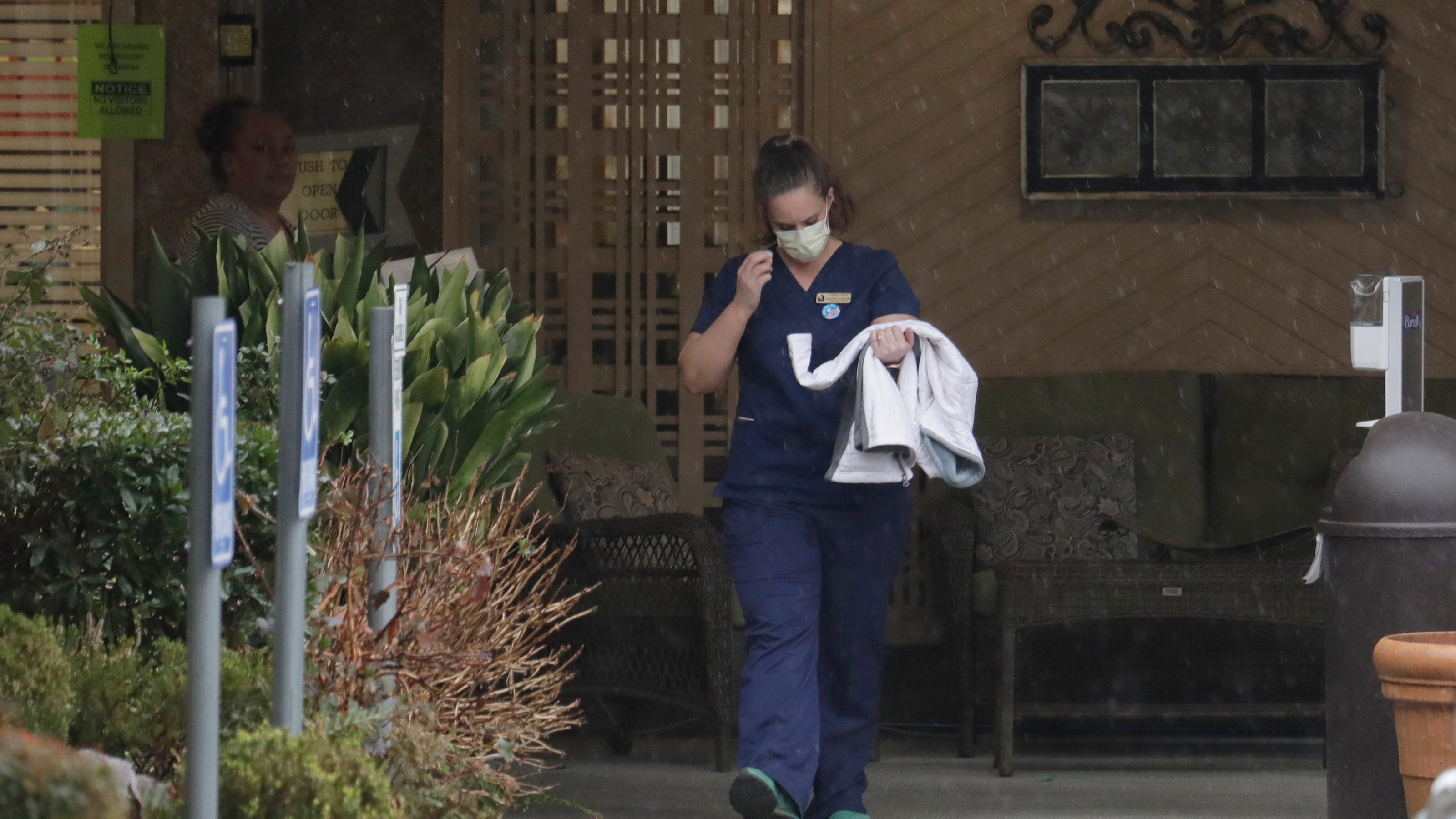
What started in China with the world watching, now has the globe’s full attention as some countries are locking down borders and advising residents to prepare for the worst. In America, leaders are urging caution and hoping to ease anxiety among the population. The number of coronavirus cases across the nation surged to more than 100 on Tuesday with six deaths blamed on the outbreak. That doesn't mean it's time to panic, said Surgeon General Jerome Adams. “Caution, preparedness, but not panic,” he said. That message was echoed at the White House, where Vice President Mike Pence confirmed "four additional fatalities" in Washington state Monday but stressed again that the risk "remains low" according to experts who are working with the Trump administration's newly formed coronavirus task force. There are more than 40 "domestic cases," mostly in California and Washington state, Pence said, and even more cases of people who came from other countries. However, as Covid-19 creeps closer to pandemic levels, there’s a lot of information out there, and not all of it is accurate. So, if you’re a journalist covering the progressing story – let Manhattanville College help ensure you get the right information and facts for your stories. Manhattanville College Professor Anna Yeung-Cheung is a biologist, virologist and infectious disease expert and has a lot of insight and experience with infectious diseases and Covid-19. When asked recently by Slate.com how Coronavirus can kill a young doctor if the risks are primarily to older people and small children, Professor Yeung Cheung said it was due to the repeated exposure because of his profession. “It’s a dosage thing,” explained Anna Yeung-Cheung to Slate.com. “Health care workers are exposed to far more people, often pretty sick people, than the average person, and therefore stand to come in contact with higher levels of the virus. A lot of virus can still overwhelm a healthy immune system.” Originally from Hong Kong, Professor Anna Yeung-Cheung received her B.S. from National Taiwan University and her M.S. and Ph.D. degrees from the University of Georgia. Dr. Yeung-Cheung is available to comment on global pandemics and where we are now with Covid-19. Simply click on her icon to arrange an interview today.