
Experts Matter. Find Yours.
Connect for media, speaking, professional opportunities & more.

As April marks Autism Acceptance Month, journalists looking to move beyond awareness and into meaningful storytelling have access to a diverse group of experts from the University of Delaware. From innovative health technologies to classroom strategies, mental health support and adulthood transitions, these scholars offer fresh, research-backed perspectives on what it means to support autistic individuals across the lifespan — and why the conversation is evolving. Reimagining Health Through Technology and Inclusion Daehyoung “DH” Lee Assistant Professor Dr. Lee is exploring how technology can close health gaps for individuals with intellectual and developmental disabilities. His work focuses on mobile health apps and wearable devices — including a gamified intervention designed to improve physical, mental and cognitive health outcomes. Story angles: How gamification and wearable tech are transforming health outcomes for autistic individuals The future of inclusive digital health tools Addressing disparities in physical activity and wellness Why Motor Skills Matter in Autism Anjana Bhat Professor A leading researcher on motor development in autistic children, Dr. Bhat has spent years advancing understanding of how motor challenges impact daily life. She was recently named a Catherine Worthingham Fellow for her contributions to the field and for elevating the role of physical therapy in autism care. Story angles: The overlooked link between motor skills and autism Why physical therapy should be part of early intervention New research reshaping how clinicians and families approach care Centering Lived Experience in Education and Development Sarah Curtiss Assistant Professor Dr. Curtiss examines how to build programs that truly support autistic youth by grounding them in lived experience. Her work spans social development, sexuality education, family dynamics and the transition to adulthood — always with a focus on resilience and real-world context. Story angles: Rethinking how schools support autistic students beyond academics Conversations around sexuality education and autism What successful transitions to adulthood really require Preparing Educators for Complex Needs Sarah Mallory Assistant Professor With expertise spanning the School of Education and the Center for Disabilities Studies, Dr. Mallory focuses on preparing educators to work with students who have significant behavioral and academic needs. Her work also includes empowering individuals with developmental disabilities to make self-protective decisions and navigate complex social situations. Story angles: Supporting students with intensive needs in today’s classrooms Teaching self-advocacy and safety skills Training the next generation of special education professionals Mental Health and Systems-Level Support Alisha Fletcher Director, Delaware Network for Excellence in Autism A licensed clinical social worker with more than 20 years of experience, Fletcher leads efforts to support professionals and families across Delaware. Through training and technical assistance, she addresses the mental health and service needs of autistic individuals across settings. Story angles: The growing demand for autism-informed mental health care Supporting families navigating complex service systems Building statewide networks that improve outcomes Why This Matters Now As acceptance grows, so does the need for deeper, more nuanced coverage. Autism is not a single story — it intersects with health care, education, technology, family life and public policy. These experts can help audiences better understand those intersections and highlight solutions that are already making a difference. To contact any of these experts, please email MediaRelations@UDel.Edu.

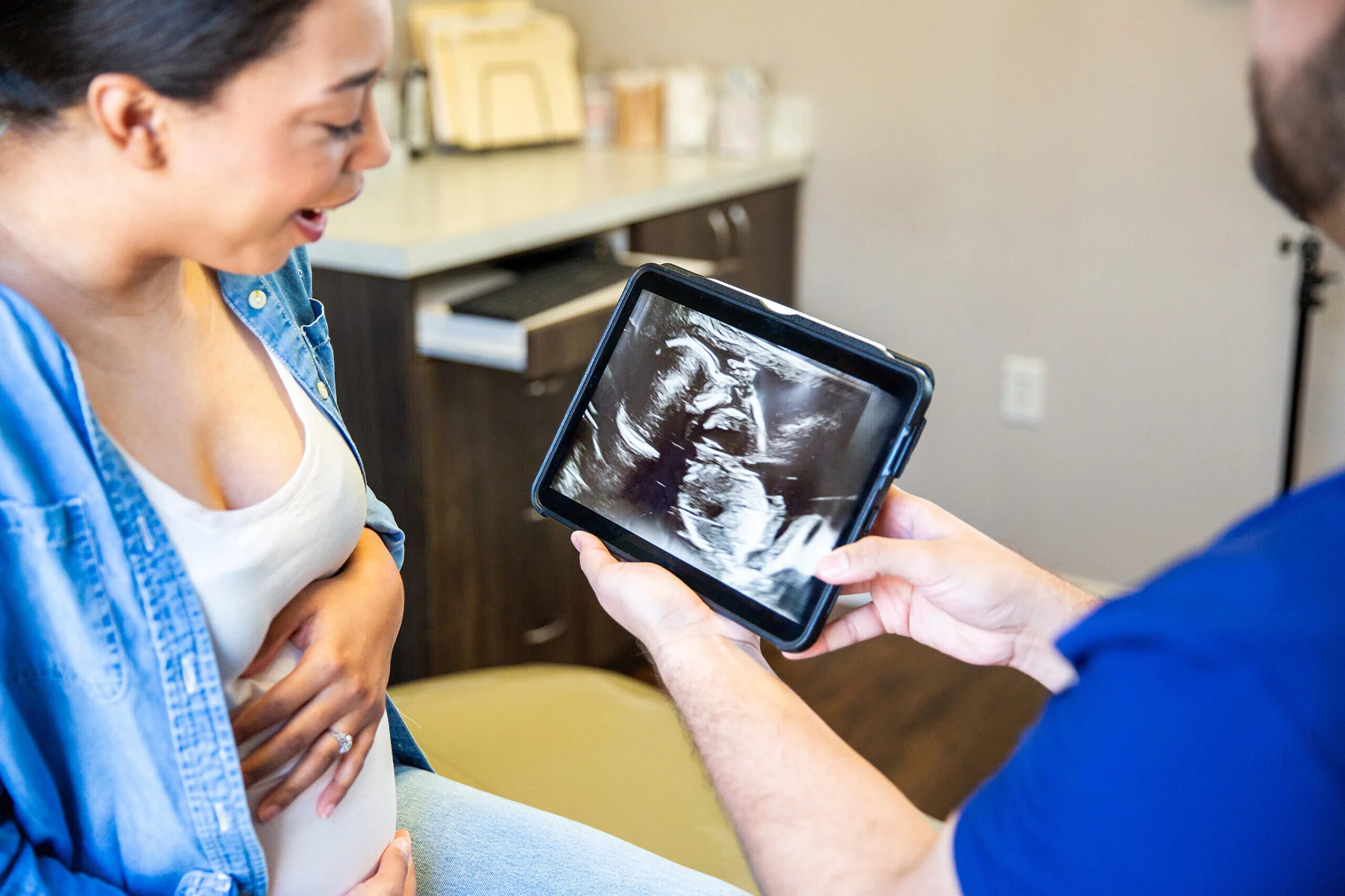
Study: Many pregnant women uncertain of marijuana risks even as use increases
Many pregnant women are unsure if it’s safe to use marijuana or products containing cannabidiol, an active compound in marijuana, even as they increasingly turn to them to combat morning sickness, anxiety or insomnia, a recent University of Florida Health study shows. The American College of Obstetricians and Gynecologists advises against the use of marijuana and cannabidiol, or CBD, during pregnancy. Marijuana use has been associated in some studies with adverse fetal neurodevelopmental outcomes. Evidence of cannabidiol safety is sparse in human studies, but researchers remain concerned that it might nonetheless pose a danger. CBD is not intoxicating. The UF Health researchers said their study shows a need for the medical community to better educate women about the potential hazards to the fetus from using marijuana, also called cannabis. One worry is that some people believe the spreading legalization of marijuana or CBD around the nation equates to the government giving its stamp of approval that the products are safe, researchers said. Medical marijuana is legal in Florida, although its recreational use is not. “If a medication is legal, we assume that maybe it’s safe, although other things like tobacco and alcohol are also legal and we know that those can be harmful to pregnancies,” said Kay Roussos-Ross, M.D., the study’s senior author and a professor in the UF College of Medicine’s Department of Obstetrics and Gynecology. “We see a good deal of data out there that shows that there is increased risk of psychiatric and behavioral issues related to marijuana use in pregnancy, but we need more,” she added. “We need more so that we can be correct in our assessments and our educational efforts to women of reproductive age who are using marijuana.” It’s difficult to quantify the rise of marijuana and CBD use during pregnancy, with most estimates showing an increase predating COVID-19. A 2021 federal survey reported 7.2% of pregnant women used marijuana. The UF Health study noted that emerging evidence from obstetrics care shows more pregnant women are trying the products, perhaps because of increased legalization. The study, published in Medical Cannabis and Cannabinoids, surveyed 261 women and used focus groups to explore participants’ perceptions of the products. The women were either pregnant, breastfeeding or caring for a child 5 years old or younger, and reported use of marijuana or CBD products, such as vapes, smoking, tincture oils or ointments. “There seems to be a disconnect,” said Amie Goodin, Ph.D., an assistant professor in the UF College of Pharmacy’s Department of Pharmaceutical Outcomes and Policy and the study’s lead author. “About one in six pregnant women are telling us, ‘Yes, I have used marijuana or a CBD product while I’m pregnant.’ But half are saying, ‘I don’t know what the risks are.’” About 40% of the pregnant women surveyed said they were unsure how risky it was to use marijuana once or twice a week during pregnancy, compared with 34.5% of women who were not pregnant when surveyed for the study but who had children. Asked the same question about CBD, more than 52% of pregnant women were unsure of the risk, compared with 41.8% for mothers who weren’t pregnant when surveyed. About 36% of pregnant women reported using marijuana, compared with 65% of mothers not currently pregnant, perhaps reflecting at least some increased caution among those in the former group. CBD use was 19.9% for pregnant women and 38.2% for women who were not pregnant. “Some women did mention that the legalization of marijuana has made marijuana more socially acceptable,” said study co-author Deepthi Varma, Ph.D., an assistant professor in the College of Public Health and Health Professions’ Department of Epidemiology. The researchers said they were especially concerned that women were even less sure of the safety of CBD use because it is widely available and often seen as harmless. “You might notice that it’s even something that you can buy at a gas station or a grocery store,” Goodin said. “CBD in a purified form has actually got an FDA approval to treat certain types of pediatric epilepsy on its own … but pharmaceutical-grade CBD is not quite the same thing as you would expect to get if you were purchasing CBD oil at a smoke shop or a gas station.”




Rip Current Simulations Save Lives
Jase Bernhardt, Hofstra University associate professor of geology, environment, and sustainability and director of meteorology, was referenced in a USA Today article about simulations that teach the public about rip current safety. For years, Dr. Bernhardt has been leading research that offers a virtual reality simulation of being caught in a rip current and teaches ways swimmers can navigate to safety. The development of this technology is supported in part by New York Sea Grant (NYSG).


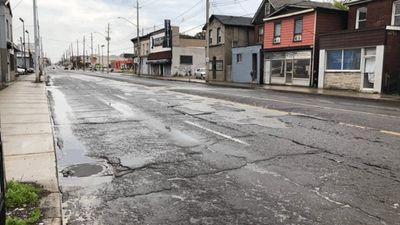
User-submitted photo of Barton Street in Hamilton, which placed second on Ontario’s 2025 top ten list. Concern about road conditions continues to be top of mind for Ontarians, with eight in 10 CAA members worried about the state of the province’s roads, according to new survey data released as CAA South Central Ontario (CAA SCO) launches the 2026 CAA Worst Roads campaign. The survey also found that nearly 70 per cent of CAA members don’t believe enough is being done to maintain Ontario’s roads, up five per cent from last year, reinforcing what many road users experience daily. Cracks in pavement remain the most common issue (88 per cent) identified by respondents, followed closely by potholes (87 per cent), uneven or bumpy road surfaces (81 per cent) and congestion (80 per cent). “Ontarians are telling us loud and clear that road conditions are not keeping pace with expectations,” says Teresa Di Felice, Assistant Vice President, Government and Community Relations for CAA South Central Ontario. “The Worst Roads campaign gives Ontarians a direct way to raise their concerns and helps decision-makers understand what roads need attention according to their constituents.” Despite widespread frustration, the survey suggests most concerns are not reaching decision-makers. It found that nearly 80 per cent of Ontarians commonly complain about road conditions to a spouse, co-worker or mechanic rather than to the governments responsible for road maintenance. CAA calls on Ontarians to nominate roads in urgent need of repair “We know this campaign works,” says Di Felice. “When Ontarians speak up and nominate roads they want to see repaired, we consistently see action.” Many nominated roads are critical trade and supply‑chain corridors, linking the CAA Worst Roads campaign to community growth and economic strength. “Growing population pressures in Ontario, particularly in the GTA, are driving the need for improved infrastructure to mitigate congestion issues, and the rapid wear and tear of our roads,” adds Di Felice. Poor road conditions contribute to vehicle damage, congestion, and safety risks for all road users, including pedestrians and cyclists. With the cost of living already high, the added expense of repairs caused by potholes and deteriorating roads is placing further strain on household budgets. The survey found that 80 per cent of Ontarians are paying out of pocket for those repairs, while ten per cent are forgoing repairs altogether. For more than two decades, the CAA Worst Roads campaign has influenced infrastructure decisions across the province. Roads that appear on the annual Worst Roads list often see repairs prioritized or moved up, as governments respond to public feedback. In the last five campaigns, over 10 roads have received attention due to their appearance on the CAA Worst Roads list. Most recently, County Road 49 in Prince Edward County received a large provincial investment supporting the repair of over 18 kilometres of the road. County Road 49 has been a popular road on the CAA Worst Roads Campaign’s top 10 list for some time. Ontarians can nominate any road for issues, including potholes, congestion, faded road markings, poor signage, traffic light timing, and pedestrian or cycling infrastructure. CAA SCO is encouraging all road users to participate. Nominations for the 2026 CAA Worst Roads campaign are open now and can be submitted online at www.caaworstroads.com until April 17. Once nominations close, CAA will compile and release Ontario’s Top 10 Worst Roads later this year, as well as regional top five lists. CAA conducted an online survey with 2,718 CAA SCO Members between January 6 to 14, 2026. Based on the sample size and the confidence level (95 per cent), the margin of error for this study was +/- 2 per cent.




Union Hospital Earns Healthgrades 2026 Patient Safety Excellence Award for Second Consecutive Year
Union Hospital has once again been ranked among the top 10% of hospitals nationwide, earning the 2026 Healthgrades Patient Safety Excellence Award™ for the second year in a row. In a landscape where many hospitals struggle to maintain consistency, Union Hospital is delivering a sustained streak of high reliability, driven by disciplined safety practices and a culture that puts patient protection first. Campus president Joan Pirrung captures it well: “Our caregivers are relentless about safety. Achieving this honor two years in a row shows the unwavering commitment they bring to every patient, every day.” At the heart of this repeat achievement is a team of caregivers who’ve built a culture where safety isn’t a program—it’s a daily practice. If you’re interested in the story behind these results, I can connect you with campus president Joan Pirrung for additional insight or interviews.



With lasers, smoke and a wind tunnel, UF helps federal agency investigate deadly Hurricane Maria
As Floridians brace for hurricanes amid the wild weather of 2025, some University of Florida researchers have their eyes on 2017’s Hurricane Maria, the deadly Category 4 storm that pummeled Puerto Rico. Engineering professor and natural hazards researcher Brian Phillips, Ph.D., is leading UF’s efforts in a Hurricane Maria investigation conducted by the National Institute of Standards and Technology, known as NIST. The goal is increased safety and resilience amid deadly conditions. Maria killed nearly 3,000 people and caused more than $90 billion in damage. Most of the island’s wind sensors and weather stations failed as the storm raged, leaving responders and investigators with few reliable weather measurements. What went wrong? Phillips and UF storm researchers are helping answer that question — and provide safety and structural recommendations — as part of NIST’s Hurricane Maria investigation. The full report will be released in 2026, but NIST recently published preliminary findings; some of the hazard and structural load data was derived from wind tunnel tests at UF's NHERI Experimental Facility in the Powell Family Structure and Materials Laboratory on UF’s East Campus in Gainesville. “Our wind tunnel has a strong reputation in the wind-engineering community for its unique flow control and measurement capabilities We worked with NIST to develop a test campaign to study the wind conditions Puerto Rico’s mountainous terrain and the resulting loads of critical infrastructure,” said Phillips, a civil and coastal engineering professor with UF’s Engineering School of Sustainable Infrastructure & Environment. “UF,” he added, “has one of the premier research wind tunnels in the country and it enables us to pursue impactful research like this.” As part of the NIST investigation, Phillips and his team created 1-to-3100 scale topographic models of regions in Puerto Rico — about 12 kilometers shrunk down to four meters, Phillips said. They set up those models in the wind tunnel and replicated wind flow over the topography. “These initial tests were designed to understand the influence of the complex topography had on the wind,” Phillips said. Flow was measured using velocity probes and particle image velocimetry (PIV). These topographic model tests were followed by 1-to-100 scale tests on models of two hospitals in Puerto Rico. In addition to surface pressure measurements, the team conducted qualitative flow visualization tests using smoke, lasers, and high-speed cameras. “The capabilities of the UF wind tunnel enabled us to investigate the hurricane winds at two different scales,” said NIST’s lead Hurricane Maria investigator, Joseph Main, “so we could measure how the winds were accelerated by Puerto Rico’s mountainous topography and then how those winds translated into loads on critical buildings.” Maria’s flooding blocked roads to hospitals and shelters. The hospitals themselves were heavily damaged by the storm, NIST reported. Reduced access to healthcare was a major factor in the death toll. “It's good to take a step back,” Phillips said about the overall investigation. “Researchers are approaching the disaster from multiple angles, including the better understanding of the hazard, the performance of critical infrastructure, public response and recovery. “This holistic approach is needed to capture the complete picture and maximize what we can learn from the event. UF's primary contribution was understanding the hurricane wind field and the resulting structural loads, which is a critical piece of that puzzle.” In finding infrastructure vulnerabilities, researchers contend the goal is integrating their findings into design standards for Puerto Rico’s unique topography and building codes. The findings also could be valuable to other storm-prone regions with complex topography. NIST launched the investigation in 2018, noting Hurricane Maria “set off a cascade of building and infrastructure failures across Puerto Rico that had lasting impacts on society, including health care, business and education.” “Our goal is to learn from that event to recommend improvements to building codes, standards and practices that will make communities more resilient to hurricanes and other hazards, not just in Puerto Rico but across the United States,” Main said. The complete report is scheduled to be released in 2026, and NIST noted some findings may change before its release. But in July, NIST released some preliminary findings. They include: Peak wind speeds over flat terrain reached 140 mph. They accelerated to over 200 mph in some areas due to the steep hills and mountains. The mountains also intensified the rainfall, which reached 30 inches in some areas. Only three out of 22 weather stations were fully functional during the hurricane. 95.3% of schools on the island lost power for an average of over 100 days. “One important preliminary finding from the study is that emergency preparations work,” NIST reported. “Businesses, schools and hospitals that took specific measures to prepare before Hurricane Maria were able to resume operations more quickly” said Maria Dillard, NIST’s associate lead Hurricane Maria investigator. Preparations included pre-established emergency plans, designated risk mitigation funds and backup power sources.


AI in the classroom: What parents need to know
As students return to classrooms, Maya Israel, professor of educational technology and computer science education at the University of Florida, shares insights on best practices for AI use for students in K-12. She also serves as the director of CSEveryone Center for Computer Science Education at UF, a program created to boost teachers’ capabilities around computer science and AI in education. Israel also leads the Florida K-12 Education Task Force, a group committed to empowering educators, students, families and administrators by harnessing the transformative potential of AI in K-12 classrooms, prioritizing safety, privacy, access and fairness. How are K–12 students using AI in classrooms? There is a wide range of approaches that students are using AI in classrooms. It depends on several factors including district policies, student age and the teacher’s instructional goals. Some districts restrict AI to only teacher use, such as creating custom reading passages for younger students. Others allow older students to use tools to check grammar, create visuals or run science simulations. Even then, skilled teachers frame AI as one tool, not a replacement for student thinking and effort. What are examples of age-appropriate tools that enhance learning? AI tools can be used to either enhance or erode learner agency and critical thinking. It is up to the educators to consider how these tools can be used appropriately. It is critical to use AI tools in a manner that supports learning, creativity and problem solving rather than bypass critical thinking. For example, Canva lets students create infographics, posters and videos to show understanding. Google’s Teachable Machine helps students learn AI concepts by training their own image-recognition models. These types of AI-augmented tools work best when they are embedded into activities such as project-based learning, where AI supports learning and critical thinking. How do teachers ensure AI supports core skills? While AI can be incredibly helpful in supporting learning, it should not be a shortcut that allows students to bypass learning. Teachers should design learning opportunities that integrate AI in a manner that encourages critical thinking. For example, if students are using AI to support their mathematical understanding, teachers should ask them to explain their reasoning, engage in discussions and attempt to solve problems in different ways. Teachers can ask students questions like, “Does that answer make sense based on what you know?” or “Why do you think [said AI tool] made that suggestion?” This type of reflection reinforces the message that learning does not happen through getting fast answers. Learning happens through exploration, productive struggle and collaboration. Many parents worry that using AI might make students too dependent on technology. How do educators address that concern? This is a very valid concern. Over-reliance on AI can erode independence and critical thinking, that’s why teachers should be intentional in how they use AI for teaching and learning. Educators can address this concern by communicating with parents their policies and approaches to using AI with students. This approach can include providing clear expectations of when AI is used, designing assignments that require critical thinking, personal reflection and reasoning and teaching students the metacognitive skills to self-assess how and when to use AI so that it is used to support learning rather than as a crutch. How do schools ensure that students still develop original thinking and creativity when using AI for assignments or projects? In the age of AI, there is the need to be even more intentional designing learning experiences where students engage in creative and critical thinking. One of the best practices that have shown to support this is the use of project-based learning, where students must create, iterate and evaluate ideas based on feedback from their peers and teachers. AI can help students gather ideas or organize research, but the students must ask the questions, synthesize information and produce original ideas. Assessment and rubrics should emphasize skills such as reasoning, process and creativity rather than just focusing on the final product. That way, although AI can play a role in instruction, the goal is to design instructional activities that move beyond what the AI can do. How do educators help students understand when it’s appropriate to use AI in their schoolwork? In the age of AI, educators should help students develop the skills to be original thinkers who can use AI thoughtfully and responsibly. Educators can help students understand when to use AI in their school work by directly embedding AI literacy into their instruction. AI literacy includes having discussions about the capabilities and limitations of AI, ethical considerations and the importance of students’ agency and original thoughts. Additionally, clear guidelines and policies help students navigate some of the gray areas of AI usage. What guidance should parents give at home? There are several key messages that parents should give their children about the use of AI. The most important message is that even though AI is powerful, it does not replace their judgement, creativity or empathy. Even though AI can provide fast answers, it is important for students to learn the skills themselves. Another key message is to know the rules about AI in the classroom. Parents should speak with their students about the mental health implications of over-reliance on AI. When students turn to AI-augmented tools for every answer or idea, they can gradually lose confidence in their own problem-solving abilities. Instead, students should learn how to use AI in ways that strengthen their skills and build independence.

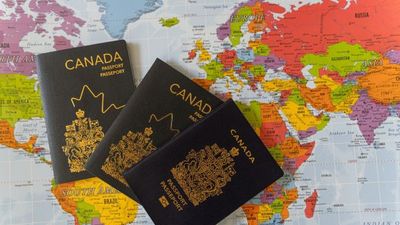
Manitobans are still eager to travel, but how and where they’re going is changing, and so are the risks they may not see coming. New survey findings released as part of CAA Manitoba’s Travel Wise Week show a clear shift toward staying closer to home. Sixty per cent of Manitobans prefer travelling within Canada, while just 20 per cent are planning a trip to the United States. Global uncertainty, rising costs, and changing perceptions about international destinations are influencing those decisions. “We’re seeing more Manitobans choosing Canada because it feels familiar and safe,” said Susan Postma, Regional Manager, CAA Manitoba. “But that sense of comfort can lead people to underestimate the financial risks that can still come with travelling, even within our own borders.” Staying in Canada and Leaving Coverage Behind While Canadians feel confident travelling within their own country, many assume “home turf” means low risk. This misconception leaves millions exposed to unexpected costs when trips don’t go as planned. The survey found that 64 per cent of Canadians did not have travel insurance for their most recent trip within Canada. Provincial health coverage often provides only limited protection when travelling outside your home province, and in some cases, does not cover services such as air ambulances, extended hospital stays, or trip interruption costs. Recent media stories have highlighted Canadians facing unexpected medical bills, emergency transportation costs, or sudden trip changes, all during trips that never left the country. “People are often surprised to learn how quickly expenses can add up if something goes wrong,” says Postma. “A simple injury on a hiking trail or a family emergency back home can turn a short trip into a major financial stress.” With recent geopolitical incidents in Cuba, Mexico and the Middle East, CAA’s Travel Wise Campaign is focused on helping Canadians understand risk, avoid misinformation, and make decisions grounded in facts rather than fear or speculation. Here are some tips: Understand what an “avoid non-essential travel” advisory really means: Travel advisories reflect real-time safety risks, and an “avoid non-essential travel” signal indicates rapidly changing conditions that may change quickly, and support may be limited. Know that advisories can affect your insurance and your exit options: Travelling against government advice can limit your travel insurance, including medical care or emergency evacuation. Coverage must be in place before conditions deteriorate. Flexibility is essential; review cancellation and change policies now: Travellers should proactively confirm cancellation deadlines, refund eligibility, rebooking options for all reservations and understand the limits of credit card protections, employee benefits, and pension coverage benefits. Stay connected to Canada while abroad: Canadians should monitor official updates from Global Affairs Canada and register with the Registration of Canadians Abroad service before departure or while on location if something arises. Rely on reputable sources and be cautious of misinformation online: Canadians should rely on official government sources, established travel organizations, and verified news outlets for travel guidance. Additionally, the CAA Air Passenger Help Guide helps you understand your rights when faced with common flight disruptions, such as delayed or cancelled flights or lost bags. The guide can be found at CAA.ca/AirPassengerHelpGuide. For more information on travel insurance and how to stay protected, visit www.caamanitoba.com/travelwise The online survey was conducted by DIG Insights from September 29 – October 8, 2025, with 2,0210 Canadian travellers aged 25 to 64 who have travelled outside their province of residence in the past three years and plan to travel again in the next five years, out of which 137 travellers were from Manitoba or Saskatchewan. Based on the sample size of n=2,021 and with a confidence level of 95%, the margin of error for this research is +/- 2%.)

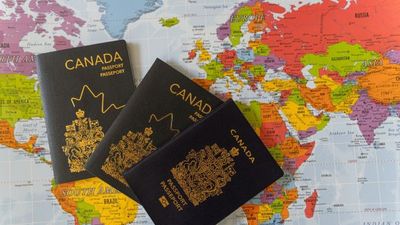
Canadians remain passionate about exploring new destinations, but changing global dynamics are reshaping how and where they travel. According to CAA’s Travel Wise survey, more than half of Canadians (51 per cent) now say geopolitical and economic factors, such as instability abroad, a perception of the U.S. as being less welcoming, and rising travel costs, are influencing where Canadians choose to travel. Shifting Destinations and Attitudes Travel patterns are evolving. The survey conducted in 2025 shows that only 22 per cent of Canadians planned to visit the U.S., an 11 per cent drop from 2024. Instead, many are opting to stay within Canada (40 per cent) or explore international destinations. The perception of the U.S. as less welcoming, coupled with rising travel costs and global instability, is prompting Canadians to reconsider their travel plans. "Canadians are adventurous by nature, but today’s travellers are having to make thoughtful decisions," says Kaitlynn Furse, Director of Corporate Communications. "We’re seeing a clear trend toward exploring closer to home and seeking out new international experiences, all while keeping an eye on safety and value." Travel Insurance: A Critical, Yet Overlooked, Safeguard While Canadians feel confident travelling within their own country, many assume “home turf” means low risk. This misconception leaves millions exposed to unexpected costs when trips don’t go as planned. The survey found that 64 per cent did not have travel insurance on their most recent trip when travelling within Canada. “Recent stories have highlighted Canadians facing unexpected medical bills, trip interruptions, and emergency expenses while travelling within Canada, often because they didn’t realize their regular provincial health coverage or credit card benefits had limits,” says Furse. “If something were to happen, provincial healthcare only partially covers you outside of your home, and sometimes, not at all, covering only basic emergency medical services when travelling in another province.” Among those who travelled uninsured, 44 per cent believed coverage wasn’t needed, and 29 per cent thought their provincial government’s health plan would suffice. However, provincial healthcare only partially covers emergency medical services in other provinces, and sometimes not at all. “One of the biggest misconceptions we see is the idea that travelling within Canada comes with less risk,” says Furse. “Unexpected medical costs, trip interruptions and emergencies can happen anywhere, and many travellers are surprised to learn they’re not fully covered.” With recent geopolitical incidents in Cuba, Mexico and the Middle East, Travel Wise is focused on helping Canadians understand risk, avoid misinformation, and make decisions grounded in facts rather than fear or speculation. Here are some tips: Understand what an “avoid non-essential travel” advisory really means: Travel advisories reflect real-time safety risks, and an “avoid non-essential travel” signal indicates rapidly changing conditions that may change quickly, and support may be limited. Know that advisories can affect your insurance and your exit options: Travelling against government advice can limit your travel insurance, including medical care or emergency evacuation. Coverage must be in place before conditions deteriorate. Flexibility is essential; review cancellation and change policies now: Travellers should proactively confirm cancellation deadlines, refund eligibility, rebooking options for all reservations and understand the limits of credit card protections, employee benefits, and pension coverage benefits. Stay connected to Canada while abroad: Canadians should monitor official updates from Global Affairs Canada and register with the Registration of Canadians Abroad service before departure or while on location if something arises. Rely on reputable sources and be cautious of misinformation online: Canadians should rely on official government sources, established travel organizations, and verified news outlets for travel guidance. For many travellers, cancelled or delayed flights remain a top concern. CAA’s Air Passenger Help Guide offers a straightforward resource for travellers facing disruptions. The online survey was conducted by DIG Insights from September 29 – October 8, 2025, with 2,0210 Canadian travellers aged 25 to 64 who have travelled outside their province of residence in the past three years and plan to travel again in the next five years. Based on the sample size of n=2,021 and with a confidence level of 95%, the margin of error for this research is +/- 2%.)

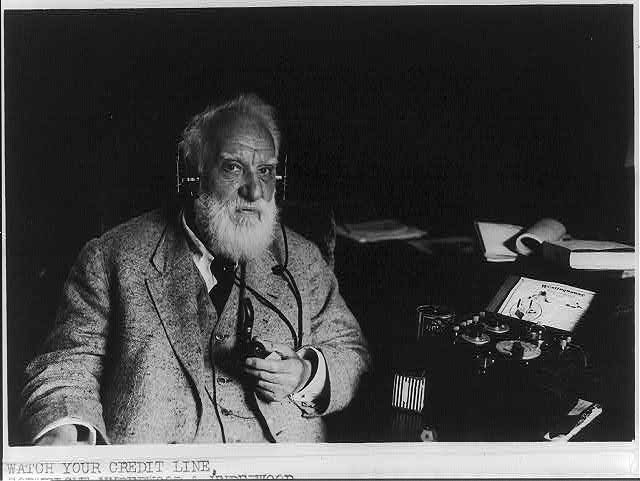
On March 10, 1876, Alexander Graham Bell spoke the first words ever transmitted over telephone: “Mr. Watson, come here; I want you.” This simple request to Bell’s assistant, Thomas Watson, marked a significant milestone in direct person-to-person communication. Now, 150 years later, this message has paved the way for advanced cellular technology in the form of satellites, wireless networks and the personal devices we carry everywhere. For Mojtaba Vaezi, PhD, associate professor of electrical and computer engineering at Villanova University and director of the Wireless Networking Laboratory, Bell’s few words spoken over telephone marked the beginning of an ongoing technological revolution. “One hundred fifty years ago when telephone communication first started, there was essentially a wired line and a transmitting voice,” said Dr. Vaezi. “That simple, basic transmission has transformed the field of communication technology in unimaginable ways.” According to Dr. Vaezi, five shifts have defined the past century and a half of communication technology: wired devices to wireless, analog to digital, voice to data, fixed landlines to mobile phones and human-to-human communication giving way to an increasing focus on machines and artificial intelligence. Early wireless networks were built around one device per person. Today's networks must support multiple devices per person, plus the technology behind innovations such as smart homes, driverless cars and even remote surgery. “Applications are much more diverse now, so communication has to follow,” said Dr. Vaezi. “A big portion of communication now, in terms of number of connections to the network, is from machine to machine—not human to human or even human to machine." The growing number of connections can cause a host of issues for users. When multiple users share the same wireless spectrum simultaneously, their signals interfere with one another—a problem that is becoming more acute as the number of connected devices increases exponentially. Dr. Vaezi’s research at Villanova focuses on developing techniques that allow multiple users to transmit messages on the same frequency at the same time and still be understood. Another vibrant research area of Dr. Vaezi’s involves Integrated Sensing and Communication (ISAC). This field of study focuses on integrating wireless communications and radar so they can function within the same spectrum. “Historically, radar and wireless communication work in different bandwidths or spectrums and use separate devices. Although they are related, they happen in different fields,” said Dr. Vaezi. “Almost every communication scheme that has been developed has focused on this: How can we better utilize the spectrum?” ISAC is increasingly important as new innovations like driverless cars become fixtures in everyday life. These vehicles rely on radar to continuously scan for hazards, and when a hazard is detected, a signal must be sent to trigger safety mechanisms. Currently, the radar and communications systems operate on separate bandwidths using separate hardware. Dr. Vaezi's research explores how both functions could be housed in a single device running on one shared spectrum. Areas of study like Dr. Vaezi’s that focus on machine to machine communication are becoming increasingly relevant as communication technology evolves and moves away from simple person to person messaging. As for the next big milestone in communications, Dr. Vaezi is looking ahead to the implementation of 6G by 2030, though he tempers expectations. For most users, the change will feel modest, amounting to slightly faster device speeds. The most massive shift with 6G will be the amount of added coverage in areas that previously did not have network accessibility. “Say you order a package and it’s coming from somewhere abroad,” explained Dr. Vaezi. “6G will add network coverage over oceans, so you’ll be able to track your package in real time using that satellite technology.” The sixth generation of cellular technology will continue to connect our world and optimize current communications to accommodate more users and devices that need network access each day. It is far different from Alexander Graham Bell’s historic phone call 150 years ago. That brief exchange over a single wired line laid the groundwork for a communications ecosystem that now supports billions of devices, complex data networks and emerging technologies yet to be seen. It also serves as a reminder that despite how far communication technology has come, and how complex it has gotten, it all shares a common, simple goal: to transmit information from one point to another.
