
Experts Matter. Find Yours.
Connect for media, speaking, professional opportunities & more.

Are America’s teachers equipped to help kids coping with trauma – let our experts explain.
At a time when roughly half of all U.S. children experience at least one adverse experience during their schooling, only 40% of the nation’s teachers feel they possess adequate strategies to help students develop social and emotional skills to cope with trauma. A recent survey (see attached) shows that there are serious gaps when it comes to helping America’s children handle and overcome adverse childhood experiences. The survey also revealed: 78% of teachers feel that it is part of their job to help students develop strong social and emotional skills. Nearly 92% feel that the teaching of social-emotional skills will improve student safety. Only 29% had received mental health training. 43% found finding ways to help students who appear to be struggling with problems outside of school difficult. 23% said their most challenging task was finding ways to help students who appear to be experiencing emotional or psychological distress. Social and emotional learning is critical to student development and should be prioritized in teacher education. That’s where the experts from Western Governors University are approaching education differently. The school is integrating social and emotional learning into its curriculum for teachers, helping graduates and the next generation of teacher bring trauma-informed education into tomorrow’s classroom. Are you a journalist covering education and the state of America’s classrooms? That’s where our experts can help. Dr. Deborah Eldridge is an expert in program strategy, curriculum development, accreditation, and licensure for teacher education. Dr. Eldridge is available to speak with media regarding this topic – simply click on her icon to arrange an interview.

Surviving a mass shooting – let our experts help with your coverage and understand what’s next
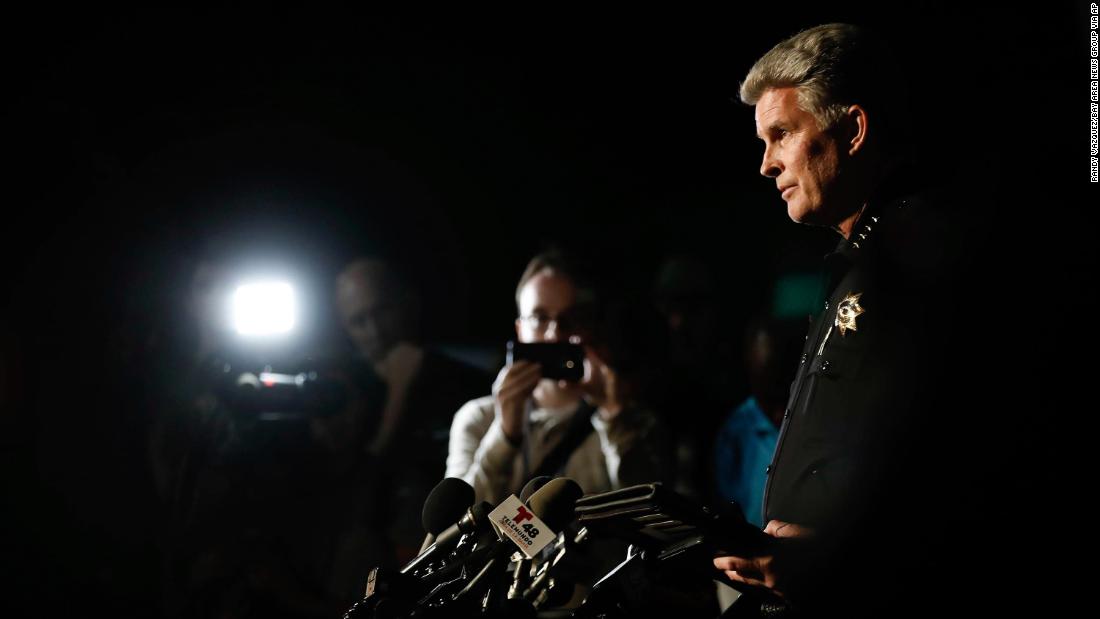
At least 15 people were injured and three were killed, including a six-year-old boy, when a gunman opened fire on a crowded festival in California on Sunday. Investigators are still left searching for a motive and reason. But in the wake of any tragedy there lies countless numbers of witnesses, relatives and first responders who will be impacted mentally, physically and psychologically from this event. Those wounds are often deep and difficult to treat. If you are a reporter covering this shooting or any other incident of this magnitude – that’s where our experts can help with your questions and coverage. Dr. Laura C. Wilson is a clinical psychologist whose expertise focuses on post-trauma functioning, particularly in survivors of sexual violence or mass trauma (e.g., terrorism, mass shootings, combat). Her research interests extend to predictors of violence and aggression, including psychophysiological and personality factors, as well as indicators of PTSD following mass trauma, long-term functioning among first responders, outcomes among survivors of sexual violence, and the influence of media on mental illness stigma. Dr. Wilson is available to speak with media – simply click on her icon to arrange an interview today.



Anyone can experience PTSD – let our experts help answer questions about PTSD Awareness Month
June is PTSD Awareness Month. It’s not just an affliction that affects soldiers and first responders – it can also impact anyone who may have been in an accident, experienced abuse or witnessed a tragedy. According to the U.S. Department of Veterans Affairs, “Post-traumatic stress disorder (PTSD) can occur after you have been through a trauma. A trauma is a shocking and dangerous event that you see or that happens to you. During this type of event, you think that your life or others' lives are in danger.” According to Veteran’s Affairs: About 7 or 8 out of every 100 people (or 7-8% of the population) will have PTSD at some point in their lives. About 8 million adults have PTSD during a given year. This is only a small portion of those who have gone through a trauma. About 10 of every 100 women (or 10%) develop PTSD sometime in their lives compared with about 4 of every 100 men (or 4%). There is nothing new about PTSD, other than its terminology. In World War 1, it was labeled “shell shock” and many perceived it as a sign of weakness as opposed to an injury. Since then it has been called “combat fatigue” and in the 1970s, “post-Vietnam syndrome.” But what about now? With so many veterans returning from overseas and the public now being more informed of those who may have been afflicted domestically, questions include: Is acceptance of PTSD improving? Does the stigma still stick with those looking to return to their careers? Are there new and innovative ways to treat PTSD and how do they work? As we round out PTSD awareness month, let our experts help with your stories. Dr. Nagy Youssef is an associate professor of psychiatry at Augusta University and is a leading expert in PTSD and suicide prevention who treats civilians, active duty military and veterans. His research focuses on mechanistic and therapeutic innovation for treatment-resistant psychiatric disorders and suicide prevention. Dr. Youssef is also in the early stages of forming a study to better detect genetic markers associated with PTSD and resilience to trauma. Participation in this study is voluntary. Learn how to participate in “Epigenomics Association Study of PTSD and Resilience” at https://www.augusta.edu/research/studies/list.php.

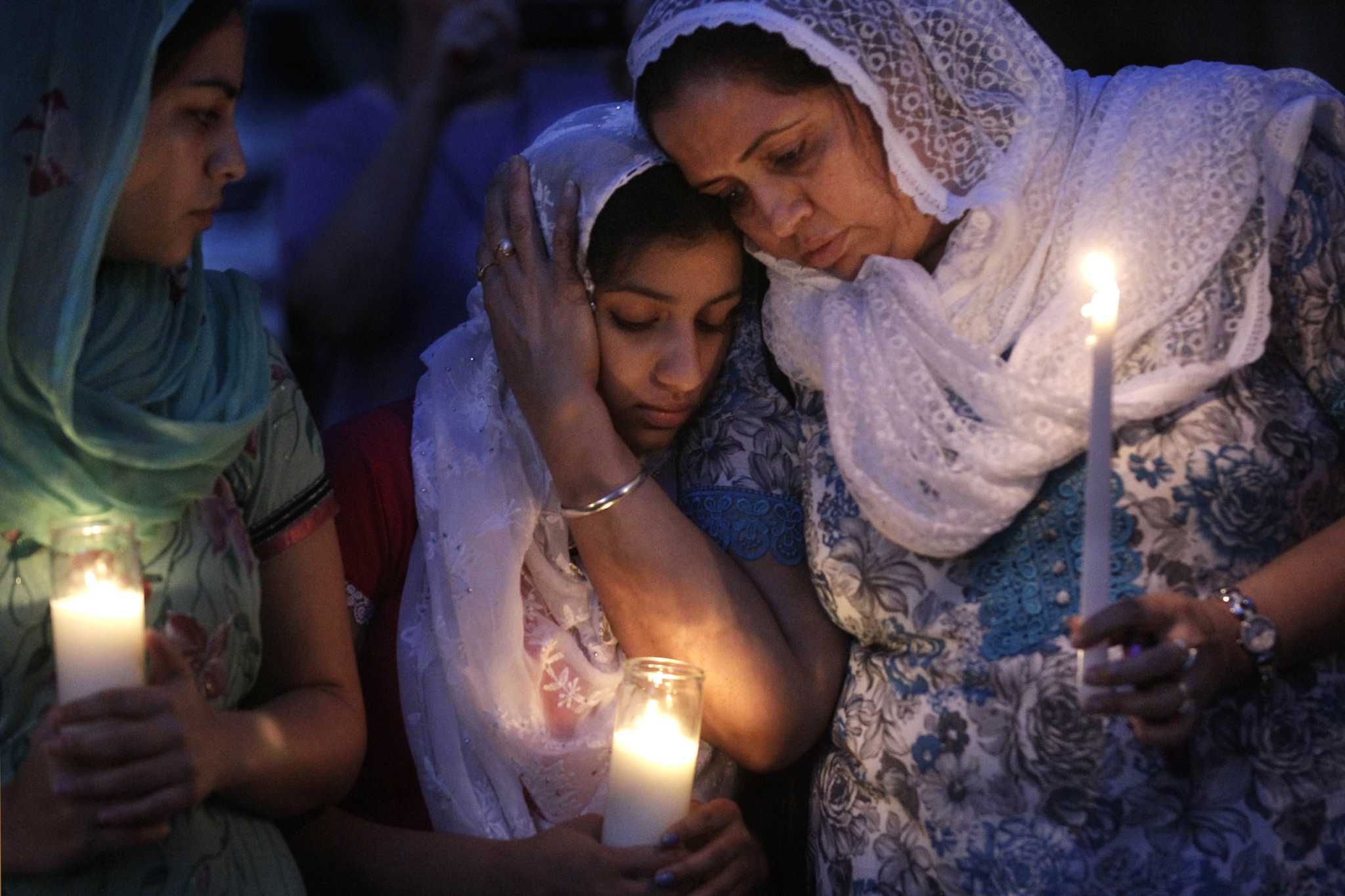
They are incidents that are now more common than a lot of people want to admit – and research is showing that mass shootings are taking a serious psychological toll on our country’s population. UMW’s Laura Wilson’s research was recently cited in media throughout the country for her work analyzing PTSD and its affects on witnesses to these events. “PTSD estimates 28 percent of people who have witnessed a mass shooting develop post-traumatic stress disorder (PTSD) and about a third develop acute stress disorder. Laura Wilson, an assistant professor of psychology at the University of Mary Washington in Virginia conducted a meta-analysis — an examination of data from 11 studies of PTSD symptoms among more than 8,000 participants who ranged from those who'd witnessed shootings to those who just lived in the communities in a 20-year period. She found the greater the exposure — someone who was at the scene or who lost a friend or family — the greater risk of developing PTSD. But, in her work, Wilson has found other factors, too, including previous psychological symptoms and a lack of social support, also played a role in increasing the likelihood. "Mass shootings are a different type of trauma," Wilson says. "People are confronted with the idea that bad things can happen to good people. ... Most people have a hard time reconciling the idea that a young, innocent person made the good decision to go to school, was sitting there, learning and was murdered. That does not make sense to us. ... It just rattles us to our core." And yet, some people don't fully appreciate the lasting psychological wounds of those who escaped physical harm.” June 02, Associated Press Are you covering this topic, or would you like to know more? That’s where UMW can help. Laura C. Wilson is a clinical psychologist whose expertise focuses on post-trauma functioning, particularly in survivors of sexual violence or mass trauma (e.g., terrorism, mass shootings, combat). Dr. Wilson is available to discuss this topic with media – simply click on her icon to arrange an interview.

Community is key for those recovering from a mass shooting
The man accused of killing 17 people and injuring 14 more at Marjory Stoneman Douglas High School in February is set to appear in court Wednesday. Meanwhile, survivors of the mass shooting are still grappling with the aftermath of that day. Laura Wilson, co-author and editor of "The Wiley Handbook of the Psychology of Mass Shootings" and an assistant professor of psychology at the University of Mary Washington in Fredericksburg, recently talked about that struggle in an American Psychological Association article. "Simply by definition, mass shootings are more likely to trigger difficulties with beliefs that most of us have, including that we live in a just world and that if we make good decisions, we'll be safe," she is quoted as saying. According to the article: "The National Center for PTSD estimates that 28 percent of people who have witnessed a mass shooting develop post-traumatic stress disorder (PTSD) and about a third develop acute stress disorder. "Research also suggests that mass shooting survivors may be at greater risk for mental health difficulties compared with people who experience other types of trauma, such as natural disasters. A study led by former Northern Illinois University (NIU) graduate student Lynsey Miron, PhD, after the 2008 shootings on NIU's campus, found that although a large percentage of mass shooting survivors were either resilient or displayed only short-term stress reactions, about 12 percent reported persistent PTSD, a number that's higher than the average prevalence of PTSD among trauma survivors as a whole (Behavior Therapy, Vol. 45, No. 6, 2014). "What's critical, psychologists' research suggests, is to ensure that victims feel connected to their communities in the aftermath of mass violence and that they have ongoing support available to them." Dr. Wilson is available to speak with media regarding this subject. Simply click on her icon to arrange an interview. Source:
Disaster Psychologist Available to Discuss Thai Boys' Recovery from Trauma
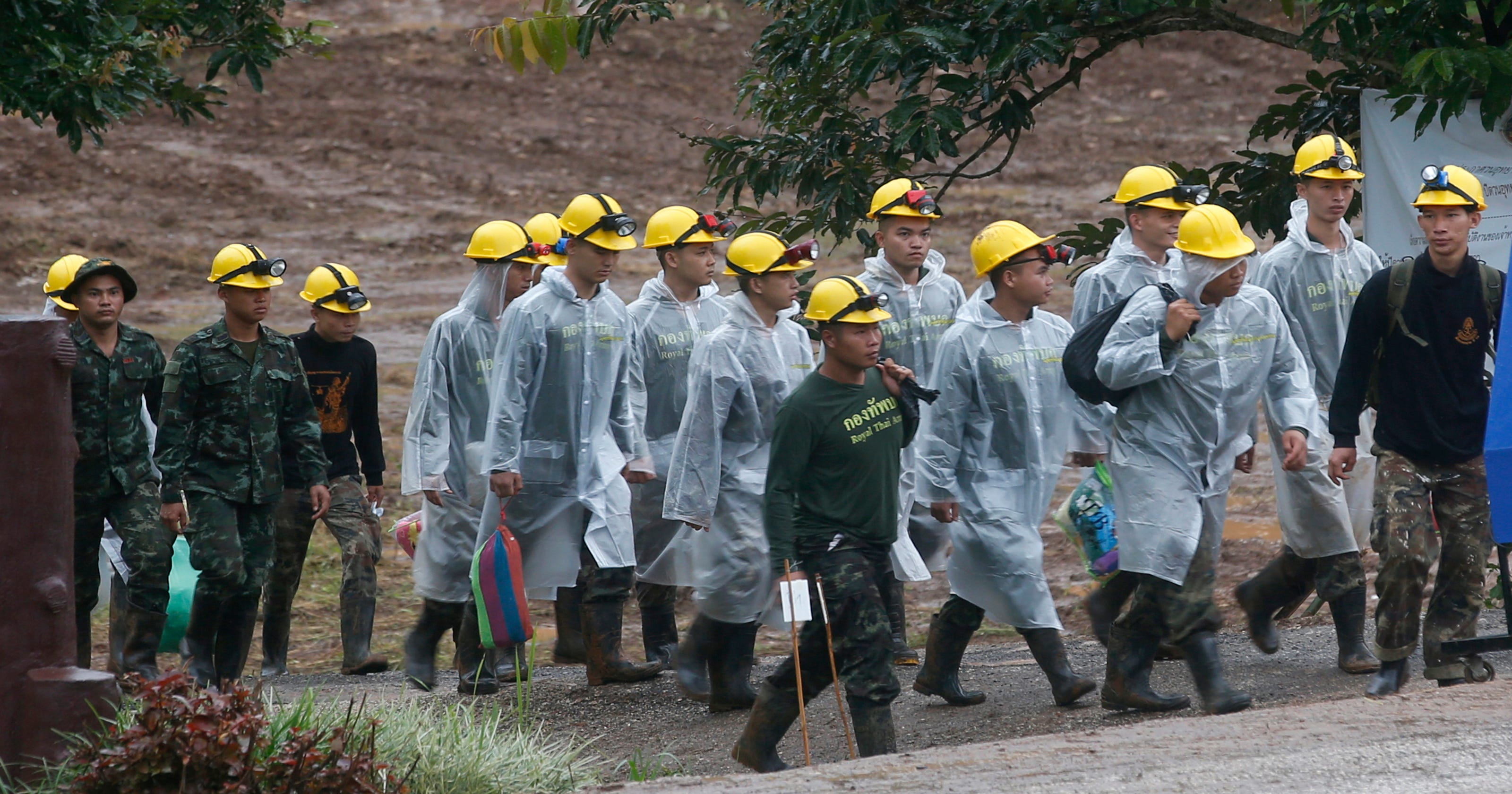
The world watched with relief as 12 soccer players and their coach were rescued from a flooded cave in northern Thailand after an 18-day ordeal. Amid the relief at the players' safe rescue, Dr. Jamie Aten, a Wheaton College psychologist, says it’s important that they receive care for mental health needs in addition to the physical care they are receiving. Aten, the founder and Executive Director of the Humanitarian Disaster Institute at Wheaton College, is an internationally known expert who helps others navigate mass, humanitarian, and personal disasters with scientific and spiritual insights. Aten recommends the boys’ mental health be monitored closely following their rescue. “They may show extremes in behaviors ... they [may] sleep too much, or have difficulty sleeping,” he says. “They may develop triggers that weren’t there previously.” “Some may withdraw, while others need more attention. Over time these symptoms may lessen, but for some it could be a lifelong struggle.” To request an interview with Dr. Aten, contact Wheaton College Director of Media Relations LaTonya Taylor, latonya.taylor@wheaton.edu. Source:


"Forcible separation of families inflicts severe trauma on children and parents. The bond between caregiver and child is critical for the child’s sense of safety and well-being. When that bond is interrupted through a violent or forcible separation, the child experiences severe neurobiological stress causing the child to feel intense fear, helplessness, or horror. Such stress is particularly acute for children who have experienced other traumas, such as witnessing violence, sexual abuse, or forced detention, which are common experiences for migrant children fleeing violence and persecution. Prolonged exposure to such stress has a debilitating effect on children even after the particular traumatic event is over. Children separated from their parents exhibit the behaviors detailed above typical of children experiencing the symptoms of traumatic stress. They can suffer anxiety, sleep disturbances, emotional changes such as aggression, withdrawal, and fear. They also suffer difficulties in reasoning, thinking, learning, and communication, and a decline in educational achievement." Source:

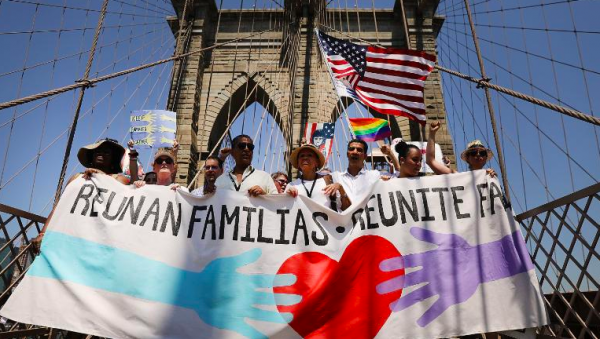
6 Facts We Learned Working with Migrants and Refugees Around the World - Facts 3 and 4 Working with migrants and refugees is our business at Catholic Relief Services. CRS was founded in 1943 to assist refugees during World War II. Seventy-five years later, we are still coming to the aid of people escaping conflict, violence and natural disasters. While CRS doesn’t resettle refugees in the United States (these programs are run by the Catholic Church’s Migration and Refugee Service and Catholic Charities), our rich history has taught us valuable lessons on how to best help families fleeing crisis. 3. Support the Family. The family unit provides the primary support for children during the traumatic refugee experience -- whether it is witnessing violence or crossing a desert on foot. CRS focuses on keeping families together. This means housing a family together and using any services provided – from trauma counseling to income generation – to boost family cohesion. Shannon Senefeld is a global development expert at CRS. She has published and presented extensively on international children’s issues and the importance of strengthened family care for children’s development. See her contact information at the bottom. 4. Kids Need School and Play. CRS is dedicated to keeping up children’s education, to provide stability and normality and give them hope for the future so they can be productive citizens wherever they end up. Kids need to be kids, too. Whether they are in a camp or any sort of migrant or refugee holding center they need a space to play. Caroline Brennan is the Emergency Communications Director for Catholic Relief Services. In her role, she travels to and/or works in areas facing natural or man-made emergencies. See her contact information at the bottom. The experts at Catholic Relief Services are available to help with any media coverage or insight that is required regarding this ongoing news story and issue that is continuing in America. Simply click on any of their icons to arrange a time for an interview. Source:


Second Annual SUU Child Behavioral Health Conference
The second annual Southern Utah University Child Behavioral Health Conference is happening this week, May 17-18, 2018. Representing expertise across the field of child and pediatric behavioral health, the invited presenters include Gregory Snyder, Lindsey Ricciardi, Julia Thompson, and Kelsie Hendrickson. Dr. Michelle Grimes, Assistant Professor of Child Clinical Psychology at Southern Utah University and founder of the Child Behavioral Health Conference, wanted to create an opportunity for the professional community by bringing a continuing education event focused on evidence-based behavioral healthcare to southern Utah. “So often, behavioral health providers in rural areas have to invest a significant amount of time and financial resources travelling to conferences to receive continuing education. This ongoing training is necessary to stay current in the field, and also to maintain professional licensure. My goal for the SUU Child Behavioral Health Conference is to match the high quality you would find at a national event, while increasing the accessibility to healthcare providers in our community and surrounding areas.” Last year’s conference focused on common behavioral health disorders of childhood and adolescence. This year the conference will include a variety of topics relevant to adolescents, children, and parenting; broadly focusing on addressing complex cases in an outpatient setting. “We are focusing on complex clinical cases and added a seminar on ethical issues that arise when working with youth. The seminar will emphasize ethics related to adolescents and risk behavior, eating disorders, and trauma.” The conference welcomes all healthcare professionals from psychologists and pediatricians to social workers and treatment center staff. “We have attendees from Idaho, Utah, and Nevada and various behavioral health and medical disciplines are represented. This also serves as a professional development opportunity for students; we are pleased that students from SUU and other universities throughout Utah have registered. We hope to continue to build a regional interdisciplinary focus. We look forward to holding this event annually.” Dr. Grimes is a licensed psychologist with specialized training in clinical child psychology. Her clinical and research interests focus on behavior disorders of childhood, sibling conflict, and pediatric sleep disorders. She is familiar with the media and available for an interview. Simply visit her profile. Source:


Seeing the light. What is photobiomodulation and how is it changing the way we treat the brain?
As prospects for pharmaceutical solutions to Alzheimer's decline with no solution in sight over the next five years - could this daunting challenge be a catalyst for acceleration of alternative therapies? Vielight, partnering with leading health research institutions in North America has now attracted worldwide attention for its unique light therapy (photobiomodulation) technology which is showing promise for a number neurological conditions. Photobiomodulation uses visible red and near infrared light energy stimulates cells to generate more energy and undergo self-repair. The concept is not new, but advanced technologies and applications have allowed this form of therapy to emerge as a new leader in treating brain trauma and afflictions and diseases such as dementia and Alzheimer’s. The first large scale human clinical trial kicks off this year in Toronto - but patients and families have already seen astounding results. Health research institutions are making serious investments in light therapy research related to variety of neurological conditions and treatments such as Alzheimer's, dementia and Parkinson's. Researchers at institutions such as Harvard, UCSF and the Centre for Addiction and Mental Health in Toronto are discovering profound neurological effects of Vielight technology to support treatment options for Alzheimer’s and Dementia, PTSD and Traumatic brain Injury. There are a lot of questions and there is still a lot to learn about this emerging technology as well as the advancements that are taking place as we learn more about the brain and how to treat it. That’s where the experts from Vielight can help. Simply click on the icons of one of the many experts from Vielight to arrange an interview or learn more about photobiomodulation and how light therapy is being used to treat patients around the world. Source:


