
Experts Matter. Find Yours.
Connect for media, speaking, professional opportunities & more.

It’s World Water Week – Have you lined up an expert for your stories and coverage this week?
It’s World Water Week, and as issues with pollution in our oceans, safe drinking water in cities and droughts impacting public safety, public health and key industries across the west dominate the headlines – water is a topic that can’t be overlooked or its importance to society taken for granted. There are a host of angles, aspects and storylines that touch on just about every economic, political and social aspects of modern life, and if you are a reporter looking to cover World Water Week - then let our experts help! Asli Aslan, Ph.D., is a water microbiologist, and her research program bridges ecosystem and human health. She has ongoing funded projects on microbial source tracking, health risk assessment of water resources, and the ecology of pathogens in the aquatic environment. She is available to speak with reporters – simply click her icon to arrange an interview today.


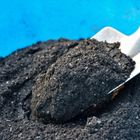
Next biochar webinars announced to reach global market
• Next series of biochar online events scheduled for August and September • Benefits of using sustainable form of charcoal to be highlighted • Original event attracted people from around the globe Two more virtual events have been planned to highlight the benefits of using biochar, which is a sustainable form of charcoal made from organic waste. The free events will be taking place on 24 August and 29 September and follow the popular presentation held last month by the Energy and Bioproducts Research Institute (EBRI) at Aston University. Organisers of the event, Biochar Webinar: Challenges, Benefits and Applications, were inundated with hundreds of businesses from across the globe, including in New Zealand and South Africa, signing up to find out more about how they could benefit from using the fuel source. Tim Miller, director of engagement at EBRI said they had received positive feedback from the first event, and so wanted to make sure a wider audience could find out more about it. “In the build-up to COP26 which will be happening in November, the world is going to be talking more and more about energy, sustainability and the path to net zero. This is why it’s so important for us to be able to showcase what we do within EBRI, along with the research, but also be the thought leaders in such an important subject which will be affecting us all. “This is why we have decided to release two more dates for the talk, and have also been mindful to host one later in the day so our counterparts in countries such as America will also be able to log in and find out more about biochar,” he said. Biochar has a wide variety of uses, including carbon capture, water treatment, soil improvement, odour control and industrial applications. The expert-led virtual session will help anyone with an interest in biochar to be able to find out more about how the multi-purpose material can help decarbonise rural and urban environments. The talks will be held on 24 August between 10am – 11am, and 29 September between 3 - 4pm. To sign up for the event, visit www.bioenergy-for-business.org/ebri-out-and-about/ For more details about the world-leading research taking place at EBRI, visit: https://www.aston.ac.uk/research/eps/ebri



MEDIA RELEASE: What Canadian travellers need to know before beginning their next trip.
Orion Travel Insurance highlights how travelling around the world will be different With the recent announcement of relaxed quarantine restrictions for fully vaccinated Canadians, many eager travellers may be considering embarking on international travel as soon as possible. Orion Travel Insurance reminds travellers, that a Level 3 Global Affairs travel advisory remains in effect, and Canadians need to understand the ongoing uncertainty associated with international travel. “Entry requirements can vary by destination whether it be a different province, state or country. Travellers need to monitor those requirements closely and be prepared to carry additional documentation like proof of vaccination, and proof of valid COVID travel insurance,” says Kellee Irwin, Vice President, Orion Travel Insurance. “Many Canadians are excited to resume travelling, however a government advisory to avoid non-essential travel remains in place, and Canadians need to take the necessary precautions to ensure they protect themselves before embarking on their vacation.” With many Canadians now looking to book future vacations, Orion Travel Insurance wants to ensure travellers are protected. As of July 1st, Canadians are eligible for full emergency medical coverage with Orion Travel Insurance, even during a Level 3 COVID-19 related travel advisory, if they are fully vaccinated (having received all doses of a Health Canada-approved vaccine) at least 14 days prior to departure. Irwin advises travellers that insurance policies do vary by provider, and may have changed due to COVID-19, so it’s important to review your policy, and understand what you’re covered for before you travel. “Orion Travel Insurance supports the safe return to travel and recognizes the health and safety of Canadians should remain top of mind. We strongly encourage all travellers to ensure their travel insurance includes appropriate medical coverage, and that they continue to monitor evolving entry requirements of their destinations.” Anyone Canadians travelling in the near future should also consider the following tips: A Level 3 Global Affairs travel advisory remains in effect. Before planning any form of travel, Canadians should take steps to protect themselves and others. Canadians and permanent residents will be able to upload a copy of their vaccine certificates to the ArriveCAN app, allowing them to bypass mandatory hotel quarantine when they return to Canada. Travelling standards will vary by destination, and not all services or businesses may be open, or offer full services. Book your accommodations and activities before you go and check out their protocols in advance. Pack face masks, cleaning supplies, travel-sized snacks, water, and hand sanitizer – not only for the trip, but to have on hand at your destination. Monitor local media and government websites to stay informed of conditions and potential changes to entry requirements at your destination. Update your passport so it is ready when you are. And be prepared to pack additional documentation required for your destination, such as proof of vaccination, negative COVID test documentation, and proof of travel insurance. Insurance policies vary by provider. Review your policy and understand what you’re covered for before you travel. Don’t travel if anyone in your party or household is sick.




Metal-Breathing Bacteria Could Transform Electronics, Biosensors, and More
When the Shewanella oneidensis bacterium “breathes” in certain metal and sulfur compounds anaerobically, the way an aerobic organism would process oxygen, one of the materials it can produce is molybdenum disulfide, a material that could be used to enhance electronics, electrochemical energy storage, and drug-delivery devices. Shayla Sawyer, an associate professor of electrical, computer, and systems engineering at Rensselaer, has centered much of her research on the unique abilities of this bacterium. Her lab’s exploration in this area could be an important step toward developing a new generation of nutrient sensors that can be deployed on lakes and other water bodies. Compared with other anaerobic bacteria, one thing that makes Shewanella oneidensis particularly unusual and interesting is that it produces nanowires capable of transferring electrons. “That lends itself to connecting to electronic devices that have already been made,” Sawyer said. “So, it’s the interface between the living world and the manmade world that is fascinating.” Sawyer is available to talk about this unique and innovative area of research, and the potential to develop the next generation of electronics and sensors.


Pothole project to pave way to smoother roads
• Joint research project will combine effort and expertise of pavement engineers, material scientists and computational fluid dynamics experts • Project to look at improving quality, longevity and accessibility of the highway network • Aston University will be working with University of Nottingham and seven other industrial partners including Highways England and the Road Surface Treatment Association A project which will be the driving force behind the redesigning of roads and changes in road repairs could revolutionise the way potholes are repaired, and road surfaces are designed. The three-year collaboration, ‘Prevention and Management of Road Surface Damage’, is being led by Mujib Rahman, professor in civil engineering, Department of Civil Engineering at Aston University and Dr Nick Thom of the University of Nottingham. The project will combine the efforts and expertise of pavement engineers, material scientists and computational fluid dynamic experts from both universities. The research aims to improve the design and construction of roads to minimise surface damage caused by water freezing and thawing, and general wear and tear from traffic. It also will be looking at how to change the science behind road repairs and maintenance. Research will be looking at two main elements: - Enable the design of roads to prevent surface damage from water and environmental factors - Introduce a change in the management of road repair and create a more durable repair of the road surface. . Professor Rahman said that smoother roads were critical to the nation as the 250,000 miles of paved road, valued at £750 billion, which is the network for deliveries of goods and services across the UK. But he added potholes and damage to roads had become ‘increasingly problematic’ for all users. “We want to drive out the pothole epidemic that has overcome the UK in recent years. Due to record breaking rainfall, extreme cold weather and tight financial constraints on highway authorities, this situation has become much worse. This has been combined with the lack of longevity in some repairs” he said. Dr Nick Thom, from the Nottingham Transportation Engineering Centre Research Group, said: “The expected deliverables are material specifications and maintenance guidelines designed – like a Covid vaccine – to stop this disease of the road in its tracks. In the main this will be about doing better with currently-used resources, but, given the expected slump in future oil production with consequent loss of bitumen supplies, the search will also be on for alternative viable high-performance products.” The project has been funded by Engineering and Physical Science Research Council (EPSRC) and will be running until March 2024. Supporting it will also be ADEPT, Highways England, Transport for London, Nottinghamshire County Council, Cooper Technology and the Road Surface Treatment Association (RSTA).


Six reasons why potatoes are good for you
The humble potato has been given a bad rap. What was once a cheap staple of many countries’ diets has instead been branded in recent years an “unhealthy” food best avoided. Eating too much of any type or group of food (like carbohydrates) isn’t healthy, and some research suggests eating too many potato products in particular might be associated with higher blood pressure. But it’s typically the way we prepare and consume potatoes (like frying them) that cause negative effects. In fact, potatoes contain a lot of vitamins and other nutrients that are important for health. Here’s six reasons why potatoes are good for you. 1. Vitamin C People typically associate vitamin C with oranges and citrus fruit. But an important source of vitamin C in British diets for most of the 20th century actually came from potatoes. On average, a small (150g) potato provides us with about 15% of our daily vitamin C. Get your news from people who know what they’re talking about. Vitamin C is important as not only does it support immune function and contain antioxidants, it plays an essential role in forming connective tissue, which helps our joints work – and holds our teeth in place. This is why vitamin C deficiency (scurvy) is linked to teeth falling out. Read more: How the humble potato fuelled the rise of liberal capitalism – podcast 2. Vitamin B6 Vitamin B6 is an essential co-factor (a small molecule) in the body. It helps over 100 enzymes in the body function properly, allowing them to break down proteins – a process key to good nerve function. This may also be why B6 is linked to good mental health. Typically, a small potato will contain around a quarter of an adult’s recommended daily intake of B6. 3. Potassium Having potassium in our cells is important for regulating the electrical signalling in muscles and nerves. So, if potassium gets too high or low, it can stop our heart working. Roast, baked and fried potatoes contain higher levels of potassium than boiled or mashed potatoes, with a jacket potato containing around a third of the recommended daily intake. This is because boiling diced potatoes can cause around half of the potassium to leak out into the water. However, people with kidney disease – which can limit the ability to remove excess potassium from the body – may need to limit the number of potatoes they eat. And if you do roast or fry your potatoes, be careful how much oil you use. 4. Choline Choline is a small compound which attaches to fat to make phospholipids, the buildings blocks of cell walls, as well as the neurotransmitter acetylcholine (which helps us contract muscles, dilate blood vessels, and slow heart rate). Potatoes contain the second highest levels of choline, next to protein-rich foods, like meat and soya. It’s vital to consume enough choline as it’s essential for a healthy brain, nerves, and muscles. And subtle differences in our genes may mean some of us are naturally more deficient in making choline. A jacket potato contains around 10% of a person’s daily choline requirements. Choline is particularly important in pregnancy, as the growing baby is making lots of new cells and organs. 5. Good for our stomach Cooking and cooling potatoes before eating them allows resistant starch to form. This healthy starch helps our bodies in many ways, including by acting as a prebiotic (which are important for a healthy gut microbiome). The cooling of fluffy, cooked starches causes them to collapse. While this actually makes them harder to digest, this means that the bacteria in our colon then ferments them, producing compounds similar to vinegar called short-chain fatty acids. These fatty acids nourish our guts and keep it healthy. Short-chain fatty acids can also alter our metabolism in a good way, helping lower blood fat and blood sugar levels. This – together with their high water and low-fat content – makes boiled and steamed potatoes a low calorie, nutrient dense and filling food. 6. Naturally gluten free Potatoes are also naturally gluten free, so are a great option for people with coeliac disease or who need to avoid gluten. The same is true for sweet potatoes, which also have a lower glycaemic index – which means they don’t cause a sharp spike in blood sugar, which may help control weight and appetite. However, sweet potatoes are slightly higher in calories and carbohydrates than regular potatoes – though they contain more beta carotene (a form of vitamin A). Potatoes on your plate Some people may choose to avoid potatoes due to concerns about weight gain – but a typical boiled potato is only around 130 calories, which is actually fewer calories than a banana of the same size. But it’s important to remember how potatoes are prepared and what they’re eaten with. Boiling or steaming (possibly with cooling to increase the resistant starch) is the best way to keep the number of calories per gram low. Baking will increase calories per gram (as water is lost), as can mashing with butter or cream. The least healthy way to eat potatoes is as chips or crisps, as they soak up oil like a sponge. You’ll also want to avoid green potatoes. This happens when the potato has been stored in light and produces a toxin which can irritate our gut. Otherwise, for most people including potatoes as part of a healthy and varied diet may actually be a good thing. And alongside being healthy, potatoes also have environmental advantages. They require less water than rice to produce, and less greenhouse gases than both rice and wheat – which may be yet another good reason to include potatoes in your diet. Originally posted on The Conversation - Six reasons why potatoes are good for you


Rensselaer Experts Available To Discuss Federal Infrastructure Proposal
Federal lawmakers are discussing sweeping infrastructure improvements to transportation, manufacturing, and digital infrastructure, among other projects. Researchers at Rensselaer Polytechnic Institute, the country’s first technological research university, are leaders in improving the sustainability, safety, and performance of transportation systems, energy systems, and wireless networks, among other areas. Experts in civil and environmental engineering, electrical engineering, and mechanical engineering are available to discuss what impact large-scale infrastructure projects could have on a multitude of systems that impact people across the country. Improving Transportation and Freight Systems: José Holguín-Veras, the director of the Center for Infrastructure, Transportation, and the Environment at Rensselaer, and Cara Wang, an associate professor of civil and environmental engineering at Rensselaer, are leading experts on the role of infrastructure on freight systems and transportation, and the environmental impacts of both. Their research focuses on improving transportation and freight systems in order to increase efficiency, reduce traffic congestion and, in turn, reduce vehicle emissions. Professors Holguín-Veras and Wang are available to discuss the ways in which improved roads, bridges, railways, and ports could affect shipping and delivery of goods, congestion in cities, and emissions in the environment. They can also discuss what their research has uncovered that could guide policymakers as new projects are planned. Expanding Broadband: Alhussein Abouzeid, a professor of electrical, computer, and systems engineering, is an expert in networked systems, the smart grid, and the Internet of Things. Some of his research focuses on modeling wireless networks, as well as wireless spectrum and policies to optimize its use. Koushik Kar, also a professor of electrical, computer, and systems engineering, researches communication networks, particularly modeling, analysis, and optimization of the internet and wireless networks. Both researchers are available to discuss the ways in which digital infrastructure can meet future needs. Next-Generation Manufacturing: Part of the President’s infrastructure plan would allocate $300 billion to manufacturing. Next-generation manufacturing is a central area of expertise at Rensselaer, with the Institute’s Manufacturing Innovation Center and the Rensselaer Manufacturing Innovation Learning Lab. Faculty and staff from both state-of-the-art centers, including John Wen, the head of the Department of Electrical, Computer, and Systems Engineering, who is an expert in robotics, are available to discuss the role that Rensselaer research plays in preparing the manufacturing sector for the nation’s current and future needs. Upgrading Electric Grid, Investing in Clean Energy: Joe Chow, Jian Sun, and Luigi Vanfretti, all professors in the Department of Electrical, Computer, and Systems Engineering, hold extensive expertise in modeling, monitoring, and optimizing the electric power grid. Their work will be integral to the development of a cleaner, more resilient power grid, especially as clean energy sources are increasingly integrated. Christopher Letchford, the head of the Department of Civil and Environmental Engineering, is a global expert in wind engineering. His expertise includes wind power modeling, wind climatology, and the impacts of climate change on infrastructure, transportation, and energy production. Each of these experts is available to discuss the importance of upgrading the nation’s electric grid, and the move toward clean and renewable energy. Boosting Electric Vehicle Numbers: Part of President Biden’s plan focuses on increasing the number of electric vehicles on the road. A key component of improved and more cost-efficient electric vehicles is greener, cheaper, more efficient, and longer-lasting batteries. Nikhil Koratkar, an endowed chair professor of mechanical engineering, is a leading expert in energy storage technologies. He has dedicated his research to improving the batteries that society already uses, while also developing batteries of the future. He can discuss current battery technology and how advancements in energy storage research could help put more electric vehicles on United States roads. Upgrading Water, Wastewater, and Stormwater Systems: Chip Kilduff, an associate professor of civil and environmental engineering, is an expert in managing water quality and water treatment. He has a particular focus on water treatment approaches like membrane and adsorption-separation processes. Kilduff is available to discuss the importance of upgrading water and wastewater systems and what his research has uncovered about the best methods for managing water quality.


Assessing Biden's "Green Infrastructure" Plan From a Climate Perspective
In a virtual climate summit attended by leaders from all over the globe, President Joseph Biden announced plans for the United States to cut carbon emissions by as much as 52% by the year 2030. This commitment was outlined in what the Biden administration is calling a "green infrastructure" bill, one that has echoes of the Obama-era Green New Deal. Samantha Chapman, PhD, a biology professor at Villanova University and co-director of the Center for Biodiversity and Ecosystem Stewardship, recently broke down the pros and cons of the bill with KYW Newsradio's Matt Leon. According to Dr. Chapman, the bill addresses what she identifies as the two major strategies for mitigating the negative effects of our warming planet: "preventing more climate change and adapting to climate change." Dr. Chapman considers that the strength of the bill lies in what she and Matt Leon refer to as "base hits" rather than the "home run" structure of the Green New Deal, meaning that Biden's plan relies on smaller, easily achievable goals—like incentivizing a switch to a more sustainable type of cement for building bridges—rather than sweeping reform in an effort to get the bill passed. Dr. Chapman calls the improvement of the power grid, which would support the manufacturing of electric cars and ease our nation's reliance on fossil fuels, "one of the biggest things in the bill." The professor also notes that she is hopeful about the installation of broadband in remote areas allowing for wider internet access and investment in energy-efficient affordable housing and job training to support communities that rely on the fossil fuel industries. "You can't just shut these people's livelihoods down and say 'okay, good luck' or just give them a payout. People want to have jobs that fulfill them," says Dr. Chapman. This direction, focusing on infrastructure with climate and equity at the center of the conversation, is in line with the Biden campaign's slogan to "build back better." Dr. Chapman points out that this bill creates an opportunity to focus on the word "better" by reevaluating the definition of infrastructure itself. "What is infrastructure?" she asks. "Is clean air infrastructure? Is clean water infrastructure? We know that natural infrastructures [feedback systems like our waterways and forests]—and we still have a lot of them in the U.S., thankfully—give us a buffer against climate change." As a climate scientist specializing in coastal ecosystems, Dr. Chapman told Leon she hopes to see an emphasis on these types of natural infrastructures. "I think that salt marshes and mangroves are really important in buffering our coast against big storms, so I want to see explicitly that we are going restore these places. It would be good for biodiversity; it would be good for people hanging out and kayaking; and it would help us protect against these big storms that are coming whether or not we cap our emissions. I think I would like to see more of these green barriers along our coast rather than big seawalls, and I haven't seen that exactly yet, but again the fine print's not there," she points out. "The bill's not done." Finally, Dr. Chapman spoke to how this infrastructure bill could have an impact on the future of the country if it is passed and observed. "I think there's still work to do on things like forests and biodiversity; there's always more work to do. I think it would be a massive step in the right direction. And then we'd have to go to the rest of the world and start doing some work there."


Self-Built Protein Coatings Could Improve Biomedical Devices
Fouling is a natural phenomenon that describes the tendency of proteins in water to adhere to nearby surfaces. It’s what causes unwanted deposits of protein to form during some food production or on biomedical implants, causing them to fail. Using her expertise in developing bio-inspired materials for use in human health, R. Helen Zha, an assistant professor of chemical and biological engineering will harness this process found in nature to develop a versatile and accessible approach for modifying solid surfaces. With the support of a more than $592,000 National Science Foundation Faculty Early Career Development (CAREER) grant, Zha will use silk fibroin — a protein that naturally assembles itself — to grow a nanoscale film on the surface of an object. This approach only requires a beaker, water, salt, and the protein, which Zha said makes it biocompatible, safe, ecofriendly, and accessible beyond the walls of a lab. Zha has demonstrated that this approach can work and, in some cases, even increase the therapeutic benefits of an implant. In research published in ACS Biomaterials Science & Engineering, Zha collaborated with Ryan Gilbert, a professor of biomedical engineering at Rensselaer, to modify the surface of a fibrous scaffold that was developed by Gilbert’s lab in order to encourage the growth of neurites at the site of nerve damage. The importance of this research could expand beyond the protein Zha and her lab are working with. This approach, she explained, could be applied to any number of proteins and macromolecules.


Wastewater Hazards in Southwest Florida Spark Environmental Concerns Across the State and Beyond
Over the last week hundreds of millions of gallons of wastewater have spewed from a former fertilizer plant in Piney Point, Florida, which was abandoned in 2001 and taken over in 2006 by the Florida Department of Environmental Protection. The location is adjacent to Tampa Bay, a 400-square-mile body of water that separates Tampa, Clearwater and St. Petersburg and is full of fish, crabs, seagrass, dolphins, manatees and seabirds of every kind. The state plans to close Piney Point, scientists are trying to forecast what comes next and environmentalists fear algal blooms and fish kills (also known as fish die-offs). “There are hundreds if not thousands of these waste storage ponds in the United States and each one is a ticking time bomb,” says Villanova University’s Metin Duran, PhD, an expert on the biological processes of environmental engineering, including public health microbiology and biological processes for waste management. “The last major disaster was in December 2008, when a 40-acre pond used by Tennessee Valley Authority for the coal-burning Kingston Fossil Plant collapsed. The aftermath included damage to the area’s ecosystem and lawsuits.” Regulations regarding waste storage ponds are at the state level, and they aren’t very strict, says Dr. Duran. “Though there are strict design and groundwater monitoring requirements to ensure waste does not cause groundwater pollution, these waste impoundments are prone to have issues under extreme weather events, such as heavy rains. With the increased frequency of such events recently, there is a risk that more of such may fail.” Dr. Duran adds that it can be difficult to predict short- and long-term effects of the Florida case, but the reported low-level radioactive contamination could cause major damage to aquatic life and properties—and that phosphorous and nitrogen would cause eutrophication in Tampa Bay as well.
