
Experts Matter. Find Yours.
Connect for media, speaking, professional opportunities & more.

Saving the world, one yard at a time
University of Delaware professor Doug Tallamy has a simple mission: Encourage people to rid their property of invasive plants and replace them with native ones. One of the ways he's tackling it is through a concept called “Homegrown National Park,” a grassroots initiative he co-founded to offer a simple solution for the biodiversity crisis — the decline of a variety of animals, plants and numerous species. Tallamy, the TA Baker Professor of Agriculture and Natural Resources at the University of Delaware, is trying to encourage everyone to do their part to protect the planet. If invasive plants (which don’t belong in an area and can ultimately harm the ecosystem by taking away essential resources from other plants) grow out of control, then an area loses its biodiversity, the ability for multiple plant and animal species to function at once and create a rich ecosystem. Invasive species are prolific. For example, many invasive plants produce berries, which some birds eat. The birds then spread those seeds around. So, once invasive plants are in an area, they’re hard to get rid of. The idea is to replace them with native plants, which have historically belonged to a region and provide critical habitat for insects, birds and other creatures. It's an uphill climb, but Tallamy persists and is trying to save the world, one yard at a time. “Everybody has a responsibility of doing things that sustain their little piece of the earth, and there are a whole bunch of things one individual can do to help in that regard,” Tallamy said. What’s not so simple, however, is getting the Earth’s 8 billion people (or, at least, anyone with property) to do this. “We are trying to change the culture so that [replacing invasive plants with native ones] becomes the norm, not the exception,” Tallamy said. “We’re not getting rid of lawns. But we don’t need 44 million acres of them. There are now so many people on the planet that natural systems are not functioning the way they need to sustain us.” A snowball effect Much of our current plant culture revolves around colorful, aesthetically pleasing ornamental plants that don’t support the local food web. When they grow out of control, a local yard or larger region loses out on biodiversity. The natural world is all connected. For example, Tallamy said, if we lose pollinators like our native bees that transport pollen between plants, then we also lose most of our plants that produce flowers and fruits. It’s a snowball effect. “If that happens, the energy flow through our terrestrial ecosystems is almost totally disrupted, which means the food webs that support our vertebrate animals, our amphibians, our reptiles, our birds and our mammals would collapse and all those animals would disappear,” Tallamy said. “Without insect decomposers, the creatures that break down dead material, mostly plants, would rot and only bacteria and fungi would endure.” “Homegrown National Park” has generated a lot of buzz for Tallamy, who received recognition for it in October by the Massachusetts Horticultural Society. The MHS awarded Tallamy with its highest honor, the George Robert White Medal of Honor, for eminent service in the field of horticulture. Conservation in action Tallamy’s quest to “change the culture” on planting can be witnessed in the fall at UD. On a warm October afternoon, he and a group of students from the Introduction to Insect and Wildlife Field Studies (ENWC 165) course trudged out to UD Wetlands to curtail some pesky invasive plants native to Asia. Equipped with clippers, loppers and handsaws, they walked behind Worrilow Hall, part of the College of Agriculture and Natural Resources’ 350-acre campus, which includes the UD Wetlands, an area that was formerly a dairy cow pasture but transformed into wetlands in 2008 because pollution from the farm was reaching the local watershed. The wetlands were created because wetlands, by design, absorb nitrogen from runoff before it goes into waterways. They then release it as a gas into the atmosphere. But the UD Wetlands repeatedly deal with pesky invasive plants such as Porcelain-berry and Chinese elm. Over the years, UD students have stymied the species from overtaking the area. “See this? This is a good guy,” said Tallamy to the students as he held up a fallen branch. “You just want to get the Porcelain-berry off of it. They’ll grow back very well. But we want to nip [the Porcelain-berry] in the bud.” Taylor Kelly, a senior wildlife ecology and conservation major who took part in the invasive species removal, said Tallamy has helped her better understand the interconnectedness of various ecosystems. “Native plants provide so much value to our local pollinators, which add value to our local birds because they feed on pollinators, seeds, fruit and trees,” Kelly said. When native plants are in their natural environment, she added, it is a beautiful thing to see. Gardening with intention Tallamy, who began his teaching career at the University of Delaware in 1982, has published numerous research papers about entomology and written three books about native plants, insects and ecosystems, with a fourth book soon to come out. Lately, much of his career has revolved around public outreach. He often lectures across the country about native plants and their ecosystem value and is regularly quoted in outlets like The New York Times, The Washington Post and Natural History Magazine. “Dr. Tallamy is a rare scientist that is able to explain his work to everyone,” said Jake Bowman, UD professor of wildlife ecology and chair of the Department of Entomology and Wildlife Ecology. “His passion for the importance of native plants has driven a major shift in thinking.” Years ago, when Tallamy first set out to spread his messages about native plants, he anticipated a lot of pushback from horticulture enthusiasts who he thought might be resentful about being told how to choose their plants. Instead, Tallamy found that many actually embraced his ideas, including Delaware’s own Master Gardeners, a group of about 300 volunteer educators trained by UD Cooperative Extension. Among his supporters are Delaware Master Gardeners Karen Kollias, Brent Marsh and Judy Pfister, who each praised Tallamy for the impact he has had on how they garden. Kollias now “gardens with intention”— not for herself or her neighbors, but for the environment. “I was a gardener before,” she said. “Now I consider myself an ecological gardener.” After Marsh received a copy of Tallamy’s 2007 book, Bringing Nature Home, which talks about the link between native plants and native wildlife, Marsh became a Master Gardener and began planting native species in his Georgetown lawn. Today, native plants such as woodland sunflowers and oak trees adorn Marsh’s yard, and he is grateful for the value of native plants that he learned through Tallamy’s book. “Someday, maybe 20 years from now when I’m 100 years old, somebody's going to buy my house and they’re going to say, ‘Who planted all these oak trees?!’” Marsh chuckled. “Doug Tallamy changed my life.” As Tallamy has sought to simplify scientific knowledge with the general public, Pfister has utilized Tallamy’s approach to do the same. “He has a way of just making the whole thing a big circle, tying the need for a plant back to the need for a bird back to the need for a tree,” she said. Tallamy, who has been delighted by the fervor ignited by his native plants teachings, said the future of the Earth and its diverse ecosystems will in large part depend on how people treat their yards. “In the past, we asked our landscapes to do one thing, and that was, be pretty,” Tallamy said. “Now we have to ask them to do two things: be pretty and ecologically functional. That's the horticultural challenge of today.” But it’s one Tallamy believes can be achieved. Sometimes, he wishes he could speak to his 10-year-old self and tell the young boy to dig another pond for the toads to colonize. Restore. Conserve. Focus on keeping nature’s ecosystems intact, he would say. “We have to do both,” Tallamy said. “Yes, we have to conserve what’s out there, but we have to get in the mindset that we can really put a lot of it back.” Tallamy and Homegrown National Park co-founder Michelle Alfandari have created a database for people to type in their zip code and discover which native plants are best for their area.


Turning on the tap for a drink of clean water may seem like part of an everyday routine for many. Yet, for countless communities—even here in the U.S.—this simple act remains a daily challenge, with each glass or clean drop of water far from guaranteed. One Georgia Southern University professor is working to change that. Thirty percent of the Navajo Nation population lacks access to clean drinking water. Lewis Stetson Rowles, Ph.D., assistant professor in the Department of Civil Engineering and Construction in the Allen E. Paulson College of Engineering and Computing at Georgia Southern University, is working to increase access to clean water for this community and beyond by engaging with locals to understand how materials used in traditional cultural practices can be transformed into life-changing solutions. “My first trip to the Navajo Nation as an undergraduate student was a really eye opening experience for me,” Rowles said. “To realize that there were people within the U.S., in our own backyard, who lacked clean water is what inspired my whole career in research and education.” Establishing trust was an important challenge to overcome for Rowles and his fellow researcher and mentor Navid Saleh, Ph.D., professor of environmental and water resources engineering at the University of Texas at Austin. “Years of uranium mining left the mineral-rich area and the connection with the Navajo community polluted,” Rowles said. “It has been a decade-long effort to build community relationships, understand the issues and develop potential solutions specific to the needs of the Navajo Nation.” Finding solutions specific to local needs and cultures is key to their implementation and success according to Rowles. “We have to work with communities to truly understand the issues and collaboratively develop functional solutions because locals are the people who understand the problems the best,” Rowles said. “I don’t believe that there’s a one-size-fits-all solution. For technologies to really be sustainable, we need to understand if they’re going to work in a specific location, which means we need to develop community-specific solutions.” Working with the community is important for more than just understanding the issue at hand. When thinking about big-ticket issues, like clean water, Rowles said that it’s easy to fall into the trap of thinking about large-scale, infrastructure-based solutions. But some of the most immediately effective and impactful solutions happen on a much more intimate level. “Centralized distribution systems take a long time to build, they’re also very costly,” Rowles said. “The need for clean water is dire in many communities, so point-of-use technologies are great because they can be adopted quickly. They also bring power to the people in a way, because technologies can be developed with local materials, like we’re doing here with clay and pinyon resins for ceramic filters. This can create immediate solutions to water contamination issues.” Rowles, who specializes in environmental engineering, worked with members of the Navajo community to discover how the process of creating traditional pottery can help solve the problem of clean drinking water at a local level for families. Deanna Tso, a third-generation Navajo potter, has been integral to this process to ensure that the novel solutions don’t detract from traditional practices. “If you’ve ever climbed a pine tree and gotten sap stuck on your hands, you know it’s very sticky,” Rowles said. “The Navajo people have been using this sap for centuries to waterproof pottery and baskets. Meanwhile, one of the biggest limitations to the use of silver nanoparticles for water treatment is the immobilization of those particles. We used this local resin to coat the nanoparticles, keeping them in place and extending the lifetime of the filters while still allowing them to kill bacteria. It also acts as a really unique barrier that prevents silver poisoning by stopping the silver from interacting with other compounds that would inhibit the dissolution of silver nanoparticles into silver ions which kill bacteria.” By working together to integrate new technologies into existing traditions, Rowles and his partners are one step closer to changing the lives of many in the Navajo Nation. Their hope is that this knowledge will be used to expand access to potable water to more parts of the world. “While we started working with Deanna on a very specific pine tree sap, the more we’ve researched, we’ve seen there are similar pine and conifer trees throughout the continent, even into Mexico, that have been used by indigenous groups for centuries,” Rowles said. “This means that this research has much broader applications across the world, particularly in areas that lack centralized water treatment systems where people go and collect water from distant sources or wells, bring it back to their house, and then treat it at the household level.” The extension of this knowledge begins by sharing it, which is precisely what Rowles’ team has done over the last year. They published their research Integrating Navajo Pottery Techniques To Improve Silver Nanoparticle-Enabled Ceramic Water Filters for Disinfection in October 2023 and shortly thereafter began working with PBS NOVA. Their work will now be shared as part of a documentary series highlighting engineers working to positively change the world. “The Navajo Nation is just one area impacted by lack of access to clean water,” Rowles said. “Around 1.5 million people across the U.S. lack indoor plumbing and many more rely on wells and septic systems that are often aging or failing, leading to sanitation concerns. There are a lot of great organizations and a lot of great research working to address sanitation issues abroad, but I hope this research can open people’s eyes to the fact that this is a local problem, too. Don’t take it for granted that you’re able to turn on the tap and have safe, clean water, because that is not true for a lot of Americans and for much of the world.” You can continue exploring Rowles’ research on an episode of PBS NOVA—Building Stuff: Change It! and by watching the Innovations in Water Treatment with Navid Saleh from Building Stuff: Change It! Twitch episode of Building Stuff with NOVA. If you're interested in learning more or a reporter looking to speak with Stetson Rowles - simply contact Georgia Southern's Director of Communications Jennifer Wise at jwise@georgiasouthern.edu to arrange an interview today.

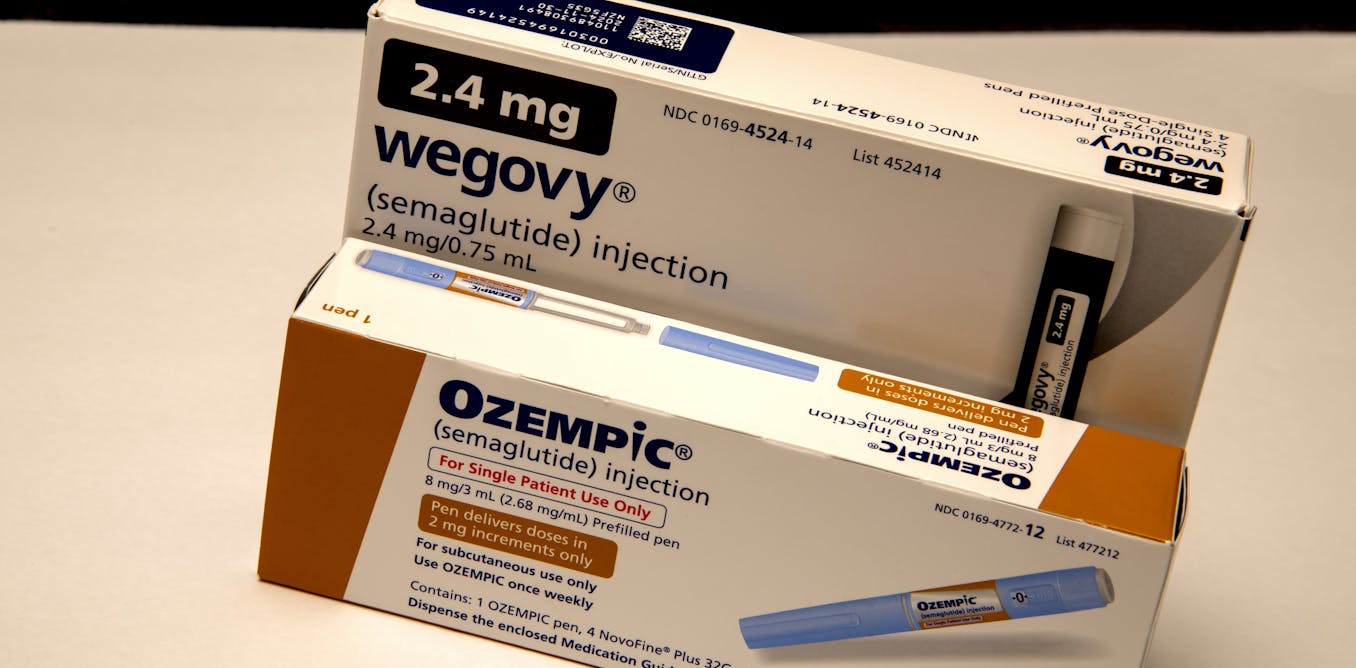
Expert Opinion - The Undisclosed Risks of Off-brand Ozempic and Other Weight Loss Products
The popularity -- and price -- of brand-name injectable drugs like Ozempic, Wegovy, Mounjaro, and Zepbound has skyrocketed. But the soaring demand for these drugs -- used for weight loss as well as to control blood sugar levels and reduce the risk of heart disease -- and the limited supply as well as lack of generic options has also led to a flood of non-brand alternatives in the market. In a recent article for The Conversation, UConn expert C. Michael White, Distinguished Professor of Pharmacy Practice, issued a warning to consumers about the potential undisclosed risks of these off-brand products: High demand is driving GLP-1 wannabes The dietary supplement market has sought to cash in on the GLP-1 demand with pills, teas, extracts and all manner of other products that claim to produce similar effects as the brand names at a much lower price. Products containing the herb berberine offer only a few pounds of weight loss, while many dietary supplement weight loss products contain stimulants such as sibutramine and laxatives such as phenolphthalein, which increase the risk of heart attacks, strokes and cancer. The role of compounding pharmacies Unlike the dietary supplements that are masquerading as GLP-1 weight loss products, compounding pharmacies can create custom versions of products that contain the same active ingredients as the real thing for patients who cannot use either brand or generic products for some reason. These pharmacies can also produce alternative versions of brand-name drugs when official drug shortages exist. Since the demand for GLP-1 medications has far outpaced the supply, compounding pharmacies are legally producing a variety of different semaglutide and tirzepatide products. These products may come in versions that differ from the brand-name companies, such as vials of powder that must be dissolved in liquid, or as tablets or nasal sprays. Just like the brand-name drugs, you must have a valid prescription to receive them. The prices range from $250-$400 a month – still a steep price for many consumers. Compounding pharmacies must adhere to the FDA’s sterility and quality production methods, but these rules are not as rigorous for compounding pharmacies as those for commercial manufacturers of generic drugs. In addition, the products compounding pharmacies create do not have to be tested in humans for safety or effectiveness like brand-name products do. Proper dosing can also be challenging with compounded forms of the drugs. Companies that work the system For people who cannot afford a compounding pharmacy product, or cannot get a valid prescription for semaglutide or tirzepatide, opportunistic companies are stepping in to fill the void. These include “peptide companies,” manufacturers that create non-FDA approved knockoff versions of the drugs. From November 2023 to March 2024, my team carried out a study to assess which of these peptide companies are selling semaglutide or tirzepatide products. We scoured the internet looking for these peptide companies and collected information about what they were selling and their sales practices. We found that peptide sellers use a loophole to sell these drugs. On their websites, the companies state that their drugs are for “research purposes only” or “not for human consumption,” but they do nothing to verify that the buyers are researchers or that the product is going to a research facility. By reading the comments sections of the company websites and the targeted ads on social media, it becomes clear that both buyers and sellers understand the charade. Unlike compounding pharmacies, these peptide sellers do not provide the supplies you need to dissolve and inject the drug, provide no instructions, and will usually not answer questions. Peptide sellers, since they allegedly are not selling to consumers, do not require a valid prescription and will sell consumers whatever quantity of drug they wish to purchase. Even if a person has an eating disorder such as anorexia nervosa, the companies will happily sell them a semaglutide or tirzepatide product without a prescription. The average prices of these peptide products range from $181-$203 per month. Skirting regulations Peptide sellers do not have to adhere to the rules or regulations that drug manufacturers or compounding pharmacies do. Many companies state that their products are 99% pure, but an independent investigation of three companies’ products from August 2023 to March 2024 found that the purity of the products were far less than promised. One product contained endotoxin – a toxic substance produced by bacteria – suggesting that it was contaminated with microbes. In addition, the products’ promised dosages were off by up 29% to 39%. Poor purity can cause patients to experience fever, chills, nausea, skin irritation, infections and low blood pressure. In this study, some companies never even shipped the drug, telling the buyers they needed to pay an additional fee to have the product clear customs. If a consumer is harmed by a poor-quality product, it would be difficult to sue the seller, since the products specifically say they are “not for human consumption.” Ultimately, consumers are being led to spend money on products that may never arrive, could cause an infection, might not have the correct dose, and contain no instructions on how to safely use or store the product. Dr. C. Michael White is an expert in the areas of comparative effectiveness and preventing adverse events from drugs, devices, dietary supplements, and illicit substances. Dr. White is available to speak with media -- click on his icon now to arrange an interview today.


Sport and Study: Villanova University Faculty Offer Academic Lens to Paris Olympics Storylines
All eyes are on Paris: more than 10,000 athletes from 206 nations are set to compete in the Games of the XXXIII Olympiad, the third Olympics in the City of Love and the first since 1924. Below, Villanova University faculty members provide their academic expertise on the unique storylines and narratives already taking place as Paris 2024 gets underway. Portraying a National Image in the Opening Ceremony Étienne Achille, PhD Director of French and Francophone Studies After months of speculation, the daily Le Parisien has officially confirmed that renowned French-Malian singer Aya Nakamura will lend her vocals to an opening ceremony featuring an iconic backdrop steeped in history. “Nakamura is the most-streamed Francophone singer in the world, embodying France’s culture on a global stage, and she’ll be paying homage to one of the most cherished representatives of the chanson française,” said Dr. Achille, referring to reports she will sing one of beloved French crooner Charles Aznavour’s greatest hits. According to Dr. Achille, the pop star’s presence is significant and symbolic. “A performer, or even a flagbearer, can easily become the face of a global event like the Olympics,” he said. The details of the setting for the ceremony – in the heart of Paris, along the Seine – are just as intentionally symbolic. “Not only will this be the first opening ceremony to take place entirely outside of a stadium; its location along the river and the fact the delegations will be on boats are key. “It represents movement and connection to the world,” Dr. Achille said. “And Nakamura’s performance projects the image of a modern, multi-ethnic nation building on tradition while proudly marching into the future.” Swimming in the Seine: Safe or Not? Metin Duran, PhD Professor of Civil and Environmental Engineering It is, perhaps, the most-asked question of the last few weeks. Is the Seine River, set to host multiple swimming events, safe? The river has been illegal to swim in for a century due to the presence of harmful bacteria such as E. Coli, and recent testing has reaffirmed this concern. The Seine, which had undergone an expensive cleaning to mitigate this issue, received the endorsement of Paris Mayor Ann Hidalgo, who personally took a dip in the water herself to attest to its safety. The stunt did little to convince experts such as Dr. Duran, who studies wastewater, to abandon concern about the potential health risks of athletes being exposed to pathogens in the water. “When we have fecal pollution, there is a high likelihood of pathogens being present,” Dr. Duran said. “Those could be viral, like a norovirus, or protozoan. “If you’re swimming in that water, you run the risk of ingesting it. Once you ingest that polluted water, you’re likely to contract some of those disease-causing pathogens. Ingesting this water doesn’t mean you’re necessarily going to get sick, but based on the number of people in a big city like Paris, there is a very high likelihood of some of these pathogens existing now in the river.” Accommodations for Breastfeeding Athletes Sunny Hallowell, PhD, APRN, PPCNP-BC Associate Professor of Nursing The IOC and Paris 2024 Organizing Committee is providing support to all breastfeeding athletes competing in the Games. A few national governing bodies, like the French Olympic Committee, are going a step further and offering hotel rooms near the Village for their country’s breastfeeding athletes to share with their children and spouses. “A few decades ago, the idea of a female athlete who also wanted to breastfeed their child was so taboo it may have prevented an athlete from competing,” said Dr. Hallowell. “Now, many female athletes who choose to breastfeed their newborns or toddlers conceptualize breastfeeding as another normal function of their remarkably athletic bodies.” Accommodation for breastfeeding athletes and increased awareness are needed more than ever. Dr. Hallowell notes that in addition to changing views on breastfeeding, the needs for such accommodations are increasing as the age of peak athletic performance also increases. “Advances in sports nutrition, wellness and lifestyle have extended the longevity and performance of many athletes into adulthood,” she said. And while some athletes with rigorous training regimens might feel “frustrated incorporating breastfeeding into the routine,” Dr. Hallowell says that for others, “breastfeeding provides both physical and socio-emotional benefits for the mother and the infant that allow the athlete to focus on the job of competition.” Protecting Against the Parisian Heat Ruth McDermott-Levy, PhD, MPH, RN, FAAN Professor of Nursing The potential for extreme heat in Paris has been a topic of concern for athletes and organizers, prompting certain outdoor events to be proactively scheduled at times to avoid the day’s worst heat. Current forecasts predict temperatures in the 90s for several days early on in the Games, which could be exacerbated by Paris’ reputation as an urban heat island, unable to cool due to lack of green space and building density. Dr. McDermott-Levy says the athletes are inherently vulnerable, because “the added stress of physical exertion during their events puts them at greater risk of heat-related illness.” But she also notes that many of the athletes have likely undergone pre-competition training in extreme heat conditions to acclimate and will have trainers and health professionals monitoring them frequently. “The group of concern are the workers at the stadiums, outdoor workers and spectators who are there to enjoy or work at the events and may have had little to no acclimation,” Dr. McDermott-Levy said. “They need to follow local instructions and take frequent breaks from the heat, seek shade and maintain hydration by avoiding alcohol and sugary drinks and drinking water.” How Nature Can Inspire Future Use of Olympic Infrastructure Alyssa Stark, PhD Assistant Professor of Biology Gone, hopefully, are the days of abandoned Olympic Villages and venues, overrun with weeds and rendered useless soon after the Games conclude. The IOC’s commitment to sustainability has been transparently relayed ahead of the 2024 Games, featuring a robust range of initiatives and programs. Dr. Stark is particularly interested in one aspect of ensuring a sustainable Olympics. “How will the structures, materials and systems they developed for the Olympics be re-used, re-shaped or re-worked afterward?” she posed. “This could include re-using buildings to larger scale or re-working transportation systems set in place for the Games that could then integrate into day-to-day life post Olympics.” At the root of her interest is the concept of biomimicry. “A lot of the way we think about designing, if we’re using this biomimicry lens, is how do we learn from nature to solve problems that we have in a sustainable way, keeping in mind the environment we are in?” Dr. Stark said. In this case, consider how something like a dwelling of a living creature might be repurposed to fit the needs of another creature, or serve another natural purpose, without harming the ecosystem. Could that inspire a way to re-use the Olympic infrastructure? “There are a ton of examples of [biomimicry] being used and working in products,” Dr. Stark said. “But I would say the next step is looking at the social levels of these big ecosystems – building architecture, city planning, flow of information and, in this instance, repurposing what was created for the Olympics.” Paris Could Be a Transportation Model for Major City Events in the United States Arash Tavakoli, PhD Professor of Civil and Environmental Engineering Paris has invested 250 million Euro the last several years to transform the city to a 100% cycling city, making it one of the most bike-friendly municipalities in the world. Currently, more trips are being made by bicycles in Paris than by cars (11% vs. 4%), a trend that has permeated to the surrounding suburbs as well. With an influx of travelers in Paris for the Games, Dr. Tavakoli, an expert in human transportation, said, “The Olympics will be a test for how well these kinds of systems respond to high fluctuations in the population as compared to vehicle-centric systems.” While Paris is thousands of miles away from the United States, how bicycle, pedestrian and vehicle systems work during the Games could provide helpful insight ahead of major events in American cities. “With the World Cup coming to the U.S. in a few years, it will be interesting to compare [Paris] with how our own system responds to people’s needs,” Dr. Tavakoli said. “Not just based on traffic data and congestion, but also considering factors like how comfortable the transportation system is, how much it affects our well-being and how much it attracts a nonresident to enjoy the U.S. when their only option, for the most part, is a vehicle.”


Researcher develops microrobots to battle cancer with unique precision
Magnetic robots that can target cancer cells are nothing new. But the patented microrobots developed by the University of Delaware's Sambeeta Das can be guided with a magnetic field to deliver medication to cells – or to destroy infectious cells, such as cancer – inside the body. To mark the launch of National Inventors Month, Das, assistant professor of mechanical engineering, shared her journey toward invention. Q: Tell us about your patented invention on microrobots for cancer research. What problem were you trying to solve? Das: One of the biggest issues with cancer research is the ability to target cancer cells without harming healthy cells. Cancer cells are sneaky, and they have evolved ways of hiding from the body’s immune cells. A big part of our research focuses on targeting, specifically precision targeting. We want to be able to target a single cell in a mass of cells, whether that is a single cell in a mass of cancer cells or whether it is a single abnormal cell surrounded by healthy cells. To do this, we use magnetic microrobots that can be driven inside the body by magnetic fields to a particular cell location. Magnetic fields are biocompatible, meaning they are not harmful to biological tissues, and our microrobots are very small, around 20 microns, which is about the size of a single bacteria cell. We can load our microrobots with various drugs and modify their surface in such a way that when the robots come in contact with the cells we are targeting, they can kill the target cell or perform some other function. Q: How is this solution unique? Das: Other people have made magnetic microrobots, but our system is unique since it allows us to do automatic targeting with a lot of precision. For example, a person operating our microrobots can just point to a cell and our system will drive the microrobot there. Additionally, the instrument we have made and patented is an all-in-one portable device that can be used anywhere. We don’t need a separate microscope, camera or software, it is all built in and very user friendly. Anyone can use it. This makes it super portable, which means quick solutions for health practitioners. In addition, poor and resource challenged areas can also be accessed with this portable solution. Q: What drives you toward invention? Das: I like to solve problems, and I like seeing something come together from nothing. I am very interested in problems that affect human health and longevity, particularly those that affect the common person. Q: How do you approach solving a problem, and whose support has been critical along the way? Das: One thing I have realized is that it is imperative to ask the right question to solve a problem. You must really get to the core of the issue. The second thing is to always keep the end user in mind. So, it’s kind of a two-pronged approach—looking from both ends of the problem. For support, I would say my team members and my collaborators. Their support has been invaluable in helping me solve the problems that I want to solve. In fact, my graduate students keep a running list of crazy ideas that they have come up with. It helps us look at problems in a unique way and come up with innovative solutions. Q: Not every invention makes it. How do you deal with failure? Das: The way that I start working on a problem is to assume that whatever we do, we are going to fail. I always tell my students that their first couple of experiments or designs will always fail. But failure is essential because it will teach you what not to do. And knowing what not to do is sometimes the critical part of the invention process. The failures inform us about the ways of not doing something which means now there is another way of doing something. Q: What is the best advice you’ve ever received? Das: The best career advice I’ve ever received is that there is always another way. If you run into roadblocks there is always another answer, there is always another opportunity. So we just need to keep going and trying new and crazy ideas. Q: How are inventive minds created – is it innate or can it be developed? How do you encourage innovation among your students? Das: That’s an interesting question and honestly, I am not sure. I do believe in what Edison said, “Genius is 1% inspiration and 99% perspiration.” He is a known inventor, so I would go with his interpretation on this. As for my students, I give them lots of freedom. I think freedom is essential in encouraging innovation. The freedom to come up with crazy ideas without anyone saying that won't work and the freedom to fail—multiple times. Das is available for interviews to talk about her microrobots and other projects at UD. To reach her, visit her profile and click the "contact" button.

Research: Add space salad to the risks astronauts face
University of Delaware researchers grew lettuce under conditions that imitated the weightless environment aboard the International Space Station and found those plants were actually more prone to infections from Salmonella. It’s been more than three years since the National Aeronautics and Space Administration made space-grown lettuce an item on the menu for astronauts aboard the International Space Station. Alongside their space diet staples of flour tortillas and powdered coffee, astronauts can munch on a salad, grown from control chambers aboard the ISS that account for the ideal temperature, amount of water and light that plants need to mature. But as the UD researchers discovered, there is a problem. The International Space Station has a lot of pathogenic bacteria and fungi. Many of these disease-causing microbes at the ISS are very aggressive and can easily colonize the tissue of lettuce and other plants. Once people eat lettuce that’s been overrun by E. coli or Salmonella, they can get sick. With billions of dollars poured into space exploration each year by NASA and private companies like SpaceX, some researchers are concerned that a foodborne illness outbreak aboard the International Space Station could derail a mission. In the new study by UD's team, published in Scientific Reports and in npj Microgravity, researchers grew lettuce in a weightless environment similar to that found at the International Space Station. Plants are masters of sensing gravity, and they use roots to find it. The plants grown at UD were exposed to simulated microgravity by rotation. The researchers found those plants under the manufactured microgravity were actually more prone to infections from Salmonella, a human pathogen. Stomata, the tiny pores in leaves and stems that plants use to breathe, normally close to defend a plant when it senses a stressor, like bacteria, nearby, said Noah Totsline, an alumnus of UD’s Department of Plant and Soil Sciences who finished his graduate program in December. When the researchers added bacteria to lettuce under their microgravity simulation, they found the leafy greens opened their stomata wide instead of closing them. “The fact that they were remaining open when we were presenting them with what would appear to be a stress was really unexpected,” Totsline said. Totsline, the lead author of both papers, worked with plant biology professor Harsh Bais as well as microbial food safety professor Kali Kniel and Chandran Sabanayagam of the Delaware Biotechnology Institute. The research team used a device called a clinostat to rotate plants at the speed of a rotisserie chicken on a spinner. “In effect, the plant would not know which way was up or down,” Totsline said. “We were kind of confusing their response to gravity.” Additionally, Bais and other UD researchers have shown the usage of a helper bacteria called B. subtilis UD1022 in promoting plant growth and fitness against pathogens or other stressors such as drought. They added the UD1022 to the microgravity simulation that on Earth can protect plants against Salmonella, thinking it might help the plants fend off Salmonella in microgravity. Instead, they found the bacterium actually failed to protect plants in space-like conditions, which could stem from the bacteria’s inability to trigger a biochemical response that would force a plant to close its stomata. “The failure of UD1022 to close stomata under simulated microgravity is both surprising and interesting and opens another can of worms,” Bais said. “I suspect the ability of UD1022 to negate the stomata closure under microgravity simulation may overwhelm the plant and make the plant and UD1022 unable to communicate with each other, helping Salmonella invade a plant.” To contact researchers from the team, visit the profiles for Bais or Kniel and click on the contact button.


Home field advantage: Beneficial bacteria could protect turfgrass from damaging disease
Sports leagues from the pros on down use turfgrass because it's a hearty grass that can be mowed to exceedingly short heights and tolerates trampling foot traffic with ease. But it does have a shortcoming: Turfgrass is vulnerable to a pathogen called dollar spot. UD researchers Harsh Bais and Erik Ervin and doctoral student Charanpreet Kaur are part of a team studying the beneficial properties of UD1022, a UD-patented beneficial bacteria, to see whether it can be effective in protecting turfgrass. Left unchecked, dollar spot can result in huge economic losses for golf courses and other places where turfgrass must be managed and protected. Known as a growth promoter that can help plants flourish, the hope is that UD1022 can be a green alternative to complement existing turf-management processes already in use. Bais, a professor of plant and soil sciences, is available for interviews and can be contacted by clicking on his profile below this photo or via his ExpertFile profile.

The Importance of Vitamin K for a Healthy Diet
Vitamin K is a fat-soluble vitamin that plays important roles in blood clotting and in bone metabolism. Sharon Collison, a registered dietitian and instructor of Clinical Nutrition at the University of Delaware, has over 30 years of experience looking at nutrition, diets and diet culture. She has studied the affects of vitamin K and the impact it can have on one's overall health. She notes that vitamin K decreases bone turnover, protecting against fractures. Vitamin K is unique in that bacteria in the GI tract can synthesize vitamin K that can contribute to the body’s needs. People generally get about ½ their vitamin K from synthesis in the GI tract and ½ from food sources. Here are some foods that Collison said are not only good sources of vitamin K, but are nutritional powerhouse foods that are nutrient dense. Broccoli Raab: 241 mcg/100 grams of vitamin K. Also high in dietary fiber, potassium and vitamin C. Artichokes: 14.8 mcg/100 grams vitamin K. Also an excellent source of dietary fiber and potassium. Broccoli: 102 mcg/100 grams vitamin K. Also high in vitamin C, beta carotene, dietary fiber, potassium, iron and phytonutrients — which has great cancer fighting properties. Spinach: Chopped frozen boiled spinach has 543 mcg/100 grams of vitamin K, making it one of the best sources. Also high in vitamin C, folate, potassium, vitamin A and magnesium. Green leaf lettuce: 126 mcg/100 grams vitamin K. Also a good source of vitamin A and potassium, folate and very low in calories. Canola oil: 10 mcg/1 Tbsp vitamin K. Also a good source of heart-healthy monounsaturated fats and vitamin E. Canned tuna in oil: 37 mcg/3 ounces vitamin K. Also rich in protein and heart healthy omega-3 fatty acids. Eggs: Vitamin K content varies between 67-192 mcg per egg yolk depending on the hen’s diet. Also an excellent source of protein. Arugula: 21 mcg/1 cup vitamin K. Also good source of potassium, vitamin C, folate, vitamin A and calcium. Collison is affiliated with the National Alliance on Eating Disorder Awareness and Prevention. She has been a board-certified sports dietitian since 2008, providing sports nutrition guidance to middle-school, high-school, collegiate, elite and amateur athletes.


Researchers seek to apply nanoparticle drug delivery to coral wound healing
Coral reefs are the foundation of many aquatic ecosystems and are among the ocean’s most vulnerable inhabitants. While natural processes, like animal predation and storms, frequently damage coral, man-made causes, like ship collisions and global warming, destabilize these environments beyond their ability to recover. Researchers like Nastassja Lewinski, Ph.D., associate professor of chemical and life science engineering, are working to understand how corals heal in order to aid the restoration of these fragile ecosystems. They also seek partnerships with stakeholders that can support coral preservation by applying this research to industry practices and providing funding for continued research. “Coral ecosystems are vital to human life,” Lewinski said, “When there’s a high-intensity storm, reefs can absorb the impact and reduce the damage we see on land. They’re also important to the aquatic food web and serve as the foundation to many foods we eat.” Discovering the limits of coral healing is part of Lewinski’s work. Ideal water temperature for coral is 25 degrees Celsius, so research is conducted at the ideal temperature and elevated temperatures of 28 to 31 degrees Celsius, the projected water temperatures influenced by global warming. Successive imaging of wound closure in these conditions builds an understanding of the rate of closure during healing. “We’re looking to understand the mechanics of healing,” Lewinski said, “Some of what we’ve found suggests a process similar to human healing. We want to understand the actors in this process at a cellular level and what their role is in repairing tissue.” These observations inform the mathematical, cell-based wound healing model developed by Lewinski’s collaborators, Angela Reynolds, Ph.D. and Rebecca Segal, Ph.D., both professors in the Department of Mathematics and Applied Mathematics in VCU’s College of Humanities and Sciences. Similar to humans, corals have been documented as following the same four stages of the healing process. These stages include: 1) coagulation to close the site of injury, 2) infiltration with immune cells to ward off infection, 3) cell migration and proliferation and 4) scar remodeling. “With our observations and a mathematical model, the next step is to collect data on the cellular dynamics of the healing process,” Lewinski said, “We want to observe what kinds of cells enter the wound area and what functions they perform during healing.” Fluorescent tagging is used to mark specific cells so they may be observed entering the wound area when healing occurs. Because corals are naturally fluorescent, the selection of the fluorescent tags must take this into account. Phagocytic properties allow immune cells to engulf and absorb bacteria and other small cells, in this case the fluorescent particles being used to tag immune cells. Nutritional variables are also being considered within the experiment. Corals derive energy from consuming small organisms and their symbiotic relationship with algae colonies. Modifying nutritional balance in the lab emulates the coral’s participation in the food web, where accessibility to vital nutrients could impact healing. Developing a nanoparticle drug-delivery system designed to deliver molecules to speed wound healing is the culmination of this research. Lewinski hypothesizes the delivery system would promote an energy-burning state within the corals that could result in increased healing. This is among a few examples of harnessing nanotechnology for safeguarding coral reefs, which are discussed in a recently published comment in Nature Nanotechnology. “The research we’re doing on wound healing in corals is the start of something bigger,” Lewinski said. “Our goal is to create a center dedicated to engineering new technologies for corals. We want to find partners who can translate our research findings to practice, helping preserve coral reefs and the vital resources they provide.” Through this consortium, newly-developed science can be disseminated more effectively within each partner’s respective industry. The result: a renewed commitment to aquatic sustainability and the protection of vital coral ecosystems.


Gene Editing Institute Opens a Unique Learning Lab for High School and College Students
Free program uses CRISPR in a Box™ toolkit to teach the power of gene editing To inspire the next generation of students to pursue careers in STEM (science, technology, engineering and math) and learn about the power of genomic science, ChristianaCare’s Gene Editing Institute has launched a new Learning Lab on its premises that offers educational programming about revolutionary CRISPR gene editing technology. Located next to the Gene Editing Institute’s lab on the University of Delaware’s STAR Campus, the Learning Lab is a physical space that provides an immersive field trip experience for upper-level high school students and college undergraduates who may not have access at their schools to a laboratory to conduct gene editing experiments. There is no cost for schools to use the lab or for the materials to conduct the experiment. The Gene Editing Institute wants to ensure that all schools have equal opportunity to participate in educational programming at the lab. Students using the lab can perform a gene editing experiment in a single day using the Gene Editing Institute’s innovative CRISPR in a Box™ educational toolkit. All materials in the kit are safe, synthetic materials, and allow students to perform CRISPR gene editing with non-infectious E. coli bacteria. They will be able to see an appearance change indicating gene editing has occurred at the end of their experiment. “Students around the country, no matter where they go to school, have the potential to be scientists, researchers and laboratory technicians,” said Eric Kmiec, Ph.D., executive director and chief scientific officer of ChristianaCare’s Gene Editing Institute. “Our hope is that by creating access and space for students to explore, we can inspire the next generation of students to pursue STEM careers. The Learning Lab allows us to help cultivate the next generation of genetic scientists and strengthen Delaware and our region as a leader in biotechnology.” Education Program Manager Amanda Hewes, MS, developed the Learning Lab after noticing a problem that was undercutting the opportunities of teachers to bring gene editing experiments into the classroom — a lack of space and equipment. Amanda Hewes, education program coordinator, assists students from Wilmington Charter School with their samples of DNA during a Learning Lab experiment. “We don’t want anything to hinder the way students learn about CRISPR gene editing,” Hewes said. “If a student feels like there are too many steps, or a teacher doesn’t have an essential piece of equipment, then we’ve lost an opportunity to bring the next generation of scientists into the lab. We’re striving to break down as many barriers as possible for students.” Learning real-world applications of gene editing The Learning Lab also allows students to speak directly with experts in the field about careers in biotechnology and gene editing as they learn the difference between such things as phenotypic and genotypic readouts in their gene editing experiments. This gives students the chance to ask about the real-world application of genome experiments in a research lab. It also lets them think about their place in a lab setting. “I’ve never been in an actual lab setting before,” said Shiloh Lee, a junior at the Charter School of Wilmington, at a recent class. “I think it is very, very cool to be able to experience it.” “I’ve learned a lot of new skills with the micropipetting,” said Pauline Zhuang, a senior at The Charter School of Wilmington. “We don’t have the same resources at our school. The CRISPR in a Box is such a great resource. My classmates and I have been able to experience, firsthand, what it is like to actually do gene editing.” Through the program, the Gene Editing Institute hopes to educate 1,000 students by spring 2024. Currently, the lab is on track to engage more than 200 students by the end of the spring 2023 semester. CRISPR stands for Clustered Regularly Interspaced Short Palindromic Repeats, which are the hallmark of a bacterial defense system that forms the basis for CRISPR-Cas 9 genome editing technology. The CRISPR technology enables researchers to modify genes in living cells and organisms and may make it possible to correct mutations at precise locations in the human genome in order to treat genetic causes of disease. For more information about the Learning Lab and the educational program, email geneeditinginstitute@christianacare.org.

