
Experts Matter. Find Yours.
Connect for media, speaking, professional opportunities & more.

New £2.8m MRI scanner delivered to Aston University
A landmark moment in the improvement to facilities at Aston Institute of Health and Neurodevelopment (IHN) has been reached with the arrival of its new £2.8m MRI scanner on site. A landmark moment in the improvement to facilities at Aston Institute of Health and Neurodevelopment (IHN) has been reached with the arrival of its new £2.8m MRI scanner on site. The new Siemens MAGNETOM Prisma 3T MRI scanner will enhance the world-class neuroimaging research facilities within the Institute. The old machine has already been removed from the building and internal spaces are currently being refurbished before the new scanner is lifted into the building. Researchers in the Institute use advanced neuroimaging techniques to discover biomarkers of brain health in children with neurological disease. By detecting those biomarkers, they are able to determine those who are at risk of longer term poor cognitive, behavioural and health outcomes with the goal/vision of providing early support to those children who need it most. The new scanner will also enable the Institute to provide the most recent innovations in MRI for patients visiting through the clinical service, Aston University Imaging. Patients visiting for MRI scans come through private referrals, as well as from local institutions such as the Birmingham Royal Ballet and Aston Villa football club. Professor Jackie Blissett, co-director of Aston Institute of Health and Neurodevelopment, said: “The arrival of our new MRI scanner is tremendously exciting. This state-of-the-art equipment is core to our child-focused research programme that delivers a new understanding of development and disease and the interventions that will make a difference.” Aston University Students' Union President, Balraj Purewal added: "It is great that we have a new state-of-the-art MRI scanner being installed on our campus. It will not only help our researchers in their work, but will also be of benefit to patients in the community, including young people, supporting both their diagnosis and treatment." For more information about the Aston Institute of Health and Neurodevelopment, please visit our website.


The world's gone crazy for Wordle - Our expert explains why
You can't avoid it these days - Wordle is everywhere. Social media is peppered with people's results, it's the topic of talk shows, and even SNL did a parody of it - essentially baptizing Wordle as a part of American culture. It's a phenomenon that has caught fire - and media everywhere are trying to figure out why. That's why when the Washington Post was trying to spell out just what makes Wordle so enticing - the reporter contacted Dimitris Xygalatas from UConn to get to the source of this five-letter craze. In the beginning, Americans created sourdough starters. As people looked for rituals to cope with the early uncertainties of the pandemic, many bought Peloton bikes, built gardens and watched “Tiger King.” And in Brooklyn, a software engineer said: “Let there be Wordle!” And there was Wordle. Big-time. In recent weeks, the online game has become a kind of ritual for its players, who pilgrimage daily to a website to solve a five-letter puzzle. After completing the game, many share their score with their friends, along with the grid of yellow and green squares that show how many tries it took them to solve the puzzle. The game with no ads was created in late 2021 by Josh Wardle for his partner as a way to kill time during the pandemic. Humans’ brains are designed for pattern-seeking in order to help us make sense of the world, said Dimitris Xygalatas, an anthropologist and cognitive scientist at the University of Connecticut. When humans aren’t able to find patterns, we can experience stress, he said. Something like doing Wordle daily can give people a sense of regularity and a sense of control. Xygalatas’s studies have found that people who participate in collective rituals have lower levels of cortisol that correspond with lower stress and are often able to build social-support networks. This is why, he said, communal rituals — such as cheering for health-care workers from apartment balconies — took off in the early months of the pandemic. “Our mind craves regularity,” he said. “It’s one of the main ways we try to fight anxieties.” Professor Xygalatas is an anthropologist and cognitive scientist at the University of Connecticut who specializes in some of the things that make us human, including ritual, sports, music, cooperation, and the interaction between cognition and culture. He is available to speak with media, answering all your Wordle questions. Click on his icon to arrange an interview today.


Can oily fish, cherries or milk help you sleep? Here’s what the evidence shows
Almost one in five British people report they don’t get enough sleep each night. The problem is so bad that in total the UK public are losing around a night’s worth of shut-eye each week. There are a lot of popular beliefs about foods and drinks helping people get a good night’s rest, but many of them are not based on scientific evidence. Here’s what we know. Chemistry of food and sleep Our diet has an influence upon sleep patterns by affecting the sleep hormone melatonin. For example, foods rich in the essential amino acid tryptophan are commonly cited as helping sleep, as tryptophan helps produce melatonin. Additionally, some vitamins and minerals may help sleep, such as vitamin D, magnesium and zinc. Oily fish: Evidence suggests the more oily fish, such as salmon or herring, you eat the better you sleep. Oily fish contain healthy fats such as omega-3 oils which have been shown to improve sleep in children and are involved in serotonin release. Serotonin, a brain chemical linked to mood, also regulates the sleep-wake cycle which may also explain how eating oily fish can help. Tart cherries: A number of studies have looked at consumption of tart cherries, usually in the form of a drink, and sleep. Evidence suggests that tart cherries improves sleep in older adults, probably due to their ability to increase melatonin levels. And tart cherries are also rich in nutrients, including magnesium, which also may improve your sleep. Kiwi fruit: The evidence for kiwi fruit helping you sleep is mixed. One study suggested four weeks of kiwi fruit consumption improved multiple sleep measures, while another, admittedly in sufferers of insomnia, found no effect. Based on these findings it is not clear yet that eating kiwi fruit will benefit sleep for most people. Oysters: In 1888 W F Nelsom wrote “He who sups on oysters is wont on that night to sleep placidly…”. There is some evidence to back up this statement, with zinc-rich foods, including oysters, being reported to benefit sleep. However, on balance eating oysters before bedtime is unlikely to be beneficial to your night’s sleep. Alcohol and other drinks Alcohol causes brain activity to slow down and has sedative effects that can induce feelings of relaxation and sleepiness> But consuming alcohol is actually linked to poor sleep quality and duration. Although drinking alcohol may cause more rapid sleep onset, this can affect the different stages of sleep, decreasing overall sleep quality. If you want a good night’s sleep, avoiding alcohol is sound advice. But are there any non-alcoholic drinks that might help? Warm milk: Research conducted in the 1970s suggested that a glass of warm milk before bed could improve sleep quality. This research was performed in a very small group however, and little research has been done since. Drinking milk does increase melatonin levels which could help. But there isn’t enough evidence to support the claim that a glass of warm milk definitely makes you nod off. Bone broth: Bone broth commonly crops up in online articles as a food that can aid sleep. This may be due its high content of the amino acid glycine. Glycine has been shown to improve sleep in rodents and humans, possibly by lowering body temperature. There are however no studies specifically looking at bone broth consumption and sleep. Herbal teas: The range of herbal teas aimed at the sleep market has grown and grown. Evidence for valerian, a common ingredient, to aid sleep is inconclusive. Decaffeinated green tea has been reported to improve sleep quality, which might be linked to the relaxing qualities of L-theanine, an amino acid it contains, but in general, avoiding caffeinated teas is a wise choice. If you like herbal teas, then they can be part of a relaxing pre-bedtime routine – but they are unlikely to improve your sleep quality. A bedtime routine Having a bedroom environment and daily routines that promote consistent, uninterrupted sleep are important. These include keeping to the same time to head off to bed, making your bedroom free of disruptions and having a relaxing pre-sleep routine. But many of the foods that have claimed benefits for sleep have little or no evidence behind them, to the point there are no legally recognised health claims for food assisting sleep approved in the UK or Europe. If any one of these things helps you to sleep well, there’s no reason to stop. But just remember the other basics of a good nights sleep too, including relaxing before bed and avoiding too much blue light from electronic devices.


New £2.8 million MRI scanner installed at Aston Institute of Health and Neurodevelopment
Installation of a new £2.8 million MRI scanner is due to start at Aston University in the Institute of Health and Neurodevelopment (IHN) to replace the existing ageing unit in the Day Hospital on campus. The state-of-the-art facility will be installed over a period of four months, including work being undertaken to remove the old machine from the building. This will involve several complex crane lifts outside the Day Hospital to remove the existing scanner. The internal spaces will then be refurbished before the new scanner is lifted into the building in February 2022. The new Siemens MAGNETOM Prisma 3T MRI scanner will enhance the world-class neuroimaging research facilities within the Institute. Currently Aston University researchers use advanced neuroimaging techniques to discover biomarkers of brain health in children with neurological disease. By detecting those biomarkers, researchers are able to determine those who are at risk of longer term poor cognitive, behavioural and health outcomes with the goal/vision of providing early support to those children who need it most. The new scanner will also enable the Institute to provide the most recent innovations in MRI for patients visiting through the clinical service: Aston University Imaging. Patients visiting for MRI scans come through private referrals, as well as from local institutions such as the Birmingham Royal Ballet and Aston Villa football club. Professor Jackie Blissett, co-director, Aston Institute of Health and Neurodevelopment (IHN), said: “The installation of our new MRI scanner is tremendously exciting. This state-of-the-art equipment is core to our child-focused research programme that delivers a new understanding of development and disease and the interventions that will make a difference.”
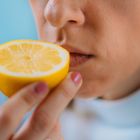
Could Vitamin-A bring back your sense of smell after Covid?
Researchers at the University of East Anglia and James Paget University Hospital are launching a new project to see whether Vitamin A could help people regain their sense of smell after viral infections including Covid-19. Smell loss is a common symptom of Covid-19, but even before Covid, many viruses had been causing smell loss and distortion and while most people naturally regain their sense of smell within a couple of weeks, many have been left with on-going smell disorders. Previous research from Germany has shown the potential benefit of Vitamin-A, and the UEA team will explore how this treatment works to help repair tissues in the nose damaged by viruses. They hope that the study, which has been funded by the National Institute for Health Research (NIHR), could one-day help improve the lives of millions around the world who suffer from smell loss, by returning their fifth sense. Smell loss expert Prof Carl Philpott from UEA’s Norwich Medical School and James Paget University Hospitals NHS Trust, said: “The huge rise in smell loss caused by Covid-19 has created an unprecedented worldwide demand for treatment. “Even before the Covid-19 pandemic hit, smell loss was thought to affect an estimated five per cent of people, with viruses accounting for 1 in 10 of those. “And around one in ten people who experience smell loss as a result of Covid-19 report that their sense of smell has not returned to normal four weeks after falling ill. “It’s a big problem, and our previous research has shown the impact of smell loss – including depression, anxiety and isolation, as well as risk of danger from hazards such as gas and spoiled food, and changes in weight due to reduced appetite. “A key problem for patients and their clinicians is the lack of proven effective treatments. “A recent study from Germany showed that people treated with vitamin A nasal drops improved twice as much as those in the untreated group. “We want to find out whether there is an increase in the size and activity of damaged smell pathways in patients’ brains when they are treated with vitamin A nasal drops. “This would show recovery of the damage caused by common viral infections, including Covid-19, in the nose.” The research team will work with patients who have lost their sense of smell due to a viral infection. They will either receive a 12-week course of nasal vitamin A drops or inactive equivalent drops, and have their brains scanned before and after the treatment. The scans will be compared to those of a control group who have not been treated with vitamin A drops. Prof Philpott said: “The patients will be smelling distinctive odours - roses and rotten eggs - while special MRI brain scans are taken. “We will look for changes in the size of the olfactory bulb - an area above the nose where the smell nerves join together and connect to the brain. “We will also look at activity in areas of the brain linked to recognising smells,” he added. Duncan Boak, Founder and Chair of Fifth Sense, said: “At Fifth Sense we have engaged with thousands of people who have experienced changes in their ability to smell or taste as a result of the Covid 19 virus. They join an already large community of people with a smell disorder that pre-dates the pandemic. “The question we are most often asked is about available treatments to support recovery. Not being able to smell is not only physically distressing but can affect the enjoyment of social occasions and present hazards and risks that might never have been previously considered such as not being able to detect gas leaks or spoiled food. “Research into potentially successful interventions is vital to help people feeling the impact of smell disorders that affects the quality and enjoyment of their life.” To take part in this trial, patients need to be referred to The Smell and Taste Clinic at the James Paget University Hospital by their GP. Recruitment is expected to begin in December 2021. To find out more visit https://rhinology-group.uea.ac.uk/apollo-trial or contact apollo.trial@uea.ac.uk. The NIHR is the largest funder of research in the country, and is the research partner of the NHS and social care. To find out more about other NIHR research happening near you, visit www.bepartofresearch.uk.


Who knew that all those posts about what’s cooking and what’s for dinner could lead to a burgeoning belly? It’s a surprising finding that researchers at Georgia Southern University have discovered – and it’s getting attention from American and international media. Researchers at Georgia Southern University in the U.S. recruited 145 students and split them into two groups. Both were given plates of cheese crackers to nibble but half were told to stop and take a picture first. Immediately after eating them, volunteers were asked to rate how much they liked them and whether they wanted more. The results, published in the journal Appetite, showed those taking snaps of the crackers scored higher in terms of enjoyment and wanting seconds. Picture-taking, researchers said, seems to change the way the brain perceives food and increases the craving for more calories. They wrote: ‘Memories of food and the act of recording consumption can affect how much we eat. "Our results indicate picture-taking leads to greater wanting of the food following consumption. "The effects were most noticeable in volunteers given smaller portions – six crackers instead of 12. Researchers warned: "Those seeking to eat smaller portions, especially of tempting foods that they want to cut back on, should avoid taking pictures of what they are eating." October 03, Daily Mail If you’re a journalist looking to cover this research or learn more for a story – then let our experts help. The researchers behind this study are available, simply reach out to Georgia Southern Director of Communications Jennifer Wise at jwise@georgiasouthern.edu to arrange an interview today.


Children Face Type 2 Diabetes Health Concerns After a Year at Home
Some children are facing health concerns after a year of attending school online. During the pandemic, research found cases of type 2 diabetes among children more than doubled. Lisa Diewald, MS, RD, LDN, Program Manager for the MacDonald Center for Obesity and Education weighed in on causes and potential prevention methods going forward. “We know that physical activity level, eating habits, weight status and other lifestyle factors play a significant role in the development of type 2 diabetes in adults and in children,” said Diewald. “Because of disruptions for many children in all four factors during the pandemic, (on top of pre-existing challenges), we are starting to see trickle-down health effects involving lifestyle-related chronic diseases, such as type 2 diabetes and children are not immune to these health effects.” Type 2 diabetes is related to obesity, exercise habits and diet. Children who struggle with weight may also have many social, genetic and environmental factors impacted by the accelerated risk seen through the pandemic. For example, the absence of healthy school meals while learning from home negatively impacted some children, as processed foods became replacements. Eating habits are also largely impacted by one’s mental state. “Like adults, children learn to cope with stress and anxiety in different ways. For some, this means reaching for comfort foods, which are often high in refined carbohydrates, saturated fat and sugar-all risk factors for T2 diabetes if consumed in excess,” said Diewald. “These foods can contribute to unhealthy weight gain, especially when physical activity is limited as well. The bad news is that it does not take a lot of weight gain to put a child who is already at risk at greater risk for diabetes.” But families should be aware of the good news that small changes can make a big difference and that prevention is possible. Diewald recommends a few small changes to alter a sedentary routine for parents and schools: • Build 1 minute brain breaks during the day for activity such as stretching or running up and down the stairs • Keep healthy snacks available and sugar sweetened snacks and drinks less visible • Create safe and walkable opportunities for children to add physical activity • Look for outdoor community sponsored activities that encourage physical activity that can provide safe and accessible physical activity opportunities Additional measures for parents to prevent the unhealthy coping with foods including working with children to make a list of fun alternative activities (unrelated to food) to do when boredom kicks in and posting in an accessible place in the home. Parents can act as role models and let children see that parents are working on more effective ways to cope as well. Though the risk of type 2 diabetes has been increasing during the past year, many factors can continually increase a person’s risk. These tips can provide the valuable tools for prevention in the future. “Teaching children healthier ways to cope with boredom and depression than eating are skills that can help for a lifetime, well beyond the pandemic,” said Diewald. To speak with Diewald, email mediaexperts@villanova.edu.


The use of swear words declines by more than a quarter in the UK since the 1990s – new research
Aston University’s Dr Robbie Love compared the use of 16 of the most common swear words between 1994 and 2014 He found the amount of swearing has fallen by 27.6 per cent during the 13-year period The study also found that the f-word has overtaken 'bloody' as UK's most popular curse word Researchers from Aston University have found that the use of swear words in Britain has declined by more than a quarter since the 1990s. Dr Robbie Love, based in the College of Business and Social Sciences, looked at how swearing changed in casual British English conversation between 1994 and 2014. As part of the study, which is published in Text & Talk: An Interdisciplinary Journal of Language, Discourse & Communication Studies, Dr Love used two large bodies of transcriptions to analyse the use of language, including: The Spoken British National Corpus gathered in 1994 and the same corpus from 2014. Both texts include over 15 million words, although it was found that swear words accounted for less than one per cent. In total, the amount of swearing was found to have fallen by 27.6 per cent, from 1,822 words per million in 1994 to 1,320 words per million in 2014.The research findings also suggest that the f-word has overtaken 'bloody' as the most popular curse word in the UK. In the study, Dr Love compared the use of 16 of the nation's most common swear words, including p***, c*** and s**g, from the 1990s to the 2010s. He also found that trends in the type of swear words used have changed over the last few decades , with 'bloody' being the most common curse word in the 1990s and the f-word taking precedent in the 2010s. The analysis suggests that this is largely down to a big decline in the use of 'bloody',while the f-word has remained relatively steady over the years. It was also found to be the second most commonly used swear word in 1994, followed by s**t, p***, b****r and c**p. Other key findings of the study included: Over a twenty year period b****r had fallen from the fifth most common curse to the ninth, while b*****d dropped from seventh to 10th. The big climbers include s**t, from third to second, a**e, from eighth to sixth and d***, from tenth to seventh. T**t also rose from the 16th most common swear word in the 1990s to 13th by the 2010s. Dr Love then analysed demographics and discovered that, although swearing is more common in men than women, the difference between the genders has decreased notably from 2.33 times more frequent in men in 1994 to 1.68 times in 2014. Another change concerned how much people swear as they age. In both data sets, swearing is most common among people in their 20s, and then declines with age. However, the decline was less steep in the 2010s, suggesting that people continue swearing later in life more than they did in the 1990s. Dr Robbie Love, lecturer in English at Aston University, said: “This research reinforces the view that swearing plays a part in our conversational repertoire, performs useful functions in everyday life and is an everyday part of conversation for many people. “Despite this, it is relatively under-researched precisely because it is considered to be taboo. “Swearing performs many social functions including conveying abuse and humour, expressing emotion, creating social bonds, and constructing identity. “The strong social conditioning around swear words makes them more psychologically arousing and more memorable than other words, and something different happens in the brain when saying them compared to euphemistic equivalents, such as saying "f***" compared to ‘the f-word’.” You can read the full study, Text & Talk: An Interdisciplinary Journal of Language, Discourse & Communication Studies, HERE If you want to explore how the written and spoken word works in society, Aston University's innovative English language and literature degrees are for you. We emphasise practical applications, linking your studies to the real world through professionally relevant modules in areas such as Language and Literature in Education, The Language of the Law, Psychology of Language and Communication or Language at Work.

Sugar: why some people experience side-effects when they quit
It might surprise you to learn that sugar consumption has actually been steadily decreasing since 2008. This could be happening for any number of reasons, including a shift in tastes and lifestyles, with the popularity of low-carbohydrate diets, like keto, increasing in the past decade. A greater understanding of the dangers of eating excess sugar on our health may also be driving this drop. Reducing sugar intake has clear health benefits, including reduced calorie intake, which can help with weight loss, and improved dental health. But people sometimes report side-effects when they try eating less sugar – including headaches, fatigue or mood changes, which are usually temporary. The reason for these side-effects is poorly understood. But it’s likely these symptoms relate to how the brain reacts when exposed to sugary foods – and the biology of “reward”. Carbohydrates come in several forms – including as sugars, which can naturally occur in many foods, such as fructose in fruits and lactose in milk. Table sugar – known as sucrose – is found in sugar cane and sugar beet, maple syrup and even honey. As mass production of food has become the norm, sucrose and other sugars are now added to foods to make them more palatable. Beyond the improved taste and “mouthfeel” of foods with high sugar content, sugar has profound biological effects in the brain. These effects are so significant it’s even led to a debate as to whether you can be “addicted” to sugar – though this is still being studied. Sucrose activates sweet taste receptors in the mouth which ultimately leads to the release of a chemical called dopamine in the brain. Dopamine is a neurotransmitter, meaning it’s a chemical that passes messages between nerves in the brain. When we’re exposed to a rewarding stimulus, the brain responds by releasing dopamine – which is why it’s often called the “reward” chemical. The rewarding effects of dopamine are largely seen in the part of the brain involved in pleasure and reward. Reward governs our behaviour – meaning we’re driven to repeat the behaviours which caused dopamine to be released in the first place. Dopamine can drive us to seek food (such as junk food). Experiments in both animals and people have shown how profoundly sugar activates these reward pathways. Intense sweetness surpasses even cocaine in terms of the internal reward it triggers. Interestingly, sugar is able to activate these reward pathways in the brain whether it’s tasted in the mouth or injected into the bloodstream, as shown in studies on mice. This means its effects are independent of the sweet taste. In rats, there’s strong evidence to suggest that sucrose consumption can actually change the structures in the brain that dopamine activates as well as altering emotional processing and modifying behaviour in both animals and humans. Quitting sugar It’s obvious that sugar can have a powerful effect on us. So that’s why it’s not surprising to see negative effects when we eat less sugar or remove it from our diet completely. It’s during this early “sugar withdrawal” stage that both mental and physical symptoms have been reported – including depression, anxiety, brain fog and cravings, alongside headaches, fatigue and dizziness. This means giving up sugar can feel unpleasant, both mentally and physically, which may make it difficult for some to stick with the diet change. The basis for these symptoms has not been extensively studied, but it’s likely they’re also linked to the reward pathways in the brain. Although the idea of “sugar addiction” is controversial, evidence in rats has shown that like other addictive substances, sugar is able to induce bingeing, craving and withdrawal anxiety. Other research in animals has demonstrated that the effects of sugar addiction, withdrawal and relapse are similar to those of drugs. But most of the research that exists in this area is on animals, so it’s currently difficult to say whether it’s the same for humans. The reward pathways in the human brain have remained unchanged by evolution – and it’s likely many other organisms have similar reward pathways in their brains. This means that the biological impacts of sugar withdrawal seen in animals are likely to occur to some degree in humans too because our brains have similar reward pathways. A change in the brain’s chemical balance is almost certainly behind the symptoms reported in humans who remove or reduce dietary sugar. As well as being involved in reward, dopamine also regulates hormonal control, nausea and vomiting and anxiety. As sugar is removed from the diet, the rapid reduction in dopamine’s effects in the brain would likely interfere in the normal function of many different brain pathways, explaining why people report these symptoms. Although research on sugar withdrawal in humans is limited, one study has provided evidence of withdrawal symptoms and increased sugar cravings after sugar was removed from the diets of overweight and obese adolescents. As with any dietary change, sticking to it is key. So if you want to reduce sugar from your diet long term, being able to get through the first few difficult weeks is crucial. It’s important to acknowledge, however, that sugar isn’t “bad” per se – but that it should be eaten in moderation alongside a healthy diet and exercise

Aston University experts explain what it takes to make a champion for EURO 2020 podcast series
"It's the age-old question... you need talent, drive, and luck. I always believed 'attitude' was one of the top attributes to becoming an elite athlete, but I've changed my mind" Professor Gavin Woodhall, Aston University In this episode, journalist Steve Dyson chats to Professor Gavin Woodhall and Dr James Brown about how far our genetic makeup can take us in the journey to becoming an elite athlete, and how attitude makes it all possible. Professor Woodhall looks at the question from a pharmacology and neuroscience angle. He explains the chemistry of the brain, and how neurones are wired to talk to each other. He references the importance of genetic muscle fibres but focuses on how high cognitive brain loads enable feet skills and positioning due to brain synapse connections, "pruned to be more efficient", with proprioceptors unconsciously guiding movement. Dr James Brown looks at the question from a ‘bioscience’ perspective. He explains that there have to be genetic and physical aspects but that these take years to refine, quoting research that ‘it takes 10,000 hours training over ten years to become elite’. He looks at family links and cites interesting monozygotic twin research that disentangles nature/nurture elements. He talks about well-known sports examples in relation to science - Tiger Woods, Robbie Fowler, Usain Bolt, Conor McGregor, Lennox Lewis and various cricketers. He mentions the YIPS (when elite sports stars start losing their edge) and how this can be overcome.