
Experts Matter. Find Yours.
Connect for media, speaking, professional opportunities & more.

Murdoch's shocking retirement: Expert predicts minimal change in Fox's stance or approach
Despite the fact that he was 92, Rupert Murdoch's retirement as chairman of Fox Corp. and News Corp. came as a shock. Many observers see the passing of the torch from right-wing Rupert to more right-wing son Lachlan as a potentially seismic shift in the media landscape. Danilo Yanich, professor of public policy and administration at the University of Delaware, can discuss the changing of the guard at Fox, which he believes won't alter the network's approach all that much. Yanich doesn't think anything will change from the media side of the equation – coverage won't be any more right wing than it was before. "Lachlan has been running the day-to-day activities for some time now." Also, Yanich said, whether Rupert is "retired" or not does not take him out of the picture. "He still owns the company." Yanich noted that there has been commentary regarding the implications his retirement has for the power arrangements within the company. "That is probably true, but I do not see any change in how Fox approaches its media activities." Yanich's research centers on the media and its intersection with citizenship, public policy and crime, as well as media ownership. He directs the Local Television News Media Project, which examines the role of the news media in democracy and public policy. Yanich was awarded presidential fellowships at two Salzberg Seminars (Salzburg, Austria), both focused on ethics and the news media. To set up an interview with Yanich, simply click on this profile below.


Hospital at Home: Understanding How It Works
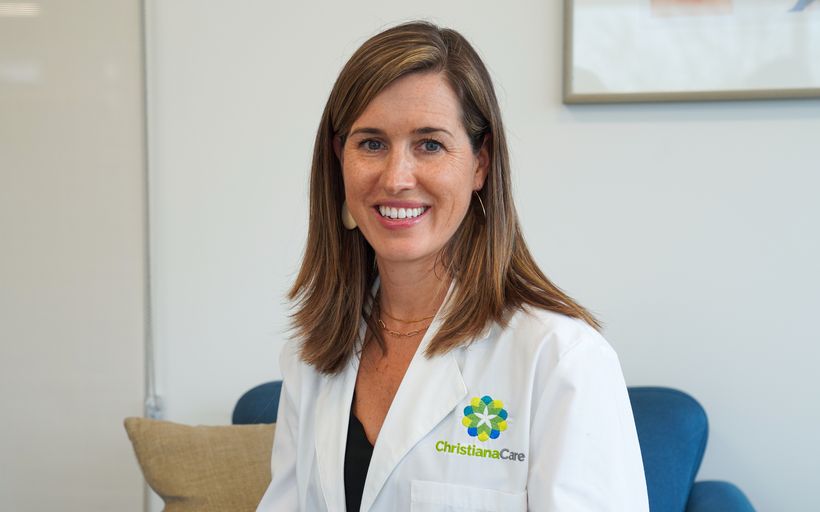
As the ChristianaCare Hospital Care at Home program grows, we see the benefits of improving the way we deliver care to our patients. With each patient we care for, we are reminded that a big part of recuperating and getting better is not just physical but mental and emotional. Being home allows patient to visit with loved ones, cuddle with pets and sleep in their own bed. It also helps our health care providers better understand a patient’s living environment, making it possible for us to provide the individual services they need. Q. What is hospital care at home? A. I think of a virtual hospital as three components: a command center, technology and in-home care. The command center is a 24/7, 365-day- a-week center staffed by physicians, nurses, advanced practice clinicians and patient digital ambassadors. This team of health care providers is tethered to patients in the home by way of our technology. We give our patients a tablet that lists their daily schedule so they know who to expect in their home and the time our health care providers will arrive. It also allows them to contact the command center at any time by pressing a button. When they do that, a nurse appears on the screen right away. Edwin Bryson Sr. said ChristianaCare made it easy to treat his diabetes complications from the privacy and comfort of his own home. With hospital care at home, he said, “all I do is hit the button and a nurse comes on to assist me with anything I need. It was 24-hour service here, just like I was in the hospital.” Technology also allows us to monitor patients’ vital signs at home as we would in the traditional hospital setting. We use Bluetooth technology to upload that information into the electronic medical record. In-home care is made up of a team that goes into the home to deliver the services that a particular patient needs. This includes radiology (X-rays and ultrasound), blood tests, intravenous medications, physical therapy, occupational therapy and more. A licensed professional, such as a nurse, also visits the patient at home at least twice a day. Q. Who is eligible for hospital care at home? A. There are requirements for participation. Patients need to live within 25 miles from our Delaware hospital campuses which are in Newark and Wilmington. We also are looking for patients that meet our acute, inpatient level of care. So if they’re in observation status, for example, they wouldn’t be a good candidate. We also need patients who don’t require continuous monitoring: If a patient has telemetry monitoring or if they’re in the intensive care unit or a step-down unit, they would not be a good candidate. Our team works every day with caregivers at both Delaware hospitals to identify patients who would benefit from hospital care at home. Q. What are common sicknesses that can be treated at home? The first 20 patients we admitted into this program had 20 different diagnoses. But after treating more than 500 patients, the most common diagnoses that we see are cellulitis, sepsis, pneumonia, chronic obstructive pulmonary disease (COPD) exacerbation and congestive heart failure. Hospital at home may not be the solution for all patients, but in many cases it can help patients get better quicker and in a place where they most feel comfortable. As ChristianaCare strives for greater access to care, home may be where the health is.


From Sci-Fi to Reality: Nanoscale Materials Pave the Way for High Precision Disease Treatment
Imagine being able to create something smaller than the size of a single strand of hair that can help treat cancer at the cellular level. Sounds like something out of a science fiction novel or movie, right? Wrong. Emily Day, with the Department of Biomedical Engineering at the University of Delaware is doing just that. Her lab innovates nanomaterials (materials with single units measuring between 1 and 100 nanometers) that enable more high precision treatment of cancer, blood disorders and other diseases. She also studies how these nanoparticle interact with with our bodies on both the subcellular-level and whole-organism level. Day has been recognized with an NSF CAREER Award along with dozens of other awards and grant honors. She is available to talk about her research and can be contacted by clicking her profile.

The power of streaks: How apps like Snapchat and Wordle keep users hooked
There's a reason why kids and adults alike become hooked on apps like Snapchat and Wordle: The irresistible pull of the streak. There's also a reason why so many apps are successful in hooking users: According to recent research co-authored by Jackie Silverman, assistant professor of marketing at the University of Delaware, the streak is as important as the app or activity itself. In her collection of studies, "On or Off Track: How (Broken) Streaks Affect Consumer Decisions," published in April in the Journal of Consumer Research, Silverman found that: Companies now can track consumers' behaviors on their platforms, and in turn tell consumers about their past behaviors. I study how one apparent pattern shown through such tracking - a streak, or 3+ consecutive behaviors - affects consumer decisions. Highlighting streaks can create a new source of motivation; people are more likely to continue a behavior when they are told they have a streak, versus not. On the flip side, highlighted broken streaks are especially demotivating and decrease engagement in the behavior. These effects occur because consumers have a goal of keeping their streaks (as highlighted on these platforms) alive. To help mitigate the negative effects of broken streaks, companies can de-emphasize broken streaks or allow for consumers to do an action to repair their streaks. To quickly arrange an interview to speak with Silverman, simply click on the "contact" button on her profile.

Potential health crisis in the wake of deadly storm and flooding in Derna, Libya
The number of fatalities and missing persons continue to mount after a storm caused massive flooding in the town of Derna, located in the northeast region of Libya. While search and rescue will remain the most urgent priority in the near term, addressing acute health needs will be a major factor in the wake of this disaster, said Jennifer Horney, founder and director of the epidemiology program at the University of Delaware. The collapse of two dams are likely to cause long-term water borne diseases of all types. With little existing health infrastructure in the area, treating and managing health will be extremely difficult. Safe food and water will be scarce. There is a strong possibility of infectious disease outbreaks and the spread of communicable disease. Other experts from UD's Disaster Research Center who can comment on the flooding in Libya: Tricia Wachtendorf: Disaster relief and donations, and alignment post-disaster – i.e., making sure donations that aren't needed don't flood the supply chain. Wachtendorf can also discuss evacuation decision-making, volunteer efforts, disaster response and coordination. Sarah DeYoung: Dealing with unsolicited infant formula donations, and infant and maternal health. Can also discuss pets in emergencies, infant feeding in disasters and decision-making in evacuation. Jennifer Trivedi: Long-term recovery and challenges for people with disabilities during disaster.



Back to School: Expert Tips for a Smooth Transition in the New Academic Year
With the start of school now upon us, Gary Henry, dean of the University of Delaware’s College of Education and Human Development and professor in the School of Education and the Joseph R. Biden, Jr. School of Public Policy & Administration, is here to answer some common questions educators and parents may have. What are your three biggest concerns about K-12 education going into this academic year? I think the overarching concern for many K-12 teachers and administrators is creating a sense of continuity as children and young adults go back to school. The three big concerns that contribute to this issue are teacher turnover, school leader turnover and the number of long-term substitutes who are not fully prepared to teach in classrooms. These trends were already in place before the pandemic, but the pandemic heightened this crisis. For the last 20 years, we’ve seen a crisis in the enrollment in traditional teacher preparation programs. Between 2010 and 2018, we saw about a 35% reduction in the number of undergraduates who enroll in education majors across the U.S., but in Delaware, that reduction was 60%. Teacher shortages are affecting every state around the country right now. What is the best way to address these chronic teacher shortages? Chronic teacher shortages are a systemic problem, which means it’s largely a result of the system in which we educate and support teachers. We know, for example, that many alternative teacher preparation programs — where students come in with a bachelor’s degree outside of the field of education and take only a few courses in preparation for teaching — actually contribute to teacher shortages. So part of the answer is investing in traditional teacher preparation programs and in financial aid. Our team at CEHD’s Center for Excellence and Equity in Teacher Preparation is working directly with Delaware students from motivation to pursue teaching, through recruitment into UD teacher preparation programs, through graduation from those degree programs and into schools within Delaware, whenever possible. For example, our Teachers of Tomorrow program introduces underrepresented high schoolers to the field of education through an immersive, two-week summer institute at UD where they can learn about our programs, meet current students and talk with educators. In partnership with high-needs Delaware school districts and the Delaware Department of Education, our Teacher Residency program allows early childhood education, elementary teacher education and secondary STEM education students to pursue yearlong, paid teaching placements in Delaware schools. Overall, we find that 80% of the students we recruit from Delaware stay in our schools to teach. What recommendations do you have for school leaders who are struggling with turnover challenges? The first thing to do is to have a human resources professional conduct exit interviews with teachers who are leaving and for building leaders to pay attention to their responses so they can really understand the key causes of turnover in their school. In my research, I have analyzed exit interview data and I’ve found that teachers are often very straightforward about why they are leaving. The second step is to act on those reasons. And the third step is to constantly check in with the teachers. Ask, “how are things going? What can we do to help you address your instructional needs?” Developing relationships around instructional issues and the teachers’ work with students is fundamental to diagnosing and addressing issues before they lead to teacher turnover. What advice would you give a brand-new teacher about to start their first year in charge of a classroom? I believe that all educators should view students and their families for their assets and recognize that a student’s culture at home is an asset. A relationship with parents and students that recognizes and values the family’s culture allows you to unite with the family, unite with the student and give the student the confidence to take risks, to work hard and to want to come to school because that’s where they feel welcomed and honored. If parents are interested in supporting their child's education, how can they do so? I think the key ingredient for parents is working with teachers and principals to articulate the outcomes that they’re seeking for their children. It’s much easier to get everyone on the same page if you start from a position of common ground. I would also encourage parents to seek the person in the school system that’s closest to the issue. So if your child is struggling in math, reach out to your child’s math teacher first. If the teacher identifies other resources that may be helpful, then seek out additional support from the school principal. Gary T. Henry has much more to talk about as the school year gets underway. He is available for interviews. Click the "View Profile" button to get in touch with him.


Southeast Asia's strategic balancing act amid U.S.-China rivalry
In the bustling geopolitical arena of Southeast Asia, the rivalry between the United States and China often takes center stage. This region, where great powers converge, has become a pivotal battleground for influence and control. But the reality is that this contest involves more than just these two giants. It's a multi-dimensional chessboard, and Southeast Asian nations aren't just passive pieces; they are active players with their own agendas. In a new analysis of the ongoing contest between these superpowers, University of Delaware professor Alice Ba discussed the ways in which Southeast Asian countries are not only impacted by the struggles over economic influence and military expansion but also can and will play a major role in the outcome. She can also address the following topics: The expansion of U.S.-China tensions into additional economic realms, especially the politicization of supply chains, and how that broadens the impact on Southeast Asia. For all Southeast Asian states, economics is regarded as the foundation for legitimacy and regime stability and thus, unlike the South China Sea, U.S. and Chinese economic policies are felt more widely across the region. The U.S.-China rivalry's destabilizing integration trends of the last four decades and the foundations on which Southeast Asian states have achieved highly prized degrees of regional stability, economic prosperity, diplomatic standing and regime legitimacy. Ba can talk about how Southeast Asian states can respond to this destabilization and new policies they can adopt to address the surging rivalry. The viewpoint that the United States has not taken sufficient advantage of Southeast Asian interest in greater economic and diplomatic engagement — a perception that for some states is also reinforced by Washington’s normative democracy agenda. Ba is available for interviews and can be contacted by clicking on her profile below.


Looking back at challenges pet owners faced after Maui's devastating wildfires
The deadly wildfires that ravaged Maui in August left thousands of people homeless. Many of them had companion animals – in fact, an estimated 3,000 pets were still missing more than a week later. Sarah DeYoung, associate professor of sociology and criminal justice and core faculty with the Disaster Research Center at the University of Delaware, is an expert on evacuation decision-making for people with companion animals and what happens to pets after disasters. DeYoung, who conducted research in Hawaii after the 2018 lava flows on Big Island, can discuss various aspects related to evacuation and care of pets after last month's wildfires. In a piece published by The Conversation last month, she discussed: What happens to pets after a catastrophic fire: Time is always a major factor in an owner's ability to save their pet when disaster strikes. The rush might also cause owners to forget carriers or leashes. Extra challenges with disasters on an island: Islands have limited space for the boarding and care of displaced animals. Nearly all of Hawaii’s animal shelters were already at full capacity due to the state’s pet overpopulation. Long-term problems for animal recovery: People sometimes surrender their pets after disasters because they can’t find temporary housing that allows dogs or cats, or due to breed restrictions. A wave of animal surrenders causes already full shelters to become overcrowded. DeYoung is available for interviews. To contact her, simply click on the contact button on her profile.

Exploring the role of social media in fomenting hatred and prejudice in society
Each day, it feels like there's a new social media platform to join, the latest one being Threads. While social media like Threads, Instagram, Twitter, TikTok and Facebook can be a space to bring people from different corners of the world together, it has also become a way to spread hatred and prejudice. Kassra Oskooii, associate professor of political science and international relations at the University of Delaware, studies the interplay between contextual and psychological determinants of political opinions on minority groups. He recently published work examining at how social media news consumption over the last two presidential cycles has heightened anti-Muslim views. He noted that social media works by creating information bubbles that echo and amplify views, and when political information is left unregulated, individuals can be exposed to false and prejudicial content that can shape their views toward marginalized groups. Oskooii's research was recently cited in the 2023 Economic Report of the President. He can speak about the role that social media continues to play on politics and everyday society. To arrange an interview, simply click on Professor Oskooii's profile and press the contact button.


ChristianaCare has received a $100,000 grant from JPMorgan Chase & Co. to launch a youth employment program to build a more diverse and inclusive health care workforce. “At ChristianaCare, we embrace diversity and show respect to everyone,” said Dia Williams Adams, MPA, vice president of philanthropy at ChristianaCare. “Providing exposure to health care careers at an early age and building pipelines to employment are key components to building strong and healthy communities. We are deeply grateful to JPMorgan Chase for its generosity and commitment to inclusion and diversity.” The program, Health Impacts, is a year-long pilot program designed to connect youth ages 16 to 18 from low-to-moderate income households within the Greater Wilmington area to career opportunities in health care. Health Impacts will include an intensive training program, during which the teens will learn from ChristianaCare health professionals about workforce development skills and the characteristics essential for career success. The training program will be followed by a nine-month paid internship that culminates with employment opportunities at ChristianaCare. During the internship the teens will receive additional career coaching and participate in work-based learning assignments to help them develop skills, such as effective interviewing, relationship building and a strong work ethic. “There are fantastic opportunities in health care today that can match up with a wide variety of interests and provide young people with a career path that offers financial stability and growth – plus the personal rewards of doing work that helps others,” said Kamela Smith, M.Ed., manager of Community Education and Engagement at ChristianaCare. “This program is an exciting opportunity to expand our local health care workforce while inspiring young people in our community to be the next generation of caregivers.” JPMorgan Chase’s support of Health Impacts is part of a $30 billion Racial Equity Commitment by the global financial services provider to help close the racial wealth gap and advance economic inclusion among communities that are underserved in the United States. “As one of Delaware’s largest employers, we are incredibly focused on creating a more equitable and inclusive economy for more residents across the region,” said Jac Rivers, Vice President, Global Philanthropy Program Officer Eastern Region, JPMorgan Chase. “Building a skilled workforce and ensuring that all people, regardless of background, have access to the support they need is critical to these efforts. Together with a dynamic community partner like ChristianaCare, and the launch of their new Summer Youth Employment Program (SYEP) in Wilmington, we can truly help unlock opportunity for more Delaware residents to access meaningful jobs and lasting economic growth.” To learn more about ways to give to ChristianaCare, visit https://www.christianacare.org/donors.