Experts Matter. Find Yours.
Connect for media, speaking, professional opportunities & more.

Streaks of white that coat roads and cars. Powdery footprints smudged into floors. It’s the time of year when much of the United States relies on road salt to keep ice at bay and accepts the nuisances that come with it. But beyond the inconvenience, all that salt has potentially serious, long-term effects on the environment, human health and infrastructure. Steven Goldsmith, PhD, an associate professor of Geography and the Environment at Villanova University, researches topics in watershed biogeochemistry and environmental health. A focus of his lab is the study of de-icing practices on water quality. Recently, Dr. Goldsmith shared insights from his work, exploring the widespread consequences of road salt and potential solutions to reduce its harm. Question: You have led or participated in research focused on the environmental impacts of road salt application, often locally, but with much broader implications. What have some of those studies found? Steven Goldsmith: In 2022, we published a paper showing that salt—sodium in particular—is seeping into Philadelphia's water supply, and it's timed with snow melts. We found that if you drank a glass of tap water during the peak period in the winter of 2018-19, your sodium intake would be six times what the Environmental Protection Agency (EPA) recommends within a glass of water for someone on a low-sodium diet. We are susceptible in this region because most of our water supply comes from rivers, and the rivers receive that salt runoff. Some of our findings indicate this is a chronic issue and not limited to winter months. All that contaminated shallow groundwater causes the concentration to rise year-round, even in the summer. In a recent paper, we discuss the issue of salt that lands on the side of the road. When it does, it infiltrates into soil, and then it goes into shallow groundwater before entering our streams. Oftentimes when salt is applied to the road and you receive that initial precipitation, you are left with runoff with salinity near the concentration of sea water, which is very bad for freshwater organisms. Q: Have those studies found other impacts beyond those created directly by sodium? SG: It’s certainly not just a sodium issue—it's also a chloride issue. Chloride does have a negative impact on aquatic organisms, but it can also corrode drinking water infrastructure. If you have lead pipes in that infrastructure, that can lead to a range of human health issues. Even just to prevent those problems, applying chemicals to protect from the corrosion of pipes increases costs. Perhaps the worst part is when road salt infiltrates shallow soil and groundwater, the sodium is left behind preferentially in soils because it's displacing other positively charged elements, which could then go into groundwater. The elements it replaces are metals. If we have more salt runoff on the side of the roads, chances are, if we look in those streams, we are going to see higher concentrations of heavy metals like copper, zinc and even lead. Q: You have mentioned the efficacy of brine. What is brine and why is it more effective than traditional road salt? SG: If you’ve ever driven behind a rock salt truck, you probably noticed it pelts your windshield and shoots salt everywhere. A lot of that rock salt ends up following the natural trajectory of the road, which is designed to drain towards the sides to keep water from pooling. As soon as a snowstorm happens, it's going to melt and flow into the storm drain. That, of course, is bad for the environment, but also doesn’t help remove ice from the road. With brine, the application is a diluted road salt with water mixture that is usually about 23 percent sodium chloride by volume, and it’s referred to as an “anti-icing” measure. The saltwater infiltrates the top layer of pavement and embeds in the roadway itself, which keeps ice from crystallizing when snow or water hits the surface. To use an analogy, let’s say you have a large rock that you placed on top of the pavement, but you also have a quarter of that rock’s volume in sand. If you put that sand onto the pavement, it will permeate into nooks and crannies. That's the same idea here: use less material and in a way that makes it stick better to the surface and reduces the need to reapply as often during and after storms. Q: What are potential positive impacts if municipalities switch from road salt to brine? SG: There are limited studies on this, but it's been shown that if done properly, brining can reduce salt runoff into streams by anywhere from 23 to 40 percent. If it's 40 percent, you have almost cut the problem in half, and that lower peak salt concentration and runoff would have a profound positive impact on aquatic organisms that are downstream. From a cost standpoint—and I say this theoretically because there are other up-front costs associated with brining at the municipal level—if you reduce salt concentrations by up to 40 percent it means you apply a lot less and therefore spend a lot less. Q: What can individuals do to decrease road salt runoff, and how much of an impact does individual use have? SG: We can start by addressing the household salt application problem. Another one of our recent papers suggests that other impervious surfaces, like driveways, sidewalks and parking lots, are probably contributing even more than the roadway application. The best estimate is that individual or private contractor use could be over 10 times what you see on roads. For researchers, part of addressing this is trying to understand why people apply so much salt on their personal properties: are they afraid of lawsuits? Keeping with the Joneses? Are they not aware of ordinances that say you have to shovel within a certain number of hours, which would negate the need for salt anyway? For homeowners and other individuals, one proposed solution is to use a coffee mug’s worth of salt for every 10 sidewalk squares. Think of it as a “low-sodium diet” to make sure you’re not overapplying. It’s a way we can limit our use of salt and do so in a way that doesn't jeopardize safety. These individuals can also sweep up salt applied before a storm that never materialized to use before the next one. This will prevent the possibility of rain needlessly dissolving the salt. Q: Are there effective alternatives to road salt that individuals can use? SG: The only truly effective alternative, unfortunately, is simply using less road salt. While some people apply sand, it also washes into local streams, causing environmental harm. Another option that has gained attention is beet juice—what I like to call the “Dwight Schrute” solution. Beet juice actually works better than road salt because its organic acids prevent ice from crystallizing at temperatures much lower than those at which rock salt is effective. However, from an environmental standpoint, beet juice contains high levels of nutrients, which can contribute to algae growth if it enters waterways. Additionally, recent studies suggest it may also be toxic to aquatic organisms. The growing consensus is that while some road salt is necessary, we need to use less of it.



How Higher Ed Should Tackle AI
Higher learning in the age of artificial intelligence isn’t about policing AI, but rather reinventing education around the new technology, says Chris Kanan, an associate professor of computer science at the University of Rochester and an expert in artificial intelligence and deep learning. “The cost of misusing AI is not students cheating, it’s knowledge loss,” says Kanan. “My core worry is that students can deprive themselves of knowledge while still producing ‘acceptable work.’” Kanan, who writes about and studies artificial intelligence, is helping to shape one of the most urgent debates in academia today: how universities should respond to the disruptive force of AI. In his latest essay on the topic, Kanan laments that many universities consider AI “a writing problem,” noting that student writing is where faculty first felt the force of artificial intelligence. But, he argues, treating student use of AI as something to be detected or banned misunderstands the technological shift at hand. “Treating AI as ‘writing-tech’ is like treating electricity as ‘better candles,’” he writes. “The deeper issue is not prose quality or plagiarism detection,” he continues. “The deeper issue is that AI has become a general-purpose interface to knowledge work: coding, data analysis, tutoring, research synthesis, design, simulation, persuasion, workflow automation, and (increasingly) agent-like delegation.” That, he says, forces a change in pedagogy. What Higher Ed Needs to Do His essay points to universities that are “doing AI right,” including hiring distinguished artificial intelligence experts in key administrative leadership roles and making AI competency a graduation requirement. Kanan outlines structural changes he believes need to take place in institutions of higher learning. • Rework assessment so it measures understanding in an AI-rich environment. • Teach verification habits. • Build explicit norms for attribution, privacy, and appropriate use. • Create top-down leadership so AI strategy is coherent and not fractured among departments. • Deliver AI literacy across the entire curriculum. • Offer deep AI degrees for students who will build the systems everyone else will use. For journalists covering AI’s impact on education, technology, workforce development, or institutional change, Kanan offers a research-based, forward-looking perspective grounded in both technical expertise and a deep commitment to the mission of learning. Connect with him by clicking on his profile.


Natural defenses: UF researchers use living infrastructure to protect Florida’s shores
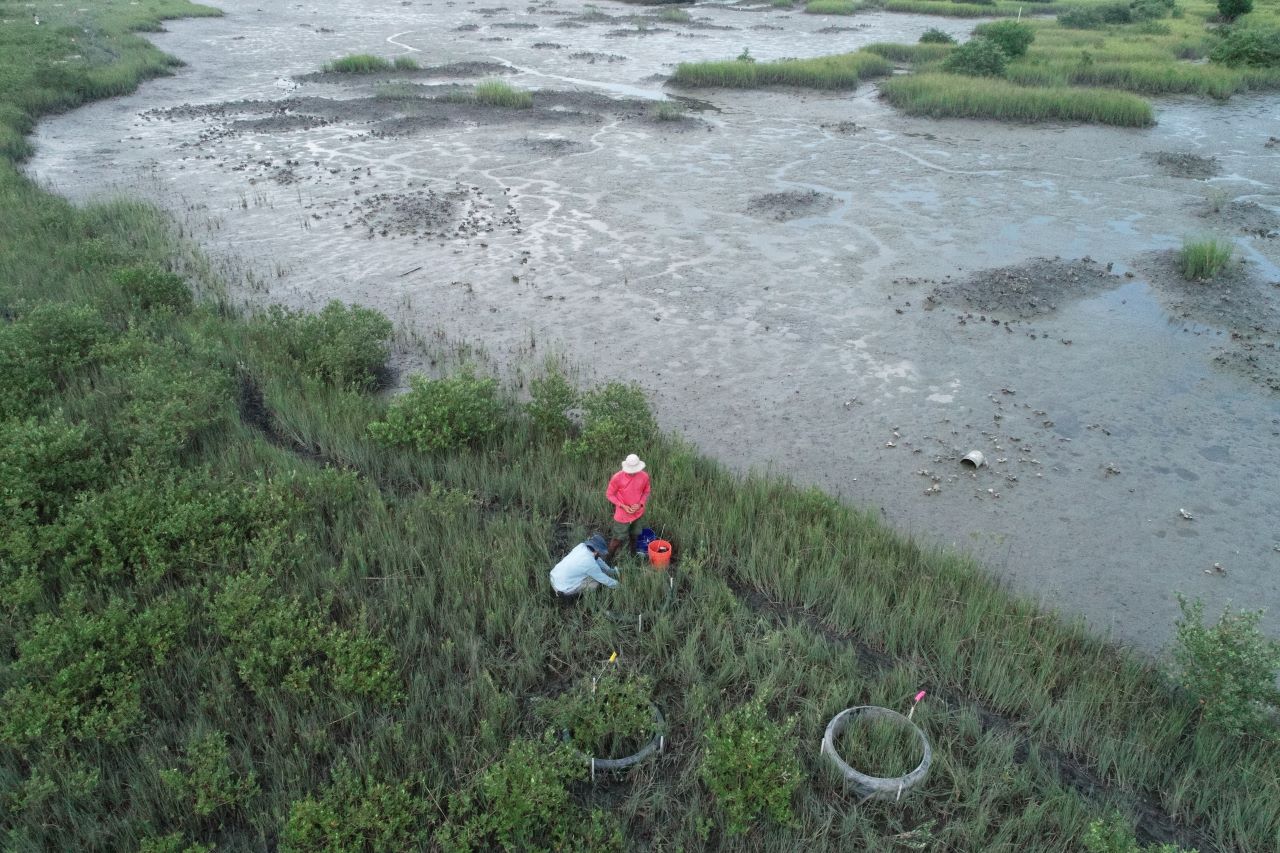
Armed with a $7 million grant from the Army Corp of Engineers, University of Florida researchers are working to bolster shoreline resilience and restore troubled wetlands in St. Augustine through nature-based solutions. “The idea of nature-based solutions is to build what we sometimes refer to as green infrastructure, to use living, natural components as the building blocks,” said Andrew Altieri, Ph.D., an assistant professor with the Engineering School of Sustainable Infrastructure & Environment and interim director of the Center for Coastal Solutions, also known as CCS. Instead of building man-made structures to protect wetlands, for example, restoration crews can move dredged natural sediment otherwise destined for costly disposal to increase wetlands’ size and elevation, restoring their ability to protect shorelines from storm surge, keep pace with sea-level change, filter toxins, store carbon and provide habitats for wildlife. The project is in concert with the Army Corps of Engineers’ goal to naturally reuse and repurpose at least 70% of dredged sediment into other natural areas to benefit habitats and restoration by 2030. “It is critical to understand, test and model how natural processes can be harnessed and strategically implemented to sustainably meet the challenge of rapidly intensifying coastal hazards while also providing environmental, economic and social benefits,” Altieri wrote in the project’s technical summary. Overall, the multi-disciplinary project closely examines patterns and processes of change in coastal landscapes. That includes wetlands — marshes and mangroves — and beach/dune systems. The project comes as these coastal areas are facing threats both natural and human. These areas are essential to wildlife, air quality, native vegetation, storm protection and the overall health of the ecosystem. A 2008 study by the U.S. Fish and Wildlife Service reported a net loss of about 361,000 acres of wetlands in the coastal watersheds of the eastern United States between 1998 and 2004 — an average net decrease of 59,000 acres each year, with experts citing sea-level rise as one of the primary factors. “We're trying to understand the patterns of that loss and what's leading to it,” Altieri said. “These systems are essentially the first and sometimes last line of defense against coastal hazards, risks that include storm surges and coastal flooding. They are forming a buffer, this kind of protective layer on our coast. But they're changing, generally for the worse and are in danger of being lost.” With this project, the CCS-led research team plans to advance the science, technology and engineering principles of nature-based solutions. With marshes, the primary concern is elevation loss, which can drown the vegetation critical to the ecosystem. They are sinking, eroding and succumbing to sea-level changes, Altieri said. “The plants are really important for trapping sediment and holding sediment,” he said. “You lose some of the plants, then you get more erosional loss and a lack of the accumulation of sediment.” Sediment is natural muck on the bottom of water bodies. “If we can add sufficient sediment to increase the elevation to a level where the plants thrive, then they will retain that sediment that's been added to hopefully trap more sediment and accumulate more biomass through their growth,” Altieri said. “It’s something that may need to be done periodically. You may stop that decline, but you may even reverse the process of loss and change the trajectory.” As a bonus, this process saves the cost of disposing of dredged sediment, which is usually piped offshore or to a materials-management area. This project is the next step for CCS-led coastal resilience efforts in St. Augustine. In 2024, CCS and WSP Environment & Infrastructure Inc. launched a coastal wetlands-restoration project to keep pace with sea level change and erosion. The 2025 work is a standalone project with separate funding, Altieri said. The current project also has more research disciplines and project partners, including UF researchers from Landscape Architecture, Geological Sciences and the School of Forest, Fisheries and Geomatic Sciences. “Storm surges, wave energy, coastal flooding – all of that can be slowed or reduced because of wetlands,” Altieri said. “They are basically like shock absorbers. These wetlands, beaches and dunes can be lost or eroded to some degree, but the upland area behind them is essentially protected.” Researching the resilience of dunes comes with a different set of dynamics. Here, they are looking at the plants that support the dunes – sea oats and panic grass, for example. That vegetation also provides a habitat for animals such as beach mice, turtles and birds. On the beach, the team also is looking at water energy and how grain size affects the stability of dunes. “It’s understanding water movement, water energy. How is that interacting with depositing sediment, moving sediment around, sorting sediment? With water, you tend to carry finer particles further than coarser materials,” he said. What does success look like after the award’s five years end? “We'll have an understanding of what's changing on our coasts and why,” Altieri said. “We'll have an understanding of how we can work within this system to modify the natural components and utilize the natural processes. And we will hopefully be working with partners through additional funding mechanisms to actually apply that towards implementation of solutions to increase coastal resilience.” The team also includes Peter Adams, Department of Geological Sciences; Julie Bruck, Department of Landscape Architecture, School of Landscape Architecture and Planning; Maitane Olabarrieta, ESSIE; Alex Sheremet, ESSIE; Nina Stark, ESSIE; Ben Wilkinson, Geomatics Program, School of Forest, Fisheries, and Geomatics Sciences; and Xiao Yu, ESSIE.


As Disney’s “Zootopia 2” barrels toward becoming the highest-grossing animated Disney movie of all-time, the box office isn’t the only place fans of the franchise are apparently flocking. Recently, CNN reported that “Zootopia 2” fans in China—where the wildly popular movie has already been crowned it’s highest-grossing foreign animated film ever—have expressed increased interest in owning Indonesian pit vipers, a striking blue and highly venomous snake portrayed as an anthropomorphic protagonist named Gary De’Snake in the film. The outlet spoke to individuals who purchased the animal after seeing “Zootopia 2” and noted surges in searches and prices among exotic pet retailers. The reported phenomenon prompts the question: can blockbuster movies really be drivers of the exotic pet trade? “I think they can,” said Ryan Almeida, PhD, an assistant teaching professor of Geography and the Environment at Villanova University who studies the exotic pet trade. “There have been a lot of anecdotal reports of movies and TV shows influencing the pet trade, but the peer-reviewed evidence isn’t there.” Causation or Correlation? Reasons for Pet Demand are Tricky to Single Out While the increased interest in the pit viper may be the latest pet trend influenced by the entertainment industry, it is certainly not the first, says Dr. Almeida, who has recently been conducting research at wildlife expos in an effort to understand more of the intricacies of various pet-related trends. In the 1980-90s, red-eared slider turtles became massively popular pets, and it just so happened to coincide with a popular new show based off the animal. “The Teenage Mutant Ninja Turtles craze, especially in the United Kingdom, probably helped drive demand for these turtles as pets,” Dr. Almeida said. “Turtle exports from the United States exploded in popularity during this time, there just is a not a peer-reviewed study demonstrating it was definitely caused by the show.” In the 2000’s, Pixar’s “Finding Nemo” and its sequel, “Finding Dory,” reportedly bolstered purchases of clownfish and blue tangs—the fish for whom those characters were modeled. Interest in owning owls as pets was also said to have spiked among Harry Potter fans in certain parts of the world amid the height of the joint movie/book popularity. Though much of the evidence of these trends is anecdotal, anecdotal doesn’t necessarily mean it didn’t happen. For instance, it’s difficult to completely discredit an exotic pet retailer who reported a 500% sales increase of an animal featured in a recent, very popular movie. But it’s also difficult to prove the causation, not to mention the scale. Dr. Almeida, who is interested in the qualities that make exotic pets desirous to consumers, says that even if sales of an animal from a movie did increase, the reasons are likely far more nuanced than just their appearance on screen. “Rarity is one important factor. We have good evidence that that certain [consumers] care a lot about rarity, that prices rise as animals become rarer and that retailers sell more animals if they are rare.” Another is morphology, or the physical structure of the animal. “Animals with unique morphology or distinctive colorations and patterns are more susceptible for these spikes in demand,” he said. “If Gary De’Snake was a brown, common garter snake and not a striking blue colored viper, I doubt we would see this attention. “I suspect that that's partially why this snake species, Trimeresurus insularis, was chosen for this movie, and why the fish representing Nemo and Dory are the ones they are, and not one of the millions of more boring looking fish species out there.” Even the on-screen portrayal, he suspects, makes a difference. “If the characters are protagonists, that could potentially either consciously or subconsciously, lead to more positive associations with the pet, especially for something like a pit viper, which probably has sort of a negative connotation to go with it in the first place. Also, the way these animals are anthropomorphized likely matters to some degree to people who report buying these animals because of the movie.” Case in point, one purchaser of the highly venomous viper told CNN that the movie helped give “reptile pets a better image,” saying of Gary De’Snake “I love his enthusiastic attitude and his sense of responsibility,” which would not be qualities associated with or displayed by the actual living species. “Attention to all of this falls in line with the same sort of things we are already know are drivers of demand in the pet trade,” Dr. Almeida said. Blockbuster Movies Probably Don’t Make Blockbuster Pet Trends Yet, while Dr. Almeida cedes that there is likely some degree of real demand for exotic pets based on movies (as evidenced by the self-reporting of people doing so for that reason), he cautions that there is very little to suggest these types of trends typically occur on large scales, especially those large enough to make any ecological impacts. He referenced a 2019 paper published by researchers at the University of Oxford, which looked at the purported increase of clownfish and blue tang sales after “Finding Nemo” and “Finding Dory.” “They found that there was an increase in the amount of people searching for the animal online, but not any evidence that retailers were importing more blue tangs, consumers were buying more blue tangs, or even that people were going to an aquarium to see them.” The findings, per the University of Oxford, suggested “that the impact of movies is limited when it comes to large scale buying of animals.” The authors also noted the role of viral media articles in suggesting this plausible causation was a hard-and-true phenomenon. Similarly, a 2017 study concluded that, contrary to popular belief, the Harry Potter series was unlikely to have increased demand for pet owls in the United Kingdom. Even if the demand was there at those larger scales, Dr. Almeida says meeting that demand could be a challenge, depending on the species. “You’d potentially have to poach them in large numbers from the wild, and that's challenging in and of itself. Or they would have to be captive bred, which for some animals is relatively easy but others not so much.” Not to mention the other roadblocks to mass exotic pet ownership. “Some of them may be tough to obtain or even illegal to own in the first place. Also, many of the consumers of films like ‘Zootopia 2’ who might feel a strong emotional pull to an animal are children, and children aren’t the ones going out and buying pets. And, even if something like this did become a large-scale trend, trends are fleeting. The long-term impact, ecologically, would be hard to predict.” But make no mistake. Pet trends certainly do happen on large scales, and whether they are caused by movies in part or not at all, they can have dire ecological consequences. Look at the case of the red eared slider. “Regardless of any possible influence from the show, these turtles are relatively easy to captive breed, so therefore relatively easy to acquire,” Dr. Almeida said. “But they are tough pets. They live a really long time and are kind of hard to care for, and that leads to people releasing them into the wild. They are now among the most invasive reptile species on the planet.” So much so, that the UK banned their sale in 1996. “It ties back to the complications of assessing certain aspects of the wildlife trade. There are so many factors, how do we get the entire picture? It’s a wicked problem.” Whether that problem includes movies with venomous, anthropomorphic snake protagonists appears unlikely, outside of a few highlighted cases. “It certainly wouldn’t be supported by much hard evidence… yet,” Dr. Almeida said. “But this is very much an under-researched phenomenon. I know I’ll keep my eye out for blue insularis next time I attend a pet expo.”


Researchers warn of rise in AI-created non-consensual explicit images
A team of researchers, including Kevin Butler, Ph.D., a professor in the Department of Computer and Information Science and Engineering at the University of Florida, is sounding the alarm on a disturbing trend in artificial intelligence: the rapid rise of AI-generated sexually explicit images created without the subject’s consent. With funding from the National Science Foundation, Butler and colleagues from UF, Georgetown University and the University of Washington investigated a growing class of tools that allow users to generate realistic nude images from uploaded photos — tools that require little skill, cost virtually nothing and are largely unregulated. “Anybody can do this,” said Butler, director of the Florida Institute for Cybersecurity Research. “It’s done on the web, often anonymously, and there’s no meaningful enforcement of age or consent.” The team has coined the term SNEACI, short for synthetic non-consensual explicit AI-created imagery, to define this new category of abuse. The acronym, pronounced “sneaky,” highlights the secretive and deceptive nature of the practice. “SNEACI really typifies the fact that a lot of these are made without the knowledge of the potential victim and often in very sneaky ways,” said Patrick Traynor, a professor and associate chair of research in UF's Department of Computer and Information Science and Engineering and co-author of the paper. In their study, which will be presented at the upcoming USENIX Security Symposium this summer, the researchers conducted a systematic analysis of 20 AI “nudification” websites. These platforms allow users to upload an image, manipulate clothing, body shape and pose, and generate a sexually explicit photo — usually in seconds. Unlike traditional tools like Photoshop, these AI services remove nearly all barriers to entry, Butler said. “Photoshop requires skill, time and money,” he said. “These AI application websites are fast, cheap — from free to as little as six cents per image — and don’t require any expertise.” According to the team’s review, women are disproportionately targeted, but the technology can be used on anyone, including children. While the researchers did not test tools with images of minors due to legal and ethical constraints, they found “no technical safeguards preventing someone from doing so.” Only seven of the 20 sites they examined included terms of service that require image subjects to be over 18, and even fewer enforced any kind of user age verification. “Even when sites asked users to confirm they were over 18, there was no real validation,” Butler said. “It’s an unregulated environment.” The platforms operate with little transparency, using cryptocurrency for payments and hosting on mainstream cloud providers. Seven of the sites studied used Amazon Web Services, and 12 were supported by Cloudflare — legitimate services that inadvertently support these operations. “There’s a misconception that this kind of content lives on the dark web,” Butler said. “In reality, many of these tools are hosted on reputable platforms.” Butler’s team also found little to no information about how the sites store or use the generated images. “We couldn’t find out what the generators are doing with the images once they’re created” he said. “It doesn’t appear that any of this information is deleted.” High-profile cases have already brought attention to the issue. Celebrities such as Taylor Swift and Melania Trump have reportedly been victims of AI-generated non-consensual explicit images. Earlier this year, Trump voiced support for the Take It Down Act, which targets these types of abuses and was signed into law this week by President Donald Trump. But the impact extends beyond the famous. Butler cited a case in South Florida where a city councilwoman stepped down after fake explicit images of her — created using AI — were circulated online. “These images aren’t just created for amusement,” Butler said. “They’re used to embarrass, humiliate and even extort victims. The mental health toll can be devastating.” The researchers emphasized that the technology enabling these abuses was originally developed for beneficial purposes — such as enhancing computer vision or supporting academic research — and is often shared openly in the AI community. “There’s an emerging conversation in the machine learning community about whether some of these tools should be restricted,” Butler said. “We need to rethink how open-source technologies are shared and used.” Butler said the published paper — authored by student Cassidy Gibson, who was advised by Butler and Traynor and received her doctorate degree this month — is just the first step in their deeper investigation into the world of AI-powered nudification tools and an extension of the work they are doing at the Center for Privacy and Security for Marginalized Populations, or PRISM, an NSF-funded center housed at the UF Herbert Wertheim College of Engineering. Butler and Gibson recently met with U.S. Congresswoman Kat Cammack for a roundtable discussion on the growing spread of non-consensual imagery online. In a newsletter to constituents, Cammack, who serves on the House Energy and Commerce Committee, called the issue a major priority. She emphasized the need to understand how these images are created and their impact on the mental health of children, teens and adults, calling it “paramount to putting an end to this dangerous trend.” "As lawmakers take a closer look at these technologies, we want to give them technical insights that can help shape smarter regulation and push for more accountability from those involved," said Butler. “Our goal is to use our skills as cybersecurity researchers to address real-world problems and help people.”



The Ads are Coming ! OpenAI is testing ads inside ChatGPT starting this month.
But there's a catch: You can’t just buy your way in ChatGPT will soon include “clearly labeled sponsored listings” at the bottom of AI-generated responses. And while the mock-ups don't appear all that sophisticated, it's important to focus on the bigger picture. We're about to see a new wave of 'high-intent advertising' that combines the targeting sophistication of social media with the purchase-intent clarity of search advertising. More on that in a moment. How Do ChatGPT Ads Work? Starting later this month, free users of the ChatGPT platform and those under 18 will begin receiving Ads at the bottom of their screens. First, they will see ChatGPT's answer to their question, which provides a comprehensive, relevant response that builds trust. Then they will see an ad for a sponsored product/service below. An ad that suddenly doesn't feel like a blunt interruption. It feels like a natural next step. This is premium placement. The user has already received value. They've been educated. And now there's a clear call to action (CTA) that's in context. Open AI has stated that their new Ads “support a broader effort to make powerful AI accessible to more people.” Translation: As they approach 1 billion weekly users across 171 countries using ChatGPT for free, OpenAI needs to offset its astronomical burn rate with ads. Makes sense. This New Era of Conversational Ads Will be Complicated But there's a structural difference with these new ads. OpenAI has stated that ads will only appear when they're relevant to that exact conversation. This means you can't just buy your way into ChatGPT Ads. In fact, with ChatGPT you are being selected because you're the right answer the user needs at that time. Put another way: When ChatGPT evaluates which sponsored products to show, it will favor brands with demonstrated authority on the topic. So unlike traditional paid search, where a higher bid gets you ranked in sponsored results, ChatGPT Ads will reward the brands whose content has already been recognized as authoritative by the AI model. Brands with strong organic visibility, topical expertise, and content that aligns with user intent will have a distinct competitive advantage from day one. Brands without that foundation will be paying premium rates to compete with established authorities. How ChatGPT's Ad Strategy is Set to Change Digital Marketing For years, CMOs have treated organic search and paid search as separate budget lines, often managed by different teams. I saw this firsthand, as I helped my client DoubleClick launch it’s first Ad Exchange network in the US market. Programmatic exchanges brought a new efficiency to digital ad buying. It was a very groovy time. This feels very different. Why? Because, the conventional wisdom has always been that paid search and ads drive immediate results while organic search plays the long game. In 2026, that strategy isn’t completely obsolete. But that type of thinking is about to get a lot more expensive for clients if they don't start to appreciate quality "organic" content and its ability to improve their paid advertising ROI. Now organic and paid need to get along, to get ahead. ChatGPT Ads Are Looking for Topical Authority that Experts Can Demonstrate When ChatGPT evaluates which sponsored products to show, it will favor brands with demonstrated authority on the topic. Brands won't simply be able to "buy" visibility. OpenAI in its announcements, has been explicit: ads must be relevant to the conversation. Relevance is determined by topical alignment, not budget. A brand spending millions on generic bidding will lose to a smaller competitor whose product is more precisely aligned with what the user actually asked. The ads aren't live yet. But the infrastructure supporting them is. Open AI, Google and many of the other generative search platforms are building very sophisticated systems that track topical authority and content quality signals. They're already reshaping how organic search, AI recommendations, and paid advertising work together. Topical Relevance + Expert Authority is the Path to Visibility in Search Investing in well-developed thought leadership programs generates compound returns. You get the organic search results plus an improvement in your paid search metrics in Generative AI search platforms. When done right, you build authority for AI citations, which then positions you better for ChatGPT ads. Remember, your organic traffic gains are built on authoritative content. They're built on being the answer that search engines and AI systems select. And once you've built that authority, it works everywhere—traditional search, AI Overviews, ChatGPT, and soon… ChatGPT ads. What To Do Before AI Ad Networks Start to Scale The early advantage will go to brands that invest in quality content right now. Organizations that invest in expert-authored, intent-aligned content over the next six months will have more AI citation visibility from Google Overviews and similar LLM's like ChatGPT. That means more trust signals, making paid ads more effective when they run. Content that is aligned with user intent: Answers a specific question. Not tangentially, not after 2,000 words of context. The answer appears in the opening paragraph, structured for AI extraction. Includes expert perspective. Generic information that could come from anywhere doesn't differentiate you. Expert insight, original research, or proprietary frameworks do. Demonstrates topical authority. A single authoritative article matters less than a cluster of related content that shows comprehensive expertise on a topic. Is structured for scanning. Clear headings (H2, H3), bullet points, tables, Q&A blocks. This structure helps both human readers and AI systems parse meaning. Remember, the brands that get the most value out of ChatGPT Ads will be the ones that built intent-aligned content years before the ads launched. They'll have topical clusters, expert perspectives, and the authority signals that make them the natural choice for sponsorship. Questions CMO’s Should Be Asking their Teams Now to Prepare for ChatGPT Ads Q. Can I pre-purchase Chat GPT Ads? As of today, there are currently no ads in ChatGPT. Open AI has announced that they will begin internal testing ads in ChatGPT later this month for Free users in the US market. Q. Do Ads influence the answers ChatGPT gives you? What about privacy? Open AI in their release states that answers are optimized based on what's most helpful to you. Ads are always separated and clearly labeled from Answers. They also state that they keep your conversations private from advertisers and will never sell your data to advertisers. Q. How do we audit our site content to ensure we're aligned with user intent? For your top 20-30 decision-stage queries (the ones that drive revenue), here's a quick test. Does the content directly answer the question in the opening paragraph? Are you including question-and-answer formats in your content? If you're burying the answer in a 3,000-word article full of tangents, you're losing visibility in organic search, and you're already failing in ChatGPT's environment. Restructure. Q. How do we prepare for ChatGPT Advertising Opportunities? Build topical authority through content clusters. Don't publish isolated blog posts. Organize your content around core topics your audience cares about. Create a long-form hub article that comprehensively covers the topic, then develop additional linked articles that dive into sub-topics and questions. Link them together. This structure helps AI systems over time, recognize your brand as authoritative on that topic, which improves both organic rankings and AI citation rates. Q. Can we still get traction with content that is not authored by experts? Generic AI-written content won't differentiate you. Get expert voices into your content. Feature your subject-matter experts, partner with practitioners, and customers to contribute original insights, case studies, or frameworks. AI systems can detect authenticity, and original expert perspectives is now a ranking signal. This is especially critical as you prepare for ChatGPT ads. OpenAI has prioritized conversations that cite authoritative sources. Q. How does content need to be structured for citations? Implement proper schema markup and structured data. AI systems extract information by parsing content structure. If your pages include proper schema markup (FAQPage, HowTo, Review, Product schema), you're making it easier for AI to pull your content into answers. This increases citation rates, which builds authority before ChatGPT ads scale. Q. How do we allocate our organic and paid programs? Own the organic + paid intersection. For your highest-intent topics, if you have a budget, invest in both organic visibility and paid campaigns. Run ads targeting the same keywords where you rank organically. This takes up more real estate on the results page and signals authority. It also gives you direct feedback on keyword performance, messaging, and landing page effectiveness—data that informs your organic content strategy and drives more citations - a virtuous cycle. Q. What types of creative will work best in these new Ad products? Until they roll out, it's unwise to make too many predictions. The safe bet here is to prepare your team for conversational advertising. ChatGPT ads won't reward traditional ad copy. They'll reward clarity, specificity, and direct value messaging. If you're used to brand-heavy, aspirational creative, this will feel foreign. Start testing conversationally-appropriate messaging now. Short, clear, problem-focused. Test on existing paid channels and refine before ChatGPT ads launch. Our Prediction When ChatGPT ads fully launch and scale, many brands that have invested in organic visibility and content quality will start to pull away from the pack. Remember…The brands that win won't be the ones with the biggest ad budgets. They'll be the ones whose content has already proven they're the right answer. They'll be the ones users already trust, already cite, and already know. The ads are coming. Are you ready?


UF water researchers develop prediction system for harmful algae
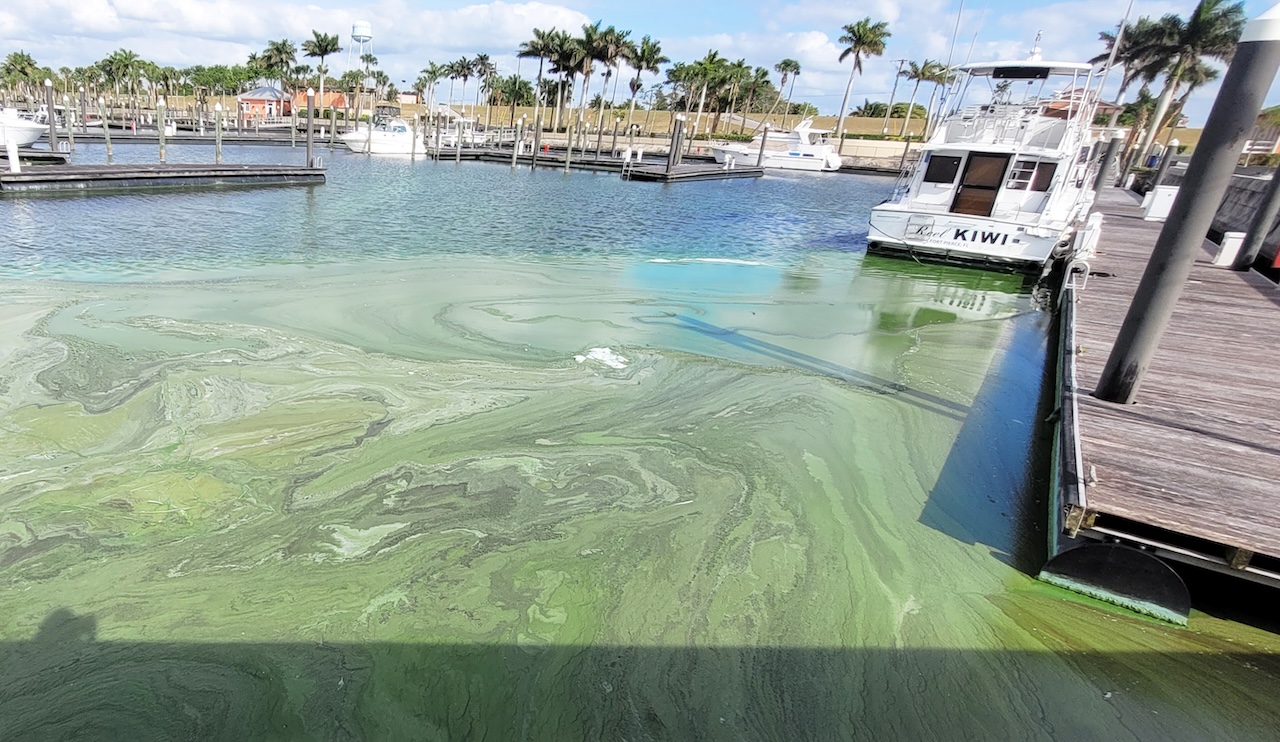
The slimy algae topping Florida’s waterways are more than just unsightly. They are often toxic to humans, animals and the environment. To mitigate those risks, University of Florida researchers are collaborating with North Carolina State University and University of South Florida scientists on a next-day prediction model to warn and inform water managers about harmful algal blooms. The research is funded by two U.S. Army Corps of Engineers grants for two phases, totaling $4.4 million. The project is led by David Kaplan, Ph.D., a professor with the Engineering School of Sustainable Infrastructure and Environment in the Herbert Wertheim College of Engineering and director of the Howard T. Odum Center for Wetlands, and Mauricio Arias, Ph.D., an associate professor at USF. In a paper published recently in the Journal of Environmental Management, Kaplan, UF assistant professor Elise Morrison, Ph.D., and NCSU’s Maria Menchu Maldonado, Ph.D., chronicled their work with harmful algal blooms in the Caloosahatchee River and Estuary, the environmentally sensitive link between Lake Okeechobee and Florida’s southwestern coast. Maldonado performed the work under the guidance of NCSU collaborator Natalie Nelson. In a collaboration between multiple colleges, organizations, departments and universities, the paper’s other authors are Eric Milbrandt of the Sanibel-Captiva Conservation Foundation, Edward Phlips of UF and Natalie G. Nelson of NCSU. The project’s facilitators include Darlene Velez, research coordinator with the UF Water Institute, and Lisa Krimsky, Ph.D., a water resources regional specialized agent with IFAS. Using water samples and computer algorithms, the team developed prediction models based on two water sources feeding the river: Lake Okeechobee and the river’s watershed – the water run-off from the surrounding land. The models determine levels of chlorophyll-a, which is a pigment in algae that is indicative of algal bloom conditions. “For watershed-dominated conditions, the model was able to predict 49% of the variation in next-day chlorophyll-a, which isn’t bad, but for lake-dominated conditions, the model was much better, explaining 78% of the variation in next-day chlorophyll-a in the water,” Kaplan noted. Unlike traditional forecasting models for algal blooms, which are often complex and require much computing power, these models are designed to be practical for daily decision-making, particularly for the Southwest Florida Water Management District (SWFWMD), which has made improving the health of the Caloosahatchee Estuary a state priority. Ultimately, researchers want to develop an algae-prediction system and tools for water managers to reduce risks in all freshwater bodies. “Definitely, this model could be expanded with the use of more data,” said Maldonado. “The same procedure could be applied in other lakes that are highly managed. And this could be done around the world.” Algal blooms in Florida’s lakes, rivers and estuaries have caused significant environmental and economic damage in recent years, UF researchers contend. Blooms are becoming more frequent and longer lasting. The initial project – called Coupling Lake, Estuarine, and Watershed Models for the Caloosahatchee River and Estuary (CLEW) – designed data- and model-driven guidance for Lake Okeechobee water releases. “The overall motivation is that Lake Okeechobee is a challenging natural resource to manage, particularly deciding when and how much water to discharge from the lake to either estuary,” Kaplan said. “There are many competing needs surrounding management of the lake, which has only so much volume. We don't want to cause flooding or other ecological harm.” The follow-up project is UF’s collaboration with USF to develop tools for end users, meaning agencies and managers to make better decisions. The team wants to deliver a system where water managers press the button to get the one-day risk forecast. The study was organized to predict whether the algae-toxin risk is low, medium or high. “In this case, there is a threshold of algal organisms that is considered harmful,” Maldonado said. “Those waters carry phytoplankton species, a microscopic algae that produce toxins. They can be dangerous to swim in, and they can be harmful to the environment. It can be a liver toxin.” Beginning in the late 19th century, the Caloosahatchee River and its watershed underwent extensive modifications that significantly altered the hydrology of the region, according to SWFWMD. The once-shallow river was deepened and widened into a regulated waterway that was connected to Lake Okeechobee and the Kissimmee Chain of Lakes for navigation, water supply and flood control purposes. “Water quality is a challenge in Lake Okeechobee, including sometimes pretty bad harmful algal blooms,” Kaplan said. “And then, of course, the downstream recipients of whatever water is discharged are very sensitive to the amount of water they're getting and what's in it. They’d prefer it to be only the right amount at only the right times with the best quality."
UF professor to expand proven disease-prediction dashboard to monitor Gulf threats
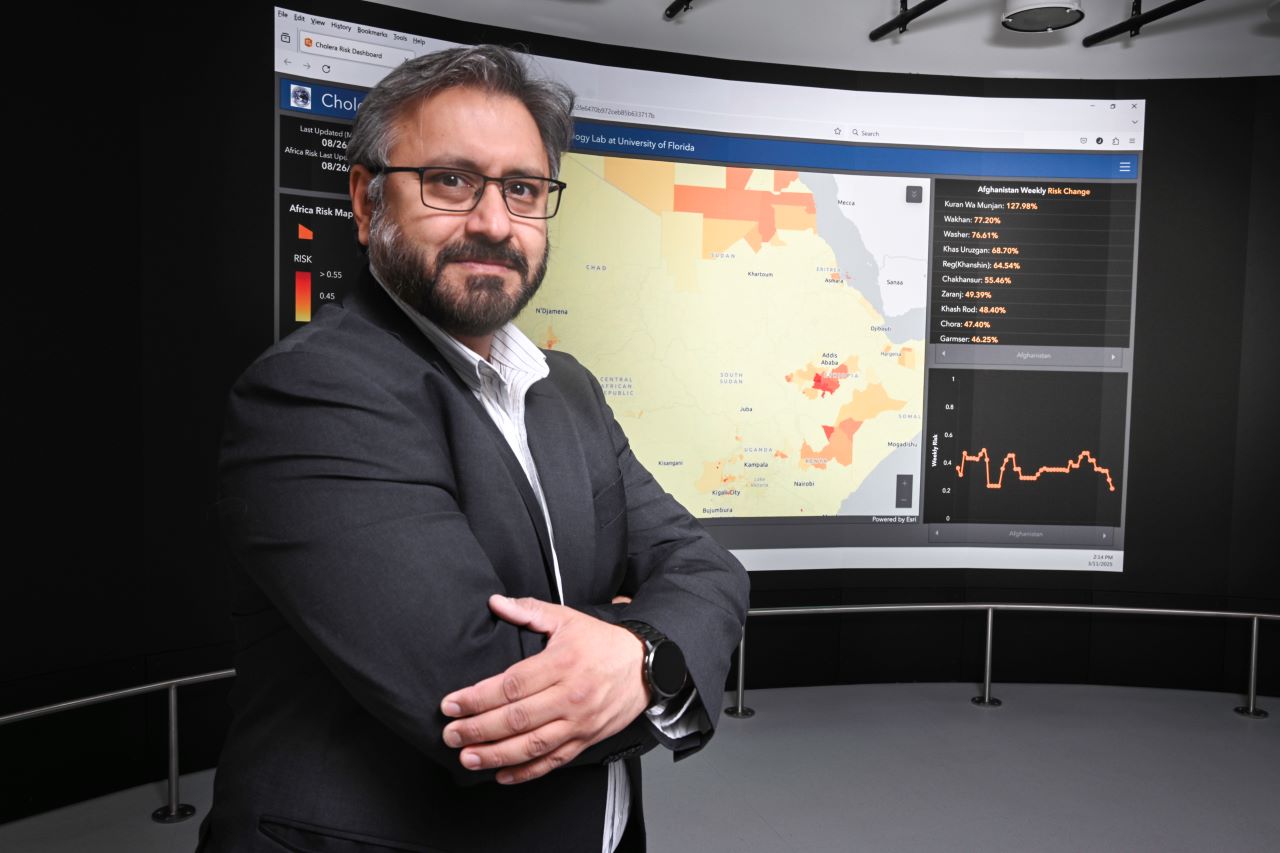
After deploying life-saving cholera-prediction systems in Africa and Asia, a University of Florida researcher is turning his attention to the pathogen-plagued waters off Florida’s Gulf Coast. In the fight to end cholera deaths by 2030 – a goal set by the World Health Organization – UF researcher and professor Antar Jutla, Ph.D., has deployed his Cholera Risk Dashboard in about 20 countries, most recently in Kenya. Using NASA and NOAA satellite images and artificial intelligence algorithms, the dashboard is an interactive web interface that pinpoints areas ripe for thriving cholera bacteria. It can predict cholera risk four weeks out, allowing early and proactive humanitarian efforts, medical preparation and health warnings. Cholera is a bacterial disease spread through contaminated food and water; it causes severe intestinal issues and can be fatal if untreated. The US Centers for Disease Control reports between 21,000 and 143,000 cholera deaths each year globally. Make no mistake, the Cholera Risk Dashboard saves lives, existing users contend. His team now wants to set up a similar pathogen-monitoring and disease-prediction system for pathogenic bacteria in the warm, pathogen-fertile waters of the Gulf of America. “Its timeliness, its predictiveness and its ease of access to the right data is a game changer in responding to outbreaks and preventing potentially catastrophic occurrences.” - Linet Kwamboka Nyang’au, a senior program manager for Global Partnership for Sustainable Development Data Closer to home Jutla is seeking funding to develop a pathogen-prediction model to identify dangerous bacteria in the Gulf to warn people – particularly rescue workers – to use protective gear or avoid contaminated areas. He envisions post-hurricane systems for the Gulf that will help the U.S. Navy/Coast Guard and other rescue workers make informed health decisions before entering the water. And he wants UF to be at the forefront of this technology. “If we have enough resources, I think within a year we should have a prototype ready for the Gulf,” said Jutla, an associate professor with UF’s Engineering School Sustainable Infrastructure and Environment. “We want to build that expertise here at UF for the entire Gulf of America.” Jutla and his co-investigators have applied for a five-year, $4 million NOAA RESTORE grant to study pathogens known as vibrios off Florida’s West Coast and develop the Vibrio Warning System. These vibrios in the Gulf can cause diarrhea, stomach cramps, nausea, vomiting, fever and chills. One alarming example is Vibrio vulnificus, commonly known as flesh-eating bacteria, a bacterium that often leads to amputations or death. The Centers for Disease Control and Prevention (CDC) has reported increases in vibrio infections in the Gulf region, particularly from 2000 to 2018. The warm and ecologically sensitive Gulf waters provide a thriving habitat for harmful pathogens. “The grant builds directly on the success of our cholera-prediction system," Jutla noted. "By integrating AI technologies into public health decision-making, we would not only lead the nation but also become self-reliant in understanding the movement of environmentally sensitive pathogens, positioning ourselves as global leaders.” Learning from preparing early Jutla’s dashboards are critical tools for global health and humanitarian officials, said Linet Kwamboka Nyang’au, a senior program manager for Global Partnership for Sustainable Development Data. “Its timeliness, its predictiveness and its ease of access to the right data is a game changer in responding to outbreaks and preventing potentially catastrophic occurrences,” Kwamboka Nyang’au said. Over the last few years, Jutla and several health/government leaders have been working to deploy the cholera-predictive dashboard. “Our partnership with UF, the government of Kenya and others on the cholera dashboard is a life-saving mission for high-risk, extremely vulnerable populations in Africa. By predicting potential cholera outbreaks and coordinating multi-stakeholder interventions, we are enabling swift action and empowering local governments and communities to prevent crises before they unfold,” said Davis Adieno, senior director of programs for the Global Partnership for Sustainable Development Data. The early warnings for waterborne pathogens also allows the United Nations time to issue early assistance to residents in the outbreak’s path, said Juan Chaves-Gonzalez, a program advisor with the United Nations’ Office for the Coordination of Humanitarian Affairs. “There are several things we do with the money ahead of time. We provide hygiene kits. We repair and protect water sources. We start chlorination, we set up hand-washing stations, train and deploy rapid-response teams. At the community level, we try to inject funding to procure rapid-diagnostic tests,” he said. “We identify those very, very specific barriers and put money in organizations’ hands in advance to remove those barriers.” Eyes on the Gulf In the United States, hurricanes stir up vibrios in the Gulf, posing a high risk of infection for humans in the water. There has been a nearly 200% increase in these cases over the last 20 years in the U.S., according to the CDC. “After Hurricane Ian, we saw a very heavy presence of these vibrios in Sarasota Bay and the Charlotte Bay region. Not only that, but they were showing signs of antibiotic-resistance. Last year, we had one of the largest number of cases of vibriosis in the history of Florida,” Jutla said. Samples from 2024 hurricanes Helene and Milton are being analyzed with AI and complex bioinformatics algorithms. “If there is a risky operation by rescue personnel, not using personal protective equipment, then we would want them to know there is a significant concentration of these bacteria in the water,” Jutla said. “As an example, Navy divers operating in contaminated waters are at risk of infections from vibrios and other enteric pathogens, which can cause severe gastrointestinal and wound infections.” Safety and economics “Exposure to vibrios and other enteric pathogens,” Jutla added, “can disrupt economic activities, particularly in coastal regions that are dependent on tourism and fishing. And vibrios may be considered potential bioterrorism agents due to their ability to cause widespread illness and panic.” In developing the Vibrio Warning System, Jutla noted, he and his team want to significantly enhance public health safety and preparedness along the Gulf Coast. By leveraging advanced AI technologies, satellite datasets and predictive modeling, they plan to mitigate the risks posed by environmentally sensitive pathogenic bacteria, ensuring timely interventions and safeguarding human health and economic activities. “Hospital systems and healthcare providers in the Gulf region will have a tool for anticipatory decision making on where and when to anticipate illness from these environmentally sensitive vibrios, and issue a potential warning to the general public,” he said. “With the potential to become a leader in environmental pathogen prediction, UF stands at the forefront of this critical research, poised to make a lasting impact on local, regional, national and global health and safety.”

J.S. Held Releases the Lending Climate in America Survey Results
Global consulting firm J.S. Held reveals the “Lending Climate in America” survey results from Phoenix Management, a part of J.S. Held. The fourth quarter survey results highlight the persisting lender views on policy decisions and their national/global impacts. The “Lending Climate in America” survey is administered quarterly to lenders from various commercial banks, finance companies, and factors across the country. We collect, tabulate, and analyze the results to create a complete evaluation of national attitudes and trends. Phoenix’s Q4 2025 “Lending Climate in America” survey asked lenders which factors could have the strongest potential to impact the economy in the upcoming six months. Forty-six percent of lenders think political uncertainty will have the strongest impact on the economy, while 41% of lenders believe geopolitical risk (war) has the strongest potential to impact the economy. Lenders continue to believe that the possibility of a U.S. recession and upcoming FOMC interest rate decisions will impact the economy. Lenders revealed what actions their customers may take in the next six months. Almost two-thirds of the surveyed lenders believe their customers will raise additional capital, while 30%+ of the surveyed lenders believe their customers will introduce new products and make acquisitions. Forty-three percent of respondents identified the retail trade industry as the most likely to experience volatility in the next six months, followed by the healthcare (social assistance) industry at 38% of respondents. Additionally, Phoenix’s “Lending Climate in America” survey asked lenders if their respective institutions plan to tighten, maintain, or relax their loan structures for various sized loans. For larger loan structures (greater than $25M), the plan to maintain loan structures remained relatively constant from Q3 to Q4, increasing by 9%. As loan sizes decrease, lenders plan to maintain their loan structures. Loans in the range of $15-25M and $5-15M saw very similar structure changes from Q3 to Q4. Loans under $5M had no change in structure. Lender optimism in the U.S. economy decreased for the near term, moving from 2.58 in Q3 2025 to 2.38. In this current quarter, there is heavy expectation of a B level performance (49%), with a majority of the remainder (41%) sitting at a C level. Lender expectations for the U.S. economy’s performance in the longer term also decreased from 2.71 to 2.46. Of the lenders surveyed, 54% believe the U.S. economy will perform at a B level during the next twelve months, virtually no change from the prior quarter. Performance expectations at the D level increased by 5%, matching the increase at a C level. To see the full results of Phoenix’s “Lending Climate in America” Survey, please visit: “Lenders are signaling heightened caution as political uncertainty and geopolitical risks dominate near-term economic concerns,” says Michael Jacoby, Senior Managing Director and Strategic Advisory Practice Lead at J.S. Held. “Confidence in the U.S. economy continues to erode, with short-term grades slipping from a weighted average of 2.58 in Q3 to 2.38 in Q4, and long-term expectations following the same downward trend. While most lenders plan to maintain current loan structures, a notable 21% anticipate tightening terms, even as 77% expect further Fed rate cuts in the coming months. Industry volatility is projected to rise sharply in healthcare, consumer products, and finance, underscoring a challenging environment for borrowers and investors alike.” To learn more about how our experts can add value to your stories in development, simply connect with Michael through his icon below.


A year in the spotlight: University of Delaware’s most notable media mentions of 2025
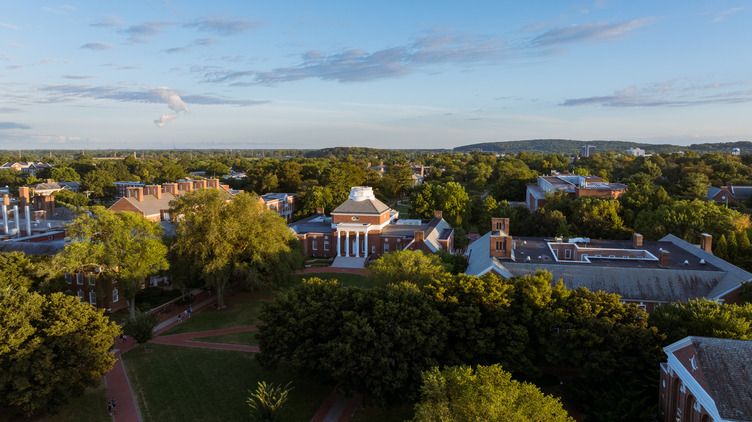
In 2025, the University of Delaware had many exceptional media mentions. Here are some of the most notable. Science coverage dominated Where will the next big hurricane hit? Ask the sharks. (The Washington Post) – Aaron Carlisle, a marine ecologist, was featured for his revolutionary work using sharks to predict major weather events. Scientists could soon lose a key tool for studying Antarctica's melting ice sheets as climate risks grow (NBC News) – Carlos Moffat, an associate professor and oceanographer, spoke about the national budget and how it's impacting climate research. These Katrina Survivors Feel Overlooked. Now, They’re Using TikTok to Tell Their Stories (Rolling Stone) – Jennifer Trivedi, a disaster researcher, spoke about why Hurricane Katrina was such a major story. Malala Yousafzai, Migration and Sustainability (Forbes) – Saleem Ali, a professor of energy and environment, contributed regularly to Forbes on environmental topics. Scientists went hunting for freshwater deep beneath the Atlantic Ocean. What they found could have global implications (CNN) – Holly Michael, a professor of Earth sciences and civil and environmental engineering, spoke about the history of freshwater. Engineering Professor Answers Electric Car Questions (WIRED) – Willett Kempton, a professor of engineering, joined WIRED to answer the internet's most interesting questions about electric cars. Plastic shopping bag policies are actually working, a new study suggests (CNN) – Kimberly Oremus, associate professor of marine science and policy, was featured in several major outlets on the effectiveness of plastic bag bans. Insects are dying: here are 25 easy and effective ways you can help protect them (The Guardian) – Douglas Tallamy, an entomologist, was featured in dozens of outlets for his expertise. Political news coverage was front and center U.S. Chamber of Commerce sues Trump administration over $100,000 H-1B visa fees (NPR) – Daniel Kinderman, a political science professor, was interviewed for his expertise on a lawsuit involving changes in work visas. The government shutdown is over, but expect more fights and higher insurance prices to come (Delaware Public Media) – David Redlawsk, a political psychologist, discussed the recent government shutdown and what an end to it signals. Wrestling Over Charlie Kirk’s Legacy and the Divide in America (The New York Times) – Dannagal Young, a communications professor, commented on how media reacted to the death of Charlie Kirk. Consequences for colleges whose students carry mountains of debt? Republicans say yes (NPR) – Dominique Baker, associate professor of education, was quoted in multiple national outlets for her education expertise. General expertise came in clutch Why the U.S. struggles with passenger service despite having the most rail lines (NPR) – Allan Zarembski, a professor of railroad engineering, was featured in dozens of national publications for his expertise. From folklore to your front porch: The history of the jack-o'-lantern (NPR) – Cindy Ott, an associate professor of history, detailed the history of this autumn staple in multiple outlets. Nexstar Media Group buying Tegna in deal worth $6.2 billion (AP) – Danilo Yanich, professor of public policy, noted the ways the media giant duplicates work across networks. Warren Buffett hired Todd Combs to take over Berkshire's portfolio one day. Here's what close watchers say about his surprise exit. (Business Insider) – Lawrence Cunningham, director of UD's Weinberg Center, was featured throughout the year for his business and economic expertise. Enlighten Me: How to make your holidays truly happy (Delaware Public Media) – Amit Kumar, a professor of marketing, discussed strategies for finding happiness during the holidays throughout the winter season. Students and their stories shined throughout the year Networking: Is it what you know or who you know? (The Chronicle of Higher Education) – UD's career-development office, which assists students on their job journeys, was featured. U of Delaware Creates Yearlong Co-Ops for Business Students (Inside Higher Ed) – A new partnership with the state of Delaware connects business students to local employers, with the goal of reducing brain drain in the region was featured. Wilmington’s 'STEM Queen' earns national Obama–Chesky honor (The News Journal/Delaware Online) – Jacqueline Means, a management information systems major, was featured for earning a national recognition. Vita Nova Restaurant Gives Culinary Students Hands-on Training (Delaware Today) – The student-staffed restaurant, Vita Nova, was featured. Delaware professor transforms writing class by teaching students to use AI as the technology reshapes the workforce (WHYY) – Matt Kinservik, a professor of English, was featured for teaching students to use AI responsibly, exploring its capabilities and fact-checking tools. Pop culture experts weighed in 'Stranger Things' expert at UD chats about Netflix show's appeal (The News Journal/Delaware Online) – Siobhan Carroll, an associate English professor, sat down with a reporter to discuss the latest season and how the horror genre is often a mirror of our real world. “Horrendous And Insulting”: Backlash Erupts Over “Misrepresentation” In 2026 Wuthering Heights (Bored Panda) – Thomas Leitch, an English professor, said that “literal adaptations of classic novels are exceedingly rare, maybe impossible.” Major changes at UD highlighted University of Delaware appoints interim president to the permanent post (The Philadelphia Inquirer) – News of UD's new president, Laura A. Carlson, was covered throughout the region. Retiree learning center gets boost with $1M gift for downstate OLLI classes (Spotlight Delaware) – a large donation to the southern Delaware chapter of the Osher Lifelong Learning Institute, was featured. To speak with any of these experts in 2026 on these stories or others, please reach out to MediaRelations@udel.edu. Happy holidays and cheers for a bright and healthy new year!