
Experts Matter. Find Yours.
Connect for media, speaking, professional opportunities & more.

The Must-Watch Scary Movies for Every Fear Factor
Spooky season has arrived, and there's no better way to get into the spirit than by enjoying some classic horror films. Whether you thrive on the thrill of a good scare or you’re more of a “hide your eyes” type, James Kendrick, Ph.D., a film historian and professor of film and digital media at Baylor University, has got you covered. From spine-tingling classics to not-so-scary flicks, Kendrick is here to help you navigate the perfect lineup of Halloween movies – no matter your fear tolerance. What makes horror movies scary? According to Kendrick, great horror films resonate with audiences by reflecting societal fears. "We are the monster," Kendrick said. Whether it's current social anxieties, cultural challenges or deep psychological fears, horror films have evolved to capture the essence of what we fear most, he said. The genre's core remains rooted in three essential elements: character and story, atmosphere and the monster. Without these, Kendrick said, the fear factor simply doesn’t work. Top 10 Horror Films Everyone Should See For those seeking true horror classics, Kendrick has developed a list of 10 must-watch films that exemplify the genre at its best. From early black-and-white masterpieces to modern independent hits, here are his recommendations: 1. Nosferatu (1922) 2. The Bride of Frankenstein (1935) 3. Cat People (1942) 4. Psycho (1960) 5. Night of the Living Dead (1968) 6. The Exorcist (1973) 7. Suspiria (1977) 8. Halloween (1978) 9. The Shining (1980) 10. The Babadook (2014) These films not only shaped the horror genre but also continue to be influential today, delving into psychological terror, societal anxieties and primal fears, Kendrick said. For the Faint of Heart: Scary Movies Without the Gore For those who want to enjoy the Halloween season without being overwhelmed by gore and violence, Kendrick offers his top 10 list of "terror" films that rely more on atmosphere and suspense than graphic horror. According to Kendrick, these terror films engage the audience emotionally and psychologically, drawing them into the fear without overwhelming them. The Innocents (1961) and A Quiet Place (2018) create tension and fear through the effective use of atmosphere, silence and emotional depth, he said. Kendrick’s top picks for lighter horror films include: 1. Vampyr (1932) 2. The Innocents (1961) 3. Kwaidan (1964) 4. Invasion of the Body Snatchers (1978) 5. The Vanishing (1988) 6. The Blair Witch Project (1999) 7. The Others (2001) 8. Take Shelter (2011) 9. Warm Bodies (2013) 10. A Quiet Place (2018) So, whether you’re a horror aficionado looking for spine-chilling classics, or just want to dip your toes into something a little spooky without the nightmares, Kendrick’s expert recommendations offer a Halloween movie night that’s perfect for everyone, thrill-seekers or scaredy-cats alike. Get your popcorn ready, turn off the lights (if you dare) and settle in for a frightfully good time this spooky season! ABOUT BAYLOR UNIVERSITY Baylor University is a private Christian University and a nationally ranked Research 1 institution. The University provides a vibrant campus community for more than 20,000 students by blending interdisciplinary research with an international reputation for educational excellence and a faculty commitment to teaching and scholarship. Chartered in 1845 by the Republic of Texas through the efforts of Baptist pioneers, Baylor is the oldest continually operating University in Texas. Located in Waco, Baylor welcomes students from all 50 states and more than 100 countries to study a broad range of degrees among its 12 nationally recognized academic divisions. Learn more about Baylor University at www.baylor.edu. ABOUT THE COLLEGE OF ARTS & SCIENCES AT BAYLOR UNIVERSITY The College of Arts & Sciences is Baylor University’s largest academic division, consisting of 25 academic departments in the sciences, humanities, fine arts and social sciences, as well as 11 academic centers and institutes. The more than 5,000 courses taught in the College span topics from art and theatre to religion, philosophy, sociology and the natural sciences. The College’s undergraduate Unified Core Curriculum, which routinely receives top grades in national assessments, emphasizes a liberal education characterized by critical thinking, communication, civic engagement and Christian commitment. Arts & Sciences faculty conduct research around the world, and research on the undergraduate and graduate level is prevalent throughout all disciplines. Visit the College of Arts & Sciences website.



NarrA.I.tive empowers storytellers by merging AI and traditional artistic crafts
Irvine, Calif., Aug. 26, 2024 — Beall Applied Innovation at the University of California, Irvine has announced the launch of NarrA.I.tive, a groundbreaking initiative that blends the university’s academic strengths with the global entertainment industry and the innovative spirit of Orange County to harness artificial intelligence as a force for good across creative industries. “As AI’s influence expands, the opportunity and responsibility to steer it in positive directions is crucial,” said Errol Arkilic, UC Irvine’s chief innovation officer. “Through NarrA.I.tive, we redirect doom-and-gloom scripts to scripts of inspiration, education and enthusiastic support for creators as artificial intelligence increasingly influences the industry.” NarrA.I.tive’s action plan includes establishing UC Irvine and Orange County as global leaders in reshaping the artistic and technological ecosystem surrounding storytelling, attracting partners and collaborators to support the state-of-the-art initiative, creating revenue-generating content and tools, unifying academic excellence with emerging content production methods, and developing a structure for efficient project execution and student involvement. Supporting NarrA.I.tive’s impact, Beall Applied Innovation has established a strategic collaboration with Apples and Oranges Arts, an Orange County-based nonprofit entertainment and education studio co-founded by UC Irvine alumnus Tim Kashani ’86, MBA ’88, and his wife, actress Pamela Winslow Kashani. Started in 2008, Apples and Oranges Arts empowers storytellers to become creative entrepreneurs by combining educational platforms, technological integration, and a thriving community of new and existing voices. “Through NarrA.I.tive, we blend the magic of storytelling with the power of technologies such as artificial intelligence and extended reality, creating narratives that touch hearts and minds in ways previously unimaginable,” Tim Kashani said. “This collaboration marks a new era of creativity and technology alignment that requires ethical stewardship placing the human front and center.” In July, Apples and Oranges Arts and Beall Applied Innovation finalized plans for the NarrA.I.tive Story Studio, to be located at the Cove@UCI in the campus’s Research Park. Apples and Oranges Arts will lead the studio’s charge through training in new technologies that drive the entertainment industry’s future and through collaboration with UC Irvine schools, involving students and faculty in tool development and content production. “We invite storytellers, technologists, philanthropists, investors and the global community to join us in reshaping the future of storytelling,” said Stuart Mathews, director of industry alliances at Beall Applied Innovation. “Together, we will explore the expanding possibilities that AI and technology bring to the narrative arts, redefining how stories inspire, entertain and elevate the human experience.” About the University of California, Irvine: Founded in 1965, UC Irvine is a member of the prestigious Association of American Universities and is ranked among the nation’s top 10 public universities by U.S. News & World Report. The campus has produced five Nobel laureates and is known for its academic achievement, premier research, innovation and anteater mascot. Led by Chancellor Howard Gillman, UC Irvine has more than 36,000 students and offers 224 degree programs. It’s located in one of the world’s safest and most economically vibrant communities and is Orange County’s second-largest employer, contributing $7 billion annually to the local economy and $8 billion statewide. For more on UC Irvine, visit www.uci.edu. Media access: Radio programs/stations may, for a fee, use an on-campus studio with a Comrex IP audio codec to interview UC Irvine faculty and experts, subject to availability and university approval. For more UC Irvine news, visit news.uci.edu. Additional resources for journalists may be found at https://news.uci.edu/media-resources.


If You Hate University Rankings Here’s One You Might Like
If your university cares about fostering research and innovation and you haven’t heard of the PitchBook Startup Index, you might want to pay closer attention to this data. While it doesn't look like the PitchBook folks are aiming to be a big player in the world of academic rankings, their detailed tracking activity of startup investments, which includes deal size, school affiliation, and employees, gives us a window into how each institution is performing on startup activity. Why This Is a University Ranking We Can Trust It's Objective: These rankings are based on detailed startup data that PitchBook dutifully tracks as part of many paid services it provides for clients that include VC's, Private Equity Funds and government agencies. The investors who pay for access to the underlying data expect accuracy and there is a considerable amount of meta information available for tracking as startups raise money and hire employees. It's Simple: The PitchBook rankings are free of the typical complexity found in other rankings such as the US News & World Report. They simply use a few key metrics including the number of startup founders affiliated with new ventures created at each institution and how much investment capital they have raised. It's Revealing: Ranking this data as a Top 100 Index gives us a good comparative view of which Universities are doing a good job of creating an entrepreneurial environment that stimulates learning and research while attracting investment capital and creating high-value jobs. Universities Need to Tell the Story Behind this Data to Build Support for Their Research & Startups This data is followed closely by University Research and Tech Transfer Offices. However, it should also be actively used by other departments, such as University Marketing and Communications, Government Affairs, Enrolment and Fundraising/Development which need to build support with legislators, policymakers, funding agencies, donors, and corporate partners - and yes, new student prospects. The relevance and accuracy of these rankings make this an important opportunity for you to tell your story and engage these audiences. "Promoting stories about your startups provides the perfect opportunity to demonstrate the relevance of your programs and narrow the gap between "town and gown." It's an opportunity to show how your faculty experts and researchers are nurturing innovation through startups to improve the lives of people in your local community and beyond." Did Your University Make the List? If the answer is yes, congrats! We would be remiss if I didn't recognize our clients who made the Top 100. Take a bow University of Florida, Vanderbilt University, University of Massachusetts, Michigan State University, University of California, Irvine and Rensselaer Polytechnic. Now it's time to get to work. As someone who has worked closely with startups and Universities over the past two decades, I see the immense value they create. That's why I'm surprised whenever I see university marketing teams missing valuable opportunities for promoting their faculty and research through the lens of startup activities. The Benefits of Celebrating Startups Research on startups (Shenkoya, 2023) shows that key factors such as access to research funds, dedicated faculty, size of dedicated staff (academic and non-academic), access to practical entrepreneurship courses, and non-regular curriculum startup activities are key factors responsible for success of University startups. However, proper funding for these programs in a challenging environment requires that Universities more effectively communicate the value they are delivering. Here's where you can shine: Media: This is an obvious opportunity, especially with local outlets. It provides the perfect opportunity to demonstrate the relevance of your programs and narrow the gap between "town and gown." Show how these startups are looking to improve the lives of people in the community. Corporate Partners: Startups are a natural focal point for conversations with industry partners, especially when you can speak to key market sectors and breakthrough research that faculty are focused on. Speak to how you are giving them more direct access to a pool of talented graduates. Also, don't forget to speak to programs you may be running in the areas of internships, mentorship programs, sponsored research, and curriculum development. Don't forget that engaging in educational partnerships helps companies improve their CSR profile, which can enhance their public image and brand. Also, explore how partners can financially support needed infrastructure improvements on the campus with funding for new facilities or new equipment. Students: Giving startups an opportunity to tell their stories and celebrate their achievements is one of the best ways to demonstrate how you are aligning your educational and entrepreneurship programs with industry needs. And don't forget to include your corporate partners. As employers, they are in the best position to show how you are preparing students for next-generation jobs. Show students how they will get direct exposure to the industry through programs you may be running, such as co-op terms, internships, and mentorships, and startup events such as boot camps and pitch competitions. Government: The data clearly shows that startups create high-value jobs and contribute to GDP growth. But governments today need constant reassurance that the funds they put into education and research are generating impact. You have to show the relevance of your startups by outlining how they are solving big societal problems that matter to voters. How are your startups leading socio-economic transformation for local communities and competing effectively on a global stage? Tips for Telling Your Startup Stories Focus on People Humanize your story by speaking directly to how founders and their teams are approaching key market and societal challenges. Focus on important "origin story" elements such as their personal challenges or insights that led them to their first discovery. Focus on notable collaborations they formed. How were faculty members or alumni involved in helping with research and market development or industry relationships? Create a story arc. Give your audience an appreciation for how hard startups are and the amount of uncertainty and risk they face in developing new innovations. Startups are not an overnight success. People are even more inspired by non-linear journeys that show the grit and determination that founders need to bring to their startups. Focus on Programs Always be thinking about how founders and their stories can help boost student enrolment by connecting their origin stories to specific experiences they had on the campus. Ask them how specific courses and programs prepared them for their entrepreneurial journey. Also ask them what other experiences such as campus mentorship programs, hackathons or pitch competitions helped them achieve specific breakthroughs and milestones. Focus on Photos & Videos Startups provide a great opportunity to engage your audience visually. Go beyond boring headshots, monolithic campus buildings, and staged stock images. Instead, use imagery that shows people creating new and exciting things together. This is not a time to be shy about asking founders, faculty, and funders to get in the shot and be recognized for their contributions. While you may think photo ops are overly promotional, they often help your partners communicate back to their constituency the importance of supporting your work. Walk the campus to get behind the scenes and show lab facilities, technology prototypes, and in-field work. Partners Profile notable investors, faculty, foundations, government agencies, alumni and corporate partners who may have invested time, money and other resources that help validate the quality of the startups you are helping build. Remember, startups are like a barn-raising, that involves a larger community. Give these partners an opportunity to be visible part of the story and they will celebrate with you and amplify your message to reach a bigger, more engaged audience. Proof Show evidence that the startups you are supporting are making a difference. Use your startups as an opportunity to speak to the bigger picture of why your institution matters. Speak to how they are tackling bigger challenges in areas such as environment, healthcare, social justice, the economy, physical infrastructure, security, election integrity and social innovation. Also make sure to demonstrate measurable impact in key areas such as: Total Addressable Market Job creation Investment activities Industry Awards Partnerships Patents Customer /Revenue Milestones It's Your Time to Shine In an era where impact is increasingly measured by the ability to translate research into real-world applications, universities have a unique opportunity to show the value of their startup ecosystems. But you need to get the stories out beyond the campus. Use your momentum to build a compelling narrative that makes your startups the heroes of your institution's story.


University of Delaware's Center for Political Communication unveils new vision, goals and leadership
The University of Delaware's Center for Political Communication (CPC) is excited to announce a transformative new chapter with the unveiling of its updated vision, goals and leadership for 2024 and beyond. Since its founding in 2010, the CPC has been at the forefront of innovative public opinion research on politics and media, always with an eye towards protecting and improving American democracy. With this new chapter, the CPC is actively integrating political psychology (the study of how and why people make political judgments and form political beliefs) into the study of public opinion and media effects. “Our vision is responsible democracy-centered journalism informed by our rigorous research on Americans’ thoughts, feelings, knowledge and behaviors,” says Dr. Dannagal Young, incoming Director of the Center for Political Communication. “In a few weeks, will be releasing new data on Americans’ knowledge and beliefs about abortion – an issue on which there are widespread misperceptions. Later this fall we are also launching an interdisciplinary initiative to understand the relationship between Americans’ personal wellbeing and their support for democratic institutions and norms.” By producing high-quality research at the intersection of media, politics and psychology, the CPC strives to elevate public conversations and inform news coverage to improve democratic health. Additionally, the Center seeks to serve as a vital resource for journalists, offering expert commentary and empirical data to encourage democratically responsible journalism. With this new direction comes new leadership, bringing together a team of esteemed scholars from Political Science, Communication and Journalism: Director Dr. Dannagal Young, Professor in the Departments of Communication and Political Science and International Relations, TED speaker, and author of Wrong: How Media, Politics, and Identity Drive our Appetite for Misinformation (Johns Hopkins, 2023) and Irony and Outrage: The Polarized Landscape of Rage, Fear, and Laugher in the U.S. (Oxford, 2020). Areas of Expertise: Misinformation, Political Satire, American Politics, the Psychology of Media Effects. Associate Director Dr. Erin Cassese, Professor in the Departments of Political Science and International Relations, Communication, and Women and Gender Studies, co-author of Abortion Attitudes and Polarization in the American Electorate (Cambridge, 2024). Areas of Expertise: Gender, Abortion, Public Opinion, Campaigns and Elections. Director of Research Dr. Phil Jones, Associate Professor in the Department of Political Science and International Relations, current Editor-in-Chief at Public Opinion Quarterly. Areas of Expertise: Electoral Politics and Public Opinion. Director of Engagement Dr. Lindsay Hoffman, Associate Professor in the Departments of Communication and Political Science and International Relations, and research leader for the American Council of Trustees and Alumni two-year Braver Angels project funded by the John Templeton Foundation. Areas of Expertise: Communication across Difference, Media Technologies, and Political Participation. Delaware Politics Director Dr. Paul Brewer, Professor in the Departments of Communication and Political Science and International Relations, co-author of Science in the Media: Popular Images and Public Perceptions (Routledge, 2021), former editor of the International Journal of Public Opinion Research. Areas of Expertise: Delaware Politics, Media effects, Political and Science Communication, Public Opinion, and Perceptions of Science. Delaware Debate Director: Nancy Karibjanian, Director of the University of Delaware’s Journalism program, faculty member in the Department of Communication, and former Director of the CPC with 30 years of broadcast experience. Areas of Expertise: Broadcast Journalism, and Delaware Debates. The CPC’s goals reflect its commitment to a vibrant and collaborative research environment that engages scholars and students at all levels. The CPC will continue to spearhead interdisciplinary research across the domains of communication, political psychology, public opinion, media effects, and public policy. The Center offers applied research opportunities for both graduate and undergraduate students in communication and political science, as well as an undergraduate minor in political communication, thus mentoring the next generation of scholars and practitioners. The CPC is proud to put its academic research to work in service of American democratic health.


Stephen Pearlman, M.D., Honored for Excellence in Neonatology Education
Stephen Pearlman, M.D., MSHQS, will receive the 2024 Avroy Fanaroff Neonatal Education Award at the American Academy of Pediatrics’ annual meeting in September. This honor, presented by the AAP’s section on Neonatal-Perinatal Medicine, recognizes an educator who makes outstanding contributions in neonatal-perinatal medicine for health care students, professionals or the public. Pearlman, an expert in neonatology, intensive care and pediatrics, is clinical effectiveness officer for acute care at ChristianaCare. He is also professor of pediatrics at Sidney Kimmel College of Medicine at Thomas Jefferson University. “Stephen is deeply committed to excellence in neonatal education and the highest quality care,” said Kert Anzilotti, M.D.,MBA, system chief medical officer at ChristianaCare. “As a faculty member, physician and leader, he continues to make a lasting impact at ChristianaCare and beyond with his pioneering initiatives in quality improvement and safety in health care.” A faculty member for almost 40 years, Pearlman has served ChristianaCare in clinical, educational and administrative roles. Among them, he was chair of the Pediatric and Neonatal Safety Committee, director of Neonatal Quality Improvement, associate director of Neonatology and director of Pediatric Medical Education. Pearlman has led initiatives that have been spotlighted by the federal government as exemplars of how to improve safety at health systems. He developed an innovative quality-improvement curriculum for neonatal fellows, which the Organization of Neonatal-Perinatal Training Program Directors adopted. “I’m passionate about educating clinicians about ways to improve the quality of patient care, so it’s humbling to receive this recognition,” Pearlman said. “I am honored to have been selected as a recipient of this award.” Pearlman is also an associate editor of Quality Improvement for the Journal of Perinatology and an executive committee member of the American Academy of Pediatrics’ Perinatal Section.



Sport and Study: Villanova University Faculty Offer Academic Lens to Paris Olympics Storylines
All eyes are on Paris: more than 10,000 athletes from 206 nations are set to compete in the Games of the XXXIII Olympiad, the third Olympics in the City of Love and the first since 1924. Below, Villanova University faculty members provide their academic expertise on the unique storylines and narratives already taking place as Paris 2024 gets underway. Portraying a National Image in the Opening Ceremony Étienne Achille, PhD Director of French and Francophone Studies After months of speculation, the daily Le Parisien has officially confirmed that renowned French-Malian singer Aya Nakamura will lend her vocals to an opening ceremony featuring an iconic backdrop steeped in history. “Nakamura is the most-streamed Francophone singer in the world, embodying France’s culture on a global stage, and she’ll be paying homage to one of the most cherished representatives of the chanson française,” said Dr. Achille, referring to reports she will sing one of beloved French crooner Charles Aznavour’s greatest hits. According to Dr. Achille, the pop star’s presence is significant and symbolic. “A performer, or even a flagbearer, can easily become the face of a global event like the Olympics,” he said. The details of the setting for the ceremony – in the heart of Paris, along the Seine – are just as intentionally symbolic. “Not only will this be the first opening ceremony to take place entirely outside of a stadium; its location along the river and the fact the delegations will be on boats are key. “It represents movement and connection to the world,” Dr. Achille said. “And Nakamura’s performance projects the image of a modern, multi-ethnic nation building on tradition while proudly marching into the future.” Swimming in the Seine: Safe or Not? Metin Duran, PhD Professor of Civil and Environmental Engineering It is, perhaps, the most-asked question of the last few weeks. Is the Seine River, set to host multiple swimming events, safe? The river has been illegal to swim in for a century due to the presence of harmful bacteria such as E. Coli, and recent testing has reaffirmed this concern. The Seine, which had undergone an expensive cleaning to mitigate this issue, received the endorsement of Paris Mayor Ann Hidalgo, who personally took a dip in the water herself to attest to its safety. The stunt did little to convince experts such as Dr. Duran, who studies wastewater, to abandon concern about the potential health risks of athletes being exposed to pathogens in the water. “When we have fecal pollution, there is a high likelihood of pathogens being present,” Dr. Duran said. “Those could be viral, like a norovirus, or protozoan. “If you’re swimming in that water, you run the risk of ingesting it. Once you ingest that polluted water, you’re likely to contract some of those disease-causing pathogens. Ingesting this water doesn’t mean you’re necessarily going to get sick, but based on the number of people in a big city like Paris, there is a very high likelihood of some of these pathogens existing now in the river.” Accommodations for Breastfeeding Athletes Sunny Hallowell, PhD, APRN, PPCNP-BC Associate Professor of Nursing The IOC and Paris 2024 Organizing Committee is providing support to all breastfeeding athletes competing in the Games. A few national governing bodies, like the French Olympic Committee, are going a step further and offering hotel rooms near the Village for their country’s breastfeeding athletes to share with their children and spouses. “A few decades ago, the idea of a female athlete who also wanted to breastfeed their child was so taboo it may have prevented an athlete from competing,” said Dr. Hallowell. “Now, many female athletes who choose to breastfeed their newborns or toddlers conceptualize breastfeeding as another normal function of their remarkably athletic bodies.” Accommodation for breastfeeding athletes and increased awareness are needed more than ever. Dr. Hallowell notes that in addition to changing views on breastfeeding, the needs for such accommodations are increasing as the age of peak athletic performance also increases. “Advances in sports nutrition, wellness and lifestyle have extended the longevity and performance of many athletes into adulthood,” she said. And while some athletes with rigorous training regimens might feel “frustrated incorporating breastfeeding into the routine,” Dr. Hallowell says that for others, “breastfeeding provides both physical and socio-emotional benefits for the mother and the infant that allow the athlete to focus on the job of competition.” Protecting Against the Parisian Heat Ruth McDermott-Levy, PhD, MPH, RN, FAAN Professor of Nursing The potential for extreme heat in Paris has been a topic of concern for athletes and organizers, prompting certain outdoor events to be proactively scheduled at times to avoid the day’s worst heat. Current forecasts predict temperatures in the 90s for several days early on in the Games, which could be exacerbated by Paris’ reputation as an urban heat island, unable to cool due to lack of green space and building density. Dr. McDermott-Levy says the athletes are inherently vulnerable, because “the added stress of physical exertion during their events puts them at greater risk of heat-related illness.” But she also notes that many of the athletes have likely undergone pre-competition training in extreme heat conditions to acclimate and will have trainers and health professionals monitoring them frequently. “The group of concern are the workers at the stadiums, outdoor workers and spectators who are there to enjoy or work at the events and may have had little to no acclimation,” Dr. McDermott-Levy said. “They need to follow local instructions and take frequent breaks from the heat, seek shade and maintain hydration by avoiding alcohol and sugary drinks and drinking water.” How Nature Can Inspire Future Use of Olympic Infrastructure Alyssa Stark, PhD Assistant Professor of Biology Gone, hopefully, are the days of abandoned Olympic Villages and venues, overrun with weeds and rendered useless soon after the Games conclude. The IOC’s commitment to sustainability has been transparently relayed ahead of the 2024 Games, featuring a robust range of initiatives and programs. Dr. Stark is particularly interested in one aspect of ensuring a sustainable Olympics. “How will the structures, materials and systems they developed for the Olympics be re-used, re-shaped or re-worked afterward?” she posed. “This could include re-using buildings to larger scale or re-working transportation systems set in place for the Games that could then integrate into day-to-day life post Olympics.” At the root of her interest is the concept of biomimicry. “A lot of the way we think about designing, if we’re using this biomimicry lens, is how do we learn from nature to solve problems that we have in a sustainable way, keeping in mind the environment we are in?” Dr. Stark said. In this case, consider how something like a dwelling of a living creature might be repurposed to fit the needs of another creature, or serve another natural purpose, without harming the ecosystem. Could that inspire a way to re-use the Olympic infrastructure? “There are a ton of examples of [biomimicry] being used and working in products,” Dr. Stark said. “But I would say the next step is looking at the social levels of these big ecosystems – building architecture, city planning, flow of information and, in this instance, repurposing what was created for the Olympics.” Paris Could Be a Transportation Model for Major City Events in the United States Arash Tavakoli, PhD Professor of Civil and Environmental Engineering Paris has invested 250 million Euro the last several years to transform the city to a 100% cycling city, making it one of the most bike-friendly municipalities in the world. Currently, more trips are being made by bicycles in Paris than by cars (11% vs. 4%), a trend that has permeated to the surrounding suburbs as well. With an influx of travelers in Paris for the Games, Dr. Tavakoli, an expert in human transportation, said, “The Olympics will be a test for how well these kinds of systems respond to high fluctuations in the population as compared to vehicle-centric systems.” While Paris is thousands of miles away from the United States, how bicycle, pedestrian and vehicle systems work during the Games could provide helpful insight ahead of major events in American cities. “With the World Cup coming to the U.S. in a few years, it will be interesting to compare [Paris] with how our own system responds to people’s needs,” Dr. Tavakoli said. “Not just based on traffic data and congestion, but also considering factors like how comfortable the transportation system is, how much it affects our well-being and how much it attracts a nonresident to enjoy the U.S. when their only option, for the most part, is a vehicle.”


Higher education, biotech and innovation - will the future be part of the 2024 campaign?
As the RNC brings national attention to Milwaukee, discussions are expected to cover pivotal topics such as biotechnology, innovation, and higher education. And as the Republican National Convention 2024 begins, journalists from across the nation and the world will converge on Milwaukee, not only to cover the political spectacle but also to dig deeper on the key issues that may decide the election. To help visiting journalists navigate and understand these issues and how and where the Republican policies are taking on these topics our MSOE experts are available to offer insights. Dr. Wujie Zhang, Dr. Jung Lee, Dr. Eric Baumgartner, Dr. Candela Marini, and Dr. John Walz are leading voices nationally on these important subjects and are ready to assist with any stories during the convention. Dr. John Walz President Expertise: Thought leadership on higher education, relevancy and value of higher ed View Profile “Engineering is not a very diverse field,” Walz said. “I want to continue to push those boundaries and make our programs open, to see more and more under-represented students come here and succeed here, and do well here.” MSOE president John Walz works to make 'hidden gem' not so hidden. Milwaukee Journal Sentinel May 17, 2023 Dr. Wujie Zhang Professor, Chemical and Biomolecular Engineering Expertise: Biomaterials; Regenerative Medicine and Tissue Engineering; Micro/Nano-technology; Drug Delivery; Stem Cell Research; Cancer Treatment; Cryobiology; Food Science and Engineering (Fluent in Chinese and English) View Profile “We accidentally noticed that we can make the hydrogel particle red blood cell shaped,” he explains. “We started then to make artificial red blood cells to mimic pretty much all aspects of red blood cells.” You're Somebody's Type MKE Lifestyle January 24, 2020 Dr. Jung Lee Professor, Chemical and Biomolecular Engineering Expertise: Bioinformatics, drug design and molecular modeling. View Profile Dr. Eric Baumgartner Executive Vice President of Academics Expertise: Thought leadership on higher education, relevancy and value of higher ed, role of A.I. in future degrees and workforce development. View Profile MSOE serves as an educational resource to Wisconsin companies is building an A.I.-ready workforce. In 2018 MSOE was the first in the nation to launch a B.S. in Computer Science with a sole focus on A.I. and machine learning. Wisconsin Governor’s Task Force on Workforce and Artificial Intelligence December, 2023 Dr. Candela Marini Assistant Professor Expertise: Latin American Studies and Visual Culture View Profile “Contrary to stereotypical images of Native Americans trying to stop ‘progress’ by fighting against mines and pipelines projects, the Menominees’ sustainable forestry stands out as a clear example of resource management that actually thinks about, and works for, the future,” said Marini. The MSOE Mindset visits the Menominee Indian Reservation MSOE Online April 11, 2019 . . . Media Relations Contact To schedule an interview or for more information, please contact: JoEllen Burdue Senior Director of Communications and Media Relations Phone: (414) 839-0906 Email: burdue@msoe.edu . . . About Milwaukee School of Engineering (MSOE) Milwaukee School of Engineering is the university of choice for those seeking an inclusive community of experiential learners driven to solve the complex challenges of today and tomorrow. The independent, non-profit university has about 2,800 students and was founded in 1903. MSOE offers bachelor's and master's degrees in engineering, business and nursing. Faculty are student-focused experts who bring real-world experience into the classroom. This approach to learning makes students ready now as well as prepared for the future. Longstanding partnerships with business and industry leaders enable students to learn alongside professional mentors, and challenge them to go beyond what's possible. MSOE graduates are leaders of character, responsible professionals, passionate learners and value creators.





Water, resources and infrastructure
Across America we're seeing flooding, drought, epic storms and reservoirs running dry. Water, how it is controlled and regulated is an emerging topic. And for the next four years, with the unknown impacts of climate change - water will be on a lot of people's minds. And as the Republican National Convention 2024 begins, journalists from across the nation and the world will converge on Milwaukee, not only to cover the political spectacle but also to dig deeper on the key issues that may decide the election. To help visiting journalists navigate and understand the depth of Milwaukee's heritage and modern vibrancy, our MSOE experts are available to offer insights. Professor William Gonwa has worked in the fields of wastewater collection, storm water management, and flood protection since 1984. His research focuses on the water resources area of civil engineering including collection systems and stormwater management. He received his doctorate from Marquette University, his masters from the University of Kentucky, and his bachelors from the University of Wisconsin-Madison, all in civil and environmental engineering. . . . Dr. William Gonwa Professor, Civil Engineering Expertise: Water Resources, Sewers, Storm Water, Civil Engineering education View Profile One may hear of news reports of large events and notice that they appear to occur more frequently than they might expect (i.e. a 100-year storm is reported in the news in the Detroit region more often than once every 100 years). A casual observer not well versed in what these rainfall statistics mean might be tempted to blame this on climate change, but the dynamic described here is not the result of just climate change. It is the result of the large size of the city of Detroit and the fact that rainfall frequencies are published for a point rainfall, not regions. This regional rainfall effect will occur in any metropolitan area with a large geographic extent. Why properly characterizing large storms is critical for stormwater professionals Stormwater Solutions June 07, 2024 . . . For further information and to arrange interviews with our experts, please contact: JoEllen Burdue Senior Director of Communications and Media Relations Phone: (414) 839-0906 Email: burdue@msoe.edu . . . About Milwaukee School of Engineering (MSOE) Milwaukee School of Engineering is the university of choice for those seeking an inclusive community of experiential learners driven to solve the complex challenges of today and tomorrow. The independent, non-profit university has about 2,800 students and was founded in 1903. MSOE offers bachelor's and master's degrees in engineering, business and nursing. Faculty are student-focused experts who bring real-world experience into the classroom. This approach to learning makes students ready now as well as prepared for the future. Longstanding partnerships with business and industry leaders enable students to learn alongside professional mentors, and challenge them to go beyond what's possible. MSOE graduates are leaders of character, responsible professionals, passionate learners and value creators.

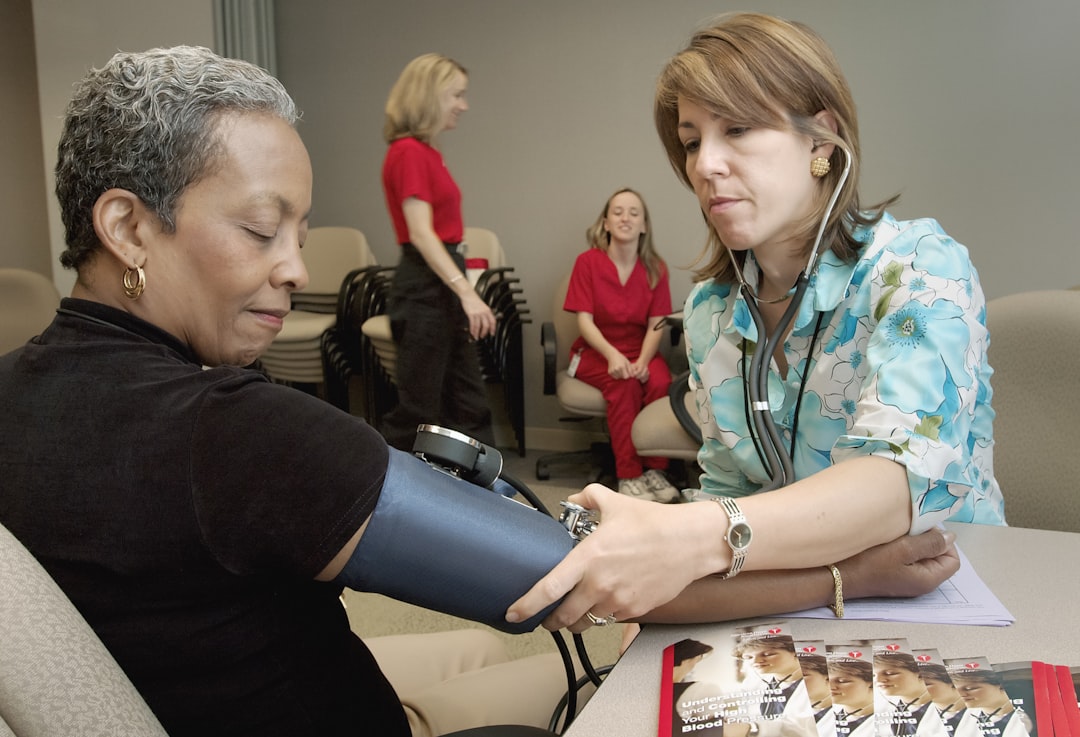
The pandemic and who reacted better has been debate fodder for the campaigns of Donald Trump and Joe Biden already this election. The pandemic, preparing for the next one is just one of several key public health issues that America is dealing with. Opioids, obesity and nutrition are just a few others. And as the Republican National Convention 2024 begins, journalists from across the nation and the world will converge on Milwaukee, not only to cover the political spectacle but also to dig deeper on the key issues that may decide the election. To help visiting journalists navigate and understand the depth of Milwaukee's heritage and modern vibrancy, our MSOE experts are available to offer insights. Robin Gates is a nurse executive with a wide range of experience in community home, health and hospice, organ and tissue donation, managing primary care clinics, and clinical trials involving medical devices and pharmaceuticals. She has also worked as a nurse educator for health care organizations and higher education. . . . Robin Gates Assistant Professor, Nursing Expertise: Population health expert: understanding and addressing the diverse factors that influence health outcomes across different populations. View Profile “Leadership experience in various health care environments provides my ability to empower the next generations of nurses to understand the medical system for nursing practice wholistically,” said Gates. “Nurses are change agents. We are a pivotal part of a multidisciplinary team. I emphasize to nursing students their role in the community, corporations, hospitals, clinics, telehealth, home care and hospice, insurance, government and so on.” MSOE Online February 25, 2022 . . . For further information and to arrange interviews with our experts, please contact: JoEllen Burdue Senior Director of Communications and Media Relations Phone: (414) 839-0906 Email: burdue@msoe.edu . . . About Milwaukee School of Engineering (MSOE) Milwaukee School of Engineering is the university of choice for those seeking an inclusive community of experiential learners driven to solve the complex challenges of today and tomorrow. The independent, non-profit university has about 2,800 students and was founded in 1903. MSOE offers bachelor's and master's degrees in engineering, business and nursing. Faculty are student-focused experts who bring real-world experience into the classroom. This approach to learning makes students ready now as well as prepared for the future. Longstanding partnerships with business and industry leaders enable students to learn alongside professional mentors, and challenge them to go beyond what's possible. MSOE graduates are leaders of character, responsible professionals, passionate learners and value creators.


Exploring Milwaukee and Wisconsin's Cultural and Urban Landscape
As the Republican National Convention 2024 approaches, journalists from across the nation and the world will converge on Milwaukee, not only to cover the political spectacle but also to uncover the rich cultural, architectural, and urban tapestry that makes this city truly unique. Milwaukee, often referred to as the "Cream City" for its distinctive cream-coloured bricks, with many historical and contemporary narratives is waiting to be explored. To help visiting journalists navigate and understand the depth of Milwaukee's heritage and modern vibrancy, our MSOE experts are available to offer insights. Discover the rich tapestry of Milwaukee and Wisconsin through the lens of two distinguished experts. Dr. Michael Carriere and Kurt Zimmerman bring unparalleled expertise in the fields of culture, architecture, and urban planning, offering deep insights into the region's unique historical and contemporary narratives. Dr. Michael Carriere Professor, Honors Program Director Expertise: Sustainability, American History, General Social Science, Honors Program, History, General Humanities, Student Affairs, Urban Studies View Profile Dr. Michael Carriere, a Professor and Honors Program Director, is an urban historian specializing in American history, urban studies, and sustainability. With a focus on the growth and challenges of Milwaukee's neighborhoods, Dr. Carriere provides valuable perspectives on urban agriculture, creative placemaking, and the Milwaukee music scene. His extensive knowledge of Milwaukee and Wisconsin history and politics makes him a key resource for understanding the region's evolving urban landscape. “To me, it’s a no-brainer,” says Carriere, now a professor of history at Milwaukee School of Engineering and author of The City Creative: The Rise of Urban Placemaking in Contemporary America. “Cities like Louisville, like Buffalo, like Boston have really leveraged the Olmsted spaces in their cities. … The reason I’m really excited about [the bicentennial] is that this could be the chance to have useful, and in some cases uncomfortable, conversations on how public spaces should look and operate in a 21st-century city like Milwaukee.” The Lasting Legacy of Frederick Law Olmsted and His 3 Signature Milwaukee Parks Milwaukee Magazine April 1, 2022 Kurt Zimmerman Assistant Professor Expertise: Deep Energy, Retrofit Integrated Project, Delivery Architecture, Design, Building Envelope, Building Science, Sustainability, LEED AP View Profile Kurt Zimmerman, an Assistant Professor, offers expertise in Milwaukee's architectural history, urban planning, and sustainable design. His insights into the city's architectural evolution and design principles contribute to a deeper appreciation of Milwaukee's unique urban fabric and sustainable development efforts. “If you’re trying to build buildings that are meant to last, look back in history and see what is still standing. Those are your models. It’s all about build it once, build it right, build it to last. I’m very conscious of the environmental aspects of our projects, whether the clients ask for it or not.” The Daily Reporter October 2, 2014 For further information and to arrange interviews with our experts, please contact: JoEllen Burdue Senior Director of Communications and Media Relations Phone: (414) 839-0906 Email: burdue@msoe.edu About Milwaukee School of Engineering (MSOE) Milwaukee School of Engineering is the university of choice for those seeking an inclusive community of experiential learners driven to solve the complex challenges of today and tomorrow. The independent, non-profit university has about 2,800 students and was founded in 1903. MSOE offers bachelor's and master's degrees in engineering, business and nursing. Faculty are student-focused experts who bring real-world experience into the classroom. This approach to learning makes students ready now as well as prepared for the future. Longstanding partnerships with business and industry leaders enable students to learn alongside professional mentors, and challenge them to go beyond what's possible. MSOE graduates are leaders of character, responsible professionals, passionate learners and value creators.

