
Experts Matter. Find Yours.
Connect for media, speaking, professional opportunities & more.

Vitamin D2 and D3: what’s the difference and which should you take?
Vitamin D is important for maintaining health, as it has many roles in the human body. But there is more than one form of vitamin D, and recent research suggests that these forms may have different effects. So what are the different types of vitamin D, and is one really more beneficial than the other? Although medical conditions later associated with vitamin D deficiency, such as the bone disease rickets, have been known about since the 17th century, vitamin D itself wasn’t identified until the early 20th century. This discovery led to Adolf Windaus winning the Nobel prize for chemistry in 1928. The vitamin D family actually includes five molecules, with the two most important being vitamin D2 and D3. These molecules are also known as ergocalciferol and cholecalciferol, respectively. While both of these types of vitamin D contribute to our health, they differ in how we get them. Dietary vitamin D2 generally comes from plants, particularly mushrooms and yeast, whereas we get vitamin D3 from animal sources, such as oily fish, liver and eggs. Both forms of vitamin D are also available in dietary supplements. What most people probably don’t know is that most of our vitamin D comes from exposing our skin to sunlight. When our skin is exposed to the sun, ultraviolet rays convert a precursor molecule called 7-dehydrocholesterol into vitamin D3. This important effect of exposure to the sun explains why people living at more extreme latitudes, or people who have darker skin, are more prone to vitamin D deficiency. Melanin, a pigment in the skin, blocks ultraviolet rays from activating 7-dehydrocholesterol, thus limiting D3 production. Wearing clothing or sunscreen has a similar effect. Both vitamins D2 and D3 are essentially inactive until they go through two processes in the body. First, the liver changes their chemical structure to form a molecule known as calcidiol. This is the form in which vitamin D is stored in the body. Calcidiol is then further altered in the kidneys to form calcitriol, the active form of the hormone. It is calcitriol that is responsible for the biological actions of vitamin D, including helping bones to form, metabolising calcium and supporting how our immune system works. Technically, vitamin D isn’t a vitamin at all, but a pro-hormone. This means the body converts it into an active hormone. All hormones have receptors (on bone cells, muscle cells, white blood cells) that they bind to and activate, like a key unlocking a lock. Vitamin D2 has the same affinity for the vitamin D receptor as vitamin D3, meaning neither form is better at binding to its receptor. Different effects on the immune system A recent study found that vitamin D2 and D3 supplementation had different effects on genes important for immune function. These findings are significant, as most previous research has failed to find much difference in the effect of supplementation with either vitamin D2 or D3. Most of the research published to date has suggested that the main difference between vitamin D2 and D3 supplementation is the effect on circulating vitamin D levels in the bloodstream. Studies have repeatedly shown that vitamin D3 is superior at raising levels of vitamin D in the body. These findings were supported by a recent review of the evidence which found that vitamin D3 supplementation increased vitamin D levels in the body better than vitamin D2. But not all studies agree. Very few studies support vitamin D2 supplementation being superior to vitamin D3. One trial showed that vitamin D2 was better at treating immune issues in patients who were on steroid therapy. However, other than increasing vitamin D levels in the body, there is not much evidence that vitamin D3 supplements are better than vitamin D2 supplements. One study found that vitamin D3 improved calcium levels more than vitamin D2. But we need more research to provide definitive answers. So which should I take? Vitamin D deficiency is now more prevalent than ever, with around a billion people worldwide being vitamin D deficient. It is important that people at risk of vitamin D deficiency – older adults, people living in less sunny climates and people with darker skin – take vitamin D supplements. Health professionals recommend that most people take 10 micrograms of vitamin D a day, especially in winter. It would appear that vitamin D3 supplements are the superior option for maintaining vitamin D levels, but short exposure of the skin to the sun, even on a cloudy day, will also help you keep healthy vitamin D levels.

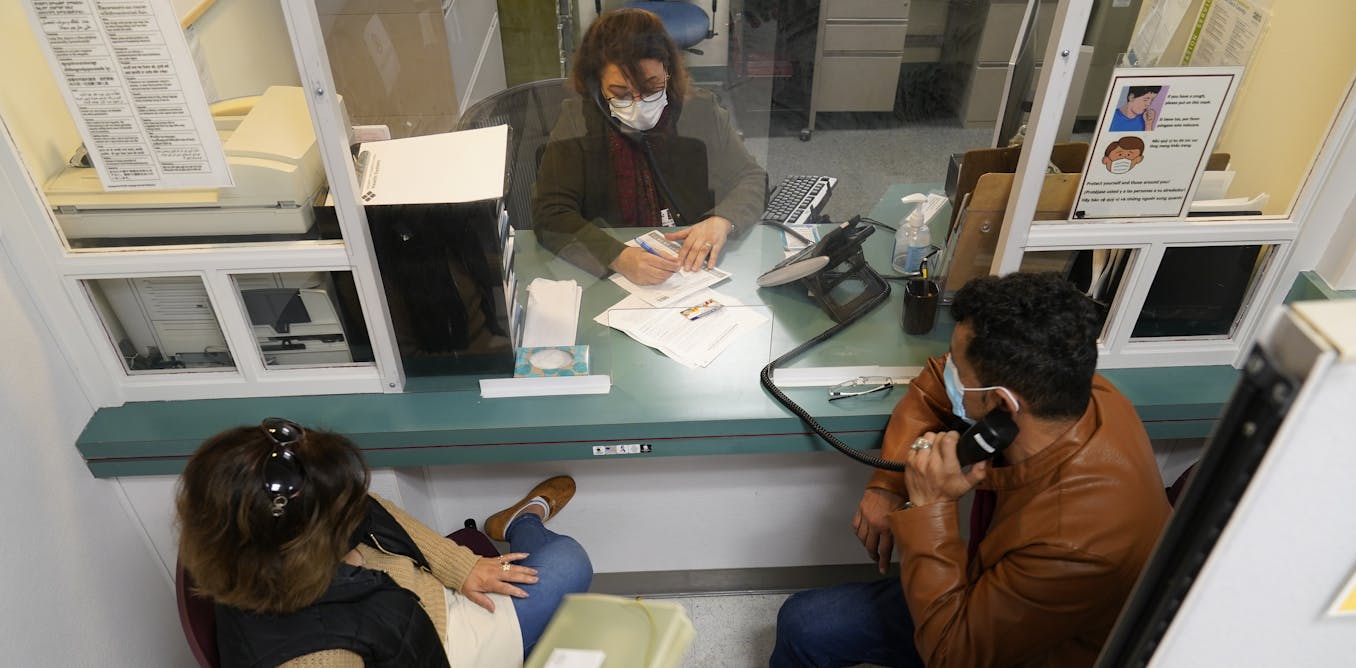
Operation Allies Welcome -- the official name for the American government's ongoing effort to assist vulnerable Afghans following the U.S. withdrawal from Afghanistan -- is the most significant U.S. resettlement effort since 1975. As of February 2022, some 65,000 Afghans have evacuated and settled in American communities. UConn School of Social work professors Kathryn Libal and Scott Harding have extensively studied the refugee resettlement process in America. In a recent essay for The Conversation, they detailed the resettlement process that refugees face -- and the challenges that individuals, families, agencies, and volunteers are enduring as the effort strains an already overburdened system. U.S. agencies brought in Afghans under humanitarian parole, rather than standard refugee procedures, because of the urgency of the evacuation. But the consequences may be profound. Some parolees had to wait weeks or months for the government or social service organizations to file paperwork granting them the right to work. Another challenge for parolees is securing family members’ admission to the U.S., which requires a high level of proof of threat to that particular individual. Many Afghan parolees should eventually qualify for asylum, but applying is a lengthy and complex process that generally requires significant legal assistance. More than 400,000 asylum cases are pending in the U.S. asylum system. Refugee resettlement organizations and voluntary groups that could normally help with filing asylum claims are already stretched thin. Evacuees’ advocates have called for approval of the Afghan Adjustment Act, which would allow Afghans to apply for lawful permanent resident status without waiting for the asylum system to rule on their cases or processing of special immigrant visa applications. Governors, businesses, celebrities, universities, military members, veterans and individuals across the U.S. have stepped in to support recent Afghan evacuees – many in locales with no history of resettling refugees. The responsibilities of resettlement, however, extend beyond helping evacuees in their first few weeks, to helping them secure a stable future. -- The Conversation, February 18, 2022 An associate professor of social work and human rights, Kathryn Libal is the director of UConn's Human Rights Institute and is an expert on human rights, refugee resettlement, and social welfare. She is available to speak with media – click on her icon now to arrange an interview.


How to choose the best Canadian bank account as a newcomer
During your first few days as a newcomer in Canada, you will need to complete certain tasks to set the foundation for your long-term financial success. Opening a bank account and applying for a credit card should be a top priority on your list. The Canadian banking industry is large and you’ll have many options to choose from. However, newcomers to Canada have distinct financial needs and not all products will be well-suited to your requirements. Typically, you should start researching banking options in Canada several weeks before your arrival to avoid delays in the bank account opening process. This article will give you an overview of banks and banking products in Canada and some essential tips on choosing the best bank account and credit card for you. Banking options in Canada Most newcomers opt for one of the “Big Five” banks, given their size and presence across the country. By market capitalization, these include Royal Bank of Canada (RBC), Toronto-Dominion Bank (TD), Bank of Nova Scotia (Scotiabank), Bank of Montreal (BMO), and Canadian Imperial Bank of Commerce (CIBC). These banks have both a physical and a digital presence. For instance, RBC has 1,201 branches and 4,240 ATMs across Canada, as well as easy-to-use online, mobile, and phone banking options. In addition to the traditional banks, Canada also has a few digital-only banks, such as Tangerine, EQ Bank, Motusbank, and Simplii Financial. These banks also offer financial products, but may not have the full range of services that larger banks offer. Types of bank accounts There are two main types of bank accounts in Canada that serve distinct purposes: Chequing account: Your chequing account is an essential basic account. This is where you keep money that you’ll use for daily transactions, making purchases, and all of your recurring expenses. Typically, with your chequing account, you’ll earn a low or no yearly interest rate on deposits. You may also get a debit card to access this account. Savings account: A savings account is a high-interest account to help you save money over the longer term. This account is not intended for regular, everyday spending transactions. It’s ideal for money that you won’t need daily access to and can set aside as savings for an emergency fund or longer-term needs. Things to keep in mind while choosing a banking partner With all the choices available to you, selecting a banking partner that’s right for your financial needs can be confusing. As this is a crucial decision to make, there are many factors you’ll need to keep in mind to ensure your bank meets your needs. Does the bank have specialized accounts or offers for newcomers or international students? Whether you’re coming to Canada as a permanent resident or an international student, your financial needs as a newcomer will be different from those of residents who’ve been here longer and don’t have financial ties abroad. Some of the larger banks, like RBC, have distinct newcomer banking products that are specially designed to meet your requirements. Does the bank have branches or ATMs near you? Also, look at the overall presence of the banking partner to determine whether you’ll have easy access to your money. You can use the branch locator on the bank’s website to find branches or ATMs close to your home or workplace. Do they have a good reputation of service and does their mission align with your interests? Be sure to check if the bank you’re choosing has a good reputation, has advisors who are able and willing to explain financial products to you, and answers your questions. As a newcomer, you want a trusted banking partner who understands your needs, so compare customer reviews and ask your friends in Canada about their experience with their banks. Also, look at awards or recognitions the banks may have received. For instance, the Global Finance magazine ranked RBC as the #1 World’s Best Bank in North America in 2021. Does the bank offer a wide range of financial products? As a newcomer, your financial needs may be limited initially, but will likely expand over the next few years. Make sure that your bank can offer you the entire range of products from banking basics like chequing accounts and credit cards to products you’ll need over a longer term like mortgages, RESPs, auto loans, and insurance. Does the bank have staff members who speak your language? Language barriers and cultural differences should not stand in the way of your financial success in Canada. If your first language is not English or French, be sure to check if the bank you’re considering has financial advisors who can answer your questions and explain financial products in a language you’re comfortable with. How to choose the right bank account for you Not all bank accounts are the same. The requirements, fees, and account features may vary based on the financial institution and the banking product you’ve picked. Here are some things you should compare to find a bank account that meets your needs: Minimum balance requirements: Some bank accounts require you to maintain a minimum daily or monthly balance. If your balance dips below this required level, you may be charged a penalty. RBC Day to Day Banking, RBC Signature No Limit, and RBC VIP Banking accounts don’t have any minimum balance requirements, allowing you to access all your money, whenever you need it. Speak to a financial advisor to find the best bank account for your needs. Banking fees: Most chequing accounts have a monthly banking fee, which can range from $0 to $30.95. In some cases, the monthly fee can be waived if you maintain a minimum balance in the account. Statement fees: Some banks charge a small monthly fee for issuing paper bank statements. In most cases, you can opt for paperless, e-statements for no charges. Cheque or draft fees: Some chequing accounts come with free personalized cheques or bank drafts. In others, a chequebook with 50 leaves can cost as much as $50 and a bank draft can cost up to $10. Automated Teller Machine (ATM) or Interac e-Transfer limits and charges: Some accounts may have limits for how many ATM withdrawals or peer-to-peer Interac e-Transfers you can make in a month. You should also check if there’s a fee for withdrawing money from another bank’s ATM or making Interac e-Transfers to an account in a different bank. International remittance fees: As a newcomer in Canada, you may want to continue financially supporting your family back home. If you’re planning to make international money transfers regularly, be sure to check the international remittance fees for the chequing accounts you’re considering. RBC offers newcomers up to two free international remittances per month for their first year with an eligible RBC bank account. Interest rates: The interest you’ll receive in savings accounts in Canada may be much less than what you’re used to in your home country. However, High Interest Savings Accounts (HISA) usually offer a higher rate of interest to help you grow your savings faster. Offers: Some bank accounts offer incentives at the time of account opening. For instance, you may receive cash incentives, higher interest rates, or free services if you open a new account and meet some qualifying criteria. As a newcomer in Canada, choosing a bank account will likely be a top priority for you. The banking system and financial products may be very different from those in your home country, so take the time to understand each product and select a bank account and credit card that best fits your needs. Remember that you are not tied down to the banking products you choose when you first arrive, so you can always upgrade to a higher tier account or credit card later. Original article located here, published by Arrive. About Arrive Arrive is powered by RBC Ventures Inc, a subsidiary of Royal Bank of Canada. In collaboration with RBC, Arrive is dedicated to helping newcomers achieve their life, career, and financial goals in Canada. An important part of establishing your financial life in Canada is finding the right partner to invest in your financial success. RBC is the largest bank in Canada* and here to be your partner in all of your financial needs. RBC supports Arrive, and with a 150-year commitment to newcomer success in Canada, RBC goes the extra mile in support and funding to ensure that the Arrive newcomer platform is FREE to all. Working with RBC, Arrive can help you get your financial life in Canada started – right now. Learn about your banking options in Canada and be prepared.


How to move to Canada: A checklist for newcomers
Moving to Canada from another country is no easy task. Whether you plan to settle in Canada permanently or relocate for better career or study options, it takes a lot of time and organization to ensure a smooth transition into life in a new country. We’ve created a handy moving to Canada checklist, which will provide you with a step-by-step guide of all the things you need to do, from deciding which immigration program to apply for to preparing for your life in Canada. In this article: Determine the best immigration pathway for you Get ready to apply for Permanent Residence (PR) Start your PR application process Wait for your PR application to be processed Get ready to travel Determine the best immigration pathway for you Choose between temporary and permanent residence When you’re first considering a move to Canada, you’ll have to choose between several immigration pathways. Many newcomers apply for Permanent Residence (PR) directly, which allows them to live and work in Canada permanently and even become Canadian citizens down the line. The other option is to apply for temporary residence, either in the form of a study permit or work permit, so you can experience life in Canada before deciding whether you want to stay permanently or return to your home country. Due to ongoing delays in the immigration process, many newcomers who were originally planning to apply for PR (or were awaiting a response on their application) are now exploring temporary ways of moving to Canada. However, it’s important to evaluate the pros and cons of each pathway before making a decision. For instance, while it’s easier and faster to get a study permit, it’s a longer road to PR. Also, the cost of education for international students is quite high, and even though you may be allowed to work part-time while studying in Canada, you’ll still have to rely on your savings to cover living expenses during your study period. Having Canadian work experience or educational credentials makes it easier to qualify for PR, so if your estimated Comprehensive Ranking System score is low, it may be better to try for a study permit or work permit first. Get ready to apply for Permanent Residence (PR) Decide which province you want to live in The province you choose to settle in will determine the job opportunities that’ll be available to you, the quality of life you’ll have, the cost of living, schooling options for your children, and the cultural environment. Many provinces also have Provincial Nominee Programs through which they invite newcomers whose skills are needed to fill in-demand jobs in the region. Do some research to learn about Canada’s provinces and territories, the major cities that newcomers prefer to live in, and the job market. This will help you decide which province you want to live in before you apply for PR. Identify the right PR program for you Canada has several immigration programs for PR, both at the federal and provincial levels. The Express Entry program is the most popular among newcomers and includes streams for foreign skilled workers, skilled tradespeople, and foreign nationals with Canadian work experience who want to settle in Canada permanently. The Express Entry program uses a point-based system known as the Comprehensive Ranking System (CRS) to rank and evaluate individual immigration applications based on factors such as skills, education, language ability, work experience, age, and more. Immigration, Refugees, and Citizenship Canada (IRCC) conducts periodic draws to determine the CRS cut-off and, if your score is higher than the cut-off, you’ll receive an Invitation to Apply (ITA) for PR. If you’re certain about the province you want to live in, you can apply through the Provincial Nominee Program instead. Securing a provincial nomination adds 600 points to your CRS score, significantly increasing your chances of qualifying for PR. Start your PR application process Gather essential documents for your application As you start filling in your PR application, you’ll be asked to upload various documents, including: Education credentials assessment (ECA): An ECA verifies that your foreign educational degree, diploma, or certification is valid and equal to a Canadian one. The ECA process takes time, so start the process at least two months before you plan to submit your PR application. Language proficiency test scores: If your first language isn’t English or French, you’ll need to take an English and/or French language test. For English, the IRCC accepts IELTS and CELPIP test scores, while for French, you’ll need to take the TEC Canada or the TEF Canada test. Passport: Your PR application will be linked to your passport number, so be sure to check the validity of your passport and get it reissued if it’s scheduled to expire soon. Fill in and submit your Express Entry or PNP profile Once you gather all the essential documents, you’re ready to create your application. For Express Entry, you’ll need to create an account on IRCC and create a profile under one of the three streams. You’ll also need to pay an application fee, which includes the fee for a biometrics test. Once your profile is submitted, you’ll be entered into the Express Entry pool of candidates to await the next CRS draw. Your Express Entry profile will be active for 12 months or until you receive an Invitation to Apply (ITA), whichever is sooner. Some PNP programs may require a separate application. You can find more information on the application process for these programs in our Provincial Nominee Program series. Respond to the Invitation to Apply (ITA) Depending on the immigration program you apply to, you’ll typically have 30 to 60 days to respond once you receive an ITA. At this time, you’ll be asked to provide documentation to support the information you provided in your profile. Some of this paperwork can take time to source, so we recommend gathering these essential documents well in advance. Proof of settlement funds: You’ll require bank statements and letters from your financial institution to prove you have sufficient funds to cover living expenses for your first few months in Canada. Police certification: Your local police authorities will need to certify that you don’t have a criminal background in your country. Work experience letters: Depending on your professional history, you may be required to submit letters from your past and current employers verifying your employment history, including the dates of your employment, working hours, job title and responsibilities, and salary. Birth and marriage certificates: If you’re applying for PR as a family. Job offer letter: If you already secured a job offer in Canada. Medical exam: You’re only required to take a medical test if you receive communication from the IRCC or province asking you to do so. Wait for your PR application to be processed How long does it take for your PR to be processed? The processing time for permanent residence applications varies based on the program you apply under. In most cases, it takes at least six months, but due to ongoing COVID-19 related delays, there’s a significant backlog and you may have to wait over a year to get your Confirmation of Permanent Residence (COPR). However, there are some things you can work on while you wait to make your transition into life in Canada easier. Prepare for the Canadian job market Finding your first job in Canada takes time. Use this extra time to prepare for your job search. Explore the job market in the city you’re planning to settle in and look at job descriptions posted for employment opportunities in your field. You can also start building a professional network in Canada through LinkedIn, virtual coffee chats, and online networking events. Before you start applying to jobs, create a Canadian-style resume and cover letter and customize it for each role. Since most companies now conduct interviews remotely, you should also start interview preparation, so you’re ready to start actively applying for jobs as soon as you get your COPR. Work on your language skills English and French are the two official languages in Canada, although English is more common everywhere except Quebec. If you need to work on your communication skills, this wait period is the perfect opportunity to sign up for language classes or practice at home. Research the basics of living in Canada Life in Canada may be very different from what you’re used to back home. As part of your preparation, be sure to research the types of accommodation available in Canada and use Arrive’s monthly expenses calculator to estimate the cost of living in your target city. Find out about provincial health coverage, the process of getting a driver’s licence, the public transportation system, and, if you have children, the school system in your future province. Familiarize yourself with the financial system, including the role of credit scores, and research banking options that are best-suited to your situation. Many newcomers also experience culture shock when they first arrive in Canada, so spend some time learning about cultural differences you can expect and connect with any friends and family in Canada to learn from their experiences. Prepare to move to Canada Get your visa stamped Once you receive your COPR, you’re all set to prepare for your move. The first step is to submit your passport for a visa stamp and give your biometrics at the authorized agency in your country. The communication you receive from IRCC along with your COPR will have detailed instructions on these steps. Get ready to travel With your visa and COPR in hand, you’re ready to book your flight tickets to Canada. Since it usually takes some time to find long-term rental accommodation, most newcomers book temporary accommodation, such as a hotel, B&B, or hostel for their first few weeks. Next, you’ll need to start packing the belongings you intend to bring with you. As you do that, you can also fill out the personal effects documentation, or forms B4 and B4A (BSF186 and BSF186A), which you’ll need to present to border officials at your port of entry. While you only need these forms at the airport, it’s much easier to fill them out as you pack. You may also have belongings you won’t bring with you to Canada, such as your furniture, vehicle, large electronics, and other items. If you intend to sell these goods before you leave, make sure you allocate enough time to do so. Start applying to jobs in Canada Now that you have a landing date planned, it’s time to start actively applying for jobs. Keep in mind you’re only allowed to start working for a Canadian employer after you receive your PR, but if your initial interviews go well, you can always explain your situation to the employer and negotiate a joining date that’s after you land. Get your documents in order In addition to the documents you submitted along with your PR application, you’ll also need the following during your travel or for your life in Canada: Driver’s licence and extract: If you have prior driving experience in your country, getting a driver’s licence extract from your local authority can help you get a full Canadian licence faster. Travel insurance: In some provinces, the provincial health coverage has a wait period and you’ll need travel insurance to cover you during that time. Medical records, prescriptions, and any ongoing medication References from past employers Quarantine plan: If you’re travelling to Canada during the COVID-19 pandemic, you also need a quarantine plan for your first few weeks after you land. At present, fully-vaccinated travellers are exempt from the mandatory quarantine, but the final decision is up to officials at your port of entry. Passport and tickets Start the process to open a Canadian bank account A Canadian bank account will be foundational for your financial success in Canada. You’ll need access to your funds during your first few weeks in Canada, so, if possible, you should start the process of opening a bank account before you arrive. Some financial institutions, like RBC, allow you to start the bank account opening process virtually from your home country. Once you’re in Canada, you can visit your local bank branch or set up a virtual appointment to open your account. You’ll also need to apply for a credit card, so you can start building your credit history in Canada. Prepare for your first few days in Canada There are several things you’ll need to get done in your first few days in Canada and, with a little advance preparation, you can arrive all set to accomplish everything on your list. Bring some Canadian currency, ideally in small bills, to cover your expenses until you get a debit or credit card. If you arrive in the winter, pack some warm winter clothes in your carry-on luggage (winter temperatures in Canada are often below freezing!). Look at public transit maps in your city and make note of the bus stops or subway stations close to your temporary accommodation. Carry a travel adapter for your electronics (standard voltage in Canada is 120 V). Buy an international calling card or purchase a Canadian SIM card online and have it delivered to your temporary address. Note: you may be able to purchase a Canadian SIM card upon arrival at certain airports in Canada. Many newcomers from across the world come to Canada with the goal of working and settling here. If you’re exploring immigration pathways to Canada, this moving to Canada checklist will provide you with the information you need to choose a suitable immigration program, apply for permanent residence, and plan your move to Canada. Original article located here, published by Arrive. About Arrive Arrive is powered by RBC Ventures Inc, a subsidiary of Royal Bank of Canada. In collaboration with RBC, Arrive is dedicated to helping newcomers achieve their life, career, and financial goals in Canada. An important part of establishing your financial life in Canada is finding the right partner to invest in your financial success. RBC is the largest bank in Canada* and here to be your partner in all of your financial needs. RBC supports Arrive, and with a 150-year commitment to newcomer success in Canada, RBC goes the extra mile in support and funding to ensure that the Arrive newcomer platform is FREE to all.

Most in-demand jobs in British Columbia (B.C.) for newcomers
British Columbia is Canada’s third most populous province after Ontario and Quebec, with a large portion of its residents living in the Lower Mainland, which includes the coastal city of Vancouver and surrounding municipalities. The province attracts newcomers from all over the world with its cultural diversity, career opportunities, and enjoyable temperate climate. The government of British Columbia periodically invites newcomers with the skills and experience to meet the province’s growing labour requirements to work and settle in B.C. as Permanent Residents (PR) through the British Columbia Provincial Nominee Program (BC PNP). This article provides information on British Columbia’s job market, including key industries and in-demand occupations for newcomers in B.C., along with NOC codes and median wage estimates, so you can arrive prepared to kick-start your career in Canada. What are the top industries in British Columbia? Services industry: The services sector is the largest contributor to the province’s GDP and the biggest employer in British Columbia. Some key service industries include real estate, construction, banking and financial services, health care, entertainment, retail, education, and professional, scientific, and technical services. Manufacturing industry: Top manufacturing industries include aerospace, clean technology, life sciences, information and communication technology, and paper. Mining and natural gas industry: B.C. has more than 700 mining and mineral companies, and employs over 25,000 people in mining and natural gas extraction and processing. The province is rich in precious metals and non-metallic minerals. Agriculture, aquaculture, and food processing industry: A wide range of agricultural and seafood products support a varied food processing industry in the province. Forestry: B.C. is one of the world’s largest exporters of wood products and the industry employs over 55,000 people. Which cities have the most job opportunities in BC? Lower Mainland, including Vancouver, Surrey, Burnaby, and Richmond: The most populous area in all of B.C., the Lower Mainland region offers ample job opportunities in services, trade, technology, film and television, tourism, natural resources, and construction. Victoria: The capital city of Victoria has large industries centred around advanced technology, tourism, education, health, retail, construction, and agriculture. Abbotsford: Abbotsford is known for its large agribusiness industry. It also offers employment opportunities in technology and aerospace industries. Kelowna: Kelowna has a diverse economy with opportunities in agriculture, health care, manufacturing, tourism, and service industries. What jobs are in demand in British Columbia? Construction and engineering jobs in B.C. Construction managers (NOC 0711): To get a job as a construction manager, you may require a management degree and can expect to earn a median income of $41 CAD per hour. Civil, electrical, electronic, and mechanical engineers (NOC 2131, 2133, 2132): These in-demand jobs in B.C. pay between $36 CAD and $43 CAD per hour. However, you’ll need an engineering degree and a provincial licence to work as an engineer. Technology jobs in B.C. Information systems analysts and consultants (NOC 2171): IT analysts and consultants earn a median income of $36 CAD per hour. Computer programmers and interactive media developers (NOC 2174): As a programmer or developer, you can expect to make around $43 CAD per hour. Computer network technicians (NOC 2281): Technicians make a median income of $28.85 CAD per hour in B.C. Software engineers and designers (NOC 2173): Software engineering jobs in B.C. are highly paid, with a median hourly pay of $52 CAD. You’ll need an engineering degree to qualify. Business and administration jobs in B.C. Administrative officers and assistants (NOC 1221 and 1241): These roles typically pay between $23 CAD and $26 CAD per hour. Financial auditors and accountants (NOC 1111): For finance and accounting roles, you’ll need a graduate degree or diploma in relevant courses. Auditors earn an average salary of $28 CAD per hour in B.C. Accounting technicians and bookkeepers (NOC 1311): Bookkeepers are paid a median hourly wage of $24 CAD. Health care jobs in B.C. Specialist physicians, general practitioners and family physicians (NOC 3111, 3112): Most of the in-demand occupations in health care require a provincial licence. To practise as a physician in B.C., newcomers also need to take a qualifying examination. Physicians, depending on their specialization, make a median annual income between $164,237 CAD and $256,202 CAD in British Columbia. Registered nurses and psychiatric nurses (NOC 3012): Registered nurses earn a median income of $41 CAD per hour and require a provincial nursing licence. Licensed practical nurses (NOC 3233): This in-demand occupation pays a median wage of $29 CAD per hour. Medical sonographers (NOC 3216): Sonographers make between $35 CAD and $39 CAD per hour in B.C. Nurse aides, orderlies, and patient service associates (NOC 3413): Nurse aides and orderlies earn between $18 CAD and $25 CAD per hour, depending on their experience and seniority. Education and social services jobs in B.C. Social and community service workers (NOC 4212): These jobs pay around $21 CAD per hour in B.C. Educators for universities, colleges, vocational institutes, and early childhood education (NOC 4011, 4021, and 4214): University and college professors and lecturers require a provincial teaching credential to work in BC. The median hourly pay for these occupations is $43 CAD. Early childhood educators earn a median income of $19 CAD per hour. Sales and services jobs in B.C. Retail and wholesale trade managers (NOC 0621): Managers in trade earn a median hourly wage of $30 CAD in BC. Restaurant and food service managers (NOC 0631): The median hourly wage for these positions is $26 CAD. Corporate sales managers (NOC 0601): Managerial jobs in sales make an average of $31.25 CAD per hour. What is the minimum wage in British Columbia? As of June 1, 2021, the minimum wage in British Columbia is $15.20 CAD per hour. What is the unemployment rate in B.C.? In November 2021, the unemployment rate in British Columbia was 5.4 per cent. How do I move to British Columbia? In addition to the federal Express Entry program, the province also invites skilled immigrants to come to B.C. as permanent residents through the British Columbia Provincial Nominee Program (BC PNP). To work in B.C. temporarily, you’ll require a work permit. You’ll also have a better chance of finding a job if your skills match the province’s in-demand occupations. British Columbia is also home to some of the best universities in Canada, which welcome thousands of students each year. After graduating from your study program, you may be eligible for a Post-Graduation Work Permit and can gain valuable work experience that will make it easier for you to settle permanently in Canada. About Arrive Arrive is powered by RBC Ventures Inc, a subsidiary of Royal Bank of Canada. In collaboration with RBC, Arrive is dedicated to helping newcomers achieve their life, career, and financial goals in Canada. An important part of establishing your financial life in Canada is finding the right partner to invest in your financial success. RBC is the largest bank in Canada* and here to be your partner in all of your financial needs. RBC supports Arrive, and with a 150-year commitment to newcomer success in Canada, RBC goes the extra mile in support and funding to ensure that the Arrive newcomer platform is FREE to all. Working with RBC, Arrive can help you get your financial life in Canada started – right now. * Based on market capitalization

10 tips for choosing the right Canadian study program as an international student
To start your journey as an international student in Canada, you’ll need to find a study program that fits your needs and academic goals. Each year, hundreds of thousands of international students get admission into a variety of study programs in Canadian universities and colleges. If you’re planning to move to Canada for your undergraduate or graduate studies, you’ll have many options to choose from, based on your areas of interest, career objectives, and budget. Choosing the right study program can introduce you to new areas of learning, uncover additional professional pathways, and set you up for a successful career. Here are some tips for choosing the right Canadian study program as an international student. 1. Choosing between university and college As an international student, the difference between university and college may be unclear to you. In many countries, the two terms are used interchangeably, but in Canada, they have different meanings. Both colleges and universities offer post-secondary education programs which students can enrol in after completing high school, but they differ in many ways. Canadian universities Canadian universities offer undergraduate (or bachelor) and graduate (or master’s or doctoral) programs in academic or professional fields. Once you have completed the program, you’ll be awarded a degree. Undergraduate programs typically require three years of study with a fourth “honours” year, if you want admission into a graduate program. Some undergraduate university programs, like Engineering, may require four years to complete. If you’re looking for admission into specialized professional programs such as Medicine, Law, and Dentistry, you may first need to complete two to four years of undergraduate study with relevant courses to qualify. Graduate (Master’s) programs are only offered by universities and you’ll require an undergraduate degree, and in some cases, prior work experience, to be eligible. In addition, many universities also offer doctoral or PhD programs across various fields. Colleges in Canada Canadian colleges offer programs of study that focus on job market readiness, such as technology, trades, or technical training. Typically, college courses lead to a diploma or certification, although some colleges also offer degree programs in applied areas of study. International students also find college programs useful for skill upgrading, continuing education, and language training. Many newcomers who come to Canada with an undergraduate or graduate degree from their home country find it valuable to add a Canadian certification or diploma to their resume to increase their employability in the Canadian job market. A diploma from a Canadian college may also be useful if you’re planning to switch career paths and move to a new industry or job function. Unlike universities, college programs are usually one or two years long. There’s a common misconception that colleges are less serious, but in reality, college programs can be as intensive as university courses, given that they are shorter and more technical in nature. Which is better for you – university or college? Whether you choose a university or college will depend on your career goals and your current educational credentials, the study programs offered, and what you want to achieve from your education. Here are some things to keep in mind while comparing your options: Academic versus technical training: Universities have a more academic approach, with a focus on research, lectures, and assignments. On the other hand, college programs are less theoretical and focus more on applied knowledge and work-related training. Program length and cost: University programs are typically longer and more expensive than colleges. Program flexibility: Many college courses offer the option of part-time study, while university programs are more likely to be rigorous and immersive. However, you may have fewer course options or elective subjects to choose from in a college. 2. Understand your interests and career goals Before choosing a study program, spend some time thinking about your areas of interest and long-term career goals. This will help you narrow down your options to programs that align with your interest. If you already have a target career in mind, you may also want to go through some job postings in that field to see what education requirements employers are looking for. If you’re unsure, don’t worry. You may still have room to change your mind later. If you’re applying to an undergraduate program or Bachelor’s in Canada, you generally don’t need to commit to a specialization at the time of admission. Instead, you have the freedom to pick a general subject and then opt for specific courses or electives that interest you as you progress in your studies. Universities may offer more flexibility compared to colleges, and you’ll have a wider range of subjects to choose from. 3. Identify top institutions in your field of interest Once you’ve identified the potential programs you might be interested in, the next step is to make a list of top institutions that offer those study programs in Canada. Canada has many prestigious universities and colleges and no matter what subjects you’re interested in, you’ll find some leading institutions that offer it. As an international student, it’s important that you don’t discount colleges while looking for options to study in Canada. College programs can help prepare you for the Canadian work environment faster, especially if you’re interested in technical or applied programs. 4. Review the eligibility criteria for study programs you’re interested in Like in many other countries, you’ll need to meet certain qualifying criteria to be eligible for admission to Canadian study programs. Depending on your chosen field of study or institution, you may require a certain score or GPA (grade point average) in your past academic record, proof that you’ve completed specific courses or credits, proof of language proficiency, or prior work experience. You may also need to sit for a qualifying exam and secure a minimum score to be eligible for some courses. For some competitive programs, you may also require a proven track record of extracurricular activities or volunteer work, a letter of intent or statement of purpose, and professional or academic references to support your application. Once you have a list of study programs you’re interested in, be sure to check the eligibility criteria for international students for the programs at the top universities on your list. This will help you shortlist programs where you’re more likely to qualify for admission. 5. Identify the province or city you want to live in While the quality of education may be your primary deciding factor, you may also want to shortlist programs or institutions based on the province or city they are in. While many international students choose to move to popular provinces like Ontario and British Columbia for their education, you may find the cost of living (and even program costs) to be lower in other provinces. Each province in Canada has something unique to offer, in terms of culture, quality of life, ease of immigration, or future job opportunities. Be sure to learn about the various provinces and territories in Canada and make a decision based on where you’d like to spend your academic years. 6. Make sure the institutions you’ve shortlisted are DLIs A Designated Learning Institution (DLI) is an educational institute that’s approved by the provincial or territorial government to accept international students. You will only be eligible for a study permit for Canada if you receive an acceptance letter from an authorized DLI. Before you apply, be sure to check that the post-secondary schools you’ve shortlisted are on the government’s designated learning institutions list. If you’re planning to start your study program in Canada during COVID-19, you’ll also need to make sure that your DLI has a COVID-19 Readiness Plan in place. 7. Evaluate admission and program costs The cost of studying in Canada as an international student can be high, even though the education cost is generally less expensive compared to countries like the United States or the United Kingdom. The tuition costs vary by program and institution, with the average cost of undergraduate programs being higher than that for graduate programs. If you’re assessing how much it’ll cost to study in Canada, be sure to factor in fees for university/college applications, study permit application, biometrics and medical tests, tuition fee, and living costs, including the funds you’ll need to put in a Guaranteed Investment Certificate (GIC) as part of your application. A full or partial scholarship can offset not only your tuition fee but also your cost of living in Canada during your study period. Be sure to check if your academic institution offers scholarship options for international students. If not, explore other ways in which you can fund your education, such as through student loans, lines of credit, education grants, bursaries, or by working part-time while studying. If you’re planning to apply for a student loan or line of credit, be sure to check your eligibility and the amount you may qualify for before applying for admission to the study program of your choice. 8. Understand future career opportunities after your study program The study program you choose should set the foundation for your future professional success. This means that not only should the program align with your career goals, it should also provide you with the support you’ll need to enter the Canadian job market in terms of skills, professional networking opportunities, workplace readiness, and career support or coaching. Do your research about whether the study program offers co-op or internship opportunities, and whether that work experience is considered to be Canadian experience by recruiters. To further narrow down the list of study programs that meet your requirements, you can check if the universities or colleges you’re targeting offer career resources for resume building, interview preparation, or placement support. At this stage, it’s also a good idea to research the alumni of each program to look at the job roles they are in and their career paths. This will give you a better idea of the types of career opportunities that’ll be available to you after you graduate and the companies that recruit students from different institutions. 9. Explore extra-curricular programs offered by the institution In addition to academic courses, many universities and colleges in Canada also offer extra-curricular programs that can help in your overall development. If you’re interested in sports and athletics, check if the institution has sports clubs or teams. You may also be able to find student clubs around other areas of interest, such as volunteer work, theatre, or politics, or student societies based on culture or religion. Joining student groups is a great way of making friends in your new country, building your professional network, and learning new skills. Some Canadian universities and colleges also offer English as a Second Language (ESL) programs for international students to help them improve their language skills. 10. Check if the program fits your lifestyle Not all Canadian study programs are structured in the same manner. As an international student, it's important to check if the program you’re applying to fits your overall lifestyle. For instance, if you plan to work while studying in order to support yourself financially, you may want to look for a program that has a flexible class schedule or a program that will qualify you for a student work permit. If your objective is to prepare yourself for the Canadian job market, you may be more interested in technical programs or programs that have internship or co-op terms, so you can get some valuable work experience while studying. Some international students also move to Canada with their families, and balancing their studies and family obligations becomes an important priority. In such cases, a hybrid model of course delivery that offers a mix of in-person and online classes might be more suitable than a completely on-campus program. The length of the study program can also be an important factor for many international students, both from a cost and ease of immigration perspective. Studying in Canada is a great way to prepare yourself for the global workforce. Canadian universities and colleges offer a wide range of study programs for international students to choose from. While choosing a program, you should make sure that it meets your needs based on your lifestyle, financial considerations, and your academic and career goals. Original article located here, published by Arrive. About Arrive Arrive is powered by RBC Ventures Inc, a subsidiary of Royal Bank of Canada. In collaboration with RBC, Arrive is dedicated to helping newcomers achieve their life, career, and financial goals in Canada. An important part of establishing your financial life in Canada is finding the right partner to invest in your financial success. RBC is the largest bank in Canada* and here to be your partner in all of your financial needs. RBC supports Arrive, and with a 150-year commitment to newcomer success in Canada, RBC goes the extra mile in support and funding to ensure that the Arrive newcomer platform is FREE to all. Working with RBC, Arrive can help you get your financial life in Canada started – right now.

Provincial Nominee Program (PNP): Moving to Canada as a permanent resident (PR)
Canada has specific immigration programs designed to enable individuals with different skills, education, and work experience to settle in Canada and contribute to the Canadian economy. For those intending to move to Canada as a permanent resident (PR), the permanent residence programs managed through the Express Entry system are the most popular options, but not the only ones. There are other options such as the Provincial Nominee Programs (PNP), Family sponsorship, Atlantic Immigration Pilot (AIP), the Rural and Northern Immigration Pilot (RNIP), the Caregiver program, and the Start-up Visa program. In this article, we will be focusing on the Provincial Nominee Programs (PNP) to help you understand how the various processes work, and the steps to be followed to apply for permanent residency through a PNP. How do Provincial Nominee Programs (PNP) work? According to Immigration, Refugees, and Citizenship Canada (IRCC), Provincial Nominee Programs (PNP) are primarily aimed at individuals who: 1. Have the skills, education and work experience to contribute to the economy of a specific province or territory, 2. Intend to settle permanently in that province or territory, and 3. Want to become permanent residents of Canada. Each province and territory has its own Provincial Nominee Program streams (immigration programs that target certain groups such as new graduates, business people, skilled workers in specific professions, or semi-skilled workers), and unique requirements. Understanding PNP application options There are two ways to apply for PR through the PNPs: 1. Paper-based process (involves submitting a physical application and supporting documents) 2. Express Entry (online application) The mode of application will depend on the PNP stream under which you apply. How to apply for PNP: Paper-based process The paper-based process involves two stages: Stage 1: Receiving a nomination certificate from the province or territory you intend on settling in permanently. Stage 2: Applying to IRCC for PR status after the province or territory nominates you. Here’s a step-by-step approach on how to apply for permanent residency as a Provincial Nominee, through the paper-based process. Stage 1 includes steps 1 to 4, while steps 5 and 6 are part of stage 2. Step 1: Identify where you want to live in Canada Canada has ten provinces and three territories. To apply for PR status as a Provincial Nominee, it is important to decide where you want to settle – more specifically, in which province or territory. You might want to take into consideration factors such as the cost of living, employment opportunities, and the type of lifestyle you want to adopt. Step 2: Check the PNP eligibility criteria To be nominated by a province or territory, you must follow the instructions on their website and contact them directly. To check the eligibility criteria, here are the PNP websites for each province/territory: • Alberta Immigrant Nominee Program (AINP) • British Columbia Provincial Nominee Program (BCPNP) • Manitoba Provincial Nominee Program (MPNP) • New Brunswick Provincial Nominee Program (NBPNP) • Newfoundland and Labrador Provincial Nominee Program (NLPNP) • Northwest Territories Nominee Program (NTNP) • Nova Scotia Nominee Program (NSNP) • Ontario Immigrant Nominee Program (OINP) • Prince Edward Island Provincial Nominee Program (PEI PNP) • Saskatchewan Immigrant Nominee Program (SINP) • Yukon Nominee Program (YNP) Nunavut is currently only accepting applications for entrepreneurs wanting to start their business in the territory. Applicants intending to settle permanently in the Province of Quebec should contact the province directly for instructions on how to apply for PR status – they should not use the below guidance. Step 3: Apply to the Canadian province or territory where you intend to live Each province has various PNPs designed to fill their specific labour market needs. Applicants should review the PNP streams for their province of interest carefully, as each will have unique eligibility criteria, and application intake processes. In general, applicants can either: 1. Apply to the province directly for a provincial nomination, OR 2. Be invited to apply to the province for a provincial nomination. Tips: While applying to a specific province/territory through the paper-based process, you must select a non-Express Entry stream AND meet the eligibility requirements of the chosen stream for the province/territory. Many provinces have very specific deadlines for application submissions. Applicants may wish to begin gathering necessary documents before they are invited, so they can ensure everything will be available within the deadline imposed by the province. Step 4: Wait for the nomination After submitting an application, if you meet the program’s eligibility criteria including demonstrating an intention to settle in that province, you will receive a provincial nomination certificate. You may refer to specific provincial or territorial PNP websites for processing timelines. Step 5: Apply Once you’ve been nominated by a province or territory, you can submit your application for Permanent Residence to Immigration, Refugees and Citizenship Canada. The application package for Provincial Nominees includes the instruction guide, document checklist, and all the forms you need. Tip: Be honest, accurate, and truthful while completing your application. If you are found to have misrepresented any information in your application, it may lead to a refusal of your application, and you could be found inadmissible to Canada and barred for up to five years. The next step in the application process is to pay the fees. As of April 30, 2020, these fees have increased from $1,040 CAD per adult applicant and an additional $150 CAD per child, to $1,325 CAD per adult applicant and $225 per dependent child. This amount includes: • Processing fees for you and anyone you include on your application. • The Right of Permanent Residence Fee (RPRF) – $500 CAD which must be paid by all adult applicants on the application; you can opt to hold on to it and pay at the next step. Although the application is paper-based, you must pay the fees online and print out a copy of your payment receipt to be included in the application. For biometrics: You must also pay a biometrics fee of $85 per adult applicant, to a maximum of $170 per family. You must include proof of having paid these fees in your application. After your application is received, you will receive a confirmation letter with instructions on how to submit your biometric data. Biometrics (fingerprints and photo) are required to be given in-person at various collection centres worldwide. You will have 30 days from the date of the letter to complete this process. You must book an appointment at a collection point close to you and show the confirmation letter when you give your biometrics. Third-party fees: Depending on your situation, you may need to pay third parties for medical exams, police certificates, language testing, and educational credential assessment (ECA). The instruction guide for your application will help you understand which fees apply to you. After completing the application package and gathering all the supporting documents, you have to mail your application along with the online payment receipt to the address in the instruction guide. Remember, do not send the application to your local visa office; it must be sent to the Centralized Intake Office in Canada, after which it may be transferred to your local visa office abroad. Tip: To avoid rejections, before you send your application, ensure you answer all questions, sign your application and all forms, and include the correct processing fee, and supporting documents. You must also include a copy of the valid nomination certificate that the province or territory sent you. If your nomination has expired, you should contact the issuing province or territory. Step 6: Receive the Confirmation of Permanent Residence and arrive in Canada The processing time for each application depends on which visa office is processing it. After submitting your application, at any time, you can check the application processing times and status of your application online. As of April 2020, the average processing time for paper-based applications is 15 to 19 months. While your application is being processed, you will be informed when to submit medical exams and police certificates if they were not provided with your initial application, or have expired since submitting. Medical exams: You and all dependent family members (even if they are not moving to Canada with you) will be required to complete a medical examination from a designated panel physician. Police certificates: You may need a police certificate from any country or territory in which you have spent six months in a row or more since the age of 18. In some countries, it can take a long time to get a police certificate. Therefore, you may want to get them early. If you meet program and admissibility criteria, IRCC will reach out to request the documents required to finalize the application, including your passport (or passport copies) and photos. You’ll also need to pay your Right of Permanent Residence fee, if you haven’t already. At this stage, you must update IRCC on any significant changes to your circumstances, such as family status or new medical concerns. If no changes are reported, IRCC will finalize your application and issue you a: • Confirmation of permanent residence (COPR) document • Permanent resident visa (if you are from a country where you need a visa) • Letter with important information about your COPR and other requirements Tip: Keep your COPR document in a safe and secure place. Do not alter your COPR in any way, and do not sign the document until your arrival in Canada as a permanent resident. Arrival in Canada Once your application has been approved, you must travel to Canada to complete the Permanent Resident landing process – this is the final stage in processing, and once complete, your permanent residence status will be granted! During the landing process, upon your arrival to Canada you must present your COPR, and your PR visa (if you need one). You will also need to show your passport, and you may be asked for proof of funds to support yourself and your family. The officer will ask you a few questions to make sure you still meet the terms to immigrate to Canada. They will be similar to the ones you answered when you applied. Once satisfied that you remain admissible to Canada, the officer will allow you to enter Canada as a PR. The officer will also confirm your Canadian mailing address, and your PR card will be mailed to you at this address. Note: You don’t have to apply separately for a PR card, if you provide a Canadian mailing address. The application for a PR card is submitted by the officer at the time of completing your landing formalities. If you are already in Canada, you can make an appointment at an IRCC office near where you live in Canada to complete the landing process and have your permanent resident status granted. You can also leave Canada and return through a Canadian port of entry (an international airport or a Canadian land border) to complete the landing process. How to apply for PNP: Express Entry process There are two ways to apply for PNP through the Express Entry process: Option 1: You contact the province You contact the province or territory and apply for a nomination under their Express Entry stream. If the province or territory agrees to nominate you, you can then proceed to create an Express Entry profile (or update your profile if you already have one) and show you have been nominated. Option 2: Province contacts you You create an Express Entry profile first and indicate the provinces and territories you are interested in while creating the profile. If a province or territory sends a notification of interest to your account, you can contact them directly and apply through their Express Entry stream. Tip: In both cases, you will need to create an Express Entry profile during the process, so you should do it right from the start. Here’s a step-by-step approach on how to apply for PNP through the Express Entry process. Each step outlines the approach for option 1 and 2. Tip: In our blog, Express Entry: Moving to Canada as a PR, we’ve outlined a step-by-step approach to creating and submitting an Express Entry profile. We encourage you to read it and follow the instructions mentioned. Step 1: Get provincial nomination For option 1: If you are already in the Express Entry pool, and you wish to be considered for the PNP, certain streams allow you to apply to the province/territory directly through the Express Entry stream. For option 2: If a province/territory contacts you with a notification of interest for PNP and you want to be nominated by that province or territory, you must contact them directly and apply to their PNP Express Entry stream. (This process will happen between you and the province or territory – you will not use your IRCC account). Note: The notification of interest is not a provincial nomination and does not guarantee you will be nominated. The next steps for both options are similar to Step 2 and 3 of the paper-based process as outlined above, with the only exception of specifically choosing the Express Entry immigration stream while applying on the provincial/territorial PNP websites. Once the province/territory agrees to nominate you, • You must update your profile with the nomination and share your Express Entry profile number and Job Seeker Validation Code with the province/territory; OR • Wait for the province or territory to confirm your nomination with IRCC and accept or reject the nomination in your IRCC Express Entry account within 30 calendar days. Step 2: Apply for PR Once you receive your nomination, there are two things to consider – 1. If you accept the nomination • o The Express Entry system will generate a letter in your account that confirms your nomination. o You will be awarded 600 additional points in your Express Entry profile, which will help you get invited to apply. Note: 600 points is the maximum number of points you can be awarded under the ‘additional’ factors. If you were previously awarded points for having a job offer and/or study in Canada, these points will not be listed in your CRS score. However, as they may be relevant to your ability to meet the criteria of the Express Entry program, you should provide proof of this in your Express Entry application. Upon receiving the invitation to apply, you will have 60 days to submit your online application for PR. Average processing times for Express Entry applications are generally 6 months – you can check the status of your application in your Express Entry account. 2. If you reject the nomination o Your profile will remain in the Express Entry pool, and you may be invited to apply under any other program. o You won’t be eligible for the PNP unless another province nominates you. Step 3: Receive the Confirmation of Permanent Residence and arrive in Canada Refer to Step 6 of the paper-based process. Preparing to settle in Canada Once you receive your COPR and PR visa (if required), there are things you can do to prepare for life in Canada. Pre-arrival • Use free pre-arrival services, which help you find out more about living and working in Canada. • Take steps to get recognition in Canada for your education, work experience, and professional licences/certificates. • Read about living and finding work in Canada. • Learn about the networking culture in Canada, work on your resume, and start building your personal brand. Post-arrival • Find immigrant services which will help you settle and adapt to life. • Read the Welcome to Canada guide to help you adjust. • Use the Living in Canada tool to find the right services. You can use the following Arrive resources to prepare for your job search, even before you arrive in Canada. • Read the Arrive career guide • Improve your resume • Craft and practice your elevator pitch • Practice interview questions • Start building your Canadian network from home • Understand the Canadian market before leaving • Read the newcomer stories on the Arrive blog Arrive supports newcomers step of the way. What can you bring to Canada Before you travel to Canada, see the Canada Border Services Agency (CBSA) website to find out what you can and cannot bring into the country. Remember: You must tell the border officer if you arrive in Canada with more than $10,000 CAD. If you do not disclose this, you may be fined and your funds will be seized. The PNP process may seem daunting as there are many steps involved. However, if you follow the instructions provided by the Government and consult with authorized immigration representatives, you will be able to successfully realize your dream of moving to Canada! Original article located here, published by Arrive. About Arrive Arrive is powered by RBC Ventures Inc, a subsidiary of Royal Bank of Canada. In collaboration with RBC, Arrive is dedicated to helping newcomers achieve their life, career, and financial goals in Canada. An important part of establishing your financial life in Canada is finding the right partner to invest in your financial success. RBC is the largest bank in Canada* and here to be your partner in all of your financial needs. RBC supports Arrive, and with a 150-year commitment to newcomer success in Canada, RBC goes the extra mile in support and funding to ensure that the Arrive newcomer platform is FREE to all. Working with RBC, Arrive can help you get your financial life in Canada started – right now

The modern office has changed. According to some experts, it’s much overdue. For others, the idea of the separation of domestic and professional lives is still something to accept. Either way, with the onset of COVID-19 and as workplaces adjust to life after the pandemic, working from home is the new norm for many people and it’s likely going to stay that way indefinitely for some. With that reality also comes the fact that your home office needs to be just as safe and secure as your former place of work once was. Worry not – we’ve got experts who can help. It’s why we asked Augusta University’s Dr. Jeffrey Morris, assistant professor in the School of Computer and Cyber Sciences, for some easy tips and helpful advice on making that happen. How to separate home or work? The best way to keep work materials safe would be to have a separate device that is used only for work, such as a company-supplied laptop. Since most of us will not have devices supplied to us, the next best would be to use a device that has minimal other use: Try not to use a computer that the rest of the family uses. If others use the computer, create a new user login and use that for work only. Keep all your work files in an encrypted folder. Ensure you have security software installed on the computer you are using for work. Some of the other ways include using a Virtual Private Network, which I’ll address in the next question. What's the best way to secure your connection? Using a Virtual Private Network (VPN) is a must. Hopefully, your work will provide a VPN connection for use. With the spread of cloud data storage, ensuring all connections are secured (the little lock icon in your browser is visible) is a must. If you have a work laptop/computer assigned to you, do you need to take additional steps to secure it while working from home? Much like being in the workplace, the same rules apply: You should log out of the device once you are done working for the day. This prevents accidental use of the computer by others in the home. Turning the device off when not in use is a good way to ensure this. The device needs to be physically secured as well. If the device does not have an anti-virus software program installed from work, you need to ensure it has it before you use it at home. What are the biggest red flags you should look out for? Be wary of emails. Many people mix their work and personal emails when working from home. You may receive a phishing email to your personal email that is aimed at accessing your work email and computers. Cybercriminals are aware that many people are working from home and trying to gain access to company networks by breaking into home computers and waiting for the user to log into company networks or cloud storage. And don’t forget … Updates. Do them as often as possible. Keep your computers updated. This includes not only the operating system but all the other programs installed on the machine. Cybercriminals are targeting all the other software on the computers as the operating systems are getting harder to exploit. There are programs available that can inventory the software on a computer and tell you which programs need updating. Looking to know more? Then let us help. Dr. Jeffrey Morris is an assistant professor at Augusta University’s School of Computer and Cyber Sciences. He’s available to speak about keeping your home office safe – simply click on is icon now to arrange an interview today.


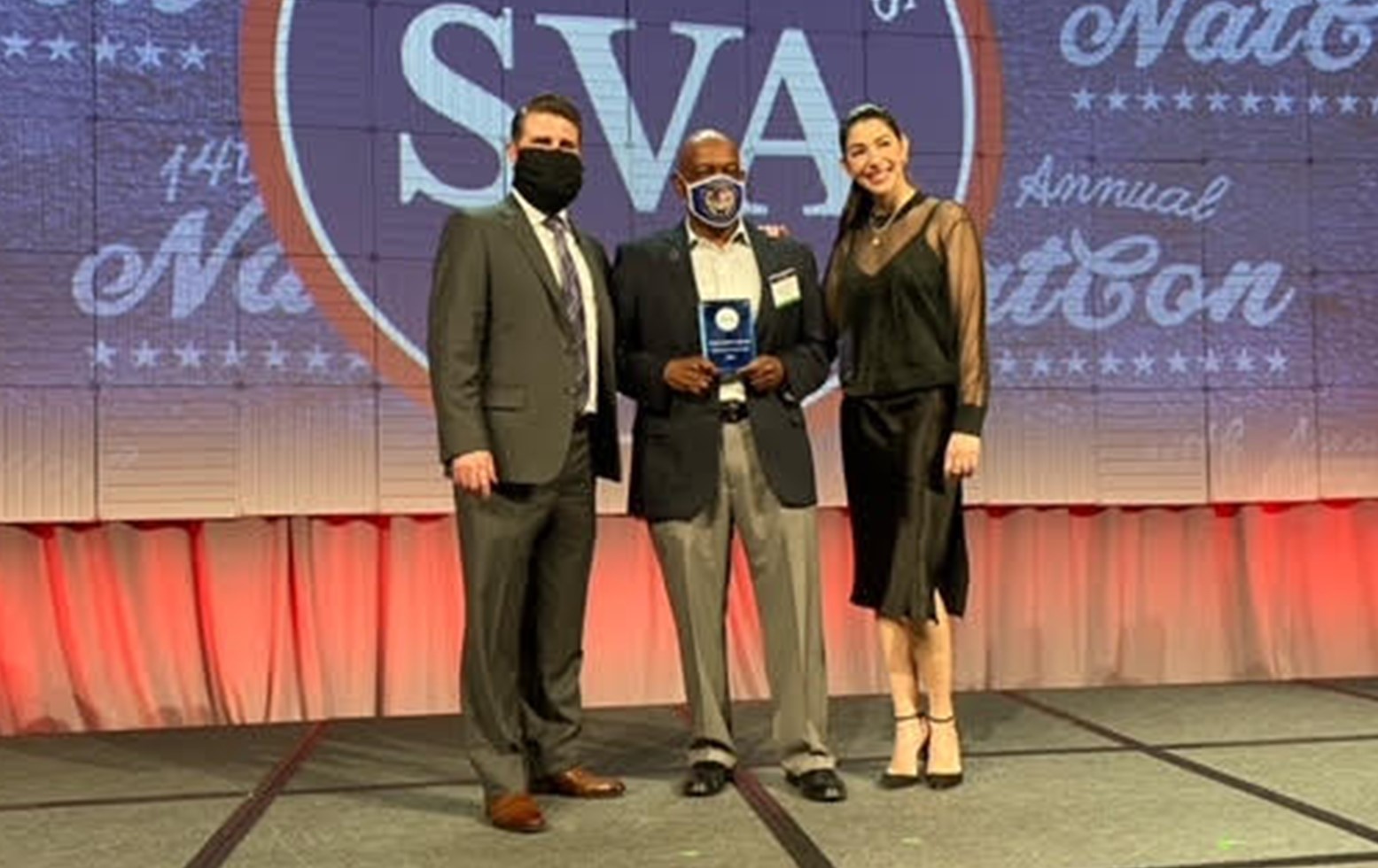
Georgia Southern University was selected as a finalist for the Chapter of the Year awarded by Student Veterans of America (SVA), an organization focused on advocating for and advancing resources for veterans in higher education. The University has SVA chapters on the Statesboro Campus and Armstrong Campus in Savannah, both of which were recognized with the award. “I am so proud of both of our SVA Chapters,” said Col. George Fredrick, Ed.D., director of Military and Veteran Services. “They offer truly outstanding support to our military-connected student population at Eagle Nation.” While this is the first time Georgia Southern has been a contender for this acknowledgement, the University has a tradition of being recognized for its investment in the military community. The Army ROTC program was established in 1980, and has won the MacArthur Award four times since 2009 for being one of the nation’s top ROTC programs. The Military Times publication named Georgia Southern as a Top 15 Best for Vets 4-year school for five consecutive years, including in 2019 when the University was ranked No. 1. Because the University operates near Hunter Army Airfield in Savannah and Fort Stewart in Hinesville, a number of students, faculty and staff are enlisted, retired or spouses of military members. Richelle Keilholz, Ed.D., is the staff advisor for SVA-Armstrong, and she believes this makes the campus community and military community deeply intertwined. “They become part of the campus culture, and I think that’s where you start to see that excellence comes when you have that kind of devotion,” said Keilholz. “You want to see our military service members, our family members and our spouses succeed in the military community and in higher education.” Georgia Southern’s relationship with veterans isn’t common among other universities, said military veteran project coordinator Rudy Duero. Many veterans feel overlooked and are an “untapped resource,” but not at Georgia Southern. “It’s awesome to have a group of individuals at the executive level who care and respect the opinions of the veteran students,” Duero said. “Veterans are being heard and they know that they’re being heard when they have good leadership representing them. The communication is always open.” Georgia Southern is one of five schools to be named a finalist for the award. The University sent a delegation to Orlando to attend the awards ceremony on Jan. 7. Academic and financial resources for veterans looking to pursue a degree can be found here. And if you’re a journalist looking to cover how Georgia Southern is working to support our veterans and the university’s military veteran project – then let us help. Rudy Duero is available to answer your questions - simply reach out to Georgia Southern Director of Communications Jennifer Wise at jwise@georgiasouthern.edu to arrange an interview today.


UConn expert explains how to get the best from this holiday season
While this holiday season might feel a little more like the good 'ole times for a lot of families, others are scaling back plans amidst a COVID resurgence. Regardless of how we choose to celebrate, for many this season also brings stress, pressure, and family drama alongside merriment and holiday cheer. But UConn's experts are here to help you get the best out of the holidays this year -- educational psychologist Dr. Sandra Chafouleas offers some tips in a recent interview with CNN: Whenever and however you celebrate, having a holiday season is important for wellbeing, Chafouleas said. Holidays set aside time for relaxation, reflection and reliable traditions -- a trio that has become increasingly important as the world has gotten more chaotic and less predictable, Chafouleas said. Whether you approach them from a spiritual, social or cultural perspective, celebrating holidays can offer a "super big dose" of positive emotions like joy, gratitude, serenity, hope, pride and love, she added. Holiday gatherings can also be a mixed bag of emotions. "The way I do things versus the way we've always done things -- that's just a concoction for some disagreements," Chafouleas said. .................... Small changes can make a big difference, both experts said. For Chafouleas, it can look like identifying which part of the traditions feel like obligations rather than celebrations. "I used to make a million cookies with my kids, especially when they were younger, and I just don't enjoy that anymore, but my girls really like to do that," Chafouleas said. The work and the mess afterward started to take away from the joy of the traditions. "So, I stepped away from that. I keep it simple," Chafouleas said. "They do it, and I get to eat them and participate in the experience of that ritual without have to be the one responsible." Sandra Chafouleas is a UConn Board of Trustees Distinguished Professor of Educational Psychology and an expert on social-emotional well-being. She's available to lend her holiday ritual expertise to your reporting -- just click her icon to arrange an interview today.
