
Experts Matter. Find Yours.
Connect for media, speaking, professional opportunities & more.

ExpertSpotlight: The Life and Legacy of Steven Biko
Steven Biko’s legacy is a powerful symbol of resistance and activism during the apartheid era in South Africa, representing the courage and determination of the Black Consciousness Movement. His life, philosophies, and tragic death sparked international outrage and galvanized movements for racial justice and human rights worldwide. As the world continues to grapple with issues of racial inequality and social justice, Biko’s story remains highly relevant. His teachings on the psychological liberation of oppressed people have left an indelible mark on both African history and global activism. Key story angles of interest include: The rise of the Black Consciousness Movement and its influence on anti-apartheid activism Steven Biko’s role as a thinker, activist, and leader in challenging apartheid policies The global impact of Biko’s writings and philosophy on contemporary social justice movements The role of international solidarity and media in exposing apartheid’s atrocities The enduring influence of Biko’s ideas in modern discussions on race, identity, and liberation The circumstances and global reactions to Biko’s arrest, torture, and death in custody Connect with an expert about the The Life and Legacy of Steven Biko: To search our full list of experts visit www.expertfile.com


In Ancient Egypt, One Villanova Professor Sees Modern Lessons
During the Old Kingdom (2700-2200 B.C.E.), Memphis was the epicenter of Egyptian civilization. A key strategic point in the Nile Delta region, it long served as the seat from which the Pharaoh ruled his domain, exerted his influence and marshaled his military might. Bustling with activity, it teemed with craftspeople, clerics and courtiers, and its whitewashed walls reverberated with the sounds of enterprise, exaltation and empire. Four-and-a-half millennia later, sifting through the silent sands near Mit Rahina, Villanova University associate teaching professor Kelly-Anne Diamond, PhD, is working to recover the last traces of this once-thriving metropolis. In collaboration with a team of academics, graduate students and Egyptian artisans, she hopes to shed new light on what life was like in the "lost city" of Memphis—and to explore its long-buried connections to the present day. The Memphis Kôm el-Fakhry Archaeological Project "We call our initiative the 'Memphis Kôm el-Fakhry Archaeological Project,' or 'MKAP' for short, and we're excavating one particular mound in a series that make up the ancient city," said Dr. Diamond, who co-directs the effort. "I was very excited when I was invited to join the project, especially at its inception. There aren't many settlement sites [like this one]. We could probably count them on one hand." With its focus on "settled" land, MKAP is contributing to a growing body of research in Egyptology, or the study of ancient Egyptian history, culture and society, that centers on the experiences of everyday people. It's an area of significant interest for Dr. Diamond, who's previously investigated mourning traditions and sex and gender in the pharaonic era. "Currently, most of our knowledge is about the king, his extended family and the people who worked for him," she said. "This is one of the reasons why I think working at Memphis is so fascinating. When you work at a settlement site, this is where you're going to find information about regular people—about women, about children, about the elderly, about family structure." Already, MKAP has yielded findings that could challenge contemporary understandings of life in ancient Egypt. In particular, the discovery of an Old Kingdom-aged adult skeleton, within the bounds of the excavated mound, has spurred questions. "What we found doesn't necessarily line up with what we currently believe about Old Kingdom burial practices, because other evidence suggests that where people lived and where people buried their dead were two separate locations," shared Dr. Diamond. "Generally, we say that they lived in Kemet—which is the 'black land,' or the land where there's very, very rich soil—and were interred in Deshret, or the 'desert.' "Now, we do know that there was a First Intermediate Period (2181-2055 B.C.E.) cemetery at the site, adjacent to the settlement. We also know that, as the town progressed and people continued to live there, access to the cemetery was cut off. As we were going deeper into the settlement, which means that we were going into earlier levels, this is where we found the adult skeleton. The pottery in the area seems to suggest that we hit Old Kingdom levels, which would take us earlier than the First Intermediate Period cemetery. "Potentially, we need to reevaluate what we know about Egyptian burial customs." From the Past to the Present For some, the significance of a centuries-old corpse might be lost. And, in an age of smartphones, electric cars and highspeed Internet, the world in which the Memphians lived might seem on its face absolutely foreign. But, in unearthing the contents of the MKAP mound and in studying the minutiae of ancient life, Dr. Diamond sees important lessons—lessons that echo throughout time. As she maintains, the remnants of communal meals, religious rituals and day-to-day work, and their existence in the distant past, serve as powerful reminders of our enduring humanity. "One of the things I find, with my students, is that they're surprised that ancient Egypt was such a complex civilization," said Dr. Diamond. "They're surprised when we talk about technologies and social mobility—that these early people, whether improving on weapons and farming tools or seeking promotions, had a sense of progress, efficiency and change. "But, most of all, they're surprised at how similar life in ancient Egypt was to what they experience on a regular basis today. And that's how I often introduce my courses: What you know about life, or life as you know it, started back in the ancient Near East, in Egypt and Mesopotamia. So, we can find the origins of all these things that we know by going back to the ancient Near East. "And history did not start in Greece and Rome. We have to go back earlier." Editor's note: Following the filming of the videos above, Dr. Diamond was promoted from assistant teaching professor to associate teaching professor.


Covering the Middle East? FAU has a leading expert on the region
Tension in the Middle East has dominated the news cycle since October 07, 2023. Media from across the globe have continuously connected with experts for insight, perspective and opinions about the ongoing chaos in the region. Florida Atlantic University's political science professor, Robert Rabil Ph. D. is a star expert in political Islam, terrorism, U.S. foreign policy, and U.S.-Arab relations. His expertise has appeared in major newspapers and academic journals, including the Wall Street Journal, Chicago-Sun Times, Daily Star (Beirut), History News Network, National Interest, CNN, Middle East Journal, Middle East Policy, the Journal of International Security Affairs, Middle East Quarterly, and Middle East Review of International Affairs. He has also contributed several book chapters on political Islam and Middle Eastern politics. Most recently he has been featured on Al Qahera News and NBC News as well as The National Interest and the South Florida Sun Sentinel. Rabil is available to speak with media. Simply click on Rabil’s icon now to arrange an interview today.


Vanderbilt debate director and rhetoric expert on Harris-Trump debate expectations and tips
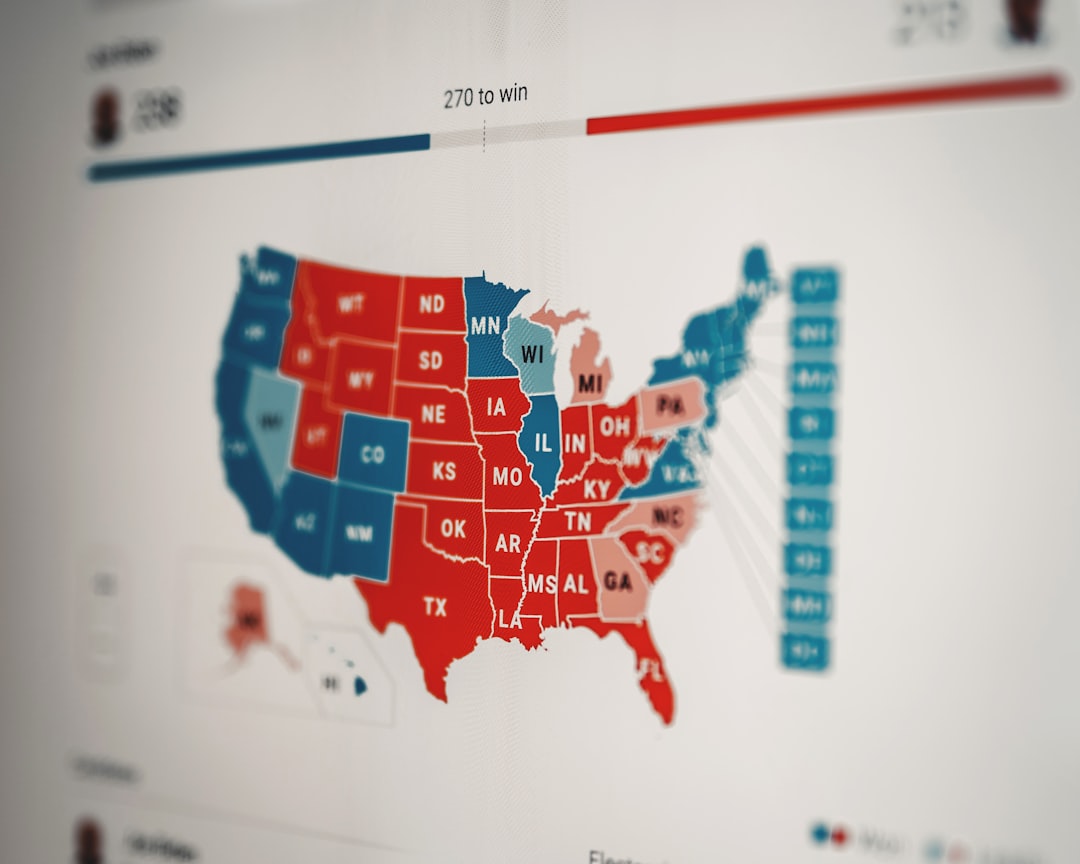
John Koch, senior lecturer and director of debate at Vanderbilt University, is available for commentary on the Harris-Trump presidential debate. A recognized scholar on presidential communication and rhetoric, John uses a wide range of methods to understand and explain political and policy debates. His research is guided by the question of how we can improve citizenship practices and debates within our political culture. His most recent co-authored scholarly article explored the history of presidential debates and how we can improve them. He has served as chair of the National Communication Association’s Argumentation and Forensics Division and the Committee on International Discussion and Debate. His research has appeared in Contemporary Argumentation and Debate, the National Forensic Journal, Studies in Debate and Oratory and various book chapters on presidential rhetoric. Currently, he serves as the Director of Debate of Vanderbilt’s internationally renowned and award-winning debate program. Topics he can speak to include: What arguments to expect from the candidates What each candidate needs to do and not do in the debate How to determine who wins a debate What to watch for/what issues might come up in the debate History of presidential debates The usefulness of presidential debates and how we might improve them How adults can discuss politics and debates with their children by watching debates together After debate analysis of who may have won and what issues/moments may be salient to voters The debate styles of the candidates and their histories in debates Differences in debate style we can expect between Trump and Harris Differences in how Trump may approach the debate with Harris vs. how he approached Biden


Aston University develops novel bone cancer therapy which has 99% success rate
Bioactive glasses, doped with gallium developed to create a potential treatment for bone cancer Lab tests have a 99 percent success rate of killing cancerous cells Method could also regenerate diseased bones. Bioactive glasses, a filling material which can bond to tissue and improve the strength of bones and teeth, has been combined with gallium to create a potential treatment for bone cancer. Tests in labs have found that bioactive glasses doped with the metal have a 99 percent success rate of eliminating cancerous cells and can even regenerate diseased bones. The research was conducted by a team of Aston University scientists led by Professor Richard Martin who is based in its College of Engineering and Physical Sciences. In laboratory tests 99% of osteosarcoma (bone cancer) cells were killed off without destroying non-cancerous normal human bone cells. The researchers also incubated the bioactive glasses in a simulated body fluid and after seven days they detected the early stages of bone formation. Gallium is highly toxic, and the researchers found that the ‘greedy’ cancer cells soak it up and self-kill, which prevented the healthy cells from being affected. Their research paper Multifunctional Gallium doped bioactive glasses: a targeted delivery for antineoplastic agents and tissue repair against osteosarcoma has been published in the journal Biomedical Materials. Osteosarcoma is the mostly commonly occurring primary bone cancer and despite the use of chemotherapy and surgery to remove tumours survival rates have not improved much since the 1970s. Survival rates are dramatically reduced for patients who have a recurrence and primary bone cancer patients are more susceptible to bone fractures. Despite extensive research on different types of bioactive glass or ceramics for bone tissue engineering, there is limited research on targeted and controlled release of anti-cancer agents to treat bone cancers. Professor Martin said: “There is an urgent need for improved treatment options and our experiments show significant potential for use in bone cancer applications as part of a multimodal treatment. “We believe that our findings could lead to a treatment that is more effective and localised, reducing side effects, and can even regenerate diseased bones. “When we observed the glasses, we could see the formation of a layer of amorphous calcium phosphate/ hydroxy apatite layer on the surface of the bioactive glass particulates, which indicates bone growth.” The glasses were created in the Aston University labs by rapidly cooling very high temperature molten liquids (1450o C) to form glass. The glasses were then ground and sieved into tiny particles which can then be used for treatment. In previous research the team achieved a 50 percent success rate but although impressive this was not enough to be a potential treatment. The team are now hoping to attract more research funding to conduct trials using gallium. Dr Lucas Souza, research laboratory manager for the Dubrowsky Regenerative Medicine Laboratory at the Royal Orthopaedic Hospital, Birmingham worked on the research with Professor Martin. He added: “The safety and effectiveness of these biomaterials will need to be tested further, but the initial results are really promising. “Treatments for a bone cancer diagnosis remain very limited and there’s still much we don’t understand. Research like this is vital to support in the development of new drugs and new methodologies for treatment options.” Notes to Editors Multifunctional Gallium doped bioactive glasses: a targeted delivery for antineoplastic agents and tissue repair against osteosarcoma Shirin B. Hanaei1, Raghavan C. Murugesan1, Lucas Souza1, Juan I.C. Miranda1, Lee Jeys2,3, Ivan B. Wall3, and Richard A. Martin1 1. College of Engineering and Physical Sciences. Aston University, Aston Triangle, Birmingham, B4 7ET, UK 2. Oncology Department, The Royal Orthopaedic Hospital, Birmingham, B31 2AP, UK 3. College of Health and Life Sciences. Aston University, Aston Triangle, Birmingham, B4 7ET, UK DOI 10.1088/1748-605X/ad76f1 About Aston University For over a century, Aston University’s enduring purpose has been to make our world a better place through education, research and innovation, by enabling our students to succeed in work and life, and by supporting our communities to thrive economically, socially and culturally. Aston University’s history has been intertwined with the history of Birmingham, a remarkable city that once was the heartland of the Industrial Revolution and the manufacturing powerhouse of the world. Born out of the First Industrial Revolution, Aston University has a proud and distinct heritage dating back to our formation as the School of Metallurgy in 1875, the first UK College of Technology in 1951, gaining university status by Royal Charter in 1966, and becoming The Guardian University of the Year in 2020. Building on our outstanding past, we are now defining our place and role in the Fourth Industrial Revolution (and beyond) within a rapidly changing world. For media inquiries in relation to this release, contact Nicola Jones, Press and Communications Manager, on (+44) 7825 342091 or email: n.jones6@aston.ac.uk


ExpertSpotlight: The History of American Football
American football holds a special place in the cultural fabric of the United States, evolving into one of the most popular and celebrated sports in the country. Its history, marked by innovation, athleticism, and deep-rooted rivalries, reflects broader societal changes such as commercialization, media influence, and evolving notions of teamwork and competition. As one of the most-watched sports globally, its impact on American culture, from college football Saturdays to Super Bowl Sundays, goes beyond the field. This story matters because it highlights the connection between sports, community identity, and the evolution of American pastimes. Key story angles of interest include: The origins and early development of American football The impact of college football rivalries on American sports culture The rise of the NFL and its influence on modern sports entertainment The role of football in fostering a sense of community and national identity The effects of media and technology on the commercialization of football Health concerns and how they’ve shaped the future of the sport, particularly in relation to player safety and concussions Connect with an expert about the The History of American Football: To search our full list of experts visit www.expertfile.com

ExpertSpotlight: The History of America's Steel Industry
The steel industry has been a cornerstone of American industrialization, shaping the nation's economy, infrastructure, and workforce. As the backbone of major industries from construction to transportation, the history of steel production in America is more than just a tale of technological advancement—it's a story of social transformation, labor movements, and global competition. This topic is crucial as it offers insights into the evolution of American manufacturing, the rise and decline of industrial cities, and the ongoing challenges in maintaining domestic production in a globalized economy. The relevance of the steel industry today is underscored by its connection to contemporary issues such as trade policies, environmental sustainability, and the future of American manufacturing. Potential story angles for journalists include: The role of the steel industry in shaping American cities and communities The impact of global trade policies on the American steel industry The evolution of labor movements within the steel industry Technological innovations and their influence on steel production Environmental challenges and sustainability efforts in steel manufacturing The future of the steel industry in the context of American infrastructure projects Connect with an expert about the History of America's Steel Industry: To search our full list of experts visit www.expertfile.com

Industry and researchers call for action to tackle climate impact of organic, carbon-based chemicals
Call led by members of Supergen Bioenergy Hub, based at Aston University They highlight that carbon-based chemicals cannot be decarbonised but can be defossilised They want a transition to renewable carbon sources such as biomass, recycled carbon, and carbon dioxide. Director of Supergen Bioenergy Hub, Professor Patricia Thornley Industry experts and university researchers have joined together to ask the government to address the climate impact of organic, carbon-based chemicals. While demand for fossil fuels as energy is expected to fall in the coming decades, the petrochemicals sector is set to grow significantly according to experts and is set out in a 2018 report by the International Energy Agency. Members of the Supergen Bioenergy Hub which is based at Aston University and the Biomass Biorefinery Network believe the issue has yet to receive proper attention and is calling for a strategy that addresses this key component of our greenhouse gas emissions. They want a move to a more circular economy, managing supply and demand levels and transitioning away from fossil feedstocks which are raw materials required for some industrial processes. In their paper Carbon for chemicals How can biomass contribute to the defossilisation of the chemicals sector? they highlight that carbon-based chemicals cannot be decarbonised but can be defossilised through a transition to renewable carbon sources such as biomass, recycled carbon and carbon dioxide. Many products in modern society contain carbon such as pharmaceuticals, plastics, textiles, food additives, cosmetics, and cleaning products. These chemicals are derived from fossil feedstocks, so they are classed as petrochemicals. As a result, they contribute to global greenhouse gas emissions and climate change. Carbon is embedded in organic chemical products and released when they break down at end-of-life, for example through incineration. To address the emissions from carbon in chemicals and accelerate the development of bio-based chemicals, the group want a cross-party consensus to support a sustainable chemical system. Director of Supergen Bioenergy Hub, Professor Patricia Thornley, said: “We need to consider the UK’s future feedstock and chemicals production and use, and how it relates to net zero, agriculture, environment, economy, trade, and just transition policy objectives. There are opportunities here for the UK to lead the way on sustainable chemical production, but we need to carefully plan a roadmap for the transition, that delivers opportunities around jobs and the economy as well as sustainable greenhouse gas reductions. “There is a definite role for biomass here. But it is essential that any future use of biomass in the chemicals sector is underpinned by rigorous, trusted, and enforceable sustainability governance to build confidence, deliver sustainability benefits, and minimise negative impacts. That requires improvements in sustainability governance and regulation. “We think there are real economic and trade opportunities by the UK accelerating sustainable chemicals. At the moment bio-based chemicals, and chemicals derived from other renewable carbon sources, are not being expanded in the UK because there are no explicit incentives that prioritise them over fossil-based production.” The group argues that the UK has significant academic and industrial research expertise to underpin the development of sustainable bio-based products and could be a global leader in bio-based products and sustainability governance. They believe that to date little of this has manifested as UK-based scale-up and manufacturing, whilst there are numerous examples of UK-led research being scaled up elsewhere. The paper was delivered at a webinar on 7 August. Notes to Editors Carbon for chemicals How can biomass contribute to the defossilisation of the chemicals sector? https://www.supergen-bioenergy.net/output/carbon-for-chemicals-how-can-biomass-contribute-to-the-defossilisation-of-the-chemicals-sector-policy-briefing/ Author: Joanna Sparks (formerly Aston University) With contributions from: Cristiane Scaldaferri (formerly Aston University), Andrew Welfle (University of Manchester), Patricia Thornley (Aston University), Ashley Victoria (University of Leeds), Caspar Donnison (Lawrence Livermore National Laboratory), Jason Hallett (Imperial College London), Nilay Shah (Imperial College London), Mirjam Rӧder (Aston University), Paul Mines (Biome Bioplastics), David Bott (Society of Chemical Industry), Adrian Higson (NNFCC), Neil Bruce (University of York) 2018 International Energy Agency report https://www.iea.org/reports/the-future-of-petrochemicals https://www.supergen-bioenergy.net/ The Supergen Bioenergy Hub works with academia, industry, government, and societal stakeholders to develop sustainable bioenergy systems that support the UK’s transition to an affordable, resilient, low-carbon energy future. The Hub is funded jointly by the Engineering and Physical Sciences Research Council (EPSRC) and the Biotechnology and Biological Sciences Research Council (BBSRC) under grant EP/Y016300/1 and is part of the wider Supergen Programme. www.bbnet-nibb.co.uk The Biomass Biorefinery Network (BBNet), a phase II Network in Industrial Biotechnology & Bioenergy funded by the Biotechnology and Biological Sciences Research Council (BBSRC-NIBB) under grant BB/S009779/1. The aim of the Biomass Biorefinery Network is to act as a focal point to build and sustain a dynamic community of industrial and academic practitioners who work together to develop new and improved processes for the conversion of non-food biomass into sustainable fuels, chemicals and materials. About Aston University For over a century, Aston University’s enduring purpose has been to make our world a better place through education, research and innovation, by enabling our students to succeed in work and life, and by supporting our communities to thrive economically, socially and culturally. Aston University’s history has been intertwined with the history of Birmingham, a remarkable city that once was the heartland of the Industrial Revolution and the manufacturing powerhouse of the world. Born out of the First Industrial Revolution, Aston University has a proud and distinct heritage dating back to our formation as the School of Metallurgy in 1875, the first UK College of Technology in 1951, gaining university status by Royal Charter in 1966, and becoming the Guardian University of the Year in 2020. Building on our outstanding past, we are now defining our place and role in the Fourth Industrial Revolution (and beyond) within a rapidly changing world. For media inquiries in relation to this release, contact Nicola Jones, Press and Communications Manager, on (+44) 7825 342091 or email: n.jones6@aston.ac.uk


Labor Day, celebrated on the first Monday in September, is more than just a long weekend marking the end of summer—it is a day dedicated to honoring the social and economic achievements of American workers. The history of Labor Day is deeply intertwined with the labor movement and the fight for fair working conditions, making it a day of both reflection and celebration. This event is significant not only because it recognizes the contributions of workers to the nation's prosperity but also because it sheds light on ongoing issues such as workers' rights, labor laws, and the future of work in an increasingly automated and globalized economy. Potential story angles: The origins of Labor Day and the labor movement in the United States The evolution of labor laws and workers' rights since the 19th century The impact of automation and globalization on the American workforce The role of unions in modern-day labor movements The intersection of labor rights and social justice issues How Labor Day is celebrated across different regions and industries in the U.S. Connect with an expert about the History of Labour Day: To search our full list of experts visit www.expertfile.com

ExpertSpotlight: Today is Women’s Equality Day
Women’s Equality Day on August 26 marks a pivotal moment in history, celebrating the anniversary of the 19th Amendment’s adoption, which granted women the right to vote in the United States. This day is not just a commemoration of past achievements but a call to address the ongoing challenges women face in achieving full equality. From wage gaps and representation in leadership to reproductive rights and gender-based violence, the fight for women’s equality continues to be a crucial issue in today’s society. This topic is significant as it highlights both the progress made and the work still needed to ensure true equality for all women. Key story angles that journalists might explore include: The evolution of women’s rights since the 19th Amendment and the ongoing struggle for gender equality. Current challenges women face in the workforce, including wage disparity and underrepresentation in leadership roles. The role of women in politics and the importance of female representation in government. Intersectionality in the women’s rights movement: how race, class, and other identities intersect with gender. The impact of recent legal decisions and legislation on women’s reproductive rights. Celebrations and events surrounding Women’s Equality Day across the country. This alert emphasizes the importance of reflecting on both historical achievements and current challenges, making it a compelling topic for coverage. Connect with an expert about Women’s Equality Day: To search our full list of experts visit www.expertfile.com