
Experts Matter. Find Yours.
Connect for media, speaking, professional opportunities & more.

ExpertSpotlight: A Look Back at the First American Election
The first U.S. election, held in 1789, marks a pivotal moment in the founding of American democracy, establishing a framework that has shaped the nation's political landscape for centuries. As the world’s first modern constitutional republic, this election not only elected George Washington as the first president but also introduced a new system of governance that emphasized the balance of power and individual rights. The significance of this event reaches far beyond the political sphere, touching on issues of civic engagement, representation, and the evolution of democratic ideals. Key sub-topics that may interest journalists and the public include: The Founding Fathers’ Vision for Democracy: Exploring the role of key figures like George Washington, John Adams, and Thomas Jefferson in shaping the U.S. political system, and how their ideas still influence governance today. Evolution of the Electoral Process: Examining how the original electoral system was structured, including the Electoral College, and how it has changed over time in response to shifting political dynamics. Voter Rights and Representation: Analyzing who was eligible to vote in 1789 compared to today, shedding light on the ongoing struggle for voting rights and representation for marginalized groups. Impact on Modern Democracies: Investigating how the U.S. election model influenced other nations' democratic structures and how it continues to serve as both an inspiration and a subject of debate. The Role of Media and Public Discourse: Looking at how the first election was communicated to the public and the early role of newspapers, pamphlets, and public speeches in shaping voter opinion. Legacy of George Washington’s Presidency: Reflecting on George Washington’s leadership style, his decision to step down after two terms, and the precedent it set for future presidential transitions. The history of the first U.S. election offers a lens through which to explore broader questions about governance, the role of leadership, and the ongoing evolution of democracy, providing journalists with numerous story angles relevant to both historical analysis and contemporary political discourse. Connect with an expert about the history of US elections: To search our full list of experts visit www.expertfile.com


Head trauma and long-term impacts
Last week, NFL great Brett Favre revealed publicly that he has Parkinson's disease. It was an announcement that has also put the devastating affliction back in the media spotlight, and has experts and the public wondering if there's a link between high-impact sports like football and Parkinson's. It's why researchers like Christopher Watts from TCU are getting contacted by national media looking for answers. Head trauma alone is not the sole risk factor for Parkinson’s. Experts say the disease has also been linked to environmental factors, like exposure to certain pesticides or chemicals, and genetic mutations. “If all the ingredients in the recipe come together, you may develop Parkinson’s disease,” said Christopher Watts, Texas Christian University's Dean of the Harris College of Nursing & Health Sciences, who researches the disease. “The reason why we know is because not every boxer develops Parkinson's disease… it has to be other things that are acting along with that exposure to head trauma.” The median age for a Parkinson’s diagnosis is about 65, Watts said. At 54, Favre is on the younger end of that spectrum. Parkinsonism – an umbrella term for brain conditions that cause slow movement, rigidity and tremors – has been well studied in boxers, Watts said. One of history’s most legendary boxers, Muhammad Ali, was diagnosed with the disease. However, the research among football players isn't as robust. A 2023 study published in JAMA found participants with a history of playing organized football had higher odds of Parkinsonism or Parkinson's disease compared with those involved in other organized sports. But other studies have reported mixed findings, Watts said. He said researchers must determine if there is a link. “Football is such a big part of American society,” he said. “We need to know the answers to this.” September 25 - USA Today With the NFL season in full swing - this will be a subject that will be receiving ongoing coverage throughout the season. And if you're a journalist looking to know - then let us help with your stories, questions and coverage. Chris Watts is the Marilyn & Morgan Davies Dean of Harris College of Nursing & Health Sciences at Texas Christian University and is an expert in the areas of neurological disorders. Chris is available to speak with media about this important topic - simply click on his icon now to arrange an interview today.


Hezbollah, a powerful political and militant group based in Lebanon, has played a significant role in Middle Eastern politics since its formation in the early 1980s. Understanding the group’s origins, its political evolution, and its regional and global implications is critical in analyzing ongoing conflicts and power dynamics in the region. Hezbollah’s influence extends beyond its militant activities, affecting everything from political governance in Lebanon to its role in broader geopolitical struggles. As global attention often focuses on Middle Eastern stability, the history of Hezbollah provides rich context for journalists to explore various angles on its lasting impact. Here are several story angles that highlight Hezbollah's far-reaching influence: Origins and ideological foundations: Investigate Hezbollah's roots during the Lebanese Civil War, its ideological ties to the Iranian Revolution, and its early activities in resistance movements against Israel. Hezbollah’s role in Lebanese politics: Explore how Hezbollah transformed from a militant group into a major political player, examining its impact on Lebanon's government, elections, and power structure. Regional and international influence: Analyze Hezbollah’s relationships with Iran and Syria, its involvement in the Syrian Civil War, and its role in shaping regional alliances and rivalries in the Middle East. Hezbollah’s military evolution and conflicts with Israel: Provide an in-depth look at the group’s military capabilities, its tactics, and its key confrontations with Israel, including the 2006 Lebanon War. Terrorism designations and global reactions: Investigate Hezbollah’s designation as a terrorist organization by various countries, the group's response, and the wider international community's stance on its activities. Connect with an expert about the the History of Hezbollah: To search our full list of experts visit www.expertfile.com Photo Credit: Council on Foreign Relations

ExpertSpotlight: The History of Haiti
Haiti is prominent in the news cycle - let our experts give you some perspective on the island's history and background Haiti's rich history and its ongoing refugee crisis remain critical topics in global conversations about human rights, migration, and international aid. As the first independent Black republic, Haiti's historical significance is profound, but the nation continues to face complex political, economic, and environmental challenges that have contributed to the displacement of its citizens. For journalists, understanding Haiti's past and present is essential for shedding light on issues such as migration policies, international support, and the lived experiences of Haitian refugees. Here are several story angles that offer deeper insights into Haiti's enduring struggles and global connections: Haiti’s fight for independence and its global impact: Explore how Haiti's revolution shaped the political landscape of the Western Hemisphere and its lasting influence on anti-colonial movements worldwide. The root causes of Haiti's refugee crisis: Investigate the political instability, natural disasters, and economic challenges driving the exodus of Haitian citizens and the broader migration dynamics in the region. International responses to Haitian refugees: Examine the policies of neighboring countries, including the U.S., and international organizations in addressing the influx of Haitian migrants and their treatment in host nations. Diaspora communities and cultural resilience: Highlight the Haitian diaspora’s contributions to culture, economy, and politics in countries where they have resettled, as well as their role in supporting those still in Haiti. Humanitarian aid and development in Haiti: Assess the effectiveness of international aid programs in addressing the country's crises, and explore innovative approaches to sustainable development in the region. Environmental degradation and its link to migration: Analyze how deforestation, climate change, and natural disasters such as earthquakes and hurricanes are exacerbating Haiti’s humanitarian challenges and forcing people to flee. Connect with an expert about the the History of Haiti: To search our full list of experts visit www.expertfile.com

ExpertSpotlight: A Brief History of Espionage
The world was watching with wonder this week as news stories poured in about exploding pagers and how the armed devices made their way around an international supply chain and into the hands (and pockets) of Hezbollah. Espionage, a practice as old as civilization itself, has shaped the course of history by influencing wars, international relations, and technological advancements. From ancient times to the digital age, espionage has played a crucial role in national security and global diplomacy. This topic remains highly relevant today as concerns over cybersecurity, state-sponsored hacking, and corporate espionage dominate public discourse. Journalists covering this topic will find a rich array of story angles, including historical perspectives and modern implications. Key sub-topics that may interest journalists and the public include: Evolution of Espionage Tactics: Examining how espionage methods have developed from traditional spying techniques to modern digital surveillance, cyber-espionage, and the use of AI in intelligence gathering. Espionage and International Relations: Investigating the role of espionage in shaping diplomatic relations and its influence on global politics, alliances, and rivalries. Cybersecurity and Digital Espionage: Exploring how espionage has evolved in the digital age, focusing on cyber threats, hacking incidents, and the growing importance of cybersecurity in national defense. Famous Spies and Spy Agencies: Delving into the history of iconic spies and intelligence agencies, from World War II's codebreakers to Cold War espionage, and how these figures shaped the geopolitical landscape. Ethical and Legal Considerations: Analyzing the ethical dilemmas and legal boundaries surrounding espionage, including the balance between national security and individual privacy. Espionage in Popular Culture: Looking at how espionage has been depicted in literature, film, and media, and how these portrayals reflect and shape public perceptions of intelligence work. As espionage continues to evolve alongside technological advancements, it remains a critical issue in discussions of national security, global power dynamics, and privacy. This historical overview provides journalists with an opportunity to explore the enduring relevance of espionage in shaping both the past and future. Connect with an expert about the History of espionage: To search our full list of experts visit www.expertfile.com

With Russia’s War in Ukraine, Aeroflot Faces Unfriendly Skies
As Russia’s resurgent global influence grows—from social media influencing to anti-Western alliances—Steven E. Harris’s expertise in modern Russian and European history has become increasingly sought-after. Harris provides expert analysis on Russia’s political economy during its war of aggression against Ukraine and how the country seeks to reshape geopolitics and achieve expansionist goals. Focusing on Russian aviation, Harris explains how Putin’s regime has adapted to Western sanctions and how Russia’s airlines and aerospace industry are evolving in an era of global economic nationalism. Below are two important pieces authored by Harris that were posted by the Jordan Center for the Advanced Study of Russia at NYU. This blog post reflects on the historical significance of the sudden rupture in global aviation that took place after Russia invaded Ukraine, focusing on Russia and the US in particular.... Yesterday's post addressed the new cold war in the skies, which has divided the West from Russia as a consequence of Russia's aggression in Ukraine. Sanctions against Russia’s aviation sector... As the war between Russia and Ukraine stretches toward its third year - there are more and more angles and narratives to cover. And if you're a journalist looking to know more or have questions for a story - experts like Steven. E. Harris are here to help. He's available to speak with reporters - simply click on his icon now to arrange an interview today.



ExpertSpotlight: The Life and Legacy of Steven Biko
Steven Biko’s legacy is a powerful symbol of resistance and activism during the apartheid era in South Africa, representing the courage and determination of the Black Consciousness Movement. His life, philosophies, and tragic death sparked international outrage and galvanized movements for racial justice and human rights worldwide. As the world continues to grapple with issues of racial inequality and social justice, Biko’s story remains highly relevant. His teachings on the psychological liberation of oppressed people have left an indelible mark on both African history and global activism. Key story angles of interest include: The rise of the Black Consciousness Movement and its influence on anti-apartheid activism Steven Biko’s role as a thinker, activist, and leader in challenging apartheid policies The global impact of Biko’s writings and philosophy on contemporary social justice movements The role of international solidarity and media in exposing apartheid’s atrocities The enduring influence of Biko’s ideas in modern discussions on race, identity, and liberation The circumstances and global reactions to Biko’s arrest, torture, and death in custody Connect with an expert about the The Life and Legacy of Steven Biko: To search our full list of experts visit www.expertfile.com

In Ancient Egypt, One Villanova Professor Sees Modern Lessons
During the Old Kingdom (2700-2200 B.C.E.), Memphis was the epicenter of Egyptian civilization. A key strategic point in the Nile Delta region, it long served as the seat from which the Pharaoh ruled his domain, exerted his influence and marshaled his military might. Bustling with activity, it teemed with craftspeople, clerics and courtiers, and its whitewashed walls reverberated with the sounds of enterprise, exaltation and empire. Four-and-a-half millennia later, sifting through the silent sands near Mit Rahina, Villanova University associate teaching professor Kelly-Anne Diamond, PhD, is working to recover the last traces of this once-thriving metropolis. In collaboration with a team of academics, graduate students and Egyptian artisans, she hopes to shed new light on what life was like in the "lost city" of Memphis—and to explore its long-buried connections to the present day. The Memphis Kôm el-Fakhry Archaeological Project "We call our initiative the 'Memphis Kôm el-Fakhry Archaeological Project,' or 'MKAP' for short, and we're excavating one particular mound in a series that make up the ancient city," said Dr. Diamond, who co-directs the effort. "I was very excited when I was invited to join the project, especially at its inception. There aren't many settlement sites [like this one]. We could probably count them on one hand." With its focus on "settled" land, MKAP is contributing to a growing body of research in Egyptology, or the study of ancient Egyptian history, culture and society, that centers on the experiences of everyday people. It's an area of significant interest for Dr. Diamond, who's previously investigated mourning traditions and sex and gender in the pharaonic era. "Currently, most of our knowledge is about the king, his extended family and the people who worked for him," she said. "This is one of the reasons why I think working at Memphis is so fascinating. When you work at a settlement site, this is where you're going to find information about regular people—about women, about children, about the elderly, about family structure." Already, MKAP has yielded findings that could challenge contemporary understandings of life in ancient Egypt. In particular, the discovery of an Old Kingdom-aged adult skeleton, within the bounds of the excavated mound, has spurred questions. "What we found doesn't necessarily line up with what we currently believe about Old Kingdom burial practices, because other evidence suggests that where people lived and where people buried their dead were two separate locations," shared Dr. Diamond. "Generally, we say that they lived in Kemet—which is the 'black land,' or the land where there's very, very rich soil—and were interred in Deshret, or the 'desert.' "Now, we do know that there was a First Intermediate Period (2181-2055 B.C.E.) cemetery at the site, adjacent to the settlement. We also know that, as the town progressed and people continued to live there, access to the cemetery was cut off. As we were going deeper into the settlement, which means that we were going into earlier levels, this is where we found the adult skeleton. The pottery in the area seems to suggest that we hit Old Kingdom levels, which would take us earlier than the First Intermediate Period cemetery. "Potentially, we need to reevaluate what we know about Egyptian burial customs." From the Past to the Present For some, the significance of a centuries-old corpse might be lost. And, in an age of smartphones, electric cars and highspeed Internet, the world in which the Memphians lived might seem on its face absolutely foreign. But, in unearthing the contents of the MKAP mound and in studying the minutiae of ancient life, Dr. Diamond sees important lessons—lessons that echo throughout time. As she maintains, the remnants of communal meals, religious rituals and day-to-day work, and their existence in the distant past, serve as powerful reminders of our enduring humanity. "One of the things I find, with my students, is that they're surprised that ancient Egypt was such a complex civilization," said Dr. Diamond. "They're surprised when we talk about technologies and social mobility—that these early people, whether improving on weapons and farming tools or seeking promotions, had a sense of progress, efficiency and change. "But, most of all, they're surprised at how similar life in ancient Egypt was to what they experience on a regular basis today. And that's how I often introduce my courses: What you know about life, or life as you know it, started back in the ancient Near East, in Egypt and Mesopotamia. So, we can find the origins of all these things that we know by going back to the ancient Near East. "And history did not start in Greece and Rome. We have to go back earlier." Editor's note: Following the filming of the videos above, Dr. Diamond was promoted from assistant teaching professor to associate teaching professor.

Covering the Middle East? FAU has a leading expert on the region
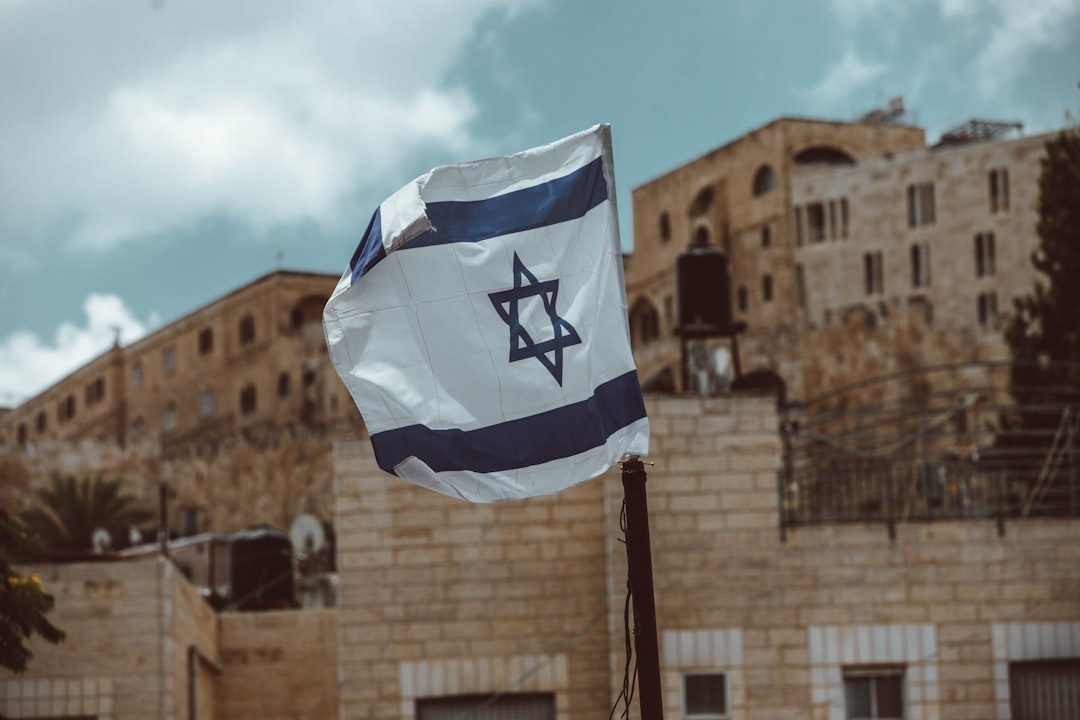
Tension in the Middle East has dominated the news cycle since October 07, 2023. Media from across the globe have continuously connected with experts for insight, perspective and opinions about the ongoing chaos in the region. Florida Atlantic University's political science professor, Robert Rabil Ph. D. is a star expert in political Islam, terrorism, U.S. foreign policy, and U.S.-Arab relations. His expertise has appeared in major newspapers and academic journals, including the Wall Street Journal, Chicago-Sun Times, Daily Star (Beirut), History News Network, National Interest, CNN, Middle East Journal, Middle East Policy, the Journal of International Security Affairs, Middle East Quarterly, and Middle East Review of International Affairs. He has also contributed several book chapters on political Islam and Middle Eastern politics. Most recently he has been featured on Al Qahera News and NBC News as well as The National Interest and the South Florida Sun Sentinel. Rabil is available to speak with media. Simply click on Rabil’s icon now to arrange an interview today.


Vanderbilt debate director and rhetoric expert on Harris-Trump debate expectations and tips
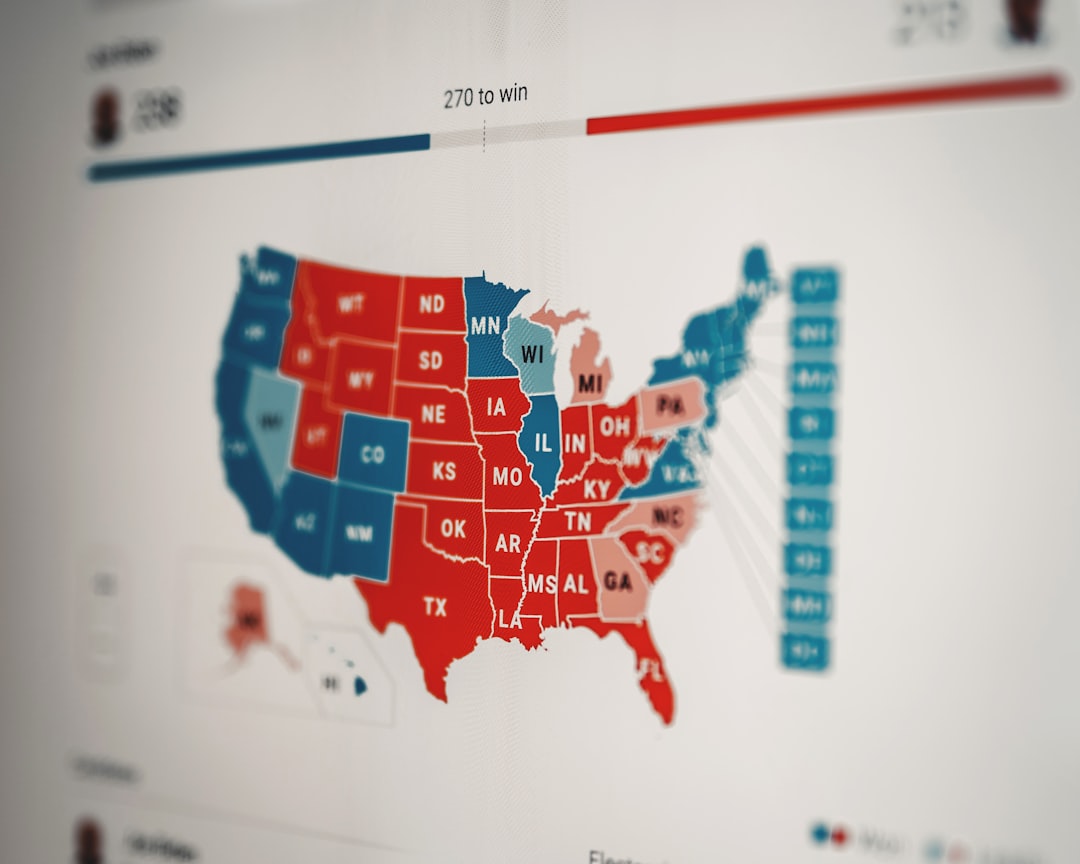
John Koch, senior lecturer and director of debate at Vanderbilt University, is available for commentary on the Harris-Trump presidential debate. A recognized scholar on presidential communication and rhetoric, John uses a wide range of methods to understand and explain political and policy debates. His research is guided by the question of how we can improve citizenship practices and debates within our political culture. His most recent co-authored scholarly article explored the history of presidential debates and how we can improve them. He has served as chair of the National Communication Association’s Argumentation and Forensics Division and the Committee on International Discussion and Debate. His research has appeared in Contemporary Argumentation and Debate, the National Forensic Journal, Studies in Debate and Oratory and various book chapters on presidential rhetoric. Currently, he serves as the Director of Debate of Vanderbilt’s internationally renowned and award-winning debate program. Topics he can speak to include: What arguments to expect from the candidates What each candidate needs to do and not do in the debate How to determine who wins a debate What to watch for/what issues might come up in the debate History of presidential debates The usefulness of presidential debates and how we might improve them How adults can discuss politics and debates with their children by watching debates together After debate analysis of who may have won and what issues/moments may be salient to voters The debate styles of the candidates and their histories in debates Differences in debate style we can expect between Trump and Harris Differences in how Trump may approach the debate with Harris vs. how he approached Biden

