
Experts Matter. Find Yours.
Connect for media, speaking, professional opportunities & more.

New £2.8 million MRI scanner installed at Aston Institute of Health and Neurodevelopment
Installation of a new £2.8 million MRI scanner is due to start at Aston University in the Institute of Health and Neurodevelopment (IHN) to replace the existing ageing unit in the Day Hospital on campus. The state-of-the-art facility will be installed over a period of four months, including work being undertaken to remove the old machine from the building. This will involve several complex crane lifts outside the Day Hospital to remove the existing scanner. The internal spaces will then be refurbished before the new scanner is lifted into the building in February 2022. The new Siemens MAGNETOM Prisma 3T MRI scanner will enhance the world-class neuroimaging research facilities within the Institute. Currently Aston University researchers use advanced neuroimaging techniques to discover biomarkers of brain health in children with neurological disease. By detecting those biomarkers, researchers are able to determine those who are at risk of longer term poor cognitive, behavioural and health outcomes with the goal/vision of providing early support to those children who need it most. The new scanner will also enable the Institute to provide the most recent innovations in MRI for patients visiting through the clinical service: Aston University Imaging. Patients visiting for MRI scans come through private referrals, as well as from local institutions such as the Birmingham Royal Ballet and Aston Villa football club. Professor Jackie Blissett, co-director, Aston Institute of Health and Neurodevelopment (IHN), said: “The installation of our new MRI scanner is tremendously exciting. This state-of-the-art equipment is core to our child-focused research programme that delivers a new understanding of development and disease and the interventions that will make a difference.”


ChristianaCare Named a “Most Wired” Health Care Technology Leader for 6th Consecutive Year
ChristianaCare Recognized as one of the Nation’s Best in Both Ambulatory and Hospital Care (WILMINGTON, Del. – Oct. 29, 2021) For the sixth consecutive year, ChristianaCare has earned the “Most Wired” designation from the College of Healthcare Information Management Executives (CHIME), which assesses how effectively health care organizations apply core and advanced technologies to improve health and care in their communities. ChristianaCare was recognized with a Performance Excellence Award for Most Wired’s acute and ambulatory categories. That level is reserved only for organizations that are considered leaders in health care technology who “actively push the industry forward.” The recognition affirms that not only has ChristianaCare implemented advanced technologies, but it leverages those technologies in innovative ways. And it also has encouraged deep adoption of these technologies across the entire health system. “Throughout the COVID-19 pandemic, patients and providers have experienced the power of virtual care and the ability for data and technology to improve the health care experience,” said ChristianaCare President and CEO Janice E. Nevin, M.D., MPH. “At ChristianaCare, we believe now is the moment to transform our health care system to a new model of care that doesn’t stop between appointments—it’s continuous, data-driven and technology-enabled. We’re proud to be recognized as a leader in health care innovation, as we work to achieve better health at lower costs.” “We are driving digital into the core of our existing operations and simultaneously creating new digital product offerings,” said Randy Gaboriault, MS, MBA, chief digital and information officer at ChristianaCare. “The concept of the visit as the primary point of interaction between patient and doctor is obsolete. Our unique care foundation is continuous, digital and in the home, driving care with data and producing engagement actions between the visits. Our goal is for the care team, supported by artificial intelligence within the workflow, to determine the next best action for each patient.” The recognition is the latest accolade that highlights ChristianaCare’s success in creating exceptional experiences for its patients and consumers through personalized, proactive communication, which enables people to use the channels that they prefer in order to easily access care. This success was recently illustrated through ChristianaCare’s integration of clinical data with its new customer relationship management (CRM) system, which enabled ChristianaCare to scale and automate outreach to patients due for important preventive health checks. Through this effort and the new capabilities, ChristianaCare initiated patient and consumer outreach to address two common gaps in care – annual wellness checkups and breast cancer screenings. Continuous and automatic, the outreach within weeks resolved 11% of the gaps in annual wellness checkups, and 8% of the gaps in breast cancer screenings. “Success here stems from our commitment to continuously look for opportunities to innovate, from which we can more quickly and effectively partner with each individual on their path toward optimal health, even as we explore new ways to push the boundaries of how technology can further improve the health of our community,” said Lynne McCone, vice president of IT Application Services at ChristianaCare. The 2021 Digital Health Most Wired program assessed the adoption, integration and impact of technologies in health care organizations at all stages of development, from early development to industry-leading. Each participating organization received a customized benchmarking report, an overall score and scores for individual levels in eight segments: infrastructure; security; business/disaster recovery; administrative/supply chain; analytics/data management; interoperability/population health; patient engagement; and clinical quality/safety. Participants can use the report and scores to identify strengths and opportunities for improvement. Participants also received certification based on their overall performance. “Digital transformation in healthcare has accelerated to an unprecedented level since 2020, and the next few years will bring a wave of innovation that empowers healthcare consumers and will astound the industry,” said CHIME President and CEO Russell P. Branzell. “The Digital Health Most Wired program recognizes the outstanding digital leaders who have paved the way for this imminent revolution in healthcare. Their trailblazing commitment to rapid transformation has set an example for the entire industry in how to pursue a leadership vision with determination, brilliant planning and courage to overcome all challenges.” About ChristianaCare Headquartered in Wilmington, Delaware, ChristianaCare is one of the country’s most dynamic health care organizations, centered on improving health outcomes, making high-quality care more accessible and lowering health care costs. ChristianaCare includes an extensive network of primary care and outpatient services, home health care, urgent care centers, three hospitals (1,299 beds), a freestanding emergency department, a Level I trauma center and a Level III neonatal intensive care unit, a comprehensive stroke center and regional centers of excellence in heart and vascular care, cancer care and women’s health. It also includes the pioneering Gene Editing Institute. ChristianaCare is nationally recognized as a great place to work, rated by Forbes as the 5th best health system to work for in the United States and by IDG Computerworld as one of the nation’s Best Places to Work in IT. ChristianaCare is rated by HealthGrades as one of America’s 50 Best Hospitals and continually ranked among the nation’s best by Newsweek and other national quality ratings. ChristianaCare is a nonprofit teaching health system with more than 260 residents and fellows. With its groundbreaking Center for Virtual Health and a focus on population health and value-based care, ChristianaCare is shaping the future of health care.



What can America expect as supply chain issues leave the auto industry stuck in park?
America’s auto industry is slowing down – and this time the main source is not a matter of labor issues or a lack of customers. This time this crisis, like those plaguing so many other industries lies in the tangled web of supply chain issues that is challenging manufacturing, industries and economies across America and the continent. In the United States, the auto industry has been hit particularly hard. The nation’s largest automaker and the rest of the global auto industry have been sporadically shutting down plants since late last year due to the semiconductor shortage, which has cut supplies on dealer lots and driven new vehicle prices to record levels. To be sure, production still isn’t back to normal because some of the factories will only run on one shift per day. Phil Amsrud, senior principal analyst for IHS Markit who studies the chip market, said GM’s move is a good sign, but doesn’t signal the end of the chip shortage. “It’s just not a sign that the patient is through all the rough spots and it’s a matter of weeks before they’re released from the hospital,” he said. October 22 - Associated Press There has been a lot of coverage, and a lot of questions asked as to how this happened and what it will take to untangle the mess. And that’s where experts from Augusta can help with coverage. "There are several factors but the main themes are suppliers inability to react to the increased demand, and governmental policies and responses,” explains Dr. Mark Thompson an economist and expert regarding the industrial issues facing America. “When COVID initially hit, demand dropped considerably. As it relates to the shortage of computer chips, what do you think consumers were demanding during the early phase of COVID...computers, laptops, handheld devices, etc. Technology companies responded and chip manufacturers switch to produce these items. Now, as consumers demand for new cars pick up, there is a shortage of the chips necessary for new cars. As it relates to government intervention, the stimulus has also increased demand for various goods and services furthering the shortage." As for how long will it take for America to see the supply chain replenished? "Good guess,” says Thompson. "I would say that we should expect to continue to see these shortages through the rest of 2021 and part of the way in 2022." If you’re a journalist covering the ongoing supply-chain issues – then let our experts help with your stories. Dr. Mark Thompson is an economist with highly accomplished work in business conditions, risk analysis, energy and the healthcare industry. Dr. Thompson is available to speak with media regarding the economic and industrial issues facing America during this supply chain crisis - simply click on his icon now to arrange an interview today.



Could Vitamin-A bring back your sense of smell after Covid?
Researchers at the University of East Anglia and James Paget University Hospital are launching a new project to see whether Vitamin A could help people regain their sense of smell after viral infections including Covid-19. Smell loss is a common symptom of Covid-19, but even before Covid, many viruses had been causing smell loss and distortion and while most people naturally regain their sense of smell within a couple of weeks, many have been left with on-going smell disorders. Previous research from Germany has shown the potential benefit of Vitamin-A, and the UEA team will explore how this treatment works to help repair tissues in the nose damaged by viruses. They hope that the study, which has been funded by the National Institute for Health Research (NIHR), could one-day help improve the lives of millions around the world who suffer from smell loss, by returning their fifth sense. Smell loss expert Prof Carl Philpott from UEA’s Norwich Medical School and James Paget University Hospitals NHS Trust, said: “The huge rise in smell loss caused by Covid-19 has created an unprecedented worldwide demand for treatment. “Even before the Covid-19 pandemic hit, smell loss was thought to affect an estimated five per cent of people, with viruses accounting for 1 in 10 of those. “And around one in ten people who experience smell loss as a result of Covid-19 report that their sense of smell has not returned to normal four weeks after falling ill. “It’s a big problem, and our previous research has shown the impact of smell loss – including depression, anxiety and isolation, as well as risk of danger from hazards such as gas and spoiled food, and changes in weight due to reduced appetite. “A key problem for patients and their clinicians is the lack of proven effective treatments. “A recent study from Germany showed that people treated with vitamin A nasal drops improved twice as much as those in the untreated group. “We want to find out whether there is an increase in the size and activity of damaged smell pathways in patients’ brains when they are treated with vitamin A nasal drops. “This would show recovery of the damage caused by common viral infections, including Covid-19, in the nose.” The research team will work with patients who have lost their sense of smell due to a viral infection. They will either receive a 12-week course of nasal vitamin A drops or inactive equivalent drops, and have their brains scanned before and after the treatment. The scans will be compared to those of a control group who have not been treated with vitamin A drops. Prof Philpott said: “The patients will be smelling distinctive odours - roses and rotten eggs - while special MRI brain scans are taken. “We will look for changes in the size of the olfactory bulb - an area above the nose where the smell nerves join together and connect to the brain. “We will also look at activity in areas of the brain linked to recognising smells,” he added. Duncan Boak, Founder and Chair of Fifth Sense, said: “At Fifth Sense we have engaged with thousands of people who have experienced changes in their ability to smell or taste as a result of the Covid 19 virus. They join an already large community of people with a smell disorder that pre-dates the pandemic. “The question we are most often asked is about available treatments to support recovery. Not being able to smell is not only physically distressing but can affect the enjoyment of social occasions and present hazards and risks that might never have been previously considered such as not being able to detect gas leaks or spoiled food. “Research into potentially successful interventions is vital to help people feeling the impact of smell disorders that affects the quality and enjoyment of their life.” To take part in this trial, patients need to be referred to The Smell and Taste Clinic at the James Paget University Hospital by their GP. Recruitment is expected to begin in December 2021. To find out more visit https://rhinology-group.uea.ac.uk/apollo-trial or contact apollo.trial@uea.ac.uk. The NIHR is the largest funder of research in the country, and is the research partner of the NHS and social care. To find out more about other NIHR research happening near you, visit www.bepartofresearch.uk.


A missed opportunity - hospital doctors must stop 'risky' medicines
Hospital doctors and pharmacists should stop ‘risky’ medicines before patients leave hospital - according to researchers at the University of East Anglia. One in two older people are prescribed a medicine which over time has become inappropriate or unnecessary. In a recent National Overprescribing Review titled ‘Good for you, good for us, good for everybody’, the government called on doctors and pharmacists working in GP surgeries to tackle the problem of overprescribing. But research from UEA’s School of Pharmacy has found that nine out of 10 older hospital patients and their family believe that inappropriate or unnecessary medicines should also be spotted and stopped whilst they are in hospital. And the team say that by the time people are back under their GP care, a major opportunity has been missed. Prof Debi Bhattacharya, from UEA’s School of Pharmacy, said: “We know that half of older people admitted to hospital arrive having been prescribed a medicine that over time has become inappropriate for them. These medicines will have more risks than benefits. “And their side effects cause problems, like making them feel drowsy, nauseous or have trouble getting to sleep. These problems impact a person’s quality of life to the extent that they can cause re-hospitalisation. “Our research has shown that very few patients have one of these ‘risky’ medicines stopped whilst in hospital. “Continuing medicines when they are not needed unnecessarily harms people and wastes NHS money. “The time is right to undertake research into ways of safely increasing the number of inappropriate and unnecessary medicines that are stopped,” she added. To tackle the problem, Prof Bhattacharya is leading a £2.4 million trial to stop risky medicines in hospital - in collaboration with researchers at the Universities of York, Newcastle, Leeds and Leicester, the Norfolk and Norwich University Hospital and Addenbrooke’s Hospital in Cambridge. Patient and Public Engagement lead for CHARMER, Katherine Murphy, said: “We are working with hospitals and GP organisations across England to see whether the new strategy works, helps people, causes no harm, and is good value for the NHS. “And for this trial to be meaningful to people, we need to make sure that we look at the things that matter to them when testing whether stopping a medicine has had a positive outcome.” The research team recently surveyed 200 people including patients, informal carers, doctors, nurses, pharmacists, physiotherapists and researchers to find out what they should look at in the trial. On reviewing the results Katherine Murphy said: “It was good to see that what people really want us to look at is whether patients can do the things that they want to do, not how much patients can do. “Being able to walk up a flight of stairs, for example, may be important to some patients but not to others. We need to make sure that medicines are prescribed that support people to get the best quality of life. In the trial, we also need to make sure that the way that we stop risky medicines causes no harm and is good value for the NHS.” For more information about the CHARMER study visit https://www.uea.ac.uk/web/groups-and-centres/charmer/about-the-research The research has been funded by the National Institute of Health and Social Care research.
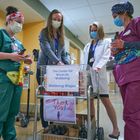
ChristianaCare recognized by American Medical Association with 2021 Joy in Medicine distinction
ChristianaCare one of only 44 nationwide to receive the distinction; one of only five to receive the highest level – Gold Recognition (WILMINGTON, Del. – Oct. 7, 2021) ChristianaCare has been named a recipient of the American Medical Association’s Joy in MedicineTM Health System Recognition Program. The distinction recognizes health systems that demonstrate a commitment to preserving the wellbeing of health care team members by engaging in proven efforts to combat work-related stress and burnout. The American Medical Association awarded ChristianaCare a “Gold Recognition” – the highest level within the program. Only 44 health systems nationwide received the Joy in Medicine distinction, with only four other health systems along with ChristianaCare achieving the Gold Recognition. “When caregivers feel supported and fulfilled in their work, the quality of both their experience and their patient’s experience improves,” said Heather Farley, M.D., MHCDS, chief wellness officer and head of ChristianaCare’s Center for WorkLife Wellbeing. “That’s why, when the COVID-19 pandemic struck, we deepened our investment of resources to support our caregivers. While there’s still a long way to go, we are grateful to receive this recognition as it affirms our commitment to helping our caregivers foster meaning, connection and joy in work and in life.” ChristianaCare received the “Gold Recognition” for achieving six criteria: An organization-wide commitment to improving physician wellbeing. An assessment of the costs of physician burnout. Evidence-based interventions to reduce and eliminate burnout. Leadership commitment to address areas for improvement. Interventions to improve teamwork. Structured programs that actively engage doctors to cultivate community at work. These criteria align with ChristianaCare’s commitment to support its caregivers in alignment with the organization’s core values of love and excellence. ChristianaCare has implemented structured ways of working that encourages leaders to create environments where their workers feel safe asking questions and feel empowered to identify and solve problems. ChristianaCare also uses numerous surveys and assessments to track progress in improving the wellbeing and experience of caregivers. ChristianaCare’s Unique Center for WorkLife Wellbeing ChristianaCare established the Center for WorkLife Wellbeing in 2016 to develop support systems to enable clinicians to reconnect with the joy and meaning in medicine. “We recognized the growing problem of stress and burnout in health care, and we made a decision to tackle it head-on,” said Janice E. Nevin, M.D., MPH, ChristianaCare president and CEO. “The work of our psychologists, researchers, clinicians and peer supporters in the Center for WorkLife Wellbeing is built on the understanding that when we care for ourselves, we are better able to care for others, resulting in decreased medical errors and a better experience of care for everyone involved.” The Center soon expanded its mission to support all of ChristianaCare’s caregivers, including those who don’t work in clinical roles. The Center also has received national recognition for its expertise and leadership in the field of workplace wellbeing. Throughout the pandemic, the Center for WorkLife Wellbeing has proactively shared a variety of resources to support caregivers as they work to provide safe, effective care and reduce the spread of COVID-19. This includes: The Care for the Caregiver program, which provides confidential individual peer support and group support to caregivers when they experience stress related to patient care or the workplace. Peer supporters and organizational leaders receive training so they can provide psychological first aid to caregivers whom they recognize are struggling as well as connect them to helpful resources if needed. Emotional support through mindfulness resources and regular rounds where the Center’s experts can check on staff wellbeing. OASIS Rooms, which are quiet sanctuaries inside the hospital where caregivers can go to take a break, de-stress, meditate or enjoy a chair massage. 24/7 mental health services and programs to help caregivers maintain healthy habits including proper exercise, sleep and nutrition. Fitness centers that are free for all caregivers to use and provide easy access to exercise and fitness programs. “I always use the analogy, you can’t take the canary out of the coal mine and teach it to be more resilient and then put it back in the same coal mine and expect it to survive,” Dr. Farley said. “You actually have to change the coal mine – the environment surrounding our caregivers and clinicians. That’s what we’re doing in the Center for WorkLife Wellbeing.” Solutions to a National Problem A national study examining the experiences of physicians and other health care workers who worked in health systems during the COVID-19 pandemic found that 38% self-reported experiencing anxiety or depression, while 43% suffered from work overload and 49% had burnout. “The COVID-19 pandemic has placed extraordinary stress on physicians and other health care professionals,” said American Medical Association President Gerald E. Harmon, M.D. “While it is always important for health systems to focus on the wellbeing of care teams, the imperative is greater than ever as acute stress from combatting the COVID-19 pandemic has contributed to higher rates of work overload, anxiety and depression. The health systems we recognize today are true leaders in promoting an organizational response that makes a difference in the lives of the health care workforce.” Launched in 2019, the Joy in Medicine Health System Recognition Program is a component of the American Medical Association’s practice transformation efforts, an ambitious initiative to advance evidence-based solutions to address the physician burnout crisis. Candidates for the program were evaluated according to their documented efforts to reduce work-related burnout through system-level drivers. Scoring criteria were based on demonstrated competencies in commitment, assessment, leadership, efficiency of practice environment, teamwork and support. About ChristianaCare Headquartered in Wilmington, Delaware, ChristianaCare is one of the country’s most dynamic health care organizations, centered on improving health outcomes, making high-quality care more accessible and lowering health care costs. ChristianaCare includes an extensive network of primary care and outpatient services, home health care, urgent care centers, three hospitals (1,299 beds), a freestanding emergency department, a Level I trauma center and a Level III neonatal intensive care unit, a comprehensive stroke center and regional centers of excellence in heart and vascular care, cancer care and women’s health. It also includes the pioneering Gene Editing Institute. ChristianaCare is nationally recognized as a great place to work, rated by Forbes as the 5th best health system to work for in the United States and by IDG Computerworld as one of the nation’s Best Places to Work in IT. ChristianaCare is rated by HealthGrades as one of America’s 50 Best Hospitals and continually ranked among the nation’s best by Newsweek and other national quality ratings. ChristianaCare is a nonprofit teaching health system with more than 260 residents and fellows. With its groundbreaking Center for Virtual Health and a focus on population health and value-based care, ChristianaCare is shaping the future of health care. #####
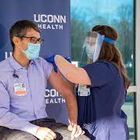
Experts in the Media – UConn’s Dr. David Banach is the go-to voice on COVID boosters
As COVID continues to wreak havoc across the globe, health systems in America are overwhelmed. And as the debate about a third shot continues, the FDA is prepared to allow Pfizer vaccine boosters as early as this week to those over 65 and to people at a higher health risk if exposed to the virus. UConn epidemiologist Dr. David Banach offered his expert perspective and insight on the need and effectiveness for those looking to learn more about booster shots and COVID vaccines: Booster shots of Pfizer’s COVID-19 vaccine may be administered as early as Friday, but who will get one is still up for discussion. “What the FDA review showed was in the general population, at this date and time, there wasn’t sufficient data to support booster doses,” said Dr. David Banach, hospital epidemiologist at UConn Health. Last week, the FDA’s advisory committee voted overwhelmingly not to recommend a third shot for people 16 and up. However, they did vote to authorize a booster dose at least six months after full vaccination for people who are 65 and older as well as individuals who are at high risk for severe COVID. “In older populations, there seems to be some potential benefit to giving a third dose within the Pfizer group,” said Dr. Banach. Dr. Banach said more information is expected in the days to come as this matter heads to the CDC’s independent advisory panel this week. “It’s going to provide more granular recommendations on how to proceed with that 65 and older group and potentially other groups as well,” said Dr. Banach. He added one of the groups up for discussion is healthcare workers. There continues to be an enormous amount of coverage and questions about vaccines and COVID-19, and if you are a journalist looking to know more and include an expert in your story, then let us help. Dr. David Banach is one of the lead experts on COVID-19 in America. He is available to speak with media regarding vaccination and what the future holds with COVID-19. To book an interview, simply click on his icon today.


Podcast: 3D printing’s vital solution to medical problem caused by COVID-19
"They were looking to solve a problem and I was able to use my additive manufacturing knowledge to help them out, and the result of that was that we developed a new technology and span a company out of it." Dr Mark Prince Senior Lecturer in Mechanical Engineering Aston University New device created in Aston University lecturer's home during coronavirus lockdown Aston Business School expert explains how 3D printers are already used to make hearing aids, dental crowns and hips ‘Imagination is the only limit’ for additive manufacturing’s future, according to Dr Ahmad Beltagui A senior lecturer at Aston University is helping ear, nose and throat (ENT) clinics around the world by using the hi-tech ingenuity of 3D printing. Dr Mark Prince used 3D printing to prototype and produce a valve for a mask so that ENT surgeons could continue to examine and treat patients without fear of spreading the virus. Dr Prince, a senior lecturer in mechanical engineering at Aston University, was talking about his experiences in the latest episode of the 'Aston means business' podcast, presented by journalist Steve Dyson. The podcast also features Dr Ahmad Beltagui from Aston Business School, who talks about the wider benefits, some downsides and future potential of 3D printing in successfully disrupting traditional manufacturing. Dr Prince said his interest in additive manufacturing, or 3D printing, peaked after meeting two consultant ENT surgeons in the West Midlands. He said: "They were looking to solve a problem and I was able to use my additive manufacturing knowledge to help them out, and the result of that was that we developed a new technology and span a company out of it. "The company is Endoscope-i Ltd, founded in 2012 and now with an annual turnover of £200,000. The idea was simple: can we get medical endoscopic images of the ears and throat using a smartphone and we came up with a technique to do that." He said that, traditionally, he would have used large, expensive equipment to prototype the systems and new products. However, that wasn't possible with most of the university closed down at the height of the pandemic last year. He, therefore, had to look at other technologies that were safe to use in the home without breaking lockdown restrictions. Dr Prince explained: "When we are looking at diseases or concerns of the throat and nose we often stick an endoscope up the nose and down the throat, but of course you can't do that through a mask. "One of the founding members, Mr Ajith George, suggested that we could put a valve in the mask that allowed an endoscope to pass through it and allow the procedure to go ahead without breaking containment." "Work on the device started in mid-March 2020 and was ready for free supply to the NHS in November. Dr Prince added: "What that has allowed the NHS to do is any ENT clinic was able to fit it to a mask, put the mask on the patient, and carry on with an endoscopy procedure without all of the concerns of the pandemic." Meanwhile, Dr Ahmad Beltagui, a lecturer in operations and information management at Aston Business School, said you could get 3D printers from as little as £200 all the way up to expensive versions working with "exotic materials" like titanium. He said there were four main benefits to manufacturers: "Compared to traditional manufacturing methods you can produce shapes that are harder to produce; you can produce things in very small volumes; you can innovate faster and produce lots of prototypes, and you can produce things nearer to where they are required so you don't have to produce in a factory in one place and transport somewhere else." Dr Beltagui said: "The COVID-19 pandemic saw 3D printers used in homes to produce equipment such as cheap face visors for their local hospitals. The great thing about 3D printing is anyone can produce anything they want. "That's also the biggest risk – there is no control over what people produce or how safely they produce it. "At the beginning of the pandemic, someone in Italy found that they could produce some spare parts to keep the ventilators in their local hospital going. But then a few days later the manufacturer of those ventilators was considering whether or not it should take legal action." However, he said the printing machines had gradually become more reliable and there was a better level of quality, while the cost was coming down. Dr Beltagui added: "As to the future, the only limit is your imagination."


Covering World Breastfeeding Week? Our experts are here to help
August 1-7 is World Breastfeeding Week, and the University of Mary Washington has the ideal expert for any journalist looking to learn more or cover this important topic. Did you know that breastfeeding is one of the top maternal priorities for many organizations, including the World Health Organization (WHO), the American Academy of Pediatrics (AAP) and the Centers for Disease Control and Prevention (CDC)? Assistant Professor of Communication Elizabeth Johnson-Young has done extensive research on women’s intentions to breastfeed and how the communication they receive during pregnancy and postpartum from various sources such as doctors, lactation consultants, friends and family, magazines, books and parenting groups can impact the decision to breastfeed. She's also explored the connections between breastfeeding and body satisfaction. Dr. Elizabeth Johnson-Young is a published expert on health communication, especially maternal and family health. She is ready to help if you are looking to cover this topic - simply click on her icon now to arrange an interview today.



Cyber attacks and ransomware are incidents that are happening more and more often. They are threatening America’s energy supply, food chain and critical infrastructure. Recently, two Georgia hospitals were victims of a recent attack. Media from across the country asked experts like Frank Katz, director of Georgia Southern University's Center for Applied Cyber Education, who is vulnerable and why. Katz, who directs the Center for Applied Cyber Education at Georgia Southern University’s Armstrong Campus in Savannah, said hospitals can be targets for extortion as well as sources of personal identifying information that can aid in further fraud. “They are more likely to pay than another type of business because it’s a life and death situation,” Katz told WSAV-TV. “It really has become a situation of money, pure and simple. These are thieves that know they can extort the money and often get it.” June 21 – Associated Press Frank Katz, director of the Center for Applied Cyber Education at Georgia Southern University, says hospitals are often easy targets. Having so many employees, he says user IDs and passwords can be easy to figure out. Plus, they’re dealing with emergency medical care. “They are more likely to pay than another type of business because it’s a life and death situation,” Katz said. June 21 – NBC News If you are a reporter looking to cover this subject and speak with Frank Katz, Georgia Southern’s Director of the Center for Applied Cyber Education – then let our experts help. Frank Katz, director of the Center for Applied Cyber Education is available, simply click on his icon or reach out to Georgia Southern Director of Communications Jennifer Wise at jwise@georgiasouthern.edu and she’ll assist with connecting you for an interview today.
